
Your Cart is Empty
Blended families often carry emotional wounds from past relationships, losses, and adjustments to new family structures. These hurts can create distance between family members and make it hard to build strong connections. Thoughtful, personalized gifts can serve as powerful tools for healing these wounds by showing genuine care, acknowledgment, and understanding of each person's unique place in the family.
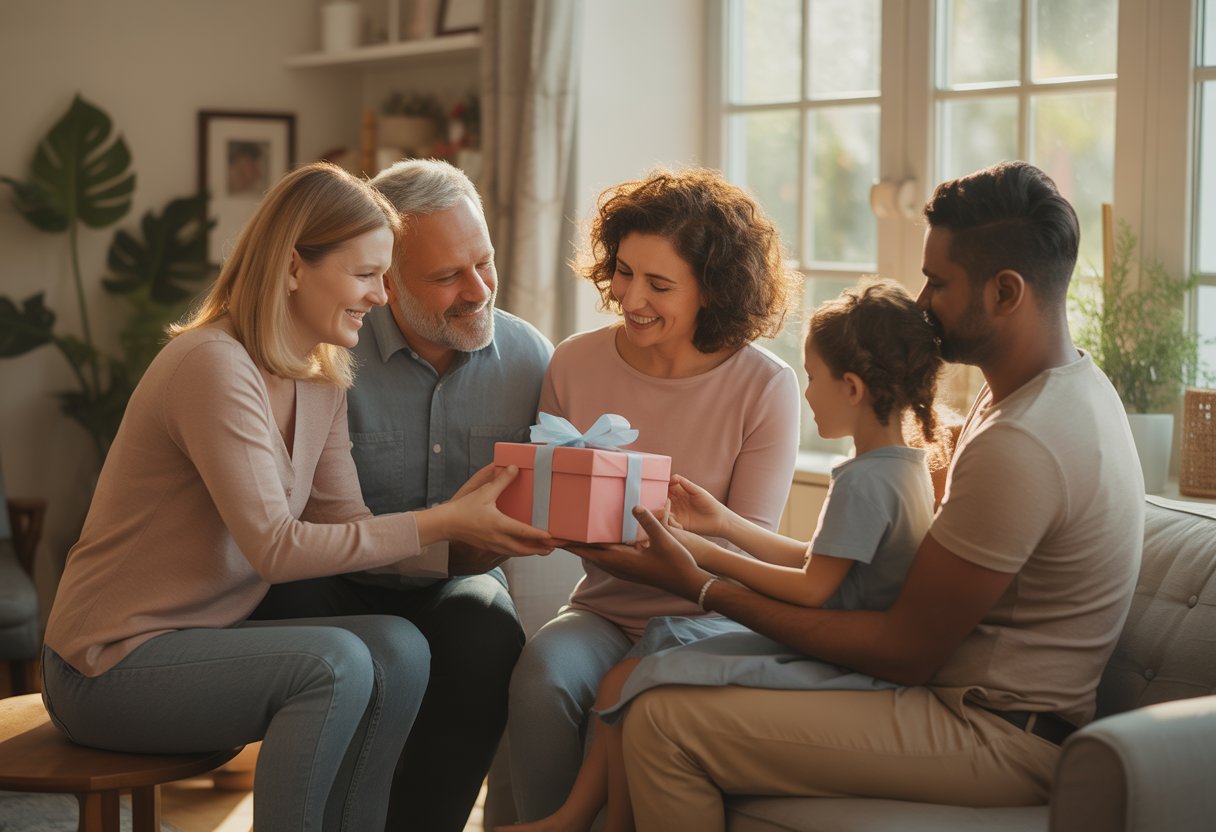
Meaningful gifts in blended families go beyond material value. They communicate that each family member matters and belongs. When chosen with intention, gifts can help address specific emotional needs, build trust, and create positive memories that strengthen family bonds over time.
The process of selecting and giving meaningful gifts requires awareness of family dynamics and individual struggles. Parents and stepparents who approach gifting thoughtfully can use these moments to validate feelings, honor relationships, and demonstrate their commitment to the whole family. Whether through personalized items from Zazzle or thoughtful presents from Amazon, the right gifts can open doors to deeper connection and healing.

Blended families face unique emotional challenges that stem from loss, change, and adjustment to new family structures. These wounds often involve loyalty conflicts, grief from previous relationships, and difficulty forming new attachments.
Children in blended families frequently experience loyalty conflicts between biological parents and step-parents. They may feel guilty about liking a step-parent or worry that forming new bonds means betraying their other parent. These feelings create internal stress that affects their behavior and relationships.
Loss and grief represent another significant wound. Even when a previous relationship ended badly, children still mourn the loss of their original family unit. Adults also grieve the loss of their first family vision and the expectations they once held.
Trust issues commonly emerge in blended family dynamics. Family members may struggle to open up emotionally after experiencing divorce or separation. Step-siblings might compete for attention and resources, creating tension within the household.
Identity confusion affects many children who must navigate multiple households with different rules and expectations. They may question where they belong or feel caught between two worlds, especially during holidays or special occasions when thoughtful personalized family gifts could help build unity.
Time and understanding serve as foundational elements for blended family success. Families that rush the bonding process often face more resistance and conflict. Building genuine relationships requires patience as each member adjusts at their own pace.
Communication patterns within the family either support or hinder healing. Open dialogue about feelings, expectations, and boundaries helps family members understand each other better. Families that avoid difficult conversations often see tensions build over time.
The quality of the relationship between biological parents significantly affects children's adjustment. When ex-partners maintain respectful co-parenting relationships, children experience less stress and confusion. Conversely, ongoing conflict between households creates additional emotional burdens.
Family roles and hierarchies need clear definition. When step-parents try to immediately assume full parental authority, children often resist. Gradual relationship building through shared activities and meaningful experiences produces better outcomes than forced connections.
Past trauma profoundly impacts blended family members and their ability to form new attachments. Adults who experienced abuse or neglect in previous relationships may struggle with trust and intimacy. They might become overprotective of their children or hesitant to fully commit to the new family structure.
Children display trauma through various behavioral and emotional symptoms. Anxiety, depression, and mood swings often indicate unresolved pain. Some children exhibit regressive behaviors like bedwetting or clinginess when adjusting to new family arrangements.
Recognizing trauma signs allows families to address problems early. Adults may notice difficulty regulating emotions, self-destructive patterns, or challenges forming healthy relationships. Children might show reluctance to bond with new family members or act out to test boundaries and security.
Common trauma indicators include:
Professional support helps families work through these challenges effectively. Therapy provides tools for managing emotions and building healthier relationship patterns across generations.
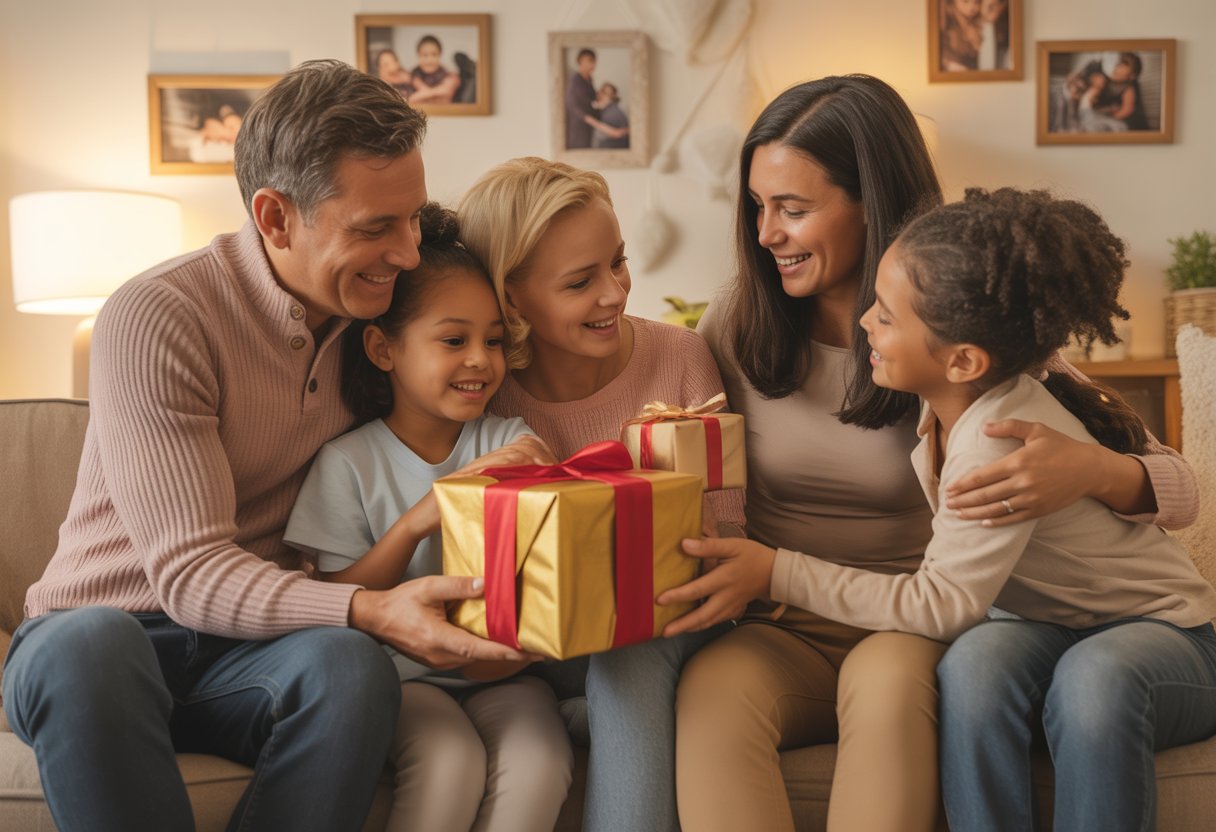
Gifts serve as bridges between family members navigating the complex terrain of blended family relationships. They carry symbolic weight that extends beyond their physical form and create opportunities for emotional connection when words fall short.
A gift represents more than an object passing from one person to another. It communicates care, recognition, and the desire to build connection. In blended families, where emotional wounds often stem from loss, change, and adjustment, a thoughtfully chosen gift acknowledges someone's unique place in the family structure.
The symbolic nature of gifts makes them powerful tools for healing. A stepparent who gives a gift that reflects a stepchild's specific interests demonstrates genuine attention and effort. This attention signals acceptance and validation.
Key symbolic elements include:
Physical items become anchors for positive memories. A personalized family photo blanket or custom artwork can represent the new family unit while honoring each person's history.
Thoughtfulness matters more than price tags. A gift chosen with specific attention to someone's preferences shows investment in understanding who they are. This effort communicates value and respect.
Generosity in gift-giving extends beyond material items. Time, attention, and experiences often carry more weight than purchased objects. A stepparent who plans an activity based on a child's interests demonstrates genuine care.
The act of giving creates vulnerability. It requires the giver to reach out and the receiver to accept. Both actions build trust in relationships that may lack established foundations. Family dynamics improve when members consistently demonstrate thoughtfulness toward one another.
Small, regular gestures often prove more effective than grand occasional displays. A journal for recording family memories used consistently creates more impact than an expensive one-time gift.
Gifts establish touchpoints that connect past, present, and future. They create shared reference points that help build family identity across different backgrounds and histories.
Emotional continuity develops through:
A gift given today becomes a memory tomorrow. These memories accumulate and form the foundation of family narrative. Blended families benefit from creating new traditions while respecting existing ones.
Physical objects serve as reminders of positive interactions. They anchor feelings of belonging and acceptance in tangible form. When family members see these items in their daily lives, they reconnect with the emotions attached to receiving them. This repeated exposure reinforces bonds and helps transform separate individuals into a unified family unit.
Custom gifts create emotional bridges between blended family members by acknowledging individual identities while building collective belonging. These thoughtful presents address the unique challenges of merging families through intentional personalization that validates each person's place in the new family structure.
Personalized gifts support blended families by creating visual symbols of the new family unit. Custom items that include all family members' names or initials help establish a sense of togetherness. A family tree artwork featuring every member's name makes each person feel included in the household's foundation.
Gifts like personalized jewelry for mothers or custom pendants with names can represent the expanded family circle. These items serve as daily reminders of the commitment to building something new together. A necklace with birthstones for all children—biological and step—sends a clear message about equal importance.
Photo albums or custom wall art that blend memories from both previous families with new shared experiences help normalize the transition. These gifts acknowledge the past while celebrating the present family structure.
Research shows that personalization transforms gifts into meaningful experiences that raise recipients' self-esteem and make them feel cherished. In blended families, custom gifts demonstrate that someone took time to understand individual preferences and needs.
A stepparent giving a thoughtful gift to their daughter with a personal message shows genuine interest in building a relationship. The gift becomes evidence of effort rather than obligation. This attention to detail builds trust gradually.
Matching items with slight variations—like customized mugs with each family member's favorite color or interest—honor individuality within unity. These gifts encourage intimacy by showing that differences are recognized and valued. The act of choosing something specific to each person's personality demonstrates investment in knowing them deeply.
Thoughtful gifting creates safe spaces for emotional expression in blended families. When someone receives a gift that acknowledges their feelings about the family transition, it validates their experience. This validation promotes personal growth and emotional honesty.
Journals or memory boxes given as gifts signal that emotions matter in the household. These items provide outlets for processing complex feelings about the blended family situation. A Mother's Day gift that acknowledges both biological and step-relationships can open conversations about roles and expectations.
Custom gifts for mothers-in-law who play supportive roles in blended families recognize extended family contributions. This acknowledgment encourages everyone to share their needs and concerns openly. When vulnerability is met with thoughtful recognition, family members feel safer expressing themselves authentically.
Different emotional wounds in blended families require different approaches to gift-giving. Gifts that address resentment need to acknowledge past hurts while opening paths forward, while anxiety-focused presents should create feelings of safety and calm.
Resentment often builds when stepchildren feel replaced or when parents struggle with loyalty conflicts. Thoughtful gift-giving can strengthen connections while addressing these deep wounds. Gifts that work best for healing resentment include items that honor the child's biological parent rather than competing with them.
Photo frames or albums that include space for pictures from both households show respect for the child's whole life. A custom family tree art print from Zazzle that includes all family members validates everyone's place in the new family structure.
Experience gifts like one-on-one time with a stepparent doing an activity the child chooses puts control in their hands. This builds trust without pressure. Journal sets or guided forgiveness workbooks from Amazon give older children tools to process their feelings privately.
Memory boxes where children can keep items from their other household signal that their past matters. These gifts say "your feelings are valid" without demanding immediate acceptance or forgiveness.
Blended family transitions create anxiety about losing relationships, moving between homes, and meeting new expectations. Gifts that reduce anxiety focus on predictability, comfort, and connection.
Weighted blankets or soft comfort items provide physical security during stressful transitions between households. A special stuffed animal that travels between homes becomes a consistent presence amid change.
Communication tools like walkie-talkies or matching bracelets help children feel connected to their biological parent when they're at the other house. Comfort gifts that address emotional pain work because they provide tangible reassurance.
Visual schedules or custom calendars showing when the child will be at each home reduces uncertainty. Nightlights, sound machines, or calming essential oil diffusers create familiar routines across both households. These practical items acknowledge that anxiety is real while offering concrete solutions.
Gift-giving becomes a tool for healing when approached with mindfulness and compassion, allowing families to address past hurts while building stronger connections. These practices help gift-givers make choices that honor everyone's feelings and create meaningful moments.
Mindful giving starts with paying attention to the present moment without judgment. This means noticing your own feelings about each family member before choosing a gift.
Take time to sit quietly and think about the person receiving the gift. What do they enjoy? What makes them feel valued? What might trigger difficult emotions?
Mindfulness helps you avoid reactive gift choices based on guilt or competition. Instead of buying the most expensive item to prove something, you focus on what truly matters to the recipient.
Before shopping, ask yourself why you're giving this particular gift. Are you trying to win favor? Are you acting out of genuine care? Being honest with yourself leads to better choices.
Practicing mindfulness in gift selection helps reduce stress during the gifting process. You make decisions from a calm place rather than rushed anxiety.
Consider keeping a simple notebook where you write down gift ideas throughout the year. This practice keeps you present and attentive to what family members mention they need or want.
Compassion means recognizing that everyone in a blended family carries their own story and struggles. A stepchild might feel torn between two households. A biological parent might worry about being replaced.
When choosing gifts, consider the emotional weight they carry. A photo frame might bring joy to one person but remind another of loss. Think through how your gift might be received from different perspectives.
Key compassionate gifting practices:
Personalized items from Zazzle allow you to create gifts that acknowledge each person's unique place in the family. Custom mugs, photo books, or art prints can show you see them as individuals.
For practical gifts that meet real needs, browse options on Amazon where you can find items suited to different ages and interests. The key is matching the gift to the person rather than buying generic presents.
Compassionate gift-giving also means accepting that not every gift will land perfectly. Some family members need time to warm up to new relationships. Your consistent, thoughtful efforts matter more than any single present.
Thoughtful gifts can serve as powerful tools for connecting step-siblings who are still learning to coexist and for acknowledging the distinct histories each person brings to a blended family. These gestures help address the unique challenges that arise when families merge.
Step-siblings often struggle with loyalty conflicts and territorial feelings when families blend together. Gifts that encourage shared experiences can help break down these barriers naturally.
Matching items like personalized journals or hobby-related gear create opportunities for step-siblings to discover common interests. Photo albums that document new family memories together validate the forming relationship without erasing past connections. Experience-based gifts such as concert tickets or cooking class vouchers force interaction in positive settings.
Parents should avoid gifts that show obvious favoritism between biological children and stepchildren. Equal treatment in gift-giving demonstrates commitment to building stronger relationships across the entire household. Gift cards to shared interests on Amazon allow step-siblings to choose items they genuinely want while parents maintain fairness.
The timing of gifts matters too. Celebrations that include all children help establish new family traditions that everyone can claim as their own.
Blended family dynamics require respect for the traditions and memories each person brings from their previous family structure. Gifts that acknowledge these histories show understanding rather than attempting to erase the past.
Custom photo displays that include images from both family histories validate children's feelings about their biological parents. Heritage-related items like family tree artwork or culturally significant pieces honor each person's background. Memory boxes allow children to keep precious items from their original family safe.
Grandparents play important roles in blended families. Gifts for grandmothers that celebrate their expanded family help reinforce these vital connections. Personalized items from Zazzle can feature names of all grandchildren equally.
When parents remarry, gifts between spouses should reflect their commitment to the entire family unit. Meaningful presents for wives can symbolize partnership in raising all children together, not just biological ones.
Gift-giving in blended families requires clear limits about spending, fairness, and expectations to prevent resentment and confusion. When families set rules around presents, they create space for children to develop gratitude and self-awareness rather than entitlement.
Blended families benefit from discussing gift budgets and guidelines before birthdays or holidays arrive. Parents should agree on spending limits for each child to avoid perceived favoritism between biological children and stepchildren. These conversations prevent one parent from overcompensating with expensive gifts while the other struggles to keep up.
Establishing healthy boundaries helps families create consistent rules that all children understand. Parents can explain that gift value does not equal love, teaching children to appreciate thoughtful gestures over price tags. When disappointment occurs, adults should acknowledge the child's feelings without immediately fixing the problem with more presents.
Families should also set boundaries around gift-giving occasions. Not every achievement requires a material reward. Some blended families establish traditions where certain milestones earn experiences rather than物品, such as a special outing instead of a new gaming system from Amazon.
Gift boundaries teach children valuable lessons about gratitude, patience, and emotional regulation. When parents limit the number of presents or set expectations about thank-you notes, children learn social skills and appreciation. These limits help kids understand that wanting something does not mean receiving it immediately.
Stepparents and biological parents should discuss their roles in gift-giving to support personal growth for everyone involved. A stepparent might wait before giving significant gifts until the relationship strengthens, respecting the time needed to build trust. This boundary protects both the adult and child from forced intimacy.
Families can use personalized items from Zazzle to celebrate individuality while maintaining fairness. Children also grow when they participate in choosing gifts for others, learning empathy and consideration. Parents who model thoughtful giving demonstrate that healthy boundaries include both generosity and restraint.
Strengthening individual confidence and emotional resilience creates a stronger foundation for blended family relationships. Thoughtful gifts that promote self-reflection and acknowledge achievements help each family member feel valued and supported.
Gifts focused on emotional processing help family members develop healthy ways to handle stress and change. Journals with prompts guide individuals through difficult emotions and encourage self-awareness. A gratitude journal builds positive thinking patterns that improve overall mental health.
Meditation cushions create dedicated space for mindfulness practice. These tools help children and adults pause during overwhelming moments. Art supplies like watercolor sets or adult coloring books provide creative outlets for expressing feelings that are hard to put into words.
Books about personal growth offer valuable guidance. Titles focusing on vulnerability and authenticity teach important lessons about accepting imperfection. Essential oil diffusers with calming scents like lavender create peaceful environments where family members can practice self-care routines.
Self-care gift sets combine multiple wellness items into one thoughtful package. These collections might include bath products, candles, and teas that encourage regular relaxation habits.
Recognition of achievements builds self-esteem and shows that every person matters in the family structure. Academic accomplishments deserve special attention, from thoughtful gifts for new students beginning their journey to graduation celebrations marking major completions.
Personalized gifts acknowledge individual identities within the blended family. Custom jewelry with birthstones or engraved items with meaningful dates create lasting reminders of important moments. Photo albums documenting family experiences validate shared memories and individual contributions.
Skill-building experiences demonstrate investment in each person's future. Online courses in areas of interest support personal development goals. Workshop memberships for creative activities like pottery or photography provide opportunities for growth outside the family dynamic.
Personalized milestone gifts from specialty retailers allow customization that reflects unique personalities. These items become treasured keepsakes that remind family members of their worth and accomplishments.
Blended families can strengthen their bonds by weaving thoughtful gifts into regular family practices. These gifts become symbols of unity that help establish emotional continuity across different households and backgrounds.
Starting fresh traditions that involve gift exchanges helps blended families create their own identity. A monthly "appreciation box" where family members add small notes or tokens for each other builds ongoing connection. Some families designate one Sunday per month as "gift craft day" where everyone makes something for another family member.
Holiday traditions work well when they combine elements from both families' histories. Building bonds through shared rituals helps everyone feel included in the new family structure. A "family birthday book" where each person gets a personalized page with photos and memories creates a lasting keepsake that grows each year.
Consider establishing a yearly tradition where each family member receives a charm for a bracelet or adds to a collection that represents their growth. Custom items from Zazzle personalized gifts allow families to create matching t-shirts or mugs that celebrate their blended family. These physical reminders of belonging help children feel secure across both households.
Emotional continuity matters most when children split time between households. Gift rituals create stability that travels with them. A special journal that moves between homes lets children document their feelings and experiences in both places.
Consider these approaches for maintaining connection:
Understanding blended family dynamics through thoughtful gifting requires consistency. A family calendar from Amazon ritual planning tools helps coordinate gift-giving across households and prevents duplicate presents. Weekly video calls where family members open small surprise gifts together maintain bonds during separation periods.
Seasonal rituals anchor children's sense of belonging. A spring planting tradition where each child gets their own flower pot creates anticipation. Summer beach trips where everyone collects one special shell to add to a family display jar builds collective memories.
Thoughtful gifts create lasting changes in blended families by building trust over time and providing ongoing emotional support. These positive effects extend beyond the initial exchange, shaping how family members relate to each other for years to come.
Meaningful gifts serve as anchors during difficult transitions in blended families. When stepparents give children personalized journals or photo albums, these items become tools for processing complex emotions about family changes. The gifts remind family members of their commitment to building relationships together.
Regular gift exchanges help establish new family traditions. A custom family calendar from Zazzle or shared experience gifts like cooking classes create repeated opportunities for connection. These moments accumulate over months and years, gradually replacing tension with familiarity.
Research shows that the act of giving makes people feel better through brain chemistry changes. For blended families, this means each thoughtful exchange strengthens bonds while reducing stress. Children who receive gifts that acknowledge their unique interests feel valued in their new family structure. A telescope for a child interested in astronomy or art supplies for a creative teen signals that their stepparent pays attention to who they are.
Consistent meaningful gifting patterns support mental health by creating predictability and safety in blended families. When family members know they will be remembered on birthdays and holidays with thoughtful gifts that promote well-being, anxiety about belonging decreases.
Gift-giving activates reward pathways in the brain when given to people we have close relationships with. This neurological response builds over time, making family interactions more positive. A weighted blanket from Amazon for an anxious teen or a meditation app subscription for a stressed parent demonstrates ongoing care.
The healing process in blended families requires sustained effort. Gifts that encourage self-care and emotional expression provide continuous support. Items like therapy journals, comfort items, or hobby supplies give family members healthy outlets for processing their feelings. These tools remain useful long after the initial adjustment period, supporting mental health through various life challenges.
Blended families face unique challenges that require patience, communication, and thoughtful approaches to gift-giving and relationship building. These questions address practical ways to navigate transitions, strengthen bonds, and create unity through meaningful gestures.
Clear communication between all adults involved forms the foundation of a healthy blended family. Parents and stepparents should discuss expectations, boundaries, and household rules early to avoid confusion and mixed signals among children.
Establishing consistent routines across households helps children feel secure during transitions. This includes agreeing on discipline approaches, bedtimes, and daily schedules when possible.
Couples therapists for blended family challenges can help families navigate difficult conversations with professional guidance. Therapy provides a neutral space to address conflicts and develop healthier communication patterns.
Setting realistic expectations prevents disappointment and frustration. Blended families take time to adjust, and relationships develop at different paces for each family member.
Giving children space to process their feelings without pressure shows respect for their emotional journey. They need time to adjust to new family dynamics and may feel loyalty conflicts between biological parents.
Listening without judgment creates a safe environment for children to express concerns. Stepparents should avoid forcing closeness and instead let relationships develop naturally over time.
Maintaining connections with both biological parents helps children feel secure. Supporting their relationship with their other parent demonstrates maturity and care for the child's wellbeing.
Small, thoughtful gifts that acknowledge the child's interests show genuine investment in getting to know them. These gestures should come without expectations of immediate reciprocation or affection.
Shared experiences like family outings, museum memberships, or theme park passes create opportunities for bonding. These gifts focus on personalized items on Zazzle that bring family members together rather than material possessions.
Joint gifts from both biological parent and stepparent demonstrate a united front. This approach simplifies gift-giving while showing children that adults work together as a team.
Handmade crafts and thoughtful notes carry emotional weight that store-bought items often lack. These personal touches create lasting memories and show genuine effort.
Experience-based gifts like cooking classes or sports lessons for the whole family encourage teamwork. Activities that require cooperation help family members learn about each other's strengths and personalities.
Thoughtful gifts demonstrate attention to individual interests and preferences. When stepparents give gifts that reflect a child's hobbies or passions, it shows they've been paying attention and care about what matters to the stepchild.
Gifts that acknowledge milestones and achievements help stepchildren feel valued. Celebrating their successes, whether through books on Amazon, sports equipment, or art supplies, reinforces their importance in the family.
Gift-giving within a blended family requires focusing on meaning over monetary value. Small, personal gifts often strengthen bonds more effectively than expensive items chosen without thought.
Gifts that include everyone prevent feelings of favoritism or exclusion. When selecting presents, adults should ensure all children receive comparable attention and consideration.
Shared experiences create new family memories that belong to everyone equally. Unlike individual gifts, activities allow family members to interact, laugh, and problem-solve together in real time.
Regular family traditions built around experiences help establish the blended family's unique identity. These might include annual trips, game nights, or seasonal activities that everyone participates in.
Experiences remove the comparison trap that material gifts can create. Children focus on the fun they're having together rather than evaluating who received what or whose gift costs more.
Working together during activities reveals different sides of family members' personalities. Parents and stepparents see how children handle challenges, while children observe adults in relaxed, playful settings.
Starting with small, personal gifts exclusive from the stepparent shows individual investment. These tokens don't need to be expensive but should reflect the child's specific interests or needs.
Respecting the biological parent's role prevents children from feeling caught between loyalties. Stepparents should support the relationship between child and parent rather than competing for affection.
Participating in the child's activities demonstrates genuine interest. Attending sports games, recitals, or school events shows commitment to being present in their life.
Being consistent and reliable builds trust over time. Following through on promises and maintaining steady involvement proves the stepparent's dedication to the relationship.
Creating one-on-one time allows for deeper connection without the dynamics of the full family group. Simple activities like running errands together or sharing a hobby provide opportunities for natural conversation.
Writing heartfelt birthday wishes and acknowledging special occasions shows thoughtfulness. Taking time to express genuine sentiments helps children feel seen and appreciated.