
Your Cart is Empty
Small guest lists offer unique opportunities to create deeply meaningful gifts that larger celebrations simply cannot match. When celebrating with fewer people, hosts can focus their energy and resources on crafting thoughtful presents that speak directly to each person's interests, memories, and relationship with the couple or family.
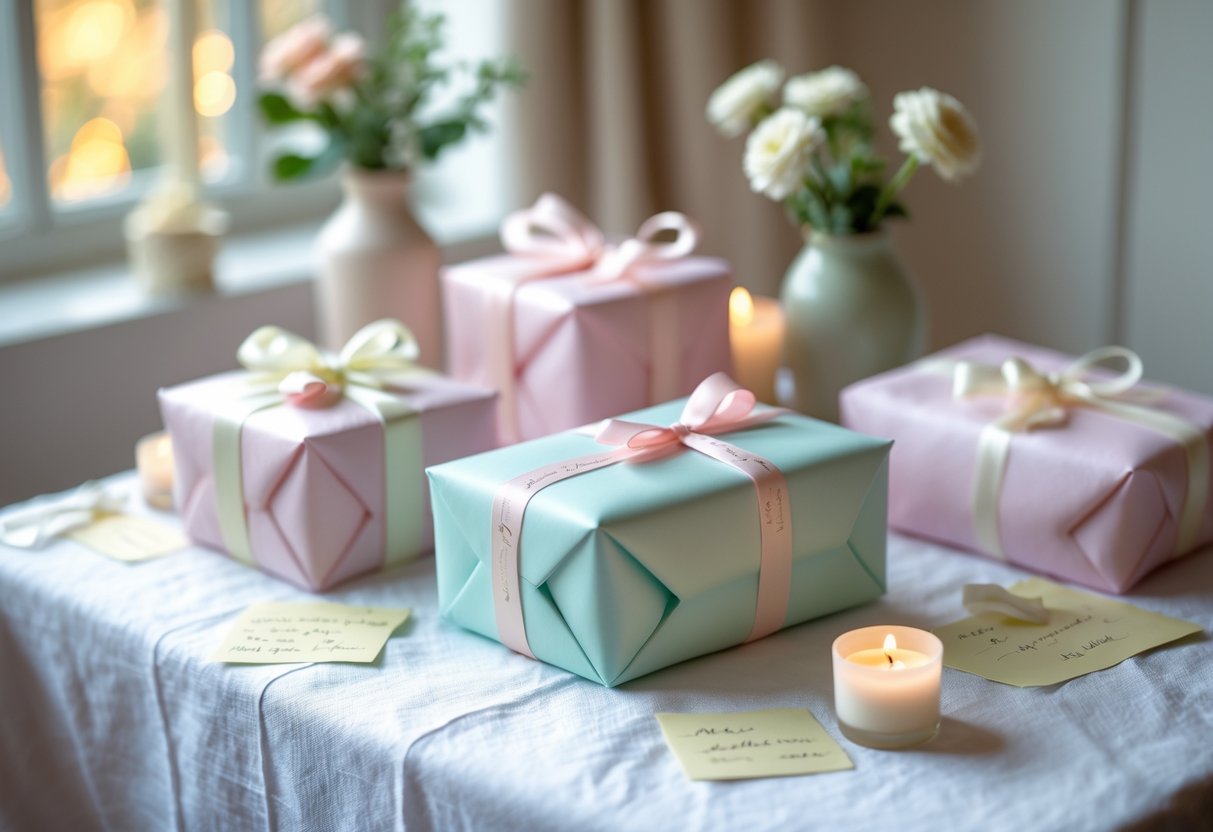
Personalized gifts for small gatherings work best when they reflect shared experiences, incorporate handwritten notes, and include elements that connect to the specific venue or occasion. The key lies in moving beyond generic party favors toward customized welcome packages for each guest that tell a story about why each person matters.
Creating memorable gifts for intimate celebrations requires understanding both traditional etiquette and modern personalization techniques. From themed gift sets based on guest interests to welcoming touches that make each visitor feel valued, the right approach transforms simple gestures into lasting memories that guests will treasure long after the event ends.

Small weddings create deeper connections and more meaningful experiences for everyone involved. They also bring unique challenges that require careful planning and thoughtful solutions.
A smaller guest list creates more personalized experiences for each attendee. Couples can spend quality time with every person at their celebration instead of rushing through brief conversations.
Financial advantages include:
The couple saves money on every aspect of wedding planning. These savings can go toward higher-quality vendors or a better honeymoon.
Planning becomes much simpler with fewer people. Couples face fewer dietary restrictions to accommodate. Seating charts require less time and stress.
Emotional benefits matter most to many couples. The atmosphere feels warmer and more relaxed. Guests know each other better, creating natural conversation flow.
Photos capture genuine moments more easily. The photographer can focus on real interactions instead of managing large group shots.
Cutting down the wedding guest list without offending someone creates the biggest challenge for engaged couples. Family members may feel hurt about exclusions.
Common difficult decisions include:
Some guests may assume they're invited and ask about wedding details. Couples must handle these conversations with care and honesty.
The celebration might feel too quiet for couples who love big parties. Dancing and energy levels can suffer with very small groups.
Venue options become limited since many locations have minimum guest requirements. Popular wedding venues may not accommodate tiny celebrations.
Gift expectations change with smaller guest lists. Couples receive fewer gifts but often more expensive ones from closer relationships.
Strategic seating arrangements maximize meaningful interactions during the reception. Couples should place guests with common interests at the same tables.
Time management strategies work better with small groups:
The couple can greet every guest personally during cocktails. They don't need to rush through table visits during dinner.
Wedding planning should include interactive elements that work with small groups. Games, group activities, or shared experiences create lasting memories.
Consider family-style dining instead of plated meals. This encourages conversation and creates a more relaxed atmosphere.
The couple can write personalized notes for each guest's place setting. This attention to detail makes everyone feel special and appreciated.

Success with a small guest list starts with clear boundaries and smart planning. The key is knowing who truly matters most and creating a gift strategy that fits your budget while maximizing personal impact.
Small wedding guest lists typically include 50-75 people, making every invitation precious. Start by listing immediate family members who absolutely must receive gifts.
Include parents, siblings, and grandparents in the core group. These relationships require the most thoughtful and generous gifts.
Next, add the wedding party members. Best friends, maid of honor, and groomsmen deserve special recognition for their support.
Consider mentors or special people who shaped the couple's relationship. This might include the person who introduced them or a beloved teacher.
Priority levels help organize the list:
Write down why each person matters to avoid second-guessing later. The emotional connection should drive gift selection more than social obligation.
Family expectations often clash with personal preferences during wedding planning. Set clear rules early to avoid conflicts.
Discuss gift-giving priorities with both families before making decisions. Some families expect elaborate gifts for distant relatives while others focus on close relationships.
Create balance using these strategies:
Friends who supported the relationship through difficult times deserve recognition. These gifts should reflect shared memories and inside jokes.
Don't let family pressure override personal values. Remember it's your day and your rules when making final decisions.
Consider combining gifts for couples or families to stretch the budget further while still showing appreciation.
Calculate total gift spending before selecting individual items. Most couples spend 2-3% of their wedding budget on guest gifts.
Sample budget breakdown for 60 guests:
Track spending in a simple spreadsheet with columns for name, relationship, gift idea, and cost. This prevents overspending on early purchases.
Set aside 10% extra for shipping costs and last-minute additions. Personalized items often require longer delivery times and higher shipping fees.
Consider making some gifts instead of buying everything. Homemade items can cost less while feeling more personal and meaningful.
Money-saving tactics include:
Review and adjust the budget monthly as guest list changes occur.
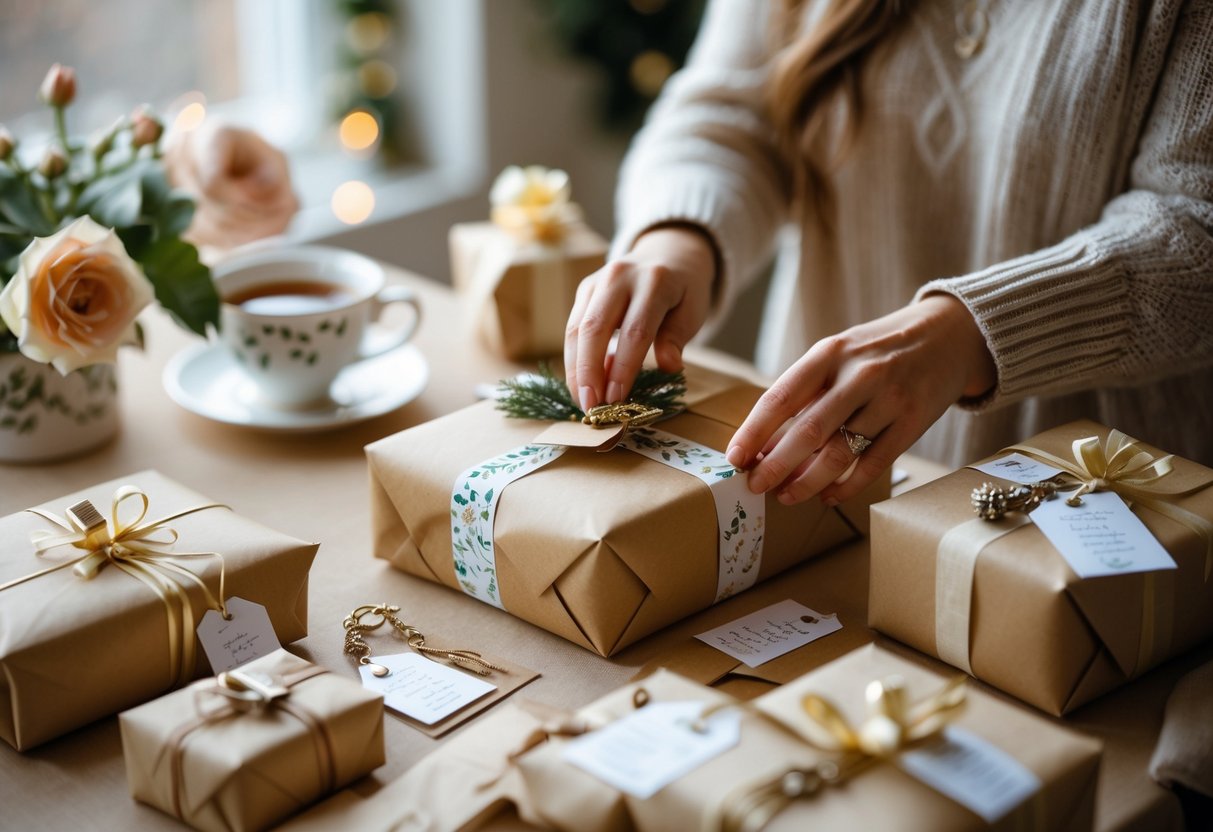
Personal gifts create lasting connections by drawing on shared experiences, meaningful themes, and individual passions. These strategies transform ordinary presents into treasured keepsakes that reflect genuine care and attention.
Gifts that reference specific memories create powerful emotional connections. Photo albums featuring pictures from special trips together work well for close friends or family members.
Custom artwork depicting a meaningful location adds visual impact. Consider commissioning a piece showing where someone proposed or graduated. These gifts become conversation starters in their homes.
Memory jars filled with written notes about shared experiences offer ongoing joy. Each note can describe a funny moment, inside joke, or meaningful conversation. Recipients can read one whenever they need encouragement.
Creating timeline gifts works especially well for milestone celebrations. A scrapbook showing someone's journey through college or career highlights their growth. Include ticket stubs, photos, and handwritten memories from others who witnessed their achievements.
Digital photo frames loaded with rotating images provide modern memory sharing. Select pictures spanning different time periods to create visual stories of your relationship.
Theme-based gifts demonstrate deep understanding of what matters to recipients. Jewelry for mothers often carries sentimental meaning when it reflects their role or values.
Travel themes work well for adventure-seekers. Create custom maps marking places they want to visit or have already explored. Add pins, stickers, or notes about why each location matters.
Hobby-based themes show support for their interests. A coffee lover might appreciate a curated selection of beans from different regions paired with a personalized mug.
Family heritage themes honor their background. Research their ancestry and include items representing their cultural roots. This might include traditional recipes, historical books, or cultural artifacts.
Career celebration themes acknowledge professional achievements. For teachers, gather handwritten notes from students. For artists, commission custom storage solutions for their supplies.
Growth and learning themes encourage future development. Combine books, courses, or tools that support their goals with encouraging notes about their potential.
Understanding someone's specific interests enables truly personalized gifts. Music lovers appreciate vinyl records from artists they discovered together or custom playlists explaining song choices.
Book enthusiasts value first editions or signed copies from favorite authors. Create custom bookmarks featuring quotes that remind you of them. Book subscription boxes tailored to their preferred genres show ongoing thoughtfulness.
Fitness enthusiasts benefit from gear customized with motivational messages. Water bottles engraved with personal mantras or workout towels featuring inside jokes combine practicality with sentiment.
Cooking enthusiasts enjoy personalized recipe collections. Gather family recipes or document dishes you've shared together. Include notes about when and where you first tried each recipe.
Gifts for daughters might focus on encouraging their dreams and celebrating their unique qualities. Consider items that support their current interests while acknowledging their potential.
Pet lovers appreciate custom portraits of their animals or personalized accessories. Include the pet's name, favorite activities, or funny personality quirks in the design.
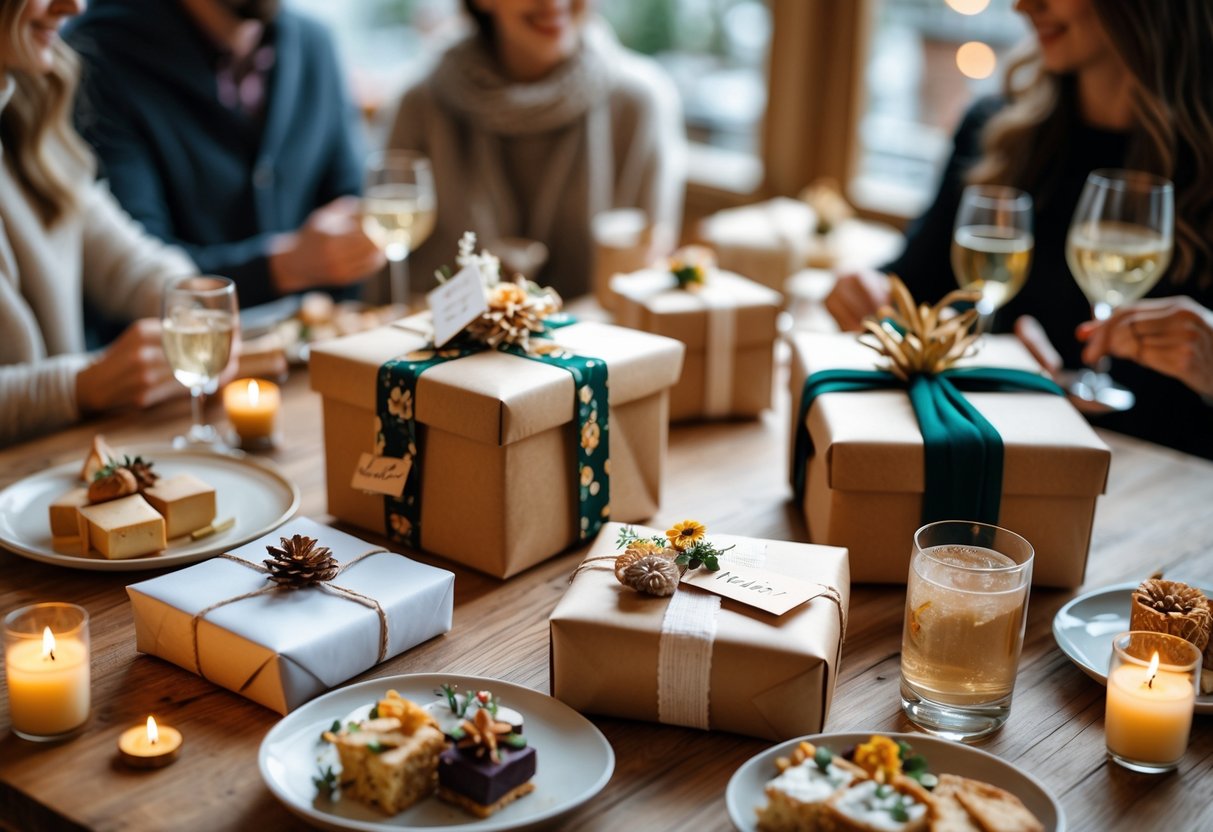
Small gatherings call for gifts that show extra thought and care. Handmade items create lasting memories, while experience gifts offer shared moments together, and carefully chosen gift baskets demonstrate attention to each person's interests.
Handmade gifts show the time and effort someone put into creating something special. These gifts work well for small groups because each person gets something unique.
Simple DIY Options:
Mini succulents wrapped in burlap make excellent DIY gifts. They grow over time and remind guests of the gathering.
Personalized items add extra meaning. Hand-painted mugs with inside jokes or embroidered towels with initials show attention to detail.
Time-Saving Tips:
The key is choosing projects that match skill level and available time. Simple soap making or decorated picture frames work better than complex woodworking for beginners.
Experience gifts create memories that last longer than physical items. They work especially well for close friends and family members.
Local Experience Ideas:
Digital experiences offer flexibility. Online masterclasses, virtual escape rooms, or streaming service subscriptions let recipients enjoy gifts on their schedule.
Shared Experience Options:
The best experience gifts match the recipient's interests and lifestyle. Active people enjoy adventure experiences while homebodies prefer cozy activities.
Consider local businesses when choosing experiences. This supports the community while giving recipients something they might not discover on their own.
Gift baskets let hosts combine multiple small items that reflect each person's tastes. They show thoughtfulness while staying within budget.
Popular Basket Themes:
Gourmet salt collections in small glass jars make sophisticated basket additions. Add personalized labels to create custom gifts.
Basket Assembly Tips:
The container becomes part of the gift. Wicker baskets, vintage tins, or canvas bags serve double duty as storage after the contents are used.
Mix homemade and store-bought items for the best value. Homemade cookies pair well with purchased tea, while DIY bath salts complement store-bought lotions.
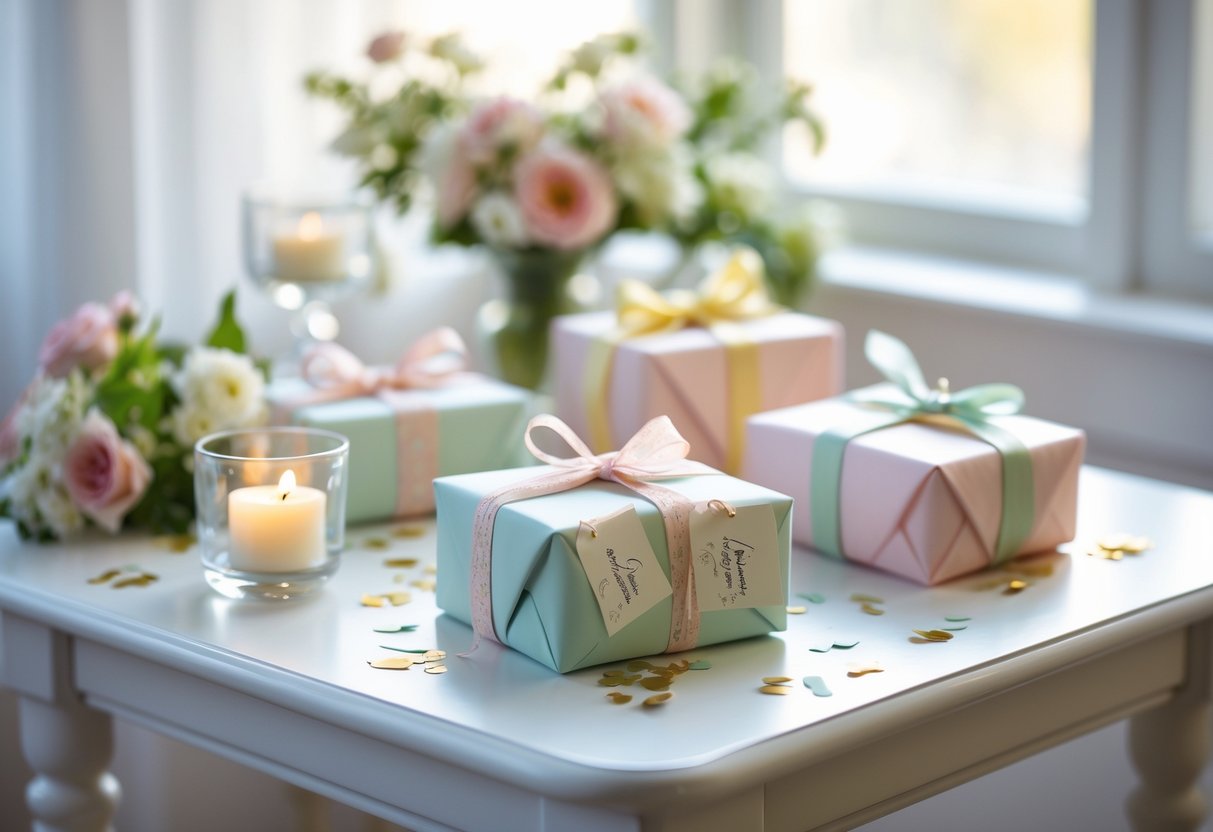
The way a gift looks and feels matters just as much as what's inside. Small details in wrapping, personal touches on cards, and thoughtful messages can turn any present into something memorable.
Beautiful packaging makes even simple gifts feel expensive and thoughtful. Creative wrapping techniques can show how much effort someone put into their present.
Unique Wrapping Ideas:
Brown kraft paper looks elegant with simple twine or ribbon. It costs less than fancy wrapping paper but looks more personal.
Small touches make big differences. Wax seals on envelopes add a vintage feel. Handwritten labels look better than printed ones.
Consider the unboxing experience too. Layer tissue paper inside boxes. Add small surprises between layers. The goal is to make opening the gift feel like an event.
Store-bought cards work fine, but personal touches make them special. Adding photos, drawings, or custom elements shows extra thought and care.
Photo cards work well for any occasion. Print a favorite memory and attach it to the front of a blank card. Write a note about why that moment mattered.
Hand-drawn elements don't need to be perfect. Simple doodles or borders show effort. Even stick figures can be meaningful when they represent shared memories.
Easy Card Upgrades:
Custom cards can match the gift theme. For a book lover, cut card shapes from old book pages. For gardeners, use seed packets as card backgrounds.
Personal messages matter more than expensive gifts. Taking time to write meaningful words shows how much someone cares about the relationship.
Start with specific memories instead of general statements. Write "I loved watching you laugh at that movie" rather than "you're fun to be with."
Share how the person has affected your life. Mention lessons they taught you or ways they helped during tough times.
Message Structure That Works:
Keep messages honest and genuine. People can tell when words feel forced or fake. Simple, true statements work better than fancy language.
Write in your normal speaking voice. If you don't usually use big words, don't start now. The goal is to sound like yourself, not someone else.
Read messages out loud before writing the final version. This helps catch awkward phrases and ensures the tone feels right.
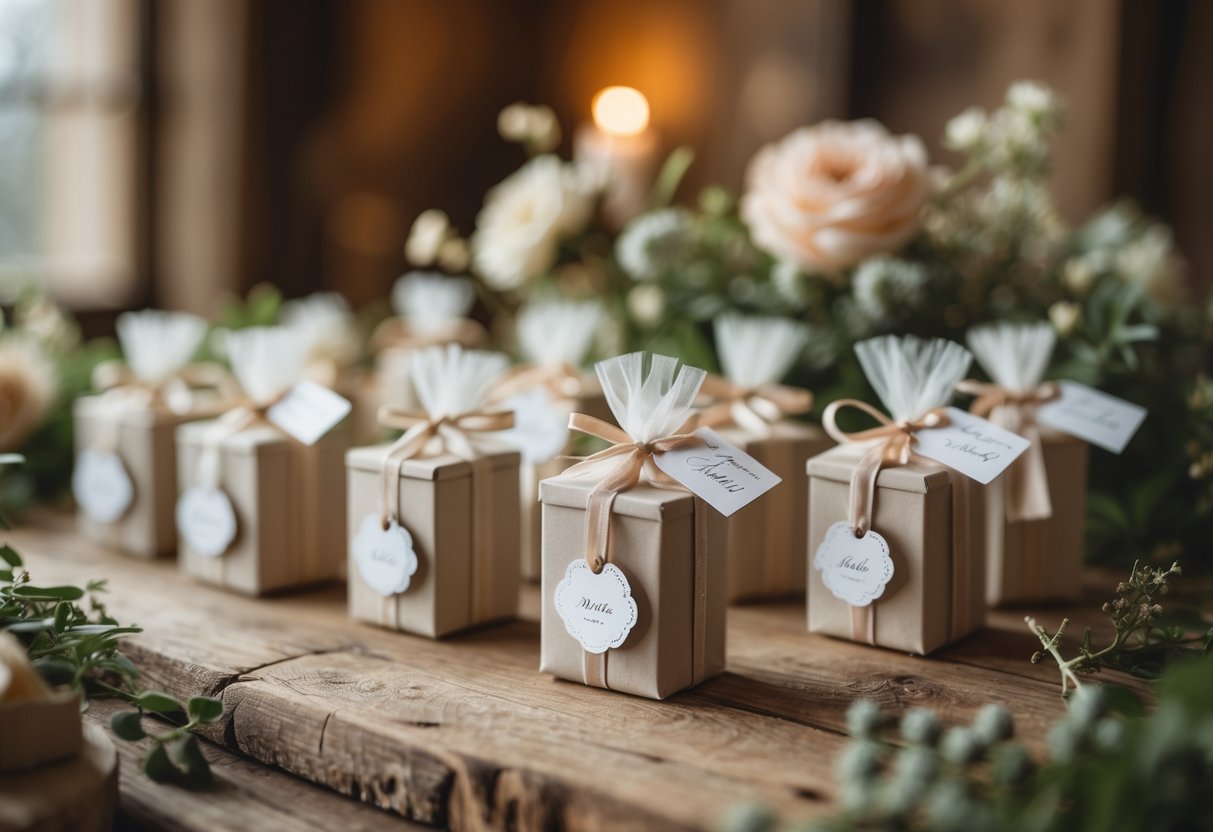
Small guest lists create perfect opportunities for meaningful, customized gifts that reflect individual relationships. Personal touches like engraved initials, handcrafted items from local makers, and custom keepsakes turn simple favors into cherished mementos.
Engraved items add elegance and permanence to wedding gifts. Stemless wine glasses with couples' initials create practical keepsakes guests use long after the celebration ends.
Popular Monogrammed Options:
Personalized drinkware serves dual purposes during receptions and as take-home gifts. Frosted shot glasses work well for evening celebrations with after-parties.
Couples should order samples first to check quality. Most vendors require 2-3 weeks for custom engraving work during wedding planning timelines.
Photo-based favors capture wedding memories in tangible forms. Custom playing cards featuring engagement photos entertain guests during receptions and provide lasting keepsakes afterward.
Meaningful Custom Ideas:
Plantable seed packets symbolize growing love while supporting environmental values. Heart-shaped packets contain wildflower seeds with "Let love grow" messages.
Custom candles in gold tins offer practical value with personal touches. Cotton candy and vanilla scents create celebratory atmospheres that remind family and friends of special wedding moments.
Handmade items from local creators add unique character to wedding favors. Artisan soaps crafted with shea butter and coconut oil provide luxury touches while supporting community businesses.
Local Artisan Options:
Beach weddings benefit from personalized cotton towels embroidered with guest names. Wedding gifts for her often include luxury bath items that female guests appreciate.
Local coffee roasters create custom blends with "Love is Brewing" labels. Medium roast packets provide morning reminders of celebration nights shared with close family and friends.
Couples should visit local markets and craft fairs during wedding planning phases. Meeting artisans personally ensures quality standards and supports meaningful community connections.
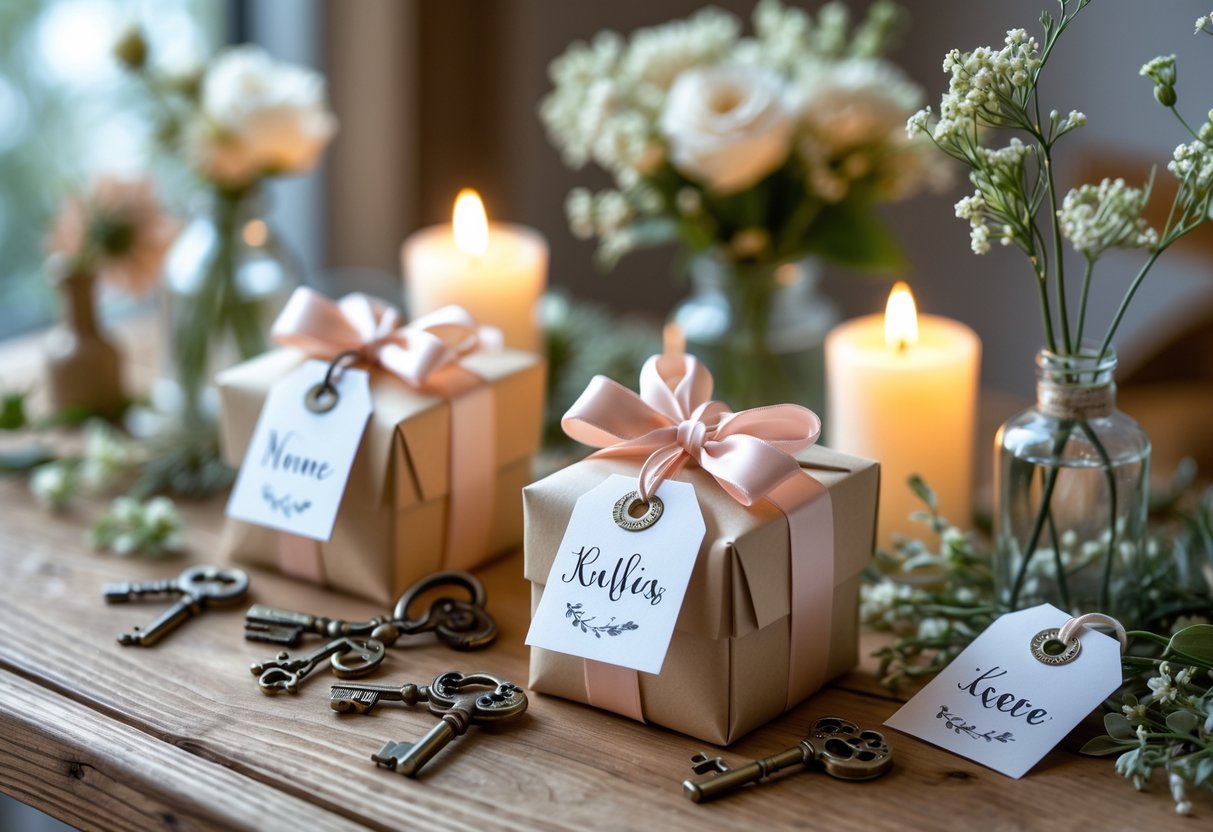
Small touches create big impacts when hosting family and friends. Personal gifts paired with welcoming room details show genuine care for each guest's comfort.
A thoughtfully curated welcome basket greets guests upon arrival and sets the tone for their stay. Thoughtful welcome baskets transform any guest room into a warm sanctuary.
Essential basket items include:
Place the basket on the bed or dresser where guests will immediately notice it. Include items that reflect the local area, such as artisanal cookies or regional coffee blends.
Personal touches make baskets memorable:
The basket itself becomes part of the gift. Choose wicker baskets, decorative boxes, or fabric totes that guests can take home.
Strategic placement of small surprises throughout the guest room creates moments of delight during their stay. These thoughtful touches help guests feel right at home without overwhelming the space.
Bedside essentials enhance comfort:
Fresh linens with a subtle scent create an inviting atmosphere. Lavender sachets tucked between pillows or sheets add a spa-like touch.
Bathroom surprises show extra care:
Room temperature control information helps guests adjust their comfort level. Leave a small card explaining how to operate the thermostat, fan, or window controls.
Tailoring room essentials to each specific guest shows deep thoughtfulness and attention to their individual needs. Family members and friends each have unique preferences that hosts can acknowledge through personalized details.
Customize based on guest preferences:
Consider dietary restrictions when selecting snacks or beverages. Gluten-free crackers for celiac guests or herbal teas for those avoiding caffeine show genuine care.
Memory-making personal touches:
Monogrammed items like towels or robes create hotel-like luxury while maintaining personal connection. These details make guests feel valued as individuals rather than generic visitors.
Personal gifts become meaningful when they capture moments spent together. Photos, stories, and activities can transform ordinary presents into treasures that celebrate your unique connection.
Photo gifts work best when they focus on specific moments rather than random snapshots. A custom photo book filled with pictures from a recent trip creates a lasting reminder of shared adventures.
Consider printing photos on items people actually use. A coffee mug featuring a picture from your last camping trip together gets daily use. Canvas prints of group photos from special events turn memories into wall art.
Digital photo frames offer ongoing value by displaying rotating images. Load them with pictures from multiple shared experiences. The recipient can enjoy different memories each day.
Photo calendars work well for close friends or family members. Include pictures from various occasions throughout the year. Add small notes about what made each moment special.
Handwritten letters that tell the story of your friendship create deeply personal gifts. Write about specific moments that meant something to both of you. Include details like inside jokes or shared challenges you overcame together.
Custom playlists capture the soundtrack of your relationship. Include songs from concerts you attended together or music you both discovered. Add notes explaining why each song matters to your connection.
Create a small journal documenting adventures you've shared. Write short entries about different experiences. Leave blank pages for future memories together.
Story maps work well for travel companions. Mark places you've visited together with photos and brief descriptions. This creates a visual timeline of shared journeys.
Experience vouchers for activities you can do together make excellent gifts. Choose something that builds on shared interests. Rock climbing lessons work for adventure-loving friends. Cooking classes suit food enthusiasts.
Game nights in a box provide ongoing entertainment. Create a custom collection of games you've enjoyed together. Include snacks and drinks that remind you of past gaming sessions.
Hobby starter kits let you begin new activities together. Photography walking tours, pottery classes, or hiking gear for unexplored trails create future shared experiences.
Season tickets or memberships to places you both enjoy ensure regular time together. Museum passes, theater subscriptions, or gym memberships provide structured opportunities for connection.
Small gatherings require different gift-giving approaches than large events. The intimate setting means each guest relationship matters more, and any gift decisions become more noticeable to everyone involved.
Each person on a small guest list holds special significance. The host should consider the unique relationship they have with every attendee when planning gifts.
Close family members typically receive more personal or valuable gifts than acquaintances. This reflects the deeper bond and ongoing relationship.
Long-time friends deserve recognition for their loyalty and shared history. Consider gifts that reference shared memories or inside jokes.
New relationships require careful balance. The gift should be thoughtful but not overly intimate or expensive.
Create a simple list to track relationships:
| Guest Type | Gift Approach | Budget Range |
|---|---|---|
| Immediate family | Personal, meaningful | Higher |
| Close friends | Fun, memorable | Medium |
| New friends | Thoughtful, appropriate | Lower |
The proper gifting rules emphasize matching gifts to relationship depth. This becomes more important with fewer guests since each choice is more visible.
Clear communication prevents awkward situations when some guests receive gifts and others don't. Hosts should establish expectations before the event.
Be upfront about gift plans. Tell guests whether they should expect to receive something or if gifts will be part of the celebration.
Explain any variations. If some people will receive different types of gifts, give context. For example, "I'm giving small thank-you gifts to everyone who helped with planning."
Consider these gifting etiquette approaches:
Set boundaries early. Let guests know if they shouldn't bring gifts or if there's a specific occasion being celebrated.
Address questions directly. If someone asks about gifts, give honest answers about your plans.
Small guest lists often mean excluding some family and friends. This creates unique gift-giving challenges that require careful handling.
Don't send gifts as apologies for not inviting someone. This can make the exclusion feel worse and create expectations for future events.
Keep gift-giving private from uninvited family and friends. Avoid posting photos of gifts on social media immediately after the event.
Focus gifts on attendees only. The people who made the effort to attend deserve recognition for their presence.
Handle hurt feelings separately. If someone feels left out, address their concerns directly rather than trying to fix things with a gift.
Consider timing for broader family gifts. Save gifts for excluded family members for appropriate holidays or occasions when everyone can be included.
The unspoken gift-giving rules suggest that gifts should strengthen relationships, not create guilt or awkwardness. With small guest lists, this principle becomes even more important since every interaction carries more weight.
Remember that presence matters more than presents. The people who attend your small gathering are there because they value the relationship, not because they expect gifts.
Small gatherings offer the perfect opportunity to combine time-honored gifting customs with cutting-edge personalization techniques. Modern technology enhances rather than replaces traditional thoughtfulness, creating meaningful presents that honor both heritage and innovation.
Traditional gift-giving practices provide a foundation for modern personalization. Handwritten notes paired with AI-selected items create a perfect balance between old and new approaches.
Classic elements like beautiful wrapping paper, personal cards, and face-to-face presentation remain important. These touches add emotional weight that technology cannot replace.
Modern AI tools help identify personalized gift recommendations based on recipient preferences and behavior patterns. This technology saves time while ensuring thoughtful selection.
Successful gift-givers combine both approaches:
The key lies in letting technology handle the research while maintaining personal touches in delivery and presentation.
Small guest lists allow for more distinctive gift sourcing that goes beyond standard retail options. Unique items require more effort but create lasting impressions.
Artisanal and bespoke options have grown in popularity among discerning gift-givers. Luxury gifting trends show increased demand for handcrafted items with unique stories and origins.
Custom engraving, personalized artwork, and made-to-order items demonstrate extra thoughtfulness. These gifts often become cherished keepsakes rather than forgotten objects.
Digital platforms now make finding unique items easier than ever before. Online marketplaces connect gift-givers with artisans worldwide.
Research strategies for unique gifts include:
Local businesses offer personalized service and unique inventory that large retailers cannot match. Small guest lists make supporting these businesses financially feasible.
Local artisans often provide customization services unavailable elsewhere. They can modify existing products or create entirely new pieces based on specific requirements.
Small businesses typically offer better customer service and can accommodate special requests. This flexibility proves invaluable when creating personalized gifts.
Supporting local businesses also adds meaning to the gift-giving process. Recipients appreciate knowing their gifts supported community artisans and entrepreneurs.
Benefits of local sourcing include:
Many small businesses now offer online ordering while maintaining personal service. This combination provides convenience without sacrificing the personal touch that makes gifts special.
Small guest lists create unique opportunities for deeply personal gifts that reflect individual relationships and shared memories. Budget planning, creative personalization techniques, and thoughtful presentation strategies help hosts create meaningful experiences for their closest loved ones.
Custom photo albums featuring shared memories work well for close friends and family members. Each album can highlight specific moments, inside jokes, or milestones unique to that relationship.
Handwritten letters paired with meaningful objects create powerful personal connections. A vintage book with a note about why it reminded the giver of the recipient adds emotional depth.
Commissioning custom artwork or having items engraved with personal messages shows extra thought. Local artists can create portraits, illustrations, or custom pieces that reflect the recipient's interests or personality.
Present each gift individually with a personal story about why it was chosen. This creates a special moment and helps other guests understand the thought behind each selection.
Create custom packaging that reflects each person's style or favorite colors. Hand-decorated boxes or personalized gift bags show additional care and attention.
Consider the timing of gift presentation carefully. Some hosts prefer giving gifts during quiet moments, while others make it part of the main event.
Think about each person's current life stage and interests. New parents might appreciate different items than college students or retirees.
Consider practical versus sentimental value based on the recipient's personality. Some people treasure useful items while others prefer keepsakes.
Account for storage and transportation limitations. Guests traveling from far away may need compact, lightweight options they can easily take home.
Experience gifts like cooking classes, concert tickets, or spa days create lasting memories. These work especially well for milestone celebrations or special occasions.
Custom recipe books featuring family favorites or dishes from shared meals tell personal stories. Include notes about when and where recipes were first shared.
Subscription boxes tailored to individual interests provide ongoing enjoyment. Options include books, coffee, wine, or hobby-related items that arrive monthly.
Small gifts like personalized keychains, mini candles, or tiny succulent plants work well for budget-conscious hosts while still showing thoughtfulness.
Most hosts spend between $15 to $75 per person for personalized gifts at small gatherings. The amount often depends on the occasion's significance and the host's financial situation.
Consider allocating more budget per person since fewer guests allow for higher individual spending. A $300 budget goes much further with 6 guests than 30 guests.
Factor in customization costs, which can add $5 to $20 per item depending on the personalization method. Engraving, custom printing, or handcrafted elements increase overall expenses.
Create a dedicated gift presentation moment rather than handing them out casually. This builds anticipation and shows the gifts deserve special attention.
Explain the personal connection or story behind each gift as it's presented. This helps recipients understand the thought process and makes the moment more meaningful.
Document the gift-giving process with photos or video. These moments often become cherished memories that extend the gift's impact beyond the physical item.
Consider presenting gifts in a specific order that tells a story or builds emotional momentum throughout the event.