
Your Cart is Empty
Blended families face unique challenges when it comes to showing love and building connections between stepparents, stepchildren, and stepsiblings. Jewelry offers a meaningful way to express love in blended families by creating tangible symbols of unity that honor each person's place in the new family structure. These special pieces can help everyone feel valued and connected during the transition of becoming one family unit.
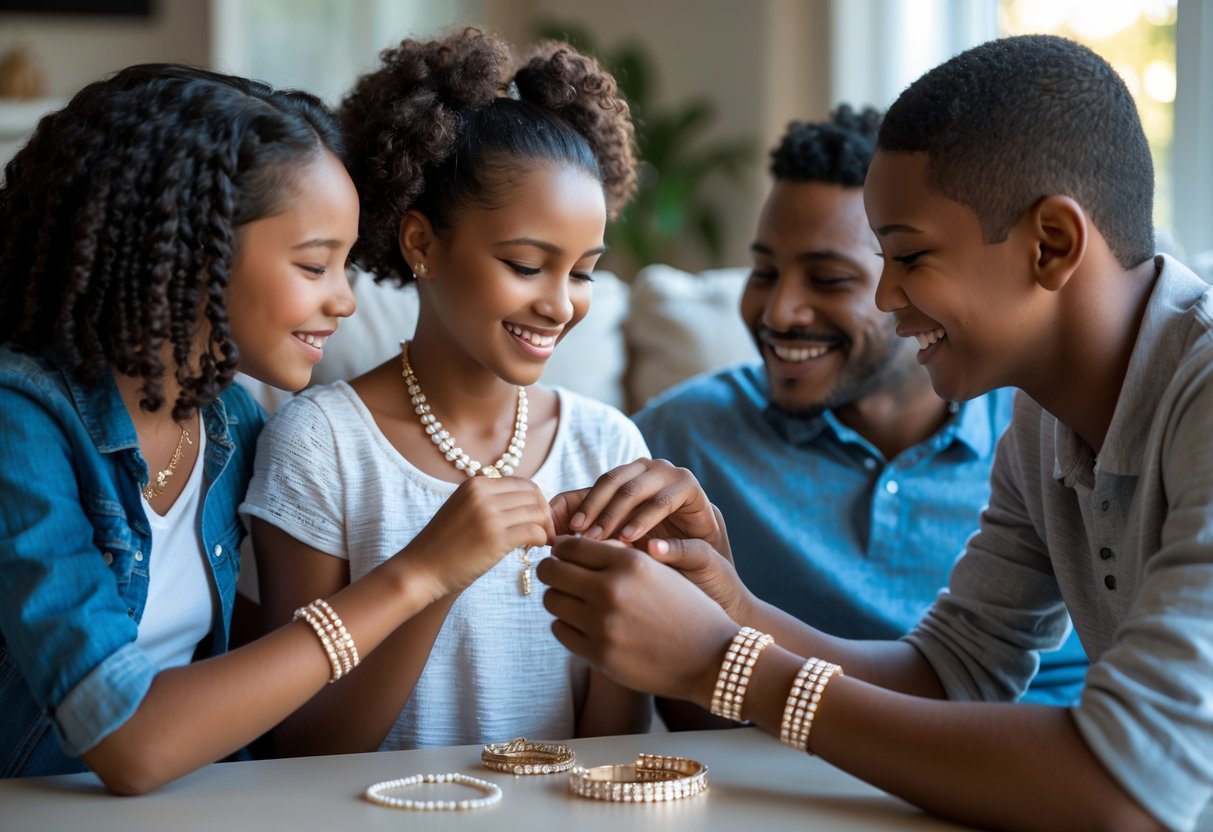
Personalized jewelry serves as more than just an accessory for families merging together. Custom pieces with engraved names, birthstones, or family symbols create lasting reminders of the bonds being formed. Whether given during a wedding ceremony or as gifts for special occasions, these items become treasured keepsakes that represent the commitment each family member makes to one another. Sites like Amazon and Zazzle offer many options for customized family jewelry.
The right piece of jewelry can mark important moments and help children feel included in their new family. From matching bracelets that celebrate sibling bonds to personalized necklaces that honor bonus moms, these gifts communicate acceptance and love in ways that words sometimes cannot. Understanding how to choose and present these meaningful pieces makes a real difference in building strong family relationships.
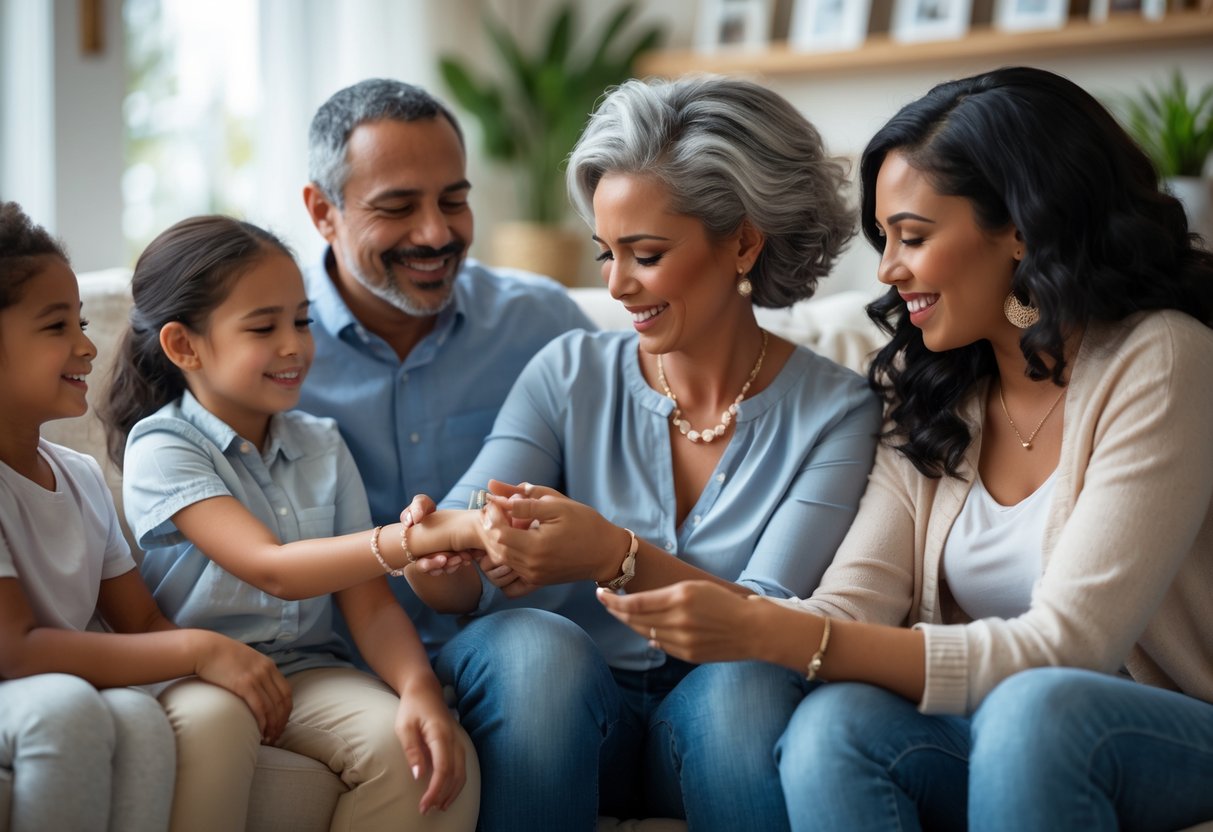
Blended families face unique emotional challenges that require intentional communication and clear demonstrations of affection. Children in these family structures need consistent reassurance that they belong and are valued equally.
Blended family dynamics often involve navigating complex emotions and divided loyalties. Children may struggle with feelings of betrayal toward their biological parent when accepting a stepparent. They might worry that loving a new family member means being disloyal to their original family.
These families also deal with different parenting styles and household rules. When two separate families merge, each person brings their own expectations and traditions. This can create confusion and conflict, especially in the early stages.
However, these challenges create opportunities for growth. Families can build stronger bonds by acknowledging differences and working through them together. Open communication about feelings helps everyone feel heard and understood. Embracing diversity in blended families strengthens connections when each person's background is respected and valued.
Physical symbols of love, like personalized jewelry from Amazon, provide tangible reminders of commitment to all family members.
Stepchildren often experience anxiety about their place in the new family structure. They may feel like outsiders or worry about being replaced by step-siblings. Some children fear losing their biological parent's attention when that parent remarries and takes on new family responsibilities.
Step-siblings face their own adjustment period. They must share space, belongings, and parental attention with children they didn't grow up with. Rivalry and resentment can develop if children feel their needs aren't being met equally.
Research shows that children in blended families benefit from clear expressions of love and inclusion. When stepparents actively demonstrate care and commitment, children feel more secure. Regular family rituals and traditions help build a sense of belonging for everyone.
Thoughtful gifts like custom family unity items on Zazzle can help mark important milestones and show each child they matter. These tangible expressions of love complement verbal affirmations and quality time spent together.
Blended families face unique emotional landscapes where children navigate relationships with stepparents and step-siblings while processing changes from previous family structures. Success depends on recognizing each person's need for connection while honoring the distinct backgrounds everyone brings to the new household.
Children in blended families often deal with complex emotions including the need for love and acceptance alongside feelings of loyalty to their biological parents. Building trust takes time and cannot be rushed.
Stepparents should focus on developing genuine connections rather than forcing immediate closeness. This means respecting boundaries and allowing relationships to grow naturally.
Key relationship-building approaches include:
Step-siblings may experience competition for attention or resources. Parents can address this by ensuring each child receives individual recognition. Jewelry gifts like personalized bracelets with each child's name or birthstone demonstrate that every family member holds equal value.
The goal is creating an environment where all members feel secure. Working with professionals who understand these dynamics can help families navigate challenges more effectively.
Each person enters a blended family with established memories, routines, and family traditions from their previous household. Dismissing these connections can create resentment and feelings of loss.
Successful blended families acknowledge what came before while building new shared experiences. This might mean celebrating holidays in ways that incorporate elements from both families' backgrounds.
Parents should encourage children to maintain relationships with extended family members from their biological parents' sides. Photo displays, memory books, or custom family tree artwork can help children see how their histories connect to their current family structure.
Creating new traditions specific to the blended family helps everyone feel invested in the present. These might include weekly game nights, annual trips, or special rituals that belong only to this new unit. The key is involving everyone in deciding which old traditions to keep and which new ones to start.
Custom jewelry pieces carry deep meaning for blended families by making each person's role visible and valued. These items transform from simple accessories into daily reminders of connection and belonging.
Personalized jewelry captures stories, memories, and emotions in ways that standard gifts cannot. When a stepmother receives a necklace engraved with all her children's names, including stepchildren, it validates her role in the family. The piece becomes proof that every child matters equally.
Research shows that customized items create stronger emotional bonds than generic products. People treasure them longer because the personalization shows that someone truly knows and values them. For blended families working to build trust, this matters tremendously.
A bracelet with birthstones representing every family member sends a clear message of unity. Each stone is different, but they sit together on one piece. Custom pendants work the same way by displaying names or initials of all family members as one connected design.
The emotional weight comes from daily wear. Every time someone puts on the jewelry, they see physical proof of their blended family identity.
Name and initial jewelry ranks among the most requested options for blended families. Necklaces featuring multiple children's names or initials let parents display their whole family at once. Dangle pendants with custom engraving allow for longer messages or family mottos.
Birthstone pieces offer another powerful choice. Rings, bracelets, or earrings can hold stones representing each family member's birth month. These work well as meaningful gifts for bonus moms or stepmothers on Mother's Day.
Coordinate jewelry marks locations that matter to the family. Some blended families choose the coordinates of where they first lived together. Others pick the spot where the parents married.
Matching family sets create visual unity while honoring individual preferences. Parents and children might each wear similar bracelets or necklaces designed as a cohesive collection. These sets work especially well for celebrating special occasions together.
Locket necklaces hold photos of the entire blended family. They offer privacy while keeping everyone close to the wearer's heart.
Jewelry serves as a physical reminder of connection and commitment in blended families. Shared pieces help family members feel they belong to something larger while creating meaningful traditions that strengthen bonds over time.
Matching or coordinated jewelry pieces give blended families a visible symbol of their new family unit. When each family member wears a piece that connects to the others, it creates a sense of belonging and shared identity that words alone cannot express.
Family unity jewelry often features interconnected circles, family trees, or customized elements like birthstones that represent each person. These designs show that every member plays an important role in the family structure. Parents might choose matching bracelets for all the children, or the entire family could wear necklaces with a common symbol.
Popular options for shared family identity include:
The act of selecting these pieces together strengthens family bonding. When children help choose their own birthstone or charm, they feel valued and included in building the new family dynamic.
Creating new traditions with jewelry gives blended families rituals that belong uniquely to them. These traditions provide stability and something to look forward to as the family grows together.
Families might establish an annual tradition of adding a new charm to a bracelet on a specific date. Others present jewelry pieces during milestone moments like adoption finalization, first holidays together, or family anniversaries. These moments become more memorable when marked with a tangible item everyone can see and touch.
Consider starting these jewelry-based family traditions:
Personalized pieces passed through generations become family heirlooms that carry stories and memories. A mother might wear a necklace today and pass it to her daughter years later. This creates continuity and shows children that family connections endure beyond the present moment.
Simple jewelry storage boxes from Amazon help families keep their meaningful pieces safe and organized. When jewelry has a designated special place, it reinforces its importance to the family.
Finding jewelry that represents everyone in a blended family requires thoughtful consideration of each person's role and preferences. The key is selecting pieces that acknowledge individual identities while celebrating the family's collective bond.
Blended families need jewelry that brings everyone together without leaving anyone out. Wedding jewelry for blended families works best when it includes stepchildren and step-siblings from the start.
Mother's rings offer an excellent option for including everyone. These rings feature multiple birthstones arranged in a row or circle, with each stone representing a different family member. Some mothers choose to add stones for stepchildren alongside their biological children.
Matching bracelets or necklaces create unity while allowing for individual expression. Families can select a common design element like a specific chain style or pendant shape. Each person then receives their own piece with personalized touches.
Popular inclusive jewelry options include:
Personalized jewelry transforms generic pieces into meaningful keepsakes. Engraving initials, names, or special dates adds individual significance to each item.
Birthstone arrangements let families showcase each person's unique identity. A pendant might display stones organized by age or by family branch. This approach helps stepchildren feel equally valued within the new family structure.
Custom charms allow family members to express their personalities. One child might choose a soccer ball charm while a step-sibling selects a music note. These differences celebrate what makes each person special.
Personalization options to consider:
| Detail Type | Examples |
|---|---|
| Engravings | Initials, dates, short messages |
| Stones | Birthstones, favorite colors, meaningful gems |
| Symbols | Hearts, infinity signs, family trees |
| Charms | Hobbies, interests, milestones |
Coordinate styles across pieces so they complement each other without looking identical. This balance helps blended families honor both togetherness and individuality.
Personalized jewelry pieces can acknowledge each family member's role in forming the new household unit, while symbolic designs celebrate the union of two families into one cohesive group.
Children play an important role in blended family weddings. Giving them jewelry helps them feel included in the ceremony and recognizes their place in the new family structure.
Personalized jewelry options for children include:
Wedding gifts for her often include pieces that can be customized for children of different ages. Parents can choose items that children will treasure as they grow older.
Each child should receive a piece that feels special to them. Some families give jewelry during the ceremony itself, making it part of the official celebration. Others present these gifts at the rehearsal dinner or in a private family moment.
The jewelry serves as a physical reminder that the children are valued members of the new family. These pieces can become keepsakes that children hold onto throughout their lives.
The couple may want jewelry that represents their journey of bringing two families together. These pieces tell the story of the blended family wedding and symbolize lasting commitment.
Popular symbolic jewelry choices include:
Some couples choose matching jewelry sets on Amazon that include pieces for every family member. This creates visual unity while allowing each person to have their own unique item.
Custom-designed pieces work well for families with specific cultural backgrounds or traditions they want to honor. A jeweler can incorporate meaningful symbols, metals, or stones that reflect the family's heritage.
Blended family wedding gifts frequently include jewelry because these items last for years and gain sentimental value over time. The pieces become part of family traditions and may be passed down to future generations.
Jewelry designed as personalized keepsakes can unite blended families by honoring each person's place in the new family structure while creating lasting traditions that future generations will treasure.
Personalized jewelry becomes meaningful family heirlooms when it includes elements that represent everyone in the blended family. Parents can commission pieces that feature birthstones for all children, whether biological or step-siblings. A charm bracelet offers flexibility, with each charm representing a different family member or milestone.
Durable materials like gold, platinum, or sterling silver ensure these pieces last for decades. Engravings add another layer of meaning. A family might choose to inscribe a new family motto, important dates when the families merged, or the names of all children.
The key is selecting timeless designs rather than trendy styles. Classic pendants, simple bands, or lockets work well because they remain stylish across generations. These pieces can be passed down to children as they reach adulthood, creating a tangible connection to their blended family's beginning. A necklace for grandmother can later incorporate stones or engravings representing grandchildren from both sides of the family.
Thoughtful jewelry gifts can acknowledge and honor the separate histories that merge when families blend. Rather than erasing past connections, these pieces celebrate the full story of each family member.
Ways to blend histories include:
A stepparent might gift a child jewelry that includes both their birthstone and their biological parent's birthstone. This shows respect for existing bonds while building new ones. Similarly, parents can create pieces on Amazon that feature elements from significant locations or dates important to each family's history?tag=kjtunsazn25-20.
Custom rings or bracelets on Zazzle can blend family crests, initials, or symbols from different heritage backgrounds?rf=238275180210718222. These personalized keepsakes serve as bridges between past and present, showing children that their complete family story matters and deserves recognition.
Personalized items that display the entire family unit help create visible reminders of togetherness. Physical keepsakes like artwork and photo collections give blended families tangible ways to document their shared story.
Family tree artwork that includes all members makes the new family structure visible in the home. These pieces work best when they list every child's name alongside parents and step-parents. The artwork becomes a focal point that repeats the message that everyone belongs.
Custom stockings for each family member create a powerful tradition. Each stocking can be slightly different to honor individual personalities while forming a cohesive set. Hanging them together each December reinforces the family unit.
Personalized doormats, kitchen signs with the family name, and custom wall art transform everyday spaces into identity markers. These meaningful gifts work because they are used regularly rather than stored away. Every time someone walks through the door or gathers in the kitchen, the family identity gets quietly reinforced.
Annual ornaments give each child something that is uniquely theirs while participating in a shared tradition. These items can travel with children into adulthood as starter pieces for their own future households.
Creating a family photo album as a group activity strengthens bonds through collaborative storytelling. Everyone can contribute photos from different parts of their life, helping integrate multiple histories into one narrative.
Digital photo displays and custom canvas prints capture specific moments like the first family vacation or holiday together. These items serve as memory anchors that keep important milestones visible.
Photo books that document experiences like theme park visits or annual traditions turn temporary moments into permanent keepsakes. Pairing experiences with physical artifacts makes the memory more durable. A scrapbook or journal where family members add entries over time becomes a living record that grows with the family.
The collaborative process matters as much as the finished product. Working together to select photos, write captions, and arrange layouts gives everyone a voice in shaping the family story.
Jewelry rituals create predictable moments of connection that help blended families develop their own identity. These practices strengthen family bonding by giving everyone a role in meaningful celebrations.
Creating new shared traditions helps blended families form their unique identity separate from previous family structures. Jewelry-centered rituals provide tangible anchors for these new traditions.
A birthday charm tradition works well for many blended families. Each year, the birthday person receives a charm that represents an important moment or achievement from that year. The child or teen can wear these charms on a bracelet from Amazon, building a collection that tells their story within the new family structure.
Common jewelry ritual ideas include:
Some families establish a "passing the pendant" tradition. One special necklace moves from family member to family member each month. The current holder gets to pick the next recipient and explain why they chose that person.
Family traditions work best when everyone helps shape them. Blended families should let children from both sides contribute ideas about jewelry rituals.
Hold a family meeting to brainstorm together. Each person can suggest one jewelry tradition they would enjoy. Vote on which ideas to try first, giving everyone equal input regardless of age or how long they have been part of the family.
Rotate responsibilities so different family members take turns selecting pieces or planning jewelry-related celebrations. One child might research birthstone meanings while another designs a family crest for custom pendants on Zazzle.
Inclusivity strategies include:
Document new traditions through photos and journals. This creates a record that validates everyone's place in the family story while building anticipation for recurring jewelry celebrations.
Gift-giving in blended families requires careful attention to both equal treatment and individual preferences. Parents must navigate the challenge of making each child feel valued while respecting their unique personalities and relationships within the family structure.
Creating a sense of fairness starts with establishing consistent gifting practices across the family. Parents should consider giving jewelry pieces of similar value to all children during major occasions like birthdays or holidays. This doesn't mean every piece must be identical, but the investment should reflect equal care.
Stepchildren often feel especially sensitive to perceived differences in treatment. A matching set of birthstone necklaces or coordinating bracelets can create unity while still honoring each child's birth month. Consider personalized jewelry on Amazon that allows customization for each family member.
Timing matters too. When biological children and stepchildren both have significant events close together, plan jewelry gifts that arrive simultaneously rather than spacing them out. This prevents one child from feeling like an afterthought.
Equal doesn't always mean identical. Meaningful jewelry strengthens relationships when it reflects each person's authentic self. A child who loves sports might appreciate a charm bracelet with athletic symbols, while their sibling might prefer a simple pendant.
Pay attention to each child's style preferences, favorite colors, and interests. One teenager might wear bold statement pieces daily, while another prefers delicate, understated jewelry. Respecting these differences shows that parents see each child as an individual, not just part of a group.
Consider creating custom family jewelry on Zazzle that incorporates individual elements within a unified theme. A family tree necklace with each child's initial or a bracelet with everyone's birthstones acknowledges both belonging and uniqueness. These choices demonstrate that fairness means meeting each person's emotional needs, not treating everyone exactly the same.
Jewelry gifts in blended families require thoughtful consideration of timing, symbolism, and personal meaning. Understanding how to select and present these pieces can help create stronger connections and make everyone feel valued.
Personalized necklaces with engraved messages make meaningful gifts for new step-parents. Popular engravings include phrases like "Family is not always blood" or simple messages that acknowledge their new role in the family.
Birthstone jewelry works well because it can include stones representing all the children in the newly formed family. Mother's rings with multiple birthstones create a visual reminder of everyone they now care for.
Charm bracelets offer flexibility for future additions as the family grows and changes. Each charm can represent a family member or significant milestone in the blended family journey. These pieces can be added to over time, making them gifts that evolve with the relationship.
Interlocking heart designs represent the connection between step-parents and stepchildren. These symbols show that two separate lives have joined together to create something new.
Infinity symbols convey endless commitment and love that isn't limited by biology. Tree of life pendants work especially well for blended families because they represent growth and interconnected relationships.
Family circle pendants with birthstones show unity through their circular shape. The design demonstrates that the family is complete with all members included. These symbols become daily reminders that chosen family bonds matter just as much as biological ones.
The wedding day itself provides a natural opportunity to present jewelry gifts to stepchildren. Many couples give these gifts during rehearsal dinners or in private moments before the ceremony.
Adoption finalization dates mark significant legal and emotional milestones worth commemorating. These occasions deserve recognition with meaningful keepsakes that stepchildren can treasure.
Birthdays and holidays offer less formal chances to give jewelry without the pressure of major life events. Graduations, religious ceremonies, and other personal achievements also work well. The key is choosing moments that feel natural rather than forced, allowing the gift to carry genuine meaning rather than obligation.
Personal style preferences matter more than the giver's own taste. A piece that sits unworn in a drawer serves no purpose, no matter how meaningful the intention behind it.
Age-appropriate designs ensure the recipient will actually wear the jewelry. Young children might prefer colorful beaded bracelets, while teenagers and adults typically appreciate more sophisticated pieces.
Metal allergies and sensitivities require attention before purchasing. Sterling silver, gold, and hypoallergenic materials prevent uncomfortable reactions. Budget constraints should guide choices toward quality pieces within a realistic price range rather than overextending financially. A thoughtful, well-made item at Zazzle or Amazon beats an expensive piece given with resentment.
Engraved names and initials make each family member feel individually recognized. Seeing their name alongside others in the family confirms their place in the group.
Dates that mark when the family came together give concrete meaning to abstract relationships. These might include wedding dates, adoption dates, or the day families officially merged households.
Custom messages specific to the relationship show that the giver put real thought into the gift. Generic jewelry feels impersonal, but pieces designed specifically for one person demonstrate genuine care. Children in blended families often struggle with questions about where they fit, and personalized jewelry provides a tangible answer they can see and touch every day.
Matching jewelry sets create visual unity among family members who may not share physical resemblance. When everyone wears coordinating pieces, it signals belonging to the same group.
Jewelry that symbolizes unity in blended families helps children see themselves as part of the new family structure. Shared symbols like family trees or interconnected circles demonstrate how everyone fits together.
Gifts that include birthstones for all siblings, both biological and step, show equal value for every child. This equal treatment matters deeply to children who worry about being less important than biological children. The physical act of wearing family-themed jewelry serves as a daily reminder that they belong, even when adjusting to new family dynamics feels difficult.