
Your Cart is Empty
A mother's love often feels like an invisible force, but it shows up in real ways every single day. When a mother's love turns into something you can touch, it appears through her hugs, her prepared meals, her late-night comfort, and the countless small acts that shape a child's entire world. This transformation from feeling to action makes motherhood one of the most powerful relationships anyone can experience.

A mother's affection goes beyond words and emotions. It becomes real through the bandage she applies to a scraped knee, the jacket she carries just in case her child gets cold, and the hours she spends listening without judgment. These physical expressions of love create memories that last a lifetime and teach children what genuine care looks like.
The bond between mother and child starts before birth and continues to grow through every stage of life. Whether she's teaching her toddler to walk, cheering from the sidelines at a game, or offering advice to her adult children, a mother finds ways to show her love through tangible gestures that can be felt and remembered. Those looking to honor this special connection might consider personalized gifts from Zazzle or thoughtful items from Amazon that celebrate the beauty of motherhood.
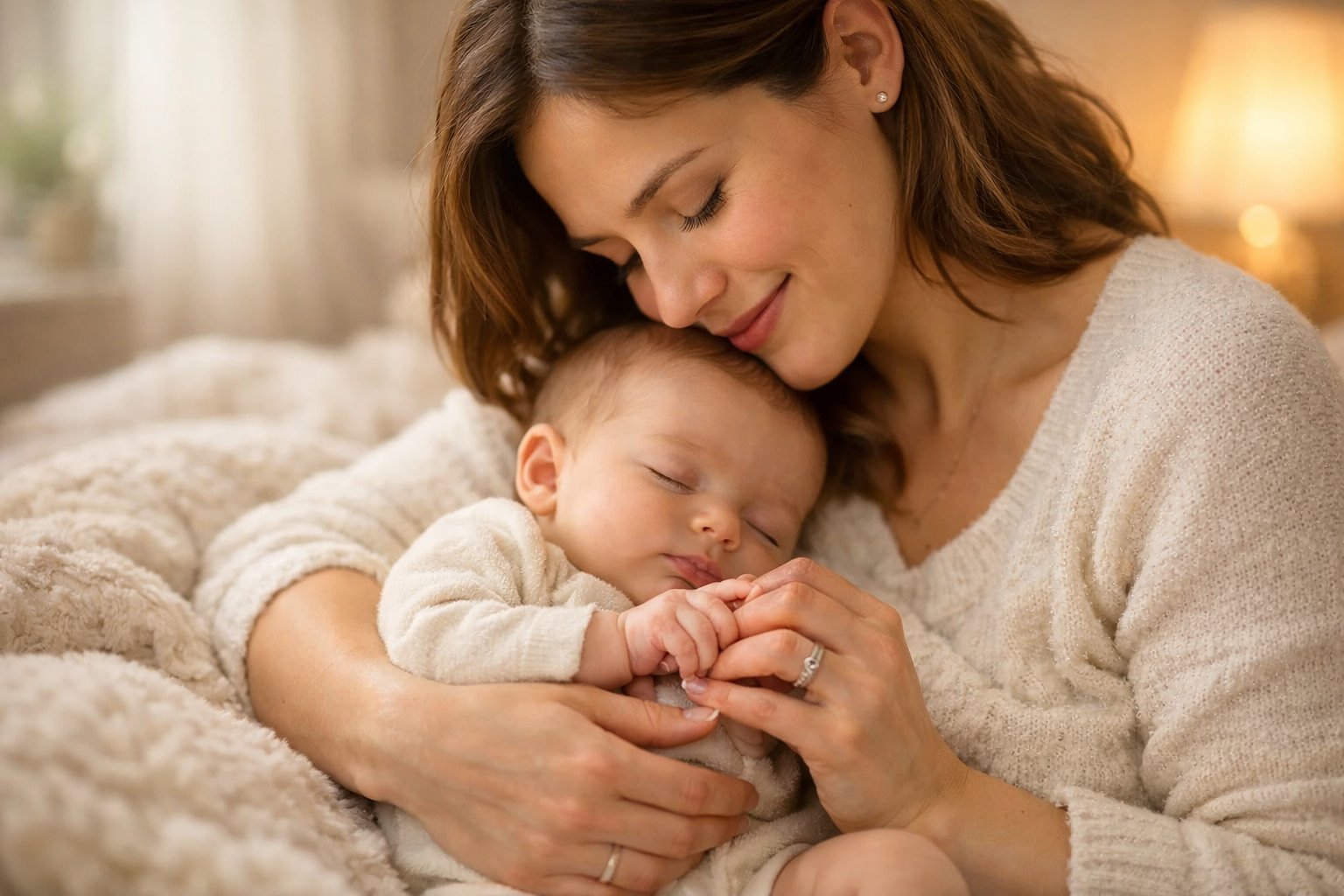
A mother's love transforms from an abstract feeling into concrete reality through everyday actions and physical expressions. These tangible demonstrations create lasting memories and strengthen the bond between mother and child in ways that words alone cannot achieve.
Maternal love becomes real through simple physical gestures that children remember for a lifetime. A warm hug after a difficult day, a hand-sewn blanket, or a homemade meal all serve as evidence of unconditional support that goes beyond spoken words. These actions create a sense of safety and belonging.
Mothers express their affection through touch in countless ways. They brush their child's hair, hold their hand while crossing the street, or gently wipe away tears. Each physical interaction reinforces the mother and child bond and helps children feel valued and protected.
Pregnancy gifts and handmade items often become treasured keepsakes that represent this physical connection. A baby's first blanket or a piece of jewelry passed down through generations transforms emotional attachment into something that can be held and preserved. These objects carry memories and emotions that last beyond a single moment.
Physical expressions of maternal love provide children with security they can feel and remember. When a mother prepares a favorite meal or stays up late finishing a school project costume, she creates concrete proof of her commitment. These actions speak louder than any verbal declaration of love.
Children develop emotional intelligence and resilience through these tangible demonstrations. They learn what a mother's love looks like in practice rather than just theory. A packed lunch with a note inside, clean clothes laid out for school, or a bandage carefully applied to a scraped knee all teach children about care and devotion.
Research shows that physical expressions of love directly impact a child's development and sense of self-worth. Children who receive consistent physical affection and tangible acts of service tend to form healthier relationships later in life. They understand that love involves both feelings and actions.
The connection between mother and child becomes stronger when emotions translate into physical form. A mother's embrace during moments of fear or sadness provides immediate comfort that words cannot match. This physical presence creates a safe space where children learn to process their emotions.
Unconditional love manifests through consistent physical availability and attention. A mother who sits beside her child during homework, attends every school performance, or simply makes time for bedtime stories transforms abstract devotion into lived experience. These moments build trust and security that shape a child's entire worldview.
Physical tokens of affection serve as reminders of the mother and child bond even when they are apart. A bracelet, a photograph, or a favorite stuffed animal can provide comfort and connection. These items become symbols that children carry with them as they grow, representing the tangible nature of their mother's enduring love.

A mother's unconditional love stands apart from other relationships because it asks for nothing in return while giving everything freely. This love includes an instinct to protect at all costs and a willingness to sacrifice personal needs for a child's wellbeing.
Mother's love is unconditional because it remains constant regardless of a child's behavior, achievements, or mistakes. A mother forgives quickly and loves continuously even during difficult moments.
This type of love doesn't depend on conditions or expectations. When a child fails a test, breaks rules, or makes poor choices, a mother's affection stays intact. She may feel disappointed by actions but never withdraws her love from the person.
Key characteristics of unconditional maternal love include:
A mother sees past mistakes to the heart of who her child truly is. She continues loving even when that love isn't reciprocated in the way she might hope. This creates a profound bond that shapes emotional wellbeing and provides security throughout a person's life.
Mothers possess a natural drive to shield their children from harm and put their needs first. This protective instinct appears from the moment of birth and continues throughout a child's life.
The sacrifices mothers make often go unnoticed. They give up sleep to comfort crying babies, postpone career goals to provide stability, and spend their own resources to ensure children have what they need. Many mothers hide their own pain to spare their children from worry or guilt.
These acts of sacrifice happen daily in small and large ways. A mother might eat less to make sure there's enough food, work extra hours to afford school supplies, or cancel personal plans when a child needs attention. She carries burdens silently and celebrates her children's victories as if they were her own.
The protective nature extends beyond physical safety. Mothers guard their children's emotional health, defend them against criticism, and advocate for their needs even when it's uncomfortable. This creates a safe harbor during life's challenges where children know they can always return.
Words often capture the depth of maternal devotion in ways that help people understand and appreciate this unique relationship. These unconditional love quotes express feelings that many struggle to articulate on their own.
Meaningful quotes about a mother's unconditional love:
These quotes work well on personalized gifts like custom mugs on Zazzle or printed in cards and letters. They serve as reminders of the constant support mothers provide.
People can also find touching expressions in books about motherhood on Amazon that compile hundreds of sayings from authors, celebrities, and everyday people. Reading these words helps children recognize what their mothers have done and helps mothers feel seen in their tireless efforts.
The connection between mother and child begins before birth and creates patterns that shape emotional health, relationships, and even physical well-being throughout life. This bond forms through biological processes, daily interactions, and the transfer of values across generations.
The mother and child bond forms in utero through hormones that develop during pregnancy. These biological processes create a connection that expresses itself at birth and becomes the foundation for future development.
In the early months, maternal love establishes a child's sense of safety. The bonding process includes physical touch, eye contact, and verbal communication. These interactions teach the child about themselves and others.
Mothers can celebrate this special time with personalized items like keepsake blankets from Zazzle that commemorate the early days. Research shows that consistent, loving care during infancy creates secure attachment patterns. Children who receive this care develop trust in their caregivers and the world around them.
When children feel loved and cared for, they develop differently than those who experience neglect or trauma. The psychological foundations of the mother-child relationship affect both mental and physical health outcomes.
Children from secure attachments show better stress management. They form healthier relationships as adults. The magic of motherhood lies partly in this protective effect.
Key benefits of secure maternal bonds include:
Parents looking to strengthen daily bonding can find helpful tools like baby carriers on Amazon that promote closeness. Even after childhood trauma occurs, loving relationships can support recovery. Only love can heal the absence of love.
The relationship between a mother and her child serves as the starting point for how children connect with others throughout life. This first relationship creates a template for friendships, romantic partnerships, and parenting styles.
Mothers pass down more than genetics. They transfer coping strategies, communication patterns, and beliefs about relationships. Children observe how their mothers handle stress, express emotions, and treat others.
These learned behaviors often repeat in the next generation. A mother who shows compassion raises children who understand empathy. One who demonstrates resilience teaches her children to persevere through challenges. The patterns established in early childhood influence how adults later parent their own children, creating cycles that span multiple generations.
A mother's love becomes real through daily actions that require time, energy, and personal sacrifice. These concrete expressions of care range from routine tasks to physical touch that creates lasting bonds.
Motherhood shows up in repetitive tasks that fill each day. Preparing meals means planning nutrition, shopping for ingredients, and cooking food while managing everyone's preferences and dietary needs. A mother often eats last or skips meals entirely to make sure her family gets fed first.
Sleep becomes a luxury rather than a given. Mothers wake multiple times during the night for crying babies, sick children, or teenagers coming home late. They stay up helping with homework and school projects that are due the next morning.
These mothers track doctor appointments, school events, and extracurricular activities. They remember which child needs which permission slip signed and where the missing library book was last seen. This mental load is constant work that rarely gets acknowledged but keeps the household running smoothly.
The power of a mother's love appears in what she gives up. Shopping trips reveal how mothers browse items for themselves but rarely make purchases. The budget stretches further for children's needs while mothers skip buying things they want.
Common maternal sacrifices include:
Mothers hide their own struggles to protect their children from worry. Financial stress, health concerns, and personal fears stay buried so kids can feel secure. A meaningful necklace for mom can honor these quiet acts of strength.
Physical gestures carry emotional weight that words cannot match. A hand on a forehead checking for fever, fingers braiding hair before school, or arms wrapped around a child during a difficult moment all communicate safety and belonging.
Motherly love becomes tangible through these touches. Tucking in blankets at bedtime, wiping away tears, holding hands while crossing the street, and gentle back rubs during illness create feelings of security. Research shows these small physical interactions release oxytocin, which strengthens emotional bonds and trust.
A hug after a bad day at school does more than comfort. It tells a child they matter and someone cares about their pain. These moments of connection build resilience and teach children how love functions in practical terms rather than abstract concepts.
A mother's love shows up in specific actions and daily routines that children remember for years. The magic of motherhood exists in bedtime stories, packed lunches, and quiet conversations that shape a child's sense of security.
A mother's presence becomes tangible through her daily actions. She braids hair before school, adjusts a coat zipper against the cold, and keeps band-aids ready for scraped knees. These small gestures create a physical language of care.
The way a mother prepares a favorite meal or organizes a child's space shows love through attention to detail. She notices when someone needs an extra blanket or prefers their sandwich cut a certain way. These observations matter because they make children feel known and valued.
Physical comfort becomes a form of communication. A hand on a shoulder during a difficult moment or a hug after a long day conveys support without words. This mother's love transforms into actions children can feel and remember.
Everyday moments hold more weight than grand gestures. A mother who sits through homework struggles or attends every school event creates stability. She shows up consistently, even when tired or overwhelmed.
Small acts build lasting connections. Making a child's favorite breakfast, remembering important dates, or saving special items shows ongoing care. A mother might keep artwork from preschool, save baby teeth, or photograph ordinary moments that later become treasured memories.
These actions demonstrate investment in the relationship. She creates traditions like weekend pancakes or bedtime routines that give children something reliable. The repetition of these small acts builds a foundation of trust and safety.
Mothers craft experiences that children carry into adulthood. She plans birthday celebrations, creates holiday traditions, and finds ways to mark important milestones. These events become reference points in a child's life story.
Physical keepsakes preserve these moments. Photo albums, handwritten notes, and saved mementos turn memories into something concrete. Some mothers create memory books or special jewelry that symbolize their bond.
Actions speak louder than any words. A mother who teaches skills, shares hobbies, or explores interests with her children builds shared experiences. She might pass down family recipes, teach gardening, or introduce favorite books. These activities create connections that last beyond childhood.
Messages to daughters or thoughtful gifts for mother figures can capture these sentiments in lasting ways.
Quotes capture the deep bond between mothers and children in ways that feel personal and lasting. They range from famous sayings passed down through generations to brief phrases perfect for cards and celebrations.
Many well-known writers and thinkers have tried to put mother's love into words. Abraham Lincoln once said that all he was or hoped to be, he owed to his mother. This simple statement shows how mothers shape who their children become.
Victor Hugo wrote that a mother's arms are made of tenderness and children sleep soundly in them. His words paint a picture of safety and comfort that many people remember from childhood.
Maya Angelou believed that mothers are the first teachers who create the first world for their children. Her quote reminds us that mothers do more than care for basic needs. They build the foundation for how children see and understand life.
George Washington called his mother the most beautiful woman he ever saw, adding that he owed everything to her. These quotes about mothers show respect and gratitude that crosses different time periods and cultures.
Brief quotes work well for text messages, social media posts, and greeting cards. "A mother's hug lasts long after she lets go" captures years of comfort in just a few words.
"Home is where mom is" says everything about belonging in five simple words. These short phrases stick in memory because they feel true without needing explanation.
"Behind every great child is a truly amazing mother" works for graduation cards or Mother's Day gifts. The brevity makes the message stronger, not weaker.
"Mom: a title just above queen" adds humor while showing respect. "Life doesn't come with a manual, it comes with a mother" recognizes the guidance mothers provide daily.
Short quotes fit on personalized coffee mugs on Amazon, photo frames, or jewelry. They become small reminders of appreciation that mothers can carry with them.
Mother's Day brings a special need for words that honor maternal love. "To the world you are a mother, but to your family you are the world" captures how mothers anchor their households.
"A mother is she who can take the place of all others but whose place no one else can take" works for handwritten cards that mothers save for years. This quote recognizes the unique role mothers fill.
Mother's Day quotes often focus on gratitude and recognition. "No one in this world can love a girl more than her father" pairs well with parallel quotes about mothers to honor both parents.
Quotes like "mothers hold their children's hands for a short while, but their hearts forever" suit gifts that mark special occasions. They acknowledge both the temporary nature of childhood and the permanent bond that remains.
Custom Mother's Day cards on Zazzle often feature these inspirational quotes alongside photos or artwork. The combination creates keepsakes that mothers treasure long after the holiday passes.
Mothers pass down more than genetics to their children. They share values, traditions, and emotional bonds that shape families for decades.
A mother's love teaches children how to care for others before they can put those feelings into words. Young children watch how their mothers respond to challenges, show kindness, and handle stress. These observations become the foundation for their own behavior as adults.
Practical wisdom gets shared through everyday moments. Mothers teach children how to cook family recipes, manage money, solve problems, and treat people with respect. These lessons often happen naturally during daily activities rather than formal teaching sessions.
Motherhood reveals deeper understanding of how love moves through families. When women become mothers themselves, they often recognize the sacrifices and choices their own mothers made. This creates a new appreciation for motherly love and its lasting impact.
Family traditions create touchpoints between generations. Holiday meals, birthday celebrations, and cultural practices connect mothers, daughters, and granddaughters across time. These shared experiences reinforce family identity and values.
Some traditions involve physical objects that carry emotional weight. Recipe cards written in a grandmother's handwriting become treasured keepsakes. Jewelry, quilts, and photo albums transform into meaningful gifts for grandmothers that honor their role in the family.
Common traditions mothers pass down:
These practices give children a sense of belonging and continuity. They learn where they come from and what their family values most.
Mother-daughter relationships often deepen when daughters become mothers themselves. The shared experience of raising children creates new understanding and respect between generations. Daughters call their mothers for advice, reassurance, and practical help.
Single mothers particularly draw strength from generational wisdom as they handle multiple responsibilities alone. They rely on lessons their mothers taught about resilience, problem-solving, and unconditional love. These bonds prove that motherhood connects women across different life circumstances and time periods.
Some mothers find that becoming a parent helps them understand their own mothers better. They recognize patterns of love and sacrifice that seemed invisible during childhood. This realization often strengthens family ties and creates healing between generations.
Writers and poets have long captured the power of maternal devotion through words that readers can almost feel. These works explore how a mother's love is made of deep devotion, sacrifice, and pain, transforming abstract emotion into concrete images.
Helen Steiner Rice's poem "A Mother's Love" stands as one of the most recognized pieces about maternal devotion. The poem describes how a mother's love is patient and forgiving when all others are forsaking, never failing even when the heart is breaking.
Rice uses straightforward language and relatable imagery to make the poem accessible. The work emphasizes unconditional love that endures through any challenge.
Rita Dove's 1995 collection "Mother Love" takes a different approach. This masterpiece explores the complex emotions and experiences of motherhood through multiple perspectives. The collection is divided into three sections covering pregnancy, the mother-child relationship, and loss.
Poetry about mothers often depicts the nurturing aspect through warmth and comfort she provides. Writers describe the gentle touch, soothing words, and unwavering support that create security.
Physical expressions of maternal love appear frequently in these works:
These tangible descriptions help readers connect emotionally. Poems about motherhood capture themes that transcend time and place, showing how protective and nurturing love appears across different cultures.
Stories of motherhood have long been central to literature, capturing the deep emotional bond between mothers and children. Writers present maternal love as unconditional, protective, and eternal.
Literature often explores the sacrifices mothers make. Characters demonstrate devotion through their willingness to give up personal happiness for their children's wellbeing. This sacrifice becomes a recurring motif that defines the maternal experience.
The complexity of mother-child relationships provides rich material for writers. They examine both the joys and challenges, presenting a balanced view rather than idealized versions. Some works focus on the struggle between a mother's protection and a child's need for independence.
A mother's unconditional love adapts and grows stronger through every phase of life, from those early childhood years through adulthood and beyond. This bond shapes not only the present relationship but also influences how love is passed down through generations.
The mother and child bond begins at birth and evolves as children grow. During childhood, a mother's love shows up in daily care like preparing meals, wiping tears, and celebrating small victories. She protects her child from harm while teaching basic life skills.
As children enter their teenage years, this love shifts to include guidance through harder decisions. A mother learns to step back while staying close enough to catch her child if needed. She supports her teenager's growing independence even when it feels uncomfortable.
When children reach adulthood, the relationship changes again. The love remains just as strong but takes on a new form. Adult children often gain deeper appreciation for their mother's sacrifices when they face their own challenges. Many mothers maintain steady and enduring love through every season of their child's life. A meaningful gift like personalized jewelry from Zazzle can help express gratitude for this lifelong bond.
Motherhood changes dramatically as both mother and child age. Young mothers focus on meeting basic needs and keeping their children safe. They spend countless hours feeding, changing, and comforting.
Middle-aged mothers often juggle multiple roles. They guide their children through school years while managing work and household responsibilities. Their unconditional love means showing up for school events, helping with homework, and navigating emotional ups and downs.
Older mothers often transition into advisory roles. They offer wisdom gained from experience without forcing their opinions. Some become grandmothers and experience the unique bond between mothers and children from a new perspective. They watch their own children become parents and see how their love continues to influence the next generation. Books about motherhood available on Amazon provide insights into these evolving stages.
Mother's unconditional love creates patterns that children carry into their own families. Children who receive steady love and support learn how to provide the same for others. They understand what healthy relationships look like because they experienced one firsthand.
These patterns show up in how people parent their own children. They remember their mother's patience during difficult times and try to offer the same understanding. They recall the comfort they felt when their mother listened without judgment and aim to create that safe space for their kids.
The impact extends beyond direct parenting skills. Children raised with unconditional love often show more empathy toward others. They build stronger friendships and maintain healthier romantic relationships. They know how to set boundaries while still showing care. This ripple effect means one mother's love influences not just her children but potentially dozens of people across multiple generations through the values and behaviors she modeled.
A mother's love creates permanent marks on who we become, shaping our character and guiding our choices throughout life. This bond influences how we see ourselves and the world, leaving impressions that deserve recognition and celebration.
The power of a mother's love begins before a child's first breath and continues to mold their personality for decades. Children learn empathy, kindness, and resilience by watching their mothers navigate daily challenges. These early lessons become the foundation of their values and beliefs.
A mother's words echo in her children's minds long after they leave home. Her encouragement builds confidence. Her corrections teach boundaries. Her patience demonstrates how to handle frustration.
The way a mother treats others shows her children how to interact with the world. When she helps a neighbor or stands up for what's right, she teaches without lecturing. These heart touching mother quotes and actions become internal guides that shape decision-making.
Research shows that maternal attachment patterns affect how people form relationships as adults. The security or anxiety learned in childhood follows them into friendships, romantic partnerships, and their own parenting styles.
Showing appreciation for maternal love can take many forms, each meaningful in its own way. Creating tribute messages for a mother allows children to put feelings into words that might otherwise remain unspoken.
Physical keepsakes help preserve memories. Photo albums, handwritten letters, and personalized jewelry from Amazon serve as tangible reminders of the bond. Custom gifts like engraved picture frames from Zazzle transform ordinary moments into lasting treasures.
Acts of service often mean more than material gifts. Helping with household tasks, spending quality time together, or simply listening mirrors the care mothers have always provided. Children can also continue their mother's legacy by volunteering for causes she cared about or passing her recipes and traditions to the next generation.
Personal memories create the most powerful connection to a mother's love. The small moments often carry the greatest weight: a mother's hand on a fevered forehead, her laughter during kitchen disasters, or her steady presence during difficult times.
Writing down these memories preserves them for future reflection. A journal entry or letter captures specific details that might fade over time. The smell of her perfume, the sound of her voice, or the feeling of her embrace become anchors to the past.
Sharing stories with siblings or other family members reveals different perspectives on the same person. One child remembers her as strict, another as playful. Together, these views create a fuller picture of her character and the many ways she adapted her love to each child's needs.
Looking back on difficult periods often reveals sacrifices that went unnoticed at the time. The extra shifts she worked, the dreams she postponed, or the nights she lost sleep become clearer with age and life experience.
A mother's love takes many physical forms through gifts, symbols, and traditions that families use to express this deep bond. These tangible representations help communicate feelings that words alone cannot capture.
A mother's love becomes tangible through physical touch, gifts, and everyday care. A mother's touch has the power to soothe and nurture a baby's developing mind, creating positive memories that last a lifetime. Simple actions like gentle back rubs, hugs, and holding a child provide comfort and security.
Handmade items such as knitted blankets, quilts, or photo albums transform maternal affection into objects families can keep forever. Personalized jewelry featuring birthstones or engraved messages serves as wearable reminders of this bond.
Mothers also express love through prepared meals, hand-written notes, and care packages. These physical gestures create lasting impressions that children carry with them throughout their lives.
Custom items from sites like Zazzle allow families to create personalized keepsakes that celebrate maternal bonds.
"A mother's love knows no bounds" reflects the limitless nature of maternal affection. This phrase emphasizes how mothers give without expecting anything in return.
"God could not be everywhere, so he created mothers" highlights the protective and nurturing role mothers play. The saying suggests mothers serve as guardians who provide constant care and attention.
"A mother's hug lasts long after she lets go" speaks to the lasting emotional impact of maternal affection. The physical comfort mothers provide continues to influence their children even when they're apart.
"The hand that rocks the cradle rules the world" acknowledges the powerful influence mothers have on shaping future generations. This expression recognizes how early maternal care affects children's development and values.
Hearts symbolize the emotional connection between mothers and children. Heart-shaped lockets often contain photos or messages that keep loved ones close.
Roses, especially pink and white varieties, represent maternal love and gratitude. Carnations also hold significance, with different colors conveying various aspects of motherhood.
Mother and child figurines capture the physical closeness of the maternal bond. These sculptures depict embracing, nursing, or playing together.
Kitchen items like recipe boxes and mixing bowls represent the nourishment mothers provide. Aprons passed down through generations become treasured family heirlooms.
Rocking chairs symbolize comfort and the time spent soothing children. Many families keep these chairs as reminders of peaceful moments shared together.
Items from Amazon offer a wide selection of symbolic gifts that represent maternal affection.
A mother's love is described as the strongest feeling in the world, surpassing other types of affection. This bond begins before birth and continues throughout a lifetime regardless of circumstances.
Maternal love requires no conditions or requirements. Mothers accept their children without judgment, supporting them through successes and failures alike.
This pure form of love shapes how children develop emotionally and mentally. By age three, 85% of a baby's brain is developed, and maternal interactions during this time create lasting impacts.
The biological connection between mother and child creates a unique foundation for this bond. Babies can sense their mother's emotions through chemical signals during pregnancy and recognize her by smell alone after birth.
In Chinese culture, the color red represents good fortune and is used in gifts for mothers. Jade jewelry symbolizes protection and is often passed from mothers to daughters.
Mexican families celebrate Día de las Madres with mariachi music, flowers, and family gatherings. Handmade crafts and traditional foods prepared together strengthen family bonds.
Indian culture honors mothers through the application of henna designs and the gifting of saris. Gold jewelry holds special significance as it represents lasting value and devotion.
Japanese families give carnations and prepare special meals for mothers. Origami cranes folded by children represent wishes for health and happiness.
In Middle Eastern cultures, mothers receive perfumes and oils as tokens of appreciation. These scented gifts connect to the idea that babies recognize their mothers by scent.
African traditions include handwoven baskets, textiles, and beadwork that carry symbolic meanings. These items often tell stories or represent family heritage.
Personalized items that reflect shared memories create meaningful connections. Photo books documenting family moments allow mothers to revisit special times together.
Practical gifts that acknowledge a mother's daily efforts show appreciation for her work. Quality kitchen tools, comfortable clothing, or self-care products recognize her needs.
Handwritten letters expressing specific gratitude provide lasting emotional value. These personal messages become treasures that mothers keep for years.
Experience-based gifts like spa days or cooking classes offer time for mothers to focus on themselves. Setting aside at least 20 minutes for meaningful conversations also strengthens bonds.
Items created by children, regardless of skill level, hold special significance. Drawings, crafts, and homemade cards demonstrate effort and love in tangible ways.
Jewelry engraved with names, dates, or coordinates marks important milestones. These pieces become heirlooms that carry stories across generations.