
Your Cart is Empty
Choosing between a printable certificate and message card jewelry comes down to which creates a more lasting emotional connection. Both options offer personalization, but they work in different ways. A certificate provides flexibility and choice, while jewelry paired with a thoughtful card becomes something the recipient can wear and keep close every day.
Message card jewelry feels more personal than a printable certificate because it combines physical beauty with written sentiment, creating a keepsake that stays with the recipient rather than something exchanged for another item. Studies show that 70% of consumers prefer gifts that feel personal and unique, and nearly 80% value the emotional connection over monetary worth. The jewelry serves as a daily reminder while the message preserves the exact feelings from that moment.
The choice depends on what the giver wants the recipient to experience. Certificates work well when someone wants full control over their gift, but jewelry with a message card shows intentional effort and creates something irreplaceable. The combination of words paired with jewelry deepens personal connection in ways that certificates cannot match.
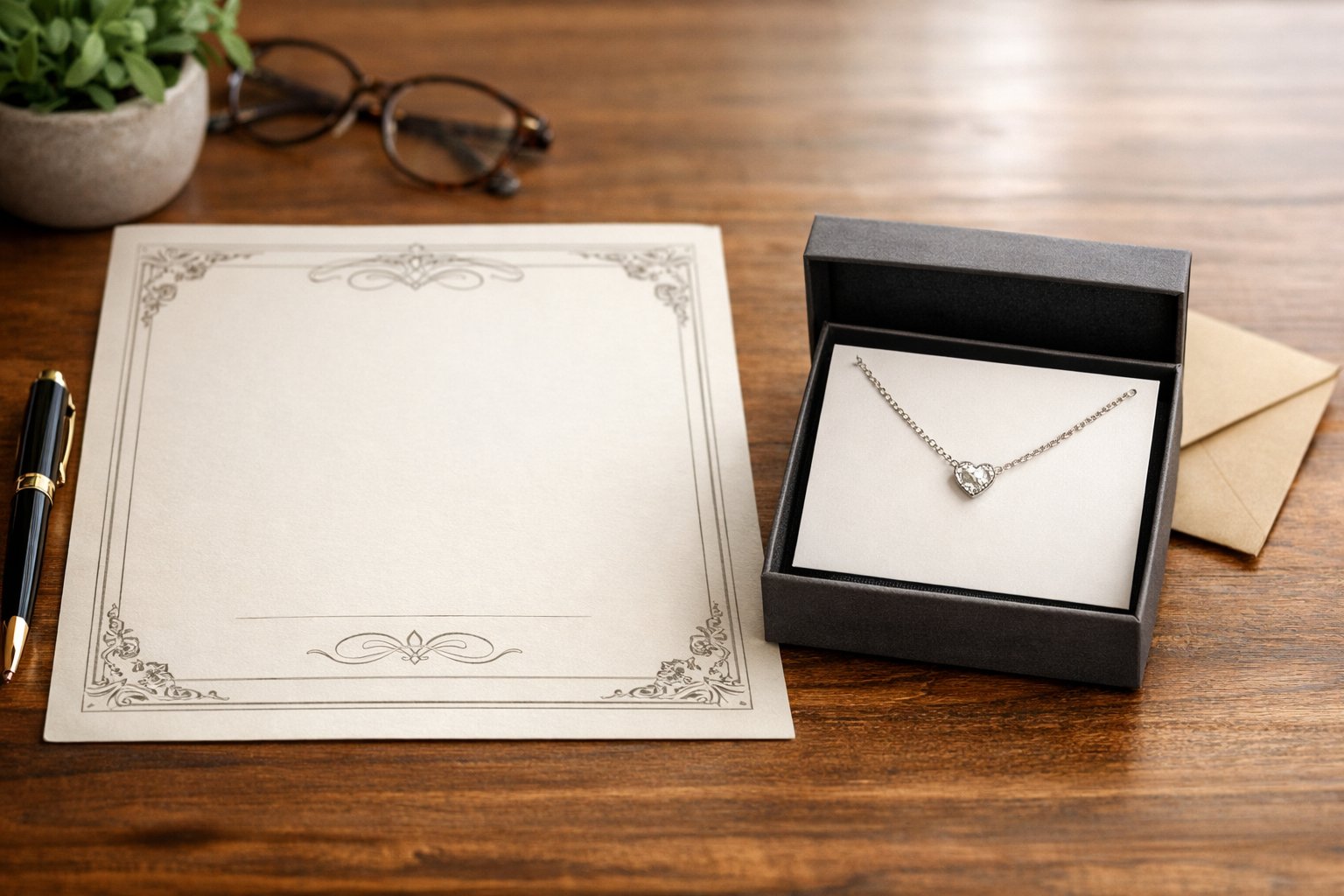
Printable certificates rely on paper and design templates, while message card jewelry pairs a physical accessory with written words. The creation process and emotional weight behind each option shape how personal they feel to the recipient.
Printable certificates start with digital templates. Someone selects a certificate design from platforms like Zazzle, adds text fields for names and dates, then prints the document at home or through a service. The process takes minutes once a template is chosen.
The quality depends entirely on printer capabilities and paper stock. Standard home printers produce adequate results on regular paper. Higher-end results require cardstock or specialty paper with better texture and weight.
Message card jewelry involves multiple production stages. Manufacturers create the physical jewelry piece first, whether it's a necklace, bracelet, or ring. The accompanying card gets designed with specific messaging that relates to the jewelry's symbolism or design elements.
Some personalized jewelry arrives with pre-written cards. Others allow buyers to add custom text or select from message options that match different relationships or occasions.
The jewelry itself might feature engravings, birthstones, or symbolic charms. Production time ranges from immediate shipping for stock items to several weeks for custom engraved pieces.
Certificates acknowledge achievements or participation. They serve as official documentation that someone completed a course, attended an event, or reached a milestone. The emotional focus centers on recognition and validation of effort.
The paper format creates distance between giver and receiver. Certificates work well when formality matters more than intimate connection. Teachers give them to students. Organizations distribute them to volunteers. Employers present them for work anniversaries.
Message card jewelry carries different emotional intent. The giver selects both a wearable item and specific words meant for one person. This dual consideration signals deeper thought about the recipient's preferences and the relationship itself.
The physical nature of jewelry creates ongoing connection. Recipients wear the piece and encounter the message repeatedly. This transforms a single gift-giving moment into a sustained emotional experience.
Certificates typically get framed or filed away. Jewelry stays present in daily life, maintaining its emotional relevance longer.
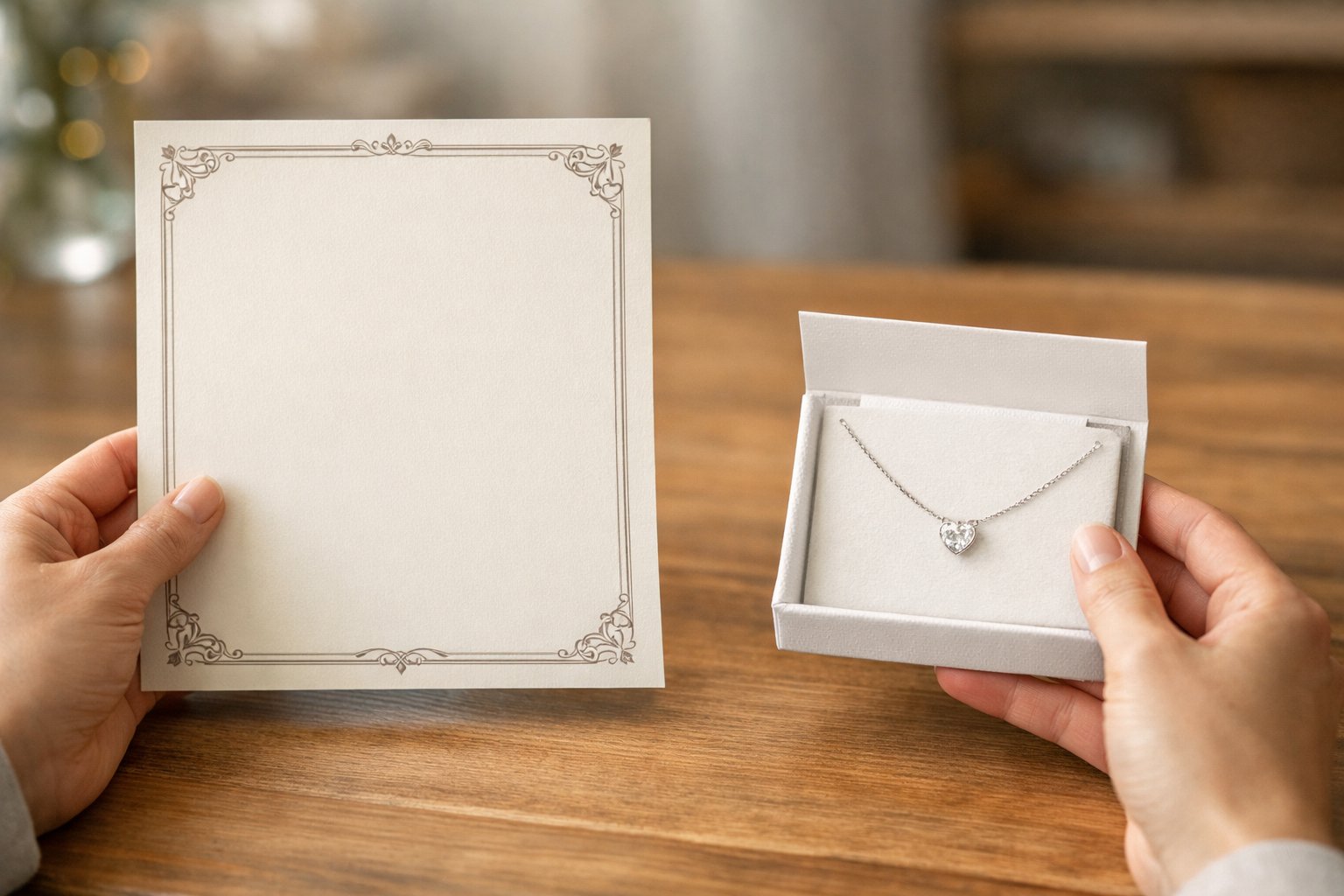
Personalization transforms a gift from something functional into something emotionally resonant. The difference between a template and custom engraving lies in how much of the giver's intention becomes visible to the recipient.
A certificate template offers structure but little emotional weight. It follows a predictable format that anyone could replicate. The recipient sees the effort, but the gesture can feel distant.
Custom engraving allows for specificity. A name, a date, or a short phrase becomes part of the piece itself. This level of personalization in jewelry adds emotional value that a printed document cannot match.
Message card jewelry bridges both approaches. It pairs a physical keepsake with a written sentiment. The card provides context, while the jewelry becomes something the recipient wears. For someone choosing jewelry for mom, the combination makes the gesture feel deliberate without requiring extensive customization skills.
If someone wants something that feels personal without making the moment overly sentimental, this engraved necklace keeps it meaningful yet understated. You can personalize it here.
Custom jewelry allows someone to reference shared memories or inside jokes that outsiders wouldn't understand. A birthstone, an initial, or coordinates from a meaningful location all carry private significance. The recipient recognizes the thought behind each choice.
Certificate templates lack this flexibility. They follow predetermined layouts that limit how much someone can adjust tone or content. The message might be sincere, but the format constrains it.
Personalized gifts work because they acknowledge individuality. Custom products celebrate milestones in ways that feel specific to the relationship. A message card with jewelry does this through layered meaning. The card explains what the piece represents, while the jewelry itself becomes a daily reminder.
Certificates offer recognition on paper, while message card jewelry creates a physical connection someone can wear and touch daily. The difference lies in how each object holds meaning over time and becomes part of someone's life.
A certificate acknowledges achievement or participation in a single moment. It gets framed, filed away, or stored in a drawer. The paper itself rarely becomes part of daily life after the initial presentation.
Message jewelry carries symbolism through physical presence. A bar necklace rests against someone's chest throughout the day. Each time they touch it or catch their reflection, the piece triggers memory and emotion. The metal itself becomes a symbol of the relationship or moment it represents.
Certificates document what happened. Jewelry with accompanying message cards transforms emotion into something wearable. A charm necklace might represent a grandmother's love through specific words written on the card. The tangible nature of jewelry creates deeper emotional connections than paper certificates can offer.
The difference shows up years later. People rarely revisit certificates unless moving or organizing. They wear meaningful jewelry repeatedly, each time reconnecting with the sentiment behind it.
Certificates capture achievements with standardized text and generic layouts. They mark the event but rarely capture the specific emotions or private meanings behind it.
Message card jewelry preserves personal details that certificates cannot. The written words on the card explain exactly why this particular gift matters to this daughter at this specific time. A dangle name pendant paired with a mother's handwritten note about her child's courage becomes irreplaceable.
The jewelry itself serves as a physical bookmark in someone's life story. Years later, the piece still exists in their jewelry box while certificates fade or disappear. The message card preserves the exact words from that moment, creating a time capsule of emotion.
When someone needs reassurance or connection, they can hold the jewelry and reread the card. Certificates offer no such comfort during difficult moments.
A certificate's perceived value comes from two main factors: the visual impression it creates and the credibility of who issued it, combined with how it exists in physical space.
The organization behind a certificate shapes how seriously people take it. A certificate from a recognized institution carries weight because the name itself signals effort and standards. When someone sees a familiar logo or official seal, they understand what went into earning it.
Design choices matter just as much. Custom certificates that reflect brand identity feel more intentional than generic templates. Clean typography, thoughtful color choices, and quality paper stock all signal that someone cared enough to create something specific. A hastily filled-in certificate template suggests the opposite.
The combination of who issued it and how it looks determines whether a certificate feels meaningful or perfunctory. When both elements align, the recipient understands the recognition was deliberate. When either one falls short, the gesture feels hollow regardless of the words printed on it.
Unlike digital recognition that disappears into email folders, a physical certificate occupies real space. It sits on a desk, hangs on a wall, or tucks into a portfolio. That tangible presence makes it harder to forget or dismiss.
People who frame their certificates make a choice about what matters to them. The act of displaying it transforms a piece of paper into a statement about identity and accomplishment. It becomes something others see and ask about.
The weight of quality cardstock, the texture of embossed seals, and the formality of presentation all contribute to how permanent the recognition feels. A certificate folded in a drawer still exists, but one mounted behind glass becomes part of someone's environment. That visibility reinforces its significance every time someone walks past it.
Written words create a different kind of permanence than physical objects alone. They capture exact feelings from a specific moment and preserve them in ways that jewelry by itself cannot replicate.
A handwritten note carries the physical trace of someone's presence. The pressure of pen on paper, the spacing between words, and the slight variations in each letter show that a real person sat down and thought about what to say.
Message card jewelry pairs this tangible element with something wearable. The card explains why the piece was chosen while the jewelry serves as a daily reminder. Both parts work together to create meaning that neither could achieve alone.
Printed message cards offer similar benefits when handwriting isn't possible. They still contain specific words chosen for a specific person. The content matters more than whether it was written by hand or typed.
Custom engraving adds permanence to metal or stone, but it limits how much can be said. A message card allows for longer thoughts, full sentences, and detailed explanations that don't fit on a bracelet or necklace. Someone can express complex feelings without worrying about character limits.
If you want something that feels personal without making the moment overly sentimental, a customizable message card keeps it meaningful yet light. You can personalize it here.
Words freeze feelings in time. Years later, someone can read the exact sentence written on their birthday or graduation and remember how they felt that day. The emotion doesn't fade because the language stays the same.
Message jewelry with accompanying cards creates two layers of memory. The jewelry connects to the body through daily wear. The card connects to the mind through repeated reading. Together they form a complete emotional experience.
Storytelling through jewelry design becomes clearer when words explain the symbols or materials chosen. A birthstone means more when the card mentions the person it represents. Coordinates engraved on a bar necklace gain significance when the message explains what happened at that location.
Written sentiment also works for people who struggle to speak their feelings out loud. The card says what might feel awkward in conversation. It gives both giver and receiver something concrete to return to when they need reassurance about what the relationship means.
For those who appreciate both visual appeal and written expression, personalized jewelry on Amazon often includes thoughtful packaging options. The combination delivers emotional impact through multiple channels at once.
Personalized jewelry comes in many forms, from engraved pieces to designs with movable charms. The method someone chooses shapes how intimate the gift feels and how often it gets worn.
Custom jewelry ranges from subtle to statement-making. Name necklaces let wearers carry someone's name close to their heart. Initial pendants offer a quieter version of the same sentiment.
Bar necklaces work well for dates, coordinates, or short phrases. They sit flat against the skin and look modern. Charm necklaces tell a story through small symbols added over time.
Cuff bracelets can hold longer messages on the inside where only the wearer sees them. Birthstone rings add color that represents a specific person or month. Locket necklaces hold tiny photos or handwritten notes.
Some shoppers look for wedding gifts for her that mark the occasion without feeling too formal. Others want something she'll wear daily.
Engraving carves text directly into metal. It works on rings, bracelets, and pendants. The words become permanent and won't fade or wear off.
Hand-stamped jewelry shows slight imperfections that make each piece unique. The letters aren't perfectly aligned, which some people prefer for its handmade quality.
Charm-based designs let someone build a collection gradually. Each charm represents a memory or milestone. Dangle name pendants hang from chains and move as the wearer does.
Photo-engraved pieces use laser technology to etch an actual image onto metal. The detail shows up best on larger surfaces like pendants or custom bracelets.
If someone wants a gift that feels personal without making the moment overly sentimental, a customizable design like this keeps it meaningful yet light. You can personalize it here.
Bar necklaces suit minimalist tastes better than chunky statement pieces. They layer well with other jewelry. Most bestselling personalized jewelry falls into these categories because they balance visibility with subtlety.
Certificates work best when celebrating earned accomplishments that deserve flexibility in their reward. Message card jewelry creates emotional connection during personal moments that call for something permanent and wearable.
Printable certificates fit naturally into moments defined by achievement and choice. When someone completes a degree, a certificate for their favorite bookstore or professional clothing retailer gives them control over what they need next. The same applies to work promotions or completed certifications.
These occasions share a common thread. The recipient just accomplished something significant and now faces new decisions about their path forward. A certificate acknowledges the achievement without assuming what comes next.
Certificates also work well for group gifts or professional settings. Coworkers pooling money for a departing colleague can select a substantial gift card amount that feels more generous than any single item. The formality of a certificate matches workplace boundaries better than personal jewelry.
For graduation gifts, certificates let new graduates choose what they actually need as they transition to their next chapter. Someone moving across the country for a new job benefits more from selecting their own essentials than receiving another decorative item.
Jewelry paired with meaningful words belongs in intimate moments when someone needs to feel seen and valued. Pregnancy gifts for first-time moms carry more weight when they include both a lasting keepsake and words that acknowledge the enormous change ahead.
These pieces work because they mark emotional transitions rather than achievements. A bracelet with an encouraging message given during someone's cancer treatment serves as a daily reminder that someone cares. A necklace for wedding gifts for her becomes more than decoration when paired with words about the bond being celebrated.
The physical nature matters here. Jewelry stays close to the body and gets worn repeatedly. Each time someone touches their necklace or sees their bracelet, they remember both the giver and the message.
Message card jewelry fits moments when the relationship itself is the focus. A daughter giving her mother something special recognizes years of care. Someone honoring their mother-in-law acknowledges the welcome they received into a family.
The difference between a gift that feels mass-produced and one that feels chosen specifically for someone often comes down to small details that signal thought and exclusivity. Understanding what triggers the perception of generic versus unique helps gift-givers make choices that resonate more deeply with recipients.
Generic gifts share certain characteristics that make them feel interchangeable rather than intentional. Gifts that lack personal touches often include items anyone could receive without much thought from the giver.
Gift cards, while practical, signal minimal effort in selection. The recipient knows the giver didn't spend time considering their specific interests or preferences. Similarly, pre-packaged gift sets with standard combinations feel impersonal because they weren't assembled with one person in mind.
Common traits of generic gifts:
The perception of genericness isn't always about price. An expensive item can still feel generic if it shows no understanding of who the person is. A standard luxury item given without context feels less personal than an inexpensive gift that demonstrates genuine thought.
Exclusivity in gifting doesn't require luxury brands or expensive materials. It comes from choices that feel tailored to one specific person rather than copied from a standard list.
Customization creates immediate uniqueness when it reflects actual knowledge about the recipient. A message card necklace with a handwritten note becomes exclusive because the words chosen apply to only that relationship. The physical object might be similar to others, but the message makes it singular.
Limited availability naturally creates exclusivity. Items that aren't mass-produced or widely available signal that the giver invested effort in finding something distinctive. Handmade items carry this quality automatically because each piece has slight variations.
Ways to create perceived uniqueness:
For those who want something with visible customization, a personalized name necklace offers immediate recognition as a one-of-a-kind piece. It works for someone who appreciates wearing their identity or the name of someone they love. You can personalize it here.
The strongest sense of exclusivity comes from demonstrating that the giver knows details about the recipient that others might not. This knowledge, reflected in the gift choice, makes even simple items feel uniquely suited to that person.
The personalized jewelry market is growing at 8.4% annually through 2035, while printable certificates remain a low-cost digital option accessible to anyone with a printer. Both choices are easier to find now than ever before, though they require different levels of effort to source.
Printable certificate templates show up everywhere online, often free or under five dollars. Sites like Canoe offer instant downloads that someone can customize with a name and message in minutes. The barrier to entry is almost nonexistent.
Message card jewelry requires more browsing. Small jewelers are using technology like CAD software and 3D printing to make personalization faster and less expensive than it used to be. Someone can find personalized necklaces, bracelets with engraved coordinates, or rings with hidden messages on platforms that specialize in custom work.
If someone wants a piece that feels personal without making the moment overly sentimental, a customizable necklace keeps it meaningful yet light. You can personalize it here.
The time difference matters. A printable certificate arrives instantly. Jewelry usually takes one to three weeks, depending on the design and seller.
Etsy changed how people find handmade and personalized gifts. Someone searching for message card jewelry will find thousands of independent sellers, many offering customization at prices that compete with mass-market retailers. If someone already has an account, they can browse saved shops or past purchases to find sellers they trust.
Local artisans and small shops build relationships through personalized consultations, which larger brands cannot replicate. Selling on Etsy gives small jewelers visibility without requiring a physical storefront. Reviews and photos from previous buyers help someone decide whether a piece will feel as personal as it looks online.
Printable certificate templates also appear on Etsy, though most people find free versions elsewhere. The platform works better for those seeking something made by hand rather than downloaded instantly.
Both options require different amounts of effort and planning. Understanding what each involves helps gift givers choose based on their available time, budget, and comfort with technology.
Printable certificates offer immediate access through platforms like Canva Print, where users can select a certificate template and add text within minutes. The process requires basic computer skills and a printer. Most templates allow changes to names, dates, and messages without design experience.
The giver downloads the file and prints it at home or sends it to a local print shop. Some people laminate certificates or place them in frames to add weight to the presentation. This entire process can happen the same day a gift is needed.
Message card jewelry involves more steps. The giver must choose a specific piece, decide on any custom jewelry elements like engravings, and write the accompanying card message. Many retailers offer pre-written card options, though personalized messages carry more emotional weight.
If someone wants fully customized design work, platforms exist that let them create both the jewelry specifications and matching card. The ordering process takes longer than certificates since physical items must be manufactured and shipped.
Printable certificates cost almost nothing beyond paper and ink. Even premium templates rarely exceed twenty dollars. The main investment is time spent personalizing the design and printing. Rush situations work well with this option since everything happens digitally until the final print.
Message card jewelry starts around thirty dollars for simple pieces and increases based on metal type and gemstones. Personalized jewelry with engravings or birthstones typically costs more. Production time adds one to three weeks depending on customization level.
Shipping becomes a factor with physical jewelry. Standard delivery takes five to seven business days after production completes. Express options exist but add significant cost. Certificates avoid shipping entirely when printed at home.
For someone who values a tangible keepsake but needs something quickly, combining a printed photo of the jewelry with a promise card works as a temporary solution until the actual piece arrives.
The choice between printable certificates and message card jewelry isn't about which option costs more or looks better. It comes down to how the gift will live in someone's daily life.
Certificates work well for recognizing achievements in formal settings. They can be framed and displayed where others see them. A custom certificate from Zazzle lets someone add specific details that matter to the recipient. These work when public recognition feels appropriate.
Message card jewelry creates a different kind of connection. It stays with someone throughout their day as a private reminder. The piece becomes part of their routine rather than something they look at occasionally.
What makes each option feel personal:
Neither choice is inherently more meaningful. A certificate feels generic when it uses standard templates without thought. Jewelry feels impersonal when it lacks connection to the recipient's life or values.
The most personal gifts reflect real understanding of how someone wants to be supported. Some people appreciate public recognition through displayed certificates. Others prefer carrying encouragement privately through worn jewelry.
If someone values tangible recognition they can share with others, a personalized certificate acknowledges their achievement publicly. For those who need ongoing private reassurance, a customized bracelet travels with them through difficult moments. The right answer depends entirely on knowing which kind of support the person actually needs.
Understanding how certificates and message cards work with jewelry gifts helps clarify which option matches specific situations and relationships. The choice often depends on the gift's purpose, the relationship between giver and recipient, and what kind of reassurance or emotion needs expressing.
A printable certificate gains personal meaning through customization choices that reflect both the giver's thoughtfulness and the recipient's preferences. The language used in the certificate matters more than the template design itself.
Specific details like the recipient's full name, the exact occasion being celebrated, and the date transform generic templates into personalized documents. A certificate that reads "Happy Birthday" feels less personal than one that acknowledges "Sarah's 30th Birthday" or "Celebrating Your Promotion to Senior Manager."
The description of the jewelry piece adds another layer of personalization. Instead of listing generic terms like "one necklace," the certificate might describe "a silver bar necklace engraved with coordinates from where we first met." This specificity shows intentional selection rather than rushed shopping.
Some people add custom design elements that match the recipient's aesthetic preferences. Color schemes, fonts, and graphic elements can align with someone's style whether they prefer minimalist designs or more decorative presentations.
Hand-signed certificates carry more weight than digitally inserted signatures. The physical act of signing demonstrates that the giver took time to complete the document personally.
Message cards create emotional resonance by explaining why specific jewelry was chosen for a particular person. The card provides context that turns an accessory into a meaningful keepsake with documented sentiment.
Pairing jewelry with written words creates two connected gifts instead of one. The physical piece serves as a daily reminder while the card preserves the exact feelings from that moment. Recipients can revisit the written words during difficult times when they need encouragement.
The cards work especially well when they reference shared experiences or inside knowledge about the relationship. A message that mentions a specific memory or acknowledges the recipient's particular qualities shows deeper thought than generic phrases.
Studies indicate that nearly 80% of people value the emotional connection a gift creates over its monetary worth. Message cards deliver this connection without requiring expensive custom engraving or modifications to the jewelry itself.
The tangible nature of a physical card creates what researchers call a meaningful connection between giver and receiver. Both people know they've touched the same object, which strengthens emotional bonds in ways that digital messages cannot replicate.
The relationship between giver and recipient guides this decision more than any other factor. Close personal relationships typically benefit more from message cards that express emotion and connection.
Certificates work better when the gift involves significant financial investment or when the recipient needs documentation for insurance purposes. High-value pieces like diamond rings or gold bracelets often require proof of authenticity and purchase details.
The occasion also influences which option fits better. Anniversary gifts or birthday presents lean toward emotional message cards. Graduation gifts or milestone celebrations might suit certificates that acknowledge achievements alongside the jewelry.
Some givers feel more comfortable expressing emotions through carefully chosen jewelry than through written words. For these people, a certificate provides necessary information without requiring vulnerable emotional disclosure.
Recipients who value practical documentation appreciate certificates. Those who prioritize sentimental meaning respond more strongly to message cards with personal sentiments.
The jewelry type matters too. Expensive pieces benefit from certificates. Charm bracelets, birthstone necklaces, or personalized name jewelry pair naturally with message cards that explain each element's significance.
Template selection sets the foundation for customization. Minimalist recipients appreciate clean layouts with simple typography and limited decorative elements. Those who enjoy ornate designs respond better to certificates with detailed borders or flourishes.
Color choices communicate different messages and match different personalities. Soft pastels suit gentle, romantic gifts. Bold colors work for celebratory occasions. Neutral tones maintain sophistication for professional contexts.
The descriptive language in the certificate body allows for sentiment without overwhelming emotion. Phrases like "presented with love and admiration" or "in recognition of your dedication" add warmth while maintaining the formal structure certificates traditionally follow.
Including specific jewelry details personalizes the document beyond generic descriptions. Mentioning metal type, gemstone choices, or engraved messages shows attention to the particular piece being given.
Some people incorporate meaningful quotes or short personal messages within the certificate format. This hybrid approach provides both documentation and emotional expression in a single document.
Font selections carry emotional weight despite seeming like minor details. Script fonts feel romantic and personal. Sans-serif fonts appear modern and clean. Traditional serif fonts convey formality and importance.
If someone wants a certificate that feels less corporate and more heartfelt, they can design custom versions that blend formal structure with personal touches. You can adjust every element until it feels right.
Message cards significantly affect how recipients interpret the giver's intentions and effort. A handwritten card immediately signals that someone invested time beyond simply purchasing an item.
The specificity of the message determines perceived authenticity. Generic phrases like "thinking of you" or "you're special" feel less genuine than messages referencing actual shared experiences or specific qualities the recipient possesses.
Cards that explain why particular jewelry was selected demonstrate thoughtful consideration. When someone receives a bracelet with a card explaining "I chose this because you mentioned loving rose gold," they recognize attentive listening and intentional selection.
Message cards transform jewelry from decorative items into emotional tokens by adding layers of meaning that the