
Your Cart is Empty
Women share secrets, celebrate wins, and comfort each other through hard times in ways that create lasting emotional bonds. Female friendships rely on a unique emotional language built through verbal communication, shared vulnerability, and deep empathy that strengthens connections over time. This language shapes how women relate to each other and creates support systems that benefit mental and physical health.

The way women communicate in friendships goes beyond simple conversation. Talking openly serves as the glue holding female friendships together, with emotional exchanges building stability that lasts for years. Women tend to focus on smaller, closer circles rather than large groups, pouring energy into one-on-one connections that deliver reliable support during stressful moments.
Understanding this emotional language helps explain why female friendships matter so much for emotional resilience and overall happiness. These bonds involve brain chemistry, hormones, and learned behaviors that make women naturally skilled at building deep connections. Whether through a quick text or a long phone call, women use specific patterns of communication that create trust and intimacy. You can celebrate these special bonds with friendship gifts from Zazzle or find books about female friendship on Amazon to explore these connections further.
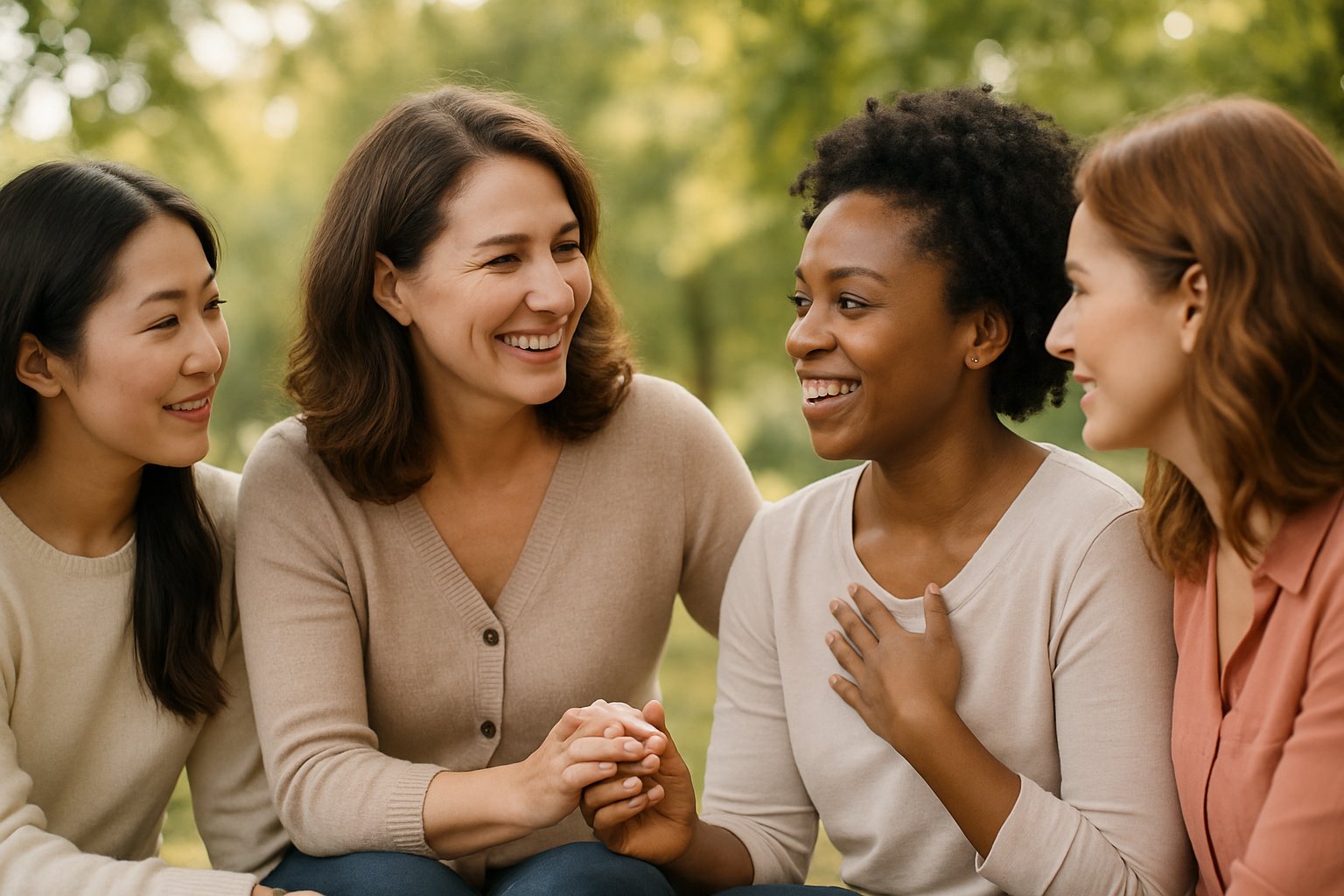
Female friendships operate through distinct emotional patterns that shape how women connect, communicate, and support each other. These bonds rely on specific forms of empathy, validation techniques, and communication approaches that differ from other relationship types.
Women's friendships center on emotional closeness rather than shared activities alone. Research shows that oxytocin released during social interaction creates immediate feelings of warmth and trust, and estrogen amplifies this response in female friends.
Key emotional differences include:
Mirror neurons fire intensely during shared experiences between female friends, allowing them to feel alongside each other. This brain activity creates emotional alignment that strengthens bonds. A simple friendship journal can help track these meaningful moments and deepen connection over time.
Empathy functions as the core of female friendship dynamics. Women don't just acknowledge each other's feelings—they actively feel them through neurological responses.
Validation takes specific forms in these relationships. Female friends typically respond to emotional sharing by confirming feelings as legitimate rather than immediately offering solutions. This approach reduces isolation and builds trust.
Validation techniques common in female friendships:
Studies show women's friendships provide stress relief and improved mental health through these empathetic exchanges. The brain's reward system activates during positive interactions between female friends, creating satisfaction that reinforces the bond. However, excessive co-rumination—repeatedly revisiting problems together—can intensify stress despite strengthening emotional closeness.
Female friends rely heavily on verbal exchange to maintain connection. Women engage in longer, more emotional conversations that build stability over time.
Distinctive communication patterns:
| Communication Element | How It Functions |
|---|---|
| Length | Extended conversations covering multiple emotional topics |
| Frequency | Regular check-ins even without specific news to share |
| Emotional depth | Discussion of feelings, not just events |
| Speech synchrony | Close friends develop similar speaking rhythms and patterns |
Women in close friendships often finish each other's sentences or use similar phrases. This linguistic mirroring happens naturally through consistent conversation and signals deep connection.
Face-to-face interaction matters more than the specific words used. Physical presence during emotional sharing amplifies oxytocin release and trust-building. Text messages and calls maintain friendship but don't replace in-person emotional exchanges.
The complexities of female friendship include viewing conflict as growth opportunities rather than threats. When disagreements occur, female friends typically prioritize verbal resolution quickly to reduce emotional stress. Custom best friend gifts can serve as tangible reminders of these important bonds during difficult periods.
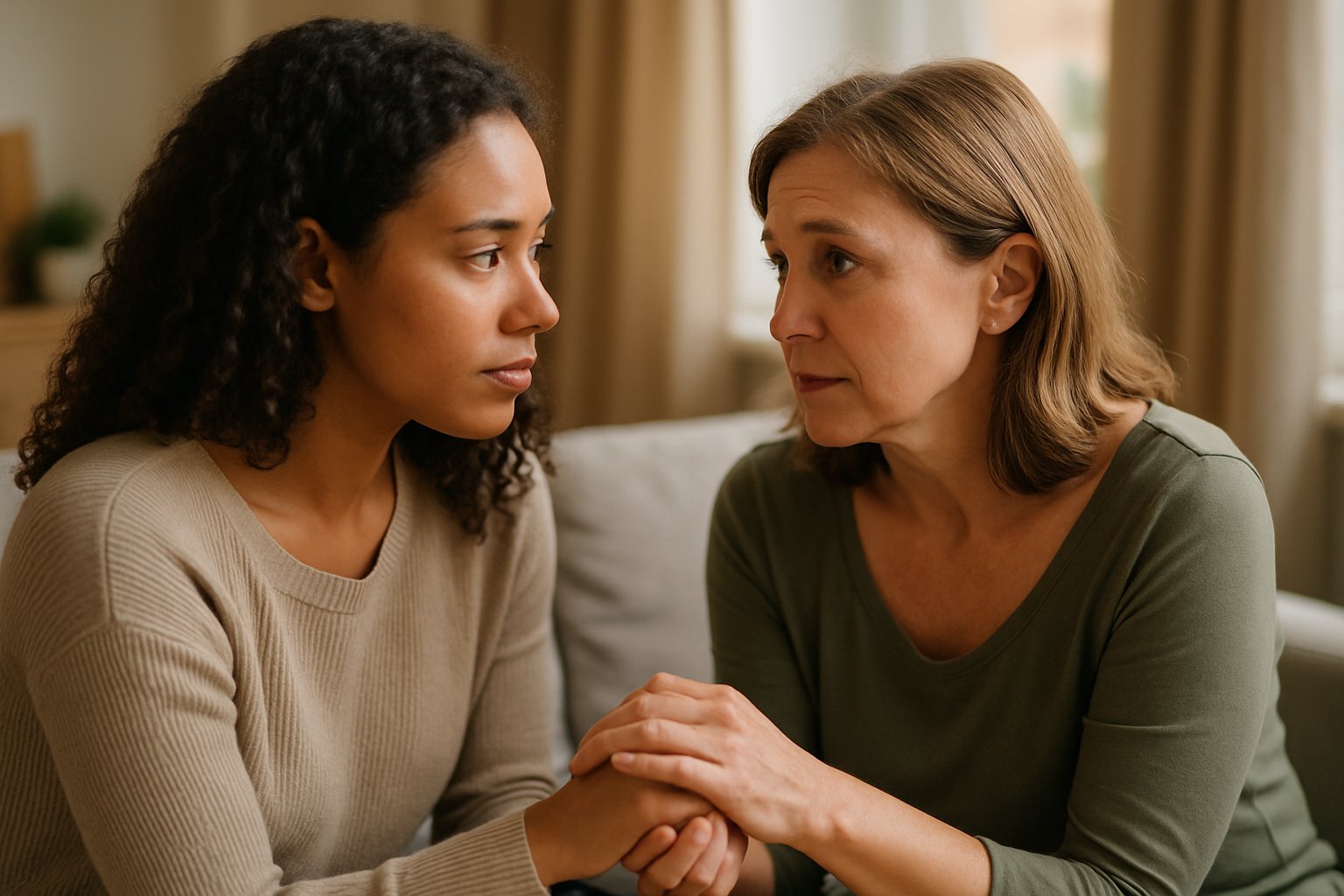
Women's friendships thrive on emotional connection and the willingness to be open with each other. Trust, vulnerability, and emotional intimacy work together to create bonds that provide deep companionship and support.
Trust forms the foundation of meaningful female friendships. Women build this trust gradually by showing up consistently and keeping confidences private. When friends prove reliable over time, they create a safe space where both people feel comfortable sharing their true thoughts and feelings.
Women's friendships are centered on vulnerability and mutual caretaking. This means creating an environment where judgment stays out and acceptance comes in. Friends demonstrate trustworthiness through small actions like remembering important details, checking in during hard times, and protecting shared secrets.
Safety in friendship means knowing that personal information stays private. Women often test these waters by sharing smaller concerns first. When those confidences remain protected, they feel more comfortable opening up about deeper struggles.
Vulnerability strengthens the social connection between friends. When one woman shares her struggles, fears, or insecurities, she invites her friend into her inner world. This openness often encourages the other person to reciprocate with her own authentic experiences.
Female friendships embrace emotional vulnerability as a valued part of the relationship. Women who share their real feelings rather than presenting a perfect image create deeper bonds. These honest conversations might happen over coffee, during long phone calls, or through personalized friendship gifts from Zazzle that express what words sometimes cannot.
Being vulnerable requires courage. It means risking judgment or rejection to achieve genuine connection. Friends who respond with empathy and understanding rather than criticism strengthen the relationship and encourage more openness.
Emotional intimacy develops when friends consistently share their inner lives with each other. Women prioritize emotional intimacy in their friendships, creating bonds built on trust, compassion, and mutual respect. This intimacy goes beyond surface-level conversations about weather or work.
Friends nurture emotional intimacy through active listening and genuine interest in each other's experiences. They ask follow-up questions, remember previous conversations, and show empathy during difficult moments. Books about friendship on Amazon can provide additional insights into strengthening these connections.
Intimacy deepens when friends celebrate each other's successes without jealousy and support each other through failures without judgment. They make time for meaningful conversations, even when life gets busy. This consistent nurturing of the emotional connection transforms casual friendships into lifelong bonds that provide comfort, understanding, and companionship through all of life's changes.
Women build deep connections through moments they share together, creating a sense of belonging that strengthens over time. These shared experiences release bonding hormones and create lasting memories that form the foundation of sisterhood.
Women create strong bonds by sharing personal stories and building memories together. When friends exchange experiences, they develop a shared history that anchors their relationship. These stories become reference points that reinforce connection.
Research shows that emotional memories formed during shared positive events last longer in female friendships because the brain encodes them through reward-activation pathways. Women who regularly share meaningful moments show higher levels of emotional trust and intimacy.
The act of retelling shared stories strengthens bonds further. Each time friends revisit a memory together, they reinforce their connection and build a sense of belonging within the friendship.
Key elements of memory bonding include:
Female friendships provide a buffer against life's challenges. Women who maintain strong friendships show better stress coping, higher emotional support, and improved mental health. This collective resilience comes from knowing someone understands and supports you.
Friends help each other process difficult emotions and navigate tough situations. The sisterhood formed through shared struggles creates a safety net that individual coping cannot match. Women in supportive friendship circles demonstrate higher subjective well-being and emotional co-regulation.
Shared positive emotions help people feel less threatened by conflict because the history of celebration creates a buffer against relationship stress. Friends who celebrate together recover from disagreements more quickly. Having journals to document these friendship journeys can help preserve these meaningful connections.
Laughter creates immediate bonding between female friends. Collective laughter during shared celebrations increases social approach behavior and perceived closeness. The physical act of laughing together releases endorphins and oxytocin, hormones that promote bonding.
Joy shared between friends feels more intense than joy experienced alone. The brain's reward system activates more strongly during socially shared emotions compared to private emotional experiences.
Simple joyful activities strengthen friendships:
These moments of laughter become emotional anchors that refresh closeness over time. Women who prioritize joy in their friendships report feeling more connected and emotionally secure with their friends.
Female friendships create spaces where women receive emotional support during difficult times and gain confidence through mutual understanding. These relationships build strong support networks that boost self-esteem and encourage personal growth.
Women offer emotional support through active listening and genuine presence during challenging moments. They provide comfort when a friend faces stress at work, relationship troubles, or family issues. This support often involves specific actions like checking in with text messages, making time for phone calls, or showing up with food during a crisis.
Female friends help process difficult emotions by creating safe spaces for honest conversations. They ask thoughtful questions and stay present without rushing to fix problems. This approach allows women to work through their feelings at their own pace.
Key ways friends provide support:
The emotional connections in female friendships often go deeper than casual relationships. Friends remember important details about each other's lives and follow up on ongoing struggles.
Validation helps women feel heard and understood when they share their experiences with trusted friends. Female friends acknowledge each other's feelings as real and important, even when they disagree with choices or perspectives. This validation strengthens confidence because women learn their reactions and emotions make sense.
Friends boost self-esteem by pointing out strengths that women might overlook in themselves. They celebrate achievements and remind each other of past successes during moments of self-doubt. A friend might say, "Remember how you handled that difficult project last year? You have the skills for this too."
Women also validate each other's experiences with societal expectations and pressures. Knowing others face similar challenges reduces feelings of isolation. Friends normalize struggles with work-life balance, body image, or relationship dynamics through shared understanding.
Empowerment in female friendships happens when women encourage each other to pursue goals and stand up for themselves. Friends push each other toward personal growth by challenging limiting beliefs and supporting bold decisions. They might encourage a friend to apply for a promotion, leave an unhealthy relationship, or start a creative project.
These relationships create accountability that drives positive change. When women share their goals with friends, they receive regular encouragement to keep moving forward. Friends ask about progress and celebrate small wins along the way.
Empowerment looks like:
Female friends also empower by sharing resources like job opportunities, professional contacts, or helpful information. They recommend books, courses, or tools that support each other's development. This type of support network creates opportunities for success that women might not find alone. Friends who empower each other build confidence that extends into all areas of life, from personalized friendship gifts that celebrate their bond to professional achievements they can display with custom frames.
Women's bodies respond to stress differently when friends are involved. Oxytocin plays a key role in creating calm feelings during tough times, while cortisol levels drop when women connect with close friends instead of facing challenges alone.
Researcher Shelley Taylor at UCLA discovered a unique stress response in women that differs from the traditional fight or flight model. When stress hits, women often turn to their social networks rather than attacking the problem or running away. This pattern is called tend and befriend.
The tend and befriend response pushes women to protect others and seek out social contact during stressful moments. Instead of the adrenaline-fueled reactions seen in fight or flight, women release oxytocin that encourages bonding behaviors.
This response likely developed because women historically needed to protect children while maintaining community ties. A mother couldn't always fight or flee when danger appeared, so a calmer social approach kept both her and her children safer.
Oxytocin drives bonding between female friends through direct social interaction. This hormone, sometimes called the love hormone, gets released during close conversations and physical contact like hugs. Estrogen makes oxytocin work even stronger in women's bodies.
When women spend time with close friends, cortisol levels drop significantly. Cortisol is the main stress hormone that causes physical tension and anxiety. Female friendships actually counteract stomach-quivering stress by lowering these harmful hormones.
The combination creates a powerful effect. As oxytocin rises and cortisol falls, women feel calmer and more connected. This biological shift explains why talking with a trusted friend often feels better than any other stress relief method.
Female friendships provide measurable improvements to both mental and physical health while reducing the harmful effects of loneliness. These connections lower stress hormones, decrease blood pressure, and offer protection against anxiety and depression.
Female friendships significantly reduce stress and create a foundation for better mental well-being. Women who maintain close friendships experience lower rates of anxiety and depression compared to those with weaker social connections. The emotional support these relationships provide acts as a buffer during difficult times.
These bonds create safe spaces where women share their fears and concerns without judgment. The nurturing environment of female friendships encourages honest communication and mutual support. This emotional vulnerability strengthens mental health by reducing feelings of isolation.
Women who prioritize their friendships report higher self-esteem and greater confidence in handling life's challenges. The validation and understanding they receive from friends reinforces their sense of worth. Gift a friend a personalized friendship mug to celebrate these meaningful connections.
Strong female friendships deliver concrete physical health benefits that extend beyond emotional support. Women with close friendships show lower blood pressure readings and reduced risk of heart disease. These relationships trigger the release of oxytocin, which helps regulate stress responses in the body.
The healing power of female friendships promotes a healthier life through biological mechanisms. Regular social interaction with friends decreases inflammation markers in the body. This reduction in chronic inflammation protects against various health conditions.
Research shows that women with strong social bonds have lower mortality risk compared to those who are socially isolated. The protective effect of friendship on physical health rivals the benefits of exercise and maintaining a healthy weight.
Social isolation poses serious risks to both mental and physical health. Female friendships serve as a powerful antidote to loneliness by providing consistent emotional connection and validation. Women who maintain active friendships report feeling less alone even during challenging life transitions.
These bonds offer a sense of belonging that combats the negative effects of isolation. Regular interaction with friends prevents the health consequences associated with chronic loneliness. The shared experiences and understanding between female friends create feelings of kinship.
Women facing isolation benefit from reaching out to establish or strengthen friendships. Even small interactions can reduce feelings of loneliness over time. Consider reading a book about female friendship to gain insights into building stronger connections.
Female friendships serve as mirrors that reflect who women are and who they want to become. These relationships create safe spaces where women build confidence, discover their authentic selves, and find their place in the world.
Women discover essential parts of themselves through their friendships with other women. Female friendships play a crucial role in personal identity formation by providing feedback and validation during key life transitions.
Young women especially rely on their friends to explore different aspects of their personality. They test out new ideas, values, and behaviors in the company of trusted friends who offer honest reactions without harsh judgment.
Friends help women understand their strengths and weaknesses. Through shared experiences and conversations, women gain clarity about their beliefs, goals, and priorities. A friend might notice talents or patterns that a woman cannot see in herself.
Key ways friendships shape identity:
This process continues throughout women's lives as they navigate career changes, relationships, and major life decisions. Each friendship adds a new dimension to how women understand themselves.
Friends act as cheerleaders who remind women of their worth during difficult moments. The psychological benefits of female friendships include significant improvements in self-esteem through consistent emotional support and encouragement.
Women often judge themselves more harshly than they judge others. Close friends counter negative self-talk by pointing out accomplishments and positive qualities. This external validation helps women develop a more balanced view of themselves.
The simple act of being chosen as a friend boosts confidence. When someone values a woman enough to invest time and energy in the relationship, it reinforces her sense of worth.
Friends celebrate achievements that might seem small to others. Whether it's finishing a project, setting a boundary, or trying something new, these celebrations build confidence over time. A journal for tracking friendship moments can help women remember these supportive interactions.
Female friendships push women outside their comfort zones in gentle but meaningful ways. Friends introduce new perspectives, challenge assumptions, and encourage women to take risks they might avoid alone.
A sense of belonging within a friendship group provides the security needed for personal growth. Women feel more willing to try new things when they know they have supporters who will accept them regardless of the outcome.
Friends model different approaches to life's challenges. Watching how a friend handles stress, conflict, or change offers practical lessons in resilience and problem-solving. These observations become part of a woman's own toolkit for navigating difficulties.
The sense of community created by female friendships reduces isolation and creates opportunities for learning. Women share resources, advice, and experiences that accelerate personal development in ways that would be impossible alone.
Friendships also hold women accountable to their goals. A friend might ask about progress on a project or gently point out when actions don't align with stated values. Custom friendship matching mugs serve as daily reminders of these supportive relationships.
Female friendships operate through complex emotional patterns that require both women to balance high expectations with authentic communication. When disagreements arise, the ability to address issues directly rather than avoiding them determines whether relationships grow stronger or fall apart.
Women's friendships typically involve deeper emotional intimacy and higher expectations than other relationship types. These bonds create strong support systems but also introduce unique challenges.
Common friendship dynamics include:
Setting boundaries becomes difficult when both friends expect unlimited emotional labor. Resentment builds when women suppress negative feelings to maintain harmony. The challenge lies in creating space for honest conversations without damaging the relationship.
Research shows that women expect loyalty, emotional support, and symmetry in their friendships more than men do. These standards create meaningful connections but also set the stage for disappointment when expectations go unmet.
Effective conflict resolution requires women to reject cultural conditioning that tells them to stay quiet. Direct communication about hurt feelings prevents small issues from becoming relationship-ending problems.
Key conflict resolution strategies:
Compassion and mutual understanding form the foundation of successful reconciliation. Both women need to approach disagreements with curiosity rather than defensiveness.
Nurturing communication patterns strengthen relationships by creating safe spaces for difficult conversations. When friends address conflict directly, they build trust and deepen their connection. Custom friendship appreciation gifts can help mark reconciliation milestones.
Healthy friendships share these characteristics:
| Healthy Pattern | Toxic Pattern |
|---|---|
| Balanced give and take | One-sided emotional labor |
| Respect for boundaries | Constant guilt and pressure |
| Celebrates your success | Shows envy or jealousy |
| Open communication | Passive-aggressive behavior |
| Supports personal growth | Undermines confidence |
Nurturing friendships provide psychological benefits including reduced stress, improved mental health, and stronger overall well-being. These relationships allow both people to be authentic without fear of judgment.
Toxic friendships drain energy and create anxiety. They involve manipulation, constant criticism, or one person always playing the victim. Women in toxic friendships often feel relieved when they don't have to see the other person.
The decision to end a friendship requires honest assessment. Some relationships improve with better communication, while others remain unhealthy despite efforts to change. Books about friendship dynamics offer guidance for evaluating relationships. Trust your instincts about which friendships deserve continued investment and which ones need to end.
Female friendships transform dramatically as women move through different life stages, shaped by changing priorities, responsibilities, and emotional needs. The intensity, purpose, and structure of these social connections shift from the playground years through retirement, though the core need for meaningful bonds remains constant.
Girls begin building the foundation for lifelong female friendship dynamics during their earliest years. These early relationships teach basic social skills like sharing, communication, and conflict resolution.
Young girls typically form smaller, more intimate friendship groups compared to boys. They practice emotional expression and learn to read social cues through play and conversation. These skills become essential tools they carry into adulthood.
The teenage years bring more intense and complex friendships. Adolescent girls often form bonds that feel almost romantic in their closeness as they explore their identities together. Trust and loyalty become central themes during this period.
Drama and conflict increase during the teen years, but so does emotional depth. Girls share secrets, validate each other's feelings, and provide crucial support during a time of rapid change. These shared experiences during adolescence often create lasting bonds that extend well into adulthood.
Adult female friendships often take a back seat to romantic partners, careers, and family obligations. Women face the challenge of maintaining social connections while juggling competing demands on their time and energy.
Life transitions like marriage, motherhood, and career changes reshape friendship patterns. Women often seek friends who share similar life circumstances, whether that means baby shower cards for new mothers or career advice from colleagues. Geographic moves for jobs or relationships can strain existing friendships while creating opportunities for new ones.
Quality often trumps quantity during the adult years. Women may have fewer close friends but invest more deeply in the relationships they maintain. Social support networks become increasingly specialized, with different friends fulfilling different needs.
Technology helps adult women maintain friendships across distances. Video calls, messaging apps, and social media platforms allow friends to stay connected despite busy schedules. Some women find friendship journals helpful for documenting meaningful moments and tracking important details about their friends' lives.
Women in their later years often experience a renaissance in their friendships. With children grown and career pressures reduced, they have more time and energy to invest in social connections. These relationships frequently become more relaxed and accepting.
Older women's friendships center on shared history and mutual understanding. They value companionship and emotional intimacy over the competitive dynamics that sometimes mark younger friendships. Many women report that their friendships become deeper and more meaningful as they age.
Loss becomes a reality that shapes later-life friendships. Friends provide crucial support through the death of spouses, health challenges, and other difficult transitions. Women who maintain strong social networks during this stage report better physical and mental health outcomes.
These friendships often revolve around regular activities like walking groups, book clubs, or volunteer work. The routine nature of these gatherings provides structure and reliable social contact. Women without family nearby may find that friends become their chosen family, providing both practical help and emotional sustenance.
Female friendships exist within overlapping social identities including race, class, and gender that shape how women connect with each other. Cultural context and digital technology add further layers to these relationships.
Intersectionality examines how race, class, and gender create overlapping systems that affect women's experiences differently. These identities influence how female friendships form and function.
Women who share similar intersecting identities often experience deeper mutual understanding. A Black woman and a white woman may bond over shared gender experiences, but their friendship dynamics shift when racial differences come into play. Class differences also create distinct friendship patterns.
Research shows that social class influences how reliably people signal and recognize emotions. Lower-class individuals proved more skilled at reading full-body emotional expressions. This finding matters for friendships because emotional communication forms the foundation of close relationships.
Women navigating multiple intersecting oppressions including racism, classism, and sexism often seek friendships with others who understand these experiences. Shared challenges create bonds through validation and support. Women from privileged backgrounds may lack awareness of how their advantages shape friendship expectations and emotional labor dynamics.
Western culture emphasizes individual choice and self-expression in friendships. Women in these societies typically select friends based on personal compatibility and shared interests. This contrasts with collectivist cultures where family obligations and community ties play larger roles.
Cultural Differences in Female Friendship:
| Western Approach | Global Variations |
|---|---|
| Individual selection | Family-influenced connections |
| Emotional disclosure valued | Different privacy norms |
| Flexible friendship boundaries | Structured social expectations |
American culture particularly promotes the idea that women can construct their identities freely. This extends to how women experience sexuality and gender in their social circles. Female friendships in western contexts often serve as spaces where women explore personal growth and challenge traditional roles.
Global perspectives reveal that emotional expression varies across cultures. What counts as appropriate emotional sharing between female friends differs by region and tradition. Migration and cultural blending create situations where women navigate multiple friendship norms simultaneously.
Social media fundamentally changed how female friendships operate. Platforms like Instagram, TikTok, and messaging apps enable constant connection across distances. Women maintain friendships through daily digital interactions that previous generations couldn't access.
Digital tools offer specific benefits:
Technology also creates new challenges. Social media comparison affects female friendships when women measure their relationships against idealized online portrayals. The pressure to document friendships publicly can make authentic connection harder.
Connectedness through technology means women never fully disconnect from their social networks. This constant availability changes emotional boundaries. Some women feel obligated to respond immediately, while others struggle with the expectation of perpetual engagement. You can celebrate your friendships with personalized gifts that honor these important connections.
Digital spaces allow women to find friends who share specific interests or identities. Online communities connect women across geographical boundaries, creating friendships that might never have formed otherwise. Books about female friendship dynamics provide additional insights into these evolving relationships.
The screen-mediated nature of digital friendship changes emotional expression. Text-based communication lacks vocal tone and body language, requiring women to develop new ways of conveying care and support.
Strong friendships require intentional effort through regular connection, shared experiences, and mutual care. Women who prioritize these practices build lasting bonds that provide emotional support and companionship throughout life's changes.
A reliable support network starts with identifying friends who offer genuine emotional availability. Women benefit most from connections with people who listen without judgment and respond with empathy during difficult times.
Quality matters more than quantity when building these networks. Research shows that smaller friendship circles provide more meaningful support during stressful periods. Focus on two to five close friendships rather than maintaining dozens of surface-level connections.
Key elements of strong support networks:
Self-care also strengthens these networks. Friends who maintain their own well-being bring more energy to their relationships. This includes setting clear limits about availability and protecting emotional well-being through healthy boundaries.
Consistent rituals create stability in friendships. Weekly coffee dates, monthly dinners, or annual trips provide reliable touchpoints that keep relationships strong. These patterns become anchors that friends can count on regardless of how busy life gets.
Physical affection plays a role too. Hugs, hand-holding, or sitting close together during conversations releases oxytocin and deepens feelings of trust and warmth. Even small gestures like a squeeze on the shoulder communicate care.
Simple acts of thoughtfulness maintain connection between major events. Sending a personalized friendship card from Zazzle for no particular reason shows someone you're thinking of them. Sharing books about friendship from Amazon creates opportunities for meaningful conversations.
Long-term friendships survive through adaptability. Life stages like marriage, parenthood, or career changes shift priorities and availability. Friends who adjust expectations and find new ways to connect preserve their bonds through these transitions.
Direct communication prevents misunderstandings. When conflict arises, addressing issues quickly reduces stress and protects the relationship. Women who practice emotional repair after disagreements maintain stronger connections than those who avoid difficult conversations.
Celebrating wins and supporting losses with equal commitment builds trust over time. Show up for both the graduation party and the difficult hospital visit. This consistency demonstrates that the friendship matters through all circumstances.
Making time for one-on-one interaction strengthens individual bonds within group friendships. While group activities create fun memories, private conversations allow for deeper vulnerability and companionship that group settings can't replicate.
Female friendships involve distinct communication patterns, neurobiological responses, and social dynamics that shape how women connect throughout their lives. These relationships provide measurable health benefits and adapt to modern technology in ways that continue to evolve.
Women typically communicate with more emotional expression and personal detail sharing compared to men. Female friendships tend to involve deeper levels of intimacy and self-disclosure, creating bonds based on vulnerability and emotional support.
The brain chemistry also differs between genders. Women release oxytocin during positive social interactions, which strengthens feelings of connection and trust. This hormonal response encourages what researchers call "tend-and-befriend" behavior during stress, while men often show "fight-or-flight" responses.
Male friendships often center around shared activities rather than emotional conversations. Men may bond through sports, hobbies, or work without discussing personal feelings. Women are more likely to address conflicts directly through conversation and work toward resolution together.
Strong female friendships reduce stress levels and lower the risk of cardiovascular disease. Women with close social ties experience better mental health outcomes, including lower rates of depression and anxiety.
Self-esteem receives a boost from female friendships. Friends remind each other of their strengths and positive qualities during difficult times. This constant support builds a stronger sense of self-worth.
Emotional support from female friends often exceeds what women receive from romantic partners. These relationships create safe spaces for vulnerability and honest communication. The resilience built through these bonds helps women cope with major life transitions and challenges.
Brain imaging studies show that social interactions with friends activate reward centers in the brain. This neurological response makes friendship feel satisfying at a biological level. Gift sets celebrating friendship can serve as meaningful tokens of appreciation for these important relationships.
Research shows that women with strong social connections live longer lives. A meta-analytic review published in PLoS Medicine found that social relationships significantly reduce mortality risk across all age groups.
Studies indicate that female friendships provide essential emotional support that impacts both mental and physical health. Women who maintain close friendships throughout adulthood show better health markers than those with limited social connections.
The biobehavioral research on stress responses demonstrates that women benefit from social bonding during challenging times. The "tend-and-befriend" response, documented in the Psychological Review, shows how female social networks buffer against stress-related health problems. This protective effect continues throughout the lifespan.
Books about psychology and friendship offer deeper insights into these research findings. Longitudinal studies tracking women over decades confirm that friendship quality matters more than quantity for long-term well-being.
Trust and loyalty form the foundation of strong female friendships. Women share deeply personal information with close friends, creating bonds built on mutual understanding. This level of openness requires consistent reliability and confidentiality.
Emotional support appears in multiple forms. Friends celebrate successes together and provide comfort during hardships. Strong female friendships offer empathy and understanding that enhances emotional well-being across different life stages.
Communication quality matters more than frequency. Women in strong friendships can pick up where they left off even after long periods apart. These relationships often involve active listening, validation of feelings, and honest feedback when needed.
Reciprocity keeps friendships balanced over time. Both people contribute emotional support, time, and effort to maintain the relationship. Strong friendships also involve respecting boundaries and allowing each person space for individual growth.
Social media allows women to maintain friendships across vast distances. Friends can share life updates in real-time through photos, videos, and messages. This constant connection helps preserve relationships that might otherwise fade due to geographic separation.
The pressure to present a perfect life online creates new challenges. Women may compare themselves to friends' curated social media posts, leading to feelings of inadequacy. This comparison can strain relationships when one person's achievements trigger jealousy or insecurity.
Fear of missing out affects how women experience their friendships. Seeing friends gather without them on social media can hurt feelings and create anxiety. These platforms make it harder to have private group activities without others knowing they were excluded.
Online communication lacks the emotional depth of face-to-face interactions. Text-based messages miss nonverbal cues like tone of voice and body language. This limitation can lead to misunderstandings that would be easily resolved in person.
Regular in-person meetings strengthen bonds beyond online interactions. Schedule coffee dates, walks, or shared activities that allow for meaningful conversations. Face-to-face time builds deeper connections than digital communication alone.
Set boundaries around social media use within friendships. Avoid over-relying on likes and comments as measures of friendship quality. Have important conversations through phone calls or in person rather than through text messages.
Be intentional about showing appreciation for friends. Small gestures like remembering important dates or checking in during difficult times matter. Express gratitude for the support friends provide rather than taking relationships for granted.
Address conflicts directly instead of letting issues build up. Honest communication helps resolve misunderstandings before they damage the friendship. Practice active listening and validate friends' feelings even when disagreements occur.
Make time for friendships despite busy schedules. Treat friend time as a priority rather than something that happens only when convenient. Understanding the complexities of women's friendships helps create more sustainable relationship patterns.