
Your Cart is Empty
Long-distance relationships require more than regular video calls and text messages. Whether it's a partner, family member, or close friend, staying connected across the miles means finding ways to show up that feel personal and intentional. The right gesture depends on what the relationship needs most—whether that's comfort, celebration, or simply a reminder that someone is thinking of them.

Sending something physical can bridge the gap in ways digital tools can't. A thoughtful long-distance gift doesn't need to be expensive or elaborate to matter. It just needs to match the moment and the person receiving it.
This guide walks through how to decide what to send based on the type of connection being maintained, the emotional tone of the relationship, and what will feel most meaningful to the recipient. For anyone trying to figure out what gesture will land well, these questions and examples offer a clear starting point. A custom photo book lets someone hold onto shared memories in a tangible way, while a personalized long distance mug can make morning routines feel a little less lonely.
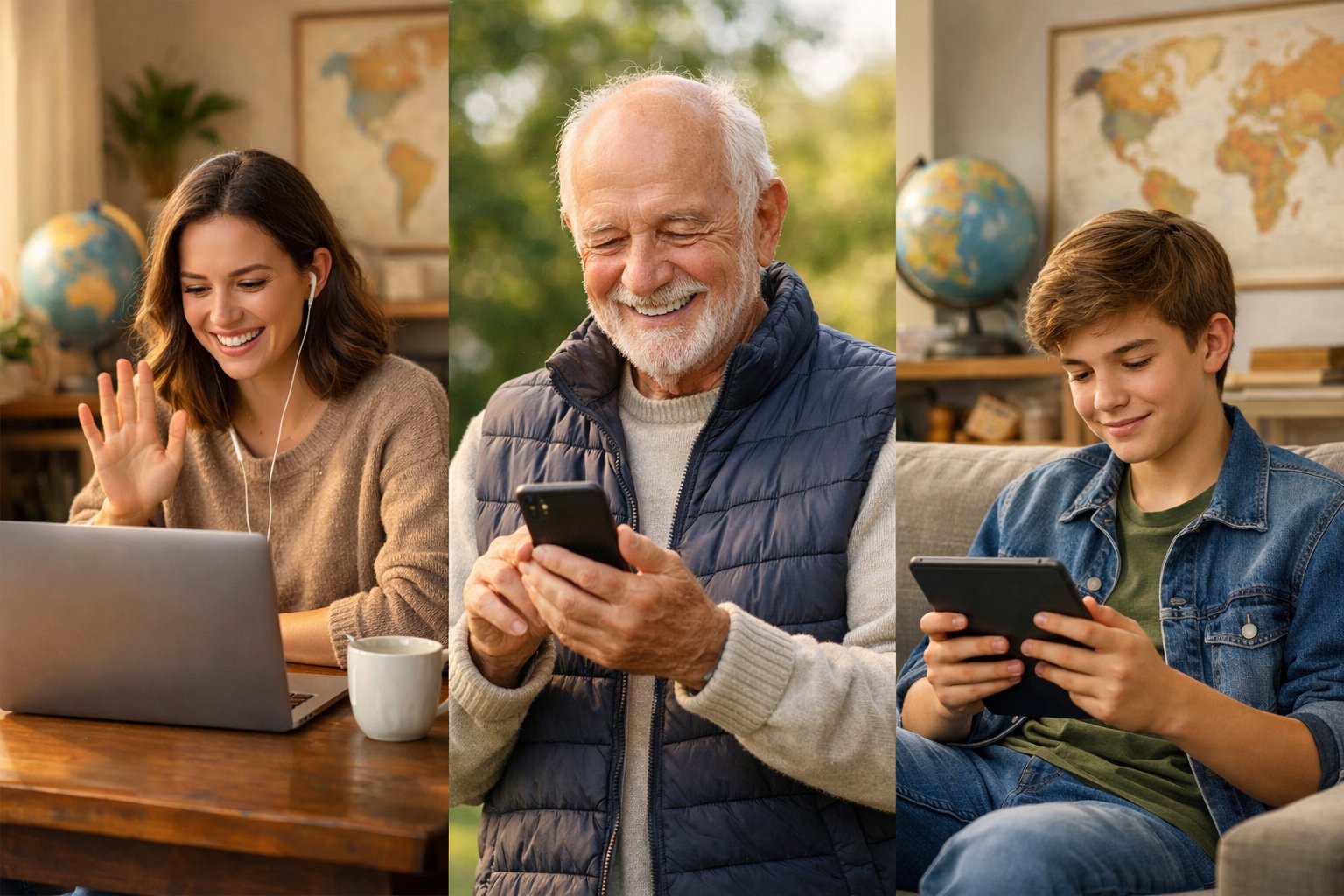
Physical distance creates specific emotional and practical barriers that make maintaining connection more difficult than when two people share the same space. Missing physical presence affects how partners communicate, how they support each other through hard times, and how they maintain closeness in their daily lives.
Long-distance relationships require more intentional effort than relationships where partners see each other regularly. Every interaction needs planning. Spontaneous coffee dates or quick hugs after a bad day aren't possible.
Partners in long distance relationships need ways to feel present in each other's lives without actually being there. They need reminders that someone cares about them even when they can't see that person. They need tangible connections to bridge the gap between visits.
Communication happens through screens and texts rather than face-to-face conversations. This makes it harder to read body language or pick up on subtle emotional cues. Misunderstandings happen more easily when tone gets lost in a text message.
Time zones add another layer of complexity. One partner might be starting their day while the other is going to sleep. Finding time to talk becomes a careful balancing act between work schedules, sleep needs, and daily responsibilities.
Emotional intimacy becomes harder to maintain without physical closeness. Partners miss the small moments that build connection in regular relationships. They can't reach out and hold hands during a movie. They can't read each other's expressions across the dinner table.
Physical touch provides comfort and reassurance that words sometimes can't. Without it, partners need to find other ways to show they care and create emotional closeness. A thoughtful gift becomes more than just an object. It represents presence and attention.
Sending something personalized from Amazon Handmade helps create that tangible connection. Items like custom photo albums or engraved jewelry carry memories and meaning across the distance.
Building emotional connection from far away means sharing daily life in deliberate ways. It means describing the small details of a day so the other person can picture it. It means being vulnerable about feelings even when that feels uncomfortable through a screen.
Loneliness hits differently in long-distance relationships because someone special exists but remains out of reach. Staying connected across physical distance requires addressing this empty feeling directly rather than ignoring it.
Partners often feel lonely during important moments when they wish the other person could be there. Birthdays, holidays, promotions at work, or difficult days all feel harder without physical support nearby.
A custom blanket from Zazzle with photos or meaningful text gives something to hold during those lonely evenings. It creates a physical reminder that someone cares.
➡️ You can personalize it here.
Creating routines helps manage loneliness. Scheduled video calls give something to look forward to. Regular care packages provide surprises that break up the monotony of separation. Small gestures like good morning texts create connection points throughout the day.
Friends and family can help fill some gaps, but they can't replace a partner's specific role. People in long distance relationships need to balance maintaining their individual lives with staying connected to their partner. Neither extreme works well for long.
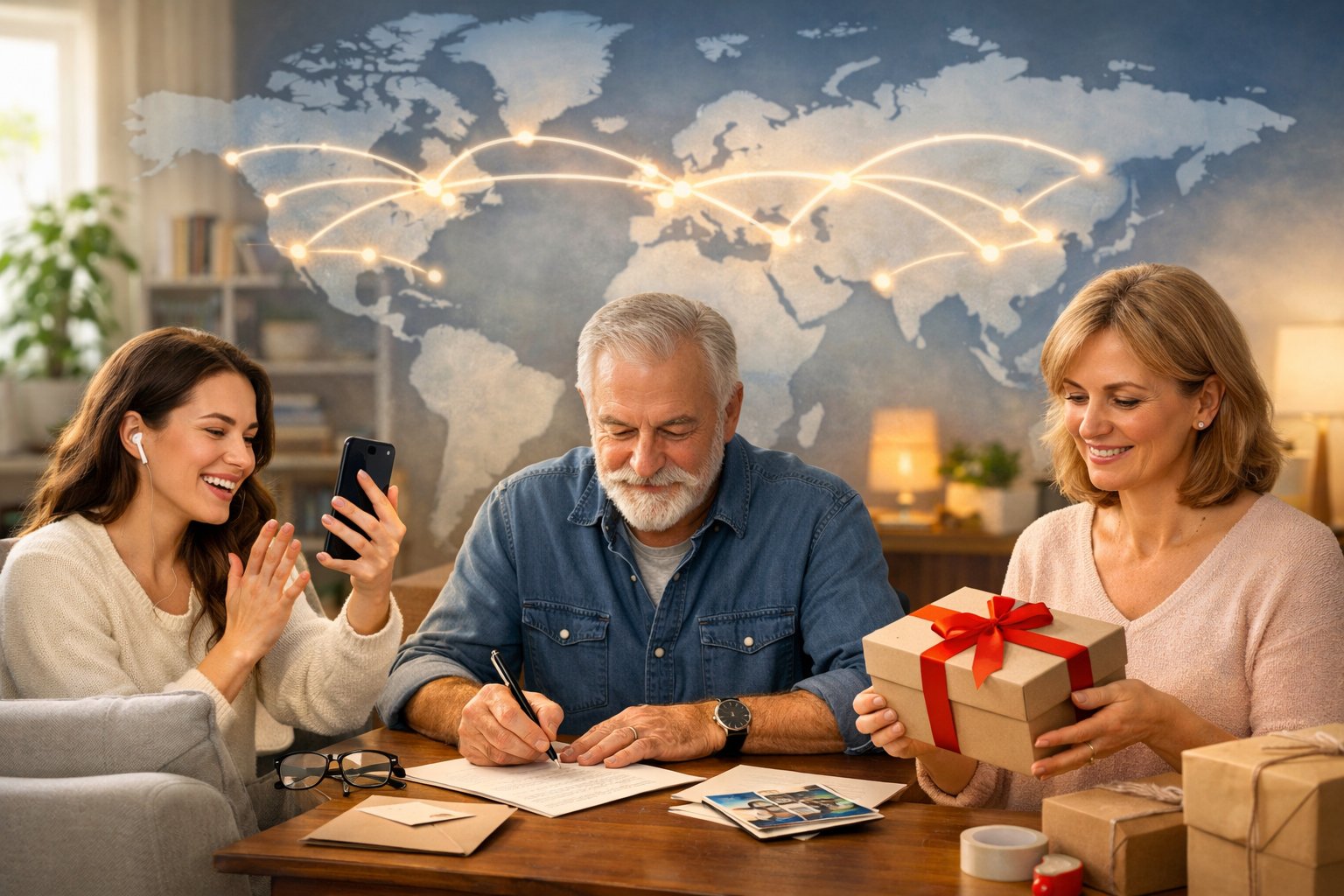
Staying connected isn't measured by how often someone sends a message but by whether both people feel seen and valued. The right balance depends on what each person needs from the relationship and where they're both trying to go.
Frequency matters less than intention. Some relationships thrive on daily texts, while others stay strong with a monthly phone call. What counts is whether the communication feels reciprocal and meaningful.
Maintaining emotional connection depends on both regularity and depth. A quick "thinking of you" text carries weight when it's genuine. A two-hour video call can feel empty if neither person is fully present.
She might consider what her relationship actually needs. Does her friend prefer brief check-ins throughout the week? Does her parent light up during longer, unhurried conversations? The answer shapes what makes sense to send.
Signs of quality interaction:
A personalized stationery set can encourage the kind of thoughtful letters that create space for depth. When someone wants to move beyond surface-level updates, a tangible letter invites reflection and care.
Not every relationship aims for the same outcome. A long-distance friendship might prioritize maintaining familiarity until the next visit. A romantic partnership likely requires building trust and emotional intimacy despite separation.
Understanding what both people want from staying connected prevents mismatched effort. If one person treats the relationship as something to maintain and the other sees it as something to deepen, neither will feel satisfied.
She should think about the relationship's trajectory. Are they trying to sustain what they already have? Are they working toward reuniting? Are they adapting to a new normal where distance is permanent?
Questions that clarify shared goals:
A custom photo book works well when both people value preserving shared history. It signals that the past matters and that the relationship has continuity worth documenting.
For couples navigating distance, a customizable distance map shows the physical space between them while acknowledging they're working toward something together. It reminds them that miles are temporary when relationship goals align.
You can personalize it here.
The right communication method depends on the moment and the message. Knowing when to use video calls, voice notes, or text helps maintain closeness without overwhelming either person.
Video calls work best for meaningful conversations where facial expressions and body language matter. They create a sense of presence that texts can't replicate. However, they require both people to be available at the same time, which isn't always realistic across different time zones or busy schedules.
Voice notes offer a middle ground. They let someone share thoughts in their own voice without requiring immediate response. The tone and emotion come through clearly, making them feel more personal than typed messages. They work well for sharing stories, giving updates, or talking through something that feels too long to type.
Text messages suit quick updates and casual check-ins. They're easy to send during breaks or while multitasking. For deeper topics or sensitive conversations, though, texts can lead to misunderstandings since tone doesn't always translate well. A personalized journal can complement digital messages by giving the recipient something tangible to hold onto between conversations.
Setting a communication schedule prevents the relationship from becoming an afterthought. It doesn't need to be rigid, but having a general rhythm helps both people prioritize the connection. Weekly video calls or monthly phone conversations create consistency.
Time zones complicate coordination, so flexibility matters. Some people prefer spontaneous messages throughout the week rather than scheduled calls. Others need structure to make it happen. The key is discussing what works for both people and adjusting as life changes.
Regular check-ins shouldn't feel like obligations. If someone dreads the scheduled call, the timing or format might need adjustment. A custom calendar with important dates marked can help both people remember occasions that matter to each other. You can personalize it here.
Active listening means focusing entirely on what the other person is saying rather than planning a response. During video calls, this looks like maintaining eye contact through the camera and not multitasking. Over text, it means reading carefully and asking follow-up questions that show genuine interest.
People sometimes rush conversations to fit them into busy schedules. This creates shallow exchanges that don't actually strengthen the bond. Slowing down and giving full attention, even for shorter periods, builds more connection than longer distracted conversations.
Reflecting back what someone said helps them feel heard. Simple phrases like "It sounds like you're feeling overwhelmed" or "That must have been frustrating" validate their experience. Distance makes it harder to pick up on subtle cues, so being direct about understanding helps bridge that gap. A handmade bookmark with an encouraging message can serve as a quiet reminder that someone is thinking of them between conversations.
Distance doesn't eliminate the need for quality time together—it just changes how that time is spent. Video dates, shared activities, and collaborative projects can create meaningful moments that feel emotionally present even when physically apart.
Quality time in long-distance relationships doesn't require being in the same room. It requires attention and intention.
The key is choosing activities that both people can participate in at the same time. This creates a sense of togetherness that regular texting or phone calls can't always provide.
Simple options include:
These shared activities help maintain emotional connections by creating new memories instead of just reminiscing about old ones. The activity itself matters less than the fact that both people are focused on the same thing at the same time.
For those who want to send something that supports these shared moments, a customized recipe card set can turn cooking together into a repeating ritual. It gives them something tangible to hold while creating the experience together. You can personalize it here.
Video dates work best when they have structure rather than just leaving the camera on with no clear purpose.
Movie nights remain one of the most popular options because they require minimal coordination. Services like Teleparty allow both people to watch the same content simultaneously while chatting in a sidebar. The shared experience creates natural conversation topics and inside jokes.
Other virtual date ideas include:
The format matters less than the consistency. Regular virtual dates create anticipation and routine in relationships that might otherwise feel unpredictable.
A personalized long-distance mug can make coffee dates feel more connected when both people use matching ones. Small physical reminders like this don't replace the virtual time together—they just anchor it.
Working together on something over time builds a different kind of closeness than one-time activities.
Collaborative projects give long-distance relationships a shared goal beyond just maintaining contact. This shifts the dynamic from "staying in touch" to "building something together."
Options include:
These projects work because they give both people something to contribute to between conversations. They create ongoing touchpoints that don't require scheduling a specific time to connect.
For couples or friends who enjoy planning future trips together, a scratch-off map gives them a physical space to track where they've been and where they want to go. It turns future planning into a tangible shared project.
Distance changes how intimacy functions, but it doesn't eliminate the need for closeness. Partners can maintain emotional and physical connection through thoughtful gestures and technology that bridges the gap between separation and presence.
Maintaining intimacy requires consistent effort that goes beyond routine video calls. Partners need tangible reminders of their connection that engage multiple senses.
Physical items carry emotional weight that text messages cannot replicate. A shirt sprayed with someone's cologne creates sensory memory. A handwritten letter becomes something to hold during difficult moments. These objects serve as anchors when the distance feels overwhelming.
Items that support physical connection:
A custom photo blanket with meaningful images provides both warmth and visual connection. Someone struggling with evening loneliness might find comfort in wrapping themselves in familiar faces. You can choose one that fits the memories you want to keep close.
Voice recordings offer another layer of intimacy. Hearing a partner's voice reading a favorite passage or sharing their day creates presence without requiring real-time coordination across time zones.
Technology enables different forms of intimacy that weren't possible in earlier generations. Video calls allow partners to share daily routines, creating normalcy despite physical separation.
Scheduled activities build shared experiences. Partners can watch movies simultaneously using sync platforms, cook the same recipe together over video, or play online games that require collaboration. These activities create memories that sustain the relationship between visits.
Digital tools for connection:
| Tool Type | Purpose | Best For |
|---|---|---|
| Video platforms | Face-to-face interaction | Daily check-ins |
| Shared playlists | Emotional expression | Mood sharing |
| Gaming apps | Playful engagement | Lightness during stress |
| Digital journals | Asynchronous communication | Different schedules |
A personalized puzzle featuring a meaningful photo gives partners something to complete during calls or save for reunion visits. It turns waiting into a shared project rather than empty time. You can personalize it here.
Some couples find value in apps designed specifically for staying connected despite distance. These platforms offer prompts for deeper conversations and tools for celebrating small moments that might otherwise go unacknowledged.
The most effective gifts aren't always the most expensive ones. They're the ones that show attention to someone's daily life and emotional needs.
Surprise gifts work best when they're not tied to obvious occasions. Sending something on a random Tuesday shows more thought than waiting for a birthday or anniversary.
The timing matters more than the item itself. A care package arriving during finals week or a stressful work project shows she's paying attention to his calendar. Thoughtful long-distance gifts create connection when they address what's actually happening in someone's life right now.
Some people respond better to frequent small surprises rather than one large gesture. Others prefer receiving something substantial less often. Understanding love languages helps determine which approach fits the relationship better.
The "just because" moment often carries more weight than expected milestones. It removes pressure and shows the sender was thinking about the receiver without prompting.
Handwritten letters provide something physical to hold when screens feel insufficient. They take time to write, which makes them feel more intentional than a text message.
The content matters more than perfect penmanship. Sharing specific memories, naming things appreciated about the other person, or describing ordinary parts of the day creates intimacy. Including small items like pressed flowers, ticket stubs, or custom stationery adds layers to the experience.
Letters can be reread when someone needs reassurance. Unlike digital messages that get buried in a chat history, a physical letter becomes a keepsake. Many people keep them in boxes or display them as reminders of connection.
Some couples write letters during visits to exchange later. Others mail them regularly as a consistent practice. The format matters less than the effort to put thoughts into permanent form.
Small gestures build connection through consistency rather than grand displays. Sending someone's favorite snacks, ordering delivery to their door, or mailing a thoughtful card shows daily awareness. If she wants something that feels personal without making the moment overly sentimental, a customizable design like this keeps it meaningful yet light. You can personalize it here.
➡️ Customizable greeting cards
Shared playlists, photo exchanges, or matching items create ongoing touchpoints. These work because they don't require planning around schedules or time zones.
The goal isn't to overwhelm with constant attention. It's to create reliable patterns that make someone feel remembered. A weekly postcard costs little but establishes rhythm.
Actions that reduce stress show practical care. Sending a subscription for coffee, arranging grocery delivery during a busy week, or gifting an audiobook for long commutes addresses real needs. Gifts for long distance couples work when they solve problems or add comfort to daily routines.
Shared calendars help couples coordinate their lives across time zones, while relationship apps create space for daily check-ins and emotional connection without requiring constant messaging.
A shared calendar lets both people see each other's schedules in real time. This makes it easier to plan video calls during free windows or avoid scheduling conflicts.
Many couples use Google Calendar or Apple's shared calendar feature to mark important dates. They can set reminders for anniversaries, upcoming visits, or even small moments like a planned movie night. When someone knows their partner has a busy week, they can adjust expectations around response times.
Shared calendars help with:
A consistent communication schedule matters more than constant contact. Setting specific times to talk gives both people something to look forward to without the pressure of being available all day.
Relationship apps designed for long-distance couples offer features that go beyond basic texting. Between provides a private space for messages, photos, and a shared calendar in one place. Tinkovu lets someone send a simple notification that says "thinking of you" without needing words.
Apps like Happy Couple include daily quizzes that help partners learn more about each other's preferences and feelings. Rave allows couples to watch Netflix or YouTube together while chatting in real time, creating a shared experience that builds closeness.
For something more tangible, a custom photo calendar can mark important dates while keeping memories visible. If she wants something that feels personal without making the moment overly sentimental, a personalized greeting card keeps it meaningful yet light. You can personalize it here.
Virtual celebrations require thoughtful planning and intentional gestures to bridge physical distance. Coordinating surprise events across time zones and choosing meaningful ways to acknowledge important achievements help maintain emotional closeness when miles separate loved ones.
A virtual surprise party works best when someone coordinates the technology and timing in advance. She should send calendar invitations disguised as regular meetings or use a trusted mutual contact to get the guest of honor online at the right moment.
The organizer can create a shared digital space where attendees add photos, videos, or written messages before the event. These contributions become part of the celebration itself. Tools like video conferencing platforms allow everyone to join simultaneously, regardless of location.
For graduation celebrations, she might coordinate with multiple friend groups or family members across different states. A customizable graduation card lets everyone sign digitally before the virtual gathering. It captures the warmth of a physical card while working across distances.
➡️ You can personalize it here.
She should test the video platform beforehand and have a backup communication method ready. Surprises depend on smooth execution, and technical problems dilute the emotional impact.
Work anniversaries and personal milestones deserve recognition even when teams work remotely. She can send a physical gift that arrives on the actual date, paired with a video message or digital card from colleagues.
Personalized items carry more weight than generic ones. A custom photo book compiling memories from the relationship or work partnership shows she invested time in the gesture. These tangible reminders matter more when distance prevents in-person celebration.
For professional milestones, she might organize a brief virtual recognition moment during a team meeting. Public acknowledgment reinforces that someone's contribution matters, even across screens. She should keep these moments brief and genuine rather than elaborate.
Anniversary gifts benefit from advance planning so shipping delays don't interfere with timing. She can pair a thoughtful physical item with a scheduled video call, creating a two-part celebration that spans the actual day.
Distance tests more than schedules and logistics. It challenges how partners process stress, handle disappointment, and show up for each other when things get hard. Building emotional strength as a couple means creating space for vulnerability while also knowing when to offer support versus when to step back.
Long-distance relationships amplify emotional swings. A canceled visit can trigger grief that feels disproportionate to the event itself. A timezone miscommunication can spark anxiety about the relationship's stability.
Partners who handle this well don't try to fix every difficult emotion. They acknowledge them instead. When one person feels overwhelmed after a goodbye, the other might say "I know this is hard right now" rather than immediately trying to cheer them up or problem-solve.
Sending a care package with comfort items during a particularly rough week shows attentiveness without demanding immediate resolution. Sometimes the most supportive thing someone can do is witness their partner's struggle without trying to rush them through it.
What helps during emotional lows:
Trust doesn't just mean believing a partner won't cheat. It means trusting they'll communicate honestly when they're struggling, trusting the relationship can survive disagreements, and trusting the plan to close the distance will actually happen.
Patience becomes critical when life doesn't cooperate with plans. Job offers fall through. Family emergencies delay visits. Health issues change timelines.
Partners strengthen emotional resilience by talking openly about these setbacks without assigning blame. They revisit their shared timeline together rather than one person making unilateral decisions.
A personalized distance keychain serves as a daily reminder of commitment during periods when patience feels depleted.
Distance creates opportunities for individual development that proximity sometimes doesn't allow. Each person has space to pursue friendships, hobbies, and goals without constant negotiation.
Supporting a partner's growth means celebrating their achievements even when they happen separately. It means not guilting them for spending time with local friends or developing new interests.
A customized journal can help each person track their personal growth during this phase. If someone wants something that encourages reflection without feeling overly sentimental, this keeps the focus on progress. You can personalize it here.
Emotional closeness deepens when both people know their individual growth strengthens rather than threatens the relationship. Partners who encourage each other's development build resilience that extends beyond the distance itself.
Choosing what to send comes down to understanding what matters most to the person receiving it and what kind of emotional response she wants to create. The decision becomes clearer when she considers her partner's preferences, the role of routine versus surprise, and the feeling she wants her gesture to leave behind.
Before deciding what to send, she should reflect on how her partner naturally expresses and receives affection. Some people feel most loved through tangible gifts, while others prefer words of affirmation or quality time.
Understanding love languages helps her match the gesture to what resonates most. If her partner values physical touch, a soft blanket or a piece of clothing that carries her scent might feel more intimate than a card. If words matter more, a handwritten letter may carry more weight than any package.
She can also consider what her partner has mentioned wanting or needing recently. Sometimes the most meaningful gifts are the ones that show she's been paying attention. A book he mentioned, a snack she misses from home, or a small tool he needs for a hobby all communicate care without requiring grand gestures.
Long-distance love often thrives on a mix of predictability and spontaneity. Regular gestures, like a weekly postcard or a monthly care package, create a rhythm that helps both people feel anchored. Surprises, on the other hand, inject excitement and show that she's thinking of him outside the usual patterns.
She might establish a routine around certain occasions, birthdays or anniversaries, and then surprise him at random times when he least expects it. A surprise doesn't need to be expensive or elaborate. A photo sent in the mail or a personalized keychain can feel just as meaningful as something larger.
The balance depends on what works for their relationship. Some couples prefer consistency. Others thrive on unpredictability. She should pay attention to how her partner responds and adjust accordingly.
The best way to decide what to send is to think about the feeling she wants to create. Does she want him to feel comforted, celebrated, remembered, or reassured? Each emotional outcome points toward different choices.
If she wants to help him stay emotionally connected during a stressful week, something practical like his favorite tea or a custom blanket with a shared memory might ease his days. If you want something that feels personal without making the moment overly sentimental, a customizable design like this keeps it meaningful yet light. You can personalize it here: ➡️ Custom Blankets
If the goal is to celebrate a milestone, a handmade photo album with pictures from their time together creates a lasting reminder of their bond. If she simply wants to remind him she's thinking of him, even a short voice message or a single flower can carry that intention clearly.
Long-distance couples often wonder about the practical side of gift-giving and connection. These questions address how to choose items that feel personal, what types of gifts work best for different occasions, and how to maintain closeness when physical distance makes everyday gestures more complicated.
Virtual gifts work best when they create a shared moment rather than just delivering an item. A personalized digital photo book captures specific memories they've built together. An e-gift card to their favorite coffee shop lets them enjoy something in real time while video chatting.
Custom digital art based on an inside joke or meaningful place shows effort without requiring shipping time. She might commission a portrait of a location where they first met or a simple illustration that references something only they understand.
Subscription services create ongoing touchpoints instead of one-time gestures. A streaming service subscription gives them shows to watch together on video calls. An audiobook membership means they can listen to the same story and discuss it throughout the week.
Online cooking classes let couples cook the same meal together over video chat. They both receive ingredient lists ahead of time and follow along with an instructor while talking through each step. The shared experience matters more than the final dish.
A custom star map shows the night sky from a specific date and location that holds meaning for them. It marks an anniversary or the day they met without feeling overly sentimental. She can personalize it here.
Virtual museum tours or online concert tickets create events they attend together despite the distance. They dress up, pour drinks, and experience something new at the same time. These gifts acknowledge that celebration doesn't require the same room.
A personalized song created by professional musicians based on their story adds a unique element to special occasions. The lyrics reference their relationship specifics rather than generic romance themes.
The answer depends on what kind of support he needs most right now. Practical gifts address real gaps in his daily life and show she pays attention to what would actually help him. A quality coffee maker for someone who complains about his current one demonstrates listening more effectively than a decorative item.
Sentimental gifts work when they reference shared experiences or inside jokes that remind him of their connection. A custom photo book with captions about specific moments they've shared brings back memories during lonely evenings.
The strongest gifts often combine both elements. A cozy blanket is practical for cold nights but becomes sentimental when she adds a note explaining she wants him to feel wrapped in warmth when they can't be together. A nice water bottle serves a daily function but reminds him of her encouragement about his health goals.
She should consider his personality and current circumstances. Someone going through a stressful work period might appreciate practical items that make daily routines easier more than symbolic gestures.
A custom leather journal with his initials gives him something to use daily while thinking of her. She might write a note on the first page explaining what she hopes he'll document in it.
A care package with items for a specific activity shows planning beyond generic romance. If he mentioned wanting to try making cocktails, she sends quality bar tools, a recipe book, and ingredients for one signature drink they can make together over video chat.
Experience gifts that happen on his birthday create real-time celebration despite distance. She arranges for a local brewery tour or cooking class in his city and joins via video call if possible, or at least talks with him before and after about the experience.
A personalized map marking places that matter to them both acknowledges their shared history. It works for someone who appreciates visual reminders of meaningful locations. She can customize it here.
Birthday letters remain meaningful for partners who value written words. She writes separate notes for him to open at different times throughout his birthday, each referencing a specific quality she admires or memory they share.
Consistent communication patterns matter more than constant contact. Setting specific times for video calls creates reliability without requiring marathon conversations every day. Some couples do morning and evening check-ins to bookend their days together.
Sharing mundane details keeps both partners integrated into each other's daily reality. Photos of what he's eating for lunch or voice messages about a frustrating meeting help her feel included in his regular life rather than just the highlights.
Creating shared experiences across distance builds new memories instead of only referencing past ones. They might watch the same show on separate screens while texting reactions, read the same book for informal discussions, or play online games together weekly.
Planning future visits gives both people something concrete to anticipate. Having dates on the calendar reduces the uncertainty that strains many long-distance relationships.
Physical reminders of each other help during difficult moments. Wearing a piece of clothing that smells like him or keeping a photo on her desk maintains connection during the hours they're not actively communicating.