
Your Cart is Empty
When caring for someone with memory challenges, the question of comfort often comes down to presence. A memory box filled with meaningful items can spark joy during intentional moments of connection, while an object she touches every day offers steady reassurance woven into her routine. Both approaches provide comfort, but daily-touched objects tend to offer more consistent emotional grounding because they become part of her lived experience rather than something she visits occasionally.
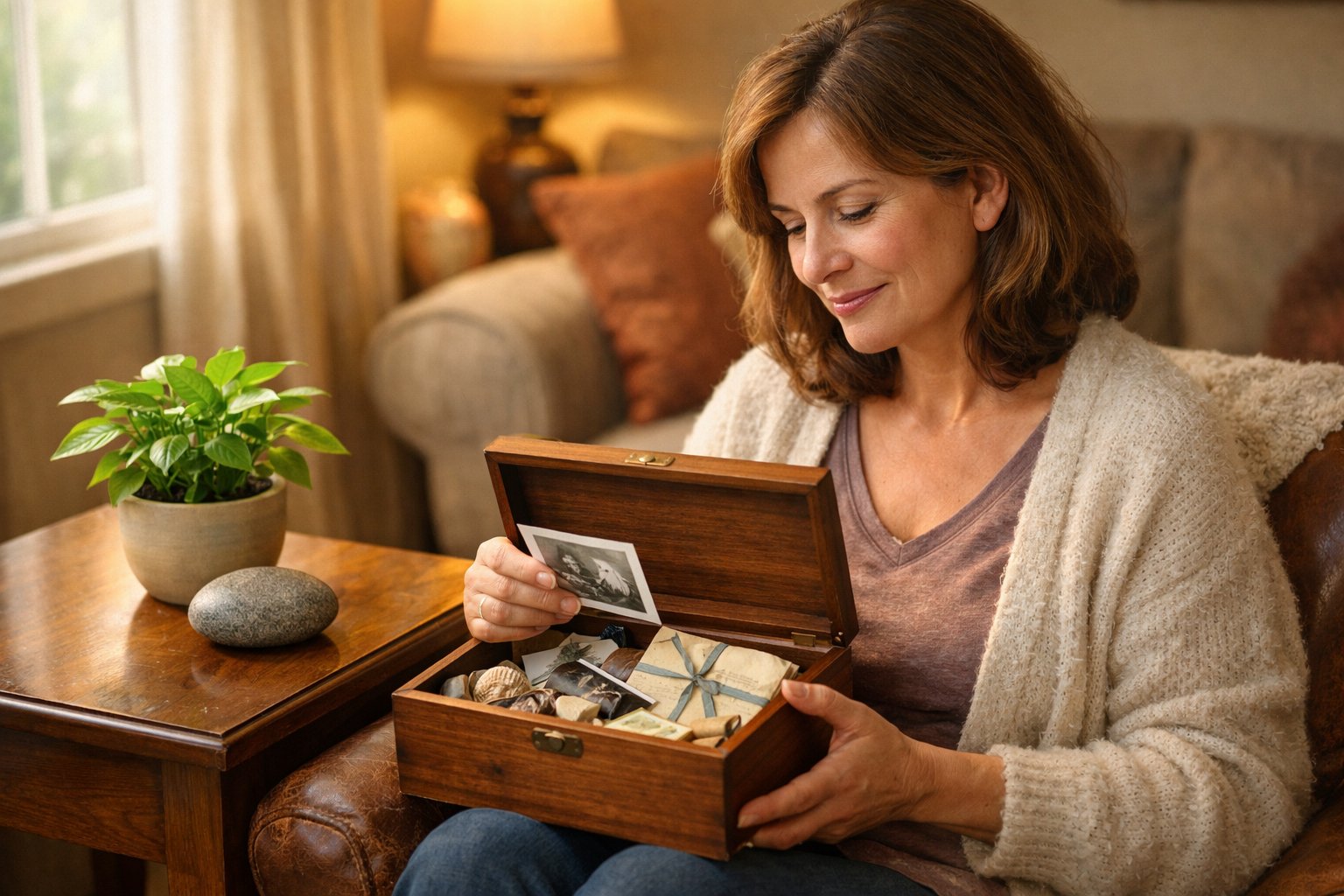
The difference matters because comfort in dementia care is not just about memory. It is about feeling safe, grounded, and connected in the present moment. A memory box designed for cognitive engagement works well when a caregiver is there to guide the experience, but a familiar blanket, a textured pillow, or a personalized keepsake box she can hold anytime offers comfort without needing prompting.
This does not mean one is better than the other. Many families find that combining both approaches creates a fuller sense of comfort. A memory box becomes a shared activity that strengthens connection, while a daily object becomes her quiet companion. Understanding how each one works helps caregivers make choices that truly fit the person they are caring for.
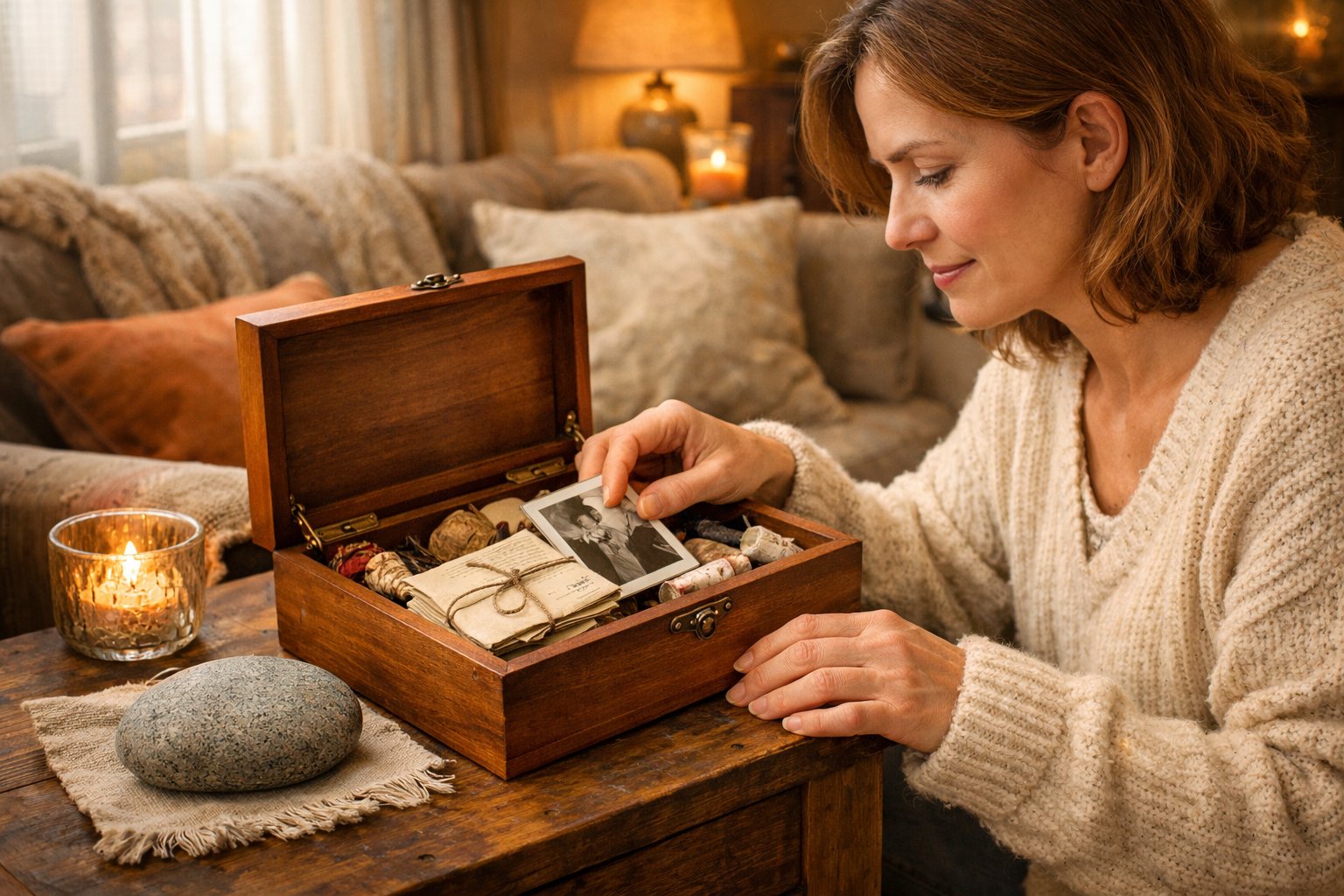
Both approaches offer meaningful ways to stay connected, but they work differently in how often someone interacts with them and what emotional need they meet in the moment.
A memory box is a container filled with personal items that spark recognition and emotion. It holds photographs, letters, small keepsakes, or objects tied to specific life chapters. The box itself might be a shoebox or small suitcase that someone can open when she wants to revisit memories.
These boxes work best when the person has time to sit and explore. She might pull out a photo from a family vacation or hold a piece of jewelry that belonged to her mother. The experience is intentional rather than constant.
Memory boxes provide comfort by creating emotional connection to the past. They encourage conversation and can bring up stories she hasn't thought about in years. The act of opening the box becomes a ritual in itself.
A personalized keepsake box can hold these treasured items in one place. If you want something that feels personal without making the moment overly sentimental, a customizable design like this keeps it meaningful yet light. You can personalize it here.
Daily touchstones are single items someone keeps close throughout the day. This might be a smooth stone in her pocket, a bracelet she never removes, or a small stuffed animal on her nightstand. Unlike a memory box, these objects stay within reach.
The comfort comes from repetition and presence. She can hold the item during stressful moments or touch it without thinking while watching television. The tactile experience becomes familiar and grounding.
Worry stones or fidget stones work well for this purpose. A personalized worry stone fits in her palm and gives her something to hold when she feels anxious.
Some people prefer fabric-based tactile objects. A soft blanket with a satin edge or a textured cushion provides sensory input without requiring her to remember where she put it. These items become part of her daily environment rather than something she seeks out.
The main difference lies in how actively someone engages with the comfort tool. A memory box requires her to decide to open it, sit with it, and process what's inside. A daily touchstone stays present without that decision.
Memory boxes work well when:
Daily touchstones work better when:
Neither option is inherently more comforting. The choice depends on her personality and what kind of reassurance helps her most. Some people need the depth that comes from revisiting memories. Others need the simplicity of holding something familiar.
A custom photo blanket bridges both approaches by combining daily touch with visual memory triggers.
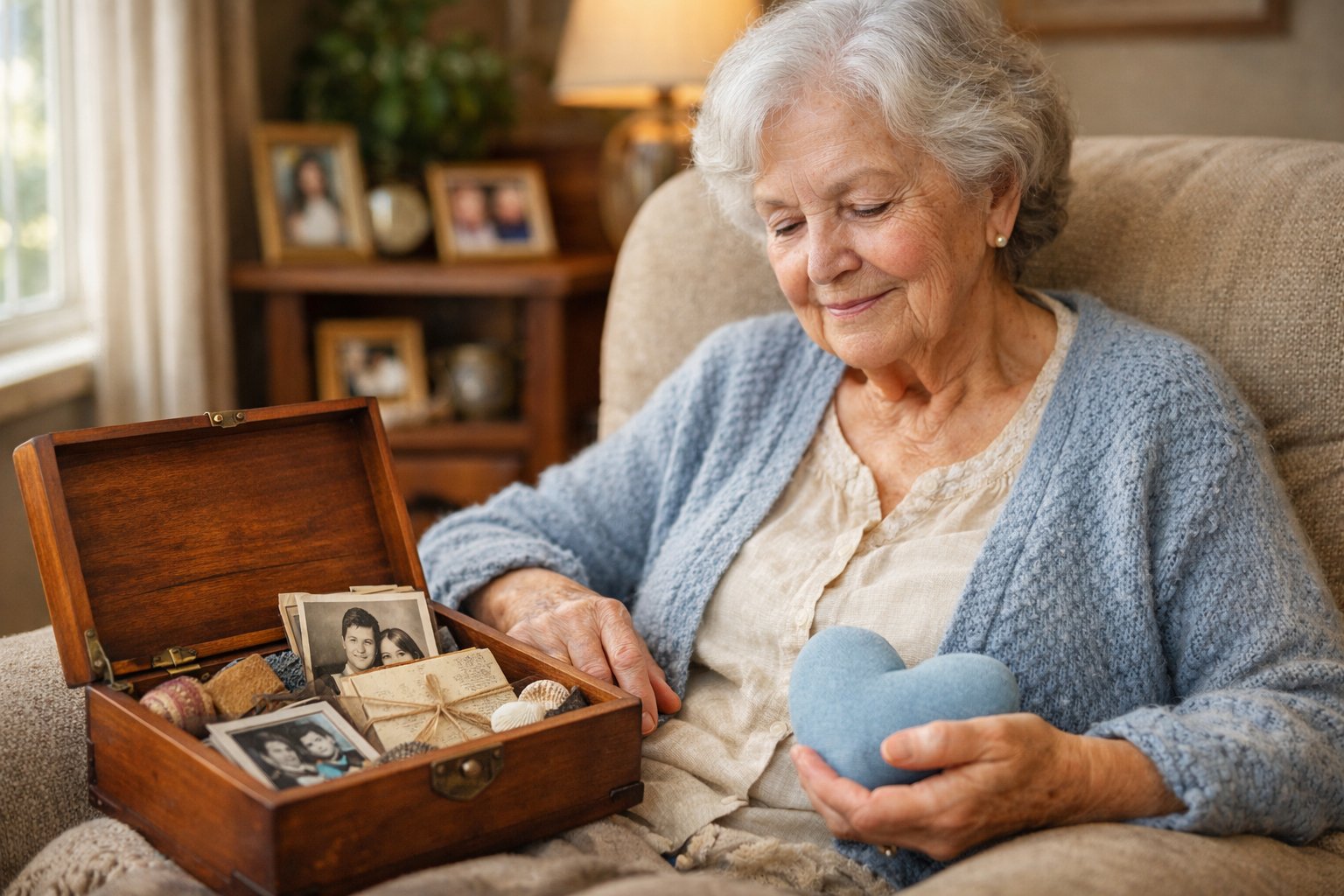
Memory boxes create emotional anchors through familiar objects that spark recognition and calm. They help reduce anxiety by providing reassurance and support a person's sense of self when memory fades.
A memory box filled with personal items helps someone with dementia reconnect with their past in ways that feel natural and unforced. Old photographs, fabric from a favorite dress, or a small token from a meaningful place can trigger stories and emotions that seem lost.
Memory boxes serve as a tool for reminiscence by bringing forward memories that might not surface through conversation alone. The act of touching and exploring items allows the person to engage at their own pace without pressure to remember correctly.
These moments of recognition can strengthen bonds between the person and their caregiver. When someone with dementia holds an object and shares a memory, even a brief one, it creates a sense of closeness that words often cannot.
For a personalized way to display meaningful photos, a custom photo collage can hold many memories in one place. It works well when someone wants to see faces and moments without searching through boxes. You can personalize it here.
➡️ https://www.zazzle.com/custom/photocollage?rf=238275180210718222
Dementia often brings confusion and distress when surroundings feel unfamiliar. A memory box can help someone feel more grounded by offering objects that carry comfort and familiarity.
Sensory items like soft fabrics, scented sachets, or smooth stones provide calm through touch and smell. These elements work especially well when verbal communication becomes difficult.
The repetition of exploring the same objects can become a soothing routine. It gives the person something safe to return to when they feel uncertain or agitated.
Items that represent home, family, or past routines offer emotional security. A vintage kitchen tool or a piece of jewelry can remind someone of who they were before memory loss, which helps reduce feelings of being lost.
Memory loss can make someone feel disconnected from their own life story. A memory box preserves pieces of identity by holding items that reflect who they are beyond their diagnosis.
Creating a memory box for dementia patients allows family members to curate objects that honor the person's career, hobbies, or relationships. This keeps their sense of self present even when recall fades.
When items reflect meaningful roles like parent, teacher, or gardener, they reinforce a sense of belonging. The person sees evidence of their contributions and connections, which supports emotional well-being.
Memory boxes also help caregivers and family members understand the person better. The objects become conversation starters that reveal preferences and values, making care feel more personal and respectful.
A personalized keepsake box can hold these items in a way that feels special and intentional. If she wants something that can be opened and explored regularly, this gives structure to the collection. You can find options here.
Objects held or worn regularly create a different kind of emotional support than items stored away. Repeated physical contact builds a reliable sense of calm through touch, while the predictability of having something nearby strengthens emotional security over time.
Physical interaction with an object activates the nervous system in ways that can reduce stress. Tactile objects like blankets and stuffed animals provide immediate sensory feedback that helps the brain shift away from anxious thoughts.
When someone holds a soft bracelet or smooth stone throughout the day, the texture offers a grounding point. The act of touching something familiar signals safety to the body. This works especially well during moments of overwhelm or uncertainty.
Sensory objects don't require conscious thought to be effective. A daughter might rub a necklace pendant during a difficult conversation or squeeze a small charm in her pocket before a presentation. These small gestures help her manage emotions without drawing attention. For something she can carry everywhere, personalized jewelry offers both meaning and subtle comfort.
Daily-touched items stay in a person's routine, creating a steady emotional anchor. Unlike objects that sit in drawers, these pieces become part of how someone moves through her day. A hoodie she wears each morning or a keychain she sees every time she reaches for her keys reinforces connection without effort.
This consistency matters more than the object itself. The brain begins to associate the item with calm or safety simply through repetition. Over time, just seeing or touching it can trigger those feelings automatically.
For daughters navigating transitions or stress, having something constant helps. Whether it's a bracelet that never comes off or a small token kept in a bag, the object becomes a reminder that some things stay the same even when life feels uncertain. Gifts for daughters often work best when they fit naturally into everyday moments.
The more someone interacts with an object, the stronger the emotional bond becomes. Attachment to objects through repeated contact creates a sense of reliability that builds over time. This isn't about the item being special at first—it's about what it represents after months or years of being present.
A daughter might receive a simple ring that doesn't feel significant initially. But after wearing it through hard days, good news, and quiet moments, it holds emotional weight. The object absorbs meaning through experience rather than sentimentality.
This process works differently than keeping something stored away. Daily contact keeps the connection active and present rather than abstract. If she wants something that stays with her through everything, personalized keychains offer both practicality and personal meaning. She can personalize it here.
The items people touch most often become the ones they rely on most. Whether it's a scarf, a stone, or a piece of jewelry, repeated interaction turns an ordinary object into something that feels essential. Popular comfort items often share this quality of fitting seamlessly into daily life while offering quiet support.
Adding personal details transforms everyday objects into emotional anchors. A customized item becomes more meaningful when it reflects a specific relationship, memory, or moment that matters.
A personalized memory box gives someone a dedicated space to hold what matters most. The box itself can be engraved with a name, date, or short phrase that makes it distinctly hers.
Research shows that personalization transforms objects into meaningful experiences that strengthen emotional bonds. When a box carries her name or a meaningful message, it becomes more than storage. It becomes a ritual.
She can fill it with photos, letters, fabric from a favorite outfit, or small items that carry memories. The act of opening the box creates a moment of intention. It signals that she's choosing to connect with what's inside.
Common items to include:
The box can be simple wood, decorative metal, or fabric-lined. What matters is that it feels like hers. If she's grieving or processing change, a personalized memory box offers a controlled way to hold difficult emotions.
A daily object works differently. It stays visible and wearable, weaving memory into routine without requiring effort.
Jewelry pieces designed for mothers often include engravings, birthstones, or initials. A necklace with a child's name or a bracelet with a meaningful date becomes part of her appearance. She sees it while working, cooking, or getting dressed.
For someone who prefers subtlety, a custom name pendant offers personalization without being obvious. The engraving might be on the back or inside, known only to her.
Daily objects that carry personalization well:
A customized wooden keychain might seem simple, but if it's engraved with a significant word or date, it becomes a small touchpoint throughout her day. She doesn't need to open anything or create space for reflection. The object just exists with her.
For new mothers, personalized gifts designed for pregnancy milestones can mark transitions with specificity. A piece that includes a due date or baby's name grounds the abstract experience in something tangible.
If she wants something that feels personal without making the moment overly sentimental, a customizable design keeps it meaningful yet light. You can personalize it here.
The container itself and the items inside should work together to make the box easy to use and emotionally meaningful. Both choices shape how often the box gets opened and how comfortable the person feels exploring it.
The container needs to be easy to open without help. Lids that lift off completely work better than hinged tops that might snap shut unexpectedly.
Clear plastic bins let someone see what's inside before opening. This can reduce confusion or anxiety about what they'll find. Wooden boxes with simple latches offer a more traditional feel but should avoid complicated locks or mechanisms.
Size matters more than most people expect. A box that's too large becomes overwhelming to sort through. A container about the size of a shoebox provides enough room for 10 to 15 items without creating clutter.
The outside can be customized with photos or names to make it instantly recognizable. A box that feels like it belongs to her specifically helps create immediate connection. You can personalize it here.
➡️ https://www.zazzle.com/custom/photo+boxes?rf=238275180210718222
Handles make the box portable between rooms. Some caregivers keep memory boxes in common areas where the person spends most of their time.
Photos should show clear faces from meaningful periods in her life. Pictures from young adulthood often spark the strongest recognition. Avoid group shots where she appears small or hard to identify.
Fabric items like vintage handkerchiefs or pieces of clothing provide texture to touch. A scarf she wore frequently or fabric from a favorite dress engages multiple senses at once.
Small objects from hobbies work well if they're safe to handle. Gardening gloves, knitting needles, or recipe cards connect to activities she enjoyed. Items should be large enough that they won't get lost or accidentally swallowed.
Music devices like a simple CD player with her favorite songs can fit in larger boxes. Sound often reaches deeper than visual items alone.
Letters or greeting cards in her own handwriting help her recognize her younger self. Even if she can't read them now, seeing familiar handwriting creates comfort.
Avoid items that might cause distress. Photos of deceased loved ones help some people but upset others. Watch her reactions during the first few uses to understand what brings comfort versus confusion.
The right sensory objects and hobby-related items transform an ordinary keepsake into something that triggers genuine recognition and emotional response. Selecting materials with distinct textures and familiar associations creates multiple pathways for connection.
Sensory items activate different brain regions that strengthen memory recall through touch, smell, and sound. A soft wool blanket from her childhood home or a smooth river stone from a favorite vacation spot can trigger memories more effectively than a photograph alone.
Scented items work particularly well because smell connects directly to the brain's memory centers. Small sachets filled with her signature perfume, dried herbs from a garden she tended, or cinnamon sticks from holiday baking sessions create instant recognition. These don't need to be elaborate.
Effective sensory objects include:
The goal is choosing items she can handle safely and comfortably. Avoid anything too small, sharp, or fragile that might cause frustration during interaction.
Items connected to lifelong interests reinforce her identity and spark detailed conversations. A miniature gardening tool for someone who loved plants or vintage recipe cards for an avid baker creates immediate recognition.
These objects work best when they're small enough to handle but substantial enough to examine. A personalized photo album featuring images from her hobby years lets her revisit those moments whenever she wants. If she spent years tending roses or collecting seashells, those items belong where she can reach them easily.
For someone who feels unmoored by memory loss, holding something tied to her skills and passions reminds her of who she's always been. You can personalize it here.
Tactile objects engage the somatosensory cortex and provide comfort through physical sensation. A square of fabric from her wedding dress, a soft blanket from her children's nursery, or the rough texture of burlap from farm life creates connections that don't rely on verbal memory.
Different textures serve different purposes. Smooth silk feels calming. Rough wool or canvas might remind her of work clothes or outdoor activities. Soft fleece provides comfort during anxious moments.
She can keep these textured fabrics in a memory box for meaningful objects or as standalone items she touches throughout the day. A custom throw blanket with family photos printed on soft fleece combines visual and tactile engagement in something she can use daily.
The fabric doesn't need explanation to be effective. Her hands remember even when her mind struggles with details.
Combining memory boxes for dementia with objects used in everyday routines creates layers of comfort that work in different ways throughout the day. One offers structure and familiarity, while the other invites reflection when the moment is right.
A memory box works best when it becomes part of the day rather than something saved for special occasions. Caregivers can place the box in a visible spot where the person with dementia naturally spends time, like near a favorite chair or on a bedside table.
Opening the box can mark transitions in the day. Before meals, during quiet afternoons, or when restlessness sets in, a few minutes with familiar objects can shift the mood. The box doesn't need to be explored fully each time. Sometimes one photograph or item is enough.
Daily touch objects serve a different purpose during these same routines. A soft blanket during morning coffee or a smooth worry stone kept in a pocket provides grounding without requiring memory recall. These objects stay present while the memory box offers something more intentional.
Timing matters with both approaches:
A caregiver might start the day with a familiar mug or blanket, then bring out the memory box later when energy is steady.
Some days call for holding something familiar without talking about the past. Other days invite conversation and reminiscence. Watching for cues helps caregivers know which form of comfort to offer.
When someone with dementia reaches for the same object repeatedly, that signals a need for tactile reassurance. A personalized comfort item designed with their name or a meaningful phrase can become that daily anchor. If you want something that feels personal without making the moment overly sentimental, a customizable design like this keeps it meaningful yet light. You can personalize it here.
When they seem receptive to engagement, using a memory box becomes more appropriate. This isn't about choosing one over the other but recognizing what each moment needs.
Signs that suggest using daily touch objects:
Signs that suggest opening the memory box:
Using memory boxes becomes more effective when caregivers participate rather than observe. Sitting together and handling items creates shared experience, even when memories are fragmented.
A caregiver might pick up a photograph and ask simple, open questions rather than testing recall. "Tell me about this" works better than "Do you remember when this was taken?" The conversation can flow wherever it naturally goes.
Daily touch objects don't require the same level of interaction. They work quietly in the background while memory boxes invite connection. Both reduce isolation, but in different ways.
Professional caregivers benefit from knowing what's inside a dementia memory box and which daily objects provide the most comfort. Family members can share this information during care transitions so consistency continues across settings. A simple list tucked inside the memory box helps new caregivers understand which items matter most and why.
Memory boxes and touch-based objects affect the brain differently. One engages cognitive recall and reflection, while the other provides ongoing sensory and emotional input through daily interaction.
Memory boxes function as tools for cognitive stimulation through structured reminiscence. When someone opens a box and handles objects from the past, the brain activates multiple memory networks at once. Photos, letters, and keepsakes prompt recall of specific events, people, and emotions tied to those moments.
This type of reminiscence activity requires active engagement. The person must think, remember, and sometimes narrate the story behind each item. Research shows that emotion has a strong influence on attention and memory, making emotionally charged objects particularly effective at triggering detailed recall.
Daily touchable items work differently. They don't demand the same level of cognitive effort. A custom photo keychain or bracelet becomes part of routine rather than reflection. The cognitive stimulation is lighter but more frequent, offering small moments of connection rather than deep memory work.
For someone who values mental engagement, a memory box provides richer cognitive benefits. For someone who prefers gentle reminders woven into daily life, a touchable item offers consistent but less demanding emotional processing.
Both options support emotional wellbeing, but through different pathways. Memory boxes create space for intentional emotional processing. Opening the box becomes a ritual that allows someone to sit with feelings, revisit meaningful moments, and feel connected to their past.
Touch plays a significant role in regulating emotional distress. Objects held daily provide sensory emotion regulation, a simple and effective tool for managing feelings throughout the day. A smooth stone, a soft blanket, or a piece of jewelry can calm anxiety or provide comfort during difficult moments.
The frequency of comfort matters. A memory box might be opened weekly or monthly. A personalized comfort blanket or daily object provides multiple touchpoints each day. If she's grieving, stressed, or needs regular emotional support, daily touch offers more opportunities for regulation.
If she's someone who reflects deeply, a memory box with custom photo tiles holds space for those bigger emotional moments. It lets her choose when to engage rather than keeping reminders constantly present. You can personalize it here.
Families who have cared for loved ones with memory loss often describe how memory boxes brought unexpected moments of connection, while others found that wearable items offered more consistent comfort throughout the day.
Adrienne Gruberg cared for her husband through different stages of decline and found that physical reminders helped anchor their conversations when words became harder to find. She shared her caregiver journey from beginning to end and noted that having tangible objects to hold created openings for meaningful exchanges.
Other families report similar experiences. When verbal communication becomes challenging, photos and small keepsakes inside a memory box can prompt stories that might otherwise remain unspoken. One daughter caring for her mother with Alzheimer's discovered that looking through old ticket stubs and postcards together gave them something concrete to discuss during visits.
Marjorie Horne, who cared for her 92-year-old mother, emphasized how recognizing and managing caregiver stress became easier when they established small rituals. Going through a collection of meaningful items together became one of those grounding moments for both of them.
Some caregivers noticed their loved ones responded better to items they could wear or carry throughout the day. Suzette Brown, who cared for her mother with Alzheimer's for five years, learned that consistent physical comfort mattered more than occasional activities with family and friends.
A bracelet for your grandmother or similar wearable piece stays present during daily routines. One family found their mother touched her necklace repeatedly throughout the day, especially during moments of confusion or anxiety.
If she responds to texture and weight, a personalized comfort stone might offer the kind of grounding presence she needs. It travels with her from room to room without requiring setup or explanation.
A gift for your wife that she can touch whenever uncertainty surfaces may provide more consistent reassurance than something she needs to seek out. Multiple families report that their loved ones developed habits around wearing or holding certain items, which seemed to reduce agitation during difficult moments.
The right choice depends on how she experiences comfort and connection in daily life. Some people find reassurance through routine touchpoints, while others draw strength from revisiting collected moments.
Understanding her natural relationship with objects and memories helps narrow the choice. Does she wear the same necklace every day, or does she prefer keeping meaningful items in a safe place? Someone who seeks comfort through daily rituals may feel more grounded with a tangible item she can hold or see each morning.
If she tends to feel overwhelmed by visible reminders, a memory box offers contained comfort. She can open it when ready rather than encountering the reminder constantly. This matters especially after loss or during periods of grief when emotions feel unpredictable.
Age and lifestyle also shape what works. A mother balancing young children might appreciate a simple bracelet more than managing a box with small keepsakes. A college student living in a dorm may prefer something compact she can touch during stressful moments rather than storing bulky items.
Physical limitations matter too. Arthritis or vision changes can make opening intricate boxes difficult, while a smooth stone or soft fabric offers easier access to comfort.
Pairing both options creates layered support. A personalized keychain provides daily contact while a memory box holds deeper items for intentional reflection. This approach recognizes that comfort needs shift depending on circumstances.
She might carry a photo locket as her everyday anchor but return home to a box containing letters, ticket stubs, or meaningful cards from occasions that feel too precious for daily handling. The combination prevents either choice from becoming overwhelming or insufficient.
For someone grieving, this dual approach offers flexibility. On difficult mornings, she has something immediate to hold. During moments of intentional self-reflection, she can sit with the memory box undisturbed.
A customizable option like a memory box with coordinating charm bridges both needs. She can keep certain items stored while wearing or displaying one piece that represents the whole collection. You can personalize it here.
Both options require different types of care as time passes. Daily items need durability but risk becoming invisible through familiarity. A bracelet worn constantly may lose its emotional weight after months of routine wear. Intentionally removing and replacing it can restore meaning.
Memory boxes demand periodic engagement to remain relevant. Setting aside time monthly or seasonally to add new items or revisit existing ones keeps the practice alive. Without this attention, boxes become storage rather than sources of comfort.
Consider how her needs might evolve. What comforts her during early grief may differ from what sustains her years later. A wedding gift that combines both approaches adapts as the relationship deepens and changes shape.
The most comforting choice acknowledges that feelings shift. Someone grieving a parent may need daily touchpoints initially but eventually prefer contained remembrance. A new mother might want everything visible now but appreciate privacy later. Neither approach needs to be permanent or exclusive.
Choosing between a memory box and something touchable requires understanding how each supports grief, connection, and daily comfort in different but equally meaningful ways.
A memory box creates a dedicated space where difficult emotions can exist without overwhelming daily life. It holds items that might be too painful to see constantly but too important to discard.
The act of opening the box becomes intentional rather than accidental. She chooses when to engage with those memories, which gives her control over her emotional experience during grief.
Memory boxes provide comfort by offering a tangible connection to someone who has passed. They allow processing of complex feelings like love, longing, and sadness at a pace that feels manageable.
For those dealing with cognitive challenges, memory boxes can help dementia patients feel more grounded by surrounding them with familiar objects from their past. The items trigger long-term memory recall and reduce feelings of confusion or agitation.
Clothing carries scent and texture that immediately evokes presence. A soft sweater, a worn t-shirt, or even a scarf can be held during difficult moments throughout the day.
Jewelry offers constant physical contact. A ring, bracelet, or necklace keeps someone close without requiring explanation to others.
Blankets and pillows provide warmth and weight that mimics comfort. They serve a functional purpose while also carrying emotional significance.
Small objects like stones, coins, or personalized keychains fit in a pocket or purse. They can be touched discreetly during stressful moments as a grounding technique.
Books with handwritten notes or favorite recipes written in familiar handwriting combine visual and tactile elements. The paper itself becomes meaningful to hold and turn.
Building a memory box together gives family members permission to talk about someone they've lost. Conversations emerge naturally as each person explains why they chose specific items.
Different perspectives become visible through object selection. One person might include concert tickets while another adds a recipe card, revealing how the same person touched different lives.
The physical act of arranging items side by side creates collaboration without forced discussion. People work together toward something meaningful when words feel inadequate.
For younger family members, creating memory boxes for seniors helps bridge generational gaps by making history tangible. Stories get preserved through objects rather than just words.
Decorating the box itself becomes a creative outlet for shared grief. Choosing colors, adding photographs, or selecting materials turns pain into something constructive.
Touch activates different neural pathways than sight alone. Holding an object creates a physical connection that photographs cannot replicate.
Tactile items don't require looking at them to feel their presence. A necklace rests against skin, a ring moves with hands, creating continuous rather than momentary awareness.
Visual keepsakes can trigger sudden emotional responses that feel jarring in public spaces. Touch-based reminders offer private comfort that doesn't require explanation.
Texture carries memory in unique ways. The smoothness of a custom engraved bracelet or the roughness of a favorite tool becomes part of how someone is remembered.
For those with declining vision, tactile objects maintain their meaning when photographs become harder to see. The physical form holds significance independently.
Curating a memory box involves gathering multiple items that represent different aspects of a relationship or life. The process takes time and requires sorting through belongings with intention.
Selecting a daily comfort object focuses on practicality and integration into everyday routines. The item needs to be durable enough for constant contact and appropriate for various settings.
Memory boxes aim for 10-12 meaningful items that create a complete narrative when viewed together. Each piece contributes to a larger story rather than standing alone.
A daily object carries concentrated emotional weight in a single item. It becomes a symbol rather than a collection, representing the entire relationship through one touchpoint.
The memory box allows for items that are fragile, large, or impractical to carry. Daily comfort objects must withstand regular handling and movement through different environments.
Her daily routine influences which option provides more support. Someone who travels frequently might benefit more from a small wearable item than a stationary box at home.
The intensity of current grief matters in this decision. Early loss often requires something constantly present, while later stages might appreciate the contained nature of a box.
Storage and living space affect practicality. A memory box needs a dedicated location where it won't be disturbed but remains accessible when needed.
Personal coping style determines effectiveness. Some people process emotions privately and deliberately, making a memory box ideal, while others need continuous subtle reminders throughout the day.
The relationship to the person being remembered shapes what feels most meaningful. A parent might want something from their child close at all times, while remembering a friend might feel better contained.
Physical health and mobility play a role too. Arthritis or tremors might make small jewelry difficult to manage, while a personalized memory box with easy-open hinges remains accessible. You can personalize it here.