
Your Cart is Empty
Missing someone you care about during important moments can feel heavy. Distance doesn't erase the need to show up for the people who matter most. When travel isn't possible or timing doesn't work out, sending something meaningful becomes the next best way to be present.
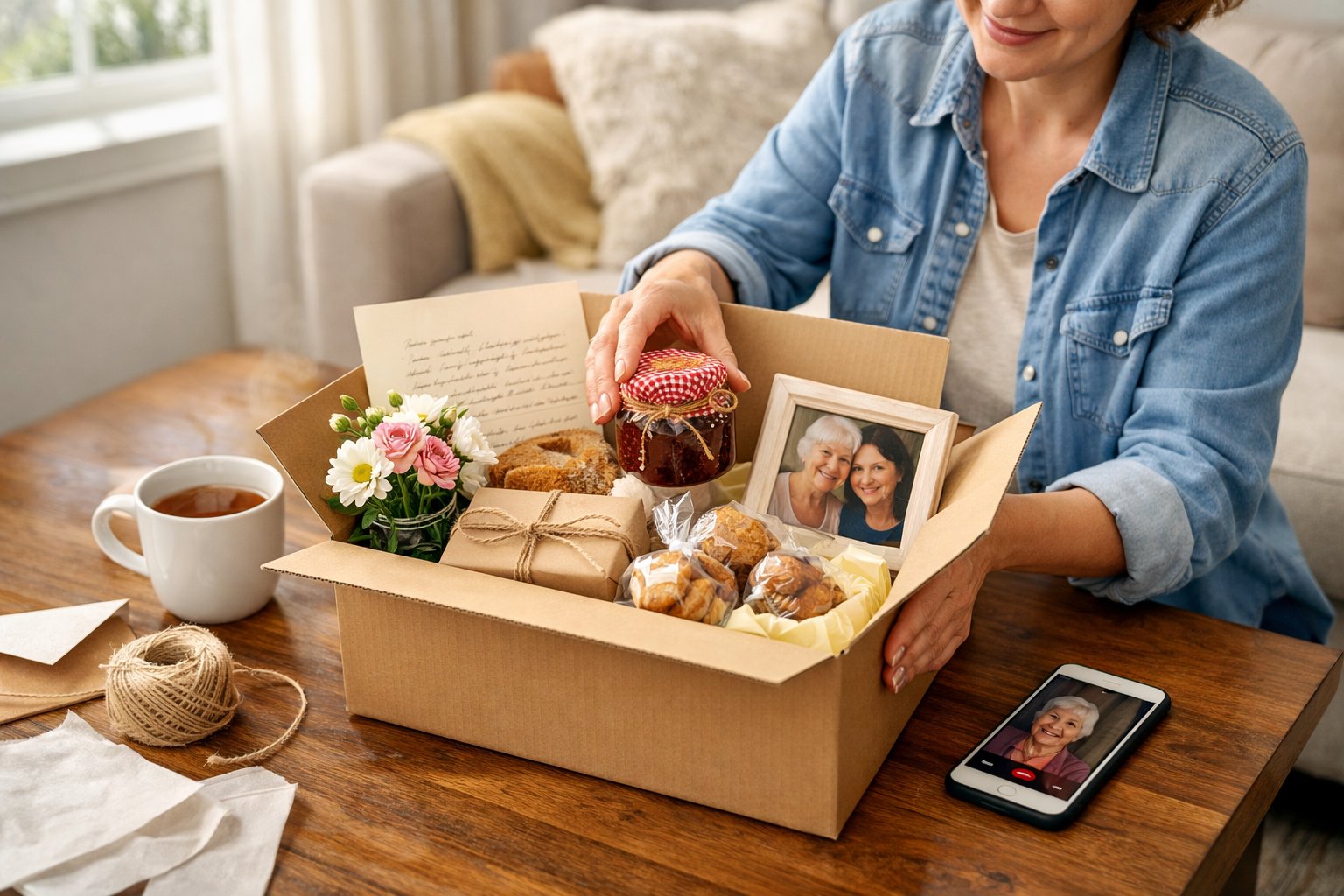
The right gift bridges physical distance by showing thoughtfulness and effort, turning an absent moment into a connection that still feels personal. Whether it's a birthday, a tough time, or just because, what to send when you can't be there depends on the relationship and the situation. Some gifts offer comfort while others bring joy or simply remind someone they're thought of.
This guide walks through practical options that work for different people and occasions. From care packages to digital experiences, each idea focuses on making distance feel smaller without trying too hard or spending more than necessary.
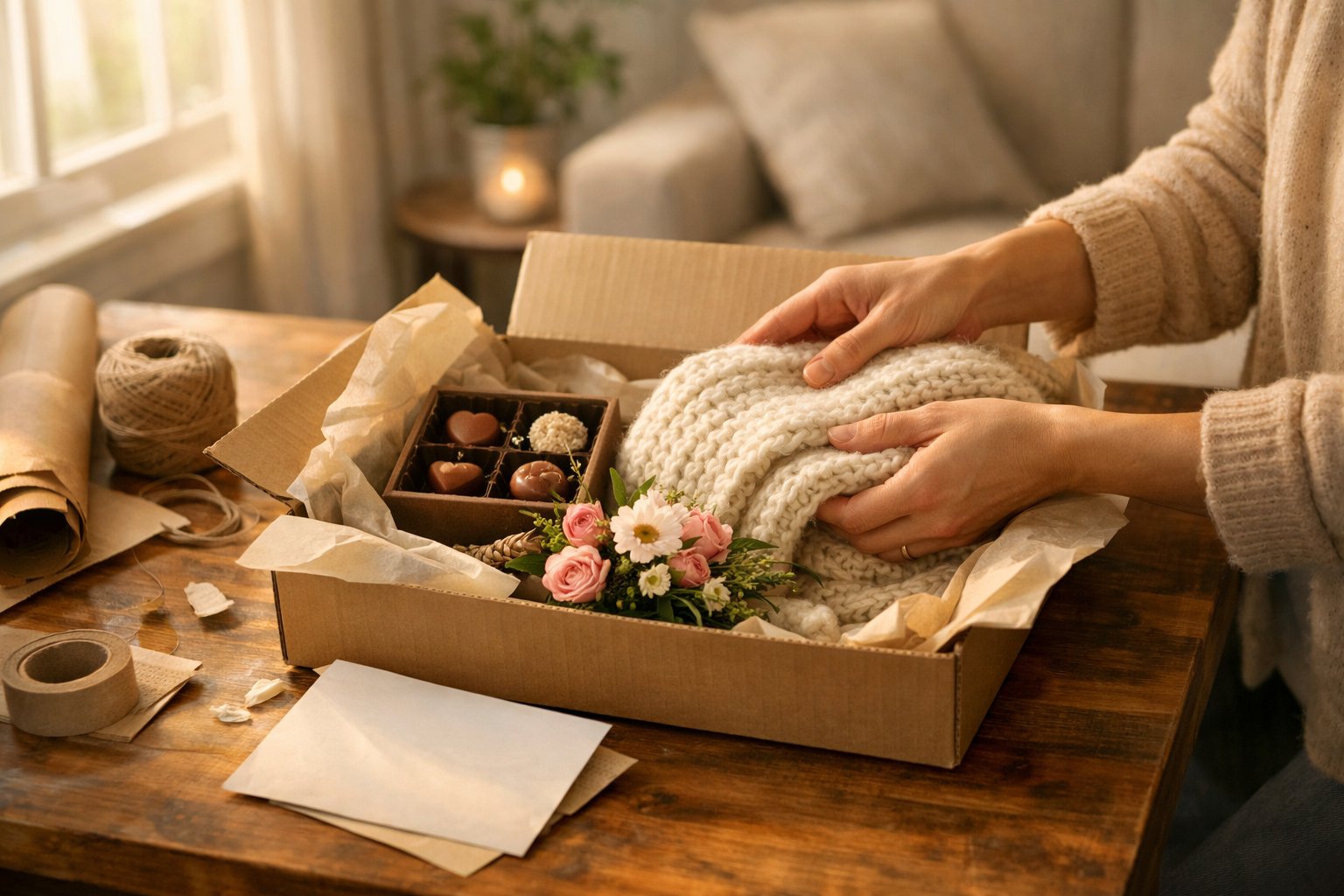
When someone can't be physically present, a well-chosen gesture becomes a stand-in for their care. These items carry emotional weight because they represent effort, attention, and the willingness to stay connected despite the miles between.
Physical distance doesn't erase the need for human connection. When someone is going through a hard time or celebrating something meaningful, being far away can feel isolating for both parties.
Sending something tangible creates a bridge. It reminds the recipient that they haven't been forgotten. The act itself communicates presence in a way that text messages often can't.
Small gestures help break down barriers by creating shared moments of warmth. A package arriving at the door interrupts loneliness. It gives the person something to hold, use, or read that came directly from someone who cares.
Items like a personalized card or a custom photo gift can anchor that connection in something real. The recipient sees their name, a shared memory, or an inside reference that no one else would understand.
This type of gesture doesn't require grand planning. It just requires showing up in the way that's available right now.
Generic items rarely land with the same force as something chosen with care. The difference lies in personalization and relevance.
Thoughtful gestures can deliver profound effects on mental wellbeing. A handwritten note feels different than a typed message. A book the person has been wanting to read signals that someone was listening.
The emotional impact increases when the gesture aligns with the recipient's current situation. If someone is stressed, a bath and body gift set offers immediate relief. If they're grieving, comfort food or a cozy blanket provides physical warmth when emotional warmth feels distant.
Items that reflect shared history carry extra meaning. A framed photo, a playlist, or even a custom mug with an inside joke can remind someone of better days or affirm that the relationship still holds value.
You can personalize it here.
These gestures don't fix everything, but they ease the weight for a moment. That moment can matter more than people realize.
Knowing when to send something is just as important as knowing what to send. Timing affects how the gesture is received.
Obvious moments include birthdays, holidays, or after a loss. But quieter moments also call for connection. When someone mentions feeling overwhelmed, when they're recovering from illness, or when they're going through a major life change, reaching out matters.
Waiting for the "right time" often means missing the moment entirely. Sending something without occasion can feel even more meaningful because it's unexpected. It shows the person was on someone's mind for no reason other than care.
Distance makes it easy to assume someone else is handling things. But that assumption leaves gaps. Acts of kindness happen every day, and they don't require proximity.
A personalized greeting card sent on a random Tuesday can shift someone's entire week. It interrupts the cycle of isolation and reminds them that connection still exists, even from far away.
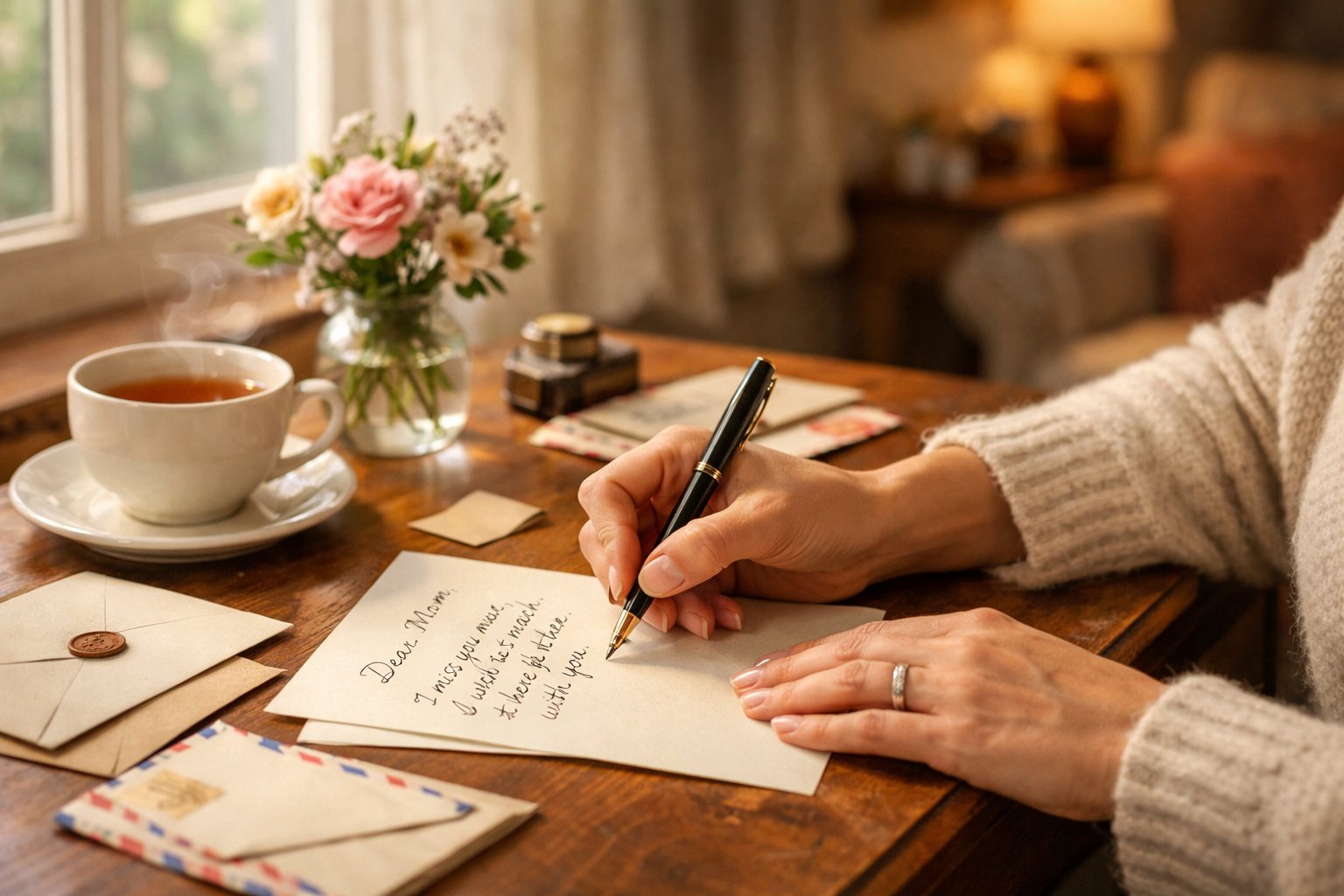
Written words carry emotional weight when physical presence isn't possible. The right message offers comfort during hardship, celebrates achievements from afar, and shows someone they matter even when separated by distance.
A support message during challenging times works best when it stays simple and genuine. Long explanations or advice often miss the mark. Short phrases like "I'm thinking of you" or "You're not alone in this" give someone room to receive comfort without feeling overwhelmed.
The message should acknowledge the difficulty without trying to fix it. Phrases that work include "I'm here whenever you need me" or "Sending you strength today." These words validate feelings without minimizing them.
Personal details make the difference between a generic note and one that feels tailored. Mentioning a specific memory or quality about the person shows the message comes from real care. A custom thinking of you card can add that personal touch when distance separates loved ones.
Timing matters less than authenticity. Sending a note days or weeks after learning of someone's struggle still means something.
Celebratory messages from a distance need to balance excitement with acknowledgment of the absence. Starting with "I wish I could be there" validates the distance before moving into genuine happiness for the person.
For birthdays, achievements, or special occasions, specific praise works better than broad congratulations. Instead of "Great job," try "Your dedication to this really paid off" or "This milestone shows how far you've come."
Graduation messages should focus on what the accomplishment represents rather than generic pride statements. Mentioning the hard work observed or the exciting path ahead makes the message feel less like a formality.
Anniversary or relationship milestones call for words that honor the bond. Messages like "Your relationship inspires me" or "Watching you two grow together has been a gift" connect across distance.
A personalized celebration card transforms a standard message into something worth keeping.
Messages during illness, loss, or crisis require more care than casual check-ins. Comforting words for serious illness should avoid false optimism or platitudes like "everything happens for a reason."
Direct offers help more than vague availability. Instead of "Let me know if you need anything," try "I'm bringing dinner Thursday" or "Can I handle your errands this week?" Specific help removes the burden of asking.
For grief or loss, acknowledging the pain without rushing past it matters most. "I'm so sorry you're going through this" paired with a specific memory of the person or situation shows real presence.
Physical reminders of support work when words feel insufficient. A custom comfort gift basket from Amazon can arrive when being there in person isn't possible. Small gestures like sending favorite snacks or a cozy blanket say "I'm thinking of you" without requiring a response.
Follow-up messages weeks or months later prove the support wasn't just performative.
Pre-made care packages offer convenience when time is short, while customized boxes allow for deeper personalization. Both approaches can deliver comfort and support effectively when chosen with the recipient's specific needs in mind.
Thoughtfully curated care packages are designed around specific situations like illness, stress, or major life changes. These pre-assembled boxes eliminate the guesswork while still feeling intentional.
Get well packages typically include soothing teas, honey, soft tissues, and comfort items like fuzzy socks. Mental health and stress relief boxes often contain aromatherapy candles, journals, and calming herbal teas. For someone going through a breakup, packages might include indulgent treats, face masks, and uplifting entertainment options.
Common themed options include:
The main advantage is speed and simplicity. The drawback is less control over individual items. Someone ordering a curated gift box should review the contents list carefully to ensure the items match what the recipient actually needs or enjoys.
Creating a personalized care package allows for complete control over every item. This approach works best when someone has specific knowledge about what would bring comfort or joy to the recipient.
Start with a category framework. Most effective packages include something for comfort, something edible, something for distraction or entertainment, something practical, and something personal. A soft blanket paired with their favorite snacks and a handwritten note creates more emotional impact than random items thrown together.
For a truly personal touch, a custom care package postcard lets someone include their own message and design. This works well for someone who wants the package itself to feel like part of the gift rather than just the container. You can personalize it here.
Budget considerations matter less than thoughtfulness. A $20 package with carefully chosen favorites often means more than a $75 basket filled with generic items. The key is selecting things the person wouldn't buy for themselves but will appreciate having.
Food carries emotional weight that other gifts sometimes cannot. The right edible items provide both physical nourishment and a sense of being cared for.
Sweet treats like gourmet chocolate or sea salt caramels offer immediate comfort. Savory options like artisanal crackers, quality cheeses, or seasoned nuts work well for someone who prefers less sugar. Healthy snack boxes balance indulgence with nutrition for health-conscious recipients.
Practical food gift categories:
| Type | Best For | Examples |
|---|---|---|
| Instant comfort | Illness or grief | Soup, honey, herbal tea |
| Energy support | Students or new parents | Coffee, granola bars, nuts |
| Pure indulgence | Celebrations or cheering up | Premium chocolates, gourmet popcorn |
| Nourishing meals | Recovery periods | Meal delivery gift cards, prepared soups |
Always consider dietary restrictions, allergies, and personal preferences. A beautifully packaged food gift loses its impact if the recipient cannot or will not eat it. When uncertain about restrictions, beverage options like specialty coffee or tea provide safer alternatives that still feel indulgent.
Food gifts offer comfort and care when distance keeps loved ones apart. From artisan chocolates to complete meal solutions, these options provide both nourishment and a tangible reminder that someone is thinking of them.
High-quality packaged foods make excellent gifts because they arrive intact and stay fresh for days or weeks. Artisan chocolate collections often include varieties like sea salt caramels, truffles, and chocolate-covered nuts that ship well in protective packaging.
Specialty cookies from bakeries like Last Crumb stay fresh on the counter for two weeks or in the freezer for two months. These treats arrive sealed and ready to enjoy immediately or saved for later.
Cheese and charcuterie sets work well for someone who appreciates savory options. Many companies curate selections of cheeses from around the world with proper packaging to maintain quality during shipping.
Consider these reliable options:
For a custom gift basket, look for options that let you select specific items based on dietary needs or preferences.
Chocolate provides comfort in difficult moments. Premium chocolate gifts go beyond standard grocery store options with carefully crafted flavors and beautiful presentation.
Sea salt caramels combine sweet and savory notes that many people find appealing. They travel well and don't require refrigeration. Look for brands that use real butter and cream rather than artificial ingredients.
Bakery samplers often include brownies, cookies, and small cakes that arrive ready to eat. These work particularly well for someone who enjoys baked goods but doesn't have the energy to make them.
Chocolate-covered fruits offer a slightly lighter option. Dried mango, cherries, and orange peels dipped in dark chocolate provide some nutritional value alongside the treat.
If you want something that feels personal without being overly complicated, a custom box lets you choose exactly what they'll enjoy. You can personalize it here.
Some situations call for more substantial food options. Meal kits and prepared foods remove the burden of cooking while providing proper nutrition.
Soup care packages typically include multiple servings of broth-based or cream soups with bread or rolls. These ship frozen or shelf-stable and require minimal preparation. Options like chicken noodle, tomato bisque, or vegetable soups work for various dietary needs.
Hot pot sets provide everything needed for a complete meal except fresh ingredients. These kits include the cooking pot, soup base, and seasonings.
Snack baskets with mixed items give variety without overwhelming choices. A healthy snack basket might include roasted chickpeas, trail mix, popcorn, and flavored water.
For Amazon Handmade food gifts, look for small-batch items like homemade granola, artisan crackers, or specialty jams that arrive with a more personal touch than mass-produced options.
When physical distance separates people from those they care about, digital options deliver connection without the wait. Streaming services bring entertainment into daily life, online classes create new skills and interests, and e-gift cards offer choice without guesswork.
A streaming subscription gives someone access to shows, movies, or music they might not purchase for themselves. Services like Paramount+ start at $4.99 monthly and include nostalgic content alongside live sports. HBO Max offers prestige television and new movie releases for $9.99 monthly.
For music lovers, Tidal subscriptions provide high-quality audio streaming at $9.99 monthly, with a Hi-Fi tier at $19.99 for audiophiles. YouTube Premium removes ads and allows background playback for $11.99 monthly, which matters to anyone who falls asleep to ambient sound or meditation content.
Gaming subscriptions extend playtime across platforms. PlayStation Plus and Xbox Live Gold both cost $59.99 annually. Nintendo Switch Online runs $20 yearly for multiplayer access.
These gifts work best when the giver knows what the recipient already watches or plays. Adding a service they don't have yet feels thoughtful rather than redundant.
Learning platforms create opportunities for growth that physical gifts can't match. MasterClass subscriptions start at $15 monthly and feature instruction from recognized experts across photography, cooking, writing, and conservation. The variety lets someone explore interests they've mentioned in passing.
Adobe subscriptions support creative work at different levels. Photography plans with Lightroom begin at $9.99 monthly. Illustrator subscriptions cost $20.99 monthly for graphic design and animation projects.
For someone who's mentioned wanting to learn a language, Rosetta Stone provides lessons in 10-minute segments without pressure. The approach focuses on pronunciation and cultural context rather than rote memorization.
Virtual fitness classes through ClassPass start at $19 monthly with over 2,000 live and on-demand options. This works for anyone who prefers working out at home or travels frequently.
If someone wants to make the moment feel more personal, a custom class certificate adds a tangible element to a digital gift. It acknowledges both the gift and the person's specific interest. You can personalize it here.
➡️ https://www.zazzle.com/z/idcvubr9?rf=238275180210718222
Gift cards remove guesswork while still showing attention to someone's preferences. Drizly cards allow alcohol delivery within an hour in most areas. Birchbox cards give access to beauty products beyond what's available in typical stores, with frequent discounts on premium brands.
Walmart+ memberships cost $12.95 monthly and include free delivery, fuel discounts, and Paramount+ Essential. This matters more to people who shop at Walmart regularly than those who don't.
Meal kit services like Dinnerly and Blue Apron start portions at $4.99 each with three-month commitments. They handle planning and shopping, which reduces weeknight stress. Customization accommodates dietary restrictions including gluten-free and vegan preferences.
For grocery shopping, Thrive Market focuses on organic products at wholesale prices. Annual memberships cost $59.95 or $9.95 monthly. This appeals to anyone interested in natural foods but frustrated by conventional grocery store crowds.
Amazon gift cards deliver instantly via email and let recipients choose from millions of items. They're practical without feeling impersonal when paired with a note explaining why the giver chose this particular option.
Flowers offer comfort through beauty and familiarity, whether delivered fresh or chosen to last. Living plants carry symbolic weight and practical benefit, especially in spaces where someone is healing or isolated.
Fresh flowers arrive as an immediate gesture of care. They brighten hospital rooms, home recovery spaces, or anywhere someone is spending unexpected time alone. Same-day delivery options make it possible to respond quickly when news arrives late in the day.
Arrangement style matters less than timing and appropriateness. A small bouquet sent promptly often means more than an elaborate display that arrives days later. She can choose stems based on the recipient's preferences or the tone she wants to set—soft pastels for gentleness, bright colors for energy.
Hospitals sometimes restrict deliveries to certain hours or units. Calling ahead prevents the awkwardness of a missed delivery. Including the recipient's full name and room number ensures the arrangement reaches the right person without delay.
Living plants offer long-term presence that outlasts cut flowers. They continue growing after the recipient returns home, which creates a different kind of reminder—one that doesn't wilt or require disposal during recovery.
Research shows patients with plants in hospital rooms experience lower blood pressure and reduced pain. They report less anxiety and fatigue compared to those without plants nearby. These benefits extend beyond the hospital stay into the home environment.
Orchids, succulents, and non-blooming green plants work well in clinical settings. They require minimal care and don't aggravate allergies. Snake plants, pothos, and spider plants purify air while tolerating varied light conditions. For those who appreciate subtle personalization, a custom planter adds warmth without overwhelming the space.
Not every situation calls for flowers. Some medical facilities prohibit them entirely due to infection control policies or patient sensitivities. Checking hospital guidelines before ordering prevents disappointment and wasted effort.
When flowers feel appropriate but aren't allowed, she can send them to the recipient's home instead. This shifts the gesture from hospital stay to homecoming—a different moment, but still meaningful. Gourmet baskets or comfort items serve as alternatives when plants and flowers aren't practical.
Flowers work best when they match the relationship and circumstance. A coworker might appreciate something cheerful but neutral. A close friend recovering from surgery might prefer something quieter that doesn't demand attention or care during a difficult time.
Keepsakes offer a way to stay emotionally present when physical distance separates someone from the people they care about. Items like personalized jewelry or custom photo collections turn everyday moments into something someone can hold onto.
Jewelry carries meaning in a way that feels both private and lasting. A necklace engraved with initials, coordinates, or a short message becomes something someone can wear daily without needing to explain its significance to anyone else.
Handwriting jewelry takes this further by converting a loved one's actual signature or note into a piece someone can wear. It preserves the specific way someone formed their letters. Birthstone pieces work well when someone wants to acknowledge multiple people at once, like children or grandchildren.
For those looking to send something specifically tailored, jewelry for mom often includes options that can be customized with names or dates. Bracelets with charms or pendants that hold tiny photos fit this same category. They're small enough to not feel overwhelming but specific enough to feel intentional.
If someone wants something that feels personal without making the moment overly sentimental, a customizable design like this keeps it meaningful yet light. You can personalize it here.
Photo albums organize memories in a way that invites someone to revisit them without requiring technology. Unlike digital files that sit unseen in folders, a physical album sits on a shelf and gets opened.
Custom photo books allow someone to arrange images by trip, year, or theme. Services that print these books offer templates that keep the layout clean without looking generic. Someone can add captions or dates to give context without overexplaining.
Frames work when there's one image that deserves its own space. Custom photo frames that include engraved text turn a single moment into something that stands alone. Shadow boxes accommodate more than just photos—they can hold ticket stubs, pressed flowers, or small objects from an event.
For someone marking a specific occasion, Mother's Day collections often feature frames designed to hold multiple photos or include space for personalization. Digital frames that rotate through images work for people who want variety without changing what's on the wall. The format matters less than choosing images that reflect shared experiences rather than posed shots.
Shared experiences create connection even across distances. Coordinating a celebration or learning something new together turns a digital gift into a moment that matters.
Setting up a virtual celebration requires choosing a platform and sending invitations with enough notice for everyone to join. Video call services work well for birthday parties, anniversaries, or just-because gatherings.
Some people send digital invitations through email or messaging apps with the meeting link included. Others mail physical cards with the date and login details written inside for a more personal touch.
Planning elements that make virtual celebrations feel special:
Virtual event experiences can include options like online game nights, cooking demonstrations, or wine tastings. The key is picking something that matches the recipient's interests and allows for real interaction.
A customized digital invitation sets the tone before anyone logs on. It shows the celebration was thought through, not thrown together at the last minute.
Taking a class together creates a shared goal and gives both people something to look forward to. Online cooking classes let participants follow along from their own kitchens while staying connected through video.
Art classes, language lessons, or craft workshops work the same way. The person who can't be there physically still participates in the same activity at the same time.
Class types that work well for distance participation:
Many platforms send ingredient lists or supply lists ahead of time. This gives everyone a chance to gather what they need before the session starts.
A personalized recipe book works well as a follow-up gift after a cooking class ends. It keeps the memory of that shared experience alive beyond the screen.
Different relationships call for different types of gifts. A present for a parent carries a different weight than one for a close friend or romantic partner.
Family gifts work best when they acknowledge shared history or inside jokes. A digital photo frame lets relatives upload new pictures as memories continue to build. This keeps the connection active rather than frozen in time.
Personalized jewelry for daughters often becomes something they wear daily. A necklace with a birth flower or meaningful date gives them something tangible to hold onto. For older family members, sentimental gifts for grandmothers that reference family traditions or old photos carry real emotional weight.
A custom throw blanket with family photos printed on it serves a practical purpose while keeping loved ones close. It works especially well for parents or grandparents who spend evenings on the couch.
Some families prefer practical items over sentimental ones. A meal delivery service or grocery gift card helps when someone is dealing with a busy season or difficult time.
Friendship gifts should match the tone of the relationship. For friends who appreciate humor, a matching mug set with an inside joke printed on it keeps things light. You can personalize it here.
Customized gifts for long-distance friends work when they reference shared experiences. A map print showing where both friends currently live makes distance feel less permanent.
For friends going through a hard time, a care package with comfort items like tea, snacks, or a cozy pair of socks shows up in a way words sometimes can't. The gesture matters more than the price tag.
A book they mentioned wanting to read sends a message that someone was listening. Adding a handwritten note inside the front cover makes it personal without requiring much effort.
Romantic gifts need to balance sentiment with practicality. Touch bracelets let partners send vibrations to each other throughout the day. One tap can mean "thinking of you" without requiring a full conversation.
A personalized watch with an engraved message becomes something they see every time they check the time. The message stays private but constant. Meaningful gifts for wives often work best when they feel personal rather than generic.
Coordinating items like matching hoodies or pajamas give couples something to wear during video calls. It creates a sense of togetherness even when physically apart. A custom hoodie set with each other's initials keeps it simple but intentional. You can personalize it here.
Subscription boxes for coffee, wine, or snacks let partners share an experience at the same time from different locations. They can open the same box during a video call and compare reactions.
Sending a gift from afar requires attention to both emotional intent and practical details. The right choice reflects understanding of the recipient while accounting for delivery logistics and personal preferences.
A personalized gift shows effort beyond a standard purchase. Custom items carry more meaning because they reflect specific knowledge about the recipient's life, interests, or relationship with the sender.
Custom photo gifts work well for celebrating shared memories. Items like engraved jewelry, monogrammed items, or photo books transform ordinary objects into keepsakes. These gifts communicate that the sender took time to create something unique.
For someone going through a difficult time, a custom care package with their favorite snacks, comforting items, or encouraging notes provides tangible support. The contents matter less than the thought behind each selection.
If someone appreciates handwritten sentiment, a personalized journal or notebook offers a private space for their thoughts. For milestone moments like graduations or new jobs, it acknowledges the transition they're experiencing. You can personalize it here.
Digital options like custom playlists, video messages, or personalized e-cards arrive instantly while still feeling intentional. They suit situations where timing matters more than physical presence.
Understanding gifting logistics prevents delays and damaged items. Shipping times vary by carrier and destination, so ordering early accounts for unexpected delays.
Perishable items need special handling. Services that send frozen foods or fresh flowers use insulated packaging and expedited shipping to maintain quality. Sending flowers internationally requires choosing vendors experienced with customs and delivery timing.
Including a gift receipt allows recipients to exchange items without seeing the price. This removes awkwardness if sizing or preferences don't match expectations.
For surprise deliveries, confirming someone will be home prevents packages sitting outside. Some gifts like subscription boxes arrive monthly, spreading the gesture across time rather than requiring perfect timing for one delivery.
Key delivery considerations:
Thoughtful gift giving requires awareness of what the recipient actually wants or needs. Cultural background, dietary restrictions, and living situation all influence appropriate choices.
Someone in a small apartment may not appreciate large decorative items. Parents with young children might prefer practical items over fragile keepsakes. These considerations prevent creating storage problems or obligation.
Religious or cultural sensitivities matter when selecting gifts. What feels celebratory in one tradition might feel inappropriate in another. When uncertain, asking directly shows respect rather than presumption.
Gift cards receive criticism for feeling impersonal, but they honor the recipient's autonomy to choose what they actually want. For someone with specific tastes or ongoing needs, this freedom carries its own thoughtfulness.
Some people feel uncomfortable receiving expensive gifts or prefer experiences over objects. Matching the gesture to their values prevents the gift from creating discomfort rather than joy.
Physical distance doesn't mean emotional absence. Maintaining connection requires intentional action over time, and even the smallest effort can communicate care in ways that feel real and lasting.
Consistent communication matters more than grand gestures when someone can't be present in person. A text message every few days, a quick voice note, or a scheduled video call creates a pattern of reliability that reminds the other person they're thought of regularly.
Giving your full attention during these moments, even brief ones, shows genuine care. Setting reminders to check in prevents weeks from slipping by unnoticed. Some people find it helpful to establish a regular routine, like a Sunday evening call or midweek message, that both parties can anticipate.
When updates feel forced or surface-level, sharing something specific works better. A photo of something that reminded them of the person, a link to an article they'd find interesting, or asking about a detail from their last conversation demonstrates active listening. These small touchpoints accumulate into a sustained presence that distance can't diminish.
Tangible reminders carry emotional weight when someone can't be physically present. A handwritten note in the mail takes minimal effort but signals intentionality that digital messages sometimes lack. The act of selecting stationery, writing by hand, and mailing it creates a deliberate pause that the recipient can feel.
Personalized items work when they reflect specific knowledge about the person:
If someone wants something that feels personal without making the moment overly sentimental, a customizable photo canvas keeps it meaningful yet light. You can personalize it here.
Food deliveries from someone's favorite restaurant or a care package with items specific to their current situation (stress relief items during a difficult week, celebration treats for good news) demonstrate attentiveness. These gestures work because they're timed to the person's actual needs rather than calendar dates.
People often wonder how to bridge physical distance with meaningful gestures, especially during moments that matter most. These questions address practical ways to send comfort, celebration, and care when being there in person isn't possible.
Regular video calls create a sense of presence that text messages can't match. Setting up a weekly time to connect gives everyone something to look forward to and maintains family bonds across miles.
Sending care packages with items specific to their interests shows attentiveness. A grandmother who loves gardening might appreciate seed packets and gardening gloves, while a college-aged nephew might prefer his favorite snacks from home.
Photos printed and mailed carry weight that digital images don't. A custom photo book documenting family memories becomes something they can hold and revisit. It reminds them they're thought about even when distance keeps everyone apart.
Shared experiences work even from afar. Watching the same movie at the same time while on a call or reading the same book creates common ground for conversations.
A handwritten letter carries more emotional weight than a text message. Taking time to write thoughts on paper shows effort and care that digital communication often lacks.
Small, unexpected gifts can lift someone's mood without overwhelming them. A cozy blanket or their favorite tea blend gives them something tangible to hold onto during difficult moments.
Food delivery from their favorite restaurant removes one decision from their day. It also shows someone remembered what they enjoy.
Sometimes just asking what they need is more helpful than guessing. Direct questions about support let them guide how someone can help best.
Voice messages add warmth that typed words can't convey. Hearing a friend's voice, even through a recording, creates a more personal connection than reading text on a screen.
Sending photos of moments or places that remind someone of their friend keeps the relationship active. A picture of a coffee shop they used to visit together or a sunset they would have appreciated shows they're thought about in daily life.
Digital gift cards for experiences they enjoy give them something to look forward to. A book lover might appreciate an audiobook credit, while someone who values self-care might prefer a spa service.
Following up on conversations from days or weeks earlier demonstrates that someone listens and remembers. Asking about that job interview they mentioned or how their pet's vet visit went shows genuine interest.
A personalized item that references an inside joke or shared memory shows thoughtfulness beyond generic presents. It proves someone paid attention to what makes the friendship unique.
Coordinating with their local friends or family to arrange a surprise creates an experience they won't forget. A delivered cake or flowers timed to arrive during a virtual celebration bridges the distance.
A subscription service related to their hobbies extends the birthday beyond one day. Monthly deliveries of coffee, books, or craft supplies remind them they're valued throughout the year.
A custom calendar featuring shared photos gives them something practical that also celebrates the friendship. They can see reminders of good times together every time they check the date.
Items that engage the senses often provide the most comfort. Scented candles, soft fabrics, or calming teas create moments of peace in stressful times.
A weighted blanket offers physical comfort that can help with anxiety or sleep issues. The pressure mimics a gentle hug when one isn't available in person.
Journals or adult coloring books give someone a quiet activity that doesn't require screens. These tools help process emotions or simply provide a mental break.
Gift certificates for massage, meditation apps, or online yoga classes give them permission to prioritize their well-being. Sometimes the value lies in encouraging someone to take time for themselves.
A heartfelt note acknowledging the loss matters more than expensive gifts. Writing with honesty about not being able to attend shows respect for both the deceased and the grieving family.
Memorial donations to causes the person cared about honor their memory meaningfully. This gesture creates lasting impact rather than temporary comfort.
Meal delivery services or gift cards for food help with practical needs during grief. Cooking often feels impossible when mourning, and this removes one burden.
A memorial photo frame or memory book gives the family somewhere to preserve their loved one's image. These items become keepsakes they'll value for years. For someone who wants to acknowledge the loss without adding pressure, this offers quiet support. They can personalize it here.
Offering specific help weeks or months after the funeral recognizes that grief doesn't end when services do. Checking in regularly shows sustained care beyond the immediate aftermath.