
Your Cart is Empty
Writing a PhD graduation card is one of those things that sounds simple, but suddenly you’re staring at a blank page, overthinking every word. The trick is really just matching the message’s tone to your relationship with the graduate—whether that means heartfelt congratulations, professional praise, or even a bit of humor.
Getting a doctorate takes years of relentless work and more than a little grit. Your card should, at the very least, nod to the magnitude of what they’ve accomplished.

A PhD is one of the highest academic achievements out there. It means years of research, writing, and defending original ideas.
The person you’re writing to has probably spent ages buried in books and sacrificed a lot along the way. Earning a PhD or doctorate involves resilience, sacrifice, sleepless nights, and relentless focus, which makes this milestone feel different from any other graduation.
Whether you’re writing to a family member, a friend, a colleague, or a student, the message can swing from formal to deeply personal. The tone and content should reflect not just your relationship, but also the graduate’s personality.
Some folks love sincere recognition, while others might want a laugh or some inspiration for what comes next.

A PhD graduation marks years of intense research, academic sacrifice, and sticking with it through thick and thin. Graduation cards become meaningful tokens that recognize this rare achievement and serve as reminders of the grad’s scholarly accomplishments.
Earning a PhD usually means 4-7 years of focused study and research. Unlike undergrad or even a master’s, you have to create something totally new for your field.
It’s countless hours in the lab, in the library, or hunched over a laptop. There are endless revisions, tough defenses in front of experts, and plenty of moments where quitting probably seemed tempting.
What sets a PhD apart:
PhD students often put off big life decisions—buying homes, starting families, switching careers. The academic regalia they wear at graduation, with special hoods and colors, really sets them apart.
Finishing a PhD is emotional. Many grads say they felt isolated for much of their studies, so graduation day is a big deal for both them and their supporters.
Graduation cards are tangible reminders of all that hard work. They’re something grads actually keep, sometimes for years.
Cards are especially important when friends or family can’t make it to the ceremony. PhD graduations are often small, so cards become the main way distant loved ones join in.
Why cards matter:
Picking out a card and writing something thoughtful shows you care. Grads usually display cards at parties and tuck them away with diplomas and photos.
Even after the celebrations fade, cards can be comforting. The transition from student to “Dr.” is weirdly emotional, and reading kind words helps.
PhD grads have mastered complex stuff and added something new to their field. Cards that recognize this validate years of work that often flew under the radar.
Their research might solve real-world problems. Many have published papers, given talks at conferences, taught classes, or worked with industry partners.
Achievements worth mentioning:
They also pick up skills like project management, critical thinking, and communication. It’s a lot more than just academic knowledge.
Less than 2% of people in the U.S. have doctoral degrees, so this is rare air. When you mention something specific about their research or challenges they overcame, it makes your message feel extra genuine.

The tone you use in a PhD graduation card depends on your relationship and the setting. Formal is best for professional ties; informal works for close friends and family.
Formal messages stick to professional language and structure. No slang, no contractions, and definitely no emojis.
Formal messages usually have:
Informal messages are more relaxed. You can use contractions, crack a joke, or share a personal story.
Informal messages might include:
The wording should fit the relationship. A card for a colleague is going to sound different than one for your sibling.
If you’re close, you can get personal—bring up memories, family traditions, or inside jokes. These messages often mention something specific from the grad’s journey.
For professional relationships, keep it measured. Supervisors, mentors, or colleagues should focus on achievements and potential, not personal stuff.
Quick relationship guide:
| Relationship | Tone | Content Focus |
|---|---|---|
| Family | Warm, personal | Memories, pride, love |
| Close friends | Casual, fun | Shared experiences, humor |
| Colleagues | Professional | Achievements, respect |
| Acquaintances | Polite, brief | General congratulations |
Longer messages work for close relationships. For work contacts, keep it short and to the point.
Think about the grad’s personality, too. Some want serious recognition; others would rather you keep it light or funny. Humor and lightheartedness can be just as meaningful.

Traditional graduation wishes focus on celebrating the achievement and expressing real pride in the grad’s hard work. These messages usually highlight their dedication and look ahead to a bright future.
Classic messages start with simple phrases like “Congratulations on your incredible achievement” or “Your hard work has truly paid off.”
Things to include:
A lot of people like to call out qualities like “determination,” “brilliance,” or “commitment.” It’s also nice to mention how the grad inspired others.
PhD congratulations messages often highlight the personal traits that made this possible.
If you want to keep it short, that’s fine. “So proud of everything you’ve accomplished” or “Your dedication has been truly remarkable” says plenty.
Future-focused messages are all about what’s next. They mention new opportunities and the difference the grad might make in their field.
People often bring up:
You might say something like, “The world needs minds like yours” or “Your research will make a real difference.” It feels good to connect their achievement to something bigger.
Professional growth comes up a lot, too—career advancement, new discoveries, or mentoring others.
Some messages focus on personal fulfillment. Lines like “Keep following your passion” or “Here’s to a lifetime of learning” nod to the journey ahead.
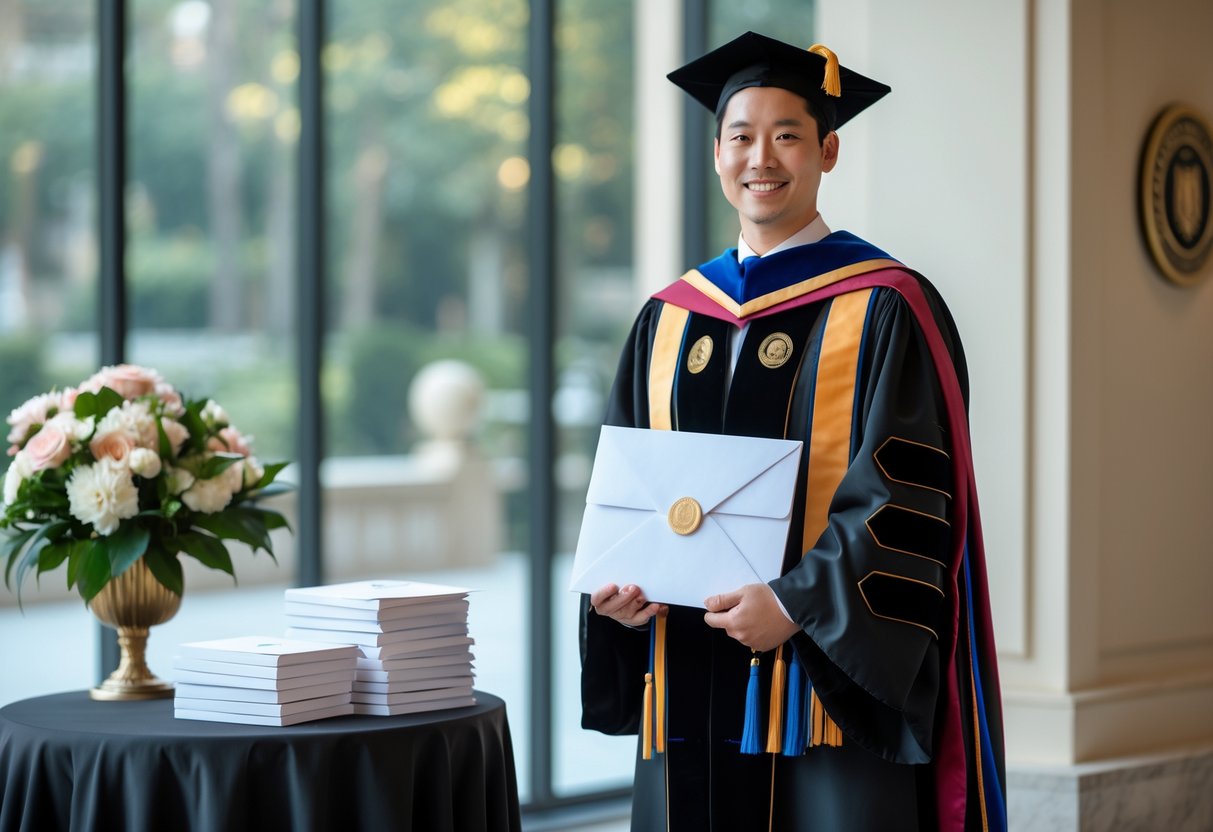
Formal messages recognize academic achievement with professional language and a respectful tone. It’s about the recipient’s dedication and scholarly accomplishments, plus a little encouragement for what’s next.
Professional congratulations should give a nod to the years of hard work and academic rigor. The language stays respectful and dignified.
What to include:
“Congratulations on earning your doctorate degree. Your commitment to advancing knowledge in your field is truly commendable.”
“This achievement represents years of rigorous study and research. Your dedication to academic excellence is inspiring.”
“Your doctoral degree is a testament to your intellectual capabilities and unwavering determination.”
Keep the tone elevated, but don’t overdo it. Slang or overly casual language can take away from the moment.
Wishes for the future should express confidence in their continued success. Focus on the impact they’ll have in their field.
Some good phrases:
Think about their specific career path when writing thoughtful messages that celebrate this milestone. Whether they’re heading into academia, research, or industry, tailor your message.
“As you embark on the next chapter of your career, may your knowledge and skills open new doors of opportunity.”
Try to show genuine respect for their achievement and a little optimism for what’s ahead.

Adding a bit of humor to PhD congratulations? It makes the whole thing feel less intimidating and a lot more memorable.
These kinds of messages are perfect for friends, family, or colleagues who love a little wit and aren’t afraid to laugh about the wild ride of academia.
Academic puns and silly wordplay are honestly some of the best ways to celebrate a new PhD. They highlight both the achievement and the lighter side of all those years in school.
These jokes usually riff on the "Doctor" title or toss academic jargon into the mix just for fun.
Popular academic puns include:
The best funny graduation card messages usually blend real congratulations with a clever twist. If you can tie in their particular field, even better.
Field-specific examples:
A little gentle teasing about the realities of PhD life? Most grads can relate.
These messages nod to the struggles—late nights, endless writing, and, well, way too much coffee.
Common student life references:
Humorous messages about doctoral glory often mention these classic experiences. "They say a PhD is like a marathon, only with more caffeine," or "Your doctorate proves you can survive on three hours of sleep and instant coffee."
Effective teasing messages:
What comes after a PhD? Who really knows—but that’s half the fun.
Humorous wishes for the next chapter mix excitement with a little tongue-in-cheek speculation.
Next adventure themes:
You can joke about trading in your thesis advisor for a boss, or finally earning a paycheck that doesn’t have “stipend” in the description.
Examples of adventure-focused humor:

PhD grads stand on the edge of big new opportunities—ready to put all those years of research and stress to good use.
These messages focus on the possibilities ahead and the grit it took to get here.
A PhD isn’t the end—it’s the start of something wild and new.
Inspiring messages for graduation ignite hope and ambition and help grads see the open road ahead.
Sample messages for new beginnings:
It’s always better when you can tie the message to their field or future plans. Makes it feel more like you really see them.
Getting a PhD takes a ridiculous amount of commitment and mental strength.
Congratulations messages for PhD students should shine a light on that dedication.
Key elements to include:
Sample messages:

Family and friends need a different approach in PhD cards. Parents and siblings usually want something more emotional, while friends might prefer a nod to shared struggles or inside jokes.
Family graduation celebrations are all about personal memories and pride.
Parents might mention those early signs of curiosity, or the sacrifices everyone made along the way.
Sample message formats:
Siblings often bring up shared childhood moments, late-night study sessions, or family debates about their research.
Grandparents and extended family usually keep it short and sweet, focusing on pride and family legacy.
Key elements for family messages:
Friends know what it really took to get here, so their messages can be more relaxed and real.
Effective friend messages:
Peers in the field might focus on professional respect or highlight contributions to research.
Friends should keep it casual—inside jokes, honest admiration, and a tone that matches how you actually talk to each other.
Friend message essentials:
If you want your card to stand out, ditch the templates. Personal touches and details make all the difference.
Generic stuff like "congratulations on your big day" or "best of luck" just doesn’t cut it for a PhD.
Instead of "you did it," mention the years of research or the beast that was the dissertation. Swap "good luck in the future" for something about their expertise.
Weak phrases to avoid:
Stronger alternatives:
Be specific. It means more.
What makes a card a keeper? Specifics.
Mention their dissertation topic, a favorite professor, or some late-night study session you still laugh about.
Personal elements to include:
Tell them how their work inspired you. Point out the qualities—curiosity, stubbornness, whatever—that got them through.
Use their name or nickname, not just "Dr." And match your tone to the relationship: more casual for friends, a bit more polished for colleagues.
High school graduation cards are a different beast. The focus is on new beginnings and all the unknowns ahead.
High school is a big leap from kid to adult. Cards should celebrate that, and look ahead.
Encouraging messages hit home for teens heading to college or work. Stuff like "Your hard work paid off" or "Excited to see what comes next" feels real.
High school graduation wishes work best when they mix pride and excitement for the future.
Popular message themes:
Funny messages can work for close family or friends. Jokes about surviving high school or the "real world" often get a laugh.
Keep it age-appropriate—no need to sound like a professor.
PhD and high school cards are totally different in tone and content.
PhD cards focus on academic achievement, research, and professionalism.
High school cards are more about life transitions and the adventure ahead.
| Aspect | PhD Cards | High School Cards |
|---|---|---|
| Tone | Formal, respectful | Casual, encouraging |
| Focus | Academic achievement | Life transition |
| Language | Professional terms | Simple, relatable words |
| Time frame | Past dedication | Future possibilities |
For high school grads, the relationship matters more—parents get emotional, teachers keep it short and sweet.
PhD cards can mention specific research. High school cards do better with general encouragement.
How you end your card matters. A personal sign-off makes the message stick.
Traditional closings are fine, but a little personalization goes a long way.
Pick from formal and informal ways to sign off, depending on your relationship.
Professional Relationships:
Family and Close Friends:
Sign your name underneath. If you want, add a little extra—like "Dr. Smith's proud mentor" or "Your loving parents."
If several people are signing, each can write a short note or just add their names below the main message.
Inspirational quotes teamed up with personal signatures? That’s a surefire way to make a PhD graduation card memorable. It’s thoughtful and adds a layer of meaning to graduation wishes.
Quote Integration Examples:
"The future belongs to those who believe in the beauty of their dreams." - Eleanor Roosevelt
Believing in your bright future, Mom and Dad
"Education is the passport to the future." - Malcolm X
Your passport is ready! Love, Sarah
Short, punchy messages usually beat out long-winded quotes. It helps to pick something that actually fits the graduate’s vibe or field.
Final Wish Combinations:
The closing should just feel right—not forced. If the card’s formal, keep the sign-off professional. For something casual, a bit of creativity with the signature works wonders.
Writing a PhD graduation card? It’s all about striking a balance between respect for the achievement and a genuine personal touch. People often wonder about tone, how long the message should be, and how to properly honor all those years of hard work.
Heartfelt notes should shine a light on the years of grit and sacrifice that go into a doctorate. Mentioning real qualities you admire always hits home.
"Your determination through countless research hours inspires everyone around you. This achievement represents not just academic success but personal growth."
"Watching you pursue your passion with such commitment has been incredible. Your PhD opens doors to amazing opportunities ahead."
If you can, tie the degree to something unique about them—their curiosity, resilience, or problem-solving chops. That’s what makes a card feel truly personal.
Humor goes a long way, especially if you poke a little fun at the endless years of study or classic academic quirks. Funny graduation card messages can keep things light without missing the point.
"Finally done being a professional student! Now you can afford to eat something besides ramen noodles."
"Your dissertation probably has more pages than most people read in a year. Congratulations, Dr. Overachiever!"
Just keep it respectful—don’t make light of all the hard work. Jokes about academic life usually land better than anything too personal.
For formal notes, stick to professional language. It’s perfect for colleagues, professors, or those relatives you only see at big family gatherings.
"Congratulations on earning your doctorate. This distinguished achievement reflects your scholarly dedication and intellectual contributions to your field."
"Your successful completion of doctoral studies demonstrates exceptional commitment to academic excellence. Well-deserved recognition awaits."
Keep the tone polished—no contractions, no chummy language. The spotlight is on the achievement itself.
Short and sweet can still be powerful. Sometimes, you only have space for a line or two.
"Years of hard work paid off. Congratulations, Dr. [Name]!"
"PhD completed. Amazing achievement. So proud of you!"
Strong action words and a clear message do the trick. Tacking on the new title adds a dash of formality, even in a tiny note.
Encouragement should look forward, not just back at the struggle. Skip the clichés—find something that actually fits.
"Your research skills will solve problems others haven't even identified yet. The world needs your expertise."
"This degree proves you can tackle any complex challenge. Your next adventure awaits."
Tie your encouragement to their field or their passions. That’s what’ll make your message stand out from the rest.
PhD defense acknowledgment isn’t just about the final presentation—it's about the whole, winding doctoral journey. The defense itself is a big deal, and it deserves a special nod.
"Congratulations on successfully defending your dissertation. Your expertise really shone through every answer and explanation."
"Your PhD defense was the perfect culmination of years of dedicated research. Well done, Dr. [Name]!"
If you want to focus on the defense, mention their presentation skills, the depth of their knowledge, or even the committee's approval. This moment is more than just another graduation—it's a huge, hard-earned achievement.