
Your Cart is Empty
Some grandmothers pass down recipes or photo albums. Others leave behind jewelry that carries meaning far deeper than its material value. When a grandmother gives a necklace with specific instructions or unexplained significance, that piece of jewelry often serves as a silent messenger carrying family history, protection, or unspoken truths across generations. These heirlooms can speak volumes without a single word of explanation.

The tradition of passing down family jewelry has existed for centuries, but not every grandmother feels the need to justify her choices. Sometimes the weight of what a necklace represents becomes clear only after it's worn, removed, or passed to the next generation. Whether it's a simple pendant or an ornate family treasure, these pieces can communicate warnings, blessings, or family bonds that words might fail to express.
Understanding why some grandmothers choose silence over explanation reveals much about family dynamics, trust, and the power of objects to carry meaning. A grandmother's gift of jewelry can create clarity or confusion, depending on how well family members understand the traditions behind it. You might find beautiful personalized necklaces on Zazzle or browse family heirloom jewelry boxes on Amazon to create your own meaningful traditions.
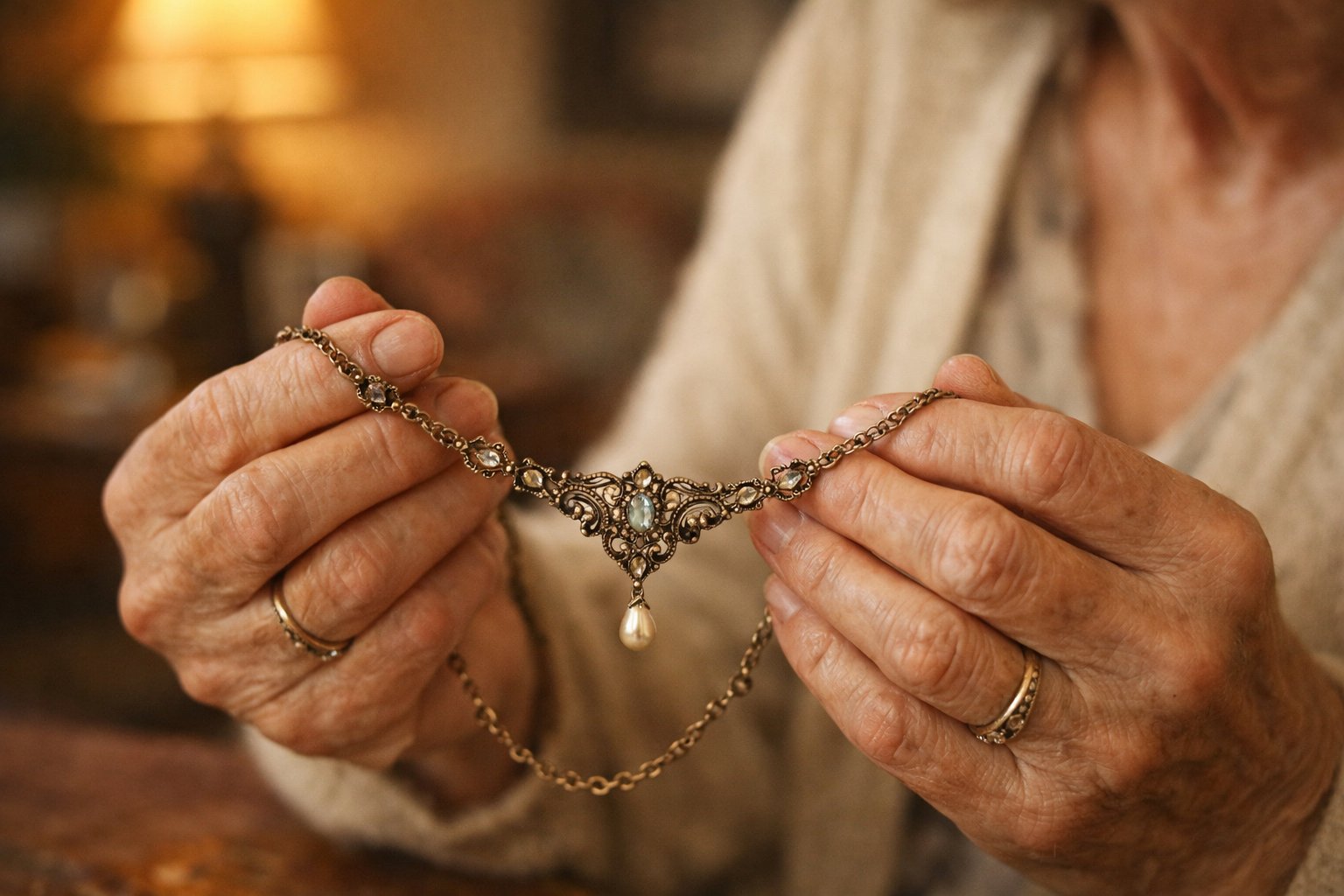
Jewelry passed through families carries messages that words often cannot express. These pieces create bonds between generations and hold meanings that go beyond their physical beauty.
Each piece of heirloom jewelry represents specific moments and values from the past. A wedding ring tells the story of commitment and partnership. A locket might hold tiny photographs of loved ones who have passed away.
The materials themselves carry meaning. Gold often symbolizes lasting love and devotion. Pearls represent wisdom gained through years of experience. Diamonds show strength and endurance through difficult times.
Grandmother's jewelry for mom often becomes a bridge between past and present. When a granddaughter wears her grandmother's brooch, she carries forward the values that piece represented. The act of wearing it says more than any conversation could about honoring family history.
These pieces mark important life events. A necklace given at a graduation celebrates achievement. A bracelet passed down at a wedding connects the bride to the women who came before her.
Jewelry creates tangible connections between grandparents and their descendants. When a grandmother hands down her favorite earrings, she shares part of herself without needing to explain every detail.
The physical act of wearing these pieces keeps loved ones close. A granddaughter touching the pendant around her neck feels connected to the woman who wore it decades earlier. This connection works both ways—grandparents feel their presence continuing through future generations.
Family heirlooms often come with unspoken expectations about preservation. The new owner understands the responsibility to care for the piece and eventually pass it forward. This creates an ongoing relationship between people who may never meet.
Heirloom jewelry communicates feelings that are difficult to speak aloud. A grandmother giving her granddaughter a ring says "I trust you with what matters to me" without using those exact words.
These pieces express pride, hope, and confidence in the next generation. They show belief that family values will continue. A bracelet handed down carries the message "you are part of something bigger than yourself."
Silent messages heirloom jewelry conveys:
Sometimes the jewelry itself becomes a conversation starter that allows difficult emotions to surface naturally. Admiring a vintage necklace opens doors to stories about the person who first wore it.
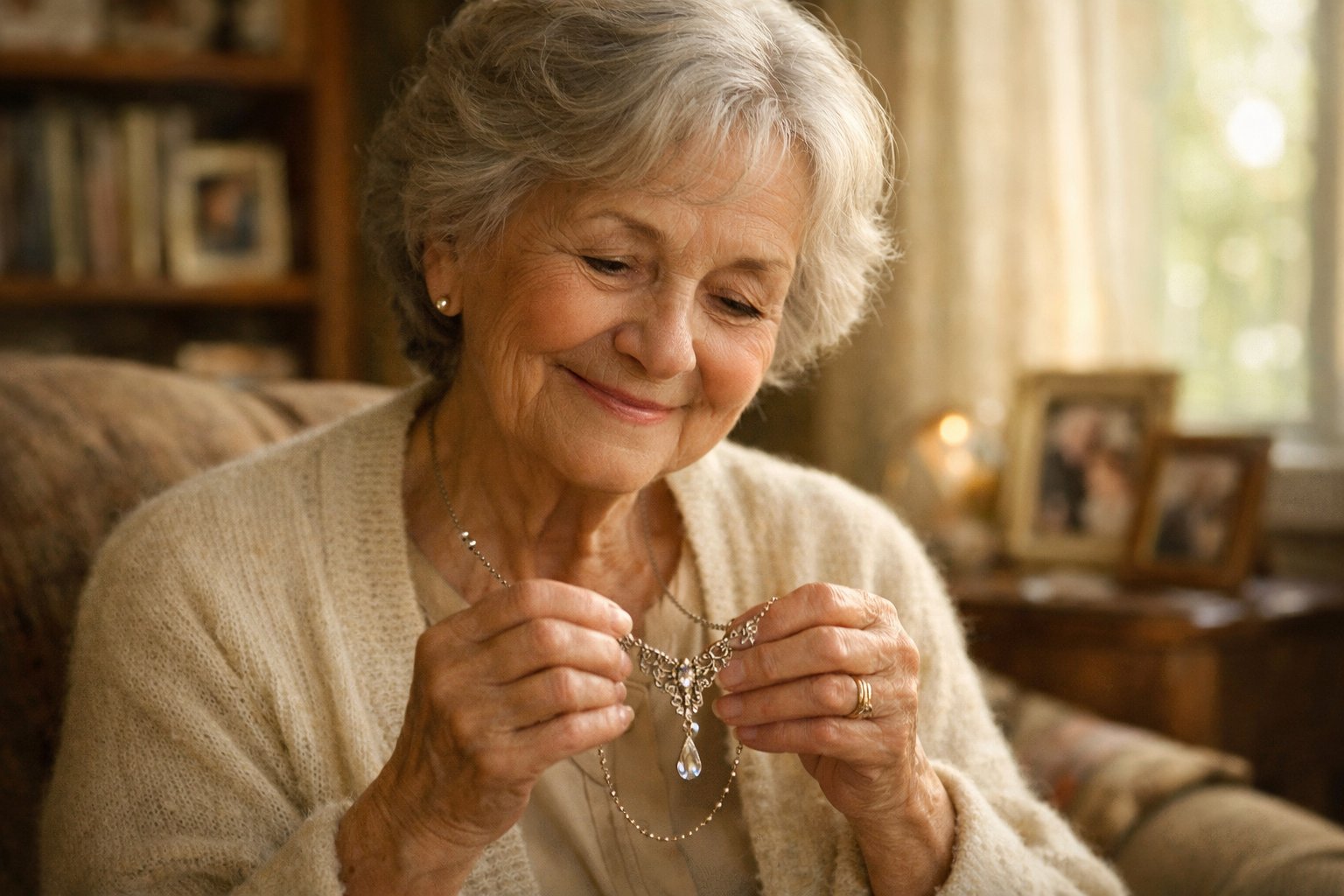
Sometimes the most powerful messages come without words. A grandmother who chooses to give a necklace instead of offering lengthy explanations understands that physical gifts can carry meaning that speech cannot match.
Silent communication often holds more weight than spoken words. When a grandmother hands over a necklace, she creates a moment that her grandchild will remember for years. The act itself becomes the message.
Physical gestures carry emotional depth that words can struggle to match. A hug, a handed-down piece of jewelry, or a knowing glance can express love and understanding without needing explanation. Grandparents often master this form of connection through decades of life experience.
Research shows that refusing to explain gives people space to breathe and reduces the pressure to justify every choice. A grandmother who simply gives a gift without elaborate backstory allows the recipient to form their own emotional connection to the object. This approach respects the grandchild's ability to understand meaning without having everything spelled out.
The silence itself becomes meaningful. It suggests confidence and trust in the relationship.
Grandparents learn through experience that actions communicate more reliably than explanations. A necklace placed in a grandchild's hand speaks of legacy, love, and continuity across generations.
Many older adults adopt a show-don't-tell approach to expressing themselves with respect rather than over-explaining their intentions. The physical act of giving becomes the conversation. No words can quite capture what a family heirloom represents when it passes from one generation to the next.
This wisdom comes from understanding that not everything needs verbal justification. A grandmother who has raised children and watched them grow knows which moments call for discussion and which call for simple action. The necklace itself does the talking.
A necklace carries stories within its design and history. Each link or pendant holds memories that words would take hours to describe. The object becomes a vessel for emotions that clear communication through speech might actually diminish.
Physical items from Amazon (https://www.amazon.com/Grandmother-Necklace-Granddaughter-Jewelry-Birthday/dp/B0CRKM8LGX?tag=kjtunsazn25-20) or custom pieces from Zazzle (https://www.zazzle.com/grandma_necklace-177064192049953801?rf=238275180210718222) can serve as tangible expressions of feeling. These objects don't require explanation because they exist as proof of connection.
The weight of a necklace around the neck serves as a constant reminder of the giver. Every time the grandchild touches it or catches their reflection, they recall the moment they received it. This ongoing physical presence surpasses what any single conversation could achieve.
Objects outlast conversations. They sit in jewelry boxes, get passed down again, and accumulate meaning with each generation. A grandmother understands this permanence and uses it to her advantage.
A grandmother's necklace often holds stories that words cannot capture, carrying memories and values across generations through its weight and presence. These pieces become silent storytellers that communicate family history and wisdom.
Every family necklace contains a unique narrative that connects past and present. A grandmother might wear a simple gold chain received on her wedding day, carrying decades of marriage within its links. Another might display a pendant gifted by her own mother during a difficult time, representing strength and resilience.
These pieces often mark significant life moments. A charm might commemorate the birth of each child or grandchild. A locket could hold tiny photographs from another era. The scratches and worn edges tell their own stories of years lived and challenges overcome.
Some necklaces travel across continents with immigrant families. They represent everything left behind and everything carried forward. A grandmother wearing such jewelry connects her descendants to places and people they may never meet but remain part of their identity.
Necklaces teach values without spoken instruction. When a grandmother wears the same modest pendant for fifty years, she demonstrates that worth exists beyond material value. Her choice to repair rather than replace a broken clasp shows resourcefulness and care for meaningful objects.
The act of selecting which piece to wear communicates priorities. A grandmother might choose religious jewelry for important occasions, showing faith's central role in her decisions. She might wear practical pieces during daily tasks, teaching that beauty and function can coexist.
Key lessons jewelry conveys:
A necklace transforms into a physical manifestation of family continuity. When grandchildren see the same piece worn year after year, it becomes an anchor point in their memories. They associate its appearance with their grandmother's presence at birthdays, holidays, and ordinary afternoons.
The weight of jewelry on skin serves as a constant reminder of relationships. A grandmother feels the necklace's presence throughout her day, maintaining connection to the giver or the moment it represents. This physical sensation grounds abstract concepts like love and belonging.
Eventually, these pieces pass to new owners who inherit both object and story. The necklace continues speaking, now carrying additional layers of meaning. It communicates not just the original story but also the grandmother's role in preserving and transmitting family history.
Grandmothers often shaped family values through memorable phrases and time-honored customs. These words and practices created bonds that lasted across generations.
Grandmothers relied on old sayings to teach life lessons without lengthy lectures. "A stitch in time saves nine" reminded grandchildren to fix small problems before they grew bigger. "Waste not, want not" came from Depression-era experiences when resources were scarce.
These phrases appeared during everyday moments. A grandmother might say "don't count your chickens before they hatch" when a child made plans too early. "Money doesn't grow on trees" became the standard response to requests for unnecessary purchases.
The sayings worked because they were short and memorable. Children heard them repeatedly until the wisdom stuck. A grandmother didn't need to explain why punctuality mattered when "the early bird catches the worm" said it all. Celebrating a grandmother's birthday often brought these familiar phrases back into conversation.
Grandmothers shared knowledge through both words and actions. They taught cooking techniques while explaining that "many hands make light work" when the whole family helped with dinner preparation. Sunday meals became chances to practice hospitality and gratitude.
Traditional expressions shaped family perspectives on responsibility and character. "You made your bed, now lie in it" taught children to accept consequences. These lessons appeared in daily routines rather than formal teaching moments.
Physical items often carried this wisdom forward. A grandmother might gift a personalized necklace or pass down jewelry that represented family values. She could also choose custom jewelry that displayed meaningful sayings. The piece became a tangible reminder of her guidance long after the conversations ended.
Grandparents have long used both spoken words and quiet gestures to share their values and wisdom with younger generations. Sometimes a look or a meaningful object says more than a conversation ever could.
Grandparents often communicate through actions rather than lengthy explanations. A grandmother might place a special necklace around her granddaughter's neck without saying much at all. The weight of the jewelry and the careful clasp speak volumes about trust and connection.
Common nonverbal signals include:
Physical touch plays a major role too. A pat on the shoulder or a warm hug can convey support better than words. These gestures build bonds across age gaps and help grandchildren understand family values without formal lessons.
Body language tells its own story. When grandparents lean in during conversations or maintain eye contact, they show genuine interest. A slight nod or smile confirms approval and encouragement.
Knowing when to speak and when to stay quiet marks skilled grandparents. They understand that not every moment requires advice or instruction. A meaningful gift like a custom family crest necklace can represent generations of history without needing explanation.
Silence creates space for grandchildren to think and feel. After presenting a treasured item, grandparents might simply wait. This pause allows the younger person to absorb the moment's significance.
Effective balance involves:
Clear communication doesn't always mean more words. Sometimes the clearest message comes from handing over something precious and letting it rest against a grandchild's heart. The necklace becomes the teacher, carrying stories and connections that need no verbal translation.
Family members often struggle to express emotions directly, leading to misunderstandings that create distance. Silence can become a tool for managing conflict, though it sometimes causes more harm than connection.
Clear communication between generations requires more than words. A grandmother might believe her intentions are obvious while her family interprets her actions differently. These gaps grow wider when communication problems frustrate both parties, especially during milestone moments.
Family members make assumptions based on past interactions rather than current realities. When a grandmother chooses symbolic gifts over verbal explanations, younger relatives might miss the deeper meaning. Research shows that 60 percent of caregivers report communication struggles make their responsibilities more difficult.
Different communication styles add to the confusion. Some people prefer direct conversations while others rely on gestures and gifts. A meaningful necklace given at a birthday celebration carries unspoken messages that words might fail to convey. Without discussing the symbolism, family members may view the gift as simply decorative rather than deeply personal.
Silence serves multiple purposes within families. Some use quiet moments to avoid confrontation while others need time to process emotions before speaking. A grandmother who stays silent about her feelings might believe her actions demonstrate love more effectively than explanations.
This approach creates problems when family members need verbal reassurance. The silence feels like distance rather than care. Lack of honest dialogue creates disconnection that builds over time, making future conversations harder to start.
Strategic silence differs from harmful withdrawal. When someone gives a personalized gift without explaining its significance, they create space for the recipient to discover meaning independently. This method works when family relationships already include trust and understanding. Without that foundation, silence leaves people guessing about intentions and feelings.
Family heirlooms require proper documentation to prevent disputes, while forged documents can undermine a grandmother's true wishes and damage family relationships for generations.
A grandmother's jewelry and personal items need clear documentation to avoid confusion after her death. When someone dies without a will, state intestacy laws decide who gets what. This means a cherished necklace might not go to the intended recipient.
Written records protect both the items and family harmony. A simple list that describes each heirloom, names the intended recipient, and includes the grandmother's signature can prevent arguments. Photos of items attached to the documentation add another layer of proof.
Estate planning documents should be stored in a fireproof safe or with a trusted attorney. Copies can go to the executor and key family members. Digital scans offer backup protection and easy sharing when needed.
Some families use services like personalized jewelry organizers from Zazzle to catalog items with photos and descriptions. A lockbox from Amazon keeps original wills and property deeds secure from damage or theft.
Forged documents can completely change how property transfers after death without a proper will. A forged will might list fake beneficiaries or exclude rightful heirs. When family members discover the fraud, it often happens during probate court proceedings.
Courts take forged wills seriously. Handwriting experts examine signatures and witnesses testify about the deceased person's intentions. The process costs money and time while families wait for resolution.
Common signs of a forged will include:
A grandmother's reputation can suffer even after death when someone presents forged documents. Family members may question her judgment or suspect she favored certain relatives. The emotional damage extends beyond the immediate inheritance dispute and can split families permanently.
Elderly family members face real threats from people who exploit their trust through isolation tactics and fake paperwork. These dangers often come from those closest to them, making prevention and early detection critical for family security.
Someone trying to manipulate a grandmother often starts by cutting her off from family and friends. This creates dependency and makes it easier to control decisions about money and property.
Watch for signs that someone is manipulating elderly parents like sudden changes in who has access. If a grandmother cannot talk on the phone without a specific person present, this signals a problem. The manipulator may screen calls, limit visits, or claim that other family members are causing stress.
Regular contact through different methods helps spot these patterns early. Schedule video calls, phone conversations, and in-person visits on set days each month. Ask trusted friends and relatives to check in on specific dates to maintain consistent oversight.
Physical isolation often precedes financial exploitation. A person under undue influence may suddenly refuse family gatherings or claim she is too busy to meet. She might also repeat negative comments about family members that seem out of character.
Forged documents represent one of the most damaging tools in elder manipulation. Fake signatures on wills, trusts, or property deeds can strip grandparents of their assets and destroy family relationships.
Common tactics include falsifying power of attorney forms or creating new beneficiary designations without proper consent. A manipulator might pressure a grandmother to sign papers she does not understand or forge her signature entirely. These documents often surface only after death, when families discover their inheritance has vanished.
Medical records showing cognitive decline become crucial evidence when challenging suspicious paperwork. Handwriting analysis and witness testimony can prove documents were created under pressure or without knowledge. Keep copies of legitimate estate documents in a secure location and note the date they were signed.
Banks and financial institutions should question sudden changes to accounts, especially when a new person gains control. Consider documenting estate plans with multiple witnesses and video recordings that show clear mental capacity. Store important papers like personalized jewelry organizers or secure document boxes that family members can access if concerns arise.
Physical objects like jewelry carry wisdom from one generation to the next, teaching values without lengthy explanations. Grandparents share their knowledge through both tangible keepsakes and the stories behind them.
A grandmother's necklace often represents more than decoration. It tells a story of survival, strength, and perseverance through difficult times.
When a grandparent passes down a piece of jewelry, the item itself becomes a teacher. A simple locket might represent a grandmother who worked multiple jobs to support her family. A pearl necklace could symbolize patience, as pearls form slowly over time through layers of protection around an irritant.
These life lessons passed down through generations often include practical wisdom about saving money, working hard, and maintaining dignity during hardship. A worn gold chain might show how someone valued quality over quantity. A repaired clasp demonstrates the importance of fixing things rather than throwing them away.
Physical keepsakes teach resilience by example. The necklace survived decades of wear. It moved through different homes, different eras, and different challenges. When a grandchild wears it, they carry that same strength with them. The weight on their neck reminds them that their grandmother faced harder times and persevered.
Grandparents serve as pillars of wisdom who shape family values through both words and actions. Their life experience provides guidance that remains relevant across changing times.
The lessons they teach often focus on character rather than material success. A grandmother might have owned few possessions, but her necklace represented her priorities: family, faith, or personal achievement. These values transfer to grandchildren who learn what truly matters in life.
Common wisdom shared includes:
Many grandparents lived through economic hardship, war, or social upheaval. Their survival strategies and moral compass developed through real challenges, not abstract theories. When they hand down a treasured piece of jewelry, they pass along proof that people can endure and thrive.
The physical act of giving creates a moment of connection. A grandchild receives both an object and the unspoken message that they belong to something larger than themselves. They become part of a continuing story of family strength.
Family conflicts can create deep wounds that affect multiple generations. When trust breaks between family members, it takes intentional effort and consistent actions to repair those bonds and restore emotional safety.
Family betrayals often involve grandparents caught in the middle of disputes or directly affected by broken promises. These situations require all family members to acknowledge what happened without making excuses.
The person who caused harm needs to listen without becoming defensive. Rebuilding trust after betrayal requires action, not just words. Empty promises won't restore relationships.
Steps to restore harmony:
Grandparents often serve as peacekeepers during family conflicts. Their wisdom and perspective can help younger family members see beyond immediate hurt. A thoughtful gift that honors family bonds can sometimes open doors to difficult conversations.
Trust doesn't return because someone says it should. The nervous system stays on high alert after betrayal, watching for signs of danger.
Small actions matter most during rebuilding. A grandmother who consistently shows up for family events demonstrates reliability. Phone calls made on time prove dependability. Keeping confidences shows respect.
Key rebuilding practices:
| Practice | Why It Matters |
|---|---|
| Consistent communication | Creates predictability and safety |
| Keeping commitments | Proves words match actions |
| Respecting boundaries | Shows understanding of harm caused |
| Patient presence | Allows healing without pressure |
The hurt person may react strongly to minor issues. This happens because the brain can't distinguish between small problems and major threats after trust breaks. What seems like overreaction is actually the body protecting itself.
Seeking professional help through family therapy provides tools for navigating complex emotions. A trained therapist helps family members understand each other's perspectives and develop healthier communication patterns.
Personalized jewelry from Zazzle's collection can symbolize commitment to renewed family bonds. Physical reminders of connection support emotional healing work.
A grandmother's necklace carries deep meaning that extends beyond its physical beauty, serving as a tangible connection between generations and a symbol of enduring family bonds. These pieces often incorporate specific symbols and personalization options that make them unique expressions of love and memory.
A grandmother's necklace represents the emotional connection between family members across different generations. The jewelry becomes a physical reminder of shared moments, stories, and the love that grandmothers give to their families.
Many people view these necklaces as keepsakes that hold memories of time spent together. The piece can remind the wearer of a grandmother's wisdom, kindness, and the special role she plays in the family structure.
The sentimental value increases when the necklace is worn during important life events. It creates a sense of presence, allowing a grandmother to feel connected to celebrations even when she cannot attend in person.
Jewelry communicates family history without requiring words or explanations. A necklace passed down through generations carries the story of the women who wore it before.
The physical act of giving a necklace from grandmother to grandchild creates a tradition that can continue for many years. Each person who wears the piece becomes part of its ongoing story.
Family members often recognize these meaningful pieces as symbols of connection. The necklace serves as a conversation starter about family heritage and the relationships that shaped previous generations.
Heart pendants are popular choices that represent love and affection between grandmothers and their grandchildren. These simple designs work well for everyday wear and hold clear emotional meaning.
Birthstones offer a way to represent each grandchild through color and symbolism. Many grandmothers wear necklaces with multiple stones, one for each family member they cherish.
The love knot design symbolizes eternal bonds and unbreakable connections. Tree of life pendants represent family growth and the branches of a family tree spreading across generations.
Engraving allows families to add names, dates, or short messages to pendants. These personalized touches transform a standard piece into something unique that reflects specific relationships and memories.
Custom birthstone arrangements create colorful displays that represent all grandchildren in a single piece. The stones can be arranged in patterns that hold special meaning to the family.
Photo lockets provide space for small portraits of loved ones. Some families choose coordinates of meaningful locations or fingerprints that capture a person's unique identity in metal.
Matching necklaces create a physical connection between grandmothers and grandchildren who wear complementary pieces. This shared jewelry reinforces their special relationship in a visible way.
Grandchildren often give necklaces as gifts to show appreciation for their grandmother's role in their lives. The act of selecting and presenting the jewelry becomes a meaningful expression of gratitude.
Some families create custom pieces on Amazon that include charms or pendants representing shared interests or inside jokes. These personal details make the necklace a celebration of their unique bond.
Mother's Day ranks as one of the most common times for grandchildren to give necklaces to their grandmothers. The holiday focuses on maternal figures and provides a natural opportunity to express appreciation.
Birthdays offer another popular occasion for presenting jewelry gifts. A necklace given on this day becomes associated with that specific year and age.
Holidays like Christmas allow families to exchange meaningful gifts during gatherings. Some families also mark the birth of new grandchildren with special jewelry that commemorates the expanding family circle.