
Your Cart is Empty
A gift from grandma carries a weight that other presents simply don't match. The wrapping might be simple and the item itself modest, but something about receiving it feels profound and lasting.
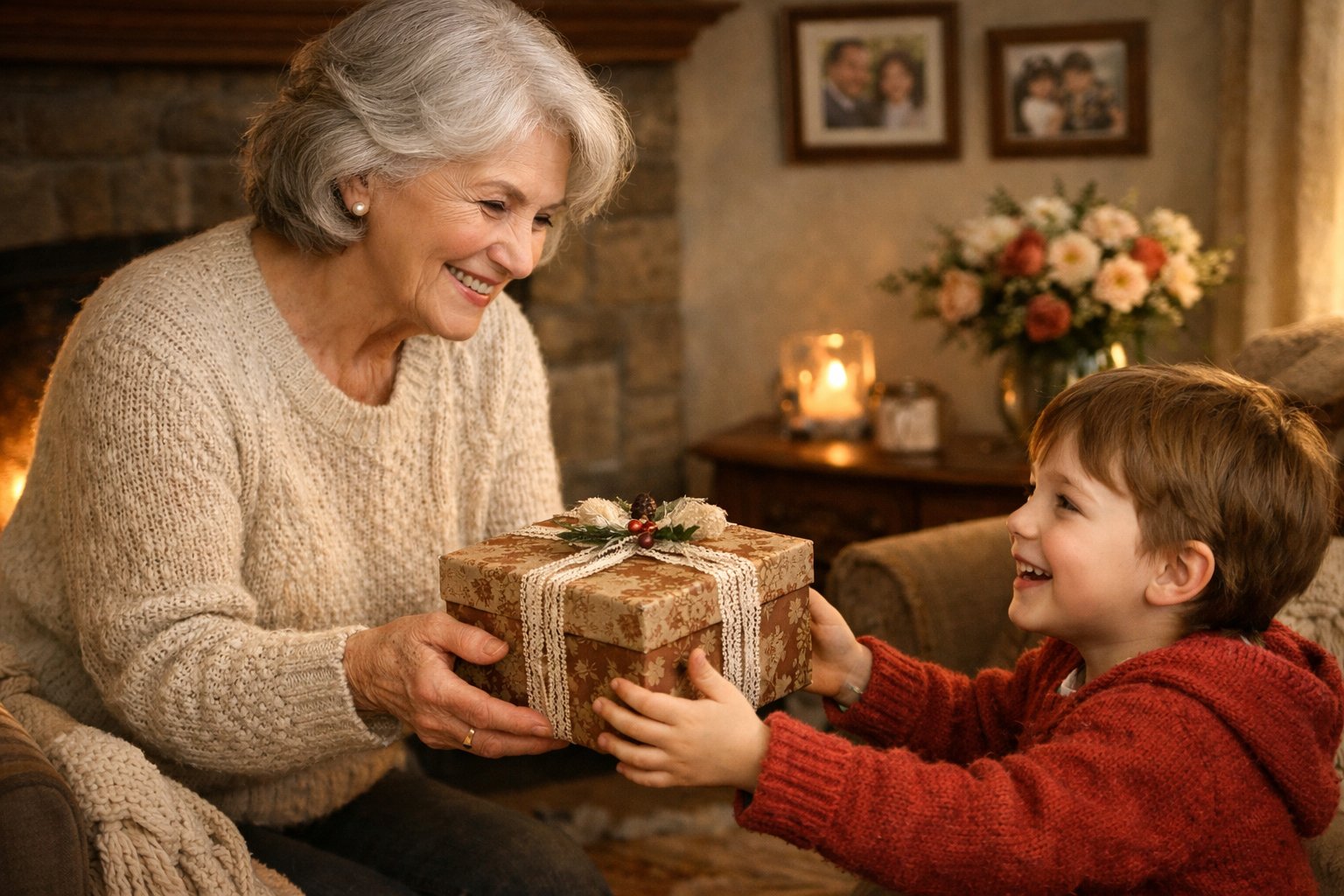
Grandparents give gifts primarily as a tangible expression of love, a way to build lasting bonds, and a means to create cherished memories that connect generations. Unlike parents who balance gifts with discipline and daily responsibilities, grandmothers offer presents from a place of pure affection. They have the freedom to focus solely on joy and connection without the practical concerns of everyday parenting.
The difference shows up in how these gifts make people feel years later. A grandmother's gift often reflects deep attention to who the recipient truly is. She notices interests and remembers small details that others might overlook. Whether it's a personalized keepsake from Zazzle or a thoughtful book from Amazon, the thought behind it transforms an ordinary item into something meaningful. Many people treasure these items long into adulthood because they represent more than just objects. They carry stories, family history, and the specific kind of love that only a grandmother provides.
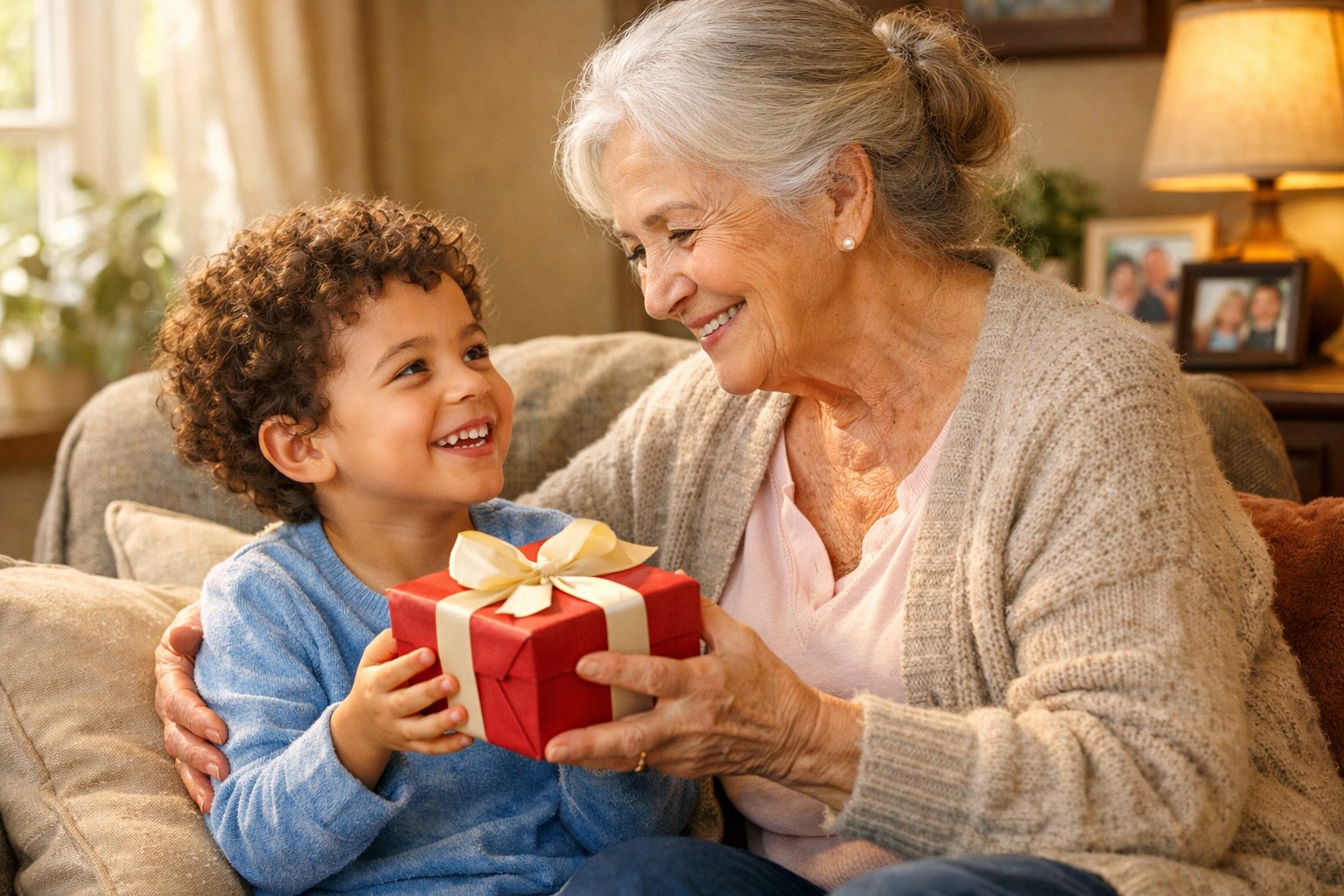
Grandmothers share a connection with their grandchildren that differs from other family relationships. This bond shapes how children receive and remember gifts, creating emotional meaning that extends far beyond the physical item.
Grandmothers serve as living bridges between past and present. They carry family stories, traditions, and values that span decades. When a grandmother gives a gift, she often includes pieces of family history.
A grandmother might pass down a recipe box with handwritten cards. She could share jewelry that belonged to her own mother. These items connect grandchildren to relatives they never met.
Research from Emory University suggests that the bond grandmothers share with grandchildren is distinct and in some ways deeper than with their adult children. This creates a unique space for passing down family legacy.
Gift-giving becomes a way to preserve cultural practices. A grandmother teaching her grandchild to make traditional foods while using special kitchen tools turns those items into treasured keepsakes. The gifts carry memories of time spent together and lessons learned.
Grandmothers often love without the daily pressures of parenting. They don't handle discipline or manage schedules in the same way parents do. This freedom allows for pure affection.
The emotional connection between grandparents and grandchildren supports well-being and social development. Grandmothers express this love through thoughtful gift selection. They notice what grandchildren enjoy and remember small details.
A grandmother might recall an offhand comment about dinosaurs from months ago. She then finds the perfect dinosaur book on Amazon for a birthday gift. This attention shows grandchildren they are seen and valued.
The gifts themselves become symbols of steady, reliable love. Unlike peer relationships that shift or romantic love that develops later, grandmother love remains constant throughout childhood.
Grandmothers typically focus on comfort and care. They bake favorite treats, create cozy spaces, and prioritize their grandchildren's happiness. Their role in modern families often includes significant time investment and emotional support.
Gifts for grandchildren reflect this nurturing instinct. A grandmother might give soft blankets, special stuffed animals, or items that provide comfort. She chooses personalized gifts from Zazzle that show individual attention to each grandchild.
This nurturing extends beyond physical items. Grandmothers give experiences like special cooking sessions or garden projects. They create safe spaces where grandchildren can be themselves without judgment.
The nurturing quality makes gifts from grandma feel like warm hugs in physical form. Children associate these presents with safety, acceptance, and unconditional care.
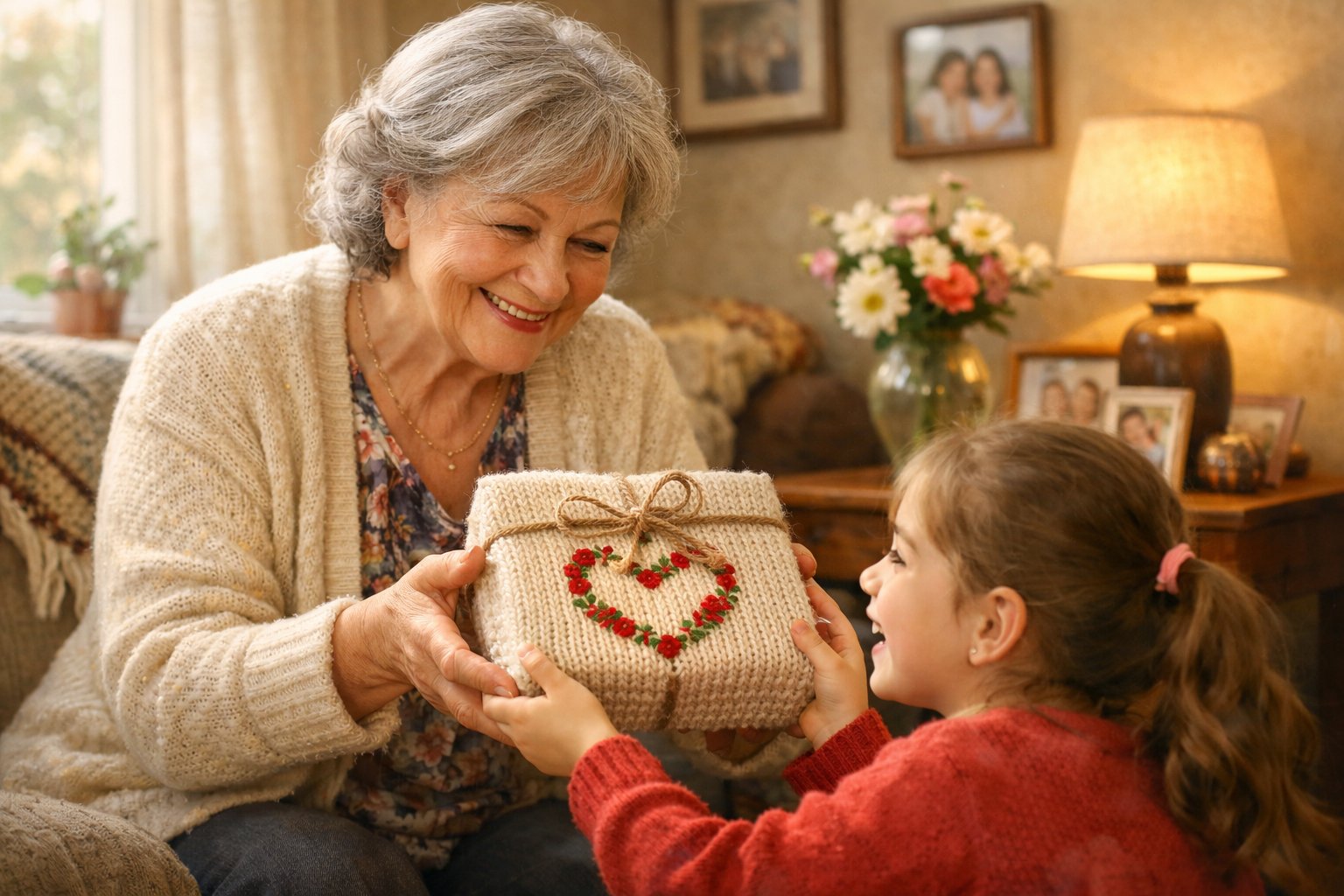
Grandmothers bring a unique approach to gift-giving that combines deep personal knowledge with careful attention to individual preferences. Their gifts often carry emotional weight because they reflect years of observation and genuine care for who their grandchildren truly are.
Grandmothers excel at giving thoughtful gifts because they pay attention to the small details others might miss. She remembers which books her grandchild loved as a toddler or what hobbies they mentioned months ago in passing.
This deep understanding comes from years of watching her grandchildren grow. She notices when a grandson starts collecting vintage records or when a granddaughter develops an interest in gardening. These observations turn into gifts that feel perfectly suited to the recipient.
The effort behind these selections matters more than the price tag. A grandmother might spend weeks searching for a specific item or carefully choosing colors that match her grandchild's taste. This intentionality creates meaningful connections that generic gifts cannot replicate.
Many grandmothers create handmade gifts that carry emotional significance beyond store-bought items. A knitted sweater or quilted blanket represents hours of work done with love. Each stitch holds intention and care.
Research shows that personalized gifts trigger deeper emotional responses than generic ones. When grandmothers add names, dates, or special messages to gifts, they create memory anchors. A photo album filled with family pictures or a recipe book with handwritten notes becomes irreplaceable.
These customized items from To My Grandmother collections and similar offerings show how personalization adds meaning. The extra effort signals thoughtfulness and strengthens family bonds in ways mass-produced items cannot match.
Grandmothers often use gifts to share family heritage and values. She might give her grandmother's jewelry box or pass down holiday decorations used for decades. These items carry stories that connect generations.
Traditional gifts serve as teaching tools. A cookbook with great-grandmother's recipes preserves culinary history. Vintage photo frames or personalized keepsakes help younger family members understand their roots. Each item becomes a conversation starter about family history.
Some grandmothers create new traditions through their gift-giving. They might start giving books on birthdays or custom ornaments each Christmas. These patterns become cherished rituals that grandchildren continue with their own families.
When a grandchild opens a gift from grandma, specific brain chemicals activate and create powerful emotional responses. These biological reactions combine with deep feelings of nostalgia to make grandma's gifts uniquely meaningful.
Giving and receiving gifts activate brain regions associated with reward and pleasure. The brain releases dopamine, a neurotransmitter that creates feelings of happiness and satisfaction.
Grandma's gifts trigger an extra layer of emotional response. The child's brain releases both dopamine and oxytocin when receiving something from a beloved grandparent. Oxytocin strengthens emotional bonds between people and increases feelings of trust and connection.
These two chemicals work together to create a powerful positive experience. The dopamine makes the moment feel rewarding. The oxytocin deepens the emotional attachment to grandma.
A handmade blanket from grandma or personalized gifts from Zazzle that grandma carefully selected can trigger this chemical response. The gift becomes more than an object. It represents love, security, and family connection that the brain processes as deeply meaningful.
The warm glow of giving creates lasting positive feelings that extend to the recipient. When grandma gives a gift, her act of kindness generates emotions that the grandchild can sense and absorb.
Gifts from grandma often carry memories of previous visits, special moments, and childhood experiences. A cookbook might remind someone of baking cookies together. A book from Amazon could recall story time before bed.
These nostalgic connections make each gift feel more personal. The grandchild doesn't just receive an item. They receive a physical reminder of their relationship with grandma and all the positive experiences they've shared.
Acts of kindness strengthen relationships and create emotional bonds that last beyond the gift-giving moment. This effect becomes stronger when the giver is someone who has provided care and love throughout the recipient's life.
Grandmothers create lasting impressions through gifts that become anchored to specific moments and emotions in childhood. These thoughtful gifts often carry more psychological weight than presents from others because they connect to deeper family bonds and traditions.
A grandmother's presents become part of a child's core memory collection in ways that other gifts rarely achieve. Research shows that the act of giving activates specific brain responses that create emotional connections between giver and receiver.
When grandmothers give gifts, children often associate these items with feelings of safety and unconditional love. A simple stuffed animal from grandma might sit on a bed for years, while similar toys from others get donated or forgotten. The difference lies in the emotional investment children attach to items from their grandmother.
These meaningful gifts often become what psychologists call "memory anchors." A child might remember not just the gift itself but the way grandma wrapped it, the occasion when it was given, or the story she told while presenting it. Physical objects from grandmothers can trigger vivid memories decades later because they carry multiple layers of emotional significance.
Grandmothers often excel at giving presents that seem modest but create outsized emotional impact. A handwritten note, a special coin, or a homemade bookmark might not cost much, but these thoughtful gifts demonstrate personal attention that children remember into adulthood.
Small moments that don't seem special at the time often become the memories that people treasure most. A grandmother who gives the same type of candy each visit or always has a small wrapped present waiting creates patterns that children internalize as expressions of consistent love.
The repetition matters as much as the gift itself. When grandmothers establish traditions around gift-giving, children develop expectations that become part of their family identity. These repeated gestures build a foundation of security that shapes how people view relationships throughout their lives.
Grandmothers often excel at blending physical presents with meaningful gestures, creating a gift-giving approach that goes beyond what money can buy. The combination of tangible items and invested time creates memories that last far longer than the gifts themselves.
Experiential gifts create stronger emotional connections than physical items alone. When grandmothers spend time baking cookies with grandchildren or teaching them to knit, they create shared moments that become treasured memories. These experiences matter more than the finished product.
Acts of kindness like reading bedtime stories or attending school events require no money but offer immense value. A grandmother who volunteers her time to help with homework demonstrates care in ways a store-bought gift cannot match. Sharing interests and experiences builds deeper bonds between generations.
Planning activities for special occasions strengthens relationships through quality time. Whether it's a simple walk in the park or an elaborate birthday celebration, the presence and attention matter most. These moments become the stories families tell for years.
Material gifts serve as physical reminders of love, but their value depends on the thought behind them. A hand-knit sweater from grandma carries more weight than an expensive jacket from a department store. The hours spent creating something unique add layers of meaning that purchased items rarely achieve.
Gifts carry different levels of significance:
Research shows that kindness and emotional availability often outweigh material generosity. A grandmother's consistent support and willingness to listen matters more than holiday presents. The emotional investment behind each gesture transforms ordinary objects into treasured keepsakes that grandchildren hold onto for decades.
Grandmothers excel at meaningful gift-giving because they prioritize understanding what truly matters to each recipient and invest genuine effort into selecting presents. These two elements transform ordinary items into cherished keepsakes.
Grandmothers pay close attention to the specific likes, needs, and interests of each grandchild. They remember offhand comments about a favorite color or hobby mentioned months earlier. This attention to detail shows they've been listening and thinking about the person throughout the year.
A grandmother might notice her grandson collects vintage postcards and spend weeks searching antique shops for rare additions. She could observe her granddaughter's love for a particular book series and create a personalized reading journal to match. These choices reflect deep knowledge of individual personalities rather than generic preferences.
Key indicators of personalized gifts include:
Research shows that thoughtful gifts reflect emotional insight and demonstrate that someone has paid attention to preferences and values.
The time and care invested in selecting a gift matters more than its price tag. Grandmothers often hand-knit blankets, compile photo albums, or bake special treats using family recipes. These items require hours of work but cost little money.
A grandmother might spend evenings creating a custom photo book filled with family memories or carefully restore a toy from a parent's childhood. She could research the perfect gardening tools for a grandchild starting their first vegetable patch. The investment of time signals genuine care and consideration.
The emotional value of effort-based gifts:
Studies confirm that the value of a gift lies in its meaning, not its price, and a handwritten note or shared experience often proves more impactful than expensive purchases.
Grandmothers pass down more than physical items when they give gifts. They share stories, traditions, and cultural practices that shape how families understand their roots and identity.
When grandmothers choose gifts, they often select items that reflect important family values and life lessons. A grandmother might give her grandchild a recipe box filled with handwritten cards, teaching the value of home cooking and family meals. She might choose gifts that embody cultural heritage, like traditional clothing or crafts from her homeland.
These presents teach through example rather than lectures. A hand-stitched apron shows the importance of taking time to create something with care. A vintage watch passed down reminds grandchildren about respecting time and being punctual.
Common values transmitted through grandma's gifts include:
A personalized quilt with embroidered family members' names becomes more than bedding. It represents the interconnectedness of generations and the warmth of family bonds.
Every family has specific gift-giving customs that make their traditions distinct. Some grandmothers always give gold jewelry on birthdays. Others create photo albums documenting each year of a grandchild's life.
These family heirlooms and heritage gifts carry stories that explain where a family comes from. A grandmother who brings back items from her travels shares pieces of different cultures with her grandchildren. Whether it's a hand-knit sweater from Peru or a beaded bracelet from Kenya, these items spark conversations about family history.
Some grandmothers maintain yearly traditions of creating handmade items like blankets or dolls. Others preserve recipes or collect coins from birth years. The specific custom matters less than its consistency across years, which creates anticipation and strengthens family identity through repeated meaningful gifts.
Modern grandparents face new expectations around purchasing gifts for grandchildren, as today's parents often prefer fewer material possessions and more intentional choices. The shift toward mindful consumption has changed how families approach special occasions and celebrations.
Shopping has become easier than ever before, with online retailers and constant sales making it simple to accumulate too many items. Grandparents can quickly go overboard when buying presents, especially with affordable options available at every turn.
Many families now live in smaller homes with limited storage space. Parents dealing with clutter may feel overwhelmed when grandparents arrive with multiple gifts at once.
Key considerations for thoughtful gift-giving include:
The goal isn't to stop expressing love through gifts for grandchildren. It's about channeling generosity in ways that truly support families rather than creating stress or waste.
Parents today make deliberate choices about what enters their homes. Some avoid plastic toys, while others focus on educational value or sustainability. Parents embracing minimalism teach their children about consuming less and valuing experiences over possessions.
A gift truly given belongs entirely to the recipient. Parents decide where items are kept, whether they're returned, or if they're passed along to others. Grandparents shouldn't request photos of grandchildren using specific gifts or check whether presents are being used properly.
When parents mention feeling overwhelmed by toys or joke about the number of presents, they're often hinting at a need for change. Having an open conversation about gift-giving expectations prevents misunderstandings and hurt feelings. Respecting these boundaries strengthens family relationships rather than straining them.
Grandmothers approach gift giving with distinct emotional motivations rooted in unconditional love and generational wisdom. Their presents carry the weight of shared memories and family history that make each item feel deeply personal.
Grandmothers give gifts from a place of pure affection without expectation of reciprocity. Unlike other gift exchanges that might carry social obligations or expectations, a grandmother's motivation stems from wanting to nurture and show love.
Research shows that gifts hold deep symbolic and emotional significance, serving as tools for connection. When grandmothers select presents, they often prioritize comfort, practicality, and emotional value over trends or price tags. A hand-knitted blanket or a carefully chosen book reflects hours of thought about what would truly benefit the recipient.
Their gifts often include small, unexpected touches that reveal careful attention. These might be extra supplies tucked into a care package or treats from childhood favorites. This level of consideration demonstrates that meaningful gift-giving goes beyond the main item to encompass the entire experience of receiving it.
Grandmothers draw from decades of family knowledge when selecting presents. They remember favorite colors from toddler years, interests that sparked during childhood visits, and stories passed through generations.
A picnic basket thoughtfully packed with every detail becomes more than just items—it represents understanding gained through years of relationship. These gifts reference inside jokes, family traditions, and milestone moments that outsiders wouldn't know. A grandmother might gift recipe cards with handwritten notes or photo albums documenting growth over time.
This personal history transforms ordinary objects into treasured keepsakes. When celebrating milestone birthdays like turning sixty, grandmothers often incorporate elements that honor the recipient's entire life journey. Even simple presents carry layers of meaning because they're chosen by someone who witnessed the recipient's story unfold from the very beginning.
The tradition of gift-giving between grandmothers and grandchildren deserves recognition and celebration. These gifts carry meaning that goes beyond their physical form.
Families can honor this special bond by continuing meaningful gift traditions that grandmothers started. When a grandmother passes down a personalized gift, she shares part of her story and values with the next generation.
Ways to Honor Grandmother Gift Traditions:
Grandchildren can show appreciation by treasuring these gifts and understanding their significance. A simple necklace or quilt becomes more valuable when someone knows the love and thought behind it.
Creating personalized gifts for grandmothers also strengthens this bond. Items from Zazzle or Amazon can be customized to reflect shared memories and inside jokes.
The act of giving and receiving gifts between grandmothers and grandchildren builds lasting emotional connections. Each present represents love, wisdom, and the unique relationship they share. These traditions remind families that the most meaningful gifts come from the heart, not from a price tag.
Grandparent gifts carry unique emotional weight and raise practical questions about traditions, expectations, and family dynamics. Understanding these aspects helps families navigate gift-giving while preserving meaningful connections across generations.
Gifts from grandparents activate deep emotional responses tied to family history and unconditional love. When a child receives a present from a grandparent, it triggers feelings of being valued and remembered by someone who represents family continuity.
The emotional significance of grandparent gifts extends beyond the moment of opening. These items often become comfort objects that children associate with security and belonging. A stuffed animal from grandma or a book from grandpa can serve as a physical reminder of that relationship during times when grandparents aren't present.
The act of receiving also teaches children about generational bonds and family values. Through gifts, children learn that they are part of something larger than their immediate household. This understanding shapes their sense of identity and place within the family structure.
Research shows that gifts from grandparents create lasting positive associations. Children often keep these items well into adulthood, even when the practical use has passed. The emotional attachment transforms an ordinary object into a treasured keepsake.
Gift-giving creates shared experiences that strengthen the relationship between grandparents and grandchildren. Each present becomes a conversation starter and a memory anchor. When grandparents choose gifts that align with a child's interests, it demonstrates active attention and genuine understanding.
Thoughtful gift-giving practices help grandparents stay connected to their grandchildren's evolving world. A gift related to a current hobby or passion shows that the grandparent is paying attention. This recognition makes children feel seen and valued in specific ways.
The tradition of giving also provides regular touchpoints for interaction. Birthday gifts, holiday presents, and "just because" surprises create opportunities for communication and visits. These moments build a pattern of positive association between grandchildren and their grandparents.
Physical gifts often lead to shared activities that deepen bonds. A board game becomes a reason to spend an afternoon together. Art supplies from Amazon https://www.amazon.com/s?k=art+supplies+for+kids?tag=kjtunsazn25-20 can spark collaborative creative projects. These interactions matter more than the gifts themselves.
Modern etiquette emphasizes communication between grandparents and parents before major gift purchases. A quick conversation helps ensure that gifts align with household rules and values. This collaborative approach prevents misunderstandings and shows respect for parenting decisions.
Balancing generosity with mindfulness has become a key principle in contemporary gift-giving. Grandparents should consider the family's space constraints, dietary preferences, and screen time policies. Asking parents for wish lists or needs prevents duplicate items and reduces clutter.
The current standard suggests that grandparents focus on quality over quantity. Fewer meaningful gifts throughout the year often create more positive impact than constant presents. This approach helps children develop gratitude and prevents the expectation that every visit comes with a gift.
Etiquette experts now recommend that grandparents consider experience gifts or contributions to savings accounts. These options provide value without adding physical items to an already full home. A museum membership or music lessons can create lasting memories and skills.
Birthdays and major holidays remain the most common occasions for grandparent gifts. Christmas, Hanukkah, and other religious or cultural celebrations naturally include gift exchanges. These predictable moments help grandchildren anticipate and appreciate the tradition.
Educational milestones provide meaningful gift-giving opportunities. First day of kindergarten, middle school graduation, and high school completion mark significant transitions. Grandparents often mark these moments with gifts that acknowledge growing maturity and independence.
Religious ceremonies like baptisms, first communions, bar mitzvahs, and confirmations traditionally involve grandparent gifts. These presents often have symbolic or spiritual significance. Jewelry, religious texts, or monetary contributions for future education are common choices.
Life achievements beyond academics also prompt gifts from grandparents. Getting a driver's license, winning a sports championship, or performing in a school play might inspire recognition. These spontaneous gifts celebrate specific accomplishments and show that grandparents are engaged in daily life.
Some grandparents establish unique family traditions around gift-giving. "Just because" visits, seasonal outings, or monthly care packages create their own special rhythms. These personal traditions can become as meaningful as conventional holiday gift-giving.
Expectations around grandparent gifts vary widely based on family culture, financial situations, and geographic proximity. Families with close relationships might exchange smaller, more frequent gifts. Those separated by distance often compensate with larger presents during visits.
Financial considerations should guide gift-giving without causing stress. Grandparents should never strain their budgets to meet perceived expectations. The thought behind a gift matters far more than its monetary value to most families.
Parents generally prefer that grandparents limit gifts to special occasions rather than every visit. Constant presents can create entitlement and reduce the specialness of receiving gifts. A predictable pattern helps children understand that gifts are treats, not rights.
The number of grandchildren also influences expectations. Grandparents with many grandchildren might give more modest individual gifts than those with fewer. Fair treatment among siblings matters more than the size of any single present.
Custom items from Zazzle https://www.zazzle.com/custom/gifts?rf=238275180210718222 allow grandparents to create personalized presents that feel special without excessive spending. These thoughtful touches often mean more than expensive store-bought alternatives.
The grandmother effect refers to the unique evolutionary and social role grandmothers play in family structures. Grandmothers often invest more time and resources in grandchildren than grandfathers do. This pattern appears across many cultures and influences gift selection.
Grandmothers typically choose gifts that nurture emotional connections and practical skills. Handmade items like quilts, knitted clothing, or photo albums appear more frequently from grandmothers. These creations carry personal investment that goes beyond purchased items.
Research suggests