
Your Cart is Empty
Gifts from grandmothers hold a special place in people's hearts that ordinary presents rarely achieve. These items carry more than just material value—they represent love, family history, and a connection that spans generations.
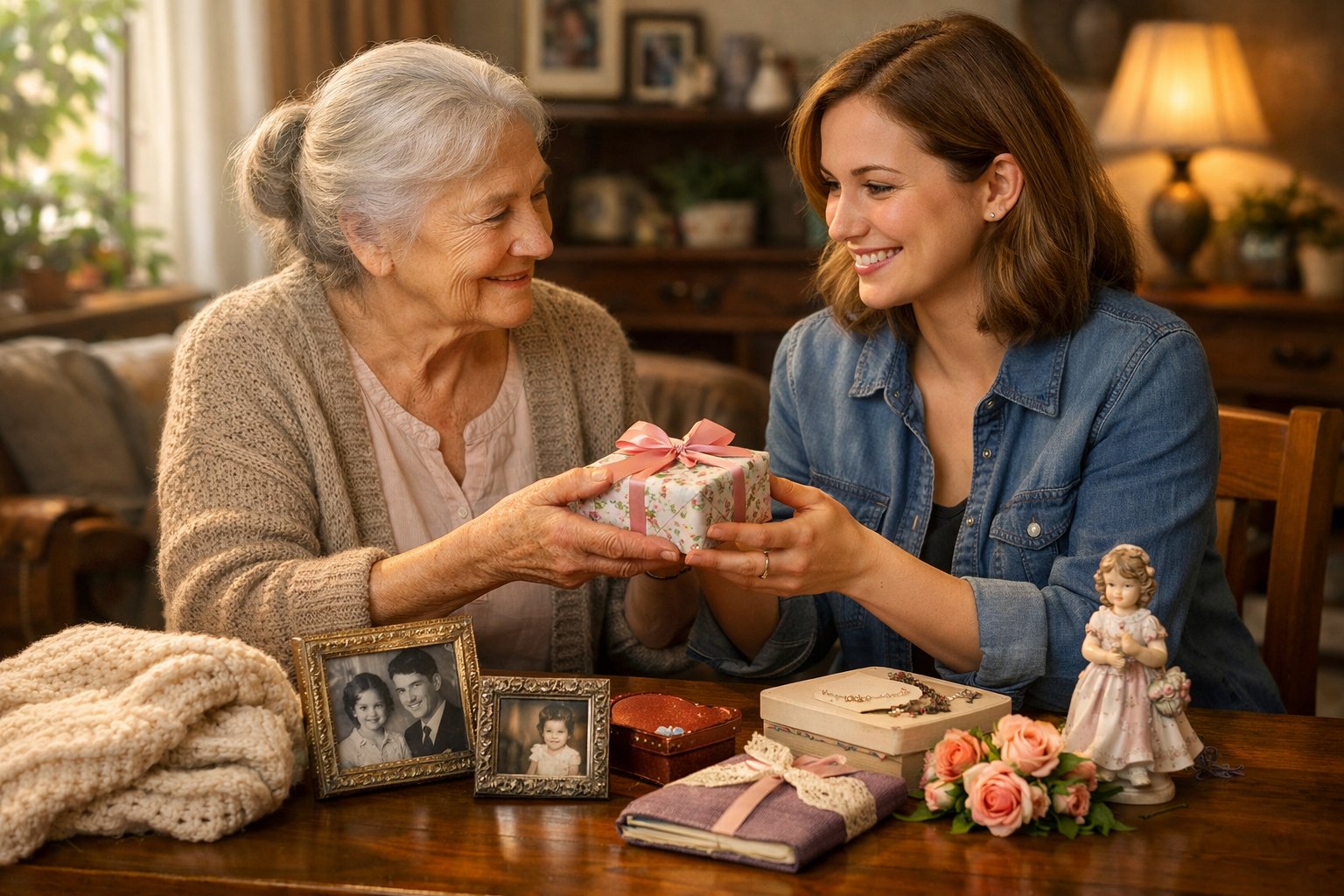
Sentimental gifts from grandma stay long after the moment because they combine emotional attachment, personal meaning, and tangible reminders of an irreplaceable relationship that shapes identity and family bonds. Understanding sentimental attachments helps explain why people hold onto these items even when they don't use them regularly. Whether it's a handmade quilt, a piece of jewelry, or a simple handwritten note, these gifts become keepsakes that hold emotional value across generations.
The bond between grandparents and grandchildren creates a unique space for meaningful gifts that create lasting memories. Many people discover they cherish thoughtful gifts from their grandmothers more than expensive items from others. For those looking to give similar meaningful presents, consider personalized keepsake boxes from Amazon or custom photo gifts from Zazzle that carry on this tradition.
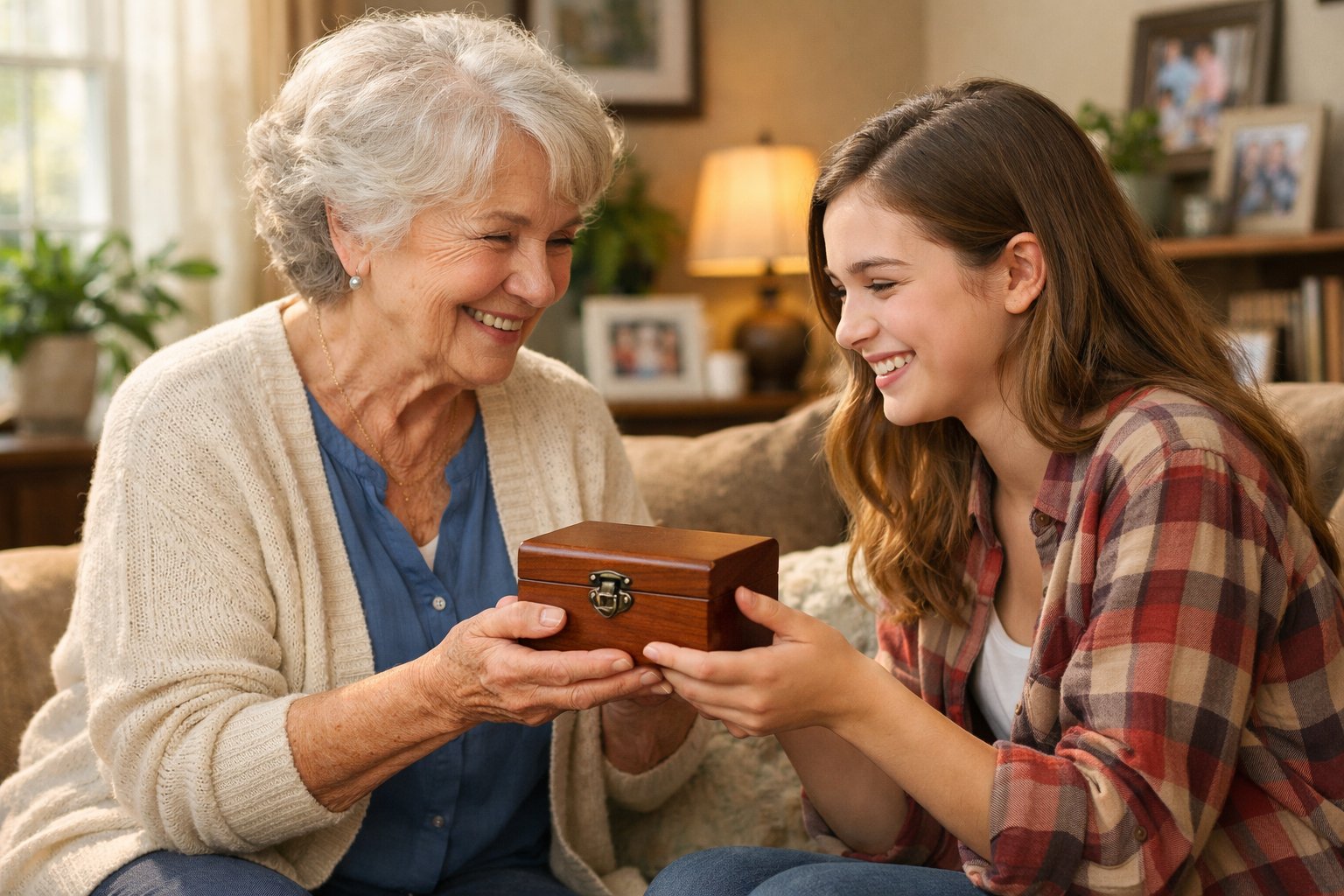
Grandmothers possess a special ability to choose gifts that carry deep emotional weight and create lasting memories. These presents connect family members across time through objects that hold personal meaning and shared history.
Sentimental gifts from grandmothers create bridges between different generations in ways that ordinary presents cannot match. A grandmother's gift often carries stories from her own childhood or represents values she wants to pass down. These items become physical reminders of family heritage.
When a grandmother gives jewelry for mom or other keepsakes, she transfers more than just an object. She shares her life experiences and wisdom. The gift becomes a tangible connection to family roots.
Memorable gifts from grandmothers often include handwritten notes or verbal stories that explain their significance. A grandmother might give a piece of her own jewelry with an explanation of who gave it to her decades ago. She might gift a recipe book filled with dishes she learned from her own mother.
These exchanges strengthen family bonds in practical ways. Grandchildren learn about their ancestors through these sentimental keepsakes. They understand where they come from and what values matter to their family.
Grandmothers select gifts with careful thought about what each grandchild needs at specific life moments. Unlike generic presents, these items reflect deep knowledge of individual personalities and circumstances. A grandmother notices details others might miss.
The sentimentality behind these gifts stems from unconditional love combined with life experience. Grandmothers have watched multiple generations grow. They understand which moments deserve recognition and what objects will bring comfort during difficult times.
Many grandmothers choose personalized keepsakes that reference shared memories or inside jokes. They might give blankets embroidered with meaningful dates or photo albums documenting family milestones. These choices show active attention to relationships.
The power of these gifts grows stronger over time rather than fading. A simple locket or handwritten letter becomes more precious as years pass. Recipients find themselves returning to these items during major life transitions or when they need emotional support.
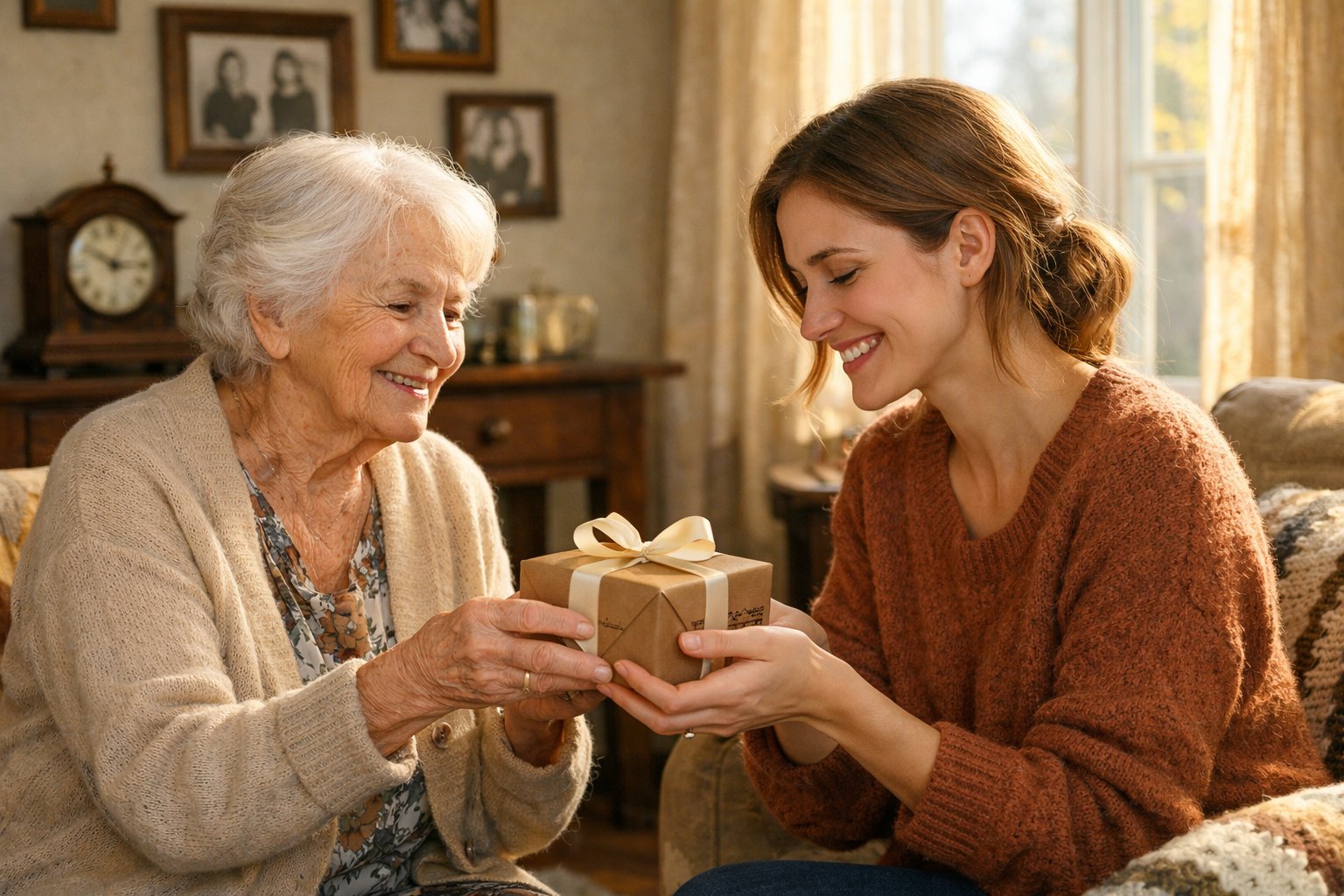
Gifts from grandparents become more than simple objects because they carry emotional weight and personal history. These items act as physical connections to loved ones and mark important moments in life.
Sentimental objects become vessels for memories and emotional bonds between people. When a grandmother gives a gift, it represents her affection and care in a form that can be held and seen every day. The psychology of gift-keeping reveals that these items serve as emotional anchors during difficult times.
A hand-knitted blanket or piece of jewelry doesn't just sit on a shelf. It provides comfort when the giver can no longer be present. The physical presence of these gifts creates a sense of security and continuity as life changes around us.
People often find themselves reaching for these items during moments of stress or sadness. The simple act of touching or looking at a gift from grandma can bring immediate comfort. This explains why sentimental value often overshadows practical utility when deciding what to keep or discard.
Items like personalized photo frames or custom keepsake boxes often become treasured possessions that recipients keep for decades.
Gifts mark specific points in personal history and help people remember who they were at different stages. A graduation watch or birthday charm bracelet captures a moment in time that might otherwise fade from memory. These objects tell stories about relationships and growth.
Nostalgia plays a powerful role in why people hold onto these items for years. Holding an item with sentimental value creates a time travel effect that brings back positive emotions from the past. The worn teddy bear or faded recipe card becomes a doorway to cherished memories.
Sentimentality connects people to their personal narrative. Each gift adds another chapter to the story of who they are and where they came from. A grandmother's gifts often represent family traditions and values passed down through generations.
These possessions help maintain identity during transitions. Moving to a new city or starting a new job becomes easier when surrounded by familiar objects that ground someone in their history.
When someone receives a gift, especially from a loved one like a grandmother, brain chemistry and social pressure work together to make letting go difficult. The psychology of gift-keeping involves both emotional rewards in the brain and feelings of duty toward the giver.
People value items more highly once they own them. This is called the endowment effect, and it becomes even stronger with gifts.
When someone receives a present, their brain releases dopamine and oxytocin. These chemicals create positive feelings tied to the object itself. Oxytocin particularly strengthens emotional bonds between people, making the gift feel like an extension of the relationship.
Sentimental objects act as emotional anchors that connect people to specific moments and relationships. A sweater from grandma isn't just clothing. It becomes a physical reminder of her love and presence. The brain treats these items as vessels for memories and a sense of self.
This effect explains why people often assign higher monetary and emotional value to gifts than to identical items they might purchase themselves. The act of receiving triggers a psychological ownership that goes beyond simple possession.
Social rules about gratitude make keeping unused gifts common. People worry that getting rid of a gift dishonors the giver or the relationship.
This guilt becomes stronger with gifts from family members, particularly grandparents. Throwing away or donating grandma's gift can feel like rejecting her thoughtfulness. Many people keep items they never use simply to avoid the emotional discomfort of letting go.
The psychology behind this involves learned social behavior. From childhood, people learn that keeping gifts shows respect and appreciation. Breaking this rule, even in private, creates internal conflict. Gift attachment connects to deeper feelings about maintaining relationships and meeting expectations.
Some people display unwanted gifts when the giver visits, which adds another layer of obligation. The fear of being caught without the item reinforces the cycle of holding onto possessions that no longer serve a purpose. Consider displaying cherished photos in custom frames from Zazzle or organizing sentimental items with storage solutions from Amazon to honor gifts while managing space.
When grandma gives a gift with thought and care, specific chemicals activate in the brain that cement those moments into long-term memory. The combination of dopamine and oxytocin creates a powerful emotional imprint that keeps certain presents alive in our minds for decades.
Research shows that the act of giving actually makes us feel better through chemical responses in the brain. When someone receives a meaningful gift, dopamine floods the brain's reward centers. This chemical creates feelings of pleasure and reinforces positive memories.
Oxytocin plays an equally important role. Studies indicate that giving and receiving may be pretty on par when it comes to brain activity. When a gift comes from someone who cares deeply, oxytocin releases and strengthens emotional bonds between the giver and receiver.
The brain stores these chemically-enhanced moments differently than everyday experiences. Items like a handmade quilt or a vintage locket trigger both dopamine from the pleasant surprise and oxytocin from the emotional connection. This dual activation explains why a simple $10 present from grandma often means more than expensive electronics from other relatives.
The brain prioritizes memories that carry emotional weight. Thoughtful gifts stay in our memory because they demonstrate that someone truly understood the recipient's needs or desires.
Personalized touches activate multiple brain regions at once. A gift that reflects shared experiences or inside jokes engages the hippocampus, which processes memory formation. When grandma adds a handwritten note or chooses something connected to family history, she creates what psychologists call "peak moments."
These moments stick because they combine sensory details with emotional significance. The texture of hand-knitted yarn, the scent of grandma's perfume on a scarf, or the sight of her handwriting on a card all become memory anchors. Brain scans reveal that recalling these meaningful experiences activates the same neural pathways as the original event.
Gift-givers who observe what matters to their loved ones create stronger memory formation. This explains why simple gestures during Mother's Day or birthdays often outlast flashier presents. The brain values intention over price tags when building lasting emotional memories.
Grandma's gifts carry emotional weight that extends far beyond their physical form. These presents tap into powerful feelings of nostalgia and create lasting bonds through memories attached to specific moments in time.
Nostalgia serves as a highly social emotion that connects people across time and space. When someone receives a gift from their grandmother, the object becomes more than just a physical item. It transforms into a vessel for specific memories, conversations, and shared experiences.
The scent of a perfume bottle or the texture of a handmade quilt can instantly transport recipients back to their grandmother's kitchen or living room. These sensory triggers create sentimental longing for the past that strengthens emotional bonds. A simple picnic basket filled with thoughtful items becomes a cherished memory of care and attention.
Recipients often find themselves reaching for these gifts during challenging times. The act of holding or using grandmother's presents provides comfort through the remembered feeling of her presence and love.
Sentimental objects act as emotional anchors during periods of change or stress. Grandma's gifts offer stability when life feels uncertain. A piece of jewelry or a handwritten recipe card becomes a tangible reminder of family history and personal identity.
These keepsakes create a sense of continuity across different life stages. They tell stories about where someone came from and what values matter most to their family. The emotional resonance extends beyond the moment of receiving the gift.
People often keep these items for decades because they represent irreplaceable connections. A vintage photo frame or decorative plate isn't valuable for its monetary worth. Its significance lies in the memories it holds and the love it represents from someone who may no longer be present.
Grandmothers often give gifts that require special care to last through generations. Physical keepsakes like quilts and boxes need proper storage methods to protect them from damage while keeping memories intact.
A keepsake box serves as a dedicated space to store small sentimental items that might otherwise get lost or damaged. These boxes protect letters, jewelry, photos, and other treasures from dust, moisture, and handling wear.
Quilt-top keepsake boxes combine craftsmanship with function through geometric wood patterns that mirror traditional quilt designs. The boxes create organized storage while displaying handmade artistry. People can label containers clearly to identify contents without opening them repeatedly.
Storage location matters as much as the container itself. Keepsake boxes should stay in cool, dry places away from direct sunlight and extreme temperature changes. Basements and attics often have humidity problems that can damage delicate items. A bedroom closet or interior shelf typically provides better conditions.
For added protection, wrapping individual items in acid-free tissue paper prevents moisture buildup and chemical reactions. Check stored items once or twice per year to catch any early signs of damage. Quality storage containers made from acid-free materials help preserve gifts for decades.
Memory quilts transform clothing and fabric from special occasions into functional art pieces. These quilts repurpose baby clothes, t-shirts, or fabric scraps into blankets that tell a family story through each square.
Creating memory quilts requires careful planning to preserve the most meaningful parts of each garment. Quilters cut around logos, embroidery, or special patterns that hold significance. The pieces get arranged into designs that balance colors and textures while maintaining structural integrity.
Proper quilt storage prevents permanent damage from folding, sunlight, and pests. Quilts should fold along seam lines with acid-free tissue paper padding the creases. Some people roll quilts instead to avoid fold marks entirely. The storage area needs stable temperatures between 65-70°F and humidity around 50%.
Beyond quilts, families can repurpose gifts into shadow boxes, fabric-covered journals, or photo displays. These projects give sentimental items new purposes while keeping them visible. Custom keepsake items can incorporate photos, quotes, or designs that honor the original gift-giver.
Custom items with a grandchild's name or handcrafted treasures carry emotional weight that mass-produced gifts cannot match. These thoughtful choices demonstrate effort and attention to detail that grandchildren recognize and remember.
Personalized gifts create lasting connections because they reflect a child's unique identity. When a grandmother gives a gift with a grandchild's name engraved or embroidered on it, the child feels seen and valued in a specific way.
Research shows that over 60 percent of people cherish gifts for their emotional meaning rather than their price. A custom notebook, a photo-printed item, or dangle name pendants become treasured keepsakes that children keep for years.
These memorable gifts work because they communicate understanding. A grandmother who chooses a personalized item shows she knows her grandchild's interests, personality, and preferences. The gift becomes a physical reminder of that special relationship every time the child sees or uses it.
Handmade gifts carry more meaning than store-bought items because they require time, skill, and personal investment. A knitted blanket or hand-sewn toy from grandmother represents hours of work done specifically for that grandchild.
The imperfections in handcrafted items add to their charm. A slightly uneven stitch or unique color choice makes each piece one-of-a-kind, impossible to replicate or replace.
Children understand effort, even at young ages. They recognize when someone has made something with their own hands rather than simply purchasing it. This recognition creates gratitude and appreciation that lasts well into adulthood, making these gifts particularly powerful memory anchors.
Old presents from grandma often pile up because of emotional ties and guilt, but there are practical ways to honor the giver while creating space through thoughtful repurposing or passing items along.
People hold onto unused gifts for several psychological reasons that go beyond the physical item itself. The most common factor is guilt—throwing away something a loved one gave creates feelings of being ungrateful or disrespectful. This guilt becomes even stronger when the gift came from a grandparent.
Emotional bonds formed with gifts create powerful attachments that turn ordinary objects into treasures. The vase sitting in the attic represents more than ceramic and paint. It represents the relationship, the moment of giving, and the love behind the gesture.
Fear also plays a major role in keeping unused gifts. Many worry about offending the gift giver if they discover the present is gone. There's also the "what if I need it later" mentality that convinces people to keep items far beyond their usefulness.
Social pressure adds another layer. Society teaches that maintaining gifts shows respect for relationships and demonstrates proper etiquette.
Repurposing sentimental items allows people to preserve connections while making items more useful. An old quilt can become decorative pillows. Vintage jewelry might transform into a shadow box display. Tea cups could turn into planters for small succulents on Amazon.
Donation provides another respectful option. Local charities, nursing homes, and thrift stores give unused gifts new life with people who need them. This approach transforms guilt into positive action.
Regifting reduces environmental waste while extending an item's usefulness. The key is being thoughtful about who receives it and ensuring it matches their interests.
Creating memory keepsakes offers a middle ground. Take photos of items before letting them go. Turn fabric from clothing into custom photo prints on Zazzle. Keep one small piece of a larger set rather than everything.
Setting boundaries on future gifts helps reduce accumulation. Communicate preferences for experience-based gifts or charitable donations instead of physical items.
The most treasured gifts aren't always the newest or most expensive ones. Items that carry personal meaning or connect grandchildren to their family history create lasting emotional bonds that endure through the years.
Passing down family heirlooms creates a tangible connection between generations. A watch or locket with engraved initials becomes more than jewelry. It transforms into a symbol of trust and family continuity.
Handwritten letters for each birthday offer words of wisdom that grandchildren can revisit throughout their lives. These letters capture memories, lessons, and hopes that gain deeper meaning as recipients grow older. Recipe books filled with family favorites preserve culinary traditions while teaching cooking skills.
Quilts made from meaningful fabric pieces tell family stories through every patch. Using fabric from a grandfather's favorite shirt or a holiday tablecloth creates a cozy blanket filled with memories. Photo albums or custom storybooks where grandchildren appear as heroes make them feel valued and special.
Consider creating a time capsule together. Fill it with photos, notes, and small treasures, then set a future date to open it during a milestone celebration.
Simple items worn or used daily keep grandmothers close in spirit. Personalized jewelry featuring a name, initial, or special date becomes a quiet companion that grandchildren carry everywhere. Each time they wear it, they feel connected to their grandmother's love.
A stuffed animal with a recorded voice message offers comfort during difficult moments. The familiar sound of "I love you" or "Sweet dreams" provides reassurance when grandchildren need it most. Music boxes that play meaningful melodies create similar emotional touchstones through sound.
Framed photos capturing special moments together serve as visual reminders of shared joy. Adding a personal note on the back transforms the photo into something even more precious. Spending quality time together on birthdays and other occasions creates memories that last well beyond the day itself.
Handmade ornaments crafted together each year build a collection of memories. These decorations carry more value than store-bought items because they represent time spent together. Even personalized items from online retailers can become meaningful when chosen thoughtfully.
Gifts from grandmothers carry emotional weight that strengthens connections across generations. These items become treasured keepsakes because they represent love, memories, and family history in physical form.
The power of these gifts lies in their ability to serve as tangible reminders of affection. A hand-knitted blanket or vintage jewelry piece tells a story that continues long after grandma is gone. Each time someone holds these objects, they reconnect with the person who gave them.
What makes grandmother gifts particularly special:
Unlike practical items that get replaced when worn out, sentimental gifts follow different rules and remain in families for decades. People keep these treasures even when they show signs of age because the emotional connection matters more than condition.
Creating new sentimental gifts continues this tradition. Personalized photo albums from Zazzle or memory books from Amazon help preserve family stories for future generations. These thoughtful gestures ensure the bond between grandmothers and grandchildren endures.
Research shows that over 60 percent of people value gifts for their emotional meaning rather than their price. This explains why grandmother gifts remain cherished possessions that families pass down through time.
Grandparents often wonder how to choose meaningful presents, while grandchildren may question why certain gifts hold such deep significance. The emotional impact of these treasures stems from personal connection, cultural traditions, and the psychological power of memory.
Personal connection creates the strongest memories when a grandparent gives a gift. Items that reflect shared experiences, inside jokes, or family history carry more weight than expensive purchases. A bracelet with both birthstones or a blanket embroidered with a child's name shows individual attention.
Handwritten notes paired with physical items increase emotional value. When grandparents include messages about why they chose something specific, recipients remember both the object and the thought behind it. The giver's intention matters more than price.
Timing also affects how memorable a gift becomes. Presents given during major life transitions like graduations, confirmations, or first apartments hold extra significance. These moments already carry emotional weight, and thoughtful gifts deepen those existing memories.
Keepsakes provide comfort during difficult times by serving as physical reminders of love and support. A necklace from a grandmother or a watch from a grandfather can reduce anxiety when worn during stressful situations. These items create a sense of connection even when distance separates family members.
Physical objects help shape and anchor personal identity by connecting individuals to their family history. Grandchildren who own family heirlooms develop stronger senses of belonging and self-understanding. They see themselves as part of a larger story.
Security increases when people own tangible proof of unconditional love. Jewelry, letters, or quilts become sources of reassurance during moments of self-doubt. The knowledge that someone cared enough to choose or create something special boosts confidence and emotional resilience.
Age appropriateness determines whether a gift will be used and appreciated immediately or stored for later years. Young children respond well to personalized storybooks or soft items like blankets. Teenagers and adults value jewelry, watches, or memory journals they can fill together with their grandparents.
Personal interests matter more than following gift trends. A grandchild passionate about music might treasure a personalized playlist or concert tickets more than generic jewelry. Observation of hobbies and preferences leads to more meaningful selections.
Durability ensures a gift lasts through years of use and potential moves. Quality materials like sterling silver, leather, or hardwood withstand time better than cheap alternatives. Items that can be repaired or restored maintain value across decades.
Faith and family values should align with the gift when these elements play important roles in family life. Cross necklaces or engraved bible verses resonate with religious families. Secular families might prefer items celebrating family heritage or personal achievements.
Physical gifts create conversation starters about family history and shared memories. When a grandparent explains why they chose a particular item, stories naturally emerge. These narratives strengthen relationships by building shared understanding.
Regular gift-giving establishes traditions that grandchildren anticipate and remember throughout their lives. Annual birthday jewelry from Zazzle or holiday keepsake boxes create predictable moments of connection. Consistency demonstrates ongoing commitment and love.
Distance becomes less significant when tangible items carry emotional weight. Grandchildren who live far from grandparents feel closer when they wear or use gifts daily. A bracelet or scarf serves as a constant reminder of the relationship.
Reciprocity often develops when grandparents model thoughtful giving. Grandchildren learn to express love through meaningful gestures rather than just purchasing items. This pattern of intentional gift-giving strengthens family bonds across generations.
Gift-giving frequency varies significantly across cultures, with some traditions emphasizing daily small gestures while others focus on major milestones. Asian cultures often include monetary gifts in red envelopes during holidays. Western traditions typically center on birthdays and religious celebrations.
The types of acceptable gifts differ based on cultural values and beliefs. Some cultures prioritize practical items that serve immediate needs. Others emphasize symbolic objects that represent wishes for the future like jewelry or religious items.
Gender expectations influence what grandparents give to grandsons versus granddaughters in many societies. Traditional cultures may offer tools or watches to boys and jewelry or domestic items to girls. Modern families increasingly ignore these distinctions and focus on individual interests.
Religious traditions shape both timing and content of gifts from grandparents. Jewish families may give gifts during bar or bat mitzvahs. Christian families often mark baptisms and confirmations with faith-inspired keepsakes.
Nostalgia transforms ordinary objects into precious treasures by linking them to positive memories of the past. A simple item from Amazon becomes invaluable when it reminds someone of afternoons spent with a beloved grandparent. The emotional association outweighs monetary worth.
Time increases nostalgic value as grandchildren age and gain perspective on their relationships. Young recipients may not fully appreciate certain gifts until years later when they understand their significance. A letter meant to be opened during a future milestone gains meaning with maturity.
Loss amplifies the importance of keepsakes from grandparents who have passed away. Items that seemed ordinary during a grandparent's lifetime become irreplaceable after death. These objects serve as physical connections to people who can no longer be present.
Nostalgia helps people maintain continuity in their personal narratives during times of change. Moving to a new city or starting a different life phase feels less disruptive when familiar objects from grandparents provide stability. The past becomes a source of strength rather than something left behind.