
Your Cart is Empty
Think about the last time someone did something kind for you — not a grand gesture, but something small and specific. They remembered something you'd mentioned. They noticed you were struggling before you said anything. They sent a message that arrived on exactly the right day, at exactly the right time. You probably still remember it. Not because it was expensive or elaborate, but because it proved someone was paying attention. It proved that you were seen.
That's what World Kindness Day, observed every November 13th, is ultimately about — not the scale of the gesture but the quality of the attention behind it. Since 1998, when the World Kindness Movement first established this global observance, the day has served as an annual reminder that the most powerful things people can do for each other require no special resources, no particular skills, and no elaborate planning. They require only the willingness to notice another person and respond to what you see.
This post covers the full picture: what World Kindness Day is and where it came from, what the science says about why kindness matters so much, and how to celebrate it in ways that feel genuine rather than performative — including the kinds of gifts that carry real kindness with them, because sometimes the most concentrated act of care you can offer someone is a physical object chosen specifically for them.
If you're looking for a gift that carries genuine kindness — something chosen for a specific person rather than a general occasion — our love knot necklace collection offers pieces made to communicate exactly that kind of care.
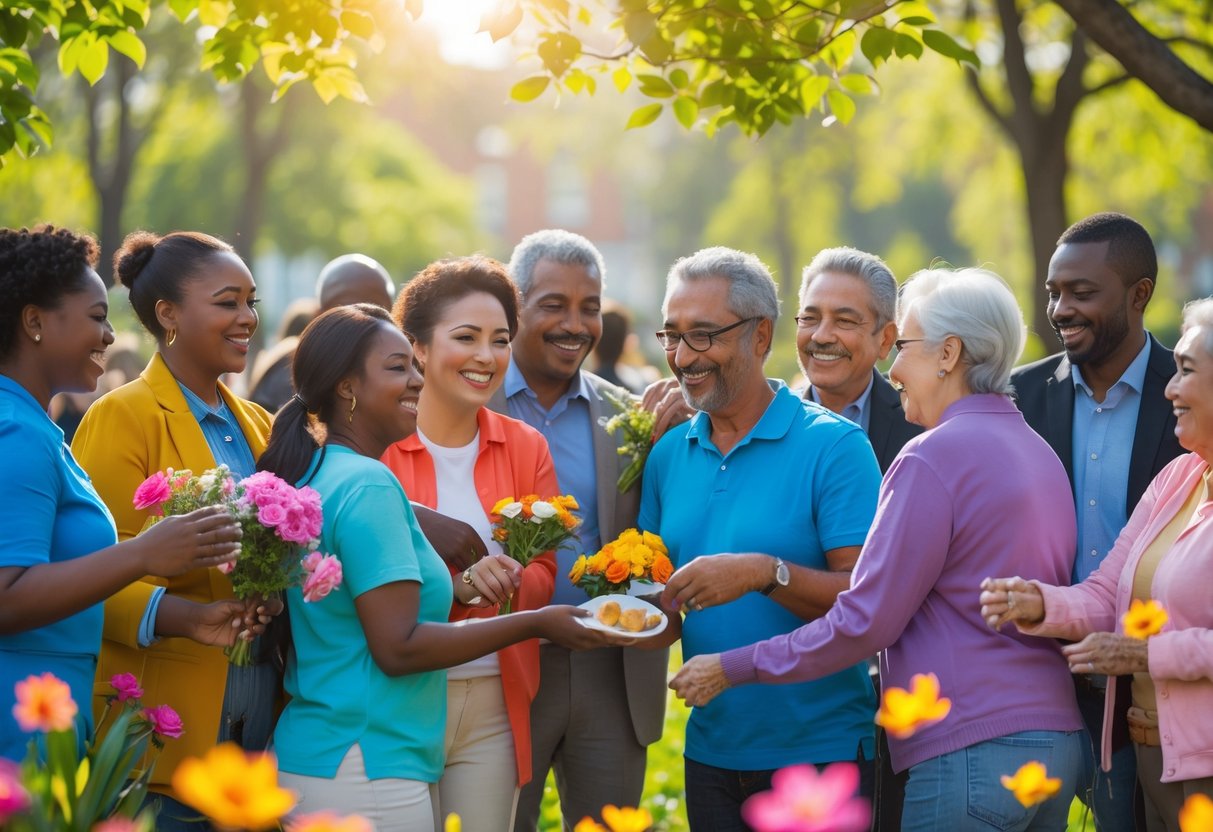
World Kindness Day is an international observance held annually on November 13th, established in 1998 by the World Kindness Movement — a coalition of kindness organizations from across the globe that first gathered in Tokyo in September 1997. The date November 13th was chosen to commemorate the opening of that first conference, which itself marked the 35th anniversary of Japan's Small Kindness Movement. In that sense, the day has roots that go considerably deeper than 1998; it built on decades of existing kindness infrastructure rather than inventing something from scratch.
The World Kindness Movement operates as a registered non-profit without political, commercial, or religious affiliations. It currently connects member organizations across more than 28 countries, including the United States, Canada, Australia, Japan, Singapore, the United Kingdom, Italy, Nigeria, and the United Arab Emirates. The movement's organizing principle is that kindness is a universal human value — one that transcends the divisions of culture, religion, nationality, and ideology — and that explicitly naming and celebrating it, once a year on a shared global date, reinforces its importance in ways that informal, private practice cannot.
What distinguishes World Kindness Day from other observances is its emphasis on action rather than awareness. The day is not primarily about learning statistics or signing pledges. It's about doing something — specific, concrete, directed at a real person or community — and experiencing firsthand both the effect it has on the recipient and the effect it has on you. The premise is that kindness is a practice, and practices are strengthened by repetition. A dedicated day creates a prompt for that repetition, which, over enough years, builds habits that outlast any single November 13th.

The story of World Kindness Day begins with Japan's Small Kindness Movement, which had been operating since 1963 with a focus on encouraging everyday acts of courtesy and consideration in Japanese society. By the mid-1990s, the movement's leaders had recognized that kindness — as a value and a practice — was something that transcended national context, and they began working to build international connections.
In the years leading up to 1997, the Small Kindness Movement organized a series of international conferences that brought together representatives from kindness organizations in different countries. These meetings were the first sustained attempt to coordinate a global kindness effort, and they produced the framework for what would become the World Kindness Movement. In September 1997, representatives signed a declaration of kindness in Tokyo — a formal statement of shared goals and mutual commitment that established the coalition on a permanent footing.
The first official World Kindness Day was observed in 1998, and the date of November 13th was chosen to mark the anniversary of that Tokyo conference. Singapore joined the celebration in 2009, becoming one of the more prominent Asian participants. Over the following decade, the movement expanded steadily across continents, with each new member organization bringing its own regional approach to the shared core mission.
What's worth understanding about this history is that World Kindness Day wasn't created top-down as a marketing initiative or an awareness campaign attached to a cause. It emerged from actual organizations that had been doing actual kindness work in their communities for years, who recognized that those efforts would be amplified by international coordination and a shared calendar moment. The day has institutional roots that give it a stability and continuity unusual among global observances.
The case for kindness isn't only moral or philosophical. It's biological. Research in psychology, neuroscience, and behavioral economics has documented the effects of kindness on human health and wellbeing with a clarity and consistency that makes the practical case for it independently of any value system.
When people perform acts of kindness, their brains release oxytocin — the same hormone associated with bonding and trust — along with serotonin and endorphins. These neurochemical responses produce what researchers have called a "helper's high": a measurable elevation in mood that follows an act of generosity or compassion. The effect occurs in the recipient as well, and research on "moral elevation" — the feeling of warmth and inspiration that witnessing kindness produces — suggests it also occurs in bystanders who observe an act of kindness without being party to it. One kind act can produce positive neurological responses in multiple people simultaneously.
The stress-reduction effects of kindness are particularly well-documented. Cortisol levels drop during and after acts of compassion, in both the giver and receiver. Blood pressure decreases. Immune function improves. Chronic loneliness — now recognized as a significant public health concern, with health risks comparable in magnitude to smoking — is directly addressed by the social connection that kindness creates and reinforces. The tend-and-befriend response, documented in stress research, shows that the human impulse toward social connection under pressure is not weakness but biological wisdom: we are, at a fundamental level, designed to help each other through difficulty.
There's also a contagion effect. Research on prosocial behavior consistently shows that witnessing an act of kindness increases the likelihood that the observer will perform one. A single act of generosity observed in a community can produce measurable increases in kind behavior among people who weren't even direct recipients. This is the mechanism behind what researchers call "kindness ripples" — the real, documented phenomenon by which individual acts of care propagate through social networks in ways their originators could never predict or plan.
A book on the science of compassion and kindness can offer the full depth of this research to anyone who wants to understand the mechanisms behind what they feel when they give or receive genuine care — and to share those findings with others in their life who are skeptical of kindness as anything more than sentiment.
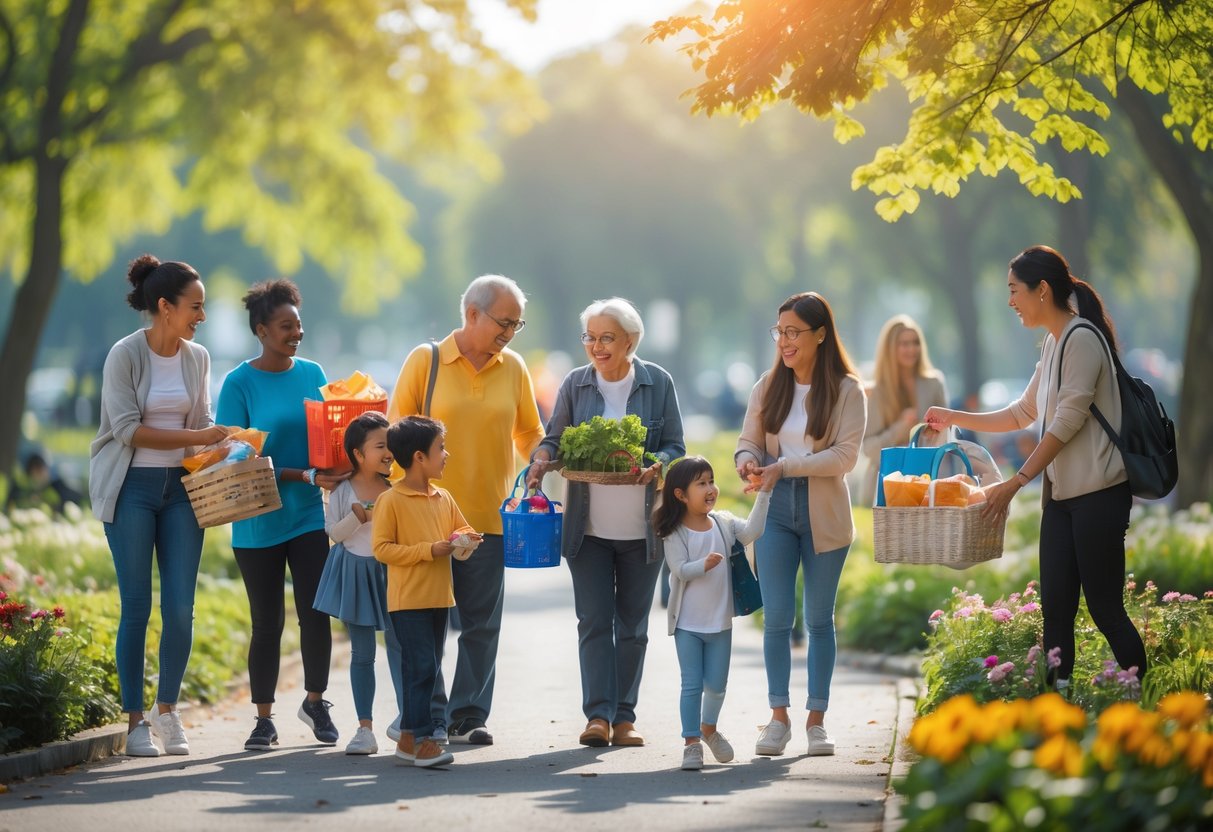
World Kindness Day has its critics, and the criticism is worth taking seriously. The concern — which applies to many awareness days — is that designated occasions for kindness can produce performative rather than genuine behavior: people doing kind things because a calendar says to, photographing those acts for social media, and then returning to ordinary patterns on November 14th. If the net effect is to provide a ritual outlet for kindness that actually substitutes for its practice in ordinary life, the day does more harm than good.
This criticism has merit as a warning, and it points toward something important about what genuine kindness actually is. Real kindness is specific. It's directed at a particular person, based on actual attention to who that person is and what they need. It doesn't require an audience or a date. It often happens in small, private moments that no one photographs — a message sent because you noticed someone was struggling, a gesture made because you remembered something they'd mentioned, a gift chosen because it reflected something you'd been quietly observing about them for months.
The opposite of this isn't cruelty or indifference. It's impersonal generosity — the donation made to the right charity, the volunteer shift completed efficiently, the birthday present purchased without much thought because something was required. None of these are bad things. But they don't produce the particular quality of being seen that genuine kindness provides, and they don't generate the same neurological and relational effects. Genuine kindness requires genuine attention, and genuine attention to another person is in some ways the scarcest resource in modern life.
This is why the most effective World Kindness Day participation isn't about volume of acts. It's about quality of attention. One thing done with real care for a specific person — one message written honestly, one gift chosen thoughtfully, one gesture made because you've been paying close attention — will carry more weight and create more lasting effect than ten things done because a list said so. The day works best as an invitation to do something you already meant to do, with the full quality of care it deserved.
Physical gifts occupy a special place in the practice of kindness because they carry their attention with them over time. A kind word is powerful in the moment and then fades. A kind action helps immediately but doesn't persist beyond its completion. A physical gift, chosen with genuine care for the specific person receiving it, continues to communicate the attention that went into it every time she encounters it — on her dresser in the morning, around her neck on an ordinary day, in a drawer she opens when she needs to remember that someone was paying attention to her.
This is why the gifts associated with World Kindness Day that carry the most meaning are never the generic ones. A kind-themed mug with an inspirational quote is a fine thing. But it's not the same as something chosen because you know her — her name, her style, the particular crossing she's just navigated or the specific thing she's been quietly carrying. The latter is an act of kindness in concentrated form: it demonstrates sustained attention, the willingness to translate what you've observed into a physical expression, and the understanding that she deserves to be recognized as a specific person rather than a general recipient of goodwill.
For someone who has been there for you — who has given you the kind of presence and attention that World Kindness Day is designed to celebrate — a piece of jewelry with her name on it is one of the most direct ways to tell her she's been noticed and valued. Not because jewelry is inherently meaningful, but because the specificity of her name engraved on something made to last says: you are not interchangeable, you are thought about, and I wanted to give you something that carries that thought permanently.
For someone in your life whose kindness deserves to be named and kept — our dangle name pendant collection offers pieces made for exactly this kind of giving: personal, lasting, and unmistakably hers.
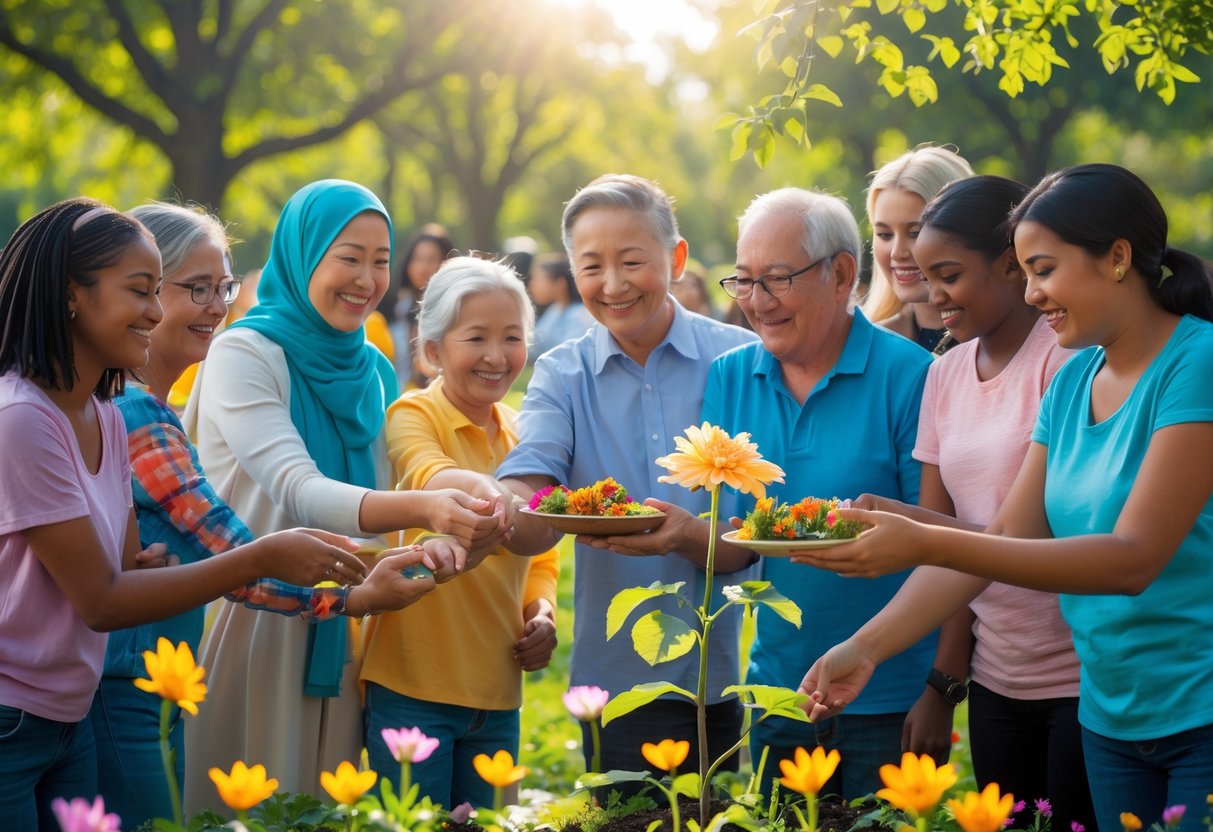
The best World Kindness Day celebrations are specific rather than general, personal rather than performed, and directed at people and situations you actually know rather than abstract causes. Here are approaches that tend to produce real effects rather than the appearance of them.
The people who receive the least deliberate kindness are often the ones we're closest to — partners, close friends, family members we see regularly enough that we've stopped noticing them with the fresh attention we bring to acquaintances. World Kindness Day is an occasion to reverse that. Write the card you've been meaning to write for months, with actual sentences about what they mean to you rather than the words the card already printed. Make the call to the person you've been meaning to call. Give the gift you've been holding in mind because you were waiting for the right occasion. The right occasion is now.
A quality letter-writing set makes the writing itself feel like an occasion — the physical act of putting real words on real paper, in something made to be kept, elevates the communication in a way that a text or email simply cannot.
Workplaces are environments where genuine acknowledgment is rare and therefore particularly meaningful. A specific, honest note of appreciation — not a performance review, not a compliment about work product, but a genuine statement about what someone's presence and effort has meant — lands differently in a professional context than anywhere else, precisely because it's so unexpected. November 13th is an unusually good day to do this, because the occasion gives you permission to say something that might otherwise feel awkward to initiate.
Community kindness — volunteering, donating, organizing — is most effective when it's sustained rather than episodic. If November 13th prompts you to volunteer somewhere for the first time, the best outcome is that you go back in December, and January, and establish a genuine relationship with the organization and the people it serves. One-time acts of kindness have value, but they don't create the kind of ongoing connection that produces community health over time.
Random acts of kindness toward strangers — paying for someone's coffee, leaving a kind note in a book at a library, helping someone struggling with bags on public transit — are the most visible form of World Kindness Day participation, and they have genuine effects both on recipients and observers. Their limitation is that they're not personal: they can't be chosen for a specific individual's specific needs the way kindness directed at known people can be. What they do accomplish is model kindness publicly in a way that activates the contagion effect — the documented increase in kind behavior among people who witness generosity. In a community context, this modeling has real cumulative value.
Self-compassion is consistently underemphasized in kindness conversations, but research treats it as foundational. People who maintain harsh, critical internal voices have measurably less capacity for sustained kindness toward others; the resource required for genuine attention and care has been depleted by the energy demanded by self-judgment. World Kindness Day is as appropriate an occasion for practicing self-compassion — speaking to yourself the way you'd speak to someone you love, acknowledging what you've navigated without requiring perfection as the price of worthiness — as for any external act of care.
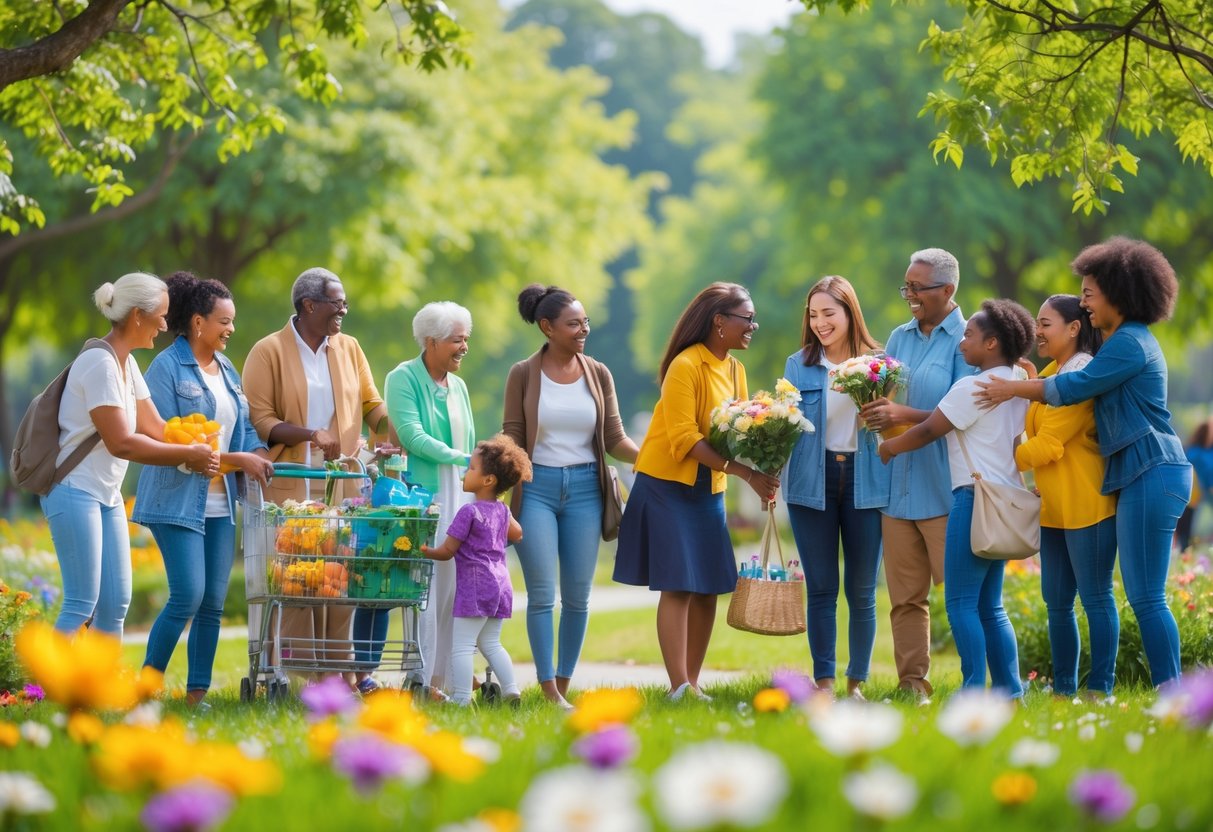
Several organizations have built meaningful infrastructure around kindness as a sustained practice rather than an annual event, and they're worth knowing both for their World Kindness Day activities and for the year-round resources they provide.
The World Kindness Movement itself is the founding body, connecting member organizations across 28+ countries and coordinating the global observance each November. It operates without political or religious affiliation and focuses on building networks between existing kindness organizations rather than running programs directly.
The Random Acts of Kindness Foundation has become one of the most practically useful resources in this space, offering free lesson plans, activity guides, and downloadable materials for schools, workplaces, and individuals. Their "RAKtivist" community provides a structure for year-round kindness practice rather than limiting engagement to a single day. Their annual World Kindness Day toolkit gives teachers and community organizers something concrete to work with.
Think Kindness runs a traveling school tour called "15 Days of Kindness" that visits communities across the United States, challenging students to take measurable action rather than simply discuss kindness as a concept. The Kind Campaign focuses specifically on girl-against-girl relational aggression, running school assemblies and educational curricula that address one of the more specific and underserved forms of unkindness in adolescent communities.
Compassion Games creates team-based community engagement experiences where groups compete to perform acts of compassion — a format that has reached over a million volunteers across 40 countries. The gamification isn't trivial: making kindness collaborative and competitive in a positive sense activates social motivations that individual quiet practice often doesn't.
Teaching kindness to children is one of the more important and more frequently mishandled applications of World Kindness Day. The approaches that work are not primarily about lectures or worksheets. They're about modeling, experience, and the opportunity to observe kindness in action and then practice it with support.
Children learn kindness the way they learn most social skills: by watching the adults around them and by having structured opportunities to try the behavior themselves in low-stakes settings. This means that the most effective thing parents and teachers can do for World Kindness Day is not to organize a kindness lesson but to be visibly, specifically kind themselves — to narrate their own acts of consideration, to acknowledge when they see a child behave with genuine care, and to create contexts in which kindness is both expected and celebrated.
Concrete activities that give children hands-on experience — writing notes to seniors in care facilities, preparing food donations for local organizations, creating small gifts for neighbors — are more effective than discussions because they provide the emotional experience of giving and observing the effect. Children who feel what it's like to make someone else's day better are developing motivation, not just information. That motivation, reinforced through repeated experience, is what builds the habits that last into adulthood.
A children's picture book about kindness and empathy offers a narrative vehicle for these conversations — a story that gives children language and emotional context for what they're being invited to practice, and that can be returned to over time as their understanding deepens.
The most important question World Kindness Day raises isn't how to celebrate it on November 13th. It's what changes in your actual life — your habits, your relationships, your daily quality of attention — in the weeks and months that follow. A day that produces one act of kindness and no lasting change in behavior is less valuable than a day that prompts a smaller act but creates a new habit that persists.
Research on habit formation is clear that the best way to sustain a new behavior is to attach it to an existing one. Rather than resolving to "be kinder" in general — which is too abstract to implement — the more effective approach is to identify a specific context in which kindness is possible and attach a specific behavior to it. Writing one genuine message of appreciation per week to someone in your life. Asking one real question per day rather than a placeholder question. Noticing when someone near you seems to be having a hard time and doing something specific about it rather than noting it and moving on.
These small attached habits compound over time. The person who has been writing one genuine message of appreciation per week for three years has built a relationship infrastructure that no single grand gesture could replicate. She is known as someone who pays attention. The people around her feel seen. The relationships she has are, by most measures, more nourishing than those built primarily on proximity and shared logistics. This is the long-term effect World Kindness Day is trying to prompt — not a better November 13th but a different quality of daily life that starts from a different quality of attention to the people who share it.
A daily kindness and gratitude journal is a practical tool for this: a place to track the specific acts of care you gave and received, to reflect on what worked and what felt hollow, and to build the self-awareness that makes kindness increasingly precise over time rather than remaining a general aspiration.
There's a category of gift that functions as an act of kindness in itself — not because it's given on a holiday or accompanies a card with the right sentiments, but because the care that went into choosing it is immediately legible to the person receiving it. She can tell, in the moment she opens it, that someone was thinking about her specifically. The gift could only be hers. It couldn't have been chosen for just anyone. And that quality of being specifically thought about — at a moment when she wasn't necessarily expecting it — produces the particular relief and warmth that genuine kindness produces.
This is the standard worth holding any kindness-motivated gift to: not "is this a good gift" in the generic sense, but "does this carry the evidence of genuine attention?" A piece of jewelry with her name on it, given on World Kindness Day or any other occasion, says something that most gifts don't. It says: I know your name, and I thought it was worth putting on something made to last. That's a small thing, logistically. But it's not a small thing emotionally — not for someone who has been paying attention to you, or supporting you, or showing up for you in the specific and irreplaceable ways that genuine kindness requires.
The gifts that get kept for decades are almost never the expensive ones. They're the ones that proved someone was watching — that recorded, in a physical form she can touch and wear and find on her dresser on a hard morning, the fact that she was seen. World Kindness Day is as good an occasion as any to give that kind of gift to someone who has earned it. Better, actually, because it gives you a context in which the gesture makes sense and the meaning can be said out loud.
For the person whose kindness has been constant and whose name deserves to be worn — our graduation and milestone gift collection includes pieces designed to mark the moments and the people that matter most.
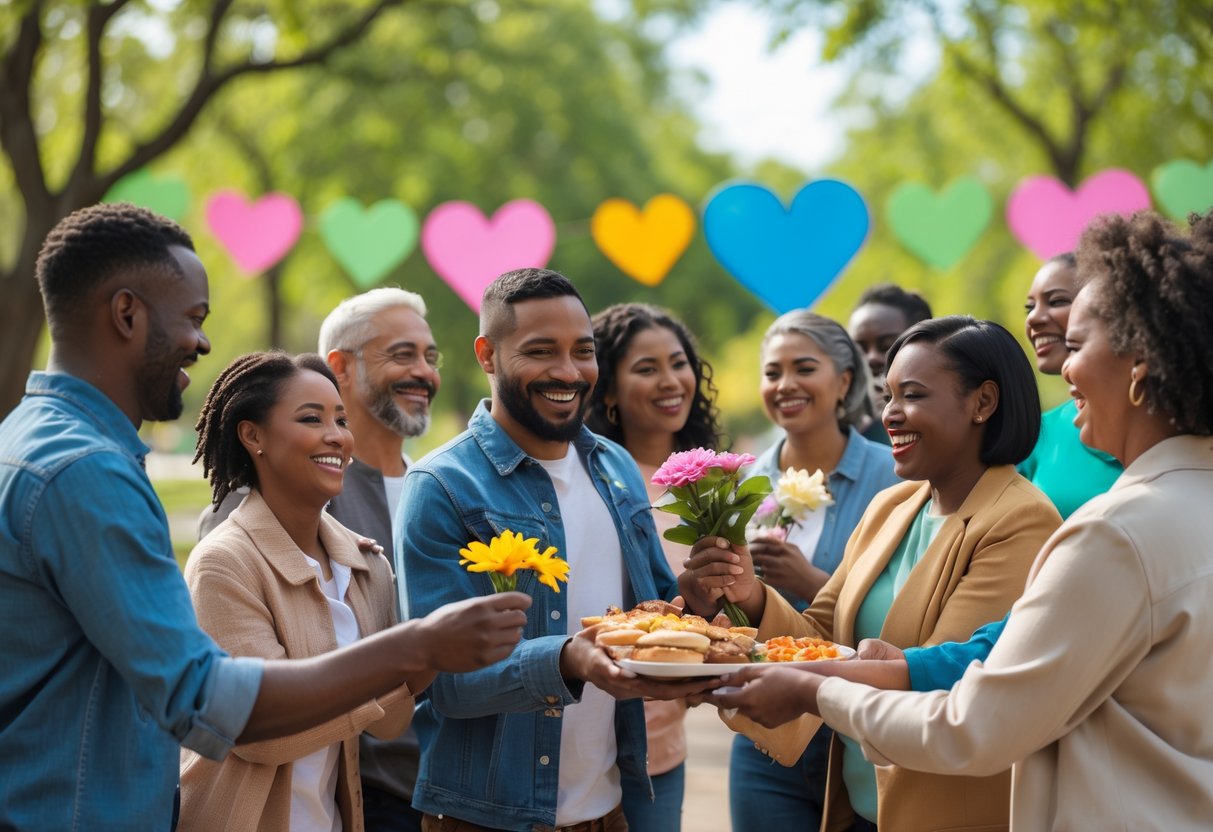

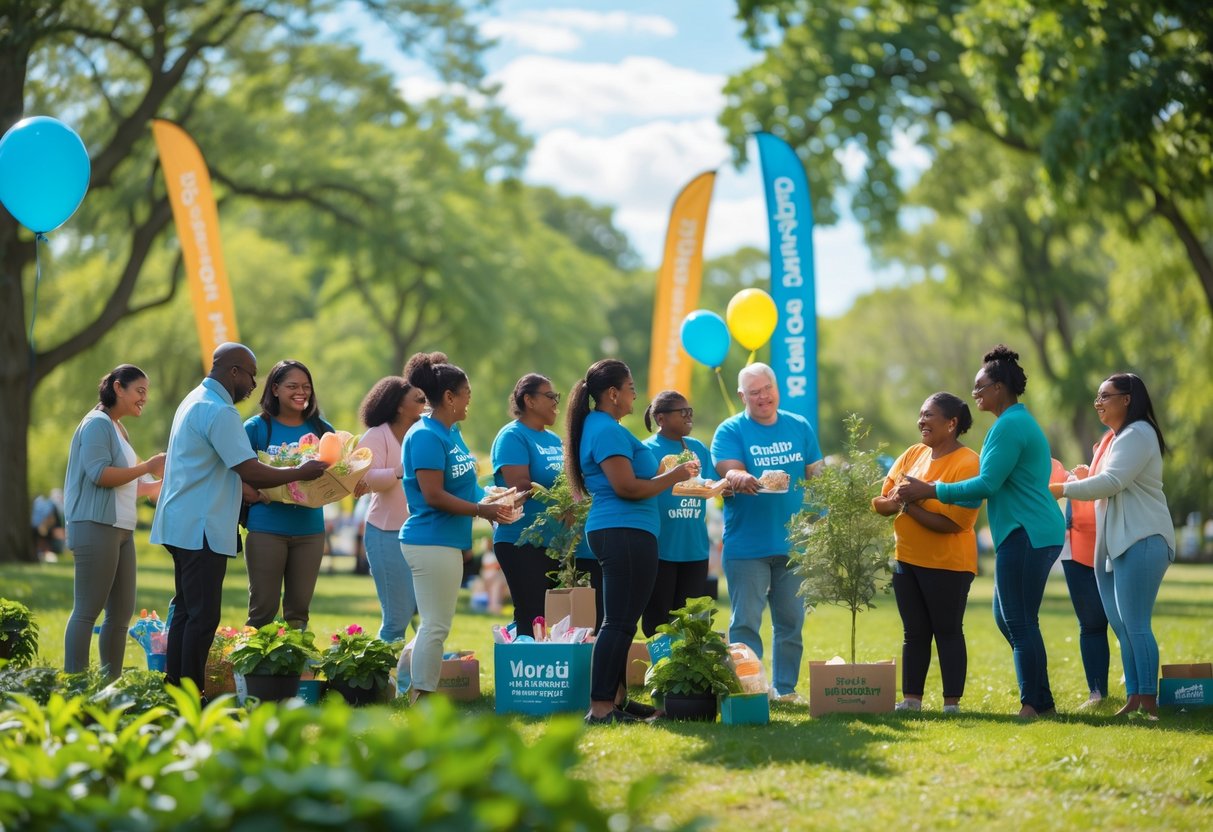

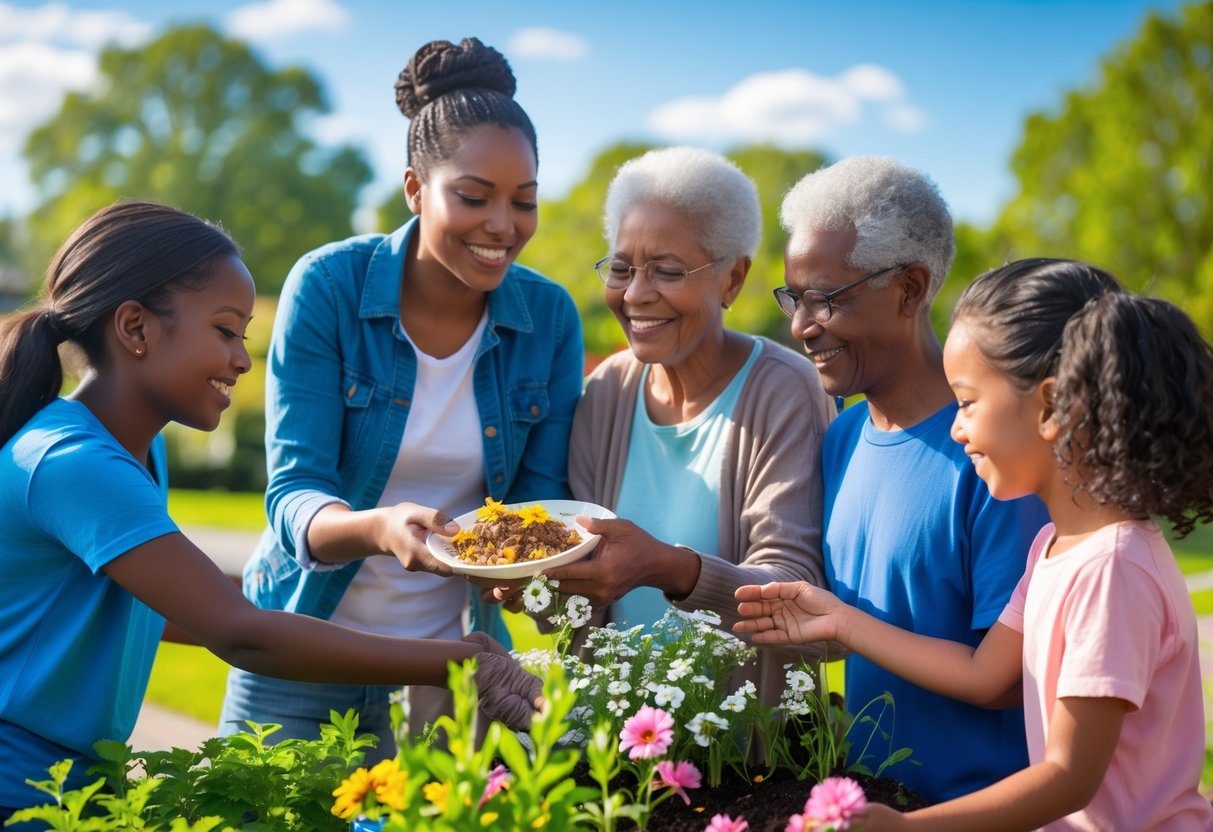
World Kindness Day is observed annually on November 13th. It was created in 1998 by the World Kindness Movement, a coalition of kindness organizations from multiple countries that first convened in Tokyo in September 1997. The date November 13th commemorates the opening of that founding conference, which also marked the 35th anniversary of Japan's Small Kindness Movement. The World Kindness Movement operates as a registered non-profit without political, commercial, or religious affiliations, and currently connects member organizations across more than 28 countries.
The criticism that kindness should be practiced every day rather than confined to a single occasion is valid — and it's actually the point. World Kindness Day is not designed to be a substitute for daily practice but a prompt toward it. The research on habit formation shows that designated occasions and external prompts are among the most effective mechanisms for initiating new behaviors, particularly social ones. The goal of November 13th is not a better day but a different trajectory: if the day produces one genuine act of care that a person would not otherwise have performed, and that act creates a ripple or becomes a habit, it has accomplished more than its modest scope suggests.
The most meaningful celebrations are specific rather than general and personal rather than performed. Writing a genuine message of appreciation to someone who has mattered to you — with real sentences about why, not placeholder phrases — is more valuable than ten anonymous good deeds. Giving a gift chosen with genuine attention to who the recipient is and what they need is more valuable than an appropriately themed generic item. Showing up for someone who is having a hard time in a way they can feel is more valuable than volunteering for an abstract cause you know nothing about. The quality of attention is what determines whether an act of kindness has its full effect.
When people perform acts of kindness, their brains release oxytocin, serotonin, and endorphins — neurochemicals associated with bonding, wellbeing, and pleasure. This produces what researchers have called a "helper's high": a measurable elevation in mood that follows an act of generosity. Cortisol levels — the primary stress hormone — drop during and after kind interactions in both givers and receivers. Blood pressure decreases, immune function improves, and feelings of connection reduce the effects of loneliness, which is now recognized as a significant public health concern. There is also a documented contagion effect: witnessing kindness increases the probability that the observer will behave kindly, meaning single acts can propagate through social networks in ways their originators never planned.
The approaches that work best with children are modeling and structured experience rather than instruction. Children learn social behavior primarily by watching the adults around them and by having low-stakes opportunities to try the behavior themselves. The most effective World Kindness Day activities for children involve doing something concrete — writing notes, preparing items for donation, creating small gifts for neighbors — and experiencing the emotional feedback of having made someone else's day better. That emotional experience builds motivation. Books and worksheets can reinforce it, but they don't replace the direct felt experience of giving and observing the effect.
A genuinely meaningful gift is one that carries evidence of genuine attention — that could only have been chosen for this person, based on specific knowledge of who she is and what matters to her. Her name on something made to last, a date that belongs to your shared history, a detail that proves someone was watching. Generic kind gestures have value, but they don't produce the particular effect of being specifically seen, which is what genuine kindness at its deepest level provides. The most lasting kindness gifts are those that function as physical proof of attention — things she can keep, encounter on ordinary days, and return to when she needs to remember that someone was paying close attention to her life.
Kindness, at its best, is just another word for paying attention. Noticing the people around you. Responding to what you see. Doing something specific, for someone specific, because you were watching closely enough to know what they needed. World Kindness Day on November 13th is one occasion among many for practicing this. But the practice itself — the daily habit of genuine attention, translated into words and actions and sometimes into objects chosen with care — that's available on any day of the year, toward anyone in your life who is worth it. Which is, it turns out, most of them.