
Your Cart is Empty
Not everyone marks their birthday with cake and candles. For some people, birthdays hold significance not through celebration but through quiet acknowledgment. Some individuals, particularly Jehovah's Witnesses who do not celebrate birthdays, view the day as one to be witnessed rather than commemorated with parties and gifts. This perspective stems from religious beliefs, personal values, or family traditions that shape how people approach the anniversary of their birth.

The difference between celebrating and witnessing a birthday reveals deeper questions about identity, community, and what makes a day meaningful. While mainstream culture often emphasizes parties and social media posts, others find value in simple recognition or even letting the day pass without fanfare. Understanding these varied approaches helps explain why birthdays mean different things to different people. Whether someone prefers a gathering with friends, a thoughtful personalized gift from Zazzle, a simple card from Amazon, or no acknowledgment at all, the choice reflects personal and often deeply held beliefs.
The ways people honor or ignore their birthdays connect to family upbringing, religious teachings, and cultural shifts in how society views these annual markers. Some find psychological value in being acknowledged without fanfare, while others feel pressure from social expectations they would rather avoid. Examining why certain groups and individuals choose witnessing over celebrating reveals the complex relationship people have with marking the passage of time.
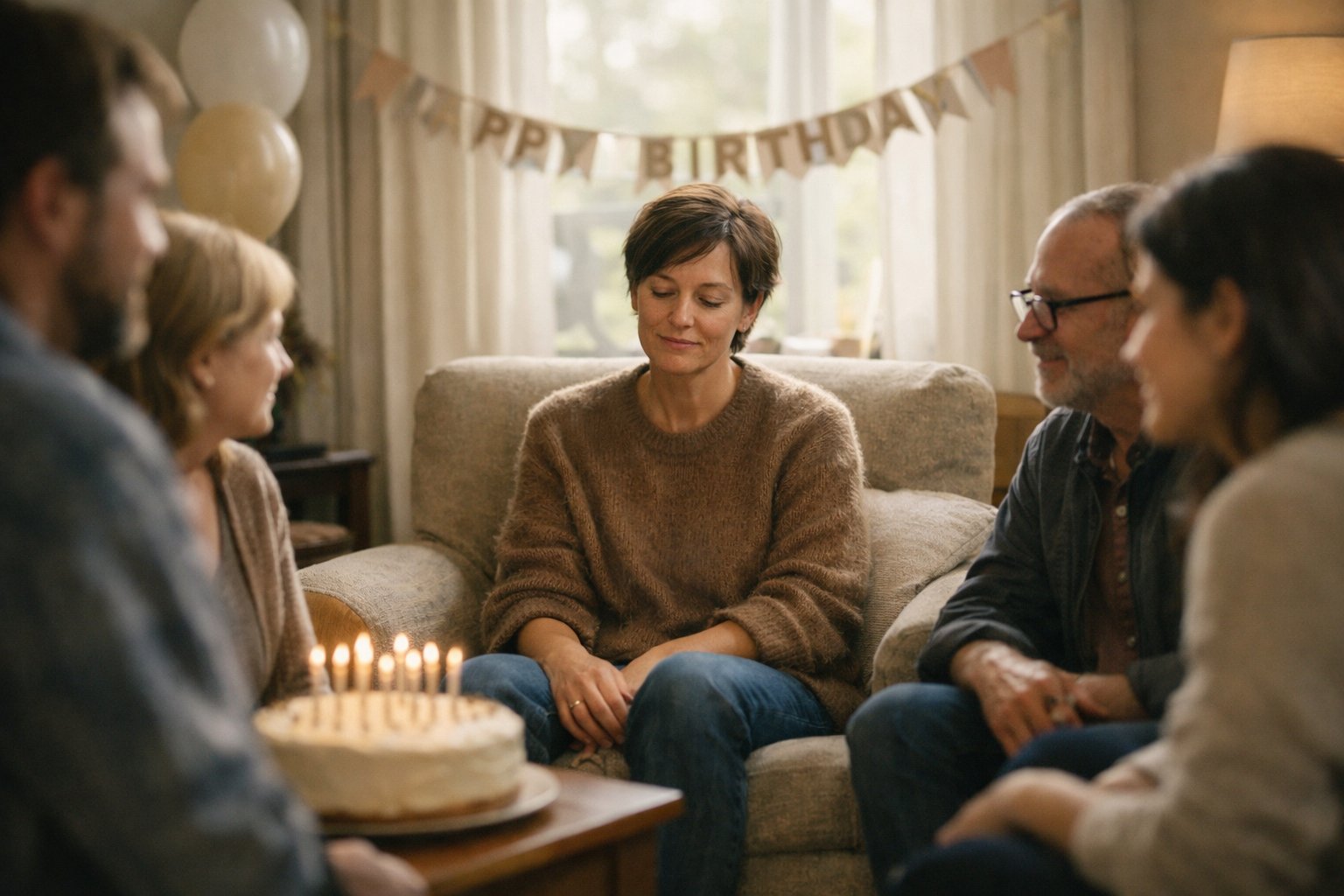
Being witnessed on a birthday means having someone acknowledge your existence and growth without the pressure of parties or gifts. It focuses on meaningful recognition rather than elaborate festivities.
Recognition and celebration represent two different approaches to marking a birthday. Recognition involves someone simply acknowledging that a person exists and has lived another year. It requires no fanfare or complex rituals.
Celebration typically includes:
Recognition only needs:
Some people find traditional birthday celebrations overwhelming or emotionally draining. They may struggle with being the center of attention or feel disconnected from typical party atmospheres. For these individuals, being witnessed means someone takes time to see them as they are without expecting them to perform happiness or gratitude.
The act of witnessing creates space for authentic emotions. A person might feel reflective, sad, or uncertain on their birthday rather than joyful. Recognition allows those feelings to exist without judgment.
Meaningful acknowledgment on birthdays happens when someone demonstrates they truly see another person's life journey. This might involve remembering specific challenges they faced during the past year or noting personal growth they achieved. Unlike generic birthday wishes on social media platforms, meaningful acknowledgment shows someone paid attention throughout the year.
A coworker might mention how someone handled a difficult project with grace. A friend could reference a conversation from months ago that stuck with them. These moments prove someone witnessed not just the birthday but the entire year of living.
Personalized cards from Zazzle can serve as tools for meaningful acknowledgment when they include specific memories or observations rather than standard greetings.
The key difference lies in specificity. Generic phrases like "Hope you have a great day" require no real knowledge of the person. Meaningful acknowledgment references actual moments, conversations, or changes that person experienced. It validates their journey through another year of life.
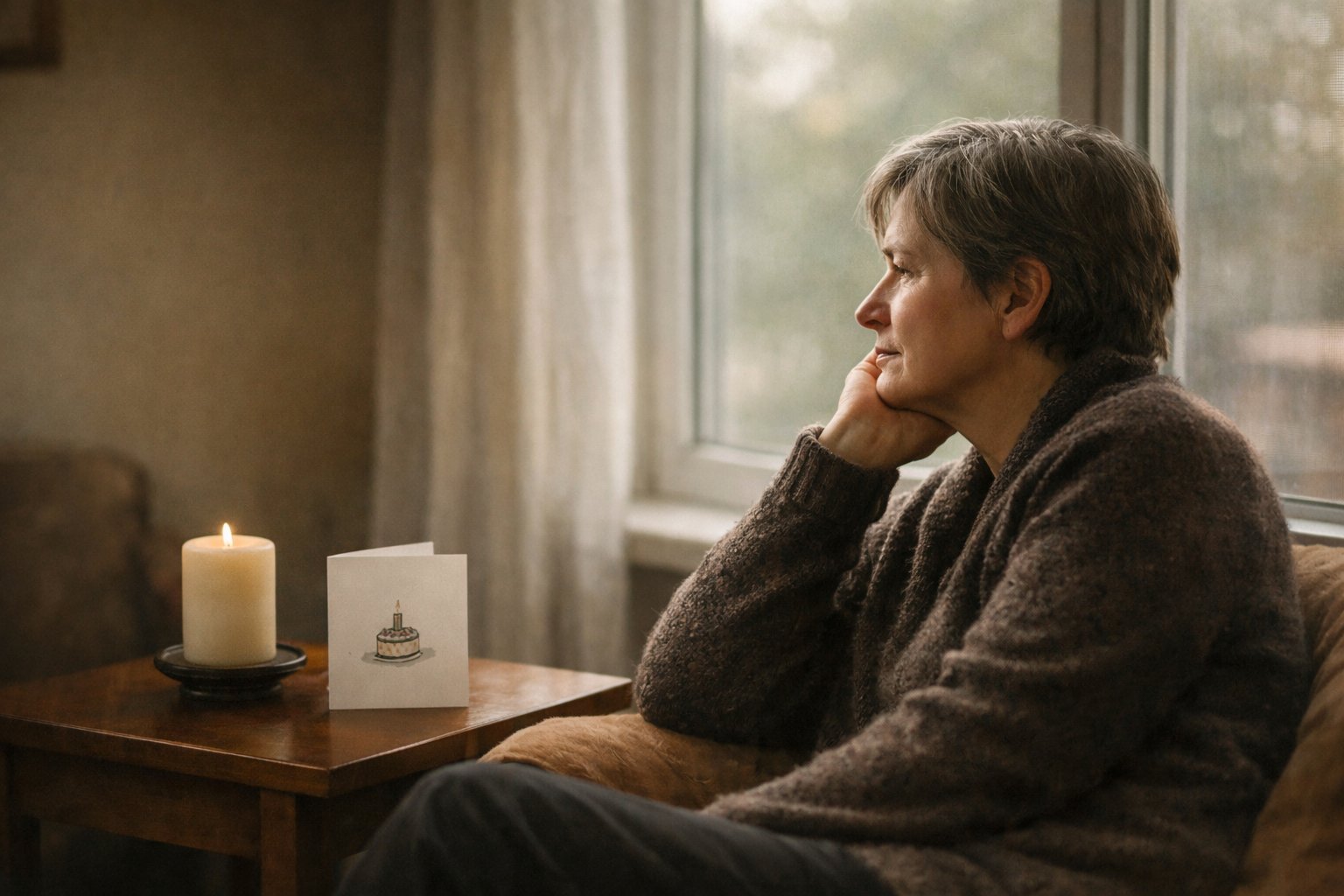
Some people avoid birthday celebrations not because they dislike attention entirely, but because the specific kind of visibility that comes with being the center of attention triggers deep discomfort or stirs up complex emotions they'd rather not navigate.
Many individuals feel uneasy when all eyes turn toward them on their birthday. This discomfort goes beyond simple shyness.
Being the center of attention can feel exposing. When someone stands in the spotlight while others sing, give gifts, or make toasts, they may feel vulnerable or self-conscious. Some people deflect positive attention away from themselves because they struggle to accept that others genuinely want to celebrate them.
The pressure to perform happiness makes this worse. Birthdays come with social expectations to smile, show gratitude, and appear excited. For those who find this performance exhausting, skipping the celebration feels like relief rather than deprivation.
Common reasons people avoid being the center of attention:
Some people simply prefer treating their birthday like any normal day. They might enjoy a quiet dinner or personalized birthday cards from Zazzle sent privately rather than public celebration.
Birthdays can trigger complex, unspoken emotions that range from anxiety to loneliness, even when surrounded by people.
Psychology reveals that birthdays serve as a time of reflection about past experiences and future uncertainties. This awareness of time passing can bring sadness or stress rather than joy. Some people feel anxious about aging or disappointed when comparing their current life to where they hoped they'd be.
Others experience loneliness despite having people around them. When someone chooses not to celebrate, they may feel emotionally disconnected from social norms. This creates a gap between what society expects and what feels authentic to them.
Financial stress also plays a role. Hosting parties or buying return gifts creates pressure that some would rather avoid entirely.
For those who prefer meaningful connection over celebration, a thoughtful journal from Amazon might offer more value than a party. Being witnessed means having someone acknowledge your existence without the expectation of fanfare.
When someone acknowledges a birthday, they validate a person's existence and worth in the world. This recognition serves as a form of self-affirmation that helps people feel purposeful and valued, even without elaborate parties or gifts.
Birthday acknowledgement reinforces a person's sense of identity and self-worth. Birthdays are linked to feelings of uniqueness because they mark the one day each year that focuses specifically on an individual's existence.
When others recognize a birthday, it creates validation that the person matters. A simple "Happy Birthday" text or card tells someone that they were remembered and thought about. This attention helps strengthen their sense of self and confirms their place in their social circle.
The acknowledgement does not need to be grand. A phone call from a family member or a mention from a coworker can provide the same psychological benefit. What matters is that someone took time to recognize the day and the person attached to it.
For those who struggle with feelings of invisibility or insignificance, birthday acknowledgement can be particularly meaningful. It serves as annual proof that they exist in others' minds beyond just functional interactions. Even people who do not want big celebrations still benefit from knowing others are aware of their special day.
Birthdays function as natural markers for reflecting on growth and achievements throughout the past year. They create a designated time for people to pause and consider where they are in life.
These annual milestones prompt individuals to think about what they have accomplished, what relationships matter to them, and how they have changed. Someone turning 30 might reflect on their career progress, while someone turning 65 might look back on decades of memories and connections.
The reflection process can bring both positive and negative emotions. Some people feel satisfaction when they consider their achievements and social bonds. Others experience disappointment if they perceive their life lacks accomplishments or if they feel they are not where they expected to be at their current age.
Milestone birthdays carry extra weight for reflection. Ages like 18, 40, or 80 often trigger deeper thought about life transitions and identity changes. An 80-year-old might use their birthday to reflect on a lifetime of experiences, while an 18-year-old considers their shift into adulthood.
Some people need their birthday to feel less like a performance and more like a moment of genuine connection. The focus shifts from elaborate events to meaningful interactions that acknowledge someone's existence without overwhelming them.
A small dinner with two or three close friends often provides more emotional value than a crowded room of acquaintances. These intimate settings allow for real conversations where someone can share how they actually feel about getting older, their hopes for the coming year, or simply enjoy being seen without pressure.
One-on-one coffee meetings or walks create space for deeper birthday celebrations that focus on the person rather than the event. The birthday person controls the pace and depth of interaction. They can talk about what matters or sit in comfortable silence.
Benefits of small gatherings:
Video calls with distant family members count as presence too. Geography doesn't diminish the value of someone showing up on the actual day to say they're glad that person exists.
A handwritten card that mentions a specific memory or quality shows someone paid attention throughout the year. These thoughtful gestures require no budget but demonstrate genuine care.
Sending a text that says "I'm glad you were born" at the exact birth time validates someone's existence without demanding a response. Bringing their favorite coffee or meal acknowledges their preferences. Sitting with them while they open a single meaningful gift from personalized birthday cards on Zazzle creates a witnessed moment.
Simple witnessing actions:
Some people just need someone to be there while they process another year. That presence matters more than any birthday celebration planning or party decorations ever could.
Birthday practices have transformed dramatically over thousands of years, moving from collective religious ceremonies to personal milestones. The emphasis on individual recognition represents a relatively recent development in human history.
The earliest birthday celebrations date back to ancient Egypt, where Pharaohs marked their coronation day rather than their actual birth. This observance held religious significance as it represented their transformation into divine beings.
Ancient Greeks celebrated birthdays differently, offering moon-shaped cakes with candles to honor the goddess Artemis. Romans took a more social approach, gathering friends to toast the birthday person with wine and gifts, though these elaborate celebrations were typically reserved for men.
Religious beliefs have significantly influenced birthday observances throughout history. Some Christian denominations view birthday celebrations as contrary to teachings about humility. In Hinduism and Buddhism, birthdays often involve rituals aimed at gaining blessings rather than personal celebration.
Many cultures traditionally emphasized communal age milestones over individual birthdays. In Vietnam, everyone advances one year in age together during Tết. In China, turning 60 marks a complete cycle on the zodiac calendar and receives elaborate recognition, while annual birthdays receive less attention.
Western societies popularized the concept of annual individual birthday parties during the 19th and 20th centuries. The tradition of singing "Happy Birthday" while blowing out candles became a staple celebration practice, with each candle representing a year of life.
Commercial influences accelerated this shift toward individualized celebrations. Birthday decorations, themed parties, and personalized gifts like custom birthday cards became widely available and expected. Social media amplified this trend by enabling people to share birthday experiences instantly with global audiences.
Certain ages gained special significance in modern Western culture. Turning 16, 18, or 21 marks legal transitions and is often celebrated more elaborately. Party supplies for milestone birthdays reflect this emphasis on individual achievement and status changes.
The globalization of birthday practices has led to blending traditional customs with contemporary trends. Yet this commercialization raises questions about maintaining cultural heritage amid consumer-driven celebrations.
Social norms create invisible rules around celebrating birthdays that can make people feel obligated to participate in ways that don't match their needs. These expectations often clash with the desire to simply be acknowledged rather than celebrated with traditional parties and festivities.
Workplaces and social groups create implicit pressure to celebrate birthdays in specific ways. Coworkers expect cake in the break room. Friends plan surprise parties. Family members insist on gatherings even when the birthday person wants something quieter.
This pressure stems from deeply rooted cultural beliefs about what birthdays should look like. Many people assume that bigger celebrations show more love and appreciation. They worry that a simple acknowledgment seems cold or uncaring.
The reality is different for many individuals. Some prefer a text message or quiet dinner over elaborate events. Others want their day recognized without becoming the center of attention. The gap between what society expects and what people actually want creates tension and discomfort.
Modern consumer culture amplifies these expectations through advertisements and social media. Posts showing extravagant birthday celebrations set unrealistic standards. People compare their experiences to curated online content and feel their own celebrations fall short.
Different people hold vastly different views about birthday celebrations. Some thrive on parties and gifts while others prefer solitude or minimal recognition. These differences often create friction in relationships and social settings.
Common birthday preference conflicts include:
Communication helps bridge these gaps. Stating preferences clearly before a birthday arrives prevents misunderstandings. Phrases like "I'd prefer just a card this year" or "Being witnessed matters more to me than being celebrated" set realistic expectations.
Respecting these stated preferences shows deeper care than forcing unwanted celebrations. A friend who honors a request for simplicity demonstrates better understanding than one who throws an unwanted surprise party. The goal shifts from following social scripts to honoring individual needs.
The way families approach birthdays shapes how individuals view their own birth anniversaries throughout their lives. Family birthday celebrations often incorporate specific traditions that carry meaning beyond their surface level, creating patterns that children internalize and carry into adulthood.
Children absorb their parents' attitudes about birthdays through repeated exposure to family rituals. Some families treat birthdays as major events requiring extensive planning and celebration. Others approach them with minimal acknowledgment or treat them as ordinary days.
These learned behaviors become deeply embedded. A person raised in a home where birthdays received enthusiastic attention often expects similar recognition as an adult. Conversely, someone from a family that downplayed birthdays may feel uncomfortable with attention on their special day.
The financial resources available during childhood also shape birthday expectations. Families with limited means may have created meaningful traditions around simple gestures rather than expensive gifts or parties. These early experiences create lasting memories and reinforce bonds between family members regardless of monetary value.
Parents who view birthdays primarily as milestones for children sometimes neglect their own celebrations. This pattern teaches the next generation that adult birthdays matter less than children's birthdays, perpetuating a cycle where grown individuals feel guilty prioritizing their own day.
Cultural attitudes toward aging significantly influence birthday celebrations. Many Western contexts emphasize youth while treating advancing age with ambivalence. This creates birthday experiences filled with jokes about getting older rather than genuine celebration.
East Asian traditions historically celebrated advancing age as bringing wisdom and respect. The 60th and 80th birthdays traditionally received elaborate celebrations honoring longevity. These cultural values shape whether people view their birthdays with anticipation or dread.
Religious beliefs also determine how families observe birthdays. Some faiths embrace birthday celebrations as opportunities for gratitude. Others consider them self-centered or inappropriate based on theological interpretations.
Immigration adds complexity to birthday traditions. First-generation immigrants may maintain practices from their country of origin while their children adopt customs from their new home. This creates hybrid celebrations blending both global and local influences, sometimes causing tension between generations about the "right" way to mark the occasion. Custom birthday decorations from Zazzle can help families blend multiple cultural traditions. Simple party supplies from Amazon make celebrating accessible regardless of budget.
Birthdays can trigger unexpected emotional responses, from anxiety about aging to feelings of isolation when expectations don't match reality. These challenges often stem from social pressures and personal reflections that make the day feel heavier than celebratory.
Birthdays can trigger anxiety, sadness, or depression for many people, even when they're supposed to be joyful occasions. The pressure to feel happy can create guilt when someone doesn't experience those expected emotions.
Life milestones naturally invite comparison with others. Someone might measure their achievements against friends or societal expectations, leading to disappointment or self-criticism. This becomes especially intense at major ages like 30, 40, or 50.
The pressure to have a picture-perfect birthday can feel overwhelming. Social media amplifies these feelings by showing curated versions of others' celebrations. The stress of planning, coordinating, and being the center of attention exhausts many people rather than energizing them.
Fear of aging surfaces strongly around birthdays. Concerns about physical health, mortality, or changing life circumstances make the day feel like a reminder of time passing. Personalized birthday gifts on Zazzle can help shift focus toward meaningful connections rather than age-related anxieties.
Birthdays can highlight feelings of loneliness, especially when loved ones are absent or when someone lacks a strong support network. The day serves as a stark reminder of who isn't there to celebrate.
Grief and nostalgia often emerge on birthdays, making people feel the absence of family members or friends who have passed away or drifted apart. These bittersweet emotions can overshadow any celebration attempts.
Managing family dynamics during birthday celebrations adds emotional strain. Navigating expectations, preferences, and potential conflicts from multiple people creates cognitive overload. This makes the birthday person feel responsible for others' happiness rather than their own.
Books about emotional wellness available on Amazon can provide strategies for managing these complex feelings. Professional support becomes necessary when sadness or dread persists beyond the birthday itself or interferes with daily functioning.
The birthday candle ritual carries deep historical significance rooted in ancient protection practices, while modern observance has shifted toward personal meaning rather than spectacle.
Ancient Greeks created round honey cakes as offerings to Artemis, shaping them to symbolize the moon. They lit candles on these cakes not for wishes, but to carry prayers skyward to the gods.
This sacred practice has transformed over centuries. The flames once served as protection and divine communication. Today, birthday cake remains central to celebrations, though its spiritual origins have faded.
The act of blowing out candles still holds power for many people. Each flame represents a year lived, and extinguishing them marks transition. Some view this moment as setting intentions rather than making frivolous wishes.
The round shape of traditional cakes echoes those ancient lunar symbols and protection rituals. When someone lights candles for another person, they create a moment of witness—acknowledging that person's existence and journey through time.
Modern birthday practices increasingly focus on personal growth and deeper connections rather than parties and gifts. Many people now retreat on their birthdays instead of seeking attention.
This shift reflects an older understanding. Pre-religious cultures treated birthdays as sacred thresholds when the veil between worlds thinned. People received ritual baths, ancestral blessings, and protective talismans on their special day.
Some individuals now create quiet ceremonies. They might journal, spend time in nature, or gather with a small circle for intentional conversation. Others mark the day with personalized celebration items that hold symbolic meaning.
The trend moves away from performance. Instead, birthdays become opportunities for reflection and alignment with one's authentic self.
When birthdays call for quiet acknowledgment rather than festivity, specific practices can help mark the passage of time with intention. Simple acts of personal reflection or thoughtful presence for others create space for authentic recognition without traditional celebration.
A person might spend their birthday journaling about the past year's challenges and growth. Writing down difficult moments alongside small victories provides a record of survival that traditional parties can't capture.
Taking a solitary walk in nature offers another way to mark the day. The physical movement combined with outdoor silence creates space for processing emotions without social pressure.
Some people create personal day of reflection rituals through activities like:
A birthday card to oneself can acknowledge personal strength. Writing down what they've survived or accomplished validates their experience. They might also choose a small item from Zazzle's personalized gifts that marks the specific year without fanfare.
Professional therapy sessions scheduled on birthdays provide structured space for processing complex feelings about aging, loss, or life transitions.
When someone doesn't want traditional celebration, respecting their wishes requires active listening. Asking "How would you like me to acknowledge your birthday?" shows care without assumption.
A simple text message saying "I'm thinking of you today" acknowledges the date without demanding response or celebration. This approach gives the person control over engagement level.
Sending a thoughtful book from Amazon that matches their interests shows attention to who they are rather than generic celebration. The gift arrives without requiring party attendance or forced gratitude.
Some people appreciate quiet company. Offering to sit together without talking, watch a movie, or share a meal removes celebration pressure while providing human connection.
What not to do:
Physical presence matters differently when someone needs witnessing rather than celebration. Being available without agenda honors their actual needs on a day that might carry grief, trauma anniversaries, or simply exhaustion with aging rituals.
Jehovah's Witnesses maintain distinct practices regarding celebrations that set them apart from many other Christian denominations. These practices stem from specific interpretations of biblical teachings and affect various aspects of daily life and community interaction.
Jehovah's Witnesses do not participate in birthdays, Christmas, Easter, Halloween, Valentine's Day, or Mother's Day. They avoid most holidays that honor people who aren't Jesus.
The reasoning centers on perceived pagan origins and lack of biblical endorsement. They believe these celebrations have roots in practices that conflict with scriptural principles.
National holidays and patriotic observances also fall outside their practice. This stems from their interpretation of maintaining spiritual neutrality in worldly affairs.
Traditional holiday dates are treated as regular days for Jehovah's Witnesses. They continue with normal routines, work, and spiritual activities without special observance.
Many use these days for personal Bible study or attending congregation meetings if they fall on regular meeting days. The focus remains on daily spiritual development rather than seasonal celebrations.
Families might spend time together, but not in ways that acknowledge the holiday itself. Parents show love through gifts and gatherings throughout the year rather than on specific dates.
Most Christian denominations celebrate Christmas and Easter as central religious observances. Jehovah's Witnesses reject these holidays, arguing they lack direct biblical command and contain pagan elements.
Mainstream Christianity generally accepts birthday celebrations as harmless personal milestones. Jehovah's Witnesses believe birthday celebrations displease God based on their interpretation of biblical accounts.
The approach to honoring saints and religious figures also differs significantly. While many Christians observe saint days and religious feast days, Jehovah's Witnesses avoid all such commemorations except one specific event.
The belief that birthday celebrations have pagan roots forms a primary theological objection. Ancient birthday customs connected to evil spirits, astrology, and horoscope casting conflict with biblical warnings against divination and spiritism.
Only two birthday celebrations appear in the Bible, both ending negatively. These accounts in Genesis 40:20-22 and Mark 6:21-29 involve non-believers and resulted in deaths, which Jehovah's Witnesses view as significant.
Early Christians did not celebrate birthdays, viewing such practices as pagan customs. This historical pattern established by those taught directly by Jesus serves as a model for current practice.
The biblical statement that "the day of death is better than the day of birth" from Ecclesiastes 7:1 reinforces their position. This suggests focusing on accomplishments and faithfulness rather than the mere fact of birth.
The only commemoration Christians are required to keep involves Jesus's death, not a birth. This annual observance, called the Memorial or Lord's Evening Meal, follows the pattern established in Luke 22:17-20.
The Memorial occurs once per year on the date corresponding to Nisan 14 on the Jewish calendar. This specific timing aligns with when Jesus instituted the practice before his death.
Participants gather to remember Christ's sacrifice through bread and wine, though not all partake of the emblems. The event holds central importance as the single commanded Christian observance.
Regular weekly meetings for worship, Bible study, and ministry training continue throughout the year. These consistent spiritual activities replace seasonal religious celebrations in their practice.
Children often experience the most significant social effects, particularly in school settings. This can cause feelings of embarrassment and set them apart from peers at school, work, and social gatherings.
However, many Jehovah's Witness children report positive experiences with alternative gift-giving. One child noted that receiving gifts unexpectedly throughout the year felt more exciting than predictable birthday presents.
Parents express love through spontaneous gifts and enjoyable gatherings year-round, following what they view as God's example of giving good things to his children. This approach aims to prevent children from feeling deprived.
Workplace dynamics may require explanations when coworkers organize birthday celebrations or holiday parties. Jehovah's Witnesses typically decline participation while maintaining respectful professional relationships.
Extended family relationships can face strain when relatives outside the faith celebrate holidays. Navigating these situations requires clear communication about beliefs while respecting others' choices to celebrate.