
Your Cart is Empty
When someone shares a decade of inside jokes, a common hometown, or memories from the same school hallway, geography might seem like the obvious theme for a gift. A mug shaped like their home state or a framed map of where they grew up feels safe and sentimental. But those gifts often miss what actually matters between two people.
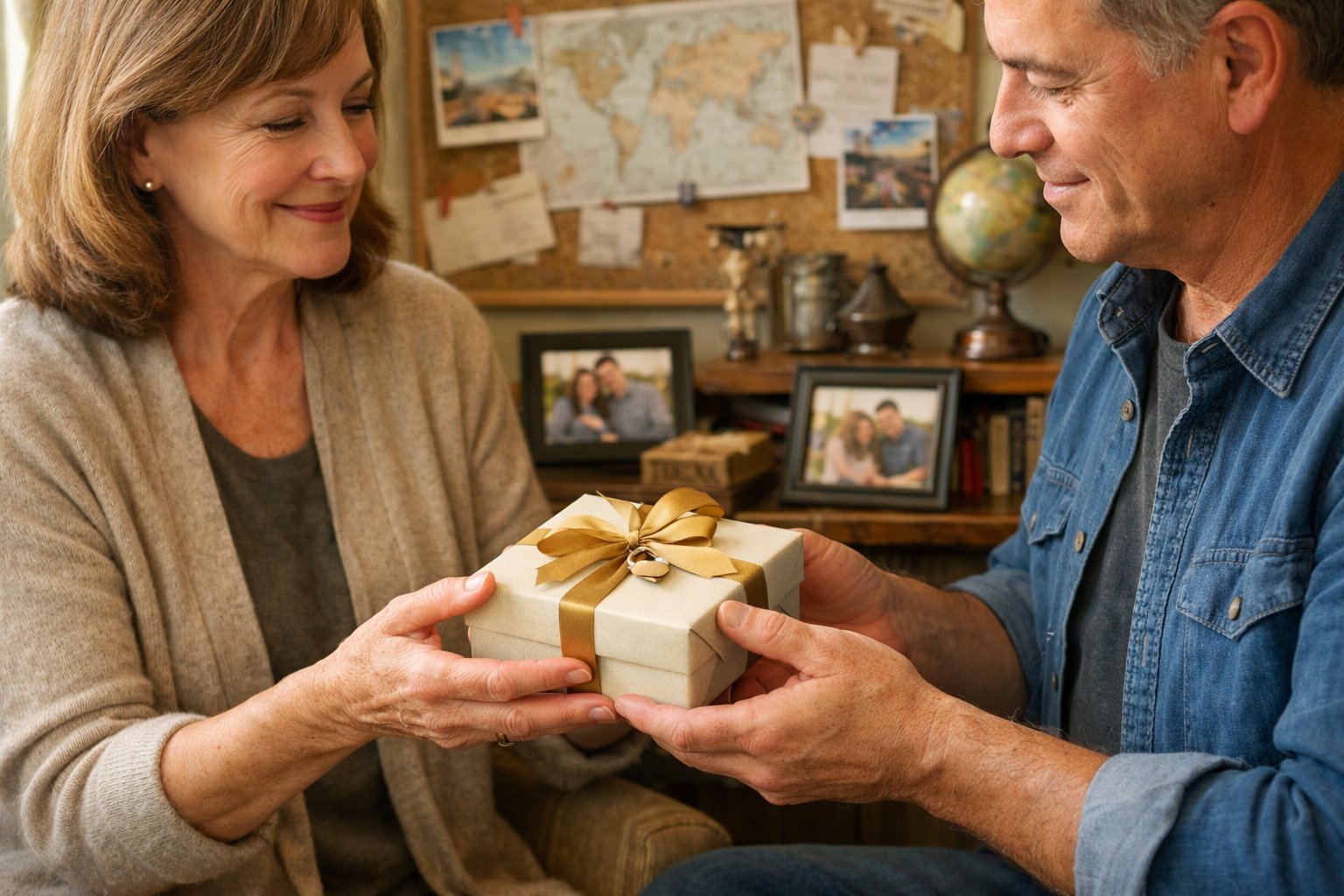 The most meaningful gifts aren't tied to a place on a map—they're tied to the experiences, milestones, and quiet moments that two people built together over time. Choosing a gift that honors heritage means thinking beyond landmarks and focusing on the traditions, struggles, achievements, or turning points that shaped the relationship. It's about recognizing what was shared, not just where it happened.
A gift rooted in shared history tells the recipient they were seen and remembered. It says their story mattered. Whether it's a book about a movement they both lived through, a custom piece that reflects cultural heritage, or something tied to a passion they explored together, the right choice goes deeper than nostalgia. It reflects connection.
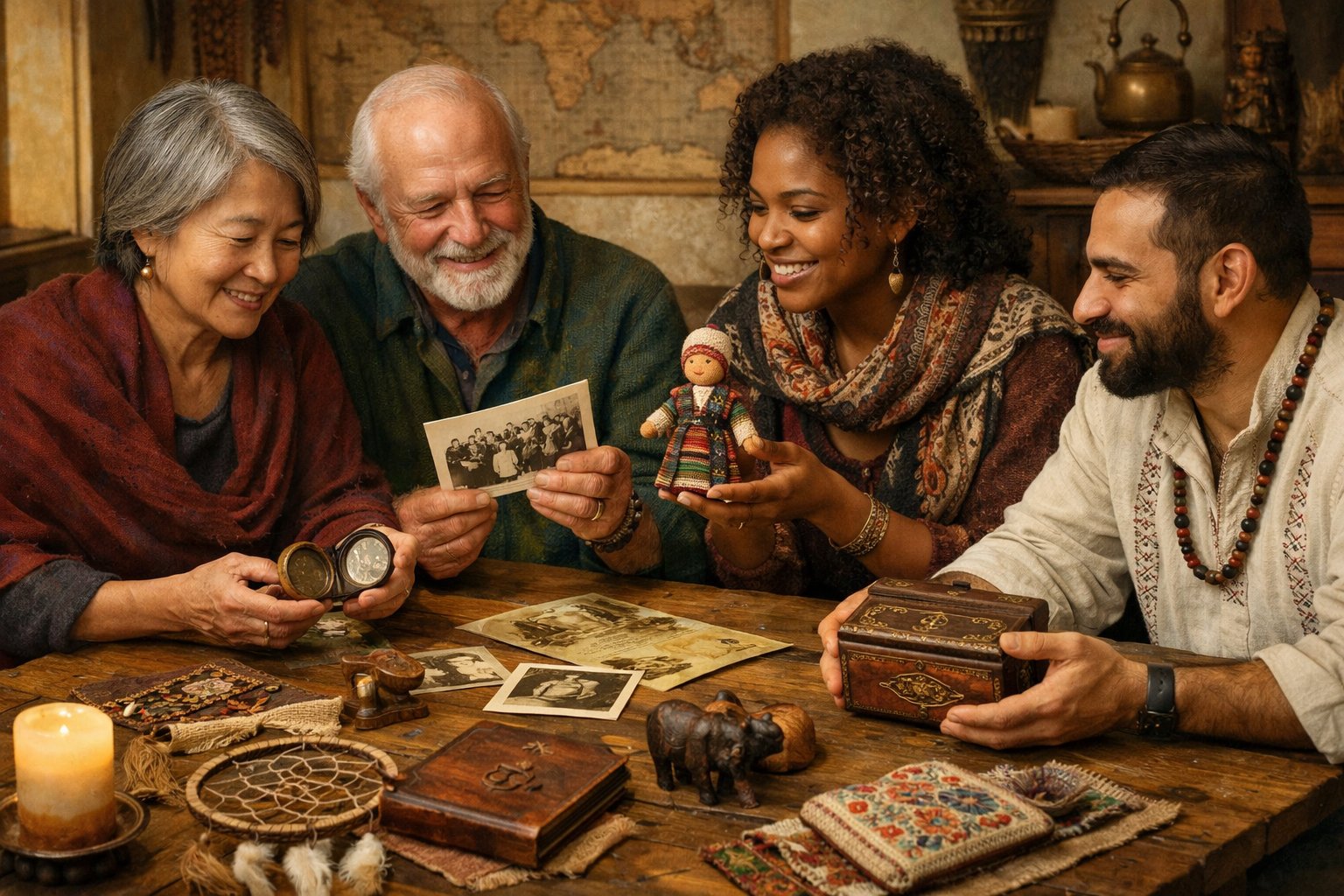
Gifts rooted in shared experiences carry more weight than objects tied only to a place. They reflect moments lived together, values passed down, and connections that grow stronger with time.
A gift that recalls a specific memory creates a bridge between past and present. When someone receives an item that reminds them of a conversation, a challenge overcome together, or a quiet moment shared, the object becomes more than decoration.
Geography can mark where something happened. But the emotional thread that keepsakes create comes from what people experienced in that place together. A photo from a family reunion holds more meaning than a generic souvenir from the same city.
Meaningful gifts often include:
For those wanting to commemorate a specific memory, a custom photo book lets someone arrange images in a way that tells their story. It works for friendships that have spanned years or families documenting their growth.
You can start building one with your own photos.
History gifts work because they acknowledge continuity. When someone gives an object connected to family heritage or a shared cultural background, they're saying the past still matters.
Objects tied to ancestry create a sense of belonging that strengthens family bonds. A grandparent's recipe box, a family crest display, or even a replica of an heirloom piece reminds recipients they're part of something larger than themselves.
These gifts don't need to be expensive. Sharing personal history helps instill identity in younger generations, teaching them that their story began long before they arrived.
A personalized family tree print gives someone a visual reminder of their lineage. If they want something they can frame and update as the family grows, this type of gift serves that purpose without feeling impersonal. You can design it here.
Gifts that honor personal narratives show the giver has been paying attention. When someone references a story the recipient told months ago or acknowledges a struggle they worked through, the gift becomes proof of active listening.
Gifts with stories become conversations rather than transactions. They invite retelling and create opportunities for deeper connection. A journal where someone can record their own experiences becomes more valuable when paired with a note explaining why their perspective matters.
Ways to incorporate personal narratives:
For someone building their own collection of memories, a leather journal provides space for reflection. It works particularly well when given with an explanation of why their thoughts deserve preservation. The act of choosing something meant to last years sends its own message about the relationship's value.
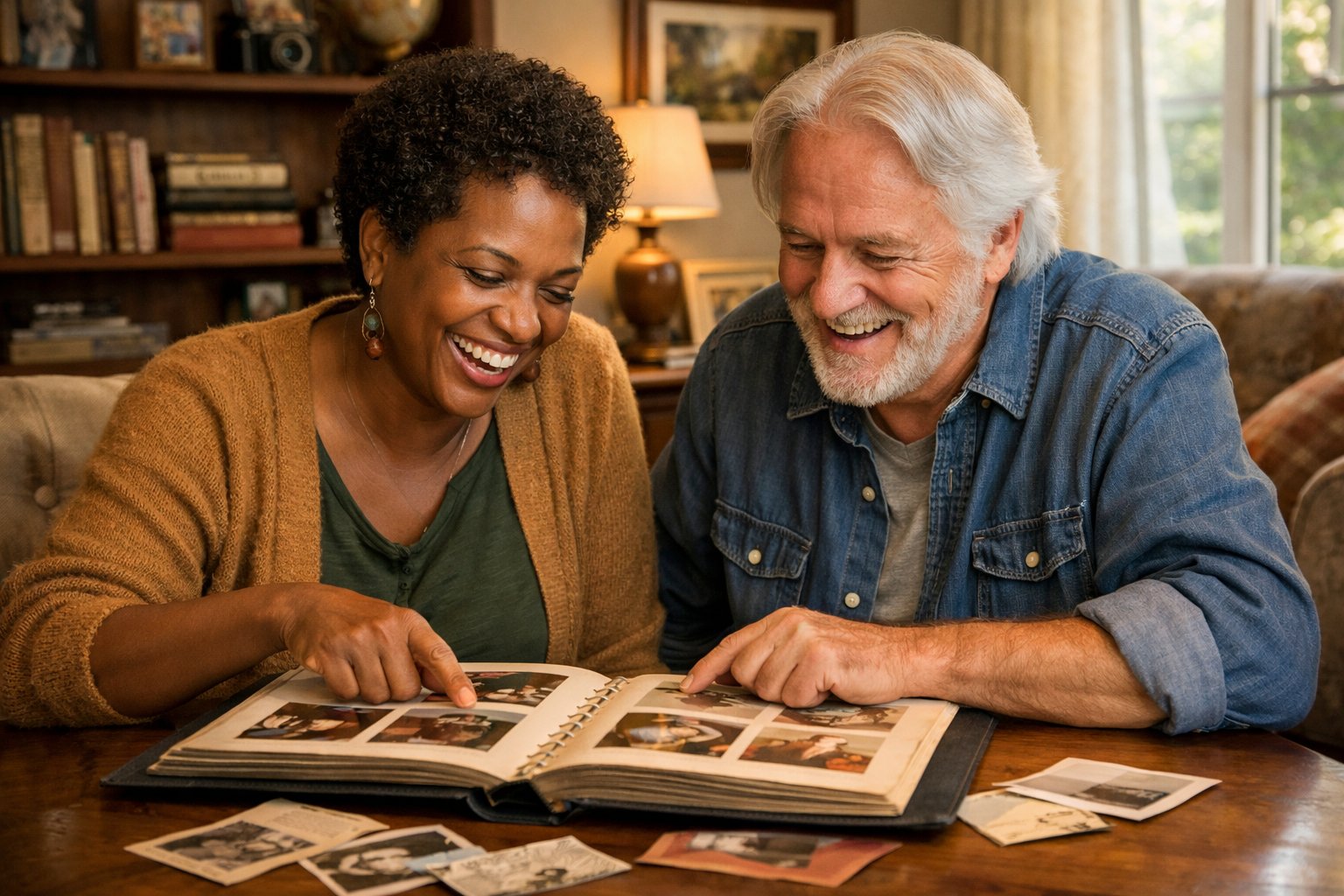
The gifts that matter most often come from quiet observation of what two people have built together over time. Recognizing the moments that shaped a relationship and the traditions that hold meaning makes it possible to choose something that feels personal rather than arbitrary.
Meaningful milestones rarely announce themselves with fanfare. They emerge from repeated experiences, inside jokes, challenges faced together, or small turning points that changed how two people relate to each other.
A gift that honors these moments doesn't need to be obvious. It might reference a trip where everything went wrong but became a story they still tell. It could acknowledge a shared hobby that started casually and became central to their time together. Shared experiences activate the brain's reward system, releasing chemicals that strengthen emotional bonds.
When thinking through history gift ideas, she might consider what they've built rather than where they've been. A custom photo book that includes handwritten notes about specific memories works when the images capture real moments rather than posed shots. For new parents, pregnancy gifts for first time moms can mark the beginning of a shared journey. A piece of jewelry engraved with coordinates from a place they returned to multiple times carries more weight than one marking a single vacation.
Family traditions and cultural practices shape how people understand belonging and continuity. A gift that acknowledges these patterns shows attention to what matters in someone's daily life.
This might mean recognizing how certain holidays are celebrated, understanding the significance of specific rituals, or noting which family stories get repeated. Storytelling in relationships helps identify themes that define connections between people.
For someone navigating complex family relationships, the family tree problem solver approach means recognizing both the traditions worth preserving and the ones being reimagined. A personalized name pendant featuring names in a specific order or style can honor lineage without being conventional. For a spouse, gifts that acknowledge partnership work best when they reflect actual shared values rather than generic sentiments.
The most resonant gifts come from noticing what someone preserves, repeats, or references when talking about their past.
History-themed gifts work best when they connect personal meaning to specific moments or eras rather than broad categories. The right choice balances authenticity with emotional relevance.
History buffs appreciate items that reflect careful thought about their specific interests. A reproduction historical document carries more weight than generic memorabilia when it connects to an era or event they care about.
Antique maps offer visual appeal while sparking conversations about exploration and change. A framed map from a meaningful time period becomes both decor and a daily reminder of shared interests. Vintage-style globes serve a similar purpose for those drawn to global history.
History-themed board games and strategy games turn learning into an activity worth repeating. They work well for people who enjoy immersive experiences over passive observation.
Museum memberships provide ongoing access to curated collections and special exhibitions. This type of gift extends beyond a single moment and creates opportunities for future shared experiences.
Custom jewelry can incorporate historical symbols or dates that matter to both the giver and recipient. A piece designed for a mother might feature coordinates from a significant location or an engraved timeline. These items carry meaning that generic versions cannot match.
Family history books assembled with photos, letters, and genealogy details create connections between personal lineage and broader historical context. They transform abstract history into something immediate and tangible.
Vintage-style writing sets with parchment and wax seals appeal to those who value the written word. Pairing one with a leather-bound journal gives someone space to document their own observations about the past. If she wants something that feels personal without making the moment overly sentimental, a customizable necklace for a daughter keeps it meaningful yet light. You can personalize it here.
Reproduction artifacts like coins, seals, or period-specific items work as display pieces that reference specific civilizations or movements.
Gifts rooted in shared heritage honor the stories and traditions that connect people across time. These items acknowledge ancestral roots and family narratives that geography alone cannot capture.
Historical replicas carry the weight of collective memory in a tangible form. Items like ancient coins from regions tied to a family's origins allow someone to hold a piece of history that their ancestors may have used or witnessed. A piece of the Berlin Wall represents not just a location but a moment of transformation that shaped generations.
These artifacts work best when they connect to specific family stories rather than generic symbolism. Someone whose grandparents emigrated during a particular historical period might find deeper meaning in an object from that era. The gift becomes a conversation starter that bridges past and present.
Replicas of cultural artifacts, traditional tools, or historical documents can serve similar purposes. A reproduction of an immigration document or ship manifest adds context to family lore. For those exploring gifts that celebrate heritage, these items create opportunities for storytelling across generations.
Genealogy resources transform curiosity about the past into documented understanding. Ancestry DNA kits provide biological connections to regions and relatives, while subscription services offer access to historical records and census data. A family tree problem solver helps untangle complex lineages when records are incomplete or contradictory.
For someone already engaged in family research, specialized tools make the work more manageable. Archival-quality binders, preservation supplies, or software designed for organizing genealogical data support ongoing projects. These gifts for multicultural families acknowledge the complexity of tracing multiple heritage lines.
Custom family tree charts offer a visual representation of connections. A professionally designed chart with space for photos and details becomes a living document that families can update together. If someone wants something that feels personal without overwhelming the moment, a customizable family tree design keeps it meaningful yet approachable. You can personalize it here.
Books offer depth and permanence, while subscriptions deliver discovery over time. Both allow someone to engage with history on their own terms.
A well-chosen history book reflects what matters to the person receiving it. Someone drawn to mountaineering and women's history might appreciate A Woman's Place Is at the Top, which chronicles female climbers who defied expectations. The book works because it speaks to both adventure and resilience.
Books about overlooked figures or untold stories often resonate more than broad surveys. A title that connects to a shared memory or past conversation shows attention. If she mentioned an interest in a specific era or event, a recent release or scholarly work on that topic carries more weight than a general overview.
Biographies and firsthand accounts create intimacy with the past. Letters, diaries, and memoirs bring historical moments into focus through individual voices. These formats feel personal rather than academic, which makes them easier to connect with emotionally.
History subscription boxes deliver curated items monthly, from reproductions of historical letters to maps and artifacts. A History by Mail subscription sends copies of actual letters written by historical figures, along with context and background. Each piece arrives as a small, tangible connection to another time.
These subscriptions work for people who want to explore history gradually rather than all at once. They also remove the pressure of finishing a book by a certain date.
The History Channel This Day in History boxed calendar offers a daily fact tied to the current date. It sits on a desk and becomes part of a routine. Someone who enjoys trivia or conversation starters might use it regularly.
Calendars and subscriptions extend the gesture beyond a single moment, which can feel more considerate than a one-time item.
Games, memberships, and hands-on activities turn shared history into something people can revisit together. These gifts work best when they reflect specific interests or places that already hold meaning between giver and recipient.
A museum membership tied to a place someone loves brings them back to it throughout the year. If a friend spent summers near a historical site, a membership to that location's museum lets them return on their own schedule. Many institutions offer reciprocal access to similar sites nationwide, which extends the value beyond one visit.
Gifting experiences through memberships creates ongoing connection rather than a single moment. National Trust members, for example, gain access to hundreds of preserved sites across the country. This matters when someone has ties to multiple regions or grew up visiting specific landmarks with family.
Guided tours work differently. They're best for someone who wants deeper context about a place they already care about. A walking tour of a neighborhood where they used to live or a behind-the-scenes museum experience adds layers to memories they already hold. The guide's perspective often reveals details they missed on their own, which changes how they remember the place.
Board games and puzzles based on real events give people a way to engage with history together. A game about a time period they studied or a region they lived in becomes a conversation starter. The World Game and similar strategy games let players explore historical decisions without lecturing them about the past.
Customizable history-themed items work when they reference something specific. A custom puzzle featuring a map of a hometown or a place someone moved from turns a quiet activity into something personal. If you want to mark a shared memory without making it overly sentimental, a design that reflects a specific location keeps it meaningful yet light. You can personalize it here.
A compilation of historical photos from a specific era or place also sparks memory. Photo books that focus on a particular decade in a city where they lived or vintage postcards from a region they called home become artifacts of their own story. These items don't need explanation. They simply exist as reminders.
Desk accessories and home decor rooted in history turn everyday spaces into quiet reminders of shared experiences. Items like patent prints or vintage-inspired office tools connect function with meaning, while decorative pieces tied to heritage bring warmth without clutter.
A globe pen holder transforms a practical desk item into a conversation piece about places visited together or roots traced back through generations. It holds pens while anchoring memories of travel or family origin stories.
Presidential slogan mugs bring political history into daily coffee routines, especially meaningful for couples who met at rallies or bonded over civic engagement. Each morning sip becomes a small nod to values they share.
An Ides of March pencil holder appeals to those who love classical history or inside jokes about timing and fate. It's quirky enough to spark smiles but refined enough for a professional workspace.
Roller coaster patent prints work well for couples who had their first kiss on a ride or spent summers at amusement parks. These historical map or artwork prints give technical drawings an unexpected emotional weight. The blueprint style adds visual interest without demanding attention, fitting seamlessly into home offices or studies.
A presidential soap set might seem unusual until you consider the recipient who grew up visiting historical sites or collecting Americana. It's both functional and symbolic, turning handwashing into a small ritual connected to shared national heritage.
The Coonly Playhouse doormat references specific theater history, ideal for drama enthusiasts or couples who met at performances. Doormats set tone before guests even enter, and this one signals cultural values immediately.
Personalized items carry weight when they reference family history rather than just names. A custom historical bobblehead or engraved artifact replica connects to stories only the recipient understands. These gifts work best when they're subtle enough for everyday use but detailed enough to feel intentional. They shouldn't require explanation to visitors, but they should mean something specific to the person who sees them daily.
Gifts rooted in moments of change or breakthrough honor the people and movements that shaped the world. They remind recipients that history was made by individuals who acted with courage, creativity, and vision.
Gifts that acknowledge movements for justice or equality carry weight because they recognize real struggle and real progress. Suffrage buttons, for example, connect the recipient to the early 20th-century fight for women's voting rights. These small metal pins were worn during rallies and marches, and replica suffrage buttons now serve as reminders of what was won through persistence.
Books and prints that document the history of the American firefighter trace the evolution of public service and community protection. Other gifts might focus on the contributions of overlooked groups, such as resources that explore the Black Civil War soldier and their role in shaping the nation's future. These items don't simply celebrate the past—they acknowledge whose voices were heard and whose were not.
A personalized print featuring a timeline of key civil rights events allows someone to reflect on how far society has come and how much work remains.
Gifts tied to breakthroughs in art, science, or craft honor human ingenuity. The Isle of Lewis Chessmen set, carved in the 12th century, represents medieval artistry and strategic thought. A Lewis chessmen set replica brings that craftsmanship into a modern home, where it can be used or displayed.
Other options include posters that map the history of flight, replicas of early scientific instruments, or books that chronicle the development of photography. A customizable compass engraved with coordinates of a meaningful location ties exploration to personal memory. It works for someone who values both discovery and sentimentality. You can personalize it here.
These gifts don't need to be expensive or elaborate. They just need to reflect the idea that progress—whether in rights, knowledge, or beauty—was built by people who tried something new.
History doesn't always need to feel serious or scholarly. Gifts that blend historical references with playful humor can acknowledge someone's passion while keeping the tone light and approachable.
A history buff mug featuring an unexpected image or phrase can turn a morning routine into a moment of shared amusement. Some designs show shirtless historical figures or clever wordplay that only someone familiar with the subject would fully appreciate.
These items work because they don't diminish the importance of history. They celebrate it in a way that feels personal and human. A mug printed with a witty reference to a shared trip or inside joke about a historical event carries more weight than a generic souvenir.
For someone who enjoys both history and a good laugh, a customizable design featuring a humorous historical quote or image offers flexibility. If she wants something that feels personal without making the moment overly sentimental, a design like this keeps it meaningful yet light. You can personalize it here.
The key is matching the humor to the relationship and the specific memories being honored.
Books filled with unusual historical facts offer entertainment without requiring deep academic focus. These collections highlight the strange, overlooked, or absurd moments that standard textbooks skip over. They work well when someone already knows the major events but enjoys discovering the peculiar details.
Trivia-based gifts also create opportunities for conversation. A set of historical trivia cards or a quirky artifact replica becomes something to explore together rather than just display on a shelf.
Consider items that reflect specific moments from shared experiences. A replica of an unusual object from a museum visit or a book about obscure facts from a region explored together adds context. These choices show attention to the details of what was shared, not just the fact that it happened.
Food carries memory in ways few other gifts can. Edible gifts rooted in family recipes or historical moments let someone taste the connection between past and present.
A cookbook that reflects a specific era can open conversations about what life was like during that time. Someone searching for a taste of history cookbook might want to recreate meals from the 1940s or explore regional dishes their grandparents prepared. These books do more than list ingredients. They explain why certain foods mattered during wartime rationing or how immigrant communities adapted recipes with available ingredients.
Homemade food gifts work especially well when they follow old family methods. A jar of pickles made the same way someone's grandmother did them or a spice blend mixed according to a handwritten card from decades ago becomes more than food. It becomes proof that traditions can be passed through food.
When preparing these gifts, including a small note about the recipe's origin adds context. A sentence or two about who first made it or what occasion it was served at turns the gift into a story someone can hold.
Candy from a particular decade can trigger surprisingly specific memories. A 1940s candy gift box filled with root beer barrels, Bit-O-Honey, or Black Jack gum might remind someone of what they bought at the corner store as a child. The packaging often matters as much as the candy itself since vintage-style tins or boxes signal that someone chose this with care.
Baked goods tied to cultural celebrations carry similar weight. Someone might bake traditional pastries their family only made during holidays and share them outside that usual timeframe. This shows the recipient that the relationship matters enough to break from routine.
If someone wants to acknowledge a cultural tradition without making assumptions, they can create a personalized dessert tin with designs that reflect shared experiences rather than stereotypes. It keeps the gesture thoughtful without trying too hard. You can personalize it here.
The strongest gifts reflect what two people have built together over time. They point to conversations, inside jokes, turning points, and quiet moments that shaped the relationship. Geography might explain where someone grew up, but it doesn't capture who they became or what they share with the person giving the gift.
When someone chooses a gift based on shared history, they're saying something simple but powerful. They're acknowledging that the relationship matters more than assumptions. A custom photo book can hold images from trips taken together or milestones celebrated side by side.
If someone wants to mark a friendship that spans years, a personalized timeline print can highlight key moments in a way that feels meaningful without being overly sentimental. You can personalize it here.
What makes shared history meaningful:
A gift that reflects shared sentiments and belonging creates deeper connection than one chosen from cultural assumptions alone. Gifts that connect individuals with places they love work because they're rooted in actual experience, not presumed identity.
The gesture doesn't need to be elaborate. A custom journal with a meaningful quote from a past conversation works when it's tied to something real. The goal is recognition, not performance.
Choosing gifts that honor shared memories and meaningful connections requires thoughtfulness about what truly matters between people. These questions address how to select presents that reflect personal history, cultural roots, and genuine interests rather than surface-level choices.
Books that dive deep into their favorite era make meaningful gifts. A first edition or annotated version of a primary source document shows attention to their specific interests.
Replica artifacts or museum-quality reproductions let history enthusiasts hold a piece of the past. These items work well when they connect to periods the recipient studies or finds personally significant.
Custom historical maps showing places relevant to their research or family background combine visual appeal with personal meaning. They can highlight migration routes, battlefield locations, or ancestral homelands.
Documentary series or streaming service subscriptions focused on historical content provide ongoing engagement. This works especially well for someone who enjoys learning through visual storytelling.
Items tied to specific moments shared together carry more weight than generic presents. A photo book documenting trips to historical sites or museums visited together acknowledges the experiences that built the relationship.
Gifts that reference inside jokes or recurring conversations about history show attentiveness. If someone always mentions a particular historical figure or event during conversations, a related item demonstrates listening.
Personalized journals designed for recording family stories or documenting genealogy research honor the work done together. They create space for the relationship to continue growing through shared projects.
Commissioning custom artwork depicting a meaningful location from the past—where ancestors lived or where important family events occurred—transforms memories into something tangible. This approach works when the shared history involves specific places.
DNA testing kits paired with ancestry research subscriptions help families explore their roots together. This creates opportunities for discovery and conversation that extend beyond the initial gift.
Traditional crafts or art forms from the family's culture of origin preserve techniques and aesthetics. Handmade items from artisans who practice these crafts maintain authenticity.
Recipe books featuring dishes passed down through generations or regional cuisines from ancestral homelands keep food traditions alive. Including space for notes allows the recipient to add their own variations.
If someone wants something that feels personal without making the moment overly sentimental, a customizable design showing the family tree or heritage map keeps it meaningful yet light. You can personalize it here.
The recipient's specific focus within history matters more than broad historical themes. Someone interested in social history appreciates different items than someone focused on military campaigns.
Quality and accuracy separate thoughtful gifts from generic ones. Items with historical errors or simplified narratives may disappoint serious enthusiasts.
Access to new information or perspectives adds value. Subscriptions to academic journals or specialized history publications provide ongoing content they might not purchase for themselves.
Consider whether the gift supports active engagement or passive appreciation. Tools for research, visits to archives, or memberships to historical societies work well for those who want to participate rather than just observe.
Archival supplies for preserving family documents and photographs help protect personal history. Acid-free boxes, photo sleeves, and proper storage materials show respect for their preservation work.
Guided tours or workshops at historical sites offer experiences that deepen understanding. These work particularly well when they focus on behind-the-scenes access or expert-led discussions.
Antique or vintage items from periods that interest them create direct connections to the past. Letters, postcards, or everyday objects from specific eras provide tangible links to history.
Language learning programs for historical languages—Latin, Ancient Greek, or Old English—enable deeper engagement with primary sources. This suits those who want to read documents in their original form.
Experiences at lesser-known historical sites avoid the predictability of major tourist destinations. Local historical societies often offer unique programs that attract serious enthusiasts.
Commissioning research into specific family lines or historical questions provides personalized knowledge. Professional genealogists or historians can investigate topics the recipient lacks time or resources to pursue.
Custom bookplates or library stamps designed with historical motifs or family crests add personal touches to their collection. These work for someone building a personal library focused on historical topics.
Memberships that grant access to digital archives or historical databases support ongoing research. Many museums and libraries offer these subscriptions to non-academics.
Restoration or conservation services for damaged family heirlooms preserve items for future generations. This approach works when someone owns historically significant objects that need professional care.