
Your Cart is Empty
Daily-wear jewelry isn't just about looking good. It becomes a personal companion, carrying meaning through all those everyday moments.
Meaningful jewelry pieces strike a nice balance between beauty, symbolism, and durability. They're pretty much the ideal gift, offering lasting emotional value instead of just a fleeting thrill.
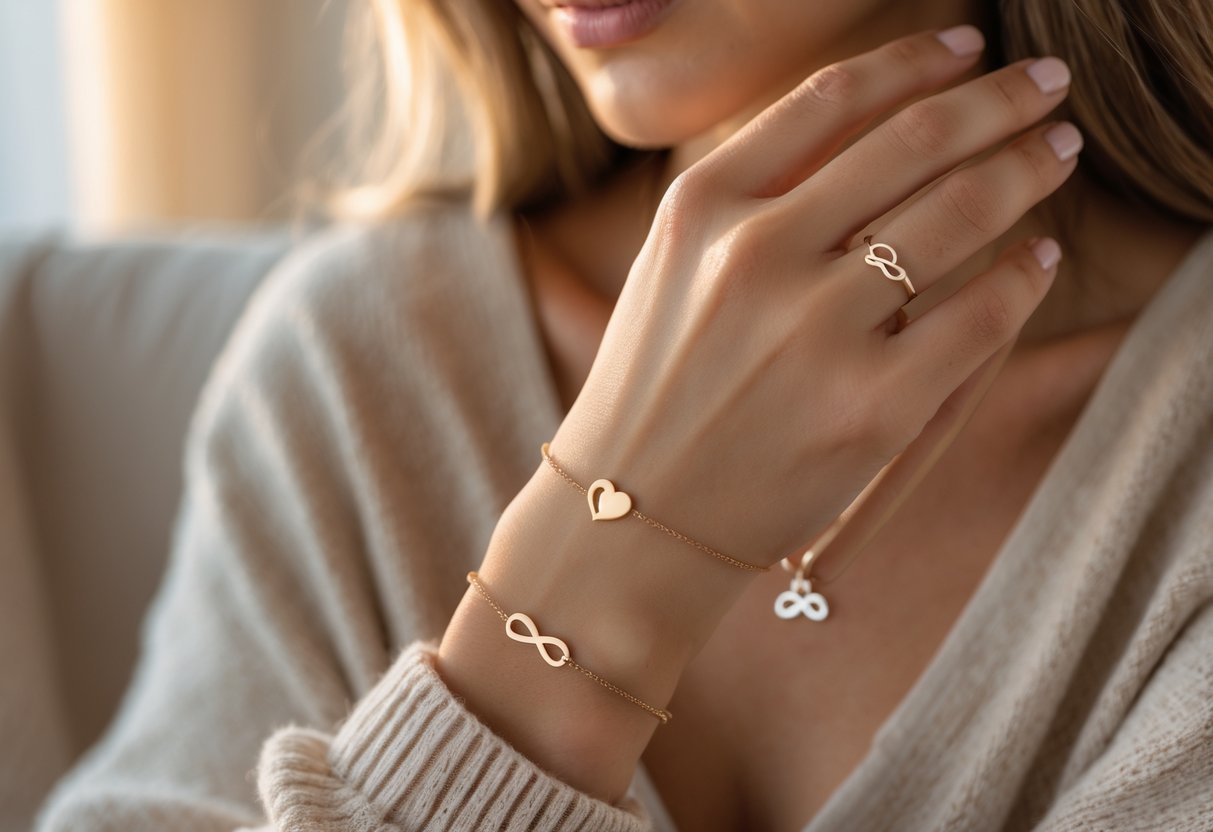
The right piece of spiritual jewelry for daily wear can actually change how someone feels about their day. Maybe it's a delicate pendant with personal significance, or a bracelet that holds cherished memories.
These accessories become woven into someone's story. They bring comfort when things get tough and help celebrate the good stuff too.
Unlike trendy pieces that fade out quickly, jewelry with meaningful messages creates real connections. The wearer forms an emotional bond with pieces that reflect their values, beliefs, or relationships.
That connection makes meaningful jewelry a gift that keeps on giving, long after the wrapping paper's gone.
Daily-wear jewelry isn't just another accessory—it can be a powerful personal statement. These pieces often become part of who we are, offering constant reminders of love, faith, or special memories, every single day.
Every piece of daily-wear jewelry tells a unique story. Maybe it's a necklace with a child's birthstone, or a bracelet with an engraved date that means everything.
Jewelry acts like a second skin for some folks. Some people never take off their favorite necklace because it just feels right.
Others pick pieces that show what they believe in or care about most.
Common personal meanings include:
Wearing these pieces every day just makes the connection stronger. When someone touches their jewelry, it brings back memories and the people behind them.
Quality matters too. Good-quality materials help jewelry last longer and stay beautiful, even with daily use.
Daily accessories can carry a lot of symbolic weight. A cross necklace might offer comfort and a sense of protection. A wedding ring, well, that's a daily reminder of commitment.
The spiritual side of jewelry can really affect how people feel. Different stones and metals have their own meanings and can even shift your mood or mindset.
Popular symbolic elements:
Wearing these symbols every day just makes them more powerful. It's almost like a little ritual—putting on jewelry that reminds you of what matters.
Religious jewelry is especially meaningful for some. Catholic jewelry, for example, connects people to tradition and faith in a really tangible way.
Meaningful jewelry gifts create lasting emotional bonds between the giver and receiver. Unlike other gifts that might break or go out of style, good jewelry just gets more precious with time.
The emotional impact of personalized jewelry can bring people closer. Every glance at a special piece is a little reminder of the person who gave it and the love behind it.
What makes jewelry gifts last:
Getting a meaningful piece of jewelry says, "I care." That feeling sticks around, and the bond grows stronger each time it's worn.
Jewelry becomes a vehicle for storytelling. Choosing to give meaningful jewelry isn't just about style—it adds intention and purpose to someone's daily routine.
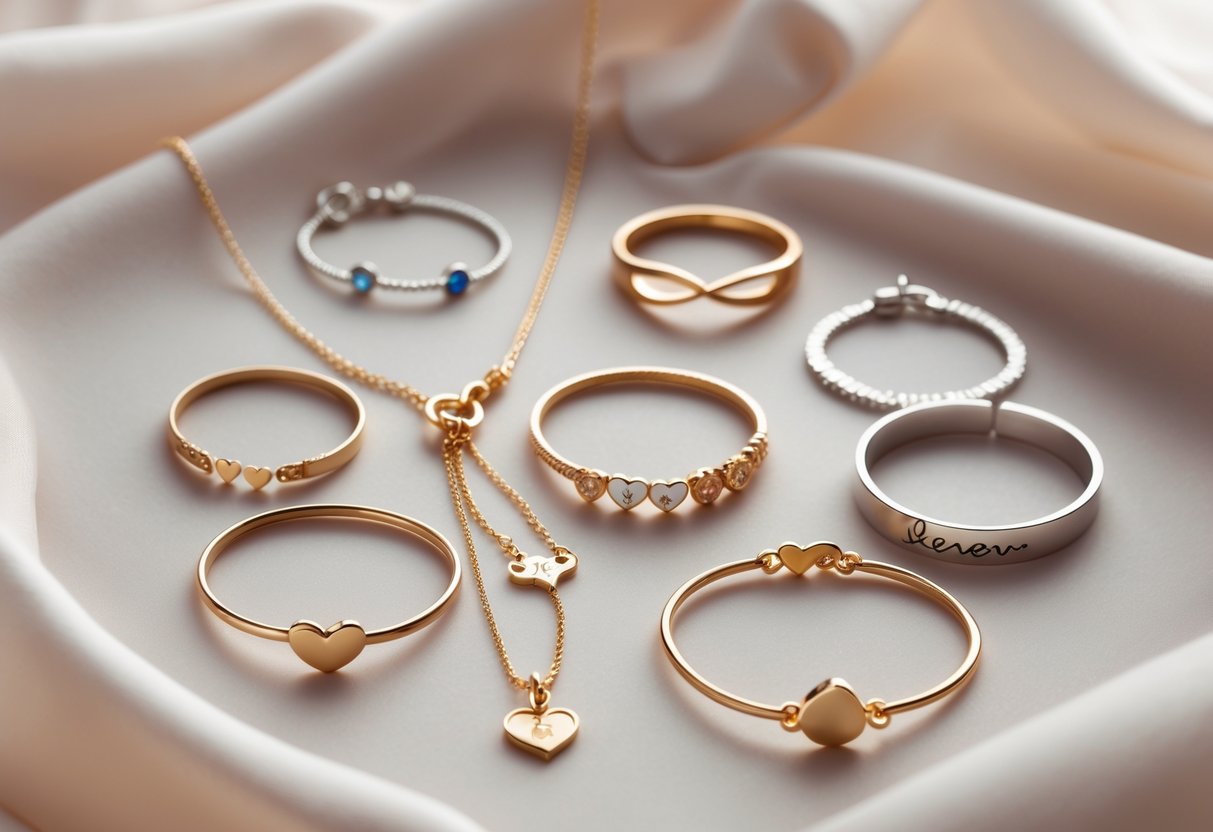
Every kind of jewelry offers its own way to carry meaning. Earrings can frame your face and share a belief, rings are there for deep connections, and necklaces rest close to your heart—literally.
Small stud earrings are a solid choice for daily wear, especially if they have meaning. Cross studs, infinity symbols, or birthstone earrings add a little significance without being too much.
Religious symbols are popular for everyday earrings. Tiny crosses or Star of David studs let people show their faith in a quiet way.
These look good with just about anything, from jeans to work clothes.
Birthstone earrings are another personal touch. Some folks pick their kids' birthstones or mix stones to represent loved ones.
Drop earrings with meaningful charms give a bit more flair. Pendants with initials, hearts, or spiritual symbols catch the light and add personality.
Material matters for daily earrings. Gold-filled or sterling silver hold up better than plated stuff, and hypoallergenic metals help if your ears are sensitive.
Simple shapes like circles or triangles can mean unity or strength. These abstract designs let people decide their own meaning, without being tied to a specific culture or religion.
Rings are classic reminders of relationships and commitments. Faith jewelry often makes great everyday pieces and fits into daily life easily.
Promise rings stand for commitments—either to someone else or even to yourself. They might have engraved words or small stones that represent something special.
Family rings use birthstones or engravings for kids, parents, or siblings. Moms often wear rings with their children's birthstones in order of birth.
Memorial rings honor loved ones who've passed. They might have engraved names, special dates, or even a small diamond.
Some people like spiritual rings with religious symbols or meaningful text. Catholic rings with rosary patterns or Saint Benedict designs are a good example.
Stackable rings are fun because you can add to them over time. Each band can stand for a life event, relationship, or achievement, and together they tell your story.
Necklaces sit right by the heart, so they're perfect for carrying meaning. Catholic jewelry serves as daily reminders of faith and connection to spiritual traditions.
Pendant necklaces come in all kinds of meaningful designs. Lockets hold photos or tiny keepsakes. Initial pendants represent loved ones. Religious medals offer protection and guidance.
Chain length makes a difference for comfort and how much the necklace shows:
| Chain Length | Best For | Visibility |
|---|---|---|
| 16-18 inches | Choker style, formal wear | High visibility |
| 18-20 inches | Most versatile, everyday wear | Moderate visibility |
| 20-24 inches | Layering, casual wear | Lower visibility |
Birthstone necklaces connect people to specific months or family members. Moms often pick necklaces with all their kids' birthstones in one place.
Coordinates jewelry is pretty cool—it has engraved latitude and longitude numbers for special places like where you grew up or got married.
Layering necklaces lets you mix and match meanings. Intentional layering with different chain lengths keeps them from tangling and shows off multiple symbols at once.
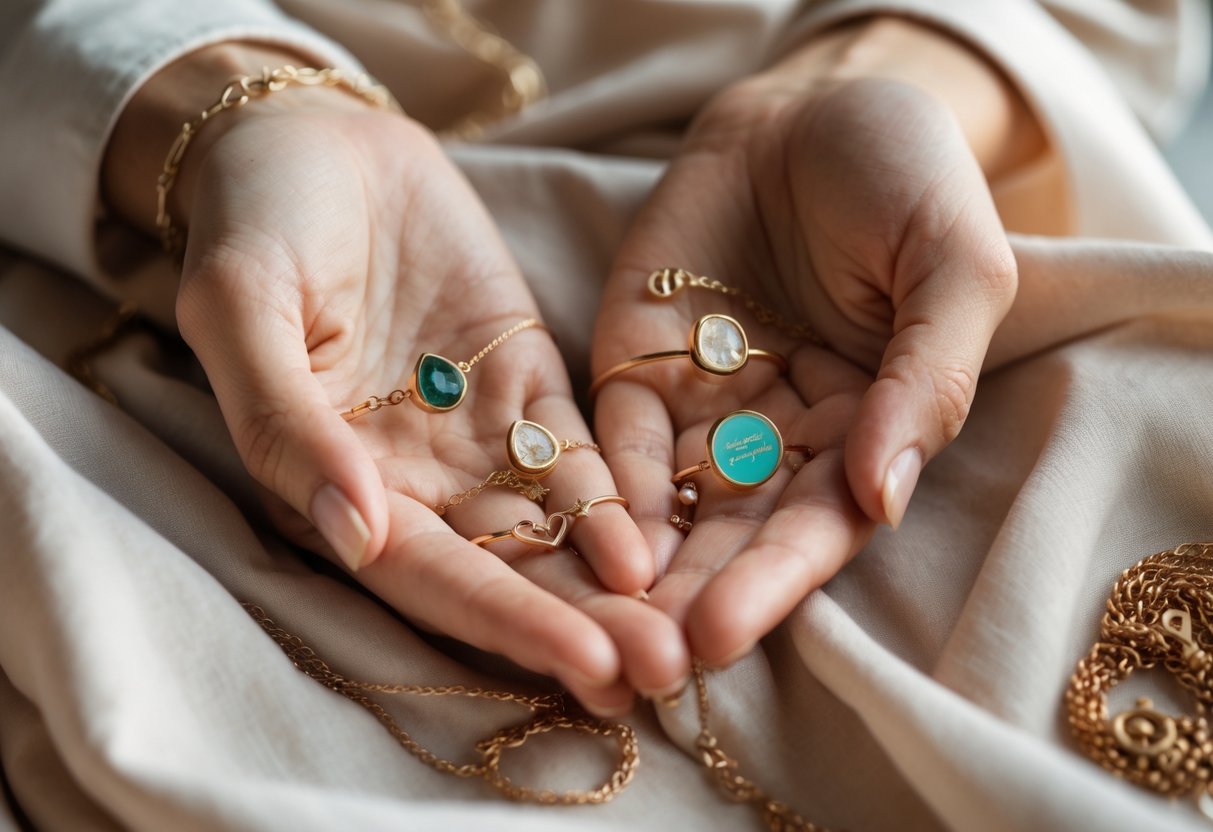
The best jewelry gifts have a personal touch. Custom details, meaningful stones, and special symbols can turn a simple accessory into a treasured keepsake that really reflects someone's journey.
Personal engravings make jewelry truly one-of-a-kind. Names, dates, coordinates, or even a short message can create instant emotional ties that last for years.
Some popular engraving ideas:
Laser engraving these days can do more than just text. Fingerprints, handwriting, or tiny symbols add a level of personal meaning you just can't get from store-bought jewelry.
Where you put the engraving matters too. Inside a ring band, on a bracelet clasp, or the back of a pendant keeps it private but close. Visible engravings work best if they blend in with the overall look.
Birthstones add instant personal meaning and a pop of color to jewelry. Each month's stone has its own symbolism, which makes the gift even more special.
Traditional birthstone meanings:
Modern birthstone jewelry doesn't have to stick to just one stone. Mothers' rings with all the kids' birthstones or family tree pendants with a bunch of stones tell a bigger story.
Some people go for zodiac stones, anniversary gems, or stones that just mean something personal. Others pick their partner's birthstone, or a gem from a place that's special to them.
Honestly, color preference sometimes matters more than tradition. If someone loves blue, a sapphire necklace might get worn way more often—regardless of their birth month.
Charm jewelry isn’t just about looks—it’s a way to tell your story, piece by piece. Each charm might hold a memory, a relationship, or even a dream you haven’t quite reached yet.
Meaningful charm categories:
Charm bracelets are perfect for gifts that keep growing. Family members can add new charms for birthdays or milestones, so the story keeps evolving.
The sturdiness of the charm attachments really matters for daily wear. Secure clasps and tough jump rings help keep charms from getting lost.
Charm spacing makes a difference too—nobody wants a bracelet that feels clunky or looks messy.
Think about the recipient’s lifestyle before picking charm sizes or materials. If they’re always on the go, smaller, lightweight charms are less likely to snag or get in the way.
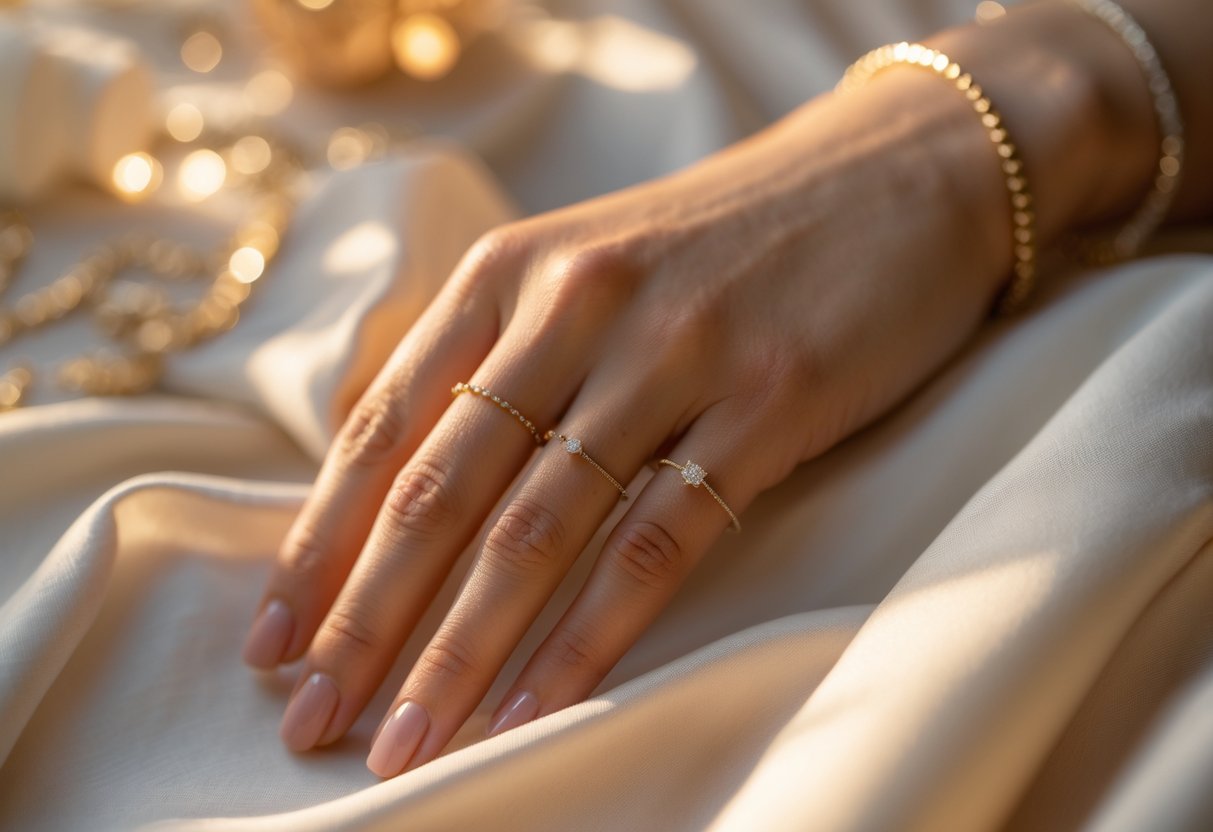
Quality makes a world of difference in jewelry. Good materials mean your favorite pieces still look great after years of wear.
When choosing jewelry you’ll wear daily, material choice affects both how long it lasts and how comfortable it feels.
High-quality gold like 14K or 18K resists bending and scratches better than cheaper options. That means your meaningful jewelry keeps its shine, even with constant use.
Precious metals offer superior longevity:
Quality metals help you avoid annoying issues like color fading or flaking. If you wear a piece every day, you need it to hold up.
Jewelry made from low-quality materials is more likely to break, discolor, or lose parts. That’s the last thing you want for something sentimental.
Life is rough on jewelry. Good materials can handle sweat, water, and temperature swings without falling apart.
Materials ranked by durability:
| Material | Durability Rating | Best For |
|---|---|---|
| Platinum | Excellent | All activities |
| 18K Gold | Very Good | Most activities |
| 14K Gold | Good | Daily wear |
| Sterling Silver | Fair | Light activities |
Titanium is another solid pick—it’s strong yet super lightweight. Perfect for anyone who’s active but still wants meaningful jewelry.
Quality pieces don’t dent or scratch easily, even if you’re washing dishes or typing all day.
Skin irritation can ruin the experience of wearing jewelry. Precious metals and hypoallergenic materials help you avoid that.
Safe materials for sensitive skin:
Nickel-free alloys are a must for most people. Allergies to nickel can sneak up on you over time, so it’s best to avoid it altogether.
With the right materials, you don’t have to worry about irritation—just wear your favorite pieces every day, no problem.
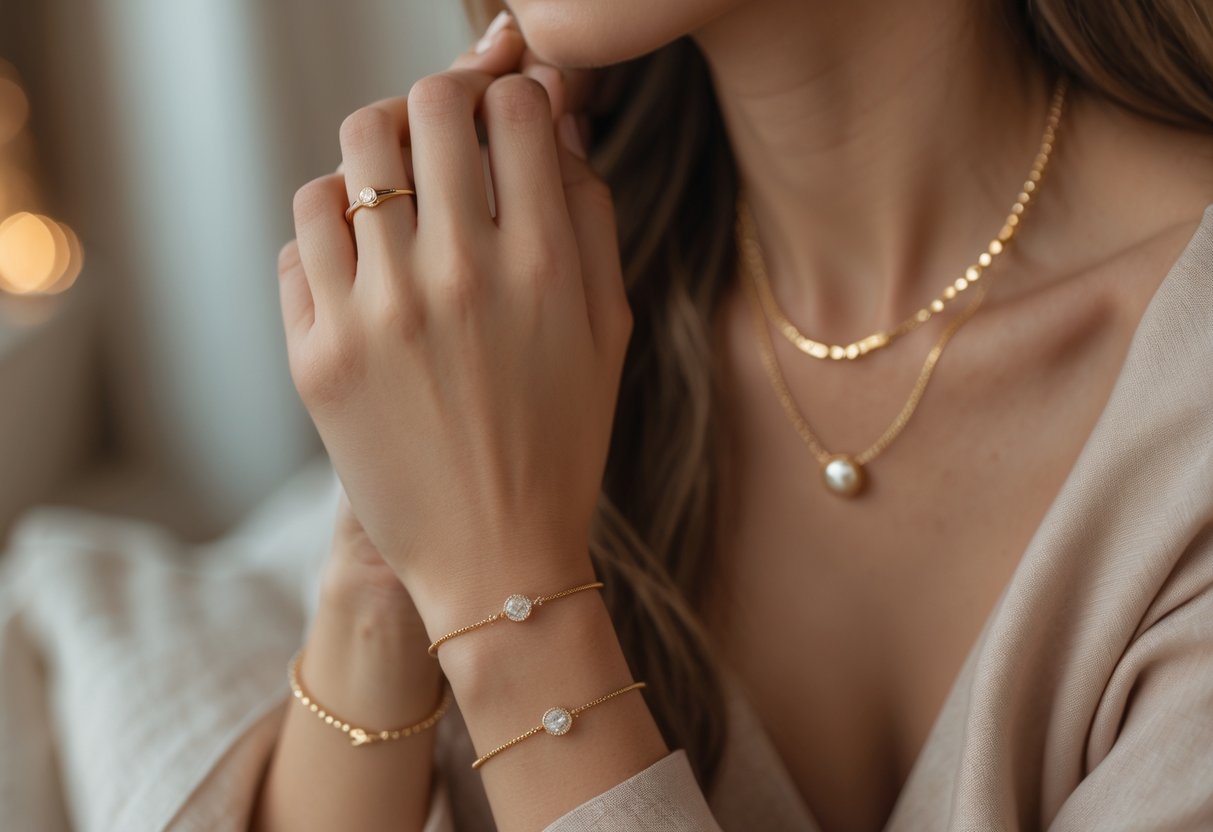
Everyday jewelry should feel elegant but not over the top. The best classics are simple, with thoughtful details that work for any occasion.
Minimalist jewelry doesn’t have to be boring. It’s all about clean lines, nice materials, and little details that catch the eye.
Simple gold chains are a staple. A thin 16-18 inch chain in 14k gold goes with everything, from a t-shirt to your favorite work blouse.
Delicate stud earrings in shapes like circles or triangles give a modern edge. They frame the face without clashing with your hairstyle or scarf.
Thin band rings with a tiny engraving or textured finish can be meaningful without being bulky. Stacking a few thin bands looks interesting but still polished.
Minimalist bracelets—think a slim chain or a thin cuff—are easy to wear every day. They don’t get in the way when you’re typing or shaking hands.
Classic jewelry pieces are worth the investment. They stay stylish, no matter how your personal taste changes over the years.
Pearl studs are surprisingly versatile. Go for 7-8mm freshwater pearls—they’re elegant but not too dressy for daily wear.
Diamond stud earrings are the ultimate jewelry chameleons. Even small quarter-carat studs add a little sparkle without being showy.
Tennis bracelets with small stones offer understated elegance. Modern ones are flexible, so they move with you all day.
Simple pendant necklaces with symbols like hearts or initials have both meaning and timeless style. They’re great conversation starters too.
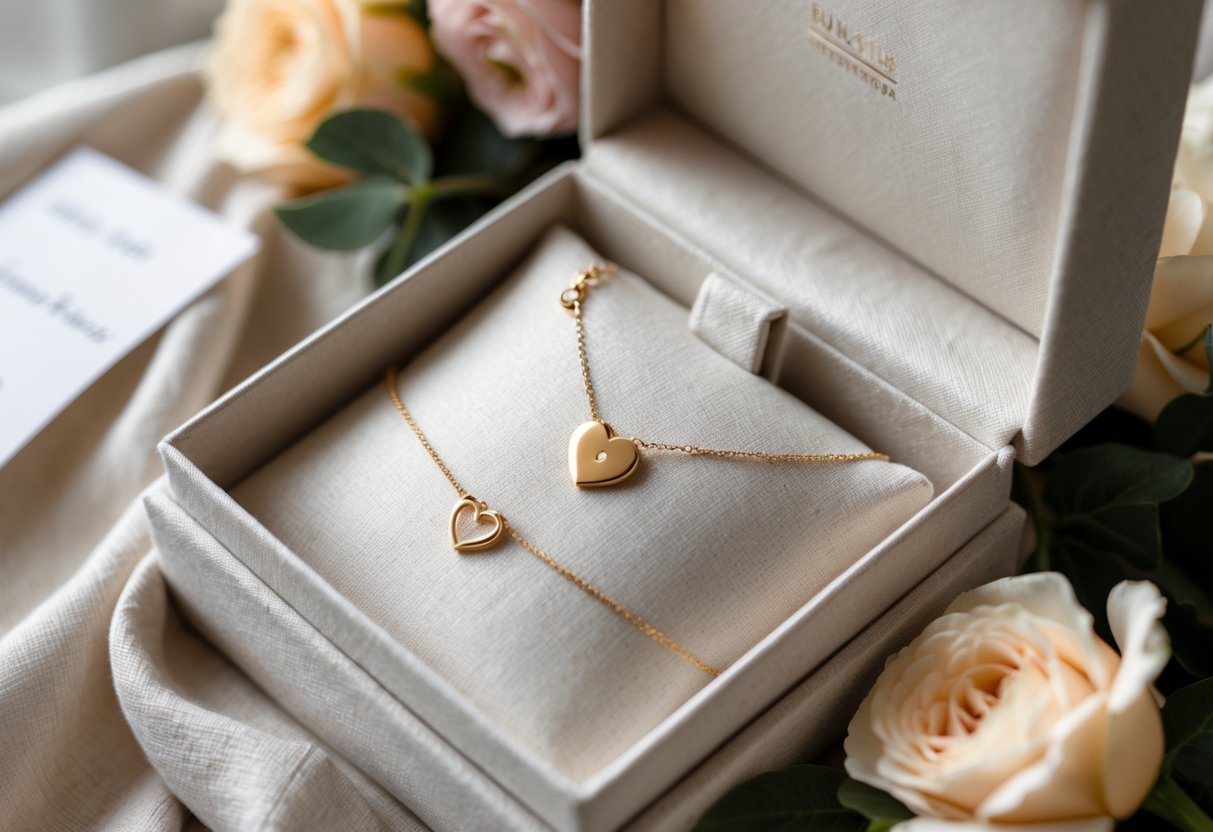
Picking the right jewelry gift comes down to knowing someone’s daily life and what matters to them. The best gifts mix practicality with a personal touch.
If someone’s always on the move, they need tough materials and secure settings that won’t snag or break. People who use their hands a lot—think healthcare workers or teachers—do better with minimal, hypoallergenic options.
Metal allergies are common, so materials like titanium or sterling silver are safer bets for sensitive skin.
Daily routines matter. Swimmers need jewelry that resists chlorine. Gym-goers want sweat-proof pieces. Parents with little kids usually prefer shorter chains and smooth, snag-free jewelry.
Take a peek at what they already wear. Do they like gold or silver? Are their pieces bold or dainty? Their current choices can give you clues about what they’d actually use.
Jewelry feels more special when it’s tied to a memory or milestone. Graduation gifts might include a birthstone or a symbol of accomplishment.
Versatile pieces are always a win. Simple chains, studs, or tennis bracelets go with almost anything. Choosing timeless over trendy means they’ll get more wear out of your gift.
Personal engravings—like coordinates, dates, or initials—turn an ordinary piece into a keepsake. It’s those small details that make a gift really memorable.
Stackable rings, pendant necklaces, or mix-and-match earrings let them play with their look. That way, your gift fits right in with what they already love.
Collections like To My Daughter blend heartfelt messages with wearable styles, so the jewelry is both meaningful and easy to wear every day.

The best jewelry keeps up with you, no matter what your day looks like. It should feel just as good at the gym as it does at dinner.
If you’re active, you need jewelry that can handle sweat and movement. Silicone wedding bands are popular—they won’t slip off or get in the way at the gym.
Best Materials for Exercise:
Small studs are safer than hoops if you’re working out. Short-chain pendants with a personal symbol stay put during movement.
Sports watches with heart rate monitors are both useful and stylish. They look good with workout gear and help you track your progress.
Stackable rings in tough metals like tungsten resist scratches. Steer clear of loose bracelets—they just get in the way during exercises.
Work jewelry should be subtle but still reflect your style. Jewelry that transitions from work to after-hours is always a plus.
Professional Jewelry Guidelines:
Pearl or diamond studs work in even the most conservative offices. A simple chain with a small pendant adds a bit of personality without being distracting.
Watches are both functional and stylish. Leather bands feel more formal, while metal bracelets are good for casual days.
Birthstone rings or initial necklaces add a personal touch but still fit most dress codes.
You don’t want to swap out all your jewelry just to go from work to dinner. Layering is your friend here.
Day-to-Night Strategies:
A pendant necklace can stand alone during the day, then become part of a layered look for the evening. It’s an easy way to switch things up without losing the meaning behind your favorite piece.
Convertible jewelry is even better. Earrings that can be dressed up or down, or necklaces with removable pendants, give you options.
Start with one meaningful piece—like a family ring or a special necklace—and build your look around it as your day changes.
Meaningful jewelry deserves a little TLC. With simple cleaning and smart storage, your favorite pieces will keep their shine—and their sentimental value—for years to come.
Daily-wear jewelry picks up oils, soap, and dirt that dull its shine fast. A gentle cleaning routine helps keep everything looking fresh, and it won’t damage your pieces.
Gold and platinum pieces are easy to clean. Just mix a few drops of mild dish soap with warm water and soak your jewelry for about 15 to 20 minutes.
After soaking, gently scrub with a soft toothbrush to loosen grime hiding in tiny crevices. That usually does the trick.
Silver jewelry is a little fussier because it tarnishes. Silver polishing cloths work wonders, but if there’s stubborn tarnish, a paste of baking soda and water can help.
Gemstone jewelry needs a softer touch. Hard stones like diamonds, rubies, and sapphires can handle a quick wash in warm soapy water.
But for soft stones—pearls, opals, turquoise—just wipe gently with a damp cloth. Don’t soak them; they really don’t like it.
Take jewelry off before swimming, working out, or putting on lotions and perfume. All those things can mess with metals and stones over time.
Good storage keeps jewelry from getting scratched, tangled, or tarnished. Each piece needs its own spot to avoid unnecessary damage.
Try jewelry boxes with compartments or soft pouches for each item. That way, metals don’t scratch each other and chains don’t knot up.
For silver, toss in some anti-tarnish strips. They soak up moisture and sulfur so your silver stays shiny, not dull.
Store your jewelry somewhere cool and dry, away from sunlight. Bathrooms are a no-go because all that steam is rough on metals.
A dresser or closet shelf is much better. Keep things simple.
| Storage Method | Best For | Benefits |
|---|---|---|
| Individual pouches | All metals | Prevents scratching |
| Anti-tarnish strips | Silver jewelry | Reduces tarnishing |
| Velvet-lined compartments | Gemstones | Soft protection |
Keep your most-worn pieces somewhere handy but still protected. A little tray on your dresser works great for the stuff you grab every day.
Jewelry with meaning feels even better when it’s made from recycled metals and lab-grown stones. Responsible sourcing matters—it protects both people and the planet.
Recycled precious metals look just as beautiful as newly mined ones. Gold and silver can be melted and reused over and over, which means less mining and less harm.
Lab-grown diamonds are an ethical alternative to mined stones. They’re real diamonds, physically and chemically, but without the baggage.
Nearly 70% of millennials now prefer lab-grown stones for their jewelry. That’s saying something.
Reclaimed gemstones from vintage jewelry get a second chance in new designs. It’s a way to reduce waste and keep a bit of history alive.
Some brands even specialize in turning inherited pieces into something fresh and modern. That’s pretty cool if you ask me.
Alternative materials like recycled sterling silver or ethically sourced wood are popping up too. They’re often more affordable, but still tough enough for daily wear.
Traditional mining can displace communities and wreck local ecosystems. Mining operations can move 250 tons of earth for just one carat of diamond.
That’s a lot of impact for a tiny stone. It affects water, soil, and wildlife.
Fair trade practices are changing things. Miners get fair wages and safer conditions, and responsible brands are more transparent about where their materials come from.
They’ll even show documentation about sourcing and treatment of workers. That’s the kind of honesty we need.
Child labor is still a problem, with about a million kids working in small-scale mining. Ethical brands avoid those suppliers and sometimes support education in those communities.
Certification programs help shoppers spot responsibly sourced jewelry. The Kimberley Process tracks diamond origins to keep conflict stones out of the market.
Still, transparency isn’t perfect since materials often travel through many countries before reaching you.
Jewelry with meaning just gets more valuable as time goes on. Family heirlooms connect generations, and even newer pieces pick up significance through shared memories.
Family jewelry forges strong bonds across generations. Think of a grandmother’s wedding ring or a mother’s favorite pendant—these pieces carry decades of love and stories.
They become living family stories. Every scratch or worn spot marks a moment—joy, celebration, or just daily life.
The jewelry becomes a keepsake that links family members, no matter how much time passes.
Traditional heirlooms include:
Parents often save special pieces for big milestones. Maybe a daughter gets her mom’s earrings on her wedding day, or a son inherits his dad’s watch after college.
The emotional value of these treasures always outweighs what they’re worth in dollars. They’re irreplaceable, and they keep family traditions alive.
Jewelry worn every day gathers meaning as life goes on. A simple bracelet can turn into something precious after years of memories.
Jewelry gains meaning through:
A necklace worn on a first date becomes a love story. Earrings given for a promotion can be a reminder of how far you’ve come.
These are gifts that keep on giving. They stick with you through life’s changes.
Jewelry witnesses all sorts of milestones. It’s there as relationships grow and life shifts.
Each time you wear it, you add another layer of meaning. It’s not just an accessory anymore—it’s a collection of memories.
People have a lot of questions about picking out, caring for, and understanding daily-wear jewelry gifts. Here are some of the most common concerns.
Simple gold or silver chains with meaningful pendants are great for moms who like understated style. Heart pendants, birthstone pieces, and initial necklaces add a personal touch without being too much.
Classic stud earrings—pearls or small gemstones—are super versatile. They’re secure for daily wear and work with both casual and professional looks.
Tennis bracelets and slim bangles are elegant choices. Moms can wear them alone or stack them, and they go from day to night easily.
Think about the recipient’s daily routine. Smaller pendants are better for busy or active people, while larger ones suit those who don’t move around as much.
Look for pendants with personal meaning—zodiac signs, religious symbols, or family designs. Personalized jewelry with engravings or birthstones can be especially meaningful.
Go for sturdy materials like solid gold, sterling silver, or stainless steel if it’s meant for daily wear. These metals hold up well and don’t need much fuss.
Coin pendants connect people to history and carry meaning in lots of cultures. Ancient coins often stand for prosperity, luck, or protection.
The round shape means wholeness and eternity. That kind of symbolism is pretty universal.
Coin pendants work with different chain lengths and styles. They fit right in with both minimalist and layered looks.
WJN focuses on contemporary designs with a modern twist but classic feel. Their collections feature clean lines and geometric shapes—great for work or everyday wear.
They use quality materials like 14k gold and sterling silver. These metals are tough enough for frequent use.
You’ll find both abstract and symbolic motifs in their pendant collections. There’s everything from simple shapes to nature-inspired pieces.
Take jewelry off before you swim, shower, or work out to avoid chemicals and moisture. Store each piece separately in a soft pouch or lined box to prevent scratches.
Clean gold and silver weekly with gentle soap and warm water. Use a soft brush for tricky spots, then dry with a soft cloth.
Once a year, get professional cleaning for gemstone or intricate pieces. Jewelers can check for loose stones and do maintenance to keep your jewelry in top shape.
The four-leaf clover has always been a symbol of luck, faith, hope, and love in Irish tradition. Each little leaf stands for something different, which makes it kind of special if you think about it.
Jane Win takes this old-school symbolism and gives it a fresh twist with her designs. There's something about the mix of classic meaning and modern style that just works.
Finding a real four-leaf clover is pretty rare, right? That rarity turns the pendant into a symbol for stumbling upon something truly unique. It makes a thoughtful gift, too—sort of like sharing a bit of good fortune with someone you care about.