
Your Cart is Empty
Join our mailing list & claim 15% off your 1st order!
You might have noticed that some friends stick around for decades while others drift away after a few years. Research shows that friendships lasting more than seven years have a good chance of continuing for life. Lifelong friendships are built on shared traits, consistent effort, and spending at least 300 hours together to form a deep bond. These connections don't happen by accident.

The difference between friends who stay and friends who fade comes down to specific factors. Science points to seven key areas of overlap that strengthen friendships: speaking the same language, growing up in similar areas, having comparable careers, and sharing hobbies, viewpoints, humor, and music tastes. The more things two people have in common, the stronger their friendship becomes.
Making time for regular contact matters too. Simple rituals like monthly phone calls or sending memes keep friendships alive through job changes, moves, and different life stages. Whether someone celebrates their bond with personalized friendship gifts or marks the occasion with friendship books, what counts is showing up for each other year after year.

A lifelong friendship goes beyond simple companionship or shared activities. It's marked by deep trust, consistent presence through major life changes, and an unshakeable bond that survives distance and time.
What makes friendships last a lifetime comes down to several key factors. Research shows that people need to spend at least 300 hours together to become true best friends. This time investment builds the foundation for something deeper.
Essential traits include:
Strong friendships typically share seven areas of overlap: speaking the same language, growing up in the same area, having similar career paths, and sharing hobbies, viewpoints, humor, and music tastes. The more similarities two people have, the stronger their bond becomes.
Lifelong friends let their guards down with each other. They talk about mistakes and insecurities without fear of rejection. This level of openness separates lasting friendships from casual connections.
Not all friendships serve the same purpose or last the same amount of time. Most adults have friends who fit into specific categories in their lives.
Gym friends and work friends come and go as circumstances change. Someone might lose touch with a workout buddy after switching gyms or drift apart from coworkers after leaving a job. These relationships fill important social needs but rarely survive major life transitions.
Activity-based friendships revolve around shared hobbies or interests. Book clubs, sports teams, or volunteer groups create these connections. They stay strong while the shared activity continues but often fade when interests change.
Close friendships represent a smaller circle of people someone leans on during hard times. Many adults say they have only a handful of friends in this category. These relationships go deeper than surface-level interactions and involve emotional support.
Forever best friends are the rarest type. These bonds survive jobs, moves, relationships, fights, and decades of life changes. They often feel like family and can withstand long periods without contact while still picking up right where they left off.
The line between acquaintances and close friends becomes clear through specific behaviors and feelings. Understanding friendship depth helps people recognize which relationships matter most.
Close friends share their deepest thoughts and emotions with each other. They don't keep conversations at a surface level. When something really good or really bad happens, these are the first people someone wants to tell.
Acquaintances might share pleasant conversations but lack emotional depth. They don't know each other's fears, dreams, or vulnerabilities. The relationship stays comfortable but shallow.
Key differences:
| Close Friends | Acquaintances |
|---|---|
| Express "I love you" regularly | Keep things polite and pleasant |
| Provide support during health challenges | Offer basic sympathy |
| Make explicit commitments about the future | Don't discuss long-term connection |
| Accept flaws without judgment | May not know real personality |
Close friendships require consistent effort and time investment. People in these relationships develop shared rituals and make their importance to each other known. They verbalize their commitment and create memories through celebrations and traditions.
Those looking to celebrate meaningful friendships might consider personalized friendship gifts on Zazzle or friendship journals on Amazon to commemorate their bonds.
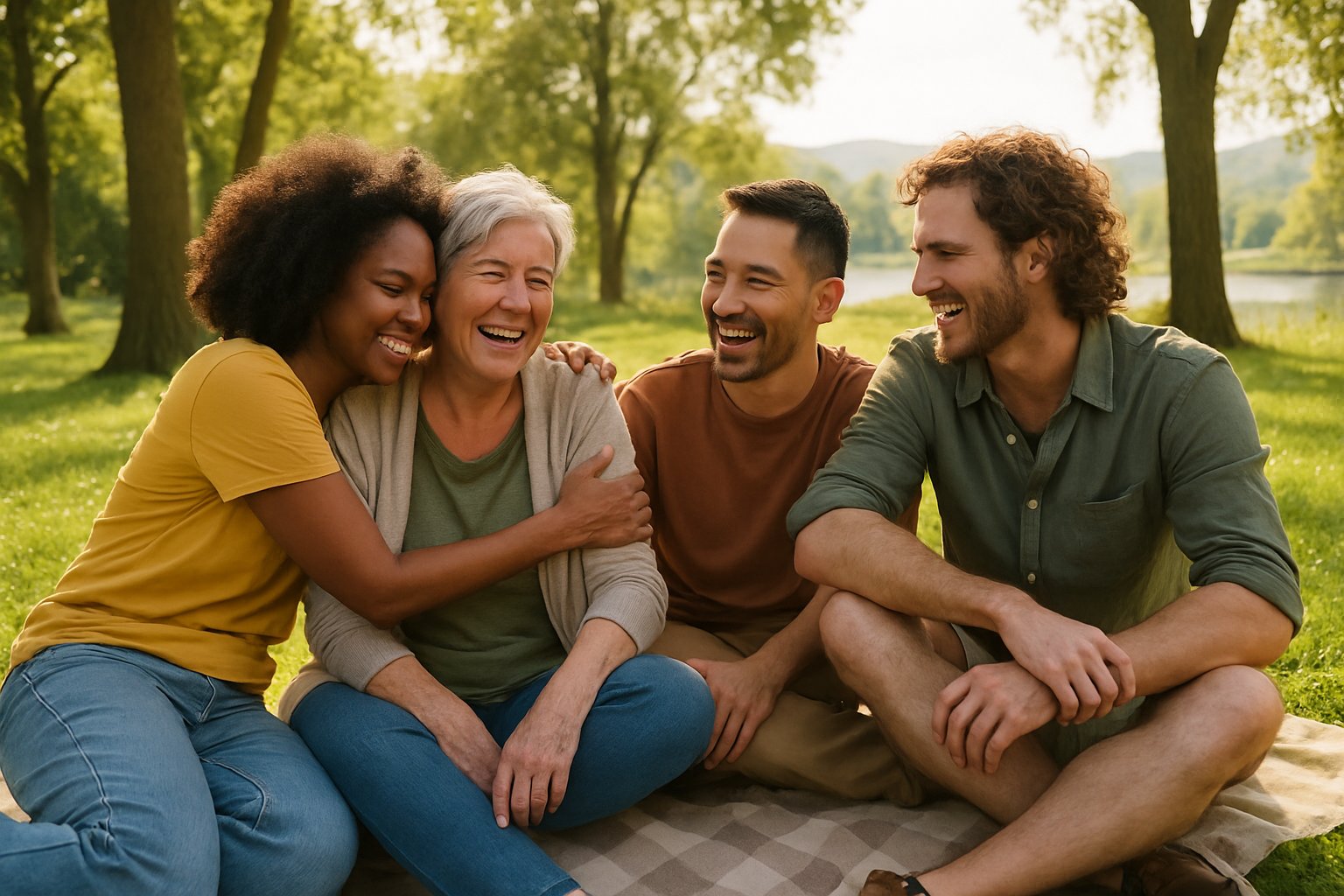
Lasting friendships build on specific core elements that strengthen bonds over time. These foundational pieces work together to create relationships that survive through different life stages and challenges.
Friendships that endure for decades rely heavily on a collection of memories built together over time. Research shows that people need to spend at least 300 hours together to develop truly close bonds.
These shared experiences create a unique language between friends. Inside jokes, remembered difficulties overcome together, and celebrated victories form a foundation that new relationships simply cannot replicate. The longer two people know each other, the more of these moments accumulate.
Life transitions like moving to new cities, changing careers, or starting families test friendships. Those with deep shared history often survive these changes because the weight of their past together holds more value than present circumstances. Friends who met in childhood or early adulthood carry decades of context about each other's growth and changes.
Even periods of no contact cannot always break bonds formed through significant shared history. Many close friends reconnect after years apart and immediately return to their familiar dynamic.
Trust forms when friends consistently show up for each other during both good and bad times. This reliability creates a sense of safety that allows people to be vulnerable and authentic.
Key trust-building behaviors include:
Friends who provide emotional support during health challenges, relationship problems, or career setbacks demonstrate their trustworthiness. This support strengthens the bond each time it occurs.
The ability to share deepest thoughts and emotions without fear marks truly close friendships. Friends who express these feelings to each other tend to form tighter bonds than those who keep conversations surface-level. This vulnerability requires trust that the other person will respond with care and understanding rather than criticism.
Similarities strengthen friendships more than differences. Seven areas of overlap prove particularly important: language, geographic background, career paths, hobbies, viewpoints, sense of humor, and musical taste.
Friends don't need to match in all these areas, but more shared ground typically means a stronger relationship. Common interests give friends natural activities to enjoy together, from attending concerts to playing sports to discussing books.
Shared values matter even more than shared hobbies. When friends agree on core beliefs about family, work ethic, politics, or life priorities, they understand each other's decisions and choices. This alignment prevents major conflicts that could damage the friendship.
People can maintain friendships despite different interests if their values align. A friend who loves sports and another who prefers art can still connect deeply if they both value loyalty, honesty, and personal growth. Check out personalized friendship gifts that celebrate these connections. These common values and interests create a foundation for understanding that helps friendships weather disagreements and life changes.
Attachment styles shape how people form bonds, while emotional support and self-esteem create the foundation for friendships that endure across decades.
Attachment theory explains how early relationships with caregivers influence adult friendships. People with secure attachment styles find it easier to build trust and maintain close connections. They feel comfortable sharing their feelings and asking friends for help when needed.
Those with anxious attachment may worry about being abandoned by friends. They often seek constant reassurance about the friendship's value. Avoidant attachment styles lead people to keep emotional distance, which can make deep friendships harder to form.
Understanding your attachment style helps explain why some friendships last while others fade. Secure attachments allow friends to navigate conflicts without ending the relationship. Research shows that people who recognize their attachment patterns can work to build healthier friendship habits over time.
Emotional support forms the backbone of lasting friendships. Friends who provide genuine care during difficult times create bonds that strengthen with each challenge faced together.
Key types of emotional support include:
Studies on the psychology of friendships across the lifespan show that emotional support directly improves mental health outcomes. Friends who consistently show up for each other build trust that lasts decades. This type of support reduces stress and helps people cope with anxiety and depression.
Close friendships where both people share their deepest thoughts create stronger bonds than surface-level relationships. The act of being vulnerable with a friend and receiving compassionate responses builds psychological safety.
Lasting friendships boost self-esteem by providing acceptance and validation. When friends appreciate someone for who they truly are, it reinforces positive self-image. This acceptance helps people feel valued beyond their achievements or status.
Life satisfaction increases significantly for those with enduring friendships that provide companionship. Friends celebrate successes together, which amplifies positive emotions. They also help put failures into perspective, preventing temporary setbacks from damaging self-worth.
Research indicates that people with strong friendships report higher overall happiness. The reciprocal nature of giving and receiving support creates meaning in daily life. Friends remind each other of their strengths during moments of self-doubt, which maintains healthy self-esteem through different life stages.
Human relationships exist within layered social circles, with research showing that people maintain about 150 meaningful connections while reserving deeper bonds for a much smaller inner circle. The structure of these networks and the varying strength of ties within them directly influence which friendships endure over decades.
Robin Dunbar, a British anthropologist, identified that humans can maintain roughly 150 stable social relationships. This limit exists because of our brain's capacity to track complex social information.
Within this network, relationships form distinct layers. The innermost circle holds 5 people who receive the most time and emotional energy. The next layer contains 15 close friends, followed by 50 good friends, and finally 150 casual friends.
Friendship across life phases shows that people continuously adjust these circles as they age. When someone enters an inner circle, another person typically moves outward. This constant reshuffling means that maintaining a spot in someone's closest layers requires regular contact and emotional investment.
The brain uses about 40% of its processing power to manage social networks. Larger social circles correlate with bigger brain regions dedicated to social cognition. People who try to maintain more than 150 meaningful connections often find the quality of all relationships suffers.
Strong bonds with close friends provide emotional support and reduce stress, while weak ties offer access to new information and opportunities. Both types serve different but important functions in social networks.
Close friendships require frequent interaction. Research indicates that best friends need at least 200 hours together to form their bond. These relationships significantly impact longevity because they trigger stress-reducing hormones and lower inflammation.
Weak ties connect people to broader communities. A college acquaintance or former coworker might introduce someone to a new job, hobby group, or romantic partner. These casual connections don't demand much time but create bridges between different social circles.
The friendships that last decades typically start as strong bonds. They survive because both people continue investing time even when life circumstances change. Distance or busy schedules can weaken ties, but scheduled check-ins help maintain the connection's strength over time.
Life circumstances shift constantly, and maintaining friendships through these transitions requires intentional effort and flexibility. Distance, career moves, and family responsibilities can strain even the strongest bonds of companionship.
Moving to a new city for work creates physical distance that tests friendship strength. Technology bridges this gap through video calls, messaging apps, and social media check-ins. Friends can schedule regular virtual coffee dates or watch parties to stay connected despite miles between them.
Starting a family changes availability and priorities dramatically. New parents often struggle to balance childcare with social connections. Understanding friends make allowances for last-minute cancellations and shorter visits. They might bring takeout to a friend's home instead of meeting at restaurants. Some friendships deepen when both people experience parenthood together, sharing advice and playdates.
Career changes also impact friendship dynamics. A demanding new job might limit free time for months. Strong friendships survive these busy periods because both people recognize the temporary nature of the situation. Quick text messages or brief phone calls maintain the connection until schedules allow quality interactions again.
Personalized friendship gifts from Zazzle help friends celebrate major milestones together even from afar.
Friends grow and change as individuals throughout their lives. Someone who enjoyed late nights and spontaneous adventures in their twenties might prefer quiet dinners at home in their thirties. Friendships evolve when both people accept these natural shifts without judgment.
Different life stages create scheduling challenges. One friend might work traditional hours while another works nights or weekends. Creative solutions include breakfast meetings, lunch breaks, or early morning walks. The key lies in finding times that work for both schedules.
Financial situations also affect friendship activities. Not everyone can afford expensive dinners or weekend trips. True friends suggest budget-friendly alternatives like potluck dinners, hiking, or game nights at home. Books about maintaining relationships from Amazon offer additional guidance.
Health changes require adaptability too. A friend dealing with illness needs different types of support than someone celebrating a promotion. Thoughtful friends adjust their expectations and offer help that matches current needs.
Strong friendships require active work and intentional practices to survive over time. Research shows that spending at least 300 hours together helps people become true best friends, but maintaining that bond demands ongoing effort through regular contact and meaningful traditions.
Maintaining friendships depends on consistent communication, even when people don't see each other frequently. Friends who stay in touch through regular check-ins create stability in their relationship. This doesn't mean daily contact is necessary.
Simple habits make a big difference. Sending memes, scheduling monthly phone calls, or texting about important life events keeps the connection alive. Consistency matters more than frequency when it comes to friendship maintenance.
Close friendships can survive long periods without contact if the foundation is strong. Some best friends go months or years without talking but pick up right where they left off. The key is making contact predictable when it does happen. A custom friendship calendar from Zazzle can help track important dates and celebrations.
Shared rituals give friendships structure and create lasting memories. These don't have to be complicated or expensive. Annual friend vacations, birthday celebrations, or friendship anniversaries all strengthen bonds between people.
Small rituals work just as well as big ones. Weekly video calls, monthly coffee dates, or yearly traditions provide touchpoints that friends can count on. These practices show commitment to the relationship's future.
Rituals borrowed from family relationships help friends feel more connected. Celebrating milestones together or marking special occasions reinforces mutual support. A matching friendship journal from Amazon lets friends document shared experiences and track their rituals over time.
Direct communication about the friendship's value creates security. Friends who say "I love you" and express how important they are to each other build stronger bonds. Making these feelings clear removes doubt about the relationship.
Verbal affirmations matter throughout all life stages. Telling a friend they'll be there forever provides comfort and reassurance. This is especially true during health challenges or difficult times when mutual support becomes critical.
Appreciation doesn't always need words. Small gestures like remembering details about a friend's life or showing up during hard times demonstrate care. The combination of spoken gratitude and supportive actions creates the foundation for close friendships that endure.
Technology has changed how people build and keep friendships through constant digital access, but it also creates challenges that can prevent deeper bonds from forming. Young people now maintain both offline and online relationships that give them regular contact with peers.
Technology makes it simple to stay in touch with friends no matter where they live. Video calls, instant messaging, and social media let people share updates and communicate in real time. These tools help friends separated by distance maintain their relationships through regular interaction.
Online platforms also help people find new friendships based on shared interests. Someone who enjoys crafting can find friendship communities on sites like Zazzle where they connect with others who share their creative hobbies. Digital spaces remove physical barriers and make friendships more accessible for people with disabilities or social anxiety.
Technology can strengthen connections by giving friends multiple ways to engage with each other's lives. Sharing photos and experiences creates more opportunities for interaction. Friends can send quick messages throughout the day or schedule longer video chats when they want deeper conversations.
Digital communication lacks the depth of face-to-face interaction. Text messages miss body language, tone of voice, and immediate feedback that help people understand each other. This can lead to misunderstandings and conflicts between friends.
Psychologists study how digital technology affects friendships in both positive and negative ways. Jeffrey Hall, a communication researcher, has examined how the quality of interaction matters more than the quantity. Social networks can create shallow connections that feel close but lack real intimacy.
People who rely too much on technology may neglect in-person time with friends. Face-to-face meetings build trust and emotional closeness in ways that screens cannot replicate. Books about friendship and communication available on Amazon often emphasize the importance of balancing digital and real-world interactions.
Key challenges include:
As people move through different life stages, their values and goals naturally shift. These changes can either deepen friendships or create distance between friends who no longer share the same path.
Personal growth affects every relationship. When friends evolve in similar directions, their bond often becomes stronger. They share new experiences and support each other through challenges.
However, growth can also pull friends apart. Someone might pursue a demanding career while their friend focuses on starting a family. These different priorities change how much time and energy each person can invest in the friendship.
Common areas where priorities shift:
Friends who grow together rather than apart celebrate each other's changes. They adapt to new circumstances without resentment. This might mean switching from weekly dinners to monthly video calls, but the connection remains intact.
Some friendships naturally fade as circumstances change. This happens when one person's growth takes them in a completely different direction. Neither friend is at fault—their paths simply diverged.
Resilience determines whether friendships survive major life changes. Strong friendships withstand disagreements and different viewpoints. Friends don't need to agree on everything to maintain their bond.
Resilient friendships share these traits:
| Trait | Description |
|---|---|
| Flexibility | Adjusting expectations as life circumstances change |
| Patience | Allowing time for friends to navigate difficult periods |
| Acceptance | Respecting choices even when they differ from one's own |
Friends demonstrate resilience when they maintain connections despite evolving priorities. One friend might become deeply religious while another remains secular. A lasting friendship accommodates these differences.
The key is mutual respect. Each person recognizes that their friend's growth doesn't diminish the relationship's value. They find common ground even when their daily lives look completely different.
Resilient friends also communicate openly about their changing needs. They discuss what they can realistically offer each other given their current responsibilities. This honesty prevents misunderstandings and hurt feelings.
Different cultures shape how people form and keep friendships over time. Some societies view friends as lifelong commitments similar to family bonds, while others see human relationships as more flexible and changing with life circumstances.
Cultural norms shape attitudes towards friendship in ways that directly affect how long these bonds last. In collectivist societies like Japan and India, friendships often carry the same weight as family relationships. These cultures expect people to maintain friendships through major life changes and view ending a friendship as a serious matter.
Individualist cultures like the United States and Germany take a different approach. People in these societies form friendships based on shared interests and personal choice. When those interests change or people move to new places, the friendship may naturally fade without social stigma.
Communication styles also play a major role in friendship longevity. High-context cultures such as China and Arab countries build trust slowly through shared experiences and unspoken understanding. This gradual process often creates stronger, longer-lasting bonds. Low-context cultures value direct communication, which can make friendships easier to start but sometimes harder to maintain through misunderstandings.
Many cultures have developed specific rituals that strengthen and preserve friendships over decades. In Okinawa, Japan, people form social support groups called moais that last for life. These groups meet regularly throughout their entire lives, creating bonds that span 50 or 60 years.
Some African and Asian cultures practice blood brotherhood ceremonies that formalize friendships as permanent relationships. Latin American countries exchange friendship bracelets as symbols of lasting commitment. Native American Lakota traditions view friendship as a sacred bond that connects all community members.
These cultural practices provide structure and meaning to friendships. They create expectations that friends will stay connected despite distance or time. Modern technology has changed how people maintain these traditions, but the underlying values remain strong in many societies. A friendship journal can help people document and honor these important relationships across cultures. People can also celebrate lasting friendships with personalized friendship gifts that reflect their shared history.
Long-term friendships deliver measurable improvements to both mental and physical health while boosting overall happiness. Strong friendships can lower blood pressure and strengthen immunity, making these relationships as important as diet and exercise.
People with close friendships experience better cardiovascular health and stronger immune systems. Research shows that friendships benefit people across all ages and can even improve lifespan.
The emotional support from lasting friendships reduces stress and anxiety. Friends provide a safe space to share feelings and work through difficult times. This emotional connection helps people cope with challenges more effectively.
Physical health improvements include:
People with solid friendships tend to live longer than those without close social connections. The companionship itself acts as a protective factor against various health problems. Friends encourage each other to maintain healthy habits and seek medical care when needed. Check out friendship celebration gifts on Zazzle to honor these important relationships.
Friendships enhance many aspects of well-being by providing meaning and purpose. People with close friends report higher levels of happiness and life satisfaction compared to those with fewer social connections.
Long-term friendships offer consistent emotional support during major life transitions. Whether someone changes careers, moves to a new city, or faces personal loss, friends provide stability. This reliability creates a sense of security that contributes to overall well-being.
The benefits extend beyond crisis management. Friends celebrate achievements, share everyday joys, and create positive memories together. These shared experiences build a reservoir of happiness that people draw from throughout their lives.
Social connections also combat loneliness and isolation. Regular interaction with trusted friends gives people something to look forward to and maintains their sense of belonging. Browse books about lasting friendships on Amazon to learn more about nurturing these valuable bonds.
Lasting friendships require consistent effort and care. They don't simply survive on their own. People who maintain close bonds for decades understand that friendship is an active choice.
Key actions that strengthen lifelong friendships include:
Mutual support forms the foundation of friendships that endure. Friends who check in on each other, offer help without being asked, and provide emotional support during challenges build deeper connections. These actions demonstrate that the friendship matters.
Small rituals keep friendships alive. Weekly phone calls, annual trips, or sharing memes and life updates create consistent touchpoints. Even simple gestures like remembering birthdays or sending a text thinking of someone strengthen bonds over time.
Trust and acceptance allow friendships to survive changes. Life brings moves, new relationships, career shifts, and personal growth. Friends who accept each other without judgment navigate these transitions successfully.
Some people find that keeping a friendship journal helps them remember important details about their friends' lives. Others use personalized gifts to mark special occasions and show they care.
The strongest friendships combine shared history with ongoing investment. They take work, vulnerability, and commitment. But the reward is a bond that provides comfort, joy, and connection throughout life.
Understanding what makes friendships endure requires examining specific factors like shared traits, time investment, and consistent communication patterns that researchers have identified through studies.
Research shows that seven key areas of overlap strengthen friendships significantly. These include speaking the same language, growing up in the same area, having similar career paths, and sharing hobbies, worldviews, senses of humor, and musical tastes.
The more commonalities friends share in these areas, the stronger their bond becomes. People prefer friends who are similar to them rather than different, despite popular sayings about opposites attracting.
Physical proximity and shared activities also matter greatly. Friends who live near each other or participate in the same activities find it easier to maintain their connection over time.
Time investment plays a crucial role in building deep friendships. Studies indicate that people need approximately 300 hours together to develop a true best friend relationship.
Emotional vulnerability strengthens bonds between friends. Those who share their deepest thoughts and feelings with each other create tighter connections than friends who keep conversations surface-level.
Trust and unconditional acceptance form the foundation of lasting friendships. When friends know they can share anything without facing judgment, the relationship gains resilience against life's challenges.
Consistency in communication helps friends stay connected even when life circumstances change. This doesn't require constant contact, but regular check-ins maintain the relationship's strength.
Creating shared rituals reinforces friendship bonds. These can be simple practices like sending memes regularly or scheduling monthly phone calls, or more elaborate traditions like annual vacations together.
Expressing verbal affirmations about the friendship's importance helps both people feel valued. Saying "I love you" and making clear that the friendship will continue long-term provides comfort and security.
Making friendship a priority requires deliberate effort. Friends can celebrate personalized friendship gifts to mark special occasions and show appreciation for each other.
Most adults have only a small handful of people they consider close friends. The majority of friendships fall into specific categories like work friends or activity-based friends that often fade when circumstances change.
True forever best friends who remain close for decades represent the rarest type of friendship. These relationships survive multiple life stages, including career changes, relocations, relationships, conflicts, and personal losses.
Many friendships have a natural lifespan tied to specific life circumstances. When someone switches jobs, moves cities, or changes interests, situational friendships often end naturally without conflict.
Research suggests that friendships lasting more than seven years have a higher likelihood of continuing indefinitely. However, this represents a correlation rather than a guaranteed outcome.
The seven-year mark often indicates that friends have weathered various life changes together. This shared history creates a foundation that can support the relationship through future challenges.
Once people establish a very strong friendship, they may go months or years without talking yet still reconnect easily. This phenomenon shows that some bonds achieve a durability that doesn't depend on constant contact.
Being present during both good times and difficult periods demonstrates commitment to the friendship. Friends who show up consistently during health challenges or personal crises build deeper trust.
Making explicit statements about the friendship's value helps both parties understand their importance to each other. Clear communication about wanting someone in one's life long-term provides reassurance.
Accepting that friends will sometimes make mistakes or behave in ways one disagrees with helps relationships survive conflicts. Loving friends despite their flaws creates space for authenticity and growth.
Investing in meaningful keepsakes from Amazon can serve as tangible reminders of the friendship's significance. These items help friends feel appreciated and valued in the relationship.