
Your Cart is Empty
Strong friendships don't happen by accident. They grow through intentional words, actions, and daily habits that build trust and connection over time. Using everyday affirmations can transform how people show up in their relationships by shifting mindsets from doubt and negativity to appreciation and support.

Positive affirmations for friendship work by rewiring thought patterns and creating deeper emotional bonds. When someone regularly practices affirming thoughts about their relationships, they become more present, grateful, and encouraging with friends. This positive energy creates a cycle where both people feel valued and understood.
The practice goes beyond just thinking nice thoughts. People can share affirmations with friends through personalised friendship cards, daily text messages, or simple verbal reminders. These small but meaningful gestures strengthen existing bonds while also attracting new friendships built on authentic connection and mutual respect.
As an Amazon Associate, Urban Nexus earns from qualifying purchases.
💎 When words aren't enough on their own
The most powerful affirmations are the ones she can carry with her every day. A personalised message necklace turns your words into something she wears close to her heart.
Browse Message Jewelry →
Styles: Love Knot Necklaces · Dangle Name Necklaces · All Necklaces

Daily affirmations create measurable changes in brain patterns and relationship behaviours. These positive statements reduce stress hormones while building stronger emotional connections between friends.
Research shows that positive affirmations activate the brain's reward centres. When people repeat affirming statements, their neural pathways strengthen in areas linked to self-worth and social bonding.
Studies reveal that affirmations lower cortisol levels by up to 25%. This stress reduction helps people communicate better with friends. Lower stress means fewer conflicts and more positive interactions.
Brain imaging shows that affirmations increase activity in the prefrontal cortex — the area that controls decision-making and emotional regulation. Stronger prefrontal activity leads to better choices in friendships.
The process works through neuroplasticity. Regular affirmation practice literally rewires the brain for more positive thinking patterns. These changes become permanent with consistent use over 21 days.
Positive thinking through affirmations changes how people interact with friends. Those who practise daily affirmations show more empathy and active listening skills.
Affirmations help people set healthy boundaries. Clear boundaries prevent resentment and maintain respect in friendships. Friends who use affirmations report feeling more confident saying "no" when needed.
Trust builds faster when people affirm their friendships daily. Affirmations strengthen existing bonds by focusing attention on positive qualities in friends. This creates upward spirals of appreciation and connection.
Communication improves dramatically with affirmation practice. People become more willing to share vulnerable thoughts and feelings. This deeper sharing creates stronger emotional bonds between friends.
Daily friendship affirmations boost overall wellness by 40% according to psychological studies. People who affirm their relationships show lower rates of depression and anxiety.
Self-esteem increases when people regularly affirm their worth as friends. Higher self-esteem leads to more authentic relationships. Friends feel safer being themselves around confident people.
Affirmations reduce social anxiety in group settings. People who practise friendship affirmations report feeling more comfortable at social events. This comfort leads to forming new connections more easily.
Emotional resilience grows through consistent affirmation practice. When friendship challenges arise, those who use affirmations bounce back faster. Keeping a dedicated affirmation journal makes the practice more engaging and helps track meaningful shifts in your relationships over time.

Strong friendships rely on three essential pillars that create lasting bonds between people. Trust forms through consistent words and actions, while daily respect builds the foundation for meaningful connections.
Trust serves as the foundation of every meaningful friendship. When people speak honestly and keep their promises, they create a safe space for deeper connections to grow.
Consistent communication builds trust over time. Friends who share their true thoughts and feelings create bonds that withstand challenges. They avoid gossip about each other and speak positively when the other person isn't present.
Keeping confidences shows respect for the friendship. When someone shares personal information, protecting that trust strengthens the relationship. Breaking confidence, even in small ways, can damage friendships permanently.
Words of encouragement during difficult times prove friendship's value. Supporting friends through challenges creates unbreakable bonds. True friends offer comfort without judgment and celebrate successes without jealousy.
Apologising sincerely when mistakes happen maintains trust. Everyone makes errors in friendships, but acknowledging them and making changes prevents small issues from becoming major problems.
Respect flows both ways in healthy friendships. Friends honour each other's boundaries, opinions, and individual differences without trying to change who the other person is.
Active listening demonstrates respect in conversations. This means putting away phones, making eye contact, and responding thoughtfully to what friends share. People feel valued when others truly hear them.
Respecting different viewpoints strengthens friendships. Friends don't need to agree on everything, but they can discuss differences calmly and learn from each other's perspectives.
Time boundaries matter in respectful friendships. Some people need more alone time or have busy schedules. Understanding these limits prevents resentment and shows consideration for each other's needs.
Supporting individual goals shows deep respect. True friends encourage each other's dreams, even when those goals require time apart or major life changes. They celebrate achievements without competition.
Shared experiences create the memories that bond friends together for years. These moments don't need to be expensive or elaborate — simple activities often create the strongest connections.
Regular activities build friendship rituals that both people enjoy. This might include weekly coffee dates, hiking trips, or trying new restaurants together. Consistency matters more than the specific activity chosen.
Creating memories through both fun and challenging times deepens friendships. Friends who support each other during moves, job changes, or family issues develop unshakeable bonds.
New adventures together keep friendships exciting and growing. Trying unfamiliar activities or visiting new places creates stories friends will share for decades. These experiences often reveal new sides of each person's personality.
Even quiet moments spent together build connection. Reading in the same room, working on individual projects, or simply talking without distractions creates intimacy that busy social gatherings cannot match. A beautiful personalised photo album is one of the most meaningful ways to commemorate those shared experiences — a gift that captures the moments you've built together.

Strong friendships require ongoing care through positive words and intentional support. These targeted affirmations help friends overcome daily challenges while building deeper trust and connection.
Positive affirmations create a foundation of support that strengthens existing bonds. Friends who regularly share encouraging words develop stronger emotional connections and greater resilience together.
Daily affirmations for friends work best when they focus on specific qualities and shared experiences. Simple statements like "You inspire me to be better" or "Your friendship brings joy to my life" create lasting impact. Trust grows when friends consistently affirm each other's value and potential.
| Powerful Friend Affirmations |
|---|
| "I appreciate your honest perspective" |
| "Your support means everything to me" |
| "You make challenging times easier" |
| "I'm grateful for your loyalty" |
Regular practice of uplifting statements helps friends maintain a positive mindset during both good and difficult times. Friends can share these affirmations through text messages, handwritten friendship cards, or during conversations.
Every friendship faces obstacles that require intentional effort to resolve. Healing affirmations help friends work through misunderstandings and rebuild stronger connections after conflicts.
Forgiveness-focused affirmations allow friends to move past hurt feelings and restore trust. Statements like "I choose to forgive and grow from this experience" or "Our friendship is stronger than this challenge" promote healing.
Positive affirmations during difficult periods prevent small issues from becoming major problems. Friends who practise patience and understanding through affirmations often resolve conflicts more quickly.
Communication affirmations encourage honest dialogue between friends. These include "I listen with an open heart" and "I express my feelings with kindness and respect." Keeping a set of affirmation cards nearby serves as a daily reminder during challenging friendship periods.
Deep friendships require affirmations that acknowledge the unique bond between true friends. These statements recognise the special connection that separates casual acquaintances from lifelong companions.
Commitment affirmations reinforce the long-term nature of genuine friendship. Friends who regularly affirm their dedication to each other create unshakeable bonds that survive life changes and distance.
Trust deepens when friends affirm their reliability and confidentiality. Statements like "I keep your secrets safe" and "You can count on me always" build security within the relationship.
Growth-oriented affirmations recognise how true friends help each other evolve. The best friendships involve people who encourage personal development while accepting each other unconditionally.

Positive affirmations help people develop confidence and openness when meeting new people. Self-love practices through daily affirmations create the foundation needed to attract genuine connections and build lasting friendships.
Affirmations for making new friends work by programming the subconscious mind to think positively about social interactions. When someone repeats these statements regularly, they shift their mindset from fear to openness.
Key affirmations for new connections:
These statements help people release social anxiety and embrace opportunities for connection. The practice involves stating affirmations in present tense as if they are already true. People who use these affirmations regularly report feeling more comfortable in social situations and more willing to start conversations and join group activities.
Self-love forms the foundation of successful friendship building. People who practise positive affirmations develop greater self-confidence and a more positive self-image.
Essential confidence-building affirmations:
These affirmations address common fears about social rejection and help individuals recognise their worth and unique qualities. Daily practice involves morning affirmations before social events, positive self-talk during conversations, and evening reflection on successful interactions.
Research shows that consistent affirmation practice helps people develop magnetic energy that attracts like-minded individuals. This confidence becomes visible through body language and conversation style. Tracking your progress in a self-love journal helps reinforce the habit and makes it easy to look back on how far you've come in both confidence and connection.
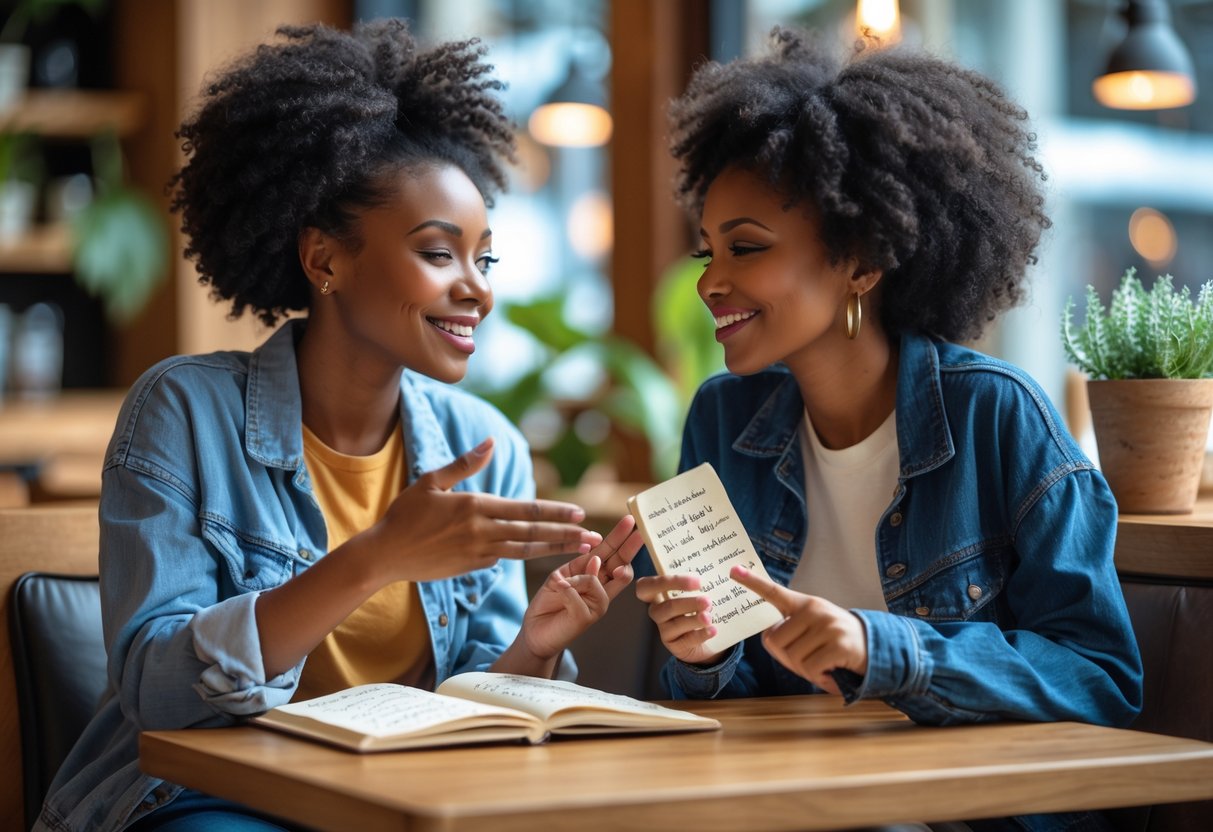
Simple acts of kindness through words can transform relationships. Sharing affirmations creates deeper connections and shows friends they matter through thoughtful messages and meaningful gestures.
Handwritten notes carry special meaning in today's digital world. A simple card with "You make my world brighter" can lift someone's spirits instantly.
Text messages work perfectly for daily encouragement. Friends can send quick affirmations like "You've got this" before big meetings or important events.
A beautiful set of affirmation cards offers a tangible way to share positivity — keep a set at home and slip one into a friend's bag, book, or mailbox when she needs it most. Birthday cards and milestone moments provide natural opportunities for meaningful affirmations that become keepsakes long after the occasion passes.
The timing matters as much as the words. Sending affirmations during tough times shows genuine care and support.
Social media platforms make sharing affirmations effortless. Friends can post encouraging quotes on each other's profiles or share inspirational stories.
Voice messages add a personal touch to digital communication. Hearing a friend's voice saying "I believe in you" creates stronger emotional impact than text alone.
Popular digital methods include:
Video calls offer real-time affirmation sharing. Friends can practise gratitude together or celebrate achievements face-to-face, even from a distance. Scheduling reminders ensures regular affirmation sharing becomes a habit rather than an afterthought.
Words are powerful — but the right gift makes them permanent. The most meaningful affirmations aren't just spoken or written. They become something she touches, wears, and carries with her long after the moment has passed.
A personalised message necklace is one of the most beautiful ways to turn an affirmation into a lasting keepsake. Whether it's her name, a meaningful date, a phrase that defines your friendship, or simply a symbol of the bond you share — jewelry gives your words a physical home.
Some of the most powerful friendship affirmation gifts to consider pairing with a necklace:
💎 Give her something she'll wear as a reminder
Our message necklaces are designed for exactly these moments — words that matter, beautifully made to last.
Shop Message Necklaces →
Styles: Love Knot Necklaces · Dangle Name Necklaces · All Necklaces

Generic affirmations work well as starting points, but creating personalised affirmations makes them more powerful for strengthening specific relationships. Tailored affirmations address the unique dynamics between friends and acknowledge the special qualities that make each relationship meaningful.
Creating personalised affirmations for friends requires understanding each person's individual needs and communication style. Someone might benefit from affirmations about loyalty and trust, while another friend needs support around confidence and self-worth.
Friend-specific affirmation categories:
Effective personalised affirmations use specific names and situations. Instead of saying "I am a good friend," try "I celebrate Sarah's successes without feeling jealous." The key lies in identifying specific focus areas within each friendship — the friend's current challenges, shared experiences, and relationship goals.
Each relationship contains distinct patterns, shared memories, and communication styles that make it special. Recognising these unique qualities helps create affirmations that feel authentic and meaningful.
| Quality | Example Affirmation |
|---|---|
| Humour | "I appreciate how we make each other laugh during tough times" |
| Adventure | "I embrace new experiences with [friend's name]" |
| Deep Conversations | "I value our meaningful discussions and different perspectives" |
| Reliability | "I show up consistently for this friendship" |
Consider the friend's love language when crafting affirmations. Someone who values words of affirmation benefits from different approaches than someone who prefers quality time or acts of service. The most effective relationship affirmations acknowledge both strengths and growth areas — celebrating what makes each connection special while supporting positive changes.

Building affirmations into your daily routine creates consistent touchpoints for strengthening friendships. The key lies in establishing specific times for intentional practice and weaving positive statements seamlessly into shared activities.
Creating dedicated time slots for friendship affirmations ensures consistency and deepens their impact. Morning routines work particularly well, as they set a positive tone for the day ahead.
Morning affirmation blocks lasting 5–10 minutes can transform your mindset before any friend interactions. Start by reviewing affirmations about specific friends you'll see that day or general friendship qualities you want to embody.
Evening reflection periods offer another powerful opportunity. Before bed, practise gratitude affirmations for friends who supported you throughout the day. This practice strengthens neural pathways associated with appreciation and positive relationship patterns.
Weekly affirmation scheduling:
Phone reminders help maintain consistency. Set three daily alerts with different friendship affirmations to reinforce positive thinking patterns throughout busy schedules.
Combining affirmations with shared activities amplifies their effectiveness while creating meaningful moments. This approach transforms regular hangouts into wellness practices that benefit both friends.
During coffee dates or walks, try exchanging appreciation statements about each other's strengths. This creates vulnerability and deepens emotional connections beyond surface-level conversations.
Activity-based integration includes:
The most effective approach involves incorporating affirmations into existing friendship rituals rather than creating entirely new routines. This ensures sustainability and natural adoption into daily life.

Strong relationships require intentional mental work that starts with how people think about themselves and others. Replacing negative thought patterns with constructive ones creates the foundation for deeper connections, while practising self-compassion enables individuals to show up authentically in their relationships.
Negative thinking patterns can poison even the strongest friendships. When someone constantly assumes the worst about their friends' intentions, they create unnecessary conflict and distance.
Common negative thought patterns include:
People can combat these patterns by practising thought replacement techniques. Instead of thinking "She didn't text back because she's mad at me," reframe it as "She might be busy or dealing with something personal." Regular practice of statements like "I choose to see the best in my friends" creates new mental pathways. Gratitude exercises also shift focus from what's wrong to what's working — writing down three things you appreciate about each friend weekly helps maintain positive thinking even during difficult times.
Self-love forms the cornerstone of healthy relationships. People who struggle with self-acceptance often project insecurities onto their friendships, creating unnecessary drama and tension.
Building self-compassion starts with treating yourself the way a good friend would. When you make a mistake in a relationship, ask: "What would I tell my best friend in this situation?"
Daily self-love practices include:
Those who practise self-love become more emotionally stable friends. They don't need constant validation from others because they provide it for themselves. Self-compassion also makes people more forgiving of their friends' flaws — someone who accepts their own imperfections can more easily overlook when friends are late, forgetful, or having bad days. A dedicated positive mindset journal helps track progress in building self-love by making it easy to write down daily wins and kind thoughts about yourself.

Using empty phrases without genuine feeling undermines trust and connection. Inconsistent affirmation practices create confusion and mixed messages that damage both friendships and partnerships.
Generic compliments like "you're amazing" or "you're the best" lack substance and feel hollow. These phrases don't show that someone truly knows or values the other person. People notice when affirmations sound rehearsed or copied from somewhere else.
Authentic affirmations include specific details:
The tone of voice matters just as much as the words. A flat or distracted delivery makes even genuine compliments feel fake. Customising affirmations to fit each person creates deeper emotional bonds — friends and partners need to hear what makes them uniquely special.
Sporadic affirmations followed by long silent periods confuse people about where they stand. Relationships need steady positive reinforcement to grow stronger over time. Timing plays a crucial role — waiting for special occasions limits their power to strengthen daily connections.
Signs of inconsistent affirmation patterns:
Forced or obligation-based affirmations damage trust more than silence does. People sense when compliments come from guilt rather than genuine appreciation. Small daily affirmations create more impact than occasional grand gestures. Keeping a gratitude journal dedicated to the people in your life helps track the affirmations you want to share and ensures no one feels overlooked.

Positive affirmations create measurable changes in how people connect with friends over time. Research shows that consistent affirmation practice builds stronger emotional connections and helps people recognise meaningful progress in their relationships.
Friends who use affirmations regularly can track relationship improvements through specific markers. Communication quality often improves first, with deeper conversations replacing surface-level chats.
Trust levels increase as people express appreciation more freely. Friends report feeling more comfortable sharing personal struggles and victories. Conflict resolution becomes smoother when both people maintain positive mindsets — disagreements turn into productive discussions rather than heated arguments.
The frequency of contact often grows naturally. Friends find themselves reaching out more often to check in or share good news. Emotional support strengthens significantly over months of practice. These changes typically become noticeable within 6–8 weeks of regular affirmation use.
Recognition of friendship growth creates powerful momentum for continued improvement. Friends can celebrate progress through simple acknowledgements of positive changes they notice.
Gratitude expressions become more specific and meaningful. Instead of saying "thanks for being there," friends might say "your encouragement helped me feel confident about my presentation."
Creating small rituals marks relationship milestones. Some friends exchange personalised affirmation cards to commemorate special moments or achievements. Progress celebrations don't require grand gestures — text messages highlighting positive qualities or handwritten notes expressing specific appreciation create lasting impact.
Friendships develop greater resilience when people regularly acknowledge their connection's value. This practice helps relationships weather challenges and grow stronger through difficulties.
💎 The affirmation she'll carry with her always
The most lasting friendships deserve more than words alone. A personalised message necklace turns the things you've always wanted to say into something she can wear every single day.
Shop Message Necklaces →
Styles: Love Knot Necklaces · Dangle Name Necklaces · All Necklaces

These questions address specific ways to use affirmations for deeper connections, daily gratitude practices, family bonding techniques, child-friendly friendship statements, humour-based affirmations, and love-focused relationship attraction methods.
Strong connection affirmations focus on trust, understanding, and mutual support. Statements like "I treasure our friendship and the bond we share" and "Our friendship is built on trust and mutual respect" are particularly effective. People can repeat "I listen to my friends with an open heart" to improve communication. Daily practice of "My friends know they can rely on me anytime" builds reliability and trust. These statements work best when spoken with genuine intention and belief.
Gratitude affirmations help people appreciate their friends more deeply each day. Try "I am so grateful for my friends" and "I am blessed with friends who truly understand me." Morning affirmations like "Today, I appreciate every little thing my friends do for me" set a positive tone. Evening reflections such as "I am thankful for the laughter we shared today" reinforce appreciation. The statement "My heart is full of gratitude for the love and support I receive from my friends" works well as a daily reminder.
Family affirmations focus on unconditional love, patience, and understanding between relatives. Statements like "I choose compassion when family tensions arise" help during conflicts. Parents can practise "I listen to my family members with patience and love." Children respond well to hearing "Our family grows stronger through every challenge we face together." Daily family affirmations like "I am grateful for the unique gifts each family member brings" create unity. A set of family affirmation cards can make the practice more engaging for all ages.
Children need simple, age-appropriate affirmations they can easily remember and understand. Statements like "I am a good friend who shares and cares" teach basic friendship skills. Young children benefit from "I include others in my games and activities." Confidence-building affirmations include "I am brave enough to make new friends" and "I treat all my friends with kindness." Teachers and parents can guide children to repeat "I forgive my friends when they make mistakes" to handle conflicts better.
Joy-focused affirmations help people become more playful and lighthearted with friends. Statements like "I bring laughter and fun to my friendships" encourage natural humour. People can practise "I find joy in silly moments with my friends" to appreciate playful interactions. Daily repetition of "I laugh easily and share joy with others" helps people become more comfortable with humour. These affirmations work best when people genuinely embrace their playful nature rather than forcing it.
Love affirmations can target romantic partnerships, family bonds, or close friendships depending on specific relationship goals. For romantic relationships, people use "I attract a partner who loves and respects me completely." Family-focused affirmations include "I create loving connections with my relatives." Friendship attraction statements like "I draw genuine, caring friends into my life" help build social circles. Maintenance affirmations such as "I nurture my relationships with consistent love and attention" preserve existing bonds. People should customise affirmations to match their specific relationship needs and values for maximum effectiveness.