
Your Cart is Empty
Join our mailing list & claim 15% off your 1st order!
Most people associate birthdays with cake, parties, and cheerful gatherings, but for some individuals, a birthday gift carries an entirely different weight. When someone has faced serious illness, trauma, or a life-threatening experience, birthday gifts can transform from simple tokens of celebration into powerful symbols of survival and resilience. These gifts acknowledge not just another year lived, but another year won against difficult odds.
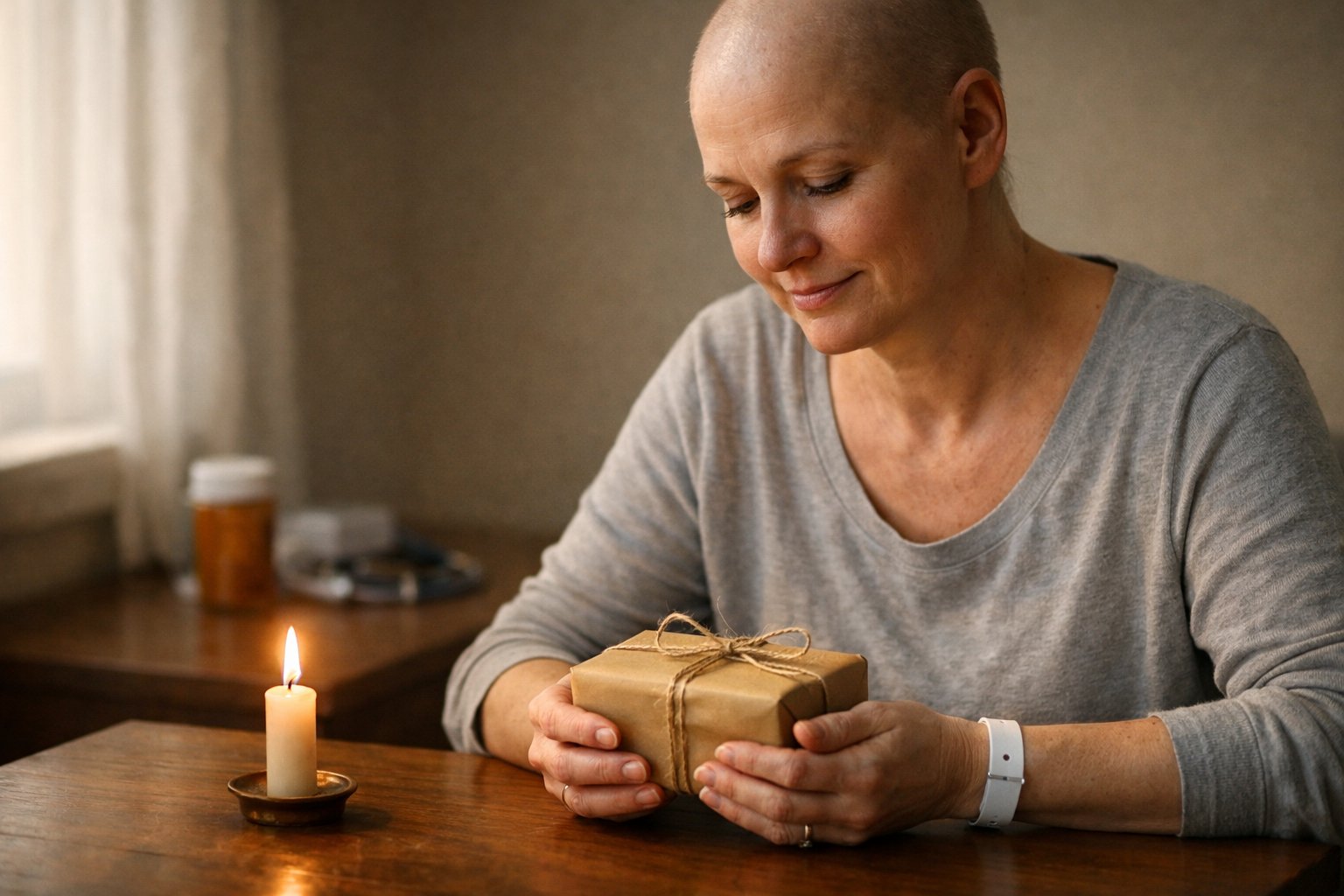
The act of giving or receiving a birthday gift takes on deeper meaning when birthdays mark transitions through hardship rather than routine passages of time. A cancer survivor's first birthday after treatment, a veteran's birthday after combat, or a child's birthday after recovering from serious illness all represent victories worth honoring. The gift itself becomes less about material value and more about recognizing strength, courage, and the gift of continued life.
Understanding this shift helps families and friends choose meaningful birthday celebrations that honor both the person and their journey. Whether selecting personalized survival milestone gifts from Zazzle or thoughtful birthday items from Amazon, the focus moves from tradition to significance. These birthdays deserve recognition that reflects the real achievement they represent.
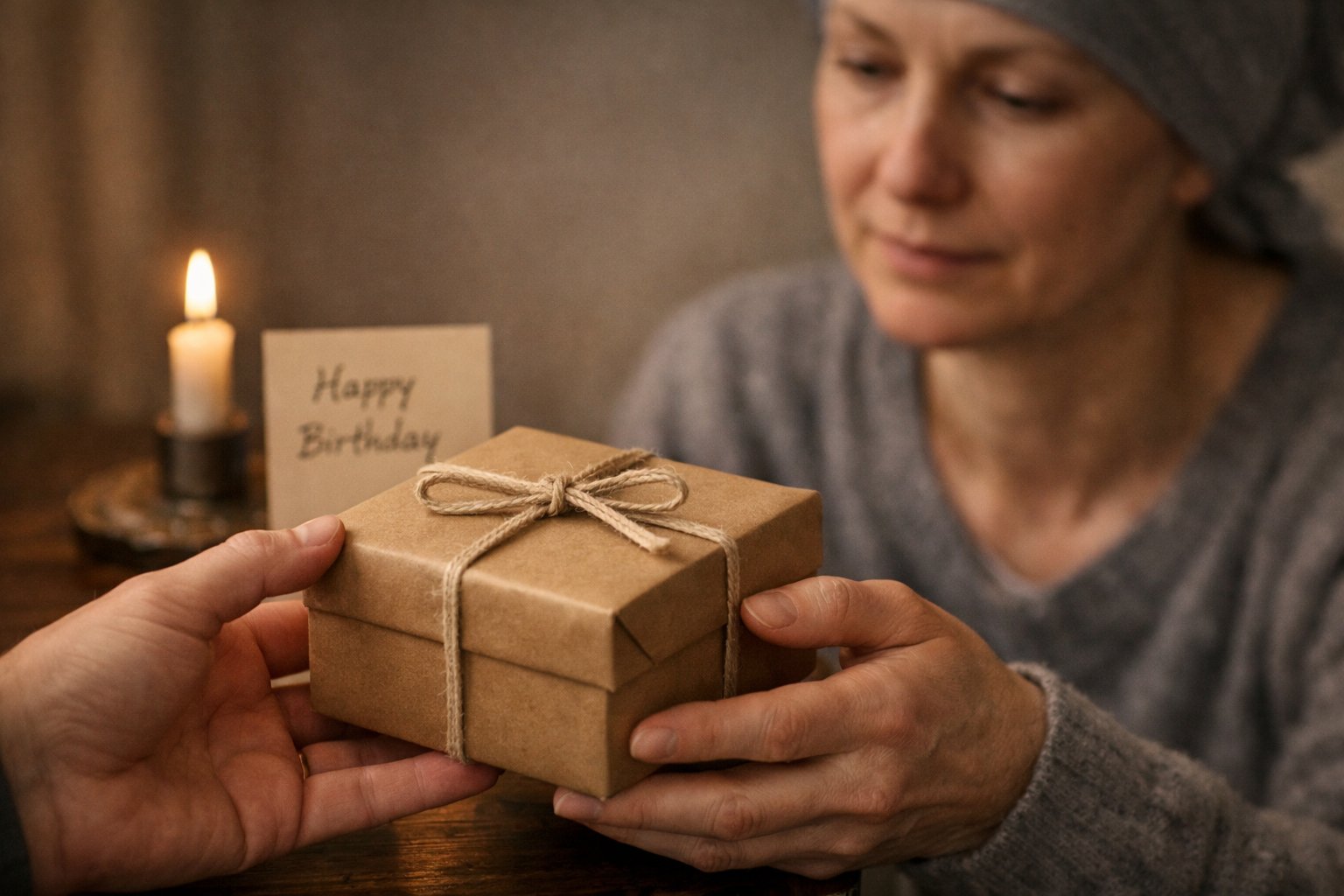
Birthday gifts take on profound meaning when they mark someone's survival through illness, hardship, or life-threatening circumstances. The act of giving shifts from traditional celebration to acknowledgment of resilience and continued existence.
In ancient cultures, surviving beyond the first year was considered an achievement worthy of recognition. This historical perspective remains relevant today when someone faces serious health challenges or trauma. A gift given after cancer treatment, recovery from a severe accident, or survival of a life-altering event carries different weight than typical birthday presents.
The choice of gift often reflects this shift. Rather than focusing on entertainment or luxury, people select items that support continued healing or comfort. A soft blanket for a recovering patient holds more significance than expensive jewelry. Photo albums documenting the journey become treasured keepsakes. Even simple cards with heartfelt messages on personalized stationery acknowledge the struggle overcome.
Common survival-marking gifts include:
Milestone birthdays after surviving trauma carry layers of meaning beyond typical age markers. Each year reached represents victory over odds that once seemed insurmountable. The 40th birthday after surviving a teenage illness feels different than reaching the same age without such challenges.
Gift-givers often struggle with appropriate choices. Should they acknowledge the survival directly or maintain normalcy? Many find balance by incorporating both elements. A birthday dinner celebrates the person while private acknowledgment honors their journey. The emotional impact of gift-giving deepens when gifts recognize both the milestone reached and the path taken to get there.
Recipients sometimes experience mixed emotions. Gratitude for survival mixes with grief for what was lost. Birthday gifts become touchstones that validate their experience while affirming their continued presence in loved ones' lives.
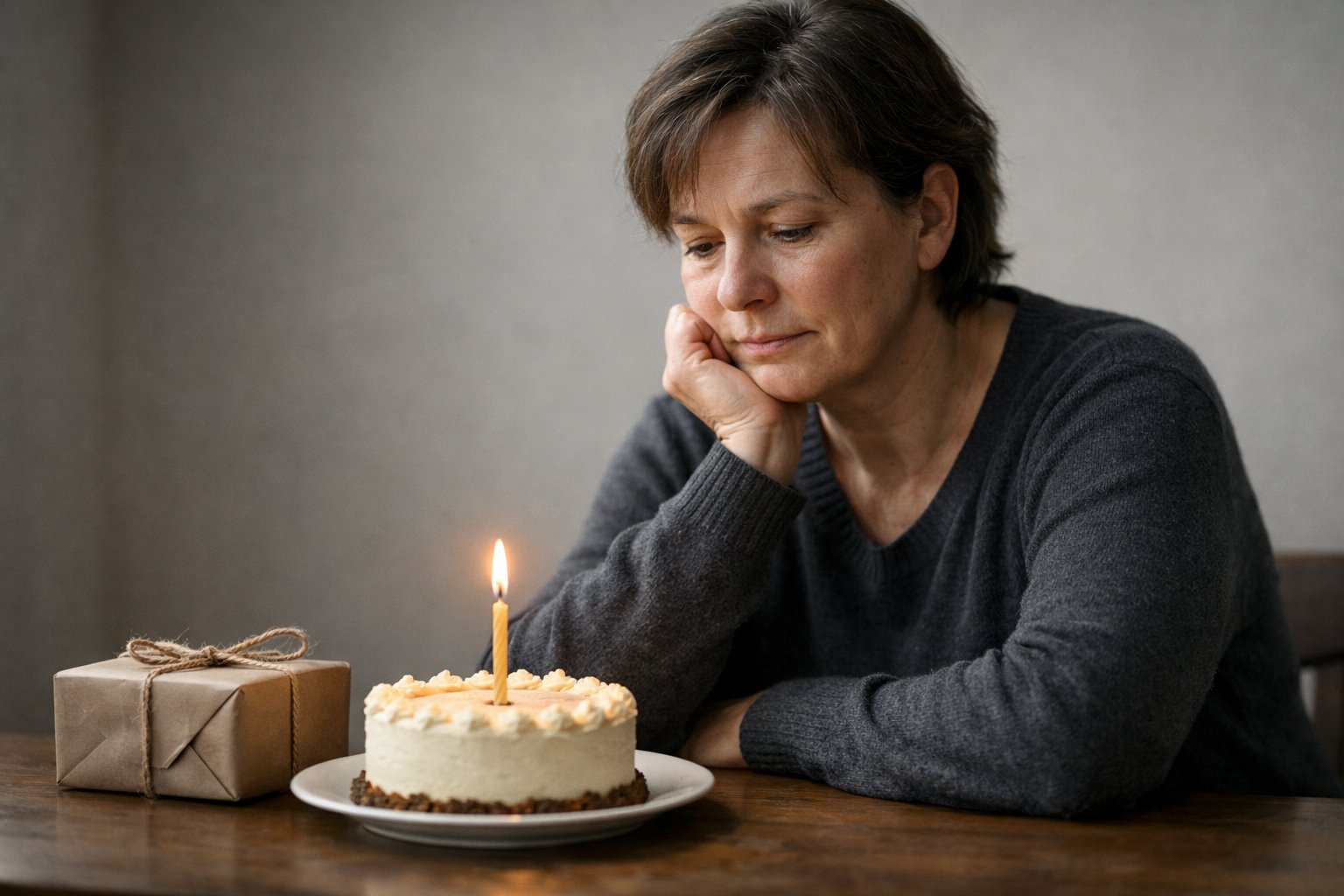
Birthdays after trauma or illness shift from markers of time to symbols of endurance, fundamentally changing how people process these annual events and their relationship with personal growth and identity.
Psychologists identify birthdays as "temporal landmarks" that make time feel more visible and meaningful. For survivors of serious illness, accidents, or life-threatening situations, these moments trigger deeper questions about purpose and meaning.
Each birthday becomes a checkpoint for examining what matters most. Survivors often report reassessing priorities and values after reaching milestones they weren't sure they'd see.
The process involves wrestling with mortality in ways others might not experience. While typical birthday reflections focus on achievements or aging concerns, survival birthdays center on gratitude mixed with awareness of fragility. This awareness of mortality can be unsettling, yet it often drives profound personal growth.
Some survivors create new traditions to mark these occasions, like commemorative activities or quiet reflection instead of traditional parties.
Mental health significantly shapes how survivors experience their birthdays. The same date that represents survival can also trigger complex emotions including anxiety, survivor's guilt, or renewed grief for what was lost during their ordeal.
Research shows birthdays have substantial impact on mental well-being, varying widely based on life experiences and individual perspectives. For those marking survival, the celebration becomes emotionally layered rather than purely joyful.
Planning self-care around these dates proves essential. Mental health professionals recommend acknowledging the full range of feelings without judgment. Key approaches include:
Some find comfort in tangible reminders or personalized items that honor their journey. Others benefit from journaling materials to process their thoughts around these milestone dates.
Throughout history, birthday celebrations have marked survival and resilience rather than mere festivity. Ancient societies viewed reaching a new year of life as a significant achievement, particularly when infant mortality rates were high and life expectancy was short.
Many cultures developed specific rituals that honored survival milestones rather than simple age progression. In Vietnam, the first birthday celebration called "đầy tháng/đầy năm" specifically marks a child's health and survival with prayers and offerings to ancestors. This tradition emerged from times when infant mortality was a serious concern.
Ancient birthday celebrations originated from marking significant survival milestones, especially in early societies. Parents in many cultures performed protective rituals on birthdays to ward off evil spirits and ensure another year of life. Indian families continue this practice through special puja ceremonies dedicated to the well-being and prosperity of the birthday person.
The Vietnamese tradition demonstrates how birthday traditions around the world blend ancient survival concerns with modern practices. Families who celebrate a child's first birthday acknowledge that reaching this age represents overcoming early health challenges. Some parents commemorate these meaningful celebrations with personalized survival milestone gifts or custom celebration banners.
Modern birthday traditions have shifted away from survival recognition toward entertainment and social gatherings. The origins of celebrations are much less self-congratulatory than contemporary versions. However, certain cultures maintain their focus on survival significance.
Chinese birthday traditions still reflect survival awareness through age counting methods. A newborn is considered one year old, acknowledging the survival of pregnancy and birth. Families choose lucky dates based on the Lunar calendar, believing this protects the child's future wellbeing.
Japanese birthday celebrations became common only within the last century. Before the 1950s, Japanese babies were considered one year old at birth, and everyone celebrated aging collectively on New Year's Day. This system recognized survival as a communal achievement rather than an individual milestone.
The transition from survival-focused to celebration-focused birthdays occurred gradually as medical advances reduced mortality rates. Yet many families still honor the survival element through charitable acts, religious ceremonies, or family gatherings that acknowledge life's fragility.
Birthdays become powerful anchors during difficult times, strengthening family connections and marking significant changes in life circumstances. These celebrations help families build emotional strength while acknowledging major shifts in their lives.
Birthday celebrations create moments where family members can express love and commitment to each other. When families face hardship, these gatherings remind children they are valued and seen.
Family traditions and celebrations help connect people to their past and to each other. A birthday party during tough times shows children their parents prioritize them despite challenges. This builds trust and security.
Parents who celebrate their child's birthday demonstrate agency and pride. They prove they can still provide meaningful experiences even when resources are limited. The act of planning birthday celebrations gives caregivers purpose.
For daughters especially, birthday recognition from parents reinforces their worth. A thoughtful gift for a daughter can communicate love during uncertain periods. Similarly, mothers navigating life changes appreciate acknowledgment from their families.
Research shows children with positive experiences like birthday parties develop better emotional health. These celebrations counter feelings of shame or invisibility that often accompany family struggles.
Major life transitions disrupt normal routines and create uncertainty for families. Deaths, divorces, relocations, job losses, and health crises all require families to adapt.
Celebrations provide predictable rhythms during these unstable periods. Birthday parties anchor children when other parts of life feel chaotic. They mark time and create shared memories that build family identity.
Parents can use birthdays to communicate new values or arrangements after transitions. A celebration acknowledges what has changed while maintaining connection. For example, pregnancy gifts for first-time moms mark the transition to parenthood.
Common life transitions that affect birthday celebrations:
During these changes, maintaining birthday traditions helps children feel some aspects of life remain stable. Even small celebrations matter more than elaborate ones.
Certain ages carry weight beyond the passing of another year, marking survival through critical life stages or dangerous periods. A first birthday celebrates making it through infancy, while an 18th birthday represents surviving childhood to reach legal adulthood.
Milestone birthdays mark significant transitions in life, celebrating age alongside the experiences and achievements that accompany them. These birthdays acknowledge survival through challenging developmental stages or cultural thresholds.
The 18th birthday holds particular weight as it marks the transition to legal adulthood in most countries. Reaching this age means surviving the vulnerable years of childhood and adolescence. Sweet sixteen carries similar significance in American culture, representing survival into mid-adolescence and often marking new privileges like driving.
Birthday milestones that celebrate survival include:
Some people mark these occasions with personalized celebration supplies that acknowledge the achievement of reaching that specific age.
The first birthday stands apart from other birthday milestones as it celebrates survival through infancy when human beings are most fragile. Parents often celebrate this day with particular intensity because their child has made it through a year of rapid development and health risks.
This celebration differs from later birthdays because the child played no active role in the achievement. The first birthday acknowledges that caregivers kept the infant alive and that the baby's body successfully navigated its first year. Many families document this milestone with photo albums or memory books that track growth and development.
Other key markers follow throughout life. Each represents passage through another period where death, accident, or illness could have intervened but didn't.
Birthday gifts shift in meaning when someone survives a serious illness or trauma. What once represented celebration transforms into markers of resilience and continued existence.
After surviving cancer, a heart attack, or major surgery, birthday gifts take on deeper significance. The presents become acknowledgments of life itself rather than just another year passing. Family members often choose gifts that symbolize strength to honor the person's journey through hardship.
Common gift transformations include:
Survivors often receive symbolic presents that acknowledge their struggle. A bracelet for women might carry engraved words about courage. Fitness equipment represents reclaiming physical strength. These objects carry weight beyond their material value.
The giver's intent changes too. Instead of selecting trendy or expensive items, people choose presents with emotional meaning. They pick dangle name pendants or custom pieces that mark the specific date of survival alongside the birthday.
Many cultures already link birthday gifts to survival and long life. In Chinese tradition, the red envelope contains money and represents good fortune and protection from harm. Elders receive these at birthdays as wishes for extended years.
Longevity-focused birthday traditions:
| Culture | Gift Type | Symbolism |
|---|---|---|
| Chinese | Red envelope, peaches | Long life, immortality |
| Korean | Seaweed soup, rice cakes | Health, prosperity |
| Japanese | Origami cranes | Recovery, good fortune |
| Mexican | Silver coins in cake | Future security, blessings |
Asian cultures give longevity noodles that must not be cut before eating. Breaking them supposedly shortens life. Similarly, peach-shaped pastries reference the mythical fruit that grants immortality. These meaningful birthday gifts carry centuries of symbolism about surviving to old age.
After serious illness, families often return to these traditional symbols. A red envelope given after chemotherapy carries deeper meaning than before diagnosis. The same applies to personalized jewelry for mom recovering from surgery. Cultural items on Zazzle connect personal survival stories to larger traditions about honoring life itself.
Modern birthday traditions are evolving to reflect deeper meanings beyond standard festivities. People now focus on acknowledging resilience and personal growth rather than simply marking another year.
Milestone-based celebrations have replaced annual birthday parties for many individuals who've faced serious health challenges or life-threatening situations. These gatherings emphasize the achievement of staying alive rather than the passage of time.
Some families skip the traditional birthday cake and candles entirely. They choose activities that honor recovery milestones instead. A cancer survivor might plant a tree on each anniversary of remission. Someone who survived a major accident could donate to emergency responders.
Gratitude-focused gatherings bring together medical teams, caregivers, and supporters who helped during difficult times. These events acknowledge the collective effort required for survival. Guests share stories of the journey rather than singing traditional songs or giving typical gifts.
Digital commemorations have also gained popularity. People create online tributes or fundraising campaigns for causes related to their survival story. These replace conventional birthday celebration formats while maintaining the commemorative aspect. Organizations like St. Jude or local hospitals often receive donations marked as "birthday fundraisers" in the survivor's name.
Many survivors incorporate elements from traditional birthday customs making a comeback while adding survival-focused components. A birthday party might include cake but feature decorations that represent medical victories or personal achievements during recovery.
Dual-purpose events combine celebration with education. Hosts use their birthday gathering to raise awareness about their condition or cause. They might serve food but also display information about organ donation or mental health resources.
Gift registries have shifted too. Instead of requesting presents, many create "celebration registries" where guests contribute to medical bills or future treatment costs. Some ask for practical items that support ongoing recovery needs.
The birthday cake itself has transformed in these hybrid celebrations. Some feature decorative elements representing scans showing clear results or milestones like "5 years seizure-free" instead of age numbers.
Birthday rituals take on different meaning when they mark survival rather than simple celebration. The act of blowing out candles transforms from a festive tradition into a symbol of perseverance, while birthday party gestures serve as acknowledgment of endurance through difficult times.
The moment someone blows out candles on a birthday cake carries weight beyond the cheerful tradition. This simple act becomes a statement of resilience when the person has faced serious illness, trauma, or loss. Each flame represents another year survived rather than simply another year lived.
The ritual includes making a wish before extinguishing the candles. For survivors, this wish often reflects gratitude for continued life rather than desires for material things. The birthday cake itself serves as a physical marker of time passed and obstacles overcome.
When guests gather around to sing and watch the candles being blown out, they witness a private moment made public. The person at the center demonstrates strength by participating in this modern ritual despite what they have endured.
A birthday party for someone who has survived hardship functions differently than typical celebrations. Guests bring gifts that often hold deeper significance. These presents might include practical items that aid recovery or symbolic objects that acknowledge personal growth.
The gathering itself provides emotional support beyond entertainment. Friends and family create space for the survivor to feel valued and connected. Simple acts like sharing a meal together or offering words of encouragement become meaningful ritual components.
Some survivors choose low-key gatherings instead of large parties. They might prefer:
The format matters less than the intention behind it. These modified celebrations honor survival while respecting the survivor's emotional needs and energy levels.
In many cultures, birthdays represent more than another year of age. They mark perseverance through hardship, recovery from illness, or triumph over difficult circumstances.
Certain cultures view birthdays as markers of resilience rather than simple celebrations. In parts of Eastern Europe, families who survived wars or displacement often treat birthdays as acknowledgments of making it through another year alive. The tradition reflects a historical reality where survival was never guaranteed.
Some communities celebrate name days instead of or alongside birthdays. Name day celebrations honor the saint a person is named after and historically provided an alternative when exact birth dates were unknown or lost during conflicts. This practice became especially meaningful for refugees and immigrants who lacked documentation.
In Korea, the first birthday called dol carries deep significance because infant mortality rates were historically high. Surviving the first year earned elaborate celebration. Similarly, in Jewish tradition, the pidyon haben ceremony marks redemption and survival of the firstborn son.
Birthday traditions around the world often incorporate symbolic acts of strength. In Mexico, la mordida involves the birthday person taking the first bite of cake while others push their face into it. Though playful now, the tradition symbolizes taking life's challenges head-on.
The breaking of the piñata represents overcoming obstacles through persistence. Children must strike repeatedly before rewards appear. Mexican families also sing las mañanitas at dawn, greeting the birthday person with music that celebrates their continued presence.
In Jamaica, the flour attack tradition creates a messy baptism of sorts. Friends cover the celebrant in flour and water, symbolizing transformation and renewal. Brazilian earlobe pulling for each year of age reminds the person they've endured and grown stronger. These playful customs carry deeper meanings about surviving life's difficulties.
For students facing academic pressure and personal struggles, birthdays often shift from simple celebrations to markers of endurance. Research shows medical students feel better and more loved on their birthdays, yet many cannot fully enjoy the day due to exam schedules.
Students experience birthday celebrations differently than older adults, often viewing them as opportunities for attention and connection rather than age-related milestones. A study of medical students revealed that 90.9% preferred celebrating with friends, while 80.6% wanted their significant other present.
Key findings about student birthdays:
The most desired birthday gift wasn't material. Students wanted time spent with important people in their lives. A fun party ranked second, followed by money. This preference reflects a deeper need for social connection and support during challenging periods.
For many young adults, surviving another year means navigating mental health struggles, financial stress, and academic demands. Birthday cards from Zazzle can acknowledge these realities. Personal growth happens through these difficulties, not despite them.
Academic calendars directly impact how students mark milestone birthdays. The 18th birthday represents legal adulthood in most European countries, including Lithuania. Yet this transition often coincides with university entrance or first-year adjustments.
Students reported wanting others to organize their celebrations rather than planning themselves. This preference suggests limited time and energy for event coordination. Nearly half (49.2%) wanted someone else to handle arrangements, while only 21.4% preferred self-organization.
Student birthday priorities:
The ritual serves important functions beyond cake and presents. It provides individuation, helps students feel unique and valued, and offers temporary relief from academic pressure. Birthday journals from Amazon let students track personal growth across years.
Some students admitted their birthdays felt like survival markers during especially difficult semesters. The day became less about celebration and more about acknowledging they made it through another challenging period.
When survival becomes the story, celebrations shift from counting years to honoring resilience. The focus moves from traditional party elements to recognizing the depth of what someone has endured and overcome.
Celebrating birthdays after a major health crisis or life-threatening event transforms the entire meaning of the milestone. The candles on the cake represent more than another year. They mark victories over pain, fear, and uncertainty.
Research shows that birthdays serve as symbols of support and social connection, strengthening a person's sense of belonging. For survivors, this connection runs deeper. Each birthday becomes proof of their strength and a chance to acknowledge how far they've come.
Personal growth emerges from facing difficult challenges. A person who survives a serious illness or traumatic event often sees life differently. They value small moments more. They appreciate relationships in new ways. A birthday gift like a custom photo album from Zazzle documenting their journey can honor this transformation.
People are trading big parties for intimate moments and choosing celebrations that feel personal and thoughtful. For someone marking survival, this shift matters even more. The celebration isn't about elaborate decorations or guest lists. It's about recognizing what the person survived and who stood by them.
Time becomes the most valuable gift. Spending quality hours together without rushing creates space for reflection and gratitude. A simple dinner at home or a quiet walk holds more meaning than any expensive present. A thoughtful book from Amazon about resilience or recovery can provide comfort and validation.
The journey itself deserves recognition. Every doctor's appointment attended, every treatment completed, every setback overcome. These moments shape meaningful celebrations far more than traditional party themes ever could.
Birthday observances carry different meanings for those who view them as markers of endurance rather than joyful milestones. These questions address how to honor such perspectives while respecting varied cultural, religious, and personal approaches to marking another year of life.
Someone can mark a significant life event through acts of service or giving back to their community. Volunteering at a local organization or donating to a meaningful cause acknowledges the passage of time without the typical party atmosphere.
Private reflection offers another path for those who prefer solitude. Journaling about lessons learned or setting intentions for the coming year allows for personal growth without social pressure.
Nature-based activities like hiking or visiting a meaningful location provide space for contemplation. These quiet moments can feel more authentic than conventional celebrations for those viewing birthdays as survival markers.
A simple acknowledgment works better than elaborate gestures for non-celebrants. Sending a brief message that says "thinking of you today" respects their choice while showing care.
Offering support or companionship without mentioning the birthday itself demonstrates understanding. Inviting them for coffee or a walk removes the celebration pressure while maintaining connection.
Some people appreciate when others skip the acknowledgment entirely. Respecting this boundary shows true consideration for their perspective.
The ancient Greeks believed that evil spirits haunted people on their birthdays, which led friends and family to gather with gifts as protective symbols. This practice established the foundation for birthday gift-giving that continues today.
Romans celebrated birthdays of friends, family, and emperors with gifts and excessive drinking in the first century AD. These extravagant celebrations became so popular that Christian communities requested a ban on them in the fourth century.
In ancient times, survival past the first year was considered an achievement worth noting. Annual birthday celebrations remained rare, with communities focusing instead on major life transitions like birth, adulthood, or marriage.
The Germans introduced the birthday cake in the eighteenth century during celebrations called "Kinderfeste." The Greeks had earlier added candles to honor their gods and goddesses, though cakes did not yet exist in that form.
Those who see birthdays as survival markers may view gifts as symbols of acknowledgment rather than celebration. A practical item or donation in their name might feel more appropriate than festive packages.
Personalized gifts can enhance emotional connections by showing understanding of someone's preferences. However, someone focused on survival rather than celebration might find such attention uncomfortable or excessive.
Some individuals prefer experiences over physical items when marking another year. A custom design from Zazzle might appeal to those who want subtle acknowledgment rather than traditional birthday fanfare.
The concept that gifts should reflect identity, values, and interests matters even more when the recipient views their birthday seriously. Understanding their perspective prevents well-meaning gestures from causing discomfort.
Certain religious groups discourage or prohibit birthday celebrations entirely based on scriptural interpretations. Jehovah's Witnesses, for example, avoid birthdays because they view the practice as having pagan origins.
Some cultures emphasize collective achievements over individual milestones. In these communities, marking personal survival might seem self-centered rather than meaningful.
Eastern Orthodox Christians traditionally celebrate name days instead of birthdays. This practice shifts focus from birth dates to religious significance tied to patron saints.
Islamic tradition does not typically include birthday celebrations, though practices vary widely among Muslim communities. The emphasis remains on religious holidays rather than personal anniversaries.
A donation to a cause they care about honors their survival without forcing celebration. This approach acknowledges the day while directing energy toward meaningful impact.
Practical items they need demonstrate care without festive overtones. A useful product from Amazon chosen with their daily life in mind shows thoughtfulness without celebration pressure.
Writing a letter expressing gratitude for their presence in one's life carries weight without demanding reciprocation. This gesture respects their perspective while maintaining connection.
Offering time together on their terms allows them to control how they mark the day. Suggesting a quiet meal or activity they enjoy shows respect for their approach to birthdays.
Creating space for them to process emotions tied to survival requires no physical gift at all. Sometimes the most thoughtful gesture is simply being available without expectations.