
Your Cart is Empty
When someone you care about has been through a difficult birth experience and chooses not to talk about it, finding the right gift can feel overwhelming. You want to acknowledge what she survived without pushing her to relive it or pretend everything is fine. The best gifts gently say "I see you" without demanding conversation, offering comfort through soft textures, practical support, or quiet reminders that she matters beyond her role as a new mother.
About 30,000 women each year in the UK alone experience birth trauma, and many struggle in silence. The choice not to talk about a traumatic birth often protects a mother from re-traumatizing herself through retelling. A thoughtful gift respects that silence while still holding space for her pain.
The right gesture acknowledges both her strength and her struggle. It says she deserves care that goes beyond checking on the baby. For mothers recovering from challenging births, gifts that prioritize her physical comfort and emotional well-being can become quiet anchors during a time when everything feels unstable. A cozy blanket offers warmth without words, while a personalized journal gives her space to process feelings at her own pace if and when she's ready.
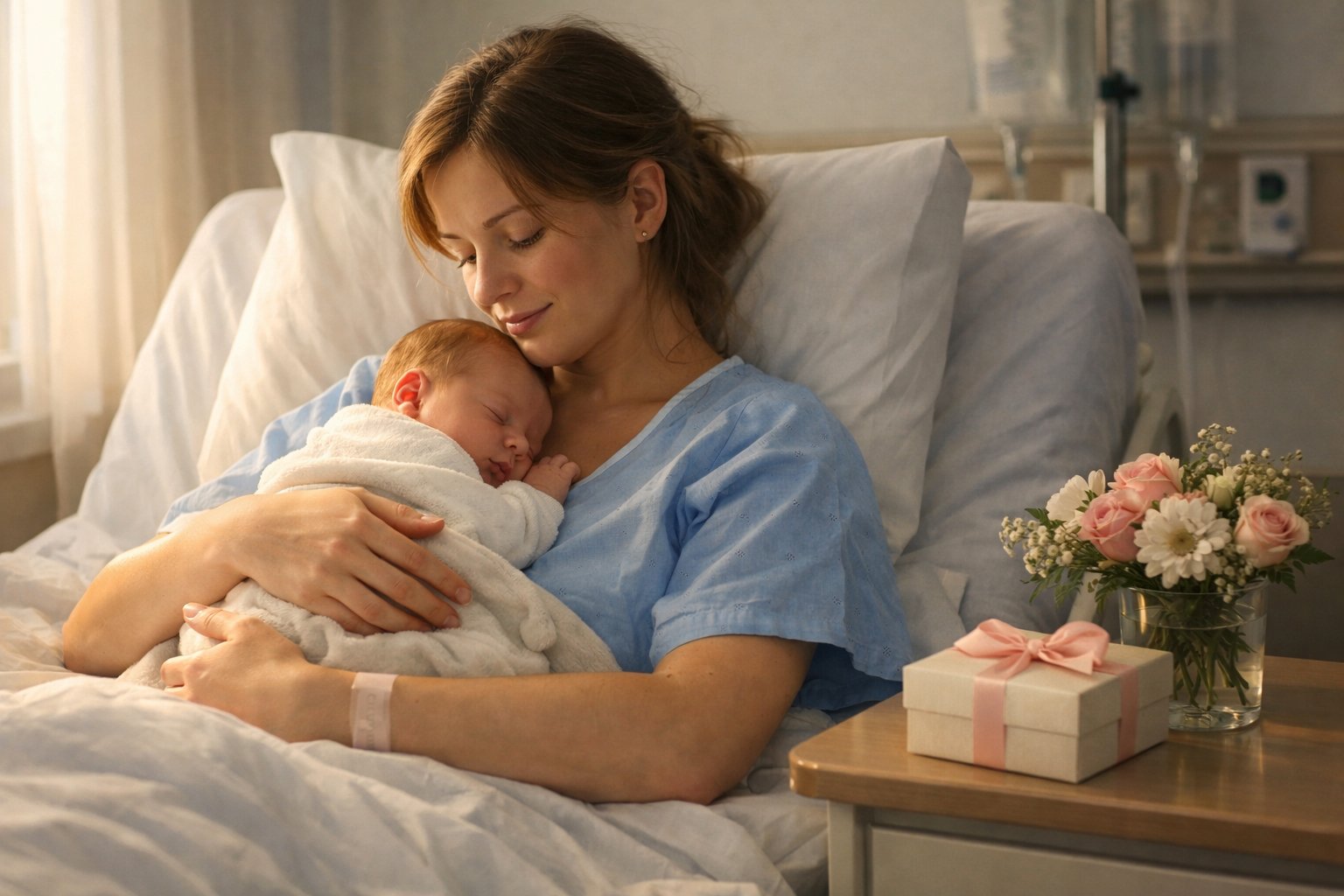
Birth doesn't always unfold the way people imagine it will. Up to 1 in 3 women describe their birth as traumatic, and the weight of that experience often goes unspoken.
A traumatic birth happens when someone goes through a frightening or distressing event during labor and delivery. It isn't limited to medical complications. Some births involve emergency c-sections, severe tearing, or assisted deliveries with forceps or vacuum.
Others may seem routine on paper but leave someone feeling unheard or powerless. When healthcare providers don't listen, when pain management fails, or when decisions are made without consent, the birth becomes traumatic regardless of the medical outcome.
Two people can experience the same birth and feel completely different about it. What matters is how it felt to the person going through it. Research shows that 3-6 in 100 women develop PTSD after giving birth, though many more struggle without reaching that diagnosis.
Partners witness the trauma too. They see their loved one in pain, feel helpless to stop it, or sometimes aren't allowed in the room at all.
The effects reach far beyond the delivery room. Someone recovering from a difficult birth might struggle with guilt, feeling like their body failed them or let their baby down. They might experience flashbacks, nightmares, or physical sensations like sweating and trembling when reminded of the birth.
Common emotional effects include:
Physical recovery becomes more complicated when emotional wounds remain open. Someone might avoid their postnatal checkup or ignore warning signs because returning to medical settings triggers distress.
The body remembers what the mind tries to forget. Healing from birth trauma requires addressing both the physical recovery and the emotional aftermath that lingers long after stitches dissolve.
Many people who survive difficult births don't talk about them. Society expects new parents to radiate joy, making it hard to admit when the experience was anything but joyful. Comments like "at least the baby is healthy" or "it's over now" shut down conversations before they start.
She might stay quiet because she worries people will think she's overreacting. She might not have words yet for what happened to her. Sometimes the survival itself takes all her energy, leaving nothing for explanations.
Partners often face an additional layer of silence. Their trauma gets dismissed because they weren't the one giving birth, even though they carry their own version of what happened. A journal for processing emotions can offer a private space when speaking feels impossible.
Some people need months or even years before they're ready to revisit the birth. The silence isn't denial. It's often protection while they figure out how to live with what survival cost them.

Some pain sits too deep for words, especially after birth trauma. When someone chooses silence, it's often protection, not denial.
The profound isolation that follows difficult births can make speaking feel impossible. She might replay moments in her mind but find no language that fits what happened. The body remembers what the mouth cannot say.
Many women carry what feels like a heavy stone in their pocket, present but hidden. They move through days appearing fine while something fundamental has shifted inside them. Talking requires energy they don't have, and explaining feels like reliving.
Sometimes she protects others by staying quiet. She worries her truth will burden her partner or frighten pregnant friends. A simple leather journal with custom embossing offers a private place for thoughts that feel too raw to share aloud.
Pushing someone to talk before they're ready can deepen their retreat. Respecting the silence around pregnancy loss means trusting her timeline, not ours.
A gift that acknowledges survival without demanding explanation works best. It says "I see you" without asking "tell me everything." Something like a handmade ceramic mug for morning tea creates quiet comfort without conversation.
What to avoid:
Reconnecting after difficult pregnancy happens through presence, not pressure. She needs to know support exists without conditions.
Physical comfort often speaks louder than words. A weighted blanket provides grounding when everything feels uncertain. A delivery of her favorite meal says "you matter" without requiring response.
Small gestures create safety. Showing up to fold laundry or walk the dog demonstrates commitment without demands. These actions build trust that when she's ready to speak, someone will listen. A custom illustration print of a meaningful place or moment can honor what she's been through without naming it directly. It holds space for her story whenever she chooses to tell it.
➡️ You can personalize it here.
A traumatic birth leaves marks that others cannot see, and when someone chooses silence, it often means they are still processing what happened. The right gesture respects that boundary while quietly communicating that their survival and strength have been noticed.
Many women struggle with feelings of disappointment or guilt after a difficult delivery, especially when the birth did not go as planned. She may feel like she failed, even though she endured something incredibly hard. A gift that acknowledges her experience without demanding she relive it can help her feel seen.
What invisible strength looks like:
Something like a soft blanket offers comfort without explanation. She does not need to talk about why she needs it. It just wraps around her when everything feels heavy. A journal with encouraging prompts gives her space to process privately, if and when she is ready.
For something more personal, a custom piece can honor her journey without being obvious about it. If she values quiet reminders of her resilience, a design that reflects strength through simple imagery can mean everything.
➡️ Create something meaningful here
Birth trauma can lead to postpartum PTSD, making certain words, images, or even well-meaning questions feel overwhelming. A gift should not force conversation or celebration. It should offer safety and gentleness instead.
Gifts to avoid:
Better options include:
She may not want reminders of what happened, but she likely needs tools that help her feel grounded. The gift acknowledges what she has been through without asking her to name it aloud.
The right gift doesn't force conversation or spotlight the trauma. It quietly honors what she's been through while leaving space for her own pace of processing.
A meaningful gift in this situation carries weight without being heavy-handed. It should feel personal but not invasive.
The best choices acknowledge her strength without demanding she relive difficult moments. Items that offer comfort or beauty work well because they don't require explanations. A soft blanket, a piece of jewelry for mom that represents resilience, or something handmade can speak volumes without words.
Key qualities to consider:
Avoid anything that feels like it needs backstory or justification. The gift should fit naturally into her life now. It shouldn't sit on a shelf requiring explanation to visitors or reminding her of pain every time she sees it. Instead, look for items that bring quiet comfort or serve a daily purpose while carrying private meaning only she needs to understand.
This moment exists in a strange in-between space where joy and trauma overlap. The gift needs to honor both realities.
She survived something difficult and has a baby to show for it. But the path there may have left marks she's still processing. Personalized keepsakes on Amazon can capture the motherhood aspect without glossing over what it cost her.
A gift that celebrates her as a mother while quietly acknowledging her courage works best. Think less about the birth itself and more about who she is now. Something that recognizes her resilience without making her relive it strikes the right balance.
Items focused on self-care give her permission to tend to herself during a time when everyone else focuses on the baby. A journal, quality tea, or something that encourages rest sends the message that her recovery matters.
Abstract symbols carry meaning without triggering specific memories of the delivery room.
Nature imagery works particularly well. Trees represent growth and strength. Mountains suggest endurance. Water symbolizes adaptability. A custom art print from Zazzle featuring one of these elements can hold deep personal meaning while remaining visually peaceful. It speaks to what she's been through without displaying it literally.
She can look at it and see her own story reflected back, even if no one else knows why that particular image matters to her.
➡️ Explore customizable nature-themed art
Gemstones offer similar subtle power. Each stone carries traditional associations she might connect with privately. Amethyst represents calm. Rose quartz suggests healing. Citrine symbolizes strength returning.
The beauty of symbolic gifts is their privacy. She controls the narrative. If she wants to share what the symbol means to her journey, she can. If she'd rather keep that understanding to herself, the gift still functions as a beautiful object others can appreciate on its own merit.
Small gestures can hold enormous weight when someone has survived a traumatic birth. The right gift doesn't force conversation but creates space for healing through comfort, memory, and quiet acknowledgment.
Physical recovery after a difficult birth takes weeks or months. A thoughtful bundle of healing essentials helps new mothers care for themselves when they might otherwise neglect their own needs.
Consider items like organic healing balms, witch hazel pads, or cooling gel masks. These aren't frivolous luxuries. They address real discomfort.
A silk sleep mask paired with lavender sachets offers respite during stolen moments of rest. Add unscented lotion for sensitive skin or a gentle body oil that doesn't require explanation or instruction.
Some mothers appreciate postpartum recovery items like peri bottles or sitz bath soaks, though these feel more medical than nurturing. The key is selecting items that soothe without highlighting what went wrong.
A soft robe in breathable fabric becomes armor against the world. It says she deserves comfort without making her explain why she needs it.
Tangible reminders of strength can matter years later when the fog lifts. A simple piece of jewelry carries weight without words.
A birthstone necklace representing the baby's birth month connects mother and child through something beautiful rather than traumatic. If she wants something more personalized, dangle name pendants offer a subtle way to keep her child close.
For something customizable, consider a piece engraved with the baby's birth date or initials. You can personalize it with your own message that honors what she went through.
➡️ Engraved Birth Date Necklace
Some women prefer non-jewelry keepsakes. A custom illustration of mother and baby, rendered softly in watercolor, captures connection without drama. A handprint kit lets her preserve tiny fingers when she's ready, not before.
Photo albums remain empty for months after difficult births. A leather-bound journal gives her space to process without pressure to fill it immediately.
Food becomes fraught after trauma. She might not be eating well or remembering to eat at all.
Prepared meal deliveries remove decision-making from an already overwhelmed mind. Services that offer flexible scheduling work better than rigid subscription boxes. She can pause when family visits or resume when help disappears.
Freezer meals in individual portions give her control. Soups, stews, and casseroles reheat without thought. Include instructions on sticky notes, not elaborate cards.
If cooking feels too personal, a gift card to a delivery service lets her choose what sounds appealing on any given day. Some mothers want comfort food. Others crave fresh salads after weeks of survival eating.
Lactation cookies help nursing mothers, though check first since feeding might be complicated. High-quality chocolate or artisan tea offers small pleasures that don't require appetite.
A insulated tumbler with a lid keeps drinks hot or cold for hours. She can set it down and forget it without waste, which matters when interrupted constantly.
Words written down last longer than spoken ones. A card acknowledging her strength without glorifying suffering strikes the right balance.
Avoid phrases like "Everything happens for a reason" or "At least the baby is healthy." These minimize her experience. Instead, try: "You survived something hard. I'm here whenever you're ready."
A blank journal paired with a note saying "For whenever words come" gives permission to process privately. Some mothers write immediately. Others wait years.
If she has other children, a custom storybook featuring the new baby helps siblings adjust while creating a narrative she controls. You can add the family's names and details to make it meaningful without being intrusive.
➡️ Personalized New Sibling Book
Framed quotes about motherhood work only if they avoid toxic positivity. Look for phrases acknowledging struggle: "She is fierce" or "Warrior mother." These validate without demanding gratitude.
A memory box with her child's name engraved gives her somewhere to store hospital bands, first photos, or notes she's not ready to display. It holds space for complicated feelings about a complicated beginning.
When someone has survived a difficult birth but doesn't talk about it, the right words can acknowledge her experience without forcing conversation. These phrases validate her strength while respecting her silence.
"I see you" stands as one of the most powerful things someone can say to a woman who has had a difficult birth. It doesn't ask for details or explanations. It simply acknowledges that she went through something real.
"You're here" recognizes the reality of survival without minimizing what happened. This phrase works especially well when written in a card tucked inside a memory box or journal.
"I'm thinking of you" offers presence without pressure. It doesn't require a response or explanation. The phrase creates space for her to feel supported while maintaining control over what she shares and when.
"You don't have to be okay right now" gives permission to feel whatever she's feeling. Many women face pressure to bounce back quickly or focus only on gratitude. This statement validates that birth trauma is real and her emotions matter.
"How can I help you?" shifts the focus from what happened to what she needs now. This question respects her boundaries while showing genuine willingness to support her recovery.
"Would you like company or space?" recognizes that survivors of difficult births need different things at different times. Some days she might want someone nearby. Other days she might need to be alone with her thoughts and her baby.
"Is there anything you want to talk about?" opens a door without pushing her through it. The phrasing makes clear that silence is an acceptable answer. She controls whether the conversation happens at all.
These questions work well when holding space for someone who isn't ready to process their experience out loud. They acknowledge her autonomy while making support available when she's ready.
"But your baby is fine" dismisses her pain by suggesting the outcome erases the experience. A healthy baby doesn't cancel out birth trauma. She can feel grateful for her child while also grieving the birth she didn't have.
"At least you're both alive" minimizes her experience by comparing it to worst-case scenarios. This phrase implies she shouldn't feel sad because things could have been worse.
"You're so strong" often feels like pressure to hide struggle. While meant as a compliment, it can make her feel she needs to keep performing strength instead of processing what happened.
"Everything happens for a reason" suggests her trauma served some purpose. This phrase rarely brings comfort and often increases isolation.
"You'll forget about it soon" ignores that birth experiences stay with women. Time may soften some edges, but what happens during childbirth is deeply engraved in memory.
A gift can acknowledge what happened, but the real healing often comes from showing up in small, consistent ways that don't demand anything in return.
Practical help creates breathing room when someone is still processing trauma. Dropping off meals, picking up groceries, or handling laundry gives her body and mind space to recover without adding to her mental load.
She might not ask for help directly. Offering specific tasks works better than saying "let me know if you need anything." Texting "I'm at the store—can I grab milk or diapers?" makes it easy to say yes. Taking older siblings for a few hours or walking the dog removes small burdens that add up.
Thoughtful gestures don't need to be elaborate. Organizing a meal train through friends, tidying the kitchen while visiting, or running an errand she's been putting off all matter. These actions say "I see you're struggling" without forcing conversation about the birth itself.
A custom care package with recovery essentials shows care through action.
Checking in weeks or months later matters more than most people realize. Birth trauma doesn't resolve quickly, and healing from a traumatic birth takes time that extends far beyond the immediate postpartum period.
Sending a simple text that says "thinking of you" keeps the connection open. She doesn't need to respond or explain anything. Just knowing someone remembers what she went through without needing her to perform gratitude or recovery helps.
Validating her feelings without trying to fix them creates safety. Avoiding phrases like "at least the baby is healthy" acknowledges that her experience matters independently of the outcome. If she brings up the birth, listening without judgment or comparison lets her process at her own pace.
A personalized journal gives her a private space to work through feelings when she's ready. You can customize it here.
Some people need time before they're ready to name what happened. Others may never want to revisit it at all, and that choice deserves respect too.
Not everyone processes trauma by talking about it. For some new mothers, speaking about a difficult birth can feel like reliving it. The gift-giver's role isn't to prompt reflection or encourage openness. It's to show up without asking for anything in return.
A gesture that doesn't require conversation works best. A soft blanket, a journal left on the counter, or a personalized comfort item can communicate care without words. These objects don't demand gratitude or explanation. They simply exist as proof that someone noticed.
The act of giving should feel light, not loaded. A card with just a name or a simple "thinking of you" is enough. Anything longer risks implying that a response is expected. Recovery from a difficult birth moves at its own speed, and silence often protects what's still too tender to touch.
Reaching out doesn't have to mean asking how she's doing. A text that says "no need to reply" or dropping off a meal without ringing the doorbell both honor her space. These small acts acknowledge her without putting pressure on her to perform wellness or gratitude.
If she does want to talk, she'll let someone know. Until then, the kindest thing is to stay present without hovering. A custom keychain or small token left quietly can remind her she's thought of, even when she's not ready to engage. It's a way of saying "I see you" without waiting for her to say anything back.
Gifts that ask nothing in return:
Some people recover naturally with time and support, but birth trauma can leave emotional wounds that need more than understanding friends or thoughtful gestures. Recognizing when someone needs professional care and knowing how to bring it up without pressure makes a real difference in their healing.
Mood changes that persist beyond a few weeks often signal something deeper than typical postpartum adjustment. When someone avoids talking about the birth entirely, has frequent nightmares about what happened, or seems disconnected from their baby, these patterns point toward unresolved trauma.
Physical reactions matter too. If she startles easily, feels constantly on edge, or experiences panic when reminded of the hospital or delivery, her nervous system may still be processing the traumatic birth. Signs of postpartum mental health struggles can emerge weeks or months after delivery.
Watch for isolation patterns. Someone who withdraws from friends, stops responding to messages, or seems unable to find joy in activities she once loved needs more support than casual check-ins can provide. These behaviors often indicate postpartum depression or PTSD related to birth trauma.
Bringing up professional help requires care and timing. Instead of suggesting she needs fixing, acknowledge what she's been through and frame therapy as a tool for processing difficult experiences. A simple "I've noticed you seem really down lately, and I wonder if talking to someone who specializes in difficult birth experiences might help" opens the door without judgment.
Offering to help find a therapist or make an appointment removes barriers. Professional treatment becomes more accessible when someone else handles the research or scheduling during an overwhelming time.
A journal for processing feelings can complement professional support, giving her a private space to work through emotions between sessions. Pairing practical support with gentle encouragement shows you're not pushing an agenda but genuinely concerned about her wellbeing.
Thoughtful gifts can create space for healing without forcing conversation, offering comfort through presence rather than words. Small gestures that support rest, sensory calm, and self-kindness can help her feel seen without needing to explain what she's been through.
After a difficult birth, reconnecting with her body and her sense of safety takes time. A weighted blanket offers gentle pressure that can ease anxiety and help her nervous system settle. The deep touch pressure mimics a hug without requiring emotional energy she may not have.
Soft, breathable loungewear in natural fabrics lets her move comfortably as her body heals. She might appreciate clothing that doesn't press on tender areas or remind her of hospital gowns.
A journal designed for postpartum feelings gives her a private place to process what happened. Some women find that writing helps them make sense of birth trauma symptoms like flashbacks or numbness without needing to speak them aloud yet.
A simple tea gift set with calming blends like chamomile or lavender creates small moments of pause in exhausting days. The ritual of brewing and sipping can become a brief anchor point.
Self-compassion often feels unreachable after trauma, but small reminders can plant seeds. A custom print with gentle affirmations lets her choose words that resonate with where she is now, not where others think she should be. It's for someone who needs permission to feel however she feels. She can personalize it here.
➡️ Browse customizable affirmation prints
A book on healing from difficult births acknowledges that recovery affects mental health in ways that deserve care. Choose one written by therapists who understand birth trauma rather than books focused only on gratitude.
A gift certificate for a gentle massage from a therapist trained in postpartum bodywork helps her begin reconnecting with her body at her own pace. Touch can be complicated after medical trauma, so specifying that she can use it whenever she's ready removes pressure.
Choosing a gift for someone who survived a difficult birth requires careful thought about what might bring comfort without pushing her to share more than she's ready to. The right present can quietly honor her experience while offering practical support or gentle acknowledgment.
A personalized recovery journal gives her a private space to process her feelings at her own pace. She can write when she's ready, without pressure from anyone else.
Some mothers find comfort in wearing meaningful jewelry that represents their strength. A simple piece with her baby's birthstone or initials keeps the focus on what came after, not what happened during.
Physical recovery items show you understand the body needs time to heal. A weighted blanket or heating pad addresses the physical exhaustion that often accompanies emotional recovery after delivery.
Practical support often means more than symbolic gestures during early recovery. Meal delivery gift cards or a house cleaning service removes daily burdens when she's struggling to manage basic tasks.
A comfort basket with soft pajamas, herbal tea, and gentle skincare items acknowledges she deserves care. These items don't require her to explain anything or relive difficult moments.
For mothers dealing with birth trauma, which affects up to 45 percent of new mothers, thoughtful gifts focus on her present needs. A cozy robe or comfortable slippers keeps her physically comfortable during recovery.
A custom photo frame lets her choose which moments she wants to display. She controls the narrative without anyone else deciding what should be celebrated.
Books about motherhood that acknowledge difficult experiences can help her feel less alone. She can read them privately without discussing her own story.
Simple gestures like sending flowers with no message beyond "thinking of you" respect her boundaries. They show care without demanding explanation or conversation about what happened.
If you want something that feels personal without making the moment overly sentimental, a customizable keepsake keeps it meaningful yet light. You can personalize it here.
A subscription to a meditation or therapy app supports her mental health without judgment. Many mothers recovering from difficult births need professional support but struggle to find time or resources.
Self-care items like bath products or massage tools acknowledge that her body went through something hard. These gifts focus on soothing rather than celebrating.
A personalized blanket with her baby's name offers comfort during quiet moments. She can wrap herself in something soft when emotions feel overwhelming.
Offering specific help rather than physical gifts sometimes matters most. A gift certificate for lactation support, pelvic floor therapy, or postpartum counseling shows understanding of real recovery needs.
A handmade memory box gives her somewhere to keep mementos she chooses. She decides what goes inside and what stays private.
Books on postpartum recovery that address both physical and emotional healing validate her experience. She can read them alone without feeling pressured to discuss her feelings.
For mothers who may be sharing their birth stories as part of healing, a beautiful journal provides a safe container for those words. Writing can help process trauma when she's ready.
A donation to a birth trauma support organization in her name honors her experience without requiring her participation. It acknowledges what happened while supporting others who may struggle similarly.
Comfort items for nighttime like a soft nightgown or bedside reading light recognize she may be awake more than she expected. Sleep disruption often worsens when processing difficult birth experiences.
A personalized canvas print with an uplifting quote she selected herself keeps the focus on moving forward. She chooses words that resonate with her own journey.
Sometimes the most meaningful gift is simply showing up. Offering to sit with her while she holds the baby, listening if she wants to talk, or staying quiet if she doesn't, costs nothing but means everything.