
Your Cart is Empty
A grandmother's love holds a special place in family life. It shapes who we become and stays with us long after childhood ends. Scientists have recently started looking at what makes this bond so powerful and different from other family relationships.
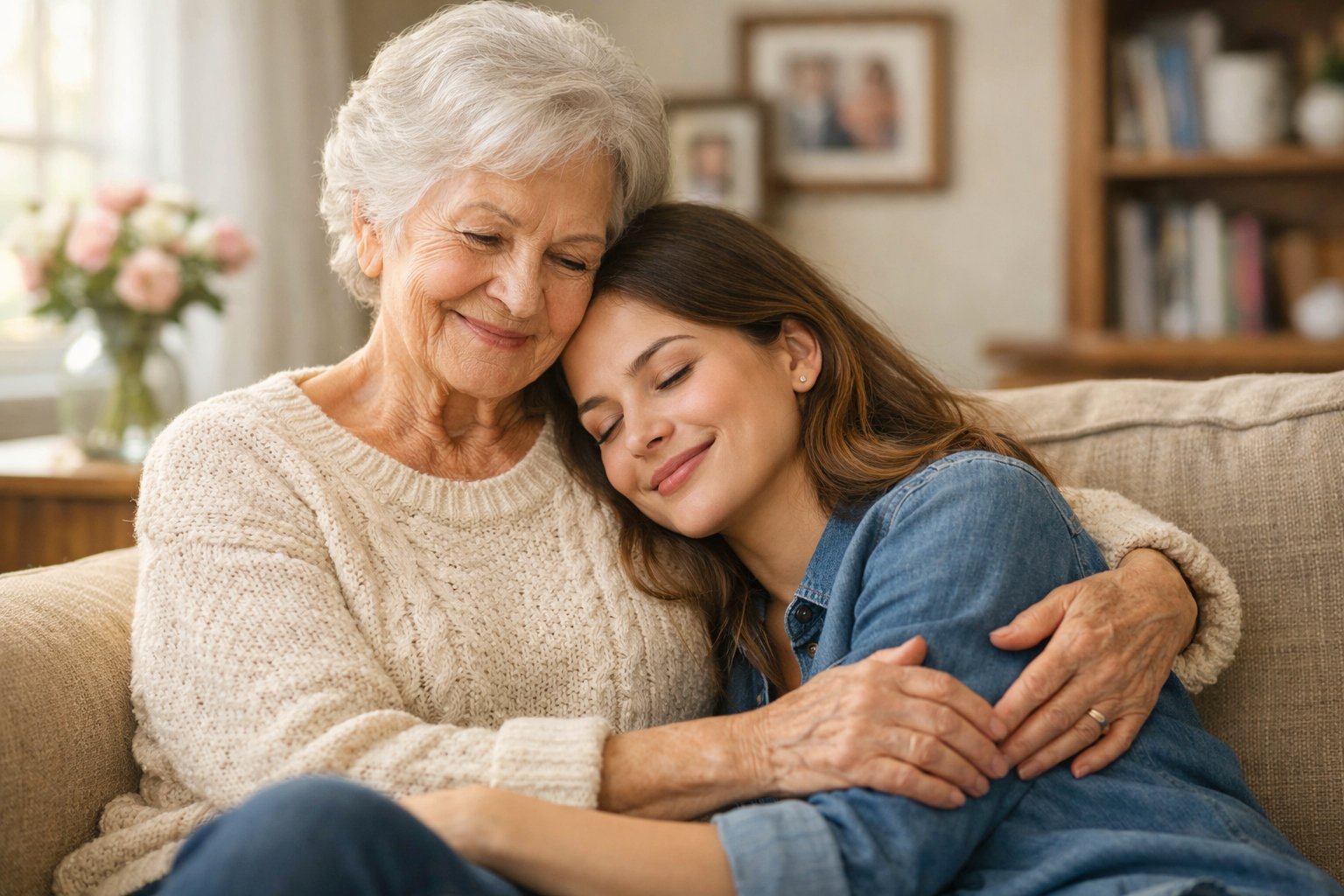
Research shows that when grandmothers look at photos of their young grandchildren, their brains light up in areas linked to emotional empathy, meaning they actually feel what their grandchildren are feeling in that moment. This brain response helps explain why a grandmother's comfort feels so natural and why her support can have such a lasting effect. The connection goes beyond simple affection and involves real changes in how the brain processes emotions.
The effects of this unique relationship reach far into adulthood. Grandmothers provide emotional support, teach coping skills, and pass down family values in ways that build strength across generations. Whether through gifts that celebrate their bond or books about family connections, the relationship between grandmothers and grandchildren continues to shape lives years after childhood ends.
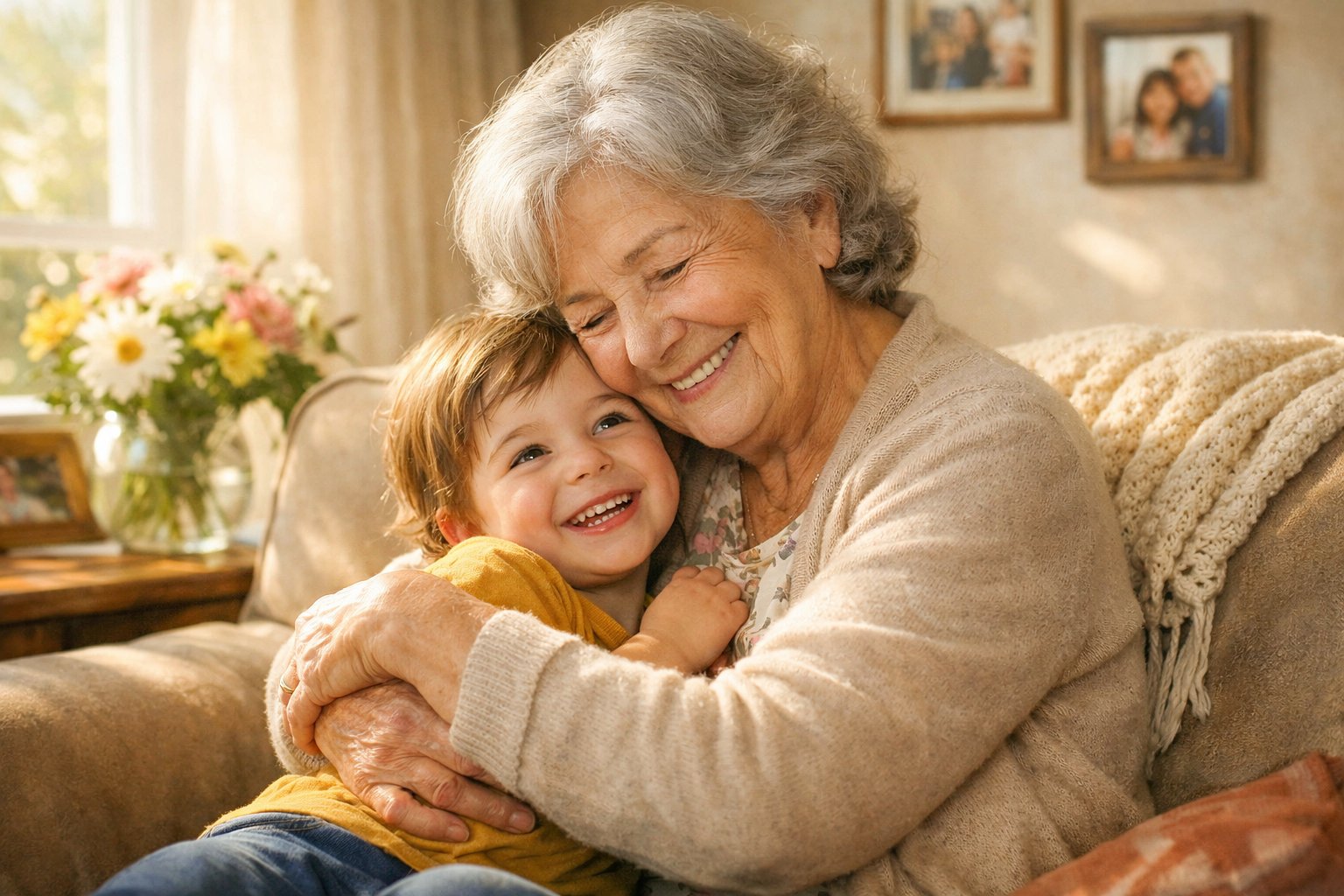
Research shows that grandmothers experience stronger brain responses when viewing their grandchildren compared to their own adult children. This bond is shaped by emotional empathy, brain chemistry, and evolutionary patterns that have helped humans survive for thousands of years.
Grandmothers display unique emotional responses when interacting with their grandchildren. Studies of grandmothers' brains reveal that they activate brain areas linked to empathy and emotional processing more strongly for grandkids than for their own adult children.
This happens because grandmas can focus on connection without the daily stress of discipline and responsibility. They experience the relationship with less pressure and more freedom to express affection.
Key factors that strengthen this emotional bond include:
The emotional connection also benefits from what researchers call the "cute" phenotype of children. Young children naturally trigger caring responses in adults through their appearance and behavior. Grandmothers respond strongly to these cues, which strengthens their desire to nurture and protect.
Many grandmas describe their relationship with grandchildren as a second chance at motherhood. They can be present and loving without worrying about being perfect parents.
Researchers at Emory University conducted brain scans on 50 grandmothers while they viewed photos of their grandchildren, adult children, and unrelated children. The results showed clear differences in brain activity.
When grandmothers looked at pictures of their grandchildren, specific brain regions lit up with activity. These areas are responsible for emotional empathy and reward processing. The response was notably stronger than when viewing their own adult children.
Study lead James Rilling explained that a grandmother's brain literally activates a biological reward system when she sees a grandchild. This isn't just about feelings—it's about measurable changes in brain chemistry.
The activated brain regions include areas that process facial recognition, emotional connection, and motivation to provide care. This neural activity creates feelings of joy and satisfaction that reinforce the grandmother-grandchild bond.
A 2014 Boston College study found that strong emotional ties between grandparents and grandchildren reduced depression symptoms for both generations. The mental health benefits flow in both directions.
Gift-giving often expresses this deep connection, from personalized photo frames to sentimental jewelry for grandma.
The grandmother hypothesis explains why humans are one of the few species where females live long past their reproductive years. Grandmothers historically increased family survival rates by helping raise grandchildren.
This evolutionary pattern shaped how grandmas bond with grandchildren today. Their role allowed parents to have more children while ensuring existing grandchildren received adequate care and attention.
Psychologist Erik Erikson described this stage of life as "generativity"—the instinct to pass on wisdom, love, and values beyond oneself. Grandparents naturally feel driven to share what they've learned with younger generations.
The evolutionary advantage shows up in practical ways:
Anthropologists believe that grandmothers contributed significantly to human development. They helped children learn language, social skills, and cultural traditions while parents gathered food and resources.
Modern grandmas continue this pattern through storytelling, teaching, and emotional guidance. Many families express this special relationship through personalized grandmother gifts that celebrate their unique role. The bond between grandmothers and grandchildren remains a vital part of family structure and child development across cultures worldwide.
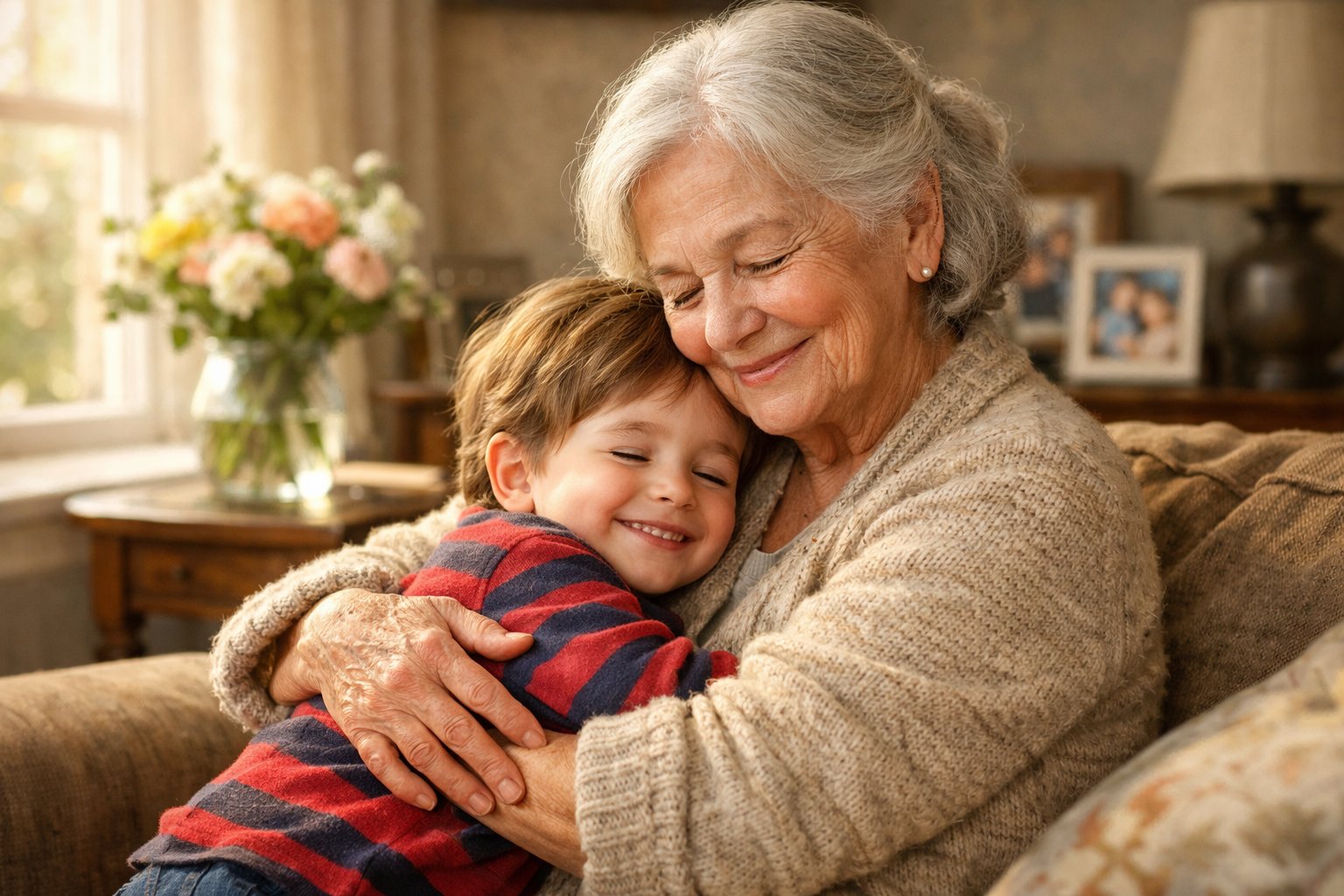
The bond between grandmothers and grandchildren operates through distinct brain patterns and emotional responses compared to the parent-child relationship. Grandparents engage different areas of the brain when interacting with grandchildren, while also bringing a generational perspective that removes many pressures parents face daily.
Research shows that grandmothers activate emotional empathy areas in their brains when viewing pictures of young grandchildren. James Rilling, a professor at Emory University, found that grandmothers feel what their grandchildren are feeling during interactions. When a grandchild smiles, grandma experiences their joy directly.
The same study revealed a stark contrast in how grandmothers respond to their adult children. When viewing images of their own kids, grandmothers show stronger activation in cognitive empathy areas. They try to understand intellectually what their adult child thinks or feels rather than experiencing those emotions directly.
Young children possess traits that trigger emotional responses in both maternal and grand-maternal brains. Adults lack the same cute factor, so they do not create the same automatic emotional reaction in grandmothers.
Grandparents occupy a different space in a child's life than parents do. They offer an emotionally enriching role where love flows freely without the burden of direct responsibility. Parents handle feeding, discipline, and the daily work of raising children. Grandmothers can focus on connection without these demands.
Some parents feel resentment when they notice grandparents giving grandchildren more leeway and affection than they remember receiving as children. This difference stems from changed circumstances rather than preference. Grandmothers have finished their primary parenting duties and can approach relationships with grandchildren from a place of experience and reduced stress.
The generational gap also allows grandparents to appreciate childhood moments more fully. They understand how quickly these years pass and prioritize making memories.
The grandmother role combines closeness with healthy distance. Grandmothers can provide support without managing every aspect of a child's development. This arrangement creates space for unconditional acceptance that differs from parental love.
Parents must balance affection with teaching responsibility and establishing rules. Grandmothers can offer personalized gifts that celebrate grandchildren, creating special bonds through thoughtful gestures. They also serve as additional support systems for both grandchildren and their parents.
The boundary between involvement and responsibility lets grandmothers enjoy relationships with grandchildren while parents maintain primary decision-making authority. Photo albums and memory books help grandmothers preserve these connections across time and distance. This structure benefits everyone by providing children with multiple sources of love and security while respecting parental roles.
A grandmother's influence shapes development from the earliest days through adulthood, creating memories and lessons that stay with grandchildren for decades. The bond formed during infancy deepens through childhood traditions and matures into a source of wisdom during the challenging teenage years.
Grandmothers often provide crucial support during a baby's first months. Their calm presence helps soothe fussy infants when parents feel overwhelmed.
Research shows that grandmothers' brains activate areas associated with emotional empathy when viewing their young grandchildren. This neural response means grandmas feel what babies feel. When an infant cries, grandma experiences that distress directly.
This emotional connection creates a secure environment for infants. Babies learn they can trust the world around them. The gentle rocking, soft singing, and patient holding all contribute to healthy attachment.
Grandparents bring experience that first-time parents lack. They know that some crying phases pass quickly. They understand which sounds mean hunger versus tiredness. This knowledge helps the entire family stay calmer during stressful moments.
Grandmothers become central figures in establishing family traditions during childhood years. They teach recipes passed down through generations. They share stories about ancestors and family history.
These traditions give children a sense of belonging and identity. A grandchild learns to bake cookies using grandma's special recipe. They hear tales of how great-grandparents came to this country. They participate in holiday rituals that connect them to their roots.
Grandparents who show that they care help children develop solid self-esteem. This confidence comes from unconditional acceptance. Grandma loves her grandchildren without the daily frustrations parents face.
Children also find comfort at grandma's house during difficult times. When parents argue or siblings fight, grandma's home becomes a safe space. She listens without judgment and offers perspective that young minds need.
Custom photo blankets featuring family memories make meaningful keepsakes that preserve these special moments.
The grandmother-grandchild relationship shifts during adolescence but remains valuable. Teens often feel misunderstood by parents but can talk openly with grandmothers.
Grandmas offer advice without the intensity parents bring to conversations. They share life lessons from their own mistakes and successes. A grandmother might discuss career choices, relationships, or personal struggles with more patience than busy parents can manage.
Young adults frequently seek grandma's wisdom during major life transitions. Moving away for college, starting first jobs, or navigating early relationships all benefit from her perspective. She has lived through similar challenges and can provide reassurance.
The influence grandparents have on their grandchildren's lives extends well into adulthood. Adult grandchildren often credit their values and character to lessons learned from grandma. Her impact on work ethic, kindness, and resilience continues decades after childhood ends.
Books about grandparent relationships help families strengthen these important bonds across generations.
Grandmothers serve as anchors during family crises and teach younger generations how to face hardship with strength. Their steady presence provides emotional security that helps families weather difficult periods together.
Grandmothers who raise grandchildren often face significant challenges including health problems, financial strain, and complex family dynamics. Research on grandmother caregivers shows that despite these difficulties, many develop remarkable resilience through problem-solving skills and resourcefulness.
These grandmothers model coping strategies for their grandchildren. They demonstrate how to manage stress through cognitive reframing and self-control. When families experience trauma or loss, grandmothers share stories from their own lives that illustrate survival and recovery.
Studies indicate that maternal grandmothers' support significantly enhances children's ability to handle adversity. Their guidance helps grandchildren develop emotional fortitude and practical skills for managing life's challenges.
Grandparents can celebrate this special bond with personalized items like custom photo mugs that preserve family memories. These tangible reminders reinforce the connection between generations.
Grandmothers provide consistency when family structures shift due to divorce, job loss, or parental absence. Family functioning research reveals that grandmothers in all living arrangements contribute to family stability through their ongoing involvement.
Their homes often become gathering places where traditions continue. This predictability creates safe spaces for grandchildren during uncertain times.
Whether living separately or in multigenerational households, grandmothers maintain family connections. They offer both emotional support and practical help with childcare and household management.
The grandmother's calm demeanor during crises helps reduce family stress. Her experience allows her to see beyond immediate problems and maintain perspective. Family members can find inspiration in books like The Gifts of Imperfection which explores building resilience through authentic connections.
Grandmothers serve as cultural bridges by sharing stories that connect past and present. They also preserve family identity through recipes that carry the tastes and memories of previous generations.
Grandparents naturally pass down family values through their everyday actions and the stories they choose to share. When a grandmother tells stories about her childhood or describes how her own parents lived, she gives grandchildren a connection to people and places they might never have known. These narratives help children understand where they come from and why certain values matter to their family.
Stories don't need to be dramatic to be meaningful. Simple tales about first snowfalls, holiday celebrations, or everyday moments create a sense of belonging. Research shows that family stories help raise emotionally healthy children by building their understanding of family identity.
The practice works because it's personal and repeated. A grandmother who shares the same stories multiple times reinforces the lessons within them. Children remember these accounts long into adulthood, often retelling them to their own kids.
Family recipes serve as cultural heirlooms that preserve heritage through taste and ritual. When grandma teaches a grandchild to make her special dish, she passes down more than instructions. She shares techniques, ingredient choices, and the care that goes into preparing food for loved ones.
These recipes often connect families to specific cultural backgrounds and regional traditions. A grandmother's kitchen becomes a classroom where younger generations learn about their ancestry through the foods their family has made for decades. Many families preserve these recipes in handwritten cookbooks or personalized recipe cards that get passed down.
The cooking process itself creates bonding moments. Measuring ingredients together, learning the right consistency for dough, and tasting along the way all build memories. Some families use kitchen tools and accessories that have been in the family for years, adding another layer of connection to previous generations.
A grandmother's love provides children with emotional security and teaches them how to connect with others in meaningful ways. These benefits shape how kids view themselves and interact with the world around them.
Grandmothers offer a unique type of support that helps children feel secure and valued. Research shows that grandparents who maintain active relationships with grandchildren contribute to better emotional outcomes in kids.
This relationship works differently than the parent-child bond. Grandmothers often provide unconditional acceptance without the daily pressures of discipline and rules. Children feel safe expressing themselves freely.
The emotional connection runs deep. When grandmothers view photos of their grandchildren, brain scans show activation in areas linked to emotional empathy. This means grandmothers actually feel what their grandchildren are feeling.
This empathetic response helps children in several ways:
Kids who receive this type of emotional support from grandparents tend to show greater confidence in social situations.
Grandmothers model compassion through their actions and interactions. Children learn empathy by watching how their grandmother treats others and responds to their needs.
The time spent together creates natural teaching moments. A grandmother might show kindness to a neighbor or demonstrate patience during a frustrating situation. Kids absorb these lessons without formal instruction.
Grandparents often have more time and patience than busy parents. They can sit with a child who feels upset and help them understand different perspectives. This guidance shapes how children relate to others throughout their lives.
The bond between grandmothers and grandchildren also teaches kids about intergenerational relationships. They learn to value people of all ages and understand that everyone has something to offer. This awareness helps children develop greater compassion for others in their community.
Grandmothers build resilience in their grandchildren through daily examples of perseverance and by offering guidance during difficult moments. These experiences create lasting coping skills that children carry throughout their lives.
Grandmothers demonstrate resilience through their own life experiences, showing grandchildren how to face challenges with strength. When a grandmother shares stories about overcoming hardship, she teaches children that difficult times pass and problems have solutions.
Resilience includes multiple skills and coping mechanisms that grandmothers pass down through their actions. They show optimism when plans change unexpectedly. They remain calm when situations feel overwhelming.
Children watch these responses and learn to handle stress in similar ways. A grandmother who keeps trying after setbacks teaches persistence without saying a word. Her positive outlook during tough times becomes a template for how grandchildren view their own obstacles.
The simple act of maintaining routines and finding joy in small moments demonstrates emotional stability. Grandchildren absorb these patterns and develop their own ability to bounce back from disappointment. Consider gifting a journal to document shared family stories of overcoming challenges.
Grandmothers raising grandchildren face numerous challenges yet continue providing emotional support that builds coping skills. They offer perspective that comes from decades of problem-solving experience. When grandchildren face friendship conflicts or school stress, grandmothers provide guidance without judgment.
This support system creates a safe space for children to process difficult emotions. Grandmothers listen without rushing to fix every problem, which teaches children to work through feelings independently. They ask questions that help grandchildren find their own solutions rather than imposing answers.
Research on grandmother caregivers' resilience and family functioning shows how their coping strategies influence the entire family system. By validating emotions while encouraging problem-solving, grandmothers help children develop balanced responses to stress.
They also normalize struggle by admitting their own mistakes and showing that imperfection is acceptable. This honesty creates realistic expectations about life's difficulties. Celebrate this bond with personalized grandmother gifts that honor their role in building family strength.
Strong connections between grandmas and grandchildren grow through regular shared experiences and deliberate efforts to stay close. These relationships thrive when families create opportunities for meaningful interaction and keep communication channels open across distance and time.
Shared activities create the foundation for lasting memories between grandparents and grandchildren. When grandmas engage in hands-on experiences with their grandchildren, they build trust and understanding that strengthens over time.
Cooking together stands as one of the most powerful bonding activities. Grandmas can teach traditional family recipes while sharing stories about their own childhoods. These kitchen moments preserve family traditions and create sensory memories that grandchildren carry forever.
Craft projects offer another avenue for connection. Making personalized greeting cards together or working on scrapbooks gives both generations something tangible to remember their time together. Creative activities encourage conversation and allow grandmas to pass down skills.
Celebrating special occasions together reinforces bonds. Planning activities for milestone birthdays creates anticipation and shared joy. Even simple activities like reading books, gardening, or taking walks provide regular touchpoints that accumulate into a lifetime of connection.
Distance and busy schedules challenge many families today. Technology bridges these gaps when used thoughtfully. Video calls allow grandmas to read bedtime stories or help with homework despite living far away.
Regular communication matters more than perfect timing. Setting up a consistent schedule helps grandchildren know when to expect contact. Weekly phone calls or monthly visits create rhythm and reliability in the relationship.
Photo-sharing keeps grandmas involved in daily life. Creating custom photo books or digital albums helps document growth and changes. These visual records become treasured keepsakes for the entire family.
Extended family gatherings preserve connections across generations. Holiday celebrations, reunions, and milestone events bring everyone together. These occasions reinforce family identity and give younger generations a sense of belonging to something larger than themselves.
Grandmothers today navigate family structures and parenting styles that differ significantly from their own experiences. Technology has reshaped how families communicate, while modern parenting approaches emphasize different values than those common in previous generations.
The role of grandma has expanded beyond traditional boundaries. In the 1990s, grandparents might have visited occasionally and followed established routines. Today's grandmothers often provide regular childcare, emotional support, and practical help in single-parent households or blended families.
Parenting methods have shifted dramatically. Research now guides decisions about sleep safety, discipline, and emotional development. A grandmother might remember using crib bumpers or putting babies to sleep on their stomachs, but current guidelines recommend back-sleeping in empty cribs to reduce SIDS risk.
The key to maintaining strong relationships involves respecting parental boundaries. When a grandma says "we never did that, and you turned out fine," it can create tension. Instead, she can ask questions about current practices and show genuine interest in learning new approaches.
Personalized gifts like custom photo blankets from Zazzle or memory books from Amazon help grandmothers bridge generations while honoring modern family preferences.
Technology creates both opportunities and challenges for grandmothers. Video calls allow daily connections across distances. Social media enables sharing photos and updates instantly. A grandma who learns to use these tools maintains closer relationships with grandchildren.
Digital literacy matters for modern grandparenting. Children grow up with tablets, educational apps, and screen time rules that didn't exist decades ago. Understanding these tools helps grandmothers participate meaningfully in grandchildren's lives.
However, technology cannot replace physical presence. The warmth of a grandmother's hug, the smell of her cooking, and face-to-face storytelling create irreplaceable memories. Balancing digital communication with in-person visits strengthens bonds across generations.
Grandmothers who adapt to changing family structures while maintaining their unique role as nurturers find deeper connections with both adult children and grandchildren.
Grandmothers shape future generations by passing down core values and creating a foundation for identity. Their influence extends beyond childhood, leaving lasting imprints on how people approach relationships, challenges, and their place in the world.
Grandmothers teach through action rather than lengthy lectures. They demonstrate patience when helping a child tie shoes for the tenth time. They show kindness by making someone's favorite meal without being asked. These small, repeated actions become the framework for how grandchildren understand love and care.
Life lessons taught by grandmothers often center on practical wisdom that can't be found in books. They teach that disagreements don't have to end relationships. They show that loyalty matters more than temporary excitement. Many grandmas pass down the understanding that love requires choosing commitment even when feelings fluctuate.
The values grandparents share often become family traditions that carry forward. A grandmother might teach her grandchildren to:
These lessons stick because they come from lived experience. When a grandmother shares how she handled hardship, her grandchildren remember the story and apply it to their own lives years later.
Grandmothers help grandchildren understand where they come from and who they are. They share stories about family history that connect younger generations to their roots. A child learns about their heritage through recipes passed down or traditions celebrated together.
This connection creates a sense of belonging that extends beyond the immediate household. Grandchildren see themselves as part of something larger—a family line with its own values, struggles, and triumphs. A grandmother might explain why certain family traditions matter or share memories of relatives who came before.
The time spent together builds confidence in grandchildren. They learn they are valued for who they are, not what they achieve. This unconditional acceptance becomes a foundation for self-worth. When life gets hard, they remember how their grandmother saw them—as worthy of love and capable of growth.
Grandmas also model what it means to age with dignity. They show that getting older doesn't mean losing value or purpose. Through their example, grandchildren learn that every life stage holds meaning and opportunity for connection.
Grandmothers play a distinct role in family structures, offering emotional support that shapes children's development and creates lasting bonds across generations. Their unique expressions of love carry psychological weight that influences how grandchildren form relationships and view themselves.
The grandmother effect strengthens family bonds by adding an extra layer of emotional support and stability. Grandmothers often serve as mediators during family conflicts and provide wisdom that comes from lived experience. Their presence creates a bridge between generations that helps preserve family traditions and values.
This influence extends beyond immediate relationships. When grandmothers actively participate in family life, they reduce parental stress and create more balanced household dynamics. Children benefit from having multiple caregivers who offer different perspectives and types of attention.
Children with strong grandmother relationships develop better emotional regulation skills. They learn to process feelings through the patient, accepting environment that grandmothers typically provide. This emotional foundation helps them handle stress more effectively throughout their lives.
These relationships also boost self-esteem and confidence. Grandmothers often have more time to listen without judgment, which helps children feel valued and understood. The unconditional acceptance creates a safe space for kids to explore their identities and express themselves freely.
Research shows that grandchildren with involved grandmothers demonstrate higher levels of social competence. They learn empathy and compassion through observation and interaction. The bond provides a model for healthy relationships that children carry into adulthood.
Scientists found that grandmothers' brains activate differently when viewing their grandchildren compared to their own adult children. The brain regions associated with emotional empathy light up more strongly, suggesting grandmothers feel what their grandchildren feel in the moment.
Grandmothers typically focus on creating joyful experiences rather than enforcing rules. They have the freedom to prioritize fun and connection without the daily responsibilities of discipline and structure. This approach allows them to build memories centered on pleasure and discovery.
Their love often manifests through small, consistent gestures. Baking favorite treats, sharing stories, or simply being present without distractions communicates deep affection. These actions create a sense of being cherished that differs from parental love because it comes without the pressure of expectations.
Many grandmothers express love through preserving family history. They share photos, tell stories about ancestors, and pass down recipes or crafts. This transmission of heritage gives grandchildren a sense of belonging to something larger than themselves, which can be especially meaningful during milestone celebrations.
The grandmother-grandchild bond provides a secure base for exploration and learning. When children know they have a reliable source of comfort and support, they take more healthy risks. This confidence translates into better academic performance and willingness to try new activities.
Cognitive development benefits from grandmother involvement as well. Grandmothers who read, play games, and engage in conversations stimulate language development and critical thinking. The unhurried pace of these interactions allows for deeper learning than rushed exchanges.
Emotional intelligence grows through regular contact with grandmothers. Children learn to recognize and name feelings through discussions about experiences and relationships. They also observe how grandmothers handle their own emotions, providing real-world examples of emotional maturity.
The relationship teaches children about aging, life transitions, and mortality in a gentle way. This exposure helps them develop resilience and adaptability. Understanding that relationships can span decades despite physical changes builds patience and long-term thinking.
Cultural norms shape how grandmothers express affection and fulfill their roles. In many Asian cultures, grandmothers take primary caregiver responsibilities while parents work, creating daily bonds through routine care. In contrast, Western grandmothers often play more recreational roles with scheduled visits and special outings.
Food preparation serves as a universal expression of grandmother love, though the specific dishes vary by culture. Whether making tamales, dumplings, or apple pie, the act of feeding grandchildren carries deep symbolic meaning. These shared meals become touchstones of cultural identity and family connection.
Some cultures emphasize formal respect and hierarchical relationships between generations. Grandchildren may show love through specific behaviors like bowing or using honorific titles. Other cultures encourage more casual, friendship-like bonds where grandchildren and grandmothers interact as peers.
Storytelling traditions differ widely but remain a common method for transmitting values. Oral histories, folk tales, or religious stories connect grandchildren to their heritage. The content and delivery style reflect cultural priorities about what knowledge matters most, similar to how families mark significant life transitions together.
Grandmothers contribute substantially to children's sense of security by providing consistency across time. Even when other aspects of life change, the grandmother relationship often remains stable. This reliability creates an anchor point that helps children feel grounded.
Identity formation benefits from grandmother involvement in multiple ways. Grandmothers share family history that helps children understand where they come from and who they are. They often celebrate characteristics and interests that parents might overlook, validating different aspects of a child's personality.
The relationship offers perspective on family patterns and traits. Children see themselves reflected in stories about parents as children or learn about inherited talents and quirks. This genealogical awareness strengthens their sense of continuity and belonging.
For children experiencing family disruption, grandmothers often serve as stabilizing forces. Their presence provides emotional security during divorces, relocations, or other upheavals. The dependable nature of grandmother love helps children maintain equilibrium when other relationships feel uncertain.