
Your Cart is Empty
A simple necklace paired with a heartfelt card can bring someone to tears faster than almost any other gift. The combination creates something unique that goes beyond regular jewelry or standard greeting cards alone. Message card necklaces trigger powerful emotional reactions because they combine tangible keepsakes with personalized words, creating a physical reminder of love and support that engages multiple senses and memory systems in the brain.
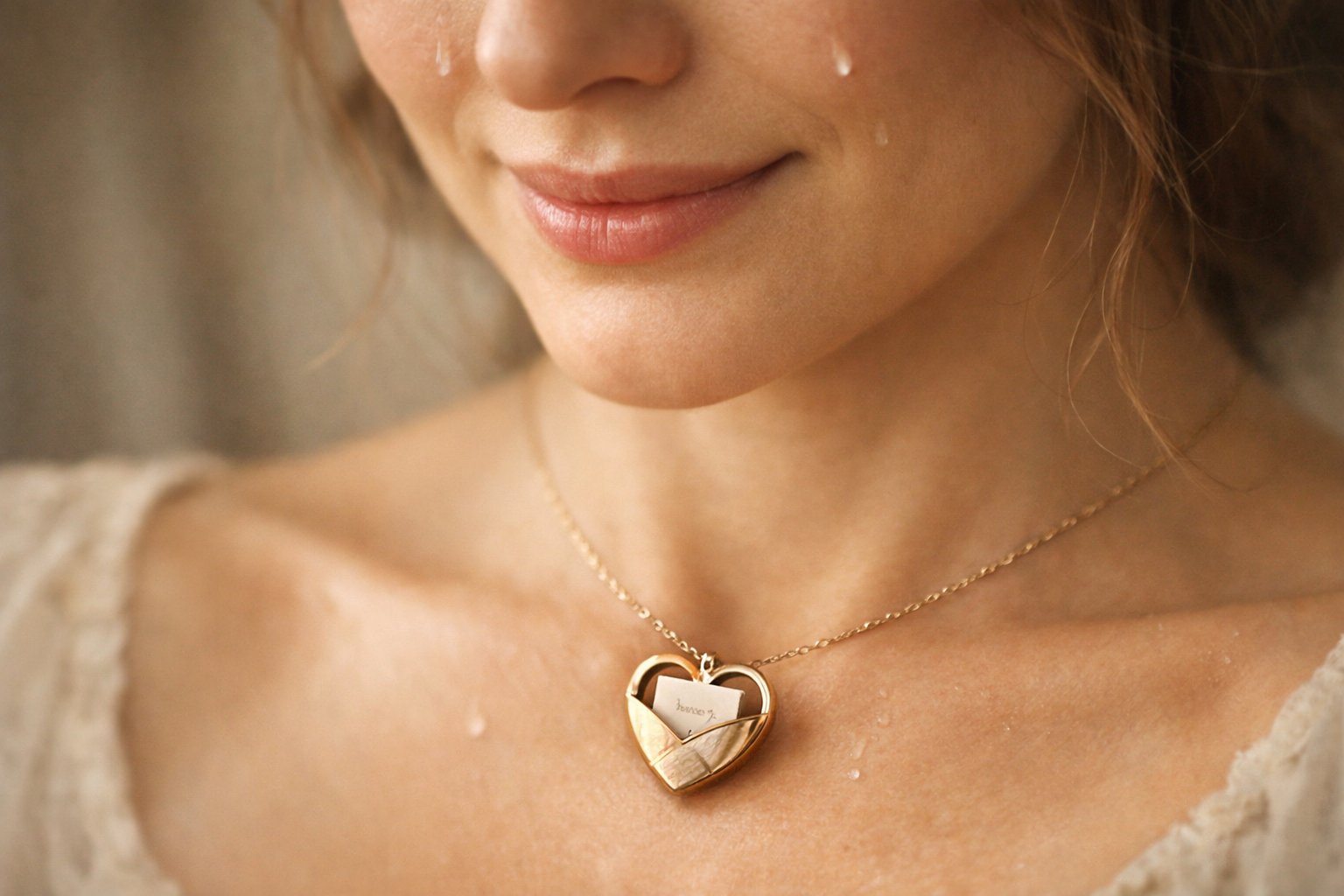
The tears that flow when opening these gifts are not signs of sadness but rather indicators of deep emotional processing. Message card jewelry works by delivering encouragement through both visual beauty and written sentiment, which activates emotional centers in ways that spoken words cannot match. Understanding why these reactions happen reveals important information about human connection and emotional expression.
Whether shopping for personalized necklaces on Amazon or custom jewelry cards on Zazzle, the science behind these emotional responses helps explain their lasting impact. The chemistry of tears combined with the psychology of gift-giving creates moments that recipients remember for years.
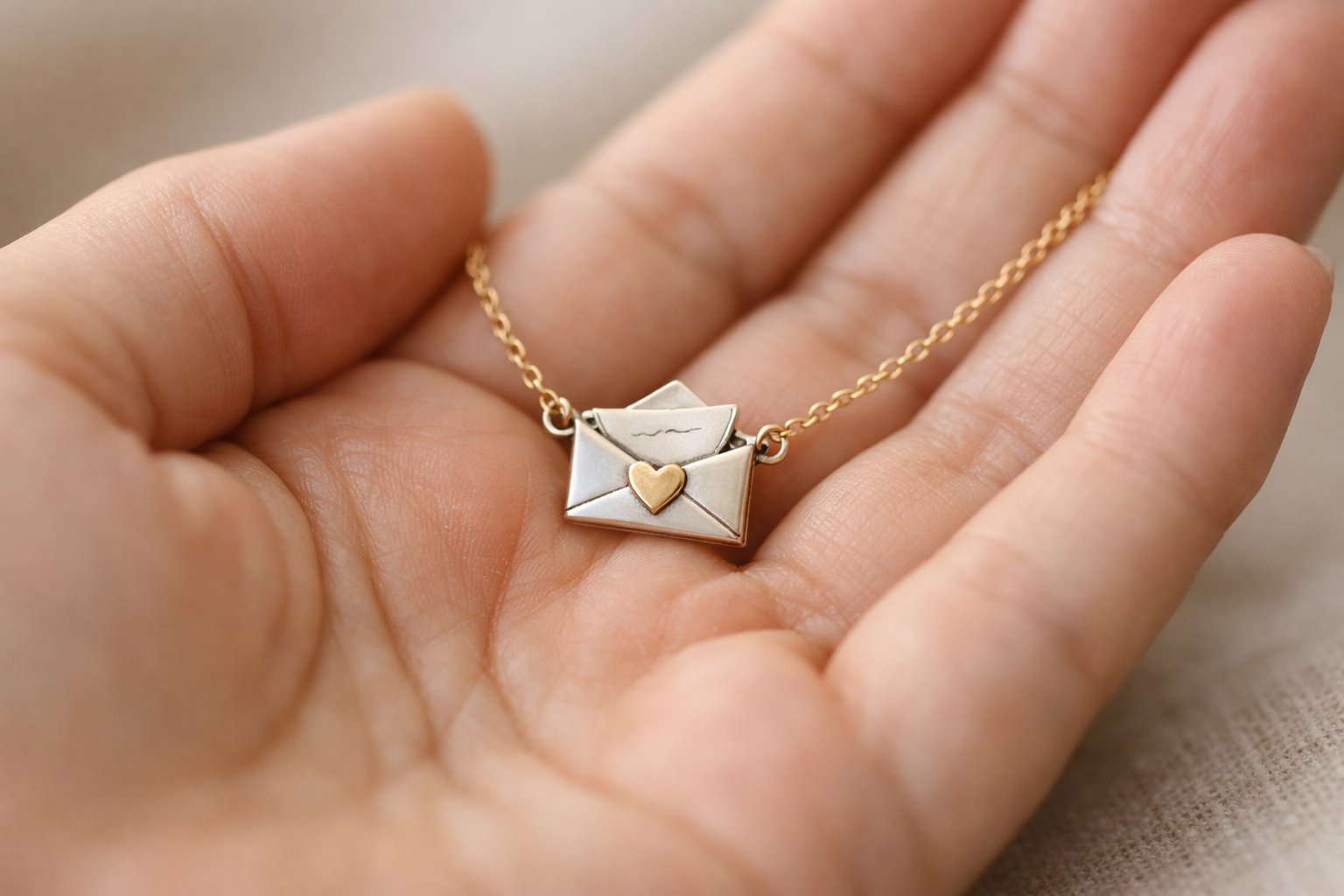
Message card necklaces create strong feelings because they combine written words with physical jewelry that people wear every day. The pairing of personal messages with tangible keepsakes produces reactions that simple gifts cannot match.
The written card transforms standard jewelry into something deeply personal. When someone receives a necklace paired with a specific message about their strength, worth, or potential, the combination hits differently than jewelry alone.
These pieces work as constant reminders throughout the day. Every time the wearer touches the necklace or catches a glimpse of it in the mirror, the sentiment from the card comes back to mind. This repeated exposure strengthens the emotional connection over time.
The physical presence matters because people can actually hold and wear the support someone gave them. Unlike spoken words that fade from memory, message card jewelry stays with the recipient as a permanent reminder. The necklace becomes a source of comfort during difficult moments when the original giver might not be present.
The card explains why the jewelry matters. Without context, a simple pendant might be pretty but forgettable. The accompanying message reveals the thought behind the gift and creates meaning that transforms the piece into something significant.
This combination creates what researchers call a "dual anchor" effect. The written words provide the emotional foundation while the jewelry serves as the physical trigger. When both elements work together, they produce stronger reactions than either would separately.
Key emotional triggers include:
The card also gives the receiver something to keep beyond the jewelry itself. Many people store these cards in journals or memory boxes to revisit when they need encouragement.
Wearing a message close to the heart carries symbolic weight. The placement of necklaces near the heart creates an unspoken connection between the sentiment and the wearer's core emotions.
The act of putting on the necklace each day becomes a ritual of self-affirmation. This daily practice reinforces the message whether it's about strength, love, or belief. The repetition builds emotional resilience over time.
Symbolic necklaces work as private talismans that only the wearer fully understands. Others might see a simple pendant, but the person wearing it knows the deeper meaning behind it. This private knowledge creates a sense of connection to the giver that feels intimate and personal.
The visibility of the jewelry matters too. Unlike cards stored in drawers, necklaces stay present and accessible. This constant availability means comfort arrives exactly when needed without requiring any action from the wearer.
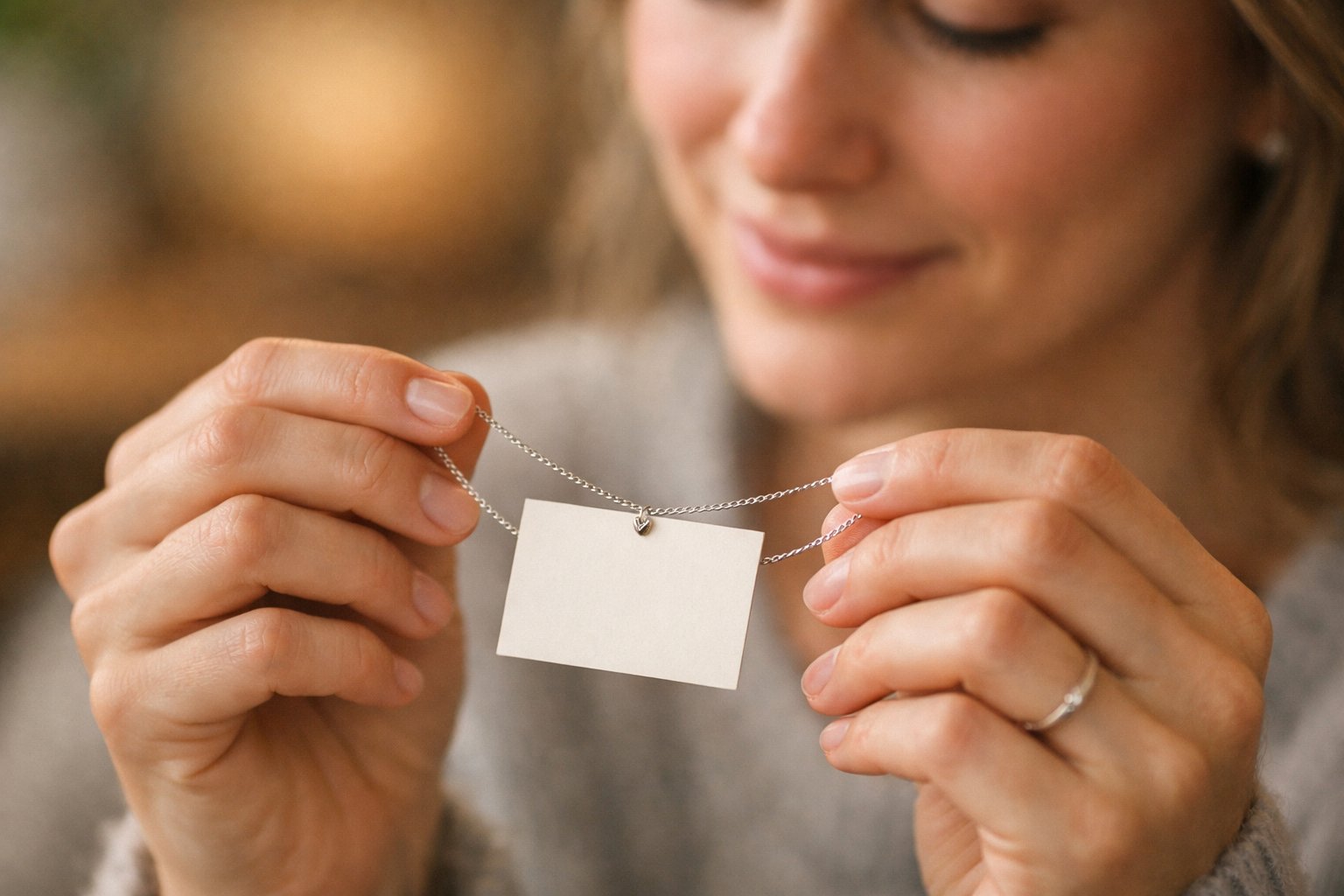
Message cards paired with jewelry create deeper emotional responses than standalone gifts because they combine physical beauty with written sentiment. The written words provide context and meaning that transforms simple accessories into powerful emotional anchors.
Personalized gifts create lasting emotional connections by triggering unique responses in the brain. When someone receives message card jewelry, they experience two separate emotional moments: the initial surprise of the gift and the discovery of the written message.
The physical jewelry serves as a permanent reminder of the giver's feelings. Unlike cards that get stored away or flowers that wilt, the necklace or bracelet stays visible. Every time the recipient wears the piece, they reconnect with the original message.
Written words on message cards allow givers to express thoughts they struggle to say aloud. This creates space for vulnerability and honesty. Many people report emotional tears when reading heartfelt messages attached to jewelry because the combination feels more intentional than verbal expressions.
The jewelry becomes a symbol of the relationship itself. Gifts for expecting mothers often carry extra emotional weight because they mark a transformative life phase. The message card explains the deeper meaning behind the gift choice.
Physical objects create stronger memory associations than words alone. When someone touches their necklace or bracelet, they recall the exact moment they received it and the feelings that came with reading the card.
Message card jewelry works as a memory anchor through multiple sensory experiences:
The brain forms stronger neural pathways when multiple senses connect to a single memory. This explains why people often remember exactly where they were and how they felt when opening jewelry gifts with message cards.
The written message provides specific details that prevent the memory from fading. Generic gifts blur together over time, but a necklace paired with "You're going to be an amazing mother" remains distinct years later.
Major life transitions amplify emotional responses to gifts. Message card jewelry given during significant moments creates associations between the jewelry and the milestone itself.
Graduation gifts mark the end of one chapter and the beginning of another. A message card acknowledging someone's hard work and future potential resonates deeply during this uncertain time. The jewelry becomes proof that someone believes in them.
Crying often occurs when gifts arrive during vulnerable moments. New mothers, recent graduates, or people facing challenges feel overwhelmed by tangible proof of support. The message card validates their struggles and celebrates their strength.
Gifts for mothers tap into existing emotional bonds. A daughter giving her mother a necklace with a heartfelt message creates a moment of empathy and mutual appreciation. Both people feel seen and valued.
The timing of the gift matters as much as the gift itself. Mother's Day jewelry carries extra meaning because the occasion already focuses on expressing gratitude. The message card allows specific, personal expressions that generic holiday gifts cannot match.
When someone receives a meaningful gift like a message card necklace, specific brain structures activate to process the emotional content while the body's automatic systems respond by triggering physical reactions like tears and changes in heart rate.
The limbic system acts as the brain's emotional control center when processing gifts with personal messages. The amygdala within this system evaluates the emotional significance of the written words and attached memories. When reading a heartfelt message on a personalized necklace, the hippocampus retrieves related memories while the amygdala assigns emotional weight to them.
The limbic system connects directly to reward pathways in the brain. Research shows that giving and receiving gifts activates reward areas associated with dopamine release. This neurotransmitter creates feelings of pleasure and connection.
Key limbic structures involved:
The intensity of the reaction depends on how meaningful the relationship is between giver and receiver. Close relationships create stronger activation patterns throughout the limbic system.
The autonomic nervous system controls involuntary physical responses when emotions peak. The parasympathetic branch activates the lacrimal gland to produce tears during strong emotional moments. This happens without conscious control.
Heart rate changes accompany emotional gift reactions. The sympathetic nervous system can increase heart rate during the initial surprise, while the parasympathetic system may slow it during the emotional processing phase. These competing signals create the physical sensation people describe as being "moved" by a gift.
The lacrimal gland receives direct signals from the autonomic nervous system through cranial nerve pathways. When the limbic system processes an emotionally significant message, it sends signals that trigger tear production within seconds. This explains why tears often appear immediately when someone reads a touching note on a meaningful jewelry piece.
Blood flow to facial tissues also increases during emotional moments. This causes the flushed feeling and warmth many people experience when receiving gifts with deep personal meaning.
The human body produces three distinct types of tears, each serving a specific purpose. Basal tears maintain eye health continuously, reflex tears respond to irritants, and emotional tears contain unique chemical compounds linked to stress and feelings.
Basal tears flow constantly across the ocular surface to keep eyes functioning properly. The lacrimal glands produce these tears every time a person blinks, spreading a protective layer across the eye.
The tear film has three distinct layers that work together. The outer oily layer prevents evaporation and keeps the surface smooth for clear vision. The middle watery layer makes up most of the tear volume and supports eye tissue while keeping bacteria away from the cornea. The inner mucus layer helps the entire film stick to the eye's surface.
These tears contain water, electrolytes, enzymes, and lipids. Each tear includes about 0.3 milligrams of salt, which is why they taste salty. Basal tears drain through small ducts into the back of the nose, where they either evaporate or get reabsorbed by the body.
Without constant basal tear production, eyes would dry out and become damaged within hours.
Reflex tears (also called reflexive tears) rush out when something irritates the eyes. Dust, smoke, onion vapors, or bright lights trigger this immediate response from the lacrimal glands.
These tears flood the ocular surface to wash away harmful particles or chemicals. Reflex tears contain antibodies that help fight bacteria, providing an extra layer of defense against infection.
The body produces reflex tears much faster than basal tears. This rapid tear production can overwhelm the drainage system, causing tears to spill over onto the cheeks. Cold wind or eye injuries also activate this protective mechanism.
People shopping for meaningful jewelry gifts on Amazon often don't realize how their purchases might trigger emotional responses connected to tear production.
Emotional tears flow during intense feelings like sadness, joy, or grief. These tears differ chemically from basal and reflex tears in significant ways.
Emotional tears contain leucine-enkephalin, a neuropeptide related to endorphins that appears only in tears produced by strong emotions. Scientists believe these tears may help release stress hormones that build up during emotional distress.
The lacrimal glands respond to signals from the brain's emotional centers to produce these tears. Unlike reflex tears that answer to physical irritation, emotional tears emerge from psychological states. They may serve a social function by signaling distress to others and promoting bonding between people.
Researchers continue studying why humans are the only animals that cry emotional tears. Gift items like personalized necklaces from Zazzle frequently trigger this type of tear production when recipients read heartfelt messages attached to them.
Emotional tears contain a unique blend of stress hormones, natural pain relievers, and bonding chemicals that distinguish them from basic tears. These biochemical compounds include cortisol, leucine enkephalin, oxytocin, and prolactin, which work together to regulate emotional states and promote healing.
Emotional tears function as waste products that remove stress-related chemicals from the body. When someone experiences intense emotions, their body produces cortisol and ACTH (adrenocorticotropic hormone). These hormones accumulate during stressful moments and exit through tears.
The tears also contain endogenous opioids like leucine enkephalin. This amino acid neuropeptide acts as a natural painkiller in the body. It belongs to the same family as endorphins and helps reduce both physical and emotional pain.
Research shows that crying activates the parasympathetic nervous system, which calms the body down. The heart rate slows and blood pressure drops as stress chemicals leave through tears. This explains why people often feel relief after a good cry.
Emotional tears carry significant amounts of oxytocin and prolactin. These hormones play key roles in social bonding and emotional connections between people. Prolactin appears in higher concentrations in emotional tears compared to reflex tears.
Oxytocin promotes feelings of trust and attachment. When tears flow during emotional moments, this hormone helps strengthen relationships. The presence of these bonding chemicals may explain why personalized gift jewelry with heartfelt messages triggers such strong reactions.
Both hormones work together to create feelings of compassion. They encourage emotional openness and vulnerability between individuals. This chemical response makes tear-inducing gifts particularly meaningful for special occasions.
Acetylcholine serves as a key neurotransmitter in emotional tears. This ester of acetic acid and choline helps regulate the nervous system during emotional episodes. It works alongside catecholamine neurotransmitters like adrenaline and noradrenaline.
These neurotransmitters have reciprocal effects on the body. As they exit through tears, the nervous system begins to stabilize. The fight-or-flight response diminishes and relaxation takes over.
The combination of neurotransmitters creates a natural reset mechanism. This is why custom message necklaces that evoke strong memories can trigger immediate emotional responses. The tears carry away built-up tension and leave the person feeling calmer and more connected to the gift giver.
Gifts that carry personal messages trigger specific biological and psychological responses that explain why they produce tears. These reactions stem from deep social connections, provide genuine therapeutic benefits, and help people process complex emotions in healthy ways.
When someone receives a message card necklace, their brain activates the same neural pathways involved in experiencing compassion and empathy. The limbic system responds to the emotional weight of personalized words, especially when they come from meaningful relationships.
Research shows that emotional tears release oxytocin and endorphins from the body. These chemicals strengthen bonds between the gift giver and receiver. A grandmother receiving a necklace with a heartfelt message experiences this chemical release as her body processes the love behind the words.
The autonomic nervous system regulates these emotional responses automatically. People cannot control when tears appear because the body recognizes genuine emotional connection. This explains why wedding gifts for her that include personal vows or promises create such strong reactions during ceremonies.
Sentimental jewelry serves a documented role in mental health maintenance and emotional processing. Studies involving 106 patients in psychotherapy showed that crying led to positive therapeutic outcomes when the tears brought relief or new understanding of emotions.
A wife wearing a message necklace carries a physical reminder of support during difficult moments. This tangible connection provides comfort similar to therapeutic interventions. The jewelry acts as an anchor object that helps regulate emotions throughout the day.
Mental health professionals recognize that objects holding emotional significance help people feel grounded. When someone touches their necklace and remembers the message inside, they access the same calming chemicals their body released during the original gift-giving moment. This process works outside formal therapy settings and provides ongoing emotional support.
Message card necklaces give people permission to express emotions they might otherwise suppress. The healing power of emotional tears becomes accessible when someone reads words that validate their feelings or experiences.
Key emotional regulation benefits:
A mother-in-law receiving a thoughtful necklace may cry because the gift acknowledges her importance in the family. These tears signal that suppressed emotions have found safe expression. The jewelry becomes a tool for ongoing emotional regulation, not just a one-time gift.
People often report feeling better after crying when they have support or when tears lead to resolution. Message necklaces provide both elements by offering constant reassurance and helping wearers process complex family dynamics or life transitions.
Crying serves distinct biological and social purposes that have shaped human behavior over thousands of years. Humans are the only species that produce emotional tears, making this behavior a unique marker of our evolution and social development.
Tears function as a powerful social signal that communicates distress without the need for words. Research shows that tears trigger empathy, social bonding, and supportive behavior in observers. The brain responds specifically to the presence of tears, regardless of the surrounding context.
This response happens in the lateral occipital gyrus, a brain region that processes visual information. Tears act as an unambiguous signal that someone needs help or comfort. They create bonds between people by clearly showing vulnerability.
Unlike other facial expressions that can be misread, tears leave little room for interpretation. They silently communicate distress without drawing unwanted attention, making them more effective than loud vocalizations in many social situations. This makes message card necklaces that reference crying or emotional moments particularly meaningful gifts on Amazon for showing someone you understand their feelings.
Adult crying differs chemically from tears produced by physical irritation. Emotional tears contain leucine-enkephalin, a neuropeptide related to endorphins, which explains why people often feel better after crying.
Adults cry for multiple reasons: physical pain, intense emotion, grief, or overwhelming joy. Each type of emotional expression through tears serves a specific purpose. Crying releases emotional tension and helps process difficult experiences.
The act of crying also invites others to provide comfort and support. It strengthens relationships by allowing people to show authentic emotion and receive care from others.
The question of why do we cry has puzzled scientists who study human evolution. Infant crying clearly serves survival purposes by alerting caregivers to needs like hunger or discomfort. The evolutionary benefit of adult emotional tears is less obvious.
One theory suggests that scrunching facial muscles during emotional distress physically stimulates tear glands. Another proposes that crying evolved as part of emotional expressions aimed at strengthening social bonds.
Tears are deeply ingrained in human evolutionary history, serving both biological and psychological functions. They help maintain social connections that were critical for human survival. Personalized jewelry from Zazzle that incorporates emotional themes taps into these deep evolutionary responses to tears and emotional expression.
When someone receives a message card necklace, their body activates specific physical systems that produce tears. The lacrimal gland releases fluid through neural pathways controlled by the autonomic nervous system, while heart rate changes signal the intensity of the emotional response.
The lacrimal gland produces emotional tears through a complex process that differs from basic eye lubrication. Located in the upper outer area of each eye socket, this gland secretes fluid made of water, electrolytes, and proteins when triggered by emotional stimuli.
When someone reads a heartfelt message on a necklace, the brain's limbic system processes the emotional content. This signal travels to the lacrimal nuclei in the brainstem, which then activates the gland.
The process happens quickly. There is no storage reservoir of tears waiting to be released. Instead, the gland must produce fluid on demand when emotional input arrives from higher brain centers.
Key components in emotional tears include:
The gland can produce different volumes of tears based on emotional intensity. A gentle moment of appreciation might create just enough tears to make eyes glisten, while profound grief or joy can overwhelm the drainage system and cause tears to stream down the face. Personalized jewelry like custom message necklaces often triggers this response because the written words create a direct emotional connection.
The autonomic nervous system controls tear production without conscious effort. This system has two main branches that work together to regulate the lacrimal gland.
The parasympathetic nervous system dominates this process. When activated, it releases acetylcholine and vasoactive intestinal peptide, which stimulate the lacrimal gland to secrete tears. This branch controls both the amount and composition of the fluid produced.
The sympathetic nervous system plays a supporting role. While it doesn't directly trigger tear secretion like the parasympathetic system does, it regulates blood flow to the gland. This ensures adequate circulation for sustained tear production during extended emotional episodes.
The neural control of tears involves multiple brain regions. The prefrontal cortex processes the meaning of words on a message card. The limbic structures, including the cingulate gyrus, generate emotional responses.
These regions send signals to the superior salivatory nucleus in the brainstem. This area contains the lacrimal nuclei that directly command the gland to produce tears. The facial nerve carries these commands from the brain to the lacrimal gland.
Enkephalins can block this process. These naturally occurring brain peptides inhibit tear secretion by acting on delta opioid receptors. This explains why some people can suppress crying even during emotional moments, while others cannot control their tears when receiving meaningful jewelry gifts from Amazon.
Heart rate changes during emotional crying reveal the body's physiological response to meaningful stimuli. The autonomic nervous system coordinates both cardiac activity and tear production simultaneously.
During the initial emotional response to a message card necklace, the sympathetic nervous system often activates first. This causes heart rate to increase as the person processes the unexpected gift and reads the personal message. Blood pressure may also rise during this acute emotional phase.
As tears begin to flow, a shift occurs. The parasympathetic system becomes more active, which can slow heart rate back toward baseline. Some research suggests this transition may contribute to the calming effect people report after crying.
Physiological changes during emotional tearing:
| System | Initial Response | During Crying | After Crying |
|---|---|---|---|
| Heart Rate | Increases | Variable | Often decreases |
| Breathing | Irregular | Shallow/rapid | Deeper, slower |
| Muscle Tension | Increases | Remains elevated | Releases |
The intensity of heart rate changes correlates with emotional significance. A deeply personal message creates stronger physiological responses than generic sentiments. This explains why customized items that reference specific memories or relationships trigger more powerful reactions than standard gifts.
Message card necklaces provide tools for emotional regulation by creating physical anchors during difficult moments. These gifts support mental health through tangible reminders that someone cares about the recipient's wellbeing.
Message card necklaces help people manage overwhelming feelings through tactile grounding techniques. When anxiety or stress builds, touching the necklace provides a physical action that interrupts negative thought patterns. The weight of the pendant against the chest serves as a constant reminder to breathe and refocus.
The written messages on accompanying cards offer specific words to return to during emotional turbulence. A card that says "you are stronger than you think" gives the wearer a concrete statement to repeat internally. This repetition helps regulate emotions by redirecting attention from distressing thoughts to encouraging affirmations.
Emotional tears play a role in healing. The emotional response triggered when receiving these necklaces can release built-up tension. Many recipients cry when opening gifts meant to my daughter or other loved ones because the gesture validates their struggles and worth.
Meaningful gifts like message card necklaces complement professional therapy by providing between-session support. Therapists sometimes recommend clients keep physical reminders of their progress and support systems. A necklace with message cards serves this purpose without requiring the wearer to explain their mental health journey to others.
The jewelry acts as a silent mental health tool that others cannot see or judge. Unlike visible signs of treatment, a simple necklace blends into daily life while still offering comfort. This discretion matters for people who feel vulnerable about their mental health challenges.
Mental health benefits include:
The giver's belief in the recipient, expressed through the gift, reinforces self-worth that depression or anxiety often diminishes.
The words engraved on message card jewelry determine whether a piece becomes a cherished keepsake or just another accessory. Authentic language that speaks to specific memories and feelings creates the strongest emotional reactions.
The most powerful messages use simple, direct language that captures genuine feelings. "You are my sunshine on the darkest days" works better than vague phrases like "You're special to me." Specific references create deeper connections.
Messages that acknowledge shared experiences resonate strongly. "Remember when we danced in the rain? That's when I knew" brings back a particular moment. "Twenty years together, forever to go" marks a milestone with both past and future.
Short phrases work well for message card jewelry because they're easy to read and remember. Consider these examples:
Personal nicknames or inside jokes make messages more intimate. "To my Pickle: You'll always be my girl" carries more weight than generic terms. The recipient instantly recognizes the private language only they share.
Expressing emotion requires vulnerability and specificity. Writers should focus on real feelings rather than what sounds poetic. "I'm proud of who you've become" connects more than flowery metaphors.
Using second person creates direct connection. "You taught me what courage means" feels personal. "Your strength inspires everyone around you" acknowledges specific qualities the recipient possesses.
Timing phrases to life moments increases impact. Messages referencing graduations, weddings, or births align with when people already feel emotional. "As you start this new chapter" fits milestone moments perfectly.
Avoiding clichés keeps messages fresh. Instead of "You mean the world to me," try "My life changed the day you entered it." Replace "Always in my heart" with "Every heartbeat reminds me of you."
The sender's authentic voice matters most. A parent writing to their child should sound like themselves, not like greeting card copy. Natural language feels more genuine than trying to sound profound.
Message card necklaces trigger deep emotional responses because they combine physical beauty with personal meaning, creating lasting reminders of connection and support. The psychological impact comes from how our brains process both tangible gifts and written words of encouragement together.
Message card necklaces work on multiple emotional levels at once. The jewelry itself serves as a beautiful accessory that catches attention and feels special to wear. The accompanying card adds a layer of meaning that transforms the piece from decoration into something deeply personal.
The physical act of receiving jewelry creates an immediate emotional reaction. People feel valued when someone gives them a gift they can wear daily. Message card jewelry combines beautiful accessories with heartfelt written encouragement, making the emotional impact stronger than either element would create alone.
The surprise of discovering the message creates a memorable moment. Recipients often experience tears of joy when they read personalized words paired with their new necklace. This emotional release happens because the gift validates their feelings and reminds them someone cares deeply about them.
The brain processes jewelry gifts as symbols of lasting connection. Unlike flowers that fade or food that gets eaten, necklaces remain as permanent reminders of relationships. This permanence triggers emotional attachment that grows stronger over time.
Physical touch plays a role in the emotional bond. When someone wears a necklace, they can touch it throughout the day during moments of stress or uncertainty. This tactile connection provides comfort and grounds them in the knowledge that someone believes in them.
Visibility matters for emotional impact too. A necklace rests near the heart where the wearer can see it when they look down. This constant visual reminder reinforces positive messages without requiring any effort from the recipient.
Social psychology shows that gifts create reciprocal feelings of warmth and connection. When someone receives a message card necklace as a meaningful gift, they feel compelled to maintain and strengthen that relationship. The necklace becomes a physical representation of the bond between giver and receiver.
Sentimental jewelry provides measurable benefits to emotional health. People who wear meaningful pieces report feeling more confident and supported during difficult times. The necklace acts as a portable source of encouragement they can access whenever needed.
Daily reminders of love and support reduce feelings of isolation. Someone going through a tough period can look at their necklace and remember they're not alone. This connection to others helps combat anxiety and depression that often accompany challenging life circumstances.
The emotional anchor effect plays a significant role in well-being. When stress levels rise, touching or looking at the necklace triggers memories of the person who gave it. These positive associations help regulate emotions and provide a sense of stability.
Personalized jewelry encourages positive self-talk. A necklace with an uplifting message prompts the wearer to internalize those words. Over time, this repeated exposure to encouragement can shift negative thought patterns toward more optimistic perspectives.
Physical keepsakes like necklaces on Zazzle or Amazon help people process grief and transition. Someone who lost a loved one might wear a memorial necklace that keeps that person's memory present. This tangible connection supports the healing process by maintaining bonds that matter.
The combination of visual appeal and emotional depth sets these gifts apart. A well-designed necklace catches the eye immediately, while the message card adds unexpected emotional weight. This dual impact creates a memorable gifting experience.
Personalization transforms generic jewelry into something unique. Options like engraved names, dates, or symbols make the recipient feel truly seen and understood. The giver demonstrates they put thought into selecting something specifically for that individual.
Quality materials matter for long-term sentimental value. A necklace made from durable metals like sterling silver or gold-filled options will last for years. This longevity allows the emotional connection to the gift to deepen over time rather than fade.
The message card itself serves multiple purposes. It explains the symbolism behind the jewelry design and provides space for personal notes. Many recipients keep these cards as keepsakes, revisiting them when they need extra encouragement.
Presentation enhances the emotional impact of the gift. A beautiful box with thoughtful packaging shows respect for both the recipient and the occasion. The unboxing experience becomes part of the emotional memory attached to the necklace.
Written words create permanent records of feelings that might otherwise go unspoken. Many people struggle to express deep emotions verbally, but a message card allows them to articulate their feelings carefully. The recipient can return to these words repeatedly, reinforcing the connection each time.
Personalized messages acknowledge specific qualities or achievements. Instead of generic sentiments, a custom note might reference an inside joke, a shared memory, or a particular strength the recipient possesses. This specificity shows genuine understanding and appreciation.
The privacy of a message card creates intimacy between giver and receiver. Unlike public declarations, a personal note feels like a secret shared between two people. This exclusive communication deepens trust and emotional closeness.
Personalized necklaces convey messages and initials that carry significance unique to that relationship. When someone wears jewelry engraved with meaningful words, they carry a piece of that relationship with them everywhere. This constant presence strengthens bonds even when physical distance separates people.
Messages tailored to specific life circumstances show empathy and support. A note acknowledging someone's struggles or celebrating their progress demonstrates that the giver pays attention. This validation matters deeply for emotional connection and relationship satisfaction.
Symbols provide immediate visual recognition of deeper meanings. A heart represents love, a tree symbolizes growth, and a compass suggests guidance. These universal images communicate complex emotions in simple, recognizable forms that don't require explanation.
When symbols pair with written messages, they create