
Your Cart is Empty
Missing someone far away brings up a specific kind of weight that sits quietly in daily life. It shows up when something reminds you of them or when you want to share a moment but can't. Gifts can help close that emotional gap, but only when they match the situation and the person receiving them.
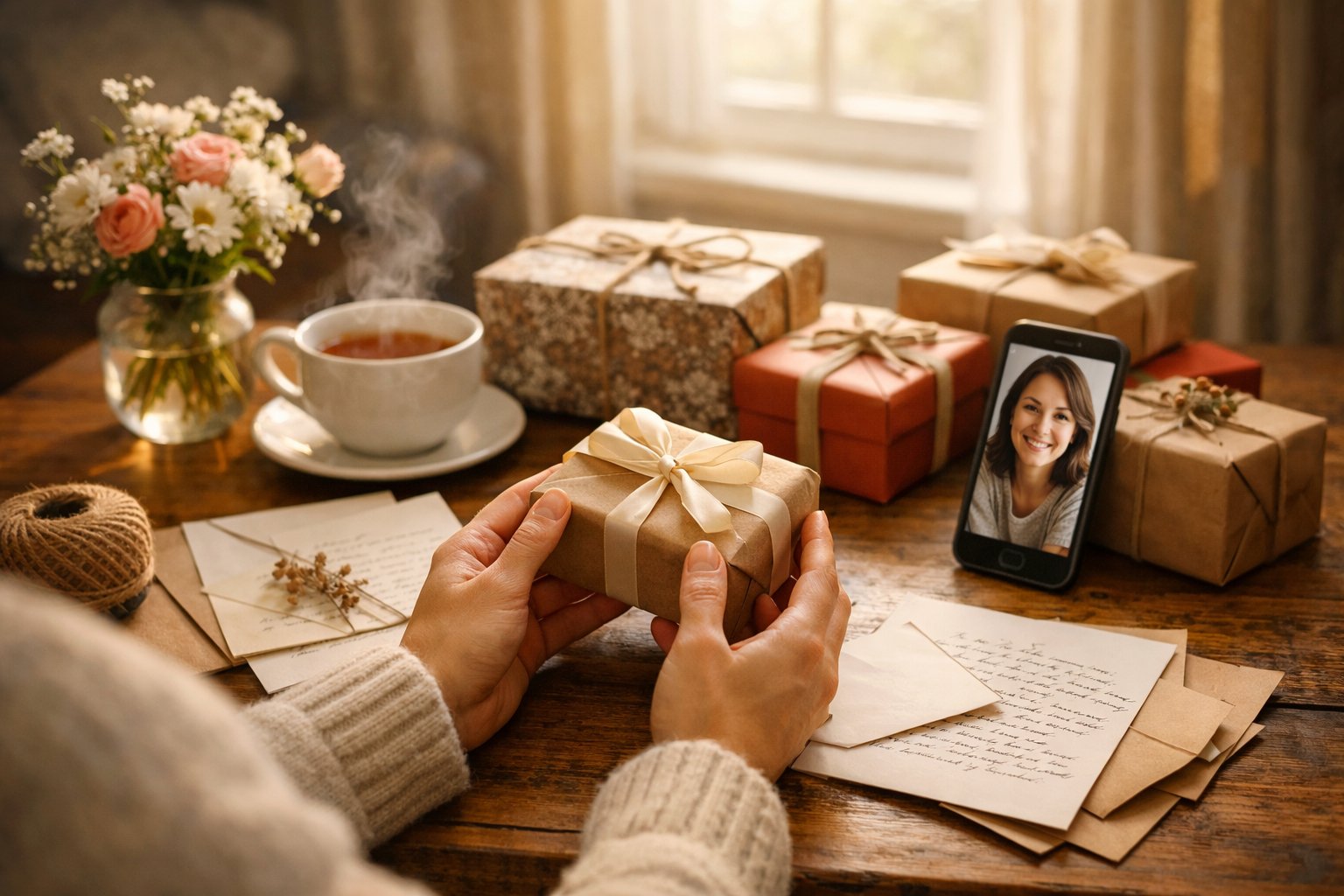
The most effective gifts for someone far away are those that either maintain connection through regular use, preserve specific memories, or provide comfort during a difficult time. A thoughtful long-distance gift works because it acknowledges the distance without trying to erase it. It gives the person something tangible that represents care.
The challenge is choosing something that feels right for the relationship and the reason behind the distance. A gift for a partner in a long-distance relationship looks different from one for a grieving friend or a family member who recently moved away. This guide breaks down what works in each situation and helps narrow down options based on practical considerations that matter when someone is far from home.

Missing someone who lives far away creates a specific kind of longing that combines emotional absence with the practical challenge of staying connected. The right gift can bridge that distance by offering comfort and reinforcing the bond between people separated by geography.
Missing someone brings overwhelming emotions that range from sadness to nostalgia. Physical distance amplifies these feelings because it removes the everyday moments that typically sustain relationships.
People in long-distance situations often experience a persistent awareness of absence. They notice the empty chair at dinner or the lack of someone to share small daily observations with. This isn't just sadness about missing big occasions. It's the accumulation of countless tiny moments that would normally be shared.
Accepting these emotions rather than avoiding them helps process the pain more effectively. The discomfort of longing serves as evidence of meaningful connection. It confirms that the relationship matters enough to create real emotional impact.
Distance also creates uncertainty about when the separation will end. Unlike temporary absences with clear return dates, indefinite separation can feel harder to bear because there's no specific moment to look forward to.
Gifts serve as physical reminders that someone is thinking about the person they miss. They create tangible connection when shared experiences aren't possible.
The most effective gifts for long-distance relationships accomplish two things. They acknowledge the difficulty of separation while reinforcing the strength of the bond. A personalized photo blanket transforms memories into something useful that provides daily comfort.
Meaningful gifts work because they interrupt the emotional monotony of missing someone. They arrive as unexpected moments of connection that break through the routine of separation. The person receiving the gift gets reminded that distance doesn't diminish their importance in someone's life.
Thoughtful gifts also give the sender a way to express care when words feel inadequate. Actions often communicate emotion more clearly than messages or calls can. A custom star map showing the night sky from a specific date gives both people something concrete that represents their shared history.
If she wants something that keeps the person close during everyday moments, a gift that integrates into daily life works better than decorative items that sit untouched. You can personalize it here.
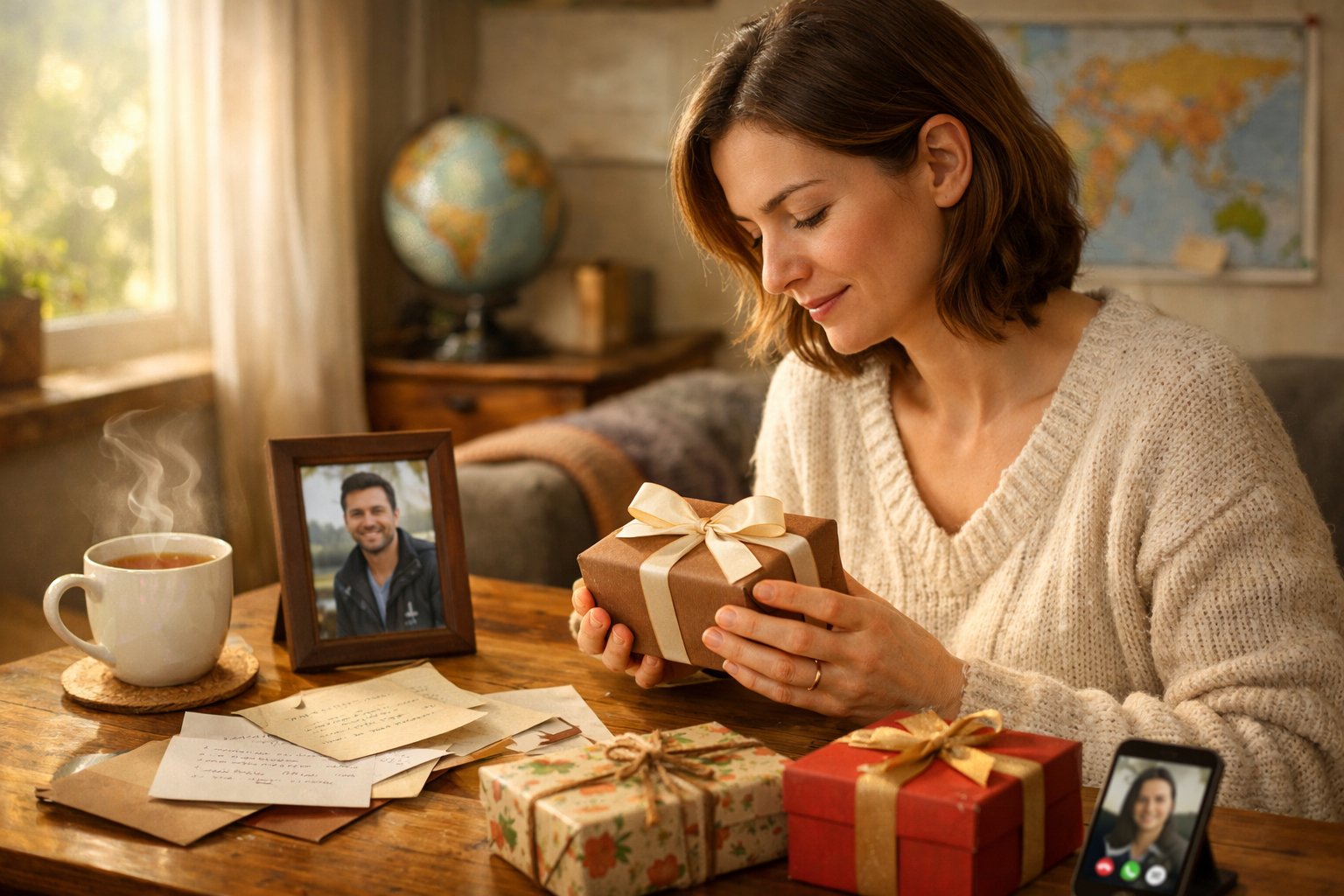
Choosing a gift for someone far away means thinking about what they actually need in their daily life and what will remind them of the relationship without feeling forced or overly sentimental.
The most effective gifts address a real gap in someone's life. Someone living in a cold climate might appreciate a wearable blanket that provides actual warmth. A person who drinks coffee every morning would use a personalized mug regularly.
Consider these practical factors:
A gift works when it fits naturally into their existing life. Someone who doesn't wear jewelry won't suddenly start because of a necklace, no matter how meaningful the engraving. Someone who reads before bed might keep a book light nearby for months.
The relationship itself matters too. A mother-in-law might appreciate something different than a college friend. Gifts for family members like a mother-in-law often work best when they acknowledge the connection without overstating it.
Think about what they've mentioned missing from home or what small frustrations they've shared. These comments often reveal what would actually improve their day.
The strongest gifts do both things at once. A compass necklace serves as both jewelry and a reminder. A photo frame holds an actual picture they'll see daily. A customized state map with both locations marked decorates a wall while representing the distance.
Purely decorative items risk sitting in a drawer. Purely practical items risk feeling impersonal. The middle ground usually works better.
Items that balance both aspects:
If someone values minimalism or lives in a small space, practicality weighs heavier. If they're sentimental and have room for keepsakes, emotional weight matters more. A customized care package can include both useful items and meaningful notes.
For something that feels personal without being overly emotional, a design that can be tailored to their style keeps it meaningful yet understated. You can personalize it here.
A care package turns missing someone into something tangible. It creates a moment of connection through items that comfort, remind, or simply show up when words aren't enough.
The best care packages for long distance relationships include items that serve a purpose beyond novelty. A soft blanket provides physical comfort during difficult nights. Favorite snacks bring familiarity when everything else feels different.
Practical items work better than decorative ones. A quality travel mug gets used daily. A cozy pair of socks provides actual warmth. These gifts integrate into someone's routine rather than sitting on a shelf.
Items that create ongoing experiences matter more than single-use products:
Handwritten notes add weight to any package. A few sentences explaining why she chose each item makes the gesture personal. She doesn't need to fill pages. A simple "this reminded me of you" carries meaning.
Custom touches transform ordinary items into meaningful gifts. A photo keychain holds specific memories. An engraved wallet card stays close throughout the day. These details show thought rather than generic care.
She can personalize thoughtful gifts for first-time moms or customize items for grandmothers when the distance makes being present harder. The customization matters more than the item itself.
Personalization options that add meaning without excess:
| Item Type | Customization Method |
|---|---|
| Mug or tumbler | Engraved initials or date |
| Photo item | Specific shared memory |
| Blanket | Embroidered message |
| Journal | Inside cover inscription |
A customizable photo gift lets her choose the exact image that captures their connection. If she wants something that feels personal without making the moment overly sentimental, a customizable design keeps it meaningful yet light. You can personalize it here.
She should avoid over-personalizing every single item. One or two customized pieces mixed with practical items creates balance. Too many personalized items can feel overwhelming rather than comforting.
Timing affects how the package lands emotionally. Sending it to arrive on a difficult day provides support when needed most. Random timing works too if the goal is simply showing ongoing care.
She needs to account for shipping delays. Adding a week to estimated delivery prevents disappointment. Tracking information lets her know when it arrives so she can mention it in conversation.
Package contents should survive transit:
International shipping requires checking customs regulations beforehand. Some countries restrict food items or have limits on package value. Research prevents items getting held at borders or returned.
A personalized gift box from Amazon Handmade arrives ready to give without extra wrapping. The presentation matters when someone opens it alone. Clean packaging shows care in the details.
She can include a return address but doesn't need elaborate packaging. Simple brown boxes work fine. What's inside matters more than expensive wrapping paper that gets thrown away.
When someone is grieving far away, the right gift can close the physical distance without adding stress. Food delivery, specific offers of help, and memorial items work best when they require nothing from the person receiving them.
Grief makes small tasks feel impossible. The best sympathy gift ideas remove decisions instead of creating them.
Food and meal support rank highest because they address an immediate need. Restaurant gift cards work when the person can choose what sounds tolerable. Delivery credits from services like DoorDash or Uber Eats let them order at odd hours without planning. Prepared meal kits that require minimal cooking can help when appetite returns but energy hasn't.
A grief care package should focus on comfort without clutter. Useful items include:
These items support someone who may be crying frequently, sleeping poorly, or forgetting basic self-care.
Specific offers of help work better than open-ended promises. Instead of "let me know if you need anything," try offering two concrete options. For example: "I can send groceries this week or cover a house cleaning service next month. Which would help more right now?"
A personalized sympathy card gives the message weight. She can customize one to match the relationship here.
Flowers carry traditional meaning but fade quickly. Thoughtful alternatives often provide longer-lasting comfort or practical support.
Memorial jewelry offers a way to carry closeness without display pressure. Small pendants or keepsake pieces work for family members who want something tangible but not prominent. A simple sterling silver pendant can hold meaning without feeling heavy to wear every day.
Charitable donations honor the person who died while supporting a cause they cared about. Many families appreciate this approach when they've requested no flowers. The gift giver should send a card noting the donation so the family knows about the gesture.
Service-based gifts address real needs during overwhelming weeks. House cleaning, lawn care, or grocery delivery removes tasks from an already full plate. These gifts work especially well when sent two to three weeks after the service, when community support typically fades but grief remains intense.
A memorial photo book preserves memories in a format the family controls. They can add to it gradually as they process the loss. She can create a custom photo album here.
When distance or loss creates a permanent absence, physical keepsakes offer a steady form of connection. Cremation jewelry holds small amounts of ashes or hair, while personalized pieces like heart necklaces create a wearable reminder of someone who matters.
Cremation jewelry serves people who want to carry a physical part of someone with them. Most pieces require only a small amount of material—about 1/8 to 1 teaspoon of ashes for standard pendants or rings. Hair jewelry needs roughly 20 to 30 strands.
The most common styles include:
Production typically takes three to twelve weeks for basic designs. Memorial diamonds require four to ten months because of the lab process involved. She should verify that the company returns unused materials and provides tracking during shipment.
Sterling silver and 14k gold remain the most durable options for long-term wear. Companies like Petals and Keepsakes handle sensitive materials with care and offer personalization through engraving.
Heart-shaped pendants consistently rank as the most purchased memorial jewelry style. The shape communicates affection without requiring explanation, which makes it appropriate for both public and private grieving.
A heart necklace works when someone wants a recognizable symbol that doesn't draw attention to loss. It can hold ashes, display fingerprints, or feature engraved names and dates. Some designs incorporate birthstones or dried flower petals from funeral arrangements.
For those seeking custom jewelry for memorializing, personalized options allow multiple elements in one piece. She might combine ashes with a photo or add coordinates of a meaningful location.
The piece functions best when it matches her existing style. A delicate chain suits someone who prefers subtle jewelry, while a bold pendant works for those who want the memorial to feel visible. If she's buying for someone else, gifts for mom often include heart designs with room for personal touches.
Beyond jewelry, other keepsakes preserve connection through physical form. Custom photo frames, engraved boxes, and fabric items made from clothing all serve as tangible reminders. These objects work for people who don't wear jewelry regularly or want something they can display at home.
Options include:
Personalized keepsakes carry emotional weight because they reflect specific details about the person being remembered. A name pendant with custom engraving creates a wearable option without requiring ashes or other materials.
She should consider how the object will be used. Items meant for daily interaction need durability, while display pieces can prioritize detail over practicality. The best choice reflects both the relationship and how she processes grief—some people need constant physical contact with a memorial, while others prefer something they can see but not touch constantly.
Digital tools let people who are separated stay connected through shared photos and moments. These options work best when they feel natural to use and don't require constant effort to maintain.
A digital picture frame sits in someone's home and displays photos that can be updated from anywhere. Unlike printed photos, these frames receive new images automatically through an app or email.
The Nixplay Smart Photo Frame connects to WiFi and lets multiple people send photos directly to the device. Family members can add pictures from their phones without needing to coordinate or ask permission first.
Features that matter most:
The Aura Carver Frame offers a simpler setup process that works well for people who aren't comfortable with technology. It pairs with one app and unlimited family members can contribute photos through it.
Some frames include cloud storage. Others display photos directly from shared albums. The choice depends on how many people will contribute and whether they want automatic updates or manual control.
Collaborative memory keeping helps families stay connected by giving everyone a place to add their own photos and stories. These platforms work differently than just texting photos back and forth.
Google Photos lets users create shared albums where multiple people can add content. Everyone with access sees new photos as they're uploaded. The service stores full-resolution images at no cost for most users.
Platforms designed for sharing:
A custom photo book can turn digital scrapbooking into something physical. The Personalized Photo Album lets someone add names or dates to the cover. It gives shared memories a permanent place that doesn't depend on technology. You can personalize it here.
Private albums work better than social media for family sharing. They don't include ads or algorithm changes that hide posts. Everyone invited sees the same content in the same order.
Physical items that show up in daily routines can quietly maintain emotional bonds when distance separates two people. Objects that serve a purpose beyond decoration tend to stay visible and relevant over time.
Items people actually use every day keep someone's presence in mind without requiring effort or intention. A coffee mug, water bottle, or blanket becomes part of morning or evening rituals.
These objects work because they fit into existing habits. Someone who drinks tea each morning will see a custom mug with a photo or inside joke printed on it multiple times per day. The item doesn't sit on a shelf. It gets used.
Kitchen towels, phone cases, and coasters also fall into this category. They're practical first and sentimental second. A personalized cutting board with coordinates of a meaningful location serves a real function while carrying emotional weight.
The key is choosing something that matches how the person actually lives. A travel mug makes sense for someone who commutes. A throw blanket works for someone who reads on the couch at night.
Small personalized touches on everyday items create moments of connection throughout the day. A wallet insert with a message, a keychain with initials, or a desk organizer with an engraved date all serve this purpose.
These work best when they're subtle rather than obvious. Someone might not want to display their feelings publicly, but a private reminder tucked into a wallet or journal feels more intimate. It gives someone something just for them.
The person who misses someone can feel that thought during routine moments. Opening a wallet to grab a card. Picking up keys before leaving the house. These small interactions add up over weeks and months.
If someone wants something that feels personal without making the moment overly sentimental, a customizable design like this keeps it meaningful yet light. You can personalize it here.
Simple acts of kindness can carry more weight than elaborate gifts when distance separates two people. A voice note recorded during a walk or a bar of soap that smells like lavender can communicate care without requiring grand declarations.
A handwritten letter takes time in a way that texts don't. The person receiving it holds something the sender touched, sees their actual handwriting, and reads at their own pace without notifications interrupting.
Voice notes work differently but serve a similar purpose. They capture tone, laughter, pauses, and the small sounds that get lost in typed messages. Someone can listen while cooking dinner or getting ready for bed, which creates a sense of presence that feels less formal than a scheduled video call.
Both options avoid the pressure of real-time conversation. The sender can revise what they want to say. The receiver can return to the message when they need it most, whether that's immediately or weeks later when loneliness feels particularly sharp.
A custom photo book with shared memories offers something tangible to flip through during difficult evenings. Pairing it with a scented candle or hand cream turns the gift into an experience rather than just an object.
Tea samplers, face masks, or a soft blanket create small moments of comfort. These items don't try to solve the distance problem. They acknowledge it and offer a brief reprieve.
For someone who appreciates personalized items for Mother's Day or other occasions, a simple design that references an inside joke or shared experience keeps the gesture light without being overly sentimental. You can personalize it here.
The key is matching the gift to how the person actually spends their time, not how she wishes she spent it.
Major life events require different approaches depending on whether the moment is joyful or difficult. The distance doesn't change the emotional weight of these occasions, but it does change how a gift can show up for someone.
When someone reaches a major achievement, the gift should acknowledge the specific accomplishment without overshadowing it. A graduation gift works best when it connects to what comes next rather than just marking what's finished. Graduation gifts that acknowledge the transition into a new phase feel more grounded than generic congratulations items.
Weddings from a distance benefit from gifts that feel personal rather than pulled from a registry. A customized jewelry piece with her new initials or wedding date creates something she'll keep long after the ceremony. Wedding gifts that reference shared memories or inside jokes work when the relationship is close enough to support that intimacy.
For other milestones like promotions or new homes, the best approach involves recognizing what the change means to her life. A high-quality work bag for a promotion or a framed print for a new apartment ties the gift to her current reality. She can personalize something like this to match her new space.
Difficult transitions call for gifts that provide comfort without trying to fix anything. When someone is grieving, moving through a breakup, or dealing with illness, practical support often matters more than symbolic gestures. A weighted blanket, quality tea, or a journal gives her something tangible to use during hard days.
For a daughter going through a tough time, gifts that remind her of connection without adding pressure help maintain closeness across distance. A care package with specific items she mentioned needing shows attention without forcing conversation she might not be ready for.
Avoiding common mistakes means not using the gift to communicate what words should say. Overly sentimental items can feel heavy when someone is already struggling. Instead, choose things that make daily life slightly easier or more comfortable. A personalized comfort item works when it's something she would actually use, not just display.
The way a gift arrives matters almost as much as what's inside. Getting the timing right and adding personal elements turns a standard delivery into something that feels intentional.
Planning ahead prevents stress and ensures the gift arrives when it should. For birthdays or holidays, she should order at least two weeks before the date to account for processing and shipping delays. Rush shipping costs more and doesn't guarantee the gift will feel more thoughtful.
She can use a delivery service or mail for direct shipping to the recipient's address. Secure packaging prevents damage during transit. If someone she knows is visiting the recipient, asking them to hand-deliver the gift adds a personal element without extra shipping costs.
Some people prefer sending gifts through online marketplaces where the recipient receives a pickup code and location. This works well when she's uncertain about the recipient's exact address or wants to give them control over when they collect it.
She shouldn't mention the price or difficulty of finding the gift when it arrives. Phrases about cost or effort can make the recipient uncomfortable rather than appreciated.
A handwritten note makes any gift feel more intentional. Even a few sentences about why she chose this specific item or what she hopes it brings them creates connection across distance. Cards ensure the gift stands out and help the recipient remember the gesture later.
For someone who values customization, a personalized leather journal with their initials offers both function and sentiment. If she wants something that feels personal without making the moment overly sentimental, a customizable design like this photo throw blanket keeps it meaningful yet light. You can personalize it ➡️ here.
Wrapping should match the occasion and relationship. Neat presentation shows care, even when the recipient opens it alone. Including a gift receipt allows them to exchange the item if needed without awkwardness.
Gift-giving across distance requires balancing emotional meaning with practical delivery, and these questions address the specific concerns that come up when choosing something that bridges physical separation.
Physical objects that create shared experiences work better than items that simply remind someone of the distance. A subscription box tailored to mutual interests gives both people something to discuss during video calls.
Coordinated gifts that both partners use at the same time help build connection. Matching mugs for morning coffee or identical journals for writing thoughts create small rituals across miles.
Custom photo books let someone flip through memories during lonely moments. The act of curating photos together before creating the book adds another layer of connection.
Voice recordings matter more than people expect. A personalized audio message keychain allows someone to hear their partner's voice whenever they need reassurance.
Digital gifts arrive instantly but still carry emotional weight when chosen with care. A playlist curated specifically for someone shows attention to their current mood and needs.
Online class subscriptions work when they align with something the person wants to learn. A cooking class membership or language learning app demonstrates investment in their growth.
E-gift cards to their favorite local restaurant let them enjoy a meal while video chatting together. This transforms a simple dinner into a shared moment despite the distance.
Virtual escape room experiences or online game codes create activities to do together in real time. Shared entertainment reduces the feeling of separation more than passive gifts.
Customization adds meaning when it reflects specific memories or inside jokes. A personalized star map showing the night sky from a significant date creates a unique piece of their story.
Engraved coordinates of a meaningful location turn geography into sentiment. Whether it's where they met or where they'll reunite, these numbers carry private significance.
For someone missing warmth and comfort during separation, a custom message works best when it feels genuine rather than generic. You can personalize it here.
Photo jewelry works when the image isn't obvious to others. A locket with a hidden photo keeps the memory private and close to the heart.
Birthday celebrations across distance need structure to feel special rather than forced. A care package filled with their favorite snacks and small gifts arrives as a physical event in their day.
Timed deliveries throughout the day create multiple moments of surprise. Arranging flowers for morning, lunch delivery at noon, and dessert in the evening spreads the celebration across hours.
A birthday video compilation from multiple friends and family members takes effort but creates lasting impact. The person can watch it repeatedly when they feel the distance most.
Experience gifts scheduled for after a reunion give them something concrete to anticipate. Concert tickets or restaurant reservations transform the birthday into a future shared event.
Functional items become meaningful when they serve a specific emotional need. A weighted blanket provides physical comfort that mimics the feeling of being held.
Everyday objects gain significance through associated rituals. A coffee sampler becomes special when both partners brew the same blend during morning calls.
Quality headphones aren't romantic on their own, but when given specifically for better video call quality, they become tools for maintaining connection. The practical choice demonstrates commitment to clear communication.
A journal paired with prompts about shared goals helps couples stay aligned on their future. The practical aspect of planning combines with the emotional work of building together.
Traditional gifts work when updated with personal touches that acknowledge the specific friendship. A classic book becomes more meaningful with a handwritten note on the inside cover explaining why this story matters to their connection.
Photo frames remain relevant if they showcase unexpected moments rather than formal portraits. A frame holding a screenshot from a funny video chat or a terrible vacation photo honors the real friendship.
For friends who appreciate humor alongside sentiment, something lighthearted but personal works better than overly serious gestures. You can personalize it here.
Creative approaches to traditional items show thoughtfulness without abandoning what works. A custom puzzle made from a shared photo takes a familiar concept and makes it specific to the friendship.
Plants or succulents sent with care instructions written in the sender's handwriting blend living tradition with personal creativity. The gift grows over time like the friendship itself.