
Your Cart is Empty
When life becomes difficult, the people who stay close reveal what real friendship means. Best friends during life's hardest seasons provide emotional support, honest presence, and steady companionship that helps people navigate pain, loss, and uncertainty. They show up when others fade away, offering comfort without needing to fix everything.

Friendship during hard times creates a lifeline that impacts both mental and physical health. Being a good friend in difficult seasons means being honest, present, and soft in whatever ways feel possible. It doesn't require perfect words or solutions. Sometimes a simple text message, a quiet walk together, or just sitting beside someone makes all the difference.
Tough times reveal true friends because challenges expose who genuinely cares. The right friendships hold steady through storms while surface-level connections disappear. Whether someone faces grief, heartbreak, health struggles, or major life changes, having a best friend who understands their pain transforms the experience. Consider celebrating these meaningful bonds with friendship gifts on Zazzle or books about friendship on Amazon.

Best friends serve as emotional anchors when life becomes overwhelming, offering a type of support that differs from family or acquaintances. They provide practical help, emotional validation, and consistent presence that can make the difference between feeling isolated and finding strength to move forward.
Friendship plays a crucial role in maintaining mental health during challenging periods. Research shows that close friendships are deeply tied to happiness, health, and sense of purpose, making them essential during tough times.
When someone faces a crisis, best friends offer something family members sometimes cannot. They provide perspective without judgment and create a safe space for authentic feelings. Unlike casual acquaintances, true friends understand personal history and can recognize when behavior changes signal distress.
The value of companionship during hardship extends beyond emotional comfort. Friends help reduce stress levels and provide practical assistance with daily tasks that become overwhelming. They remember to check in weeks or months after a crisis when others have moved on.
Key ways friendship supports during difficult seasons:
Best friends understand how to be present without needing to fix everything. They know when to listen silently and when to offer advice. This intuitive understanding comes from years of shared experiences and deep knowledge of each other's personalities.
The comfort best friends provide differs from professional support or family care. They can make someone laugh during grief without it feeling inappropriate. They remember small details that matter and show up with specific help rather than vague offers.
True friends also know how to respect boundaries during a hard time. They recognize when space is needed but continue checking in regularly. This balance between presence and respect helps the person struggling feel supported without feeling smothered.
Best friends often provide the kind of honest feedback that helps build resilience. They can gently challenge negative thinking patterns while validating difficult emotions. Custom friendship gifts from Zazzle can serve as tangible reminders of these important connections.
Difficult times reveal who true friends are by testing the depth and authenticity of relationships. Real friendship shows itself through consistent actions rather than occasional grand gestures. It means showing up repeatedly even when the situation remains difficult.
True friends demonstrate their commitment through:
These behaviors separate genuine friendship from surface-level connections. A true friend remains engaged during the messy middle of hardship, not just the dramatic beginning. They understand that supporting friends through difficulties requires patience and stamina.
Books about maintaining friendships through life's challenges, available through Amazon, can provide additional insights into strengthening these vital connections. The investment in understanding and maintaining these relationships pays dividends when life becomes difficult and support systems become essential for getting through each day.
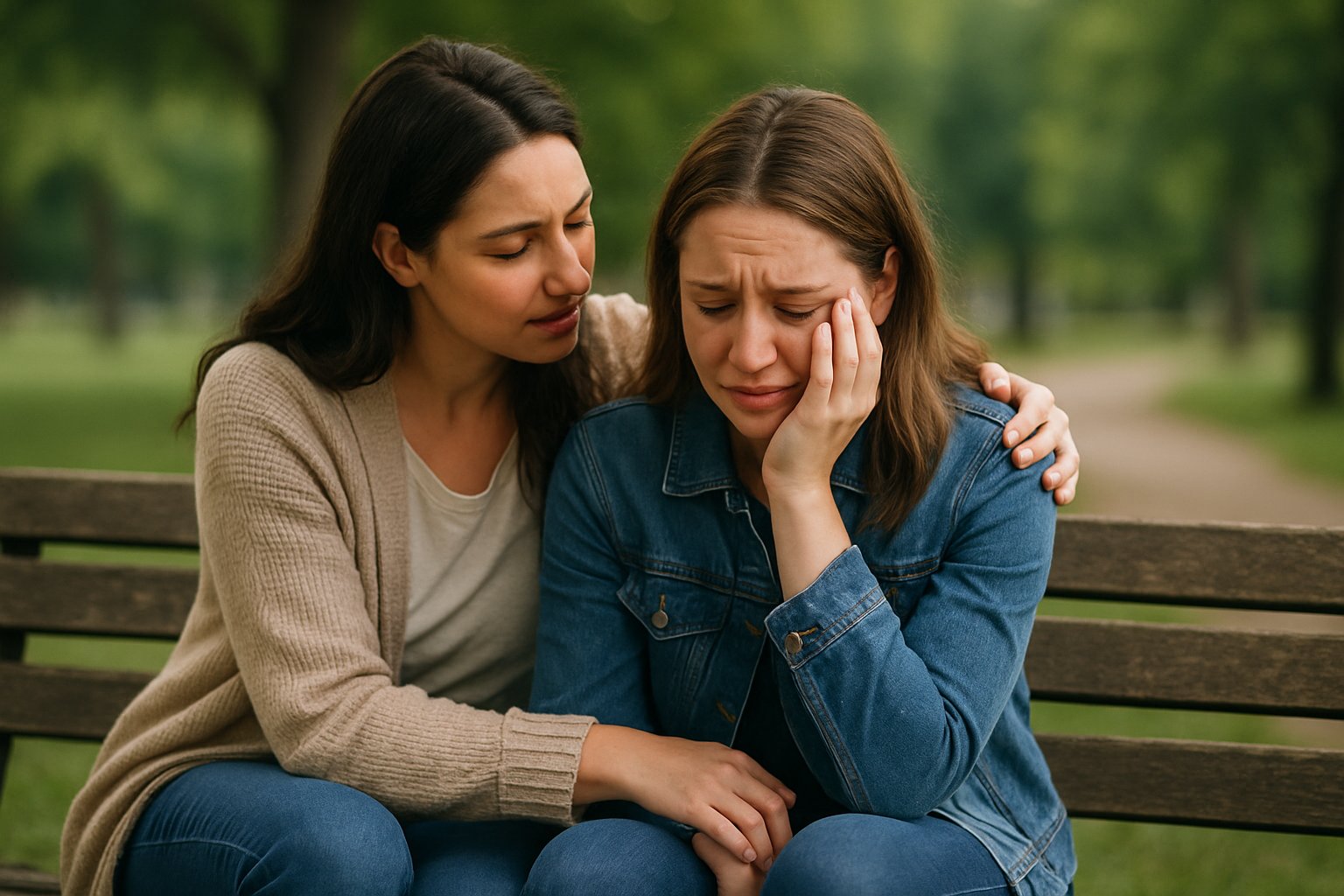
When life gets hard, the people who stay close show their real character. Difficult periods expose who provides genuine support and who only appears during easy times.
Real friends show up with specific help when someone faces challenges. They bring meals after a loss, offer rides to medical appointments, or listen without judgment during late-night calls.
Key actions of true friends include:
Fake friends disappear when things get complicated. They stop returning texts or make excuses about being too busy. True friends stick with someone through thick and thin, even when it requires sacrifice or discomfort.
A genuine friend might create personalized encouragement gifts to lift someone's spirits. They remember important details about the struggle and follow up weeks later to see how things are going.
Loyalty means choosing to stay when leaving would be easier. It involves defending someone's reputation when others gossip or standing beside them when their decisions seem unpopular.
Physical and emotional presence matters during tough times. A loyal friend sits in hospital waiting rooms, attends difficult court dates, or simply exists in the same space without needing conversation. The power of friendship shines through support and understanding when words fall short.
Loyalty shows up as:
These friends don't keep score of favors. They give without expecting immediate returns because they genuinely care about wellbeing.
Enduring friendship survives multiple seasons of hardship. These relationships grow stronger through shared struggles rather than breaking under pressure.
Friends who endure challenges together build deeper trust. They've seen each other at lowest points and chosen to remain connected. This history creates bonds that casual friendships never develop.
Some people maintain enduring friendships by reading books about supporting friends through hardship. They actively learn better ways to provide comfort and recognize when professional help might benefit their friend.
Enduring friendships feature:
| Quality | Description |
|---|---|
| Forgiveness | Working through conflicts instead of ending ties |
| Patience | Accepting that healing takes time |
| Adaptability | Adjusting to changed circumstances |
| Commitment | Choosing the friendship repeatedly |
These relationships prove that tough times reveal true friends who value the person more than convenience. The friendship becomes part of both people's identity and life story.
Best friends offer two main forms of help when life gets hard. They provide emotional comfort through listening and understanding, while also stepping in with hands-on help for daily tasks that become too much to handle alone.
Best friends create a safe space where people can share their deepest feelings without fear of judgment. They listen actively, giving their full attention and validating emotions rather than rushing to fix problems or offer unwanted advice. This type of support during difficult times involves acknowledging that feelings are real and understandable.
The presence of a trusted friend provides comfort even without words. A phone call, text message, or visit shows someone cares enough to stand by them through struggles. Best friends offer encouragement by reminding their friends of their inner strength and abilities when they feel lost.
Key ways friends provide emotional comfort:
They avoid clichés like "everything happens for a reason" and instead focus on genuine responses that recognize each person's unique experience.
Supporting friends through hardships includes taking action to lighten their load. Best friends step up with specific offers rather than vague promises like "let me know if you need anything." They run errands, pick up groceries, or handle prescription refills when daily tasks feel overwhelming.
Meal preparation ranks among the most helpful forms of assistance. Friends can cook and deliver homemade food or arrange delivery services. A thoughtful care package with comfort items from Amazon provides both practical support and emotional encouragement.
Practical ways best friends help:
| Type of Help | Examples |
|---|---|
| Household tasks | Cleaning, laundry, yard work |
| Childcare | School pickups, babysitting |
| Transportation | Rides to appointments, errands |
| Administrative | Making phone calls, paperwork |
Some friends create personalized gift items on Zazzle to remind their struggling friend they're not alone. The key is offering concrete assistance matched to actual needs rather than generic help that requires the person to ask.
When friends face their darkest moments, the right words can shift their perspective from despair to possibility. Encouragement doesn't erase pain, but it provides a foothold when everything feels like it's slipping away.
Inspirational quotes for friends going through hard times serve as reminders that struggle is temporary and survival is possible. These words work because they acknowledge pain while pointing toward something beyond it.
Powerful quotes that resonate during hard times:
The best uplifting quotes don't minimize what someone is experiencing. They sit alongside the pain and whisper that endurance is possible. Friends can share these through text messages, handwritten notes, or even personalized encouragement cards from Zazzle that make the sentiment tangible.
Quotes about true friends also matter because they remind people they're not alone. When someone reads "A friend is one who knows you and loves you just the same," it reinforces that their struggle doesn't make them unlovable.
Hope during challenging times isn't about pretending everything will be perfect. It's about believing that forward movement is still possible, even if the path looks completely different than expected.
Friends can build hope by sharing specific examples of resilience. Saying "I've seen you handle impossible things before" is more powerful than generic positivity because it's rooted in actual evidence. Hope grows when people can look back at their own track record of survival.
Small victories deserve recognition. When someone manages to get out of bed during depression, that's worth acknowledging. When they make it through a day without crying after a breakup, that matters. These moments prove that progress exists, even when it feels microscopic.
Creating hope also means sitting with uncertainty without rushing to fix it. Sometimes the most hopeful thing a friend can hear is "I don't know how this will turn out, but I know you won't face it alone." That honesty combined with commitment builds a foundation strong enough to support someone through the waiting. Friends can also send encouragement gifts from Amazon as tangible reminders of their support during extended difficult periods.
Best friends help people build resilience and grow stronger during difficult times. They create spaces where individuals can learn from challenges and develop the courage needed to face life's hardest moments.
Friends who face challenges side by side develop skills they might never gain alone. When someone struggles with a major life change, their best friend often experiences similar growth through supporting them. This shared experience creates opportunities for both people to learn new coping strategies and perspectives.
Research shows that friendship quality and socializing with friends predict wellbeing levels. Friends teach each other through their different approaches to problems. One person might show patience during a crisis while another demonstrates how to ask for help when overwhelmed.
The learning process happens naturally through conversation and observation. A friend going through grief might discover new ways to process emotions by talking with someone who faced similar loss. Someone struggling with career setbacks learns resilience by watching their friend handle rejection with grace.
These relationships also push people outside comfort zones in healthy ways. Friends foster emotional intelligence, which helps individuals understand their own reactions and improve how they handle stress.
Best friends become sources of strength when courage feels impossible to find. They remind people of past victories during current struggles. A simple text saying "you've handled worse than this" can shift someone's entire mindset during a crisis.
Friends provide practical courage by being present during frightening moments. They sit in hospital waiting rooms, attend difficult conversations, or simply stay on the phone during panic attacks. This physical and emotional presence makes hard situations more bearable.
The strength gained from supporting friends through personal growth creates a foundation for future challenges. People discover capabilities they didn't know they had when helping a friend through divorce, illness, or loss.
Best friends also model bravery. Watching someone face their fears with determination inspires others to do the same. A custom motivational gift from Zazzle or a journal for tracking personal growth from Amazon can serve as physical reminders of shared strength during recovery periods.
When life becomes difficult, companionship opens doors to personal development and provides emotional stability that helps people get through their darkest moments. A true companion offers both active support and quiet presence during times of crisis.
Loneliness can make hard times feel unbearable. When someone faces grief, illness, or personal crisis, isolation often makes the pain worse. A companion breaks through that isolation by simply being there.
Friends in hard times show up consistently, even when things feel uncomfortable. They don't wait for an invitation. Instead, they send a text, make a phone call, or drop by with groceries. These small actions remind someone they're not alone.
Physical presence matters more than perfect words. Sitting together in a hospital waiting room or sharing a meal creates connection. A companion might help with daily tasks like laundry or errands when basic activities feel overwhelming. This practical support lifts the burden of isolation and shows genuine care through action rather than empty promises.
Friendship during tough times doesn't require constant conversation. Sometimes silence speaks louder than words. A companion understands that not every moment needs to be filled with advice or attempts to fix problems.
Sitting quietly beside someone in pain shows deep respect for their struggle. It tells them their feelings are valid without forcing them to explain or perform their grief. This type of presence creates a safe space where people can process emotions without judgment.
Key elements of shared silence include:
Understanding comes through listening, not talking. When a companion lets someone share their story at their own pace, it builds trust and strengthens the bond between them. This quiet support often means more than any words could express.
Being present for friends during difficult times requires more than good intentions. It demands active listening and emotional validation combined with consistent check-ins that show genuine care.
Active listening means staying fully engaged while a friend speaks without planning a response. It involves making eye contact, nodding, and asking thoughtful questions that demonstrate understanding.
When someone shares their struggles, they often need validation rather than solutions. Supporting friends through difficult times means acknowledging their feelings without judgment or dismissal. Instead of saying "you'll feel better soon," a better approach is "this sounds really hard, and I'm here for you."
Key actions for non-judgmental support:
Friends can offer comfort through simple gestures like bringing coffee, sitting quietly together, or sending a thoughtful personalized friendship gift from Zazzle. Sometimes presence matters more than words.
One conversation doesn't provide enough emotional support during extended difficult periods. Consistent check-ins show that someone remains in their friend's thoughts beyond the initial crisis.
Regular contact can take many forms. A quick text asking "how are you holding up today?" carries significant weight. Setting calendar reminders helps ensure follow-through when life gets busy.
Effective ways to check in:
Supporting each other through difficult times takes practice and patience. Friends who consistently show up build trust that makes it easier for struggling individuals to reach out when they need help. A journal from Amazon can help track important dates and reminders for checking in on loved ones.
The goal isn't perfection but demonstrating through repeated actions that support remains available throughout the entire difficult season.
Best friends provide stability when life shifts unexpectedly, adapting their support to match whatever challenges arise. Friendships offer emotional stability when other parts of life feel uncertain or unfamiliar.
True friendship survives major life changes through intentional effort from both people. When someone moves to a new city, starts a different career, or faces a personal crisis, staying connected requires creative approaches.
Regular check-ins become essential during hard times. Friends can schedule monthly video calls, send quick text updates, or share voice messages about their day. These small touchpoints maintain closeness even when schedules get busy.
Friends who have known someone through different life phases can remind them of their core values during transitions. They serve as anchors when everything else feels unstable. An enduring friendship weathers distance and change because both people choose to prioritize the relationship.
Physical separation doesn't have to mean emotional distance. Friends can watch movies together online, send care packages with local treats from their new locations, or create shared digital journals. A friendship card can express support during difficult moments when words feel hard to find.
Strong friendships evolve as people grow and their circumstances shift. What worked before may not fit current realities, so friends adjust how they connect and support each other.
Acknowledging that friendships naturally evolve helps people navigate transitions with less stress. Someone going through a divorce needs different support than someone celebrating a promotion. Friends who pay attention can tell what type of help matters most in each situation.
Flexibility means accepting that contact might look different during various life stages. A friend with a new baby might need shorter, more frequent conversations instead of long monthly catch-ups. Someone changing careers might need practical advice rather than just emotional support.
The best friendships don't demand rigid expectations. Instead, both people communicate openly about their availability and needs. They forgive missed calls and understand when responses take longer. This adaptability strengthens the bond rather than weakening it. A journal for tracking life changes helps friends document their journey together and see how they've grown.
Best friends navigate life's extremes together, from celebrating major achievements to providing steady support during profound loss. These shared experiences create bonds that help both people grow through difficulty and celebrate meaningful moments.
Life's happiest moments often arrive during difficult seasons. A best friend who celebrates achievements while acknowledging ongoing struggles provides invaluable support. When someone earns a promotion while dealing with family illness, or plans a wedding while processing loss, having a friend who can hold both realities creates space for authentic joy.
Best friends recognize that grief and joy can coexist without diminishing either emotion. They show up for graduations, birthdays, and milestones even when sadness lingers in the background. This means attending celebrations with genuine enthusiasm while remaining sensitive to underlying pain.
The best support includes:
A friend might help organize a smaller gathering that feels manageable during a hard time. They understand when someone needs to scale back plans or take breaks during events.
Being present during grief means showing up consistently without expecting anything in return. Best friends offer practical help like preparing meals, handling errands, or sitting in silence when words feel empty. They don't disappear after the funeral or memorial service ends.
Real comfort and encouragement comes through specific actions rather than vague offers. Instead of saying "let me know if you need anything," a best friend drops off dinner or schedules regular check-ins. They remember difficult dates like anniversaries and holidays, reaching out when others have moved on.
Best friends create safe spaces for all emotions without judgment. They listen to the same stories repeatedly and don't rush the healing process. Some days require crying together, while others need distraction through movies or walks.
They share memories of the person who died, helping keep that person's presence alive. Talking about the loved one shows the grieving friend they haven't been forgotten. This encouragement reminds them that their loss matters and their feelings are valid, no matter how long grief takes.
Real friendships show their strength when life gets difficult. The experiences people share during hard times and the words that capture these moments reveal what makes enduring friendship last.
Best friends often appear during unexpected moments. Some people find that the friends they least expected become their strongest supporters during crisis. These relationships teach important lessons about loyalty and presence.
One common pattern emerges across many friendships: consistency matters more than grand gestures. A friend who shows up regularly, even in small ways, often proves more valuable than someone who makes big promises but disappears when needed. Friends in hard times demonstrate their character through actions rather than words.
Many people discover that their circle of friends gets smaller over time. This isn't always bad. Having three close friends who stay present beats having twenty acquaintances who vanish during challenges. Quality beats quantity in lasting relationships.
Key traits of reliable friends include:
Certain quotes express what makes enduring friendship special. Walter Winchell said, "A real friend walks in when the rest of the world walks out." This captures how true friends act differently than fair-weather companions.
Helen Keller noted, "Walking with a friend in the dark is better than walking alone in the light." This shows that companionship during difficulty means more than celebration during success.
Len Wein offered another perspective: "A true friend is someone who is there for you when they'd rather be anywhere else." Real friendship requires sacrifice and commitment. Quotes about true friends often highlight this willingness to be uncomfortable for someone else's benefit.
Michael Bassey Johnson stated, "People who are there during your darkest times are your real friends." This simple truth separates genuine connections from surface-level relationships. The friends who stay during the worst moments deserve recognition and appreciation, much like celebrating meaningful milestones together strengthens bonds.
Best friends offer unique support during difficult periods, showing up in ways that matter most. Understanding different friendship types and their roles helps people appreciate the connections that sustain them through adversity.
Friendships offer emotional stability when life becomes overwhelming. Being a good friend during hard seasons looks different than during easy times, and that's perfectly acceptable.
Friends provide practical help with daily tasks that become burdensome during crises. They might bring meals, handle grocery shopping, or help with other responsibilities. A listening ear matters just as much as physical assistance.
Supporting friends through tough times means offering compassion without judgment. True friends create safe spaces where people can express difficult emotions freely.
Seasonal friends enter people's lives during specific periods or transitions. These temporary connections provide meaningful support during major life changes like starting new jobs, moving to different cities, or recovering from breakups.
Lifelong friends maintain consistent presence across years and circumstances. They witness multiple life stages and remain steady regardless of distance or time apart. Their support extends beyond single events or transitions.
Both friendship types hold value in different ways. Seasonal friends offer specialized support for particular challenges, while lifelong friends provide ongoing companionship through all seasons.
The concept categorizes friendships based on their duration and purpose. "Reason" friends appear to help with specific needs or lessons. "Season" friends stay for a particular life period.
"Lifetime" friends remain throughout someone's entire life journey. They adapt to changes and maintain bonds despite physical distance or life circumstances. These relationships withstand tests that shorter friendships cannot.
Understanding this framework helps people appreciate each friendship's unique contribution. No category ranks higher than another—each serves important purposes at different times.
Best friends become anchors during storms of grief, illness, loss, or personal crises. They show up consistently without needing instructions on how to help. Their presence alone reduces feelings of isolation.
True friends reveal themselves when circumstances become most difficult. They stand by people when others fade away. This loyalty distinguishes best friends from casual acquaintances.
Best friends validate emotions without trying to fix problems immediately. They listen actively and create space for honest conversations. A supportive friend during tough times makes a measurable difference in someone's ability to cope with challenges.
Quotes about difficult periods capture how tough times reveal true friends through their actions. They highlight the difference between fair-weather companions and genuine supporters.
These sayings often reflect universal experiences that resonate across cultures and generations. They validate feelings people have about discovering who truly cares. Reading such quotes helps individuals recognize authentic friendship patterns in their own lives.
Sharing quotes about friendship and adversity strengthens bonds between people. They express sentiments that might feel difficult to articulate independently. Many find comfort in words that mirror their experiences with supportive relationships.
Bob Marley's perspectives on friendship emphasize loyalty and authenticity. His words capture how real friends demonstrate their character through actions rather than promises. This philosophy resonates with people seeking genuine connections.
Influential figures draw from personal experiences that inform their views on relationships. Their observations often stem from witnessing both true and false friendships. These insights help others evaluate their own social circles more clearly.
Famous quotes about friendship provide language for complex emotional truths. They distill wisdom into memorable phrases that people can apply to their situations. Such words encourage individuals to cultivate deeper, more meaningful relationships that withstand life's difficulties.