
Your Cart is Empty
Most people think leaving means you’re free of the weight. She knows that’s not how it works. She made the choice to go, but still wakes up with a grief nobody expects her to feel—because she was the one who walked away.
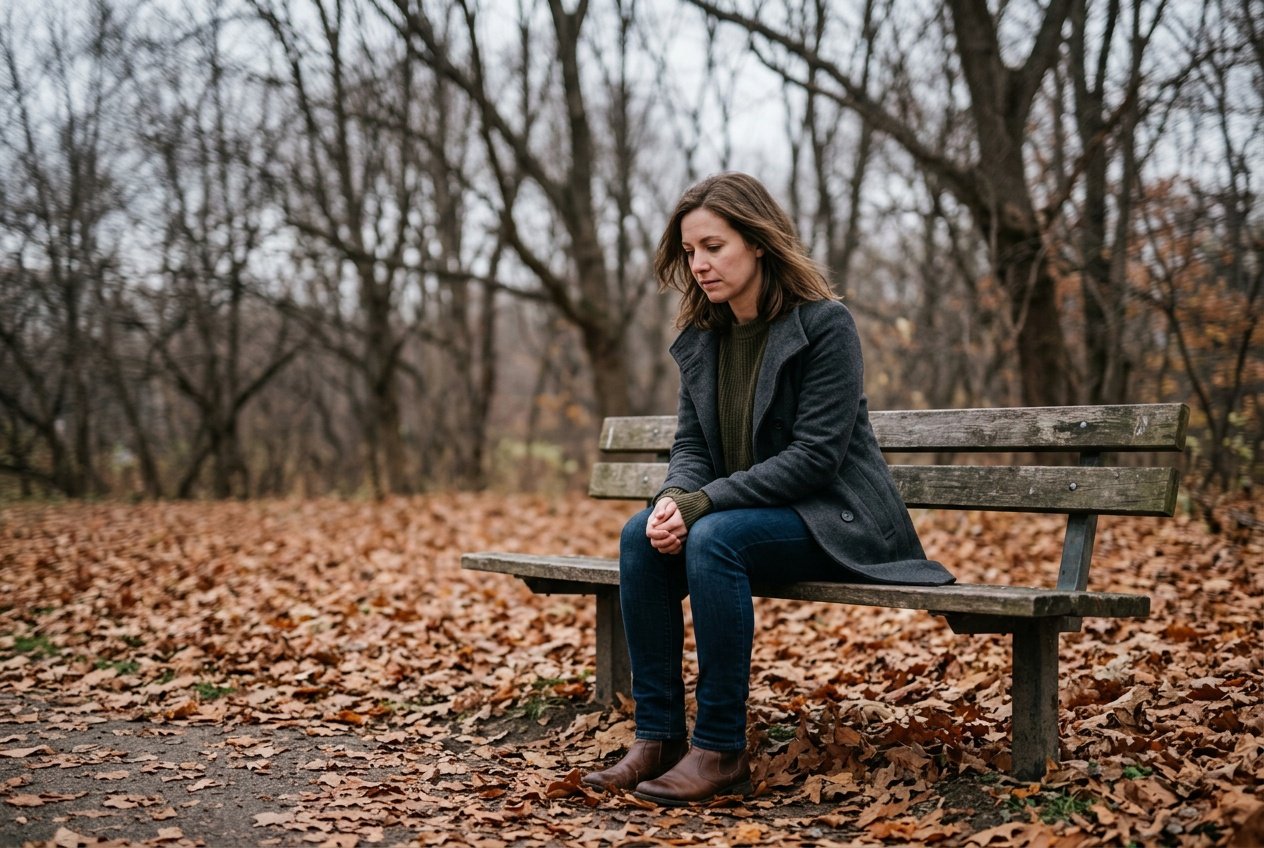
There’s no script for this kind of loss. Friends just assume she’s moved on.
Family might still be annoyed on the other person’s behalf. She’s left holding something she can’t quite describe: relief tangled up with sorrow, clarity mixed with doubt, and a loneliness that feels almost undeserved.
She didn’t just leave a person. She left the life she thought she’d have, the future she’d pictured, the version of herself who still believed it could work.
Now she grieves quietly, because grief isn’t supposed to belong to the one who said goodbye.
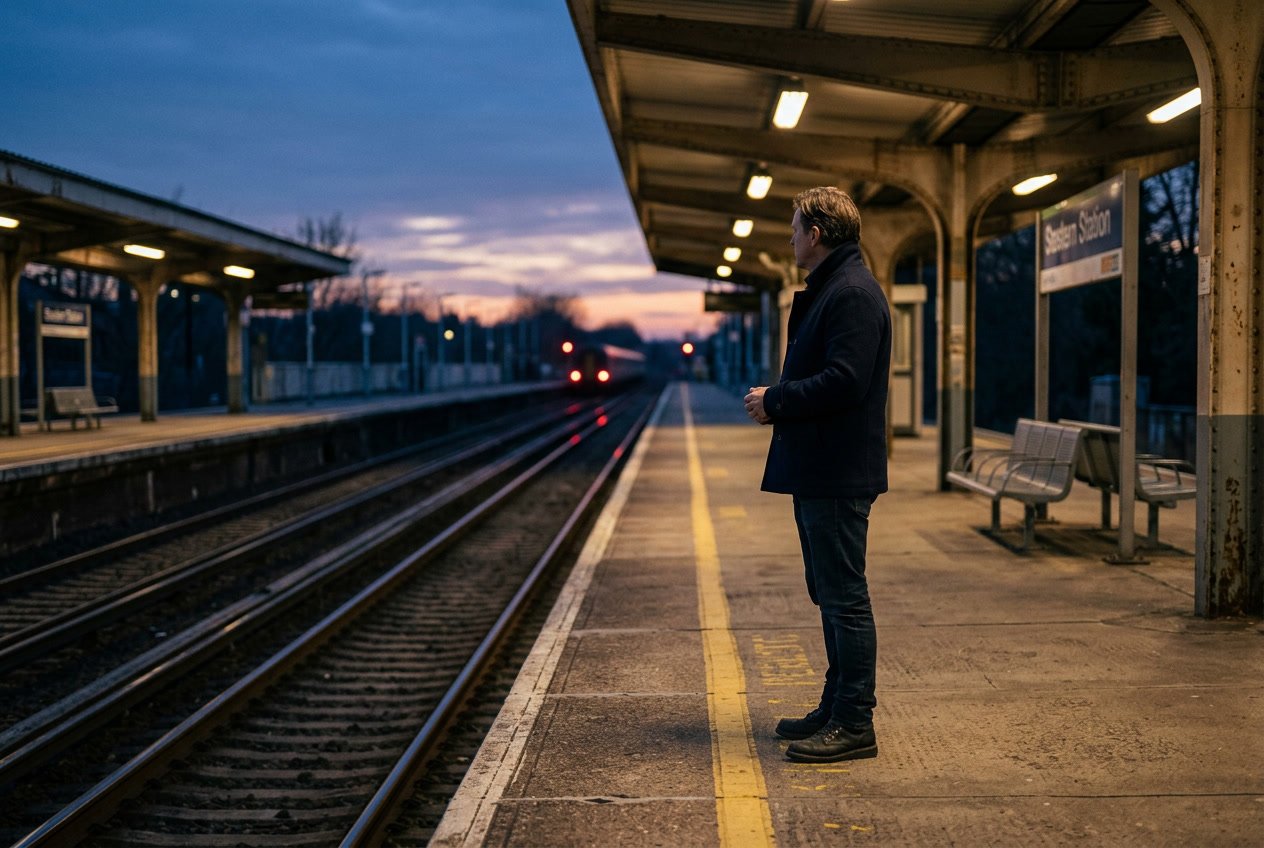
The quiet hits differently when she’s the one who chose to leave.
There’s no funeral. No flowers. Nobody checks in to see how she’s holding up, because from the outside, it looks like freedom. Like she got what she wanted.
But grief doesn’t really care who made the choice.
She carries it alone because:
The loneliness just keeps growing. Grief and loneliness seem to feed each other in a loop she can’t explain without sounding ungrateful or confused.
She knows she made the right decision. She also knows something important died.
So she stays quiet. She’ll mention the practical stuff—the logistics, the changes, the new routine.
She won’t mention the mornings when the absence feels physical. Or how odd it is to grieve someone who’s still alive, just not in her world anymore.
Grief loneliness carries a particular weight when the loss was her own doing. When there’s no clear villain. When the story doesn’t fit neatly into before and after.
She’s learning that leaving and grieving can exist in the same breath. That she can stand by her choice and still feel the ache of what’s gone.
The silence holds both. It just does it without witnesses.
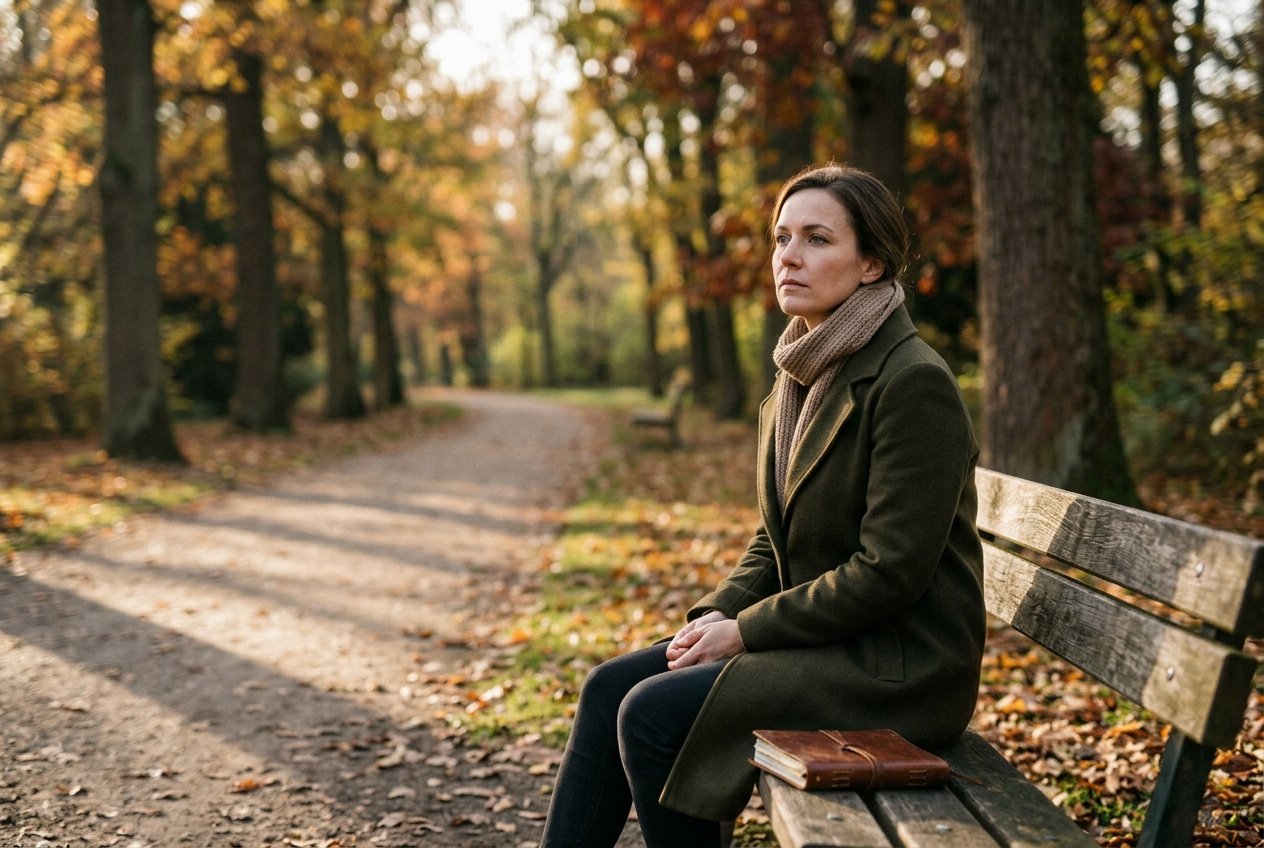
When she left, everyone assumed the grief belonged to the one who stayed. No one asked how it felt to carry loss and the responsibility for causing it.
She notices things nobody else tracks. The way certain songs now live in a separate part of her mind. The weight of a Tuesday evening when there’s no one to check in with.
The difference between being alone by circumstance and being alone because she chose it.
This is what private grief looks like when you’re the one who left. It doesn’t get witnessed.
It doesn’t get casseroles or texts asking how she’s doing.
She can’t post about missing someone she chose to leave. She can’t explain that ending something was right and still hurts.
The loneliness in grief doubles when the grief itself feels illegitimate.
Other people get to be sad. She gets to be fine, or she’s the villain.
So she learns to grieve in the gaps. In the car. In the shower.
In moments so brief no one would call them mourning at all.
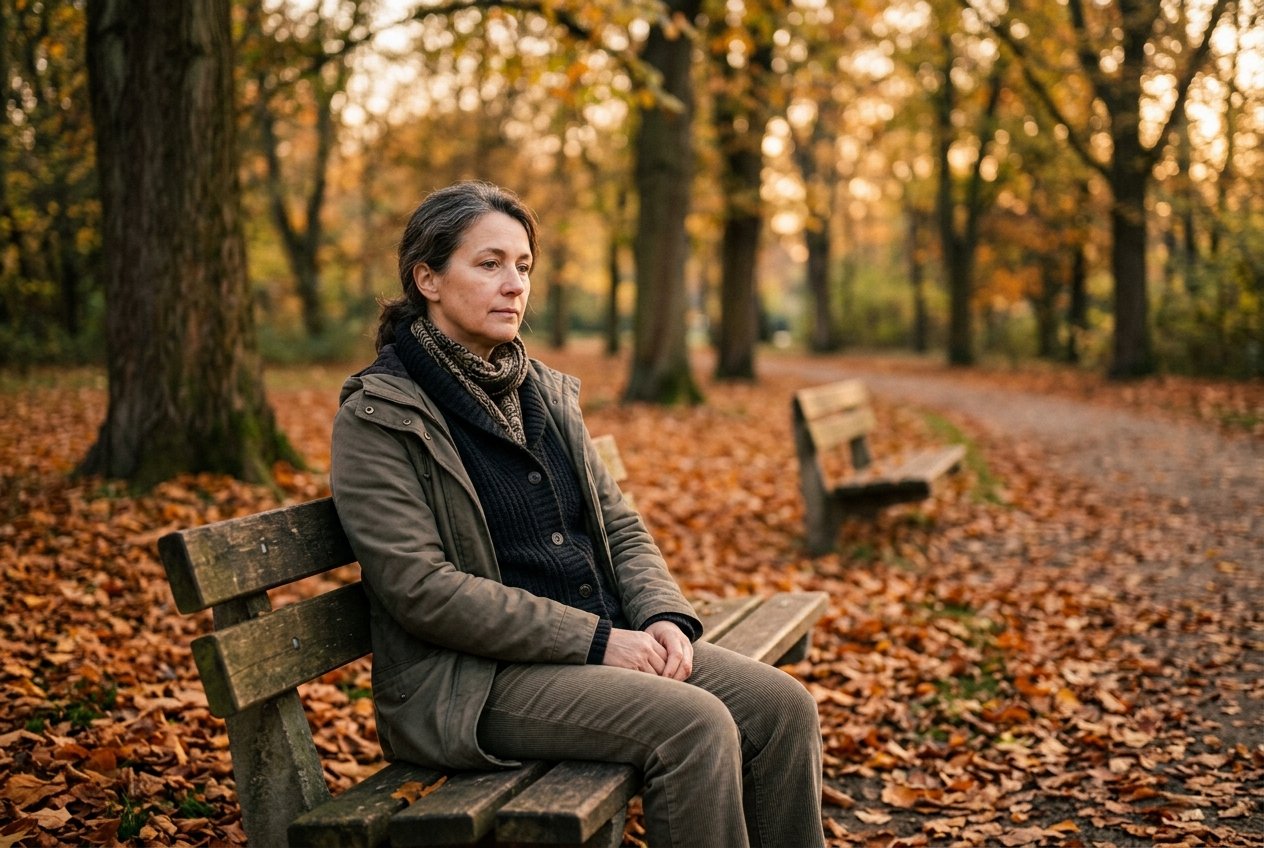
Grief doesn’t really follow a schedule. It pops up in the middle of a Tuesday meeting when someone uses a phrase he used to say.
It shows up in the produce aisle when she reaches for the brand he always bought.
These moments don’t feel like memories. They feel more like interruptions.
What triggers the resurfacing:
She was the one who left. She knows that. But the grief still finds her in fragments—not as regret, exactly, but as something closer to recognition.
The brain hangs on to small details long after the rest of life has moved on.
Sometimes it’s a physical thing. Her chest tightens. Her breath catches.
She doesn’t cry, but she feels the weight of what used to be there.
The bond isn’t about wanting him back. It’s about the fact that years of someone’s presence don’t just vanish because the relationship ended.
Long-term grief can live right next to the choice to leave. Both things can be true.
She doesn’t talk about these moments because explaining them feels like backtracking. Like admitting something she’s not ready to admit.
So she lets them pass quietly, alone, the way most of her grief has always been carried.
No one really warns you that leaving someone can mean living with their echo for years.
A coffee mug sits on the counter, the one she used every morning. It’s just a mug. Anyone else would use it without a second thought.
But she can’t.
It still holds the shape of those mornings—the sound of the kettle, the way the light came through the window, the ordinary rhythm of a life that’s gone. The mug hasn’t changed. Everything else has.
When someone leaves, their belongings become something different. Not exactly memories. Not quite artifacts. Somewhere in between—proof they were here, that those days actually happened, that she didn’t make it all up.
She might notice:
These things don’t announce themselves. They just sit there, patient and unchanged, while she moves around them like stones in a river.
Nobody else sees what she sees when she looks at them. To anyone else, they’re just things. To her, they’re the last physical proof of what she walked away from—or what walked away from her.
She doesn’t need to keep everything. But she also doesn’t need to explain why certain objects still stop her in her tracks.
They were there. They know what happened, even if they can’t say it out loud.
Sometimes the hardest witness is the one that never says anything at all.
Some people find comfort in talking about the person they left. She doesn’t. That makes the silence heavier.
She carries the grief in objects instead. A photo she hasn’t framed. A playlist she can’t play in front of anyone. A necklace with coordinates only she understands.
These aren’t just sentimental tokens. They’re evidence of what actually happened.
When everyone else has moved on, the keepsake stays. It doesn’t ask her to explain. It doesn’t tell her she made the right choice or the wrong one.
It just exists as proof that the grief is real, even if nobody else sees it.
She might wear something that reminds her of them. Not to honor the relationship, but to hold the truth of what she lost when she walked away.
A date. A location. A line from something they said before it all broke.
What she needs isn’t a memorial. It’s a witness.
Something small enough to keep private. Permanent enough to outlast the doubts.
Personal enough that it doesn’t require anyone else’s understanding.
The keepsake becomes the only place where both things can be true at once: leaving was necessary, and the loss still matters.
It lets her grieve the person she walked away from without having to defend that grief out loud.
These questions don’t usually get asked out loud. They live in the moments between deciding to leave and trying to explain why the sadness didn’t leave with her.
She knows how it sounds. She made the choice. She said the words. She was the one who decided it couldn’t continue.
And still, there are mornings when she wakes up and forgets for a second. Then remembers. Then feels the loss all over again.
The world doesn’t make space for this. When someone dies, grief is expected. When someone leaves you, grief is understood.
But when you’re the one who walked away, people assume you wanted this. That you’re relieved. That the hard part is over.
She’s not allowed to grieve what she chose to let go of. That’s the unspoken rule.
So she doesn’t talk about it. She doesn’t say that leaving someone doesn’t mean she stopped caring. It just means she couldn’t stay.
They congratulate her. They tell her she did the right thing. They ask if she feels lighter now.
She nods. She says she’s doing okay. What else can she say?
No one asks if she’s sad. They assume the decision came with clarity, maybe even peace.
They don’t realize she can be certain and heartbroken at the same time.
So she stops bringing it up. She learns to keep her face neutral when his name comes up.
She gets good at changing the subject. And the loneliness that comes with that silence is its own kind of grief—not prolonged grief disorder, not something clinical. Just the quiet ache of being misunderstood by people who think they’re helping.
Because alone is where she doesn’t have to explain herself. Where she can sit with the sadness without someone trying to fix it or talk her out of it.
But alone is also where the thoughts loop. Where she replays the last few months.
Where she wonders if she made the right call, even though she knows she did.
There’s a version of solitude that feels almost sacred. A way to honor what was lost without pretending it didn’t matter.
But there’s another version that starts to feel like exile. Like she’s the only one who remembers what it felt like to care about him.
She doesn’t always know which version she’s in until she’s been there too long.
Relief doesn’t cancel out sadness. That’s the part nobody really tells you.
She can feel lighter without the weight of trying to make it work and still miss the parts that were good.
She can know she made the right decision and still feel the loss of what could have been if things were different.
It’s not complicated grief in the clinical sense. It’s just the reality of ending something that mattered.
The relief comes from no longer pretending. The sadness comes from everything she hoped for that won’t happen now.
Both can be true. Both are true. And neither one makes the other less real.
It means her mind is trying to make sense of something that doesn’t have a neat answer.
She goes over what she said. What he said. Whether she should have worded it differently.
Whether it would have changed anything.
She’s not second-guessing the decision. She’s just trying to understand how something that once felt so sure became something she had to walk away from.
The replay isn’t about wanting to change her mind. It’s about needing to know that she said what needed to be said.
That she didn’t leave anything unsaid that would have made it easier for him to understand.
Sometimes the loop is just her brain’s way of letting go. Slowly. In pieces.
Some grief really is meant to be witnessed. Other times, it's supposed to be held close, just between her and whatever she believes might be listening.
She doesn't have to post about it. No need to explain it to her small group or toss out prayer requests that turn her sadness into some kind of lesson.
Her faith doesn't require her to grieve in public. It doesn't ask her to turn pain into a testimony before she's ready, or to force a smile and dig for meaning before she's finished feeling the loss.
There's a kind of spiritual solitude that isn't the same as isolation. It's just her and the quiet.
Her and the hurt. Her and the slow, sometimes clumsy work of letting something go—without pretending it didn't leave a mark.
She doesn't owe anyone a performance. Not even for the sake of faith.