
Your Cart is Empty
You pick up the same pen every morning. You reach for the same mug before you even think about it. Maybe there's a small stone in your pocket or a bracelet you never take off. Small objects become part of our emotional routines when they offer comfort, familiarity, and a sense of control in daily life. These items are not special because of what they are, but because of what they do for the person who holds them.
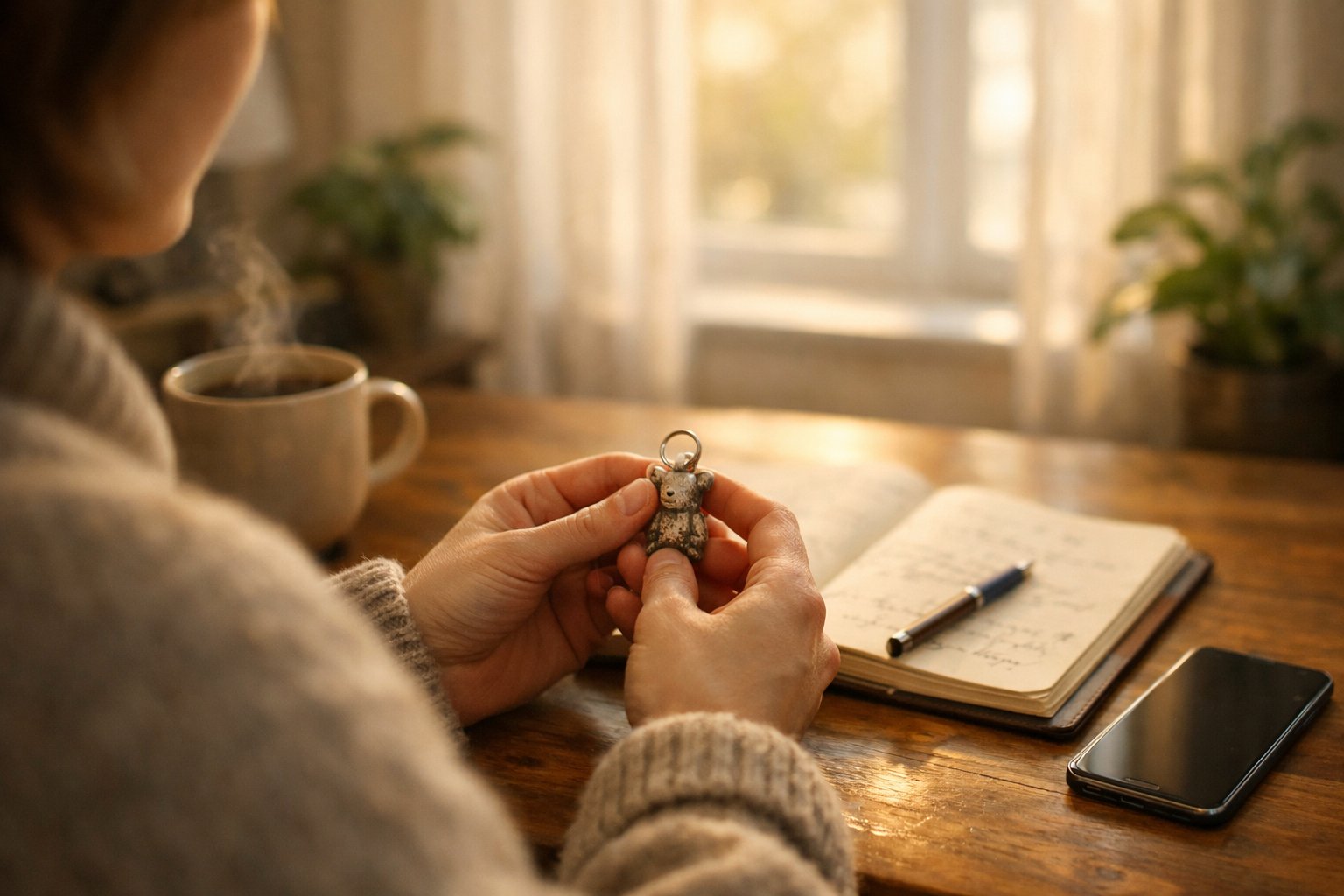
Most people don't think much about why certain objects matter. But these small things often carry quiet emotional weight. They help someone feel grounded when the day feels too big. They connect her to a memory or a person she wants to keep close. Everyday objects are storytellers of what matters most, even when no one else can see it.
Sometimes a personalized keychain or a simple engraved bracelet becomes that object. It holds meaning because she chose it or because someone who knows her well gave it to her. You can add a name or date right here. Understanding why these objects feel necessary helps someone recognize what her emotional routine actually needs.
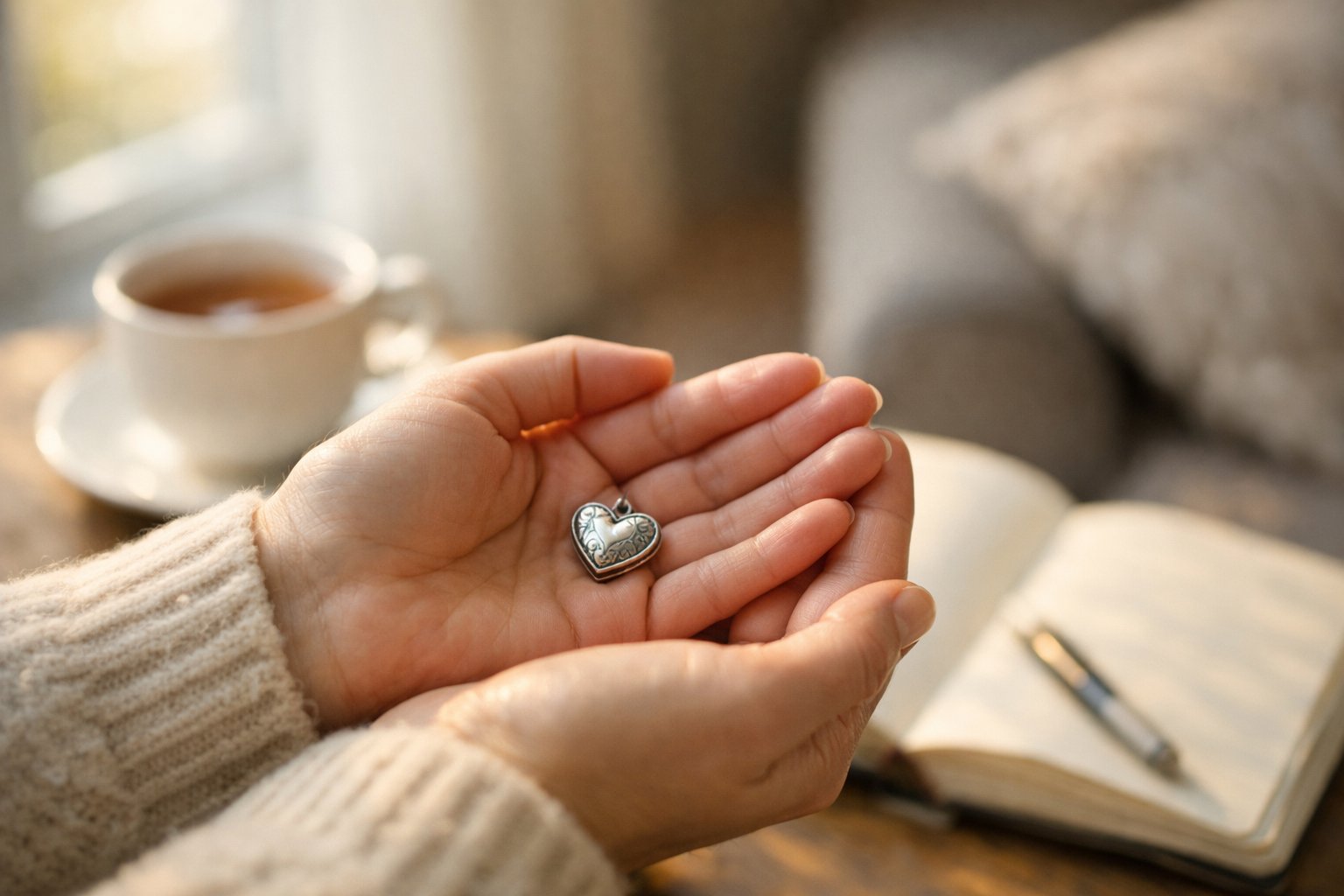
Small items work their way into daily life not through grand gestures but through quiet repetition. They become emotional anchors by showing up in the same moments, offering the same textures, and grounding feelings that might otherwise drift.
A worn mug or a small figurine on a desk carries weight beyond its physical presence. These everyday objects quietly influence mood because they're connected to memory and habit.
The brain responds to familiar belongings by releasing dopamine. This happens not because the object itself is remarkable, but because it has been part of many small, positive moments.
Someone might reach for the same pen each morning or adjust a photo frame without thinking. These actions feel automatic. Over time, the object becomes a signal that certain feelings are available—calm, focus, or comfort.
Simple items like favorite mugs or cozy blankets offer stability in ways that are hard to measure but easy to feel. A small object doesn't need to be expensive or rare to hold meaning. It just needs to be present when it matters.
Rituals develop when actions repeat with intention. Lighting a candle at the start of the day or placing a personalized necklace on the bedside table each night turns a small gesture into something larger.
If someone wants to mark daily transitions without making them feel forced, a simple object can do that work. You can personalize it here.
These rituals create what researchers call "emotional muscle memory." The mind begins to associate the object with a particular state of being. A smooth stone held during stressful moments becomes a cue for calm. A bracelet worn during important meetings begins to feel like emotional comfort in physical form.
The object itself hasn't changed. But its role in the emotional routine has deepened through repetition and attention.
Certain moments demand steadiness—early mornings, difficult conversations, or transitions between work and rest. Small objects can hold space in those moments without requiring anything in return.
A custom photo keychain carried daily reminds someone of what matters when the day feels scattered. A handmade ceramic dish that holds rings each evening signals that the day is done.
These aren't decorations. They're anchors that keep feelings tethered when everything else shifts. The object doesn't solve the problem, but it offers something to return to—a small, steady point in an otherwise moving landscape.
Common objects that anchor moods:
The value isn't in the object's appearance. It's in how reliably it shows up when needed.
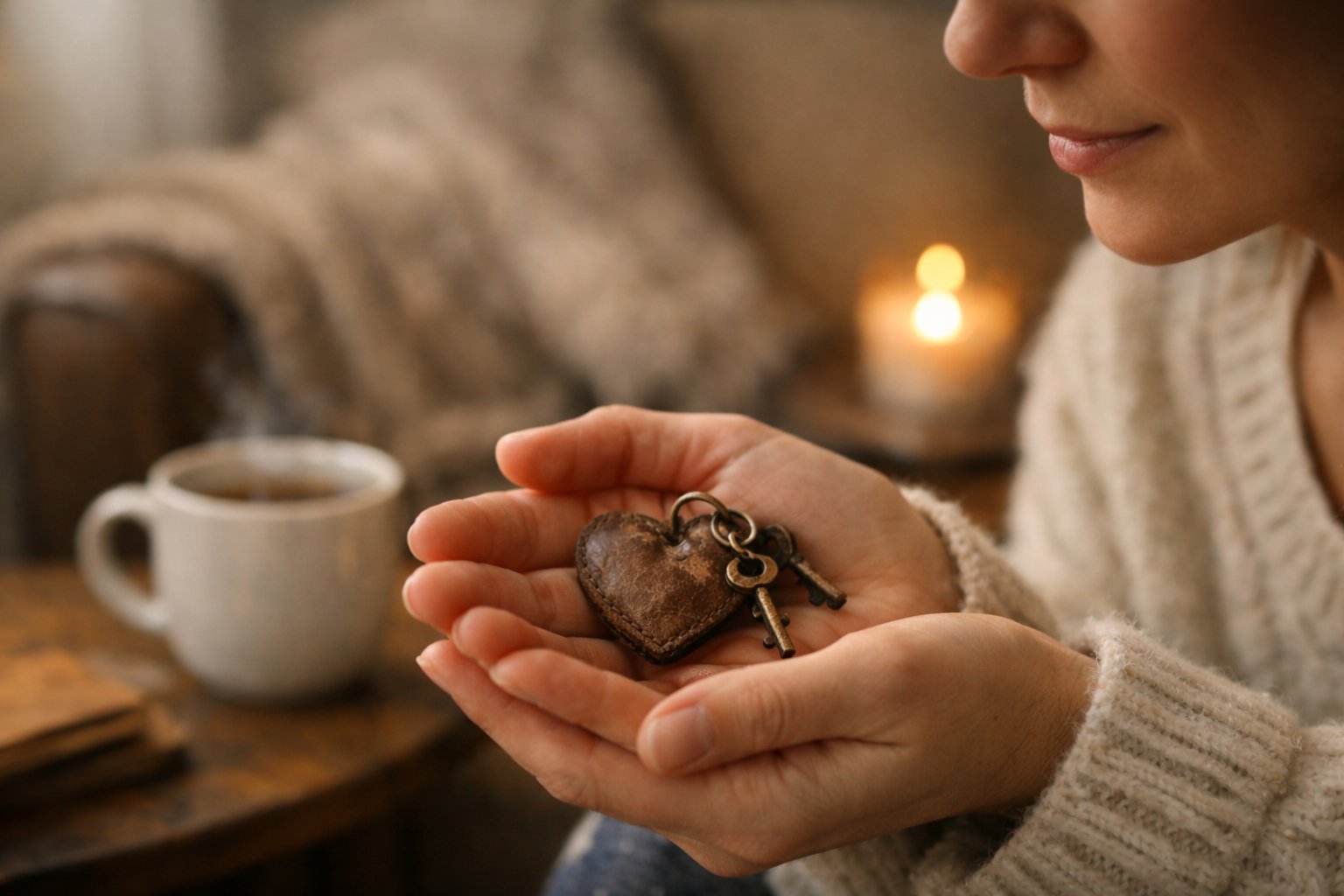
Emotional attachment to objects isn't random or shallow. It develops through specific psychological processes that begin in childhood and follow predictable patterns shaped by personality, life circumstances, and how we regulate emotions.
Attachment to objects begins in early childhood, typically during the first year of life. Children form these bonds as a way to cope with separation from caregivers. A stuffed animal or blanket becomes what psychologists call a transitional object—something that provides comfort when a parent isn't available.
The attachment isn't about the object itself. It's about what the object represents and the emotions it helps regulate.
Research shows that children with attachment objects present play and explore just as confidently as children whose mothers are in the room. The object reduces anxiety. It creates a sense of security that allows someone to function independently.
This pattern continues into adulthood, though the objects change. A necklace from someone meaningful might serve the same emotional function as a childhood blanket once did. If something tangible helps her feel steadied during uncertain moments, it's worth keeping close. She can personalize it here.
Most children stop relying on attachment objects around age seven. But object attachment can persist into adolescence and adulthood for many people. The reasons aren't fully understood, though the pattern is well documented.
Common attachment objects by life stage:
| Life Stage | Typical Objects | Primary Function |
|---|---|---|
| Early childhood | Blankets, stuffed animals | Maternal substitute, comfort |
| Adolescence | Jewelry, clothing items | Identity formation, connection |
| Adulthood | Inherited items, gifts, collections | Memory preservation, continuity |
Adults who maintain attachment to objects often view each item as irreplaceable. The sentimentality comes from the specific history between person and object. A personalized journal that documents a difficult year carries different weight than a generic notebook, even if both serve the same practical purpose.
The attachment isn't about immaturity. It's about how someone processes emotions and maintains connection to important experiences.
Some people form stronger bonds with objects than others. The difference relates to attachment theory—the framework psychologists use to understand how people connect with others and their environment.
People with anxious attachment styles often develop stronger emotional bonds with possessions. Objects provide predictable comfort that relationships sometimes don't. The item won't leave or change unexpectedly.
Traits associated with object attachment:
Understanding the psychology behind object attachment helps someone recognize when an attachment serves her well and when it might limit her. An object that genuinely soothes during hard moments isn't a problem. But if she avoids necessary changes because she can't part with belongings, the attachment may need examination.
The line between healthy connection and problematic attachment isn't always obvious. It shows up in how much the object supports her life versus constrains it.
Transitional objects serve as emotional anchors from the earliest years through adulthood, offering comfort during times of stress and change. The concept, first introduced in the 1950s, explains why certain items carry emotional weight throughout life.
A child's security blanket or stuffed animal often marks the beginning of a relationship with comfort objects that extends into adulthood. These items help young children manage the anxiety of separation from caregivers.
As people grow older, the form changes but the function remains. A worn hoodie might replace a childhood blanket. A piece of jewelry from a loved one might serve the same purpose as a stuffed animal once did.
Adults who use comfort items are practicing adaptive coping, not showing immaturity. Someone grieving a parent might find comfort in wearing their watch. Another person might carry a small token during medical appointments or job interviews.
For those who want to keep a meaningful reminder close, personalized keepsake necklaces offer a way to carry comfort quietly. It gives the person a tangible connection without drawing attention. You can personalize it here.
The shift from childhood to adult comfort items reflects emotional growth rather than dependency.
British pediatrician and psychoanalyst Donald Winnicott introduced the term "transitional object" in 1953. He observed that infants used soft, soothing items to help them separate from their primary caregivers and develop a sense of self.
Winnicott described these objects as a bridge between dependency and independence. The blanket or toy represented something the child could control when other aspects of life felt uncertain.
His work focused on early childhood, but the concept has expanded to include adults who rely on objects for emotional grounding. Items once dismissed as sentimental are now understood as tools for emotional regulation.
The theory explains why people form attachments to specific objects during transitions. Whether it's a child starting school or an adult moving to a new city, these items provide stability when everything else shifts.
Small objects gain emotional weight when they carry personal history, connecting someone to moments, people, or versions of themselves they want to hold close. These items transform from functional pieces into quiet reminders of continuity and belonging.
When someone picks up an object tied to memory, nostalgia acts as a doorway to cherished experiences that shaped who they are. A ticket stub from a first concert or a keychain from a childhood trip doesn't just sit in a drawer. It holds a specific feeling that returns each time she touches it.
Sentimental objects serve as vessels of memory and emotion, making the past feel present again. The worn edges of a book or the faded color of a childhood toy prove that something was used and loved. These imperfections matter because they show evidence of time spent together.
A piece of jewelry carries more meaning when it marks a turning point or reminds her of someone important. Personalized necklaces let someone wear a name, date, or symbol that keeps a memory close. If she wants something that feels personal without making the moment overly sentimental, a customizable design like this keeps it meaningful yet light. You can personalize it here.
Family heirlooms function as more than decorative pieces—they carry the presence of people who came before. A grandmother's ring or a father's watch keeps their memory active in daily life. These keepsakes create a sense of being part of something larger than one person's timeline.
When someone passes down an object, they're sharing more than the item itself. They're handing over a piece of their story and trusting the next person to hold it with care. This exchange strengthens family bonds across generations, even when distance or time separates people.
Heirlooms provide stability and identity during periods of change. A piece of furniture or a handwritten letter becomes an anchor when life feels uncertain. The physical presence of these objects reminds her that she belongs to a continuing story, one that existed before her and will continue after.
Personal belongings quietly hold space in everyday life, offering steadiness and comfort through repeated use. Items like a favorite coffee mug or a cozy blanket become woven into emotional routines, grounding moments that might otherwise feel scattered or impersonal.
Possessions often function as extensions of who someone is. This idea, known as the extended self, suggests that objects reflect identity and values in ways words sometimes can't.
A woman might choose a specific notebook for journaling each morning. The texture of the cover, the weight of it in her hands—it all signals that this time is hers. Over weeks and months, the notebook becomes linked not just to writing, but to the ritual of slowing down.
The same applies to jewelry, clothing, or even phone cases. These items carry meaning beyond their function. They represent choices about how someone wants to move through the world.
When someone uses the same object repeatedly, it builds a sense of continuity. That consistency supports emotional well-being, especially during transitions or stress. The object doesn't change, even when everything else does.
A favorite coffee mug can become more than just something to drink from. It represents the start of the day, a moment before demands begin. The familiar shape, the way it fits in both hands—it offers a small but reliable comfort.
The same is true for a cozy blanket draped over the couch or kept near a reading chair. Objects that provide comfort often work because they're predictable. They're present when needed, without requiring much in return.
Some people find this comfort in a specific pillow, a worn sweater, or even a particular pen. These items don't need to be expensive or special to anyone else. What matters is the emotional connection they hold for the person using them.
For those looking to add this kind of grounded ritual into daily life, personalized mugs can help mark a moment as intentional. If someone wants something that quietly reflects her own taste without making it overly sentimental, a simple design with a meaningful word or phrase keeps it personal yet understated. She can personalize it here.
A weighted blanket offers another form of steady comfort, especially during evening wind-down routines. The pressure can feel grounding without needing to explain why. It just works.
Small objects can anchor someone when emotions feel too big to manage alone. They offer a quiet kind of stability that helps people calm down during stress and stay grounded when life shifts unexpectedly.
Holding something familiar can bring the body back into balance when anxiety starts to rise. A stress ball, a worn piece of fabric, or even a smooth stone becomes a tool for self-soothing when thoughts spiral. The act of touching or gripping something repeatedly gives the nervous system something steady to focus on.
Comfort objects reduce anxiety by triggering memories tied to safety and care. A person might carry a small token in their pocket during a hard week at work. Someone else might keep a childhood toy nearby when they need to feel less alone. These items don't fix the problem, but they make it easier to breathe through it.
Physical objects also help redirect attention away from overwhelming feelings. A textured keychain or a soft scarf offers sensory input that can interrupt a cycle of worry. When someone squeezes a personalized fidget item, they're not just distracting themselves—they're practicing emotional regulation in real time. If you want something small enough to keep close but meaningful enough to matter, a custom design like this keeps the moment personal. You can personalize it here.
Change can feel disorienting even when it's wanted. Moving to a new city, starting a different job, or adjusting to a relationship shift all require emotional resilience. During these times, comfort objects provide emotional security by offering something that stays the same when everything else is in motion.
A person might sleep with the same pillow they've had for years because it feels like home. Someone going through grief might wear a piece of jewelry that belonged to the person they lost. These objects serve as emotional anchors that help someone feel connected to who they were before the change happened.
Transitions also bring up fear about what comes next. A small item tucked into a bag or worn around the neck can remind someone that they've made it through hard things before. A handmade necklace or bracelet with personal meaning doesn't erase the uncertainty, but it makes the person carrying it feel a little less fragile.
Decluttering becomes difficult when items carry emotional weight that goes beyond their practical use. The process requires understanding why certain objects feel impossible to release and learning gentler ways to move through that resistance.
Three primary forces make letting go of possessions hard: sentimental attachments, guilt, and fear. Each creates its own kind of emotional pull that can freeze someone mid-decision.
Sentimental items act as physical anchors to memories. A coffee mug from a past relationship or concert ticket stubs from years ago aren't just objects. They hold moments that feel like they might disappear if the item goes away.
Guilt appears most often with gifts or expensive purchases. She might keep clothing she never wears because someone gave it to her with good intentions. Or she holds onto hobby supplies from a phase that's passed, feeling like discarding them means admitting failure or waste.
Fear shows up as "what if I need this later?" This scarcity thinking keeps drawers full of random cords, broken items that might get fixed someday, and clothes from a different size era. The anxiety about future need overrides present reality.
Common emotional barriers include:
Understanding which barrier is active helps someone recognize they're not being irrational. They're responding to real emotional patterns that deserve acknowledgment before action.
Mindful decluttering means staying present with feelings as they arise rather than pushing through them or avoiding the task entirely. It starts with small areas that feel manageable, not overwhelming.
One practical method asks a single question: does this item serve who she is now? Not who she was five years ago or hopes to become someday, but her actual current life. This grounds the decision in present reality rather than guilt or fantasy.
Taking photos of sentimental items before releasing them preserves the memory without keeping the physical object. The photograph captures what matters most—the story or moment—while freeing up physical and mental space.
She might create a memory box with clear limits: one container for each major life phase or relationship. When the box fills up, she reviews what's inside and keeps only what still resonates deeply. If she wants something that feels personal without making the moment overly sentimental, a custom jewelry dish can hold meaningful small items she chooses to keep. You can personalize it here.
Gentle decluttering practices:
The emotional landscape of decluttering shifts when someone stops treating it as a test of willpower. It becomes instead a practice in self-awareness, where each decision reveals something about what truly matters now versus what used to matter or what she thinks should matter. That clarity creates its own kind of freedom.
Objects that once brought comfort can gradually shift from meaningful connections into sources of distress, particularly when the inability to let go begins affecting daily life and relationships.
The line between healthy attachment and hoarding disorder becomes visible when objects no longer serve their emotional purpose but instead create isolation. Someone might notice their living space becoming harder to navigate or feel genuine distress at the thought of discarding even broken items.
Research on hoarding disorder shows that people with this condition often develop intense emotional bonds to possessions that interfere with basic functioning. The attachment extends beyond practical value into something that feels like losing part of oneself.
Warning signs include:
These patterns differ from simply valuing sentimental items. The emotional attachment to objects becomes problematic when it prevents connection with people or compromises safety and health.
Finding balance means acknowledging which objects genuinely support well-being versus which ones have become substitutes for deeper needs. Someone might realize they're holding onto things hoping they'll provide security that actually comes from relationships.
Studies indicate that hoarding symptoms often relate to insecure attachment patterns, where possessions compensate for interpersonal needs they cannot actually fulfill. A small engraved keepsake like these personalized necklaces can hold genuine meaning without accumulation becoming overwhelming. Someone who wants to honor a memory without creating clutter might choose one intentional piece. They can select something here that captures what matters.
Healthy attachment allows objects to enhance life rather than replace it.
Gifts often carry more weight than their physical form suggests, acting as bridges between people and markers of specific moments. The objects we receive from others can shift from being simple items to becoming anchors in our daily emotional lives.
When someone receives a gift, the exchange creates layers of meaning that extend beyond the moment of opening it. Research shows that gifts hold deep symbolic and emotional significance, serving as tools for connection and care.
A bracelet given by a grandmother doesn't just sit on the wrist. It reminds the wearer of her presence during moments of uncertainty or decision-making.
These objects become part of daily routines not because of their monetary value but because of what they represent. A simple necklace personalized with an initial or date can carry the weight of an entire relationship. If you want something that feels personal without making the moment overly sentimental, a customizable design like this keeps it meaningful yet light. You can personalize it here.
The giver's intention shapes how the recipient experiences the gift. Thoughtful gifts matter most in close relationships, even when they don't perfectly match stated preferences. This explains why jewelry for mom or gifts for grandmothers often become cherished keepsakes rather than items tucked away in drawers.
Sentimental objects function as quiet reminders of specific relationships and moments. They don't demand attention but offer it when needed.
A coffee mug from a friend's trip abroad becomes the preferred morning vessel not because it's the best mug but because it connects the user to that friendship each day. These items accumulate sentimental value through repeated use and association.
The physical presence of these objects can shift emotional states. Touching a wedding gift from years ago might bring back the feeling of that day, not just the memory of it.
Keepsakes serve as tangible proof that relationships exist beyond conversations and visits. They occupy space in homes and routines, creating small moments of connection throughout ordinary days. A handmade photo album filled with shared memories becomes something to reach for during difficult weeks, offering comfort through its very existence.
Sentimental items carry emotional weight that accumulates over time. The longer someone keeps and uses an object, the more stories and feelings become attached to it. This is why Mother's Day gifts or gifts for mothers-in-law that get daily use often mean more than expensive items displayed only on special occasions.
Building emotional comfort doesn't happen by accident. It grows through small, repeated actions that pair meaningful objects with daily rhythms in ways that feel natural and grounding.
The objects that become emotional anchors are rarely random. They're chosen, often unconsciously, because they carry meaning or offer a specific kind of comfort. Someone might keep a smooth stone in her pocket because the weight feels reassuring. Another person might wear the same bracelet every morning as a way to mark the start of the day.
Choosing comfort items with intention means noticing what actually soothes. A worn hoodie might provide softness and familiarity. A small keepsake necklace can hold a memory close without drawing attention. If she wants something that feels personal without making the moment overly sentimental, a customizable design like this keeps it meaningful yet light. She can personalize it here.
The practice isn't about collecting objects. It's about recognizing which ones already serve a purpose and letting them remain present in daily routines without overthinking their role.
Supporting emotional well-being through objects works best when the object is paired with a consistent action. Holding a favorite mug during morning coffee becomes more than caffeine. It becomes a signal to slow down.
She might keep a soft blanket folded on the couch and reach for it during evening wind-down. Or she might carry a worry stone in her bag and touch it before stressful meetings. These aren't elaborate rituals. They're small gestures that help the nervous system recognize safety.
Daily routines gain depth when they include these quiet touchpoints. The repetition builds trust. Over time, the object becomes less necessary, but its presence still offers reassurance when life feels uncertain.
Emotional bonds with everyday items develop through memory, comfort, and repeated use, while the intensity of these connections varies based on life stage, personal history, and psychological need.
Attachment to objects begins when an item becomes associated with safety, comfort, or meaningful memories. A person might hold onto a particular mug because drinking from it became part of morning routines during a difficult period. The brain links the object with the emotional state experienced while using it.
Transitional objects serve as emotional anchors that help regulate feelings during stress or uncertainty. The attachment theory developed by John Bowlby and Mary Ainsworth originally explained bonds between caregivers and children, but researchers now apply these same principles to understand why people form connections with physical possessions.
Objects become repositories for emotional experiences. A journal holds private thoughts. A keychain from a trip carries the memory of who someone was in that moment. The item itself matters less than what it represents in a person's internal world.
Personal items often function as self-soothing tools when internal resources feel depleted. Someone might reach for a worn hoodie after a hard day because the familiar weight and scent provide immediate sensory comfort. These objects require nothing in return.
People seek out comfort things because they offer predictable psychological solace during unpredictable circumstances. A small stone kept in a pocket becomes something to hold during anxious moments. The tactile experience grounds attention in the present.
Some items serve as emotional bridges between difficult feelings and a sense of stability. A bracelet received during recovery might remind someone of their resilience. A photo in a wallet connects someone to relationships that matter when loneliness surfaces.
For those who want a tangible reminder of what steadies them, personalized jewelry can hold words or symbols that feel privately meaningful. If someone finds comfort in carrying intention with them, they can personalize it here.
Long-term attachment to an object can provide ongoing emotional support or create psychological dependency. When a possession enhances well-being by offering comfort without limiting daily function, the relationship remains healthy. The object serves its purpose without controlling choices.
Problems emerge when someone cannot function without the item present. If losing a particular blanket triggers severe distress that disrupts sleep or work, the attachment has shifted from supportive to restrictive. The object becomes necessary rather than helpful.
Russell Belk's research shows that possessions can become extensions of the self, which explains why some people invest considerable emotion in their belongings. A collection of books might reflect intellectual identity. Clothing choices express values and personality. These connections enrich life when they remain flexible.
The endowment effect and loss aversion make people value items more highly once they own them. This can deepen appreciation for meaningful possessions, but it also explains why letting go feels disproportionately difficult even when an object no longer serves practical or emotional needs.
Detachment begins with acknowledging what the object represents rather than dismissing the attachment as irrational. Someone might ask what need the item fulfilled. Was it connection? Safety? A reminder of capability during hard times?
Creating a memory book with photographs and written descriptions preserves the emotional significance without requiring physical storage. The feelings associated with the object remain accessible through the record. This approach honors the attachment while releasing the physical item.
Marie Kondo's approach of keeping only items that spark joy respects emotional bonds while encouraging evaluation of whether possessions still serve present needs. The method asks if an object enhances current life or maintains connection to a version of self that no longer exists.
Mindfulness practices help someone observe attachment without judgment. When holding the item, they might notice physical sensations, memories that surface, and the quality of emotion present. This awareness creates space between the feeling and the need to act on it immediately.
For those whose attachment patterns interfere with daily living, cognitive behavioral therapy addresses problematic behaviors and underlying emotional issues like anxiety and depression. Exposure therapy helps manage emotional responses to the possibility of loss.
Trauma and loss often intensify attachment to objects because physical items provide stability when relationships or safety feel uncertain. Someone who experienced sudden loss might hold tightly to possessions that belonged to the person who died. The objects become tangible proof that the relationship existed.
After trauma, items can serve as grounding tools that help someone feel present rather than caught in memories. A smooth stone or piece of fabric with particular texture gives the nervous system something concrete to focus on when emotional flooding occurs.
Some attachments develop as attempts to control an environment that once felt uncontrollable. If someone couldn't prevent a traumatic event, organizing and protecting possessions creates a sense of agency. The problem arises when this need for control extends to hoarding behaviors that limit living space and relationships.
Nostalgia evoked by objects serves important psychological functions, including providing existential meaning and enhancing connectedness to others. Items associated with positive memories before loss can offer relief from grief while maintaining bonds with people no longer present.
Narrative therapy encourages telling the stories behind items, which externalizes feelings and helps reframe emotional attachments. Speaking about what an object witnessed or represented can shift its meaning from something desperately needed to something gratefully remembered.
Children