
Your Cart is Empty
You can have lots of friends in your life, but only a few people earn the title of best friend. A best friend differs from regular friends through deeper trust, complete honesty, and an emotional bond that feels more like family than casual friendship. While regular friends might come and go based on circumstances, best friends stick around through major life changes and challenges.
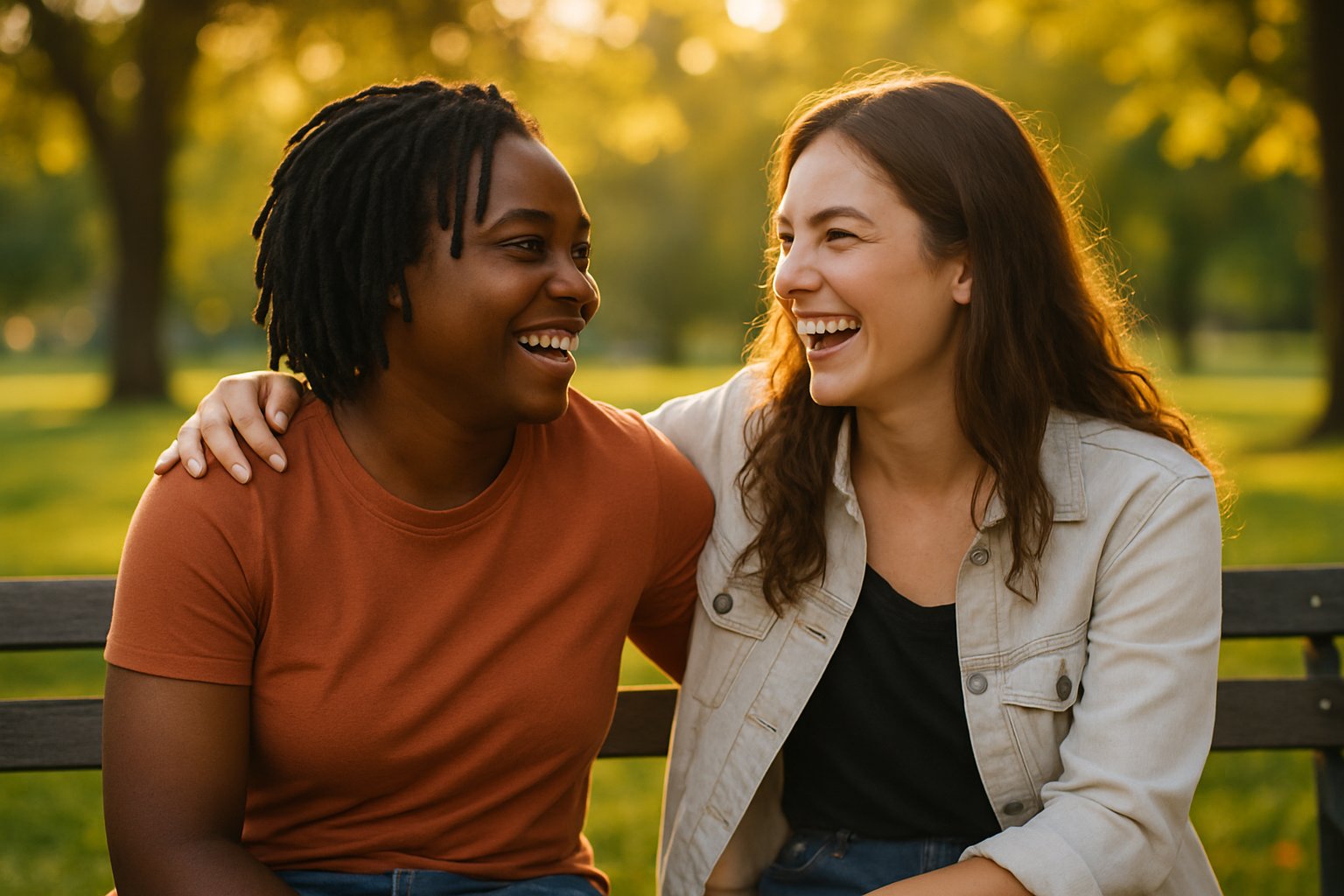
Understanding what makes someone a true friend helps people build stronger connections in their lives. The difference between a friend and a best friend goes beyond just spending time together. It involves a level of emotional safety where both people can be completely themselves without fear of judgment. Best friends know each other's worst stories and biggest secrets, yet they choose to stay and support each other anyway.
The bond between best friends has real psychological benefits that affect mental health and overall happiness. Whether someone is looking to strengthen current friendships or figure out which relationships deserve more investment, knowing these key differences matters. Celebrating this special connection with thoughtful gifts for best friends on Zazzle or finding friendship books on Amazon can be meaningful ways to honor these important relationships.

Best friends occupy a unique space in people's lives that differs from other friendships through deeper emotional bonds, unwavering loyalty, and an understanding that goes beyond surface-level interactions. The distinction lies in the level of trust, vulnerability, and commitment that defines these relationships.
Good friends provide companionship and enjoyable experiences. They share interests, spend time together, and offer support when needed. However, best friends go several steps further in their connection.
A best friend relationship involves a deeper level of commitment and presence. While good friends might check in occasionally, a best friend has your back no matter the situation. They show up during difficult times without being asked.
The frequency and quality of communication sets these relationships apart. Best friends maintain consistent contact and share more personal thoughts. Good friends might drift in and out of regular communication, but the bond with a best friend remains steady regardless of time or distance.
Key Differences:
True friendship represents a relationship built on mutual respect, honesty, and genuine care for another person's wellbeing. True friends demonstrate essential traits that create lasting bonds beyond casual acquaintances.
Honesty forms the foundation of these connections. A true friend provides real opinions, even when the truth feels uncomfortable. They won't sugarcoat feedback if they believe honesty serves the other person's best interest.
Trust creates a safe space where people can share private thoughts without fear. True friends keep confidences and never use personal information to cause harm. This reliability strengthens the relationship over time.
Empathy allows true friends to understand each other's experiences on a deeper level. They can sense when something feels wrong and offer support before being asked. This emotional attunement creates a bond that feels irreplaceable.
Emotional intimacy varies across different types of relationships. Acquaintances share basic information about jobs or hobbies. Good friends discuss personal interests and some life challenges. Best friends, however, reach the deepest level of emotional connection.
Best friends understand each other on a profound level through unconditional acceptance and honest communication. They share thoughts and feelings that remain hidden from others. This vulnerability requires immense trust.
The depth of sharing distinguishes intimacy levels:
| Relationship Level | What Gets Shared |
|---|---|
| Acquaintance | Basic facts, weather, general topics |
| Good Friend | Interests, opinions, some personal stories |
| Best Friend | Fears, dreams, insecurities, deepest thoughts |
People can express joy and pain freely with their best friend. They laugh until their stomachs hurt over inside jokes that nobody else understands. They also cry without embarrassment during tough moments, knowing they'll receive comfort rather than judgment. This emotional safety creates a relationship that feels different from all others.
Custom friendship gifts from Zazzle can celebrate these special bonds. Books about building strong friendships on Amazon offer additional insights into nurturing these connections.

Best friends stand out because they bring unwavering loyalty, deep respect, and genuine kindness into the relationship. These quality friends demonstrate their commitment through actions that go beyond surface-level interactions.
Loyalty and reliability form the foundation of what separates best friends from regular friends. A best friend remains present during challenging times, not just when things are going well. They defend their friends when others criticize and keep private information confidential.
Commitment shows up in consistent behavior over time. Best friends make the relationship a priority even when life gets busy. They follow through on plans and show up when they say they will.
This loyalty means standing by someone through major life changes. Best friends stick around during career shifts, relationship struggles, and personal growth phases. They celebrate wins without jealousy and provide support during losses without judgment.
Key loyalty indicators include:
Respect for individuality allows best friends to maintain their own identities within the friendship. They encourage each other to pursue different interests and respect personal boundaries. This acceptance creates space for both people to grow without feeling pressured to change.
Best friends value each other's opinions even during disagreements. They listen to different viewpoints without trying to force their own beliefs. This mutual respect extends to respecting time, space, and personal choices.
Acceptance means embracing flaws and quirks without criticism. Best friends see the whole person and appreciate them as they are. They don't try to fix or change their friend to fit an ideal. Whether someone needs custom friendship gifts or simple quality time together, best friends understand what matters most to each other.
Kindness in best friendships goes beyond polite gestures. Best friends demonstrate genuine care through thoughtful actions that show they pay attention to what matters. They remember important dates, check in during stressful periods, and offer help without being asked.
Generosity appears in how best friends give their time and energy. They make themselves available for late-night calls or last-minute emergencies. This giving nature doesn't keep score or expect immediate reciprocation.
Best friends share what they have willingly. This might mean lending books about building stronger relationships, sharing resources, or offering practical help like rides or meals. Their generosity comes from authentic care rather than obligation.
A best friend creates a foundation of trust where someone feels secure sharing their deepest thoughts without fear of judgment or exposure. Emotional safety in friendships allows people to be themselves while knowing their vulnerabilities will be protected and respected.
A dependable friend shows up consistently during both good times and difficult moments. They respond to messages promptly, make themselves available during emergencies, and follow through on commitments without needing reminders.
Key behaviors of a reliable friend:
Trust makes people feel safe because they know their friend will support them and protect them from harm. A supportive friend demonstrates dependability by being present for important life events like graduations, job interviews, or medical appointments. They also provide emotional support when challenges arise, whether that means listening without judgment or helping with everyday tasks during overwhelming periods.
The difference between a best friend and other relationships lies in this unwavering consistency. People can count on them to be there when it matters most, creating a safe space for vulnerability to develop naturally.
Trustworthiness means maintaining strict confidentiality with private information shared in confidence. A best friend understands that certain conversations remain between them and never becomes a source of gossip or leaked details.
When someone shares sensitive information about relationships, health issues, or personal struggles, they trust their friend to protect those details. Everyone has different boundaries regarding what they feel comfortable sharing, and a trusted friend respects these limits without pressure or judgment.
What keeping secrets looks like:
This level of trustworthiness creates emotional safety where people can express fears, admit mistakes, or reveal insecurities without worrying about consequences. Best friends earn this trust through consistent actions over time, proving they value the relationship more than entertainment or social status gained from sharing secrets.
Best friends share a level of honesty that goes beyond surface-level pleasantries, creating space for authentic dialogue even when conversations become difficult. This transparency builds the foundation for deeper, more meaningful conversations that strengthen the bond between friends.
A best friend provides truthful feedback when others might stay silent to avoid discomfort. They offer their honest opinion about everything from questionable relationship choices to career decisions that seem misaligned with a person's goals.
This feedback comes from genuine care rather than judgment. When a best friend notices someone wearing an outfit that doesn't flatter them before an important event, they speak up tactfully. They point out when a friend's new business idea has obvious flaws that need addressing.
Honest advice helps people grow and reflect on their choices in ways that casual acquaintances rarely provide. Best friends balance criticism with recognition of positive qualities, choosing appropriate timing and private settings for sensitive topics.
This type of transparent communication ensures both people know where they stand with each other. A best friend celebrates successes enthusiastically while also mentioning concerns about potential problems they see developing.
Best friends address conflicts directly rather than letting resentment build over time. When hurt feelings arise from a thoughtless comment or forgotten commitment, they bring it up instead of pretending everything is fine.
These difficult discussions happen because both people value the relationship enough to work through problems. A best friend might say they felt excluded when not invited to an event, or express concern about noticing changes in behavior that seem worrying.
Open communication during tough conversations eliminates guesswork and builds trust. Best friends listen without interrupting, ask questions to understand the other person's perspective fully, and validate emotions through verbal acknowledgment.
They communicate proactively if they need to cancel plans or if something their friend said bothered them. This willingness to have uncomfortable conversations prevents small issues from becoming friendship-ending problems. Best friends know that temporary awkwardness is worth preserving a meaningful connection.
Best friends stand apart because they consistently show deep understanding of emotions and respond with genuine care during both good times and hard times. They listen without judgment and offer support that feels natural rather than forced.
Empathy creates a safe space for vulnerability between best friends. A best friend listens carefully when someone shares their feelings and tries to understand their perspective. They pay attention to both words and body language to pick up on emotions that might not be spoken out loud.
This understanding and appreciation deepens the connection between friends. When a best friend takes time to see things from another person's viewpoint, they learn more about what matters to that person. They can then respond in ways that feel meaningful and supportive.
Key ways best friends show empathy:
A best friend also knows when someone needs emotional support versus practical advice. Sometimes people just need to feel heard and understood.
Compassion and patience help best friends weather challenges together. A best friend stays calm when someone makes mistakes or needs extra time to work through problems. They offer kindness instead of criticism during these moments.
Best friends show compassion by giving support without expecting anything in return. They might bring food when someone is stressed, send encouraging messages, or simply sit with someone who feels down. These actions show they care about the other person's wellbeing.
Patience appears when best friends accept each other's flaws and differences. Nobody is perfect, and a true best friend remembers this. They give grace during disagreements and work toward understanding rather than winning arguments.
Ways to express compassion:
These friends also respect boundaries and understand that everyone has limits. Check out personalized friendship gifts on Zazzle to celebrate these special bonds. For books about building stronger friendships, browse relationship guides on Amazon.
Best friends actively invest in each other's development and well-being through consistent encouragement and reliable presence during both challenges and achievements. This mutual support creates a foundation for personal growth that extends beyond what casual friendships typically offer.
A supportive friend provides regular encouragement that helps maintain motivation during difficult periods. Best friends listen to goals and dreams without judgment. They offer specific praise that acknowledges effort and progress rather than generic compliments.
This type of encouragement includes checking in on important projects or challenges. A best friend remembers the presentation someone was nervous about or the job interview they prepared for. They send a quick message before the event and follow up afterward to show genuine interest.
Best friends also provide honest feedback when requested. They balance support with truthfulness, helping someone see blind spots without crushing confidence. This combination of warmth and honesty creates an environment where personal growth becomes possible.
Consider marking friendship milestones with personalized gifts from Zazzle that celebrate shared memories. Small gestures reinforce the value of the friendship.
Celebrating achievements is as important as offering support during hardships. Best friends show up enthusiastically for successes without letting envy interfere. They recognize that another person's win doesn't diminish their own worth.
During tough times, a friend helps by offering practical assistance rather than vague statements. They might bring groceries during a crisis, help with childcare, or simply sit quietly when words aren't needed. This reliability during difficulties builds deep trust.
Best friends understand that supporting personal growth requires patience as someone works toward their goals. They don't rush the process or impose their own timeline. They respect that growth happens at different speeds for different people.
For those looking to strengthen friendship bonds, books about relationships from Amazon offer research-backed strategies for building deeper connections.
Best friendships thrive when both people respect each other's limits and embrace their unique qualities. These two elements create a foundation where friends feel safe to be themselves without fear of judgment or overstepping.
Boundaries are guidelines for acceptable behaviors and personal limits that protect someone's identity and personal space. A best friend understands that even close relationships need clear lines about what feels comfortable and what doesn't.
Good boundaries might include limits on how often someone texts, when they drop by unannounced, or how much emotional support they can give at certain times. A friend who respects these limits doesn't take it personally when their best friend says no to plans or needs time alone.
Setting boundaries strengthens healthy friendship rather than weakening it. When someone communicates their needs clearly, it prevents resentment from building up over time. Best friends use "I" statements to express their boundaries without blaming the other person.
They also honor each other's boundaries without making the other person feel guilty. This mutual respect creates trust and shows that both people value the relationship enough to protect it.
Every person has imperfections, and best friends recognize this reality. They see their friend's flaws but choose to accept them rather than trying to change who they are. This acceptance doesn't mean ignoring harmful behavior, but it does mean understanding that nobody is perfect.
A best friend doesn't criticize their friend's appearance, goals, or life choices in ways that tear them down. They offer support even when they might make different decisions themselves. This creates a safe space where both people can be authentic without pretending to be someone they're not.
Real acceptance means celebrating differences in values, beliefs, and personalities. Best friends don't expect their friend to think exactly like they do or share all the same interests. They appreciate what makes their friend unique, even when those qualities are different from their own.
Best friends create a unique bond through shared experiences that become part of who they are together. This connection goes deeper than casual friendships because it involves trust at the highest level.
Shared experiences become part of the friendship's narrative, creating a history that both people can draw upon. These moments might include inside jokes, memorable trips, or challenges faced together. Each experience adds another layer to the relationship.
The stories best friends tell about their time together reinforce their bond. They remember the same events and can finish each other's sentences when recounting them. This shared memory bank creates a sense of belonging that casual friends don't develop.
Real friends build this history over time through consistent presence. They accumulate hundreds of hours together, which research shows is necessary for close friendship to develop. These hours turn into years of shared moments that define the relationship.
A custom friendship photo book can help preserve these memories in a tangible way.
Best friends serve as closest confidantes and allies during both crisis and joy. They hold secrets and provide a safe space for vulnerability. This level of trust separates them from good friends or casual connections.
A trusted confidant practices active listening without judgment. They pay full attention when someone shares something important. They ask questions to understand better rather than immediately offering solutions.
Good listeners in best friendships also reciprocate with their own vulnerability. This mutual sharing deepens the emotional connection between both people. Each person feels heard and valued.
The reliability of a best friend as a confidant builds security in the relationship. They respond to messages promptly and check in during difficult times. A journal for recording important conversations can help track meaningful moments shared between best friends.
Best friendships activate specific brain chemicals and neural pathways that create deep bonds between people. These biological systems help explain why a friend helps us feel safe and why social rejection causes real pain.
Oxytocin, often called the bonding hormone, plays a major role in fostering trust and attachment during social interactions. When someone spends time with a best friend, their brain releases oxytocin. This creates feelings of warmth and connection.
Mirror neurons fire both when a person performs an action and when they watch someone else do the same thing. These neurons help people understand what their friends are thinking and feeling. When best friends interact, their mirror neurons create a sense of being "in sync" with each other.
Dopamine also activates during positive friend interactions. This chemical reinforces pro-social behaviors and makes people want to spend more time together. The combination of oxytocin, dopamine, and mirror neuron activity creates the unique bond that sets best friends apart from casual acquaintances. These systems work together to support personal well-being and emotional health.
The social brain hypothesis suggests that humans developed larger, more complex brains to handle the demands of social relationships. Best friendships require advanced cognitive skills like understanding emotions, remembering past interactions, and predicting future behavior.
Research shows that friendship is not merely an emotional luxury but a biological necessity. Social exclusion and loss of close friends trigger the same brain regions that process physical pain. This explains why rejection from a best friend hurts so deeply.
The attachment system that first develops between parents and children later extends to close friendships. Best friends provide a secure base that people return to during stress. Brain imaging studies reveal that thinking about close friends activates reward centers and reduces activity in threat-detection areas. This biological response helps protect mental and physical health throughout life.
Even the strongest best friendships face challenges when feelings of exclusion arise or when life circumstances shift the dynamic between two people. These tests reveal whether the bond has the depth and flexibility to survive difficult times.
Social rejection within a best friendship often appears when one person feels left out of activities or conversations. This happens when a best friend starts spending more time with other people or develops new interests that don't include their closest companion. The person left behind may experience feelings of abandonment or worry that they're being replaced.
Possessiveness can damage what was once a safe space built on trust and loyalty. When one friend tries to control who the other spends time with or gets upset about new friendships, it creates tension. Healthy best friendships require balance between closeness and independence.
A best friend should recognize that their companion needs other relationships too. Setting clear boundaries helps both people feel respected. For example, agreeing on regular time together while allowing space for other social connections prevents resentment from building.
When jealousy or possessive behavior appears, honest conversation about these feelings matters more than ignoring them. Many people find that custom friendship gifts can help reinforce the bond during rocky periods. Commitment to working through uncomfortable emotions strengthens the friendship rather than weakening it.
Major life changes test best friendships in unexpected ways. Moving to different cities, starting new jobs, getting married, or having children shifts priorities and available time. The daily contact that once defined the friendship may become weekly or monthly check-ins.
Recovery from a lost or changed friendship requires acknowledging the grief that comes with this transition. Some friendships adapt successfully to new circumstances while others fade despite both people's best efforts.
Distance doesn't automatically end a best friendship if both people maintain their commitment. Scheduling regular video calls, sending thoughtful messages, or planning visits keeps the connection alive. Technology makes staying in touch easier than ever before.
Other times, a best friendship ends because values diverge or because trust gets broken beyond repair. Processing this loss takes time and self-compassion. Journaling about memories, talking with other friends, or seeking support from a therapist helps people move forward. Reading books about navigating friendship transitions provides additional perspective during difficult periods.
Best friends stand apart through their deeper emotional bonds, unwavering loyalty, and ability to provide support that goes beyond surface-level connections. The trust and understanding they offer creates a relationship that feels more like family than friendship.
Best friends possess specific traits that set them apart from regular friends. They know everything about a person because they've been told and have made the effort to remember important details. This level of attention shows genuine care and investment in the relationship.
A best friend can sense when something is wrong without being told. They read body language and facial expressions well enough to detect upset feelings even when someone tries to hide them. Regular friends might miss these subtle cues entirely.
The ability to be completely honest without fear of judgment defines best friendships. A person never has to hide their feelings, whether upset, insecure, or angry. These friends are blunt when needed, telling someone when a dress looks bad or when they're being paranoid about their boyfriend.
The emotional connection between best friends operates on a deeper psychological level. Best friends often feel what the other person is feeling before that person fully understands their own emotions. This emotional resonance creates a bond that casual friends cannot replicate.
Best friends share a level of vulnerability that doesn't exist in typical friendships. They discuss topics that might be inappropriate or touchy with others because they respect each other's opinions enough to not let anything damage the friendship. No subject remains off-limits.
The relationship feels more like family than friendship. Best friends become chosen family members who provide unconditional acceptance and love. Their families often feel like one's own family because of how close the bond has grown over time.
Trust forms the foundation of what makes someone a best friend rather than just a good friend. This trust extends beyond keeping secrets to believing that person has one's back no matter what circumstances arise. The bond evolves from shared experiences and mutual respect built over time.
Best friends demonstrate loyalty behind a person's back by defending and speaking positively even when that person isn't present. This kind of loyalty is rare and proves the depth of their commitment. Regular friends might not stand up for someone when they're not around to witness it.
The trust between best friends allows for complete honesty without fear of abandonment. A best friend will point out annoying behavior or mistakes because they care about growth and well-being. This level of candor requires immense trust that the relationship can handle difficult conversations.
Best friends show up regardless of time or circumstance. They'll answer a call at two in the morning or drop everything to be there during a crisis. This selfless availability demonstrates their prioritization of the friendship.
The support remains constant through both celebrations and hardships. Best friends don't just appear for the fun times but stay present during life's storms. Research shows that strong social ties contribute to better physical health, including lower blood pressure and decreased risk of heart disease.
Best friends never keep score or ask for anything in return for their help. They provide support because they want to and because they love the other person. This unconditional giving separates them from friends who maintain transactional relationships.
Best friends act as coaches who push people out of their comfort zones. They challenge growth by encouraging new opportunities and gently pointing out areas for improvement. This balance of support and motivation makes them integral to personal development.
They remember small details that others overlook. Whether recalling a favorite snack during tough times or remembering anniversaries of significant events, these gestures show deep care. The attentiveness highlights their connection to every aspect of life.
Best friends give advice that comes from real experience and understanding rather than generic suggestions. They make genuine efforts to understand situations and help based on what they know about a person's specific circumstances and personality. The guidance feels personalized and relevant.
Best friends communicate daily or feel strange when they don't. The need to talk isn't obligatory but natural, as if something feels off when a day passes without contact. This consistent communication strengthens the bond and keeps both people involved in each other's lives.
The conversation between best friends goes beyond small talk. They discuss meaningful topics that create deeper connections rather than staying on surface-level discussions. They share inside jokes that pile up over years of friendship, reaching the point where a simple glance can trigger laughter.
Best friends understand when to talk and when silence is needed. They respect each other's need for independence and personal space, knowing that healthy friendships aren't about being inseparable. This balanced communication style allows both people to grow individually while maintaining their close bond.