
Your Cart is Empty
A bonus daughter becomes part of a blended family through marriage or partnership, not by blood. Making a bonus daughter feel truly accepted requires consistent actions that show unconditional love, open communication that validates her feelings, and intentional efforts to include her in family traditions and decision-making. The term "bonus daughter" emphasizes the positive aspects of blended family relationships rather than focusing on what's lacking.

Acceptance goes beyond simply tolerating a new family member's presence. It means creating space for her voice, respecting her unique background, and treating her with the same care as biological children. Many bonus daughters struggle with feeling like outsiders in their new family structure, wondering if they truly belong or if they're just temporary additions.
The path to genuine acceptance involves both parents and bonus parents working together to build trust and connection. Small gestures like personalized gifts from Zazzle or thoughtful presents from Amazon can show a bonus daughter she's valued. However, lasting acceptance comes from deeper actions that demonstrate commitment to the relationship over time.

A bonus daughter enters a family through remarriage or partnership, creating bonds that go beyond biology. This relationship brings unique emotions and requires understanding the specific ways it differs from traditional family structures.
A bonus daughter is a child who becomes part of someone's life through a romantic relationship with one of her biological parents. The term "bonus" emphasizes the positive addition to the family rather than using labels like "step" that can feel distancing.
This role exists within blended families where parents bring children from previous relationships into a new household. The bond between a bonus parent and daughter forms through choice and care rather than genetic connection.
A bonus daughter may live full-time in the household, split time between two homes, or visit occasionally. Each arrangement creates different dynamics and levels of involvement. The relationship can start when she's very young or after she's already grown, which affects how the connection develops.
The term "bonus daughter" reflects a shift in how blended families view non-biological relationships. It removes the negative associations that sometimes come with "stepdaughter" language.
Traditional stepdaughter framing often implies:
Bonus daughter framing emphasizes:
This language matters because it shapes how everyone in the family thinks about their roles. Parents who embrace the bonus mindset approach the relationship as a gift rather than a complication. The child also benefits from feeling like a valued addition rather than someone who complicates the new marriage.
Celebrating this connection can include personalized gifts that acknowledge the special bond.
Bonus daughters often experience conflicting feelings about their place in the new family structure. She might feel loyalty to her biological parent who isn't part of the household. This creates internal tension when she starts caring about her bonus parent.
Fear of rejection runs deep for many bonus daughters. She may hold back affection or resist bonding to protect herself from potential hurt. Past experiences with divorce or separation can make trust difficult.
Common emotional experiences include:
Bonus parents face their own challenges in knowing how to connect without overstepping boundaries. Finding the right balance between involvement and respect for the biological parent takes time. Books like Understanding and Loving Your Bonus Child provide guidance for navigating these dynamics.
Building trust happens gradually through consistent actions. Small gestures often matter more than grand attempts at bonding. Resources on Amazon can help bonus parents find meaningful ways to show care.
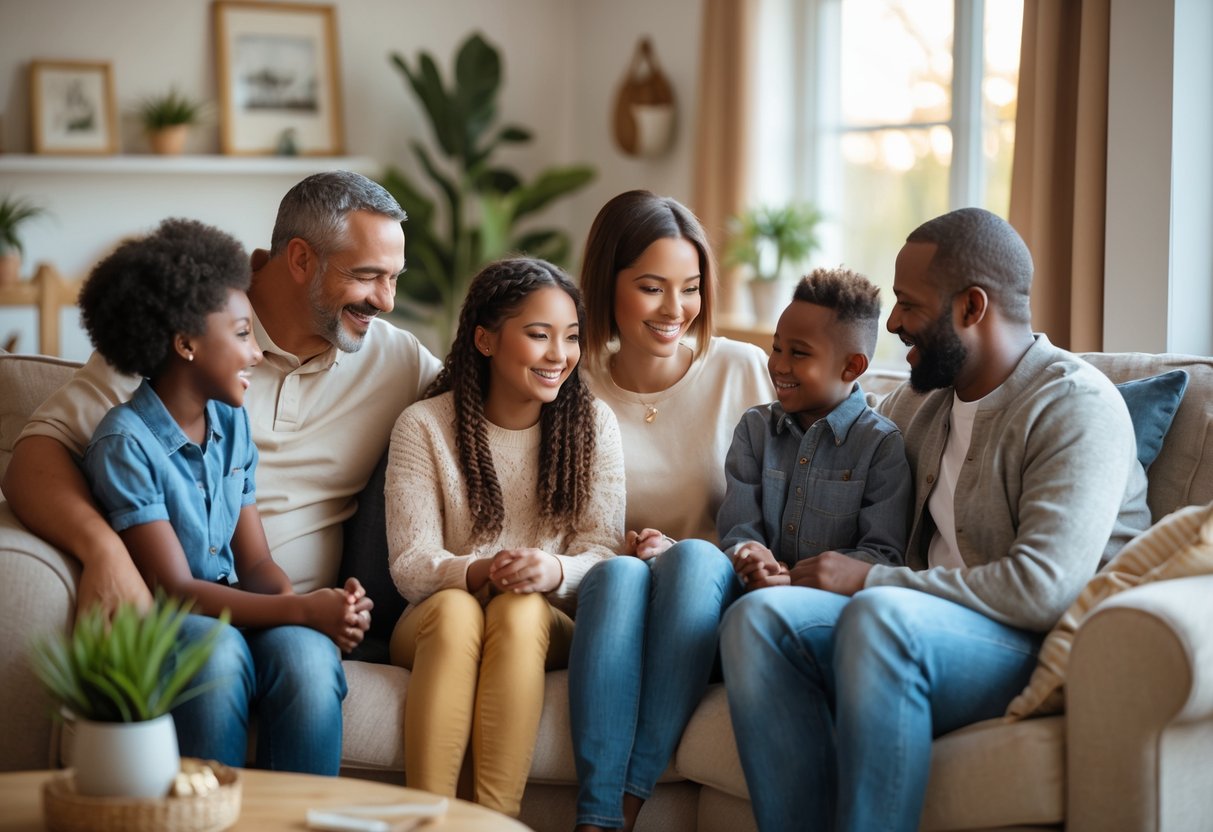
Building acceptance with a bonus daughter requires patience and consistent effort from bonus parents. Trust develops through repeated positive interactions, while support shows up in both everyday moments and challenging times.
Trust forms the bedrock of any relationship between a bonus parent and bonus daughter. It doesn't happen overnight or through grand gestures alone.
Small, consistent actions matter most. Showing up for school events, remembering important dates, and following through on promises builds credibility. When a bonus parent says they'll be somewhere, they need to be there.
Reliability creates safety. A bonus daughter needs to know she can count on her bonus parent in both big and small ways. This might mean being available for a late-night phone call or simply showing up for dinner as planned.
Mistakes will happen. How a bonus parent handles them matters more than avoiding them entirely. Admitting fault, apologizing sincerely, and making repairs shows maturity and respect.
Communication helps trust grow stronger. Asking questions, listening without judgment, and accepting children as they are demonstrates genuine care. Trust isn't built through force but through patience and presence.
Unconditional support means standing by a bonus daughter regardless of circumstances. This doesn't mean approving every choice but rather showing love through all situations.
Parental acceptance involves recognizing and valuing unique qualities beyond societal expectations. A bonus parent who celebrates their bonus daughter's interests, even when different from their own, demonstrates true acceptance.
Support shows up in different ways. It might be attending a sports game, helping with homework, or just being present during tough times. The key is consistency and availability.
Essential forms of support include:
Creating a home where a bonus daughter feels comfortable expressing herself freely strengthens the bond. Whether she's having a bad day or celebrating success, knowing her bonus parent will be there matters deeply. Consider showing this commitment with personalized items like custom family photo gifts from Zazzle or meaningful books about blended families from Amazon that reinforce belonging.
Strong communication creates safety and trust in blended families. When a bonus parent masters active listening and open dialogue, they help their bonus daughter feel valued and heard.
Active listening requires full attention without distractions or interruptions. A bonus parent should put away phones, make eye contact, and focus completely on what their bonus daughter is saying.
Validation means acknowledging feelings without judgment. When she shares something difficult, responses like "That sounds really hard" or "I can see why you'd feel that way" show respect for her emotions.
Key validation techniques include:
Creating a supportive environment where a child feels truly heard strengthens emotional well-being. Even when a bonus parent disagrees with her perspective, they can still validate that her feelings matter. This builds trust and shows she belongs in the family.
Open dialogue happens when both people feel safe sharing thoughts honestly. A bonus parent can create this safety by sharing their own feelings first, which models vulnerability.
Regular check-ins work better than waiting for problems. Simple questions like "How are you feeling about things lately?" or "Is there anything on your mind?" invite conversation without pressure.
Ways to encourage dialogue:
Respecting her communication style matters too. Some bonus daughters prefer texting over face-to-face talks. Others need time to process before responding. Adapting to her preferences shows respect for her individuality.
Words shape how bonus daughters see themselves within their blended families. Speaking positive affirmations and sharing thoughtful messages creates lasting emotional connections that help them feel valued and secure.
Bonus daughter quotes offer ready-made expressions of love when finding the right words feels difficult. These quotes work best when they match the relationship's current stage and the child's age.
Parents can share quotes during everyday moments like morning routines or car rides. A simple "You bring so much joy to our family" carries weight when said with genuine emotion. Writing quotes in cards or texts makes them easier to save and revisit later.
The most effective quotes acknowledge both the bonus relationship and the child's individuality. Generic statements feel hollow compared to words that recognize specific qualities. For example, "Your creativity amazes me every day" means more than "You're special."
Some families display framed quotes in common areas as daily reminders. Others create digital collections that children can access on their phones. The delivery method matters less than consistency and sincerity.
Handwritten notes create tangible proof of acceptance that bonus daughters can hold onto during difficult moments. These messages work best when they reference specific actions or qualities rather than vague praise.
A note might say "I noticed how patient you were with your younger brother today" or "Your sense of humor lightened everyone's mood at dinner." Details show genuine attention and care. Parents can tuck notes into lunchboxes, backpacks, or under pillows.
Birthday wishes for daughters provide annual opportunities to express deeper feelings. These messages can acknowledge growth, celebrate milestones, and reinforce belonging within the family unit.
Digital messages through text or email work for older bonus daughters who check phones frequently. The key is matching the format to the child's preferences and communication style. Some children treasure physical keepsakes while others prefer quick digital check-ins throughout the day.
Verbal recognition of achievements builds confidence and reinforces a bonus daughter's place in the family. Celebrations should happen immediately after accomplishments when possible to create strong positive associations.
Big achievements like academic awards deserve family announcements at dinner or gatherings. Smaller wins like completing homework independently or showing kindness to others need acknowledgment too. Balanced recognition prevents children from feeling overlooked between major milestones.
The most powerful celebrations describe the effort behind the accomplishment rather than just the outcome. Saying "You worked really hard on that project and it shows" teaches perseverance matters more than natural talent. This approach helps bonus daughters develop healthy self-esteem based on their actions.
Parents should celebrate in front of others when appropriate. Public recognition from a bonus parent signals to extended family and friends that this child holds an important place in the family structure. It also models how family members should treat and value each other.
Actions speak louder than words when helping a bonus daughter feel like she belongs. Making her part of family traditions and involving her in choices shows she matters in real, tangible ways.
Family traditions help blended families build shared memories and strengthen bonds. A bonus daughter needs to see herself as part of these rituals, not just an observer watching from the sidelines.
Parents can start by including her in existing traditions. If the family has a special pancake breakfast tradition every Sunday, she should have a role in making it happen. She might choose the toppings or help flip the pancakes.
Creating new traditions works well too. The family could pick a monthly activity that everyone enjoys, like game night or visiting a favorite ice cream shop. When a bonus daughter helps shape these new rituals, she feels ownership over the family culture.
Holiday celebrations offer natural opportunities for inclusion. She can hang ornaments on the tree, pick out pumpkins for carving, or help plan birthday parties. These meaningful traditions don't need to be elaborate to make an impact.
Some families create personalized items together, like custom family photo gifts that include everyone. Others establish simple weekly routines, such as Friday movie nights where each person takes turns choosing the film.
Giving a bonus daughter a voice in family decisions sends a clear message that her opinions matter. This doesn't mean children run the household, but their input should carry weight on appropriate topics.
Age-appropriate choices work best. Younger bonus daughters can help pick paint colors for shared spaces or choose what the family eats for dinner on certain nights. Older ones might weigh in on vacation destinations or weekend activities.
Family meetings create structured opportunities for everyone to share ideas. Parents can ask for her thoughts on house rules, chore schedules, or how to spend time together. Even if the final decision differs from her suggestion, knowing someone listened makes a difference.
Shopping trips offer simple decision-making moments. She can help select household items on Amazon or pick out decorations for her bedroom. Room design choices let her express personality while feeling invested in the home.
The goal is making her feel valued enough that adults seek her perspective. When blended families show children their thoughts are important, it builds trust and belonging.
Creating consistent rituals helps a bonus parent and bonus daughter develop trust and emotional closeness. These shared experiences build a foundation that goes beyond obligation and moves into genuine connection.
New traditions create a sense of belonging that honors the blended family's unique identity. A bonus parent can start with low-pressure activities like monthly breakfast dates, weekend craft projects, or designated movie nights. These moments don't need to be elaborate or expensive to be meaningful.
Blended families thrive when they create new traditions while respecting existing ones. A bonus daughter might appreciate having her own special ritual that's separate from what she does with her biological parent.
Some effective bonding rituals include:
Personalized jewelry from Zazzle can commemorate milestones in the relationship. Photo albums or scrapbooks also document the journey and give the bonus daughter tangible proof of the bond.
Common interests provide natural opportunities for connection without forced conversation. A bonus parent might teach the bonus daughter a skill like photography, gardening, or baking. Alternatively, the bonus parent can learn something the daughter already enjoys, which shows genuine interest in her world.
Simple ways to connect with a daughter include sports, art projects, volunteering together, or attending concerts. The activity matters less than the shared experience and undivided attention.
Joint hobbies work best when they match both people's interests and energy levels. A teenager might prefer hiking or thrift shopping over activities she considers childish. Asking "What would you like to try together?" gives the bonus daughter input in building the relationship.
Books about strengthening mother-daughter relationships from Amazon offer additional ideas. The key is consistency rather than perfection—showing up regularly matters more than planning elaborate outings.
Bonus daughters in blended families often struggle with feelings of not belonging and uncertainty about their place in the new family structure. These challenges require direct action and honest conversations to help her feel secure.
Exclusion happens in small moments that bonus daughters notice even when adults miss them. She might feel left out when biological siblings share inside jokes from before the family merged. She may sense distance during family photos or holiday traditions that don't include her history.
Parents should watch for signs of withdrawal like spending excessive time alone or avoiding family gatherings. When a bonus daughter mentions feeling excluded, taking her concerns seriously validates her experience. Dismissing these feelings with phrases like "you're being too sensitive" pushes her further away.
Ways to address exclusion include:
Some bonus daughters feel excluded from conversations about biological family history. Parents can bridge this gap by sharing stories that help her understand the family while creating space for her own background. A custom photo album that includes pictures from all family members' pasts shows everyone's story matters.
Unrealistic expectations create disappointment for everyone in blended families. Bonus parents sometimes expect instant bonding or assume a bonus daughter will immediately accept them as a parental figure. Bonus daughters may expect their biological parent to maintain the exact same relationship as before the remarriage.
Setting realistic timelines helps reduce pressure. Building meaningful connections in blended families takes years, not months. Research shows that blended families typically need three to five years to fully adjust.
Clear communication about roles prevents confusion. Discussing who handles discipline, school involvement, and daily care decisions upfront reduces conflict. A bonus daughter needs to know what adults expect from her and what she can expect in return.
Important expectations to clarify:
Parents should regularly check in about whether current arrangements work for everyone. What felt right six months ago may need adjustment as relationships develop. Flexibility shows a bonus daughter that her comfort matters more than rigid plans.
Marking important moments with thoughtful recognition shows a bonus daughter she holds a valued place in the family. Creating unique traditions and personalizing celebrations helps build trust and demonstrates genuine acceptance beyond surface-level gestures.
A bonus daughter needs to see that her celebrations receive the same attention and care as biological children. Parents should ask about her preferences for birthday parties, decorations, and cake flavors rather than making assumptions. Small details matter, like including her favorite colors or themes that reflect her interests.
Holiday traditions present opportunities to blend old customs with new ones. Families can create special ornaments together, establish unique gift-giving rituals, or develop cooking traditions that honor everyone's background. Thoughtful birthday recognition reinforces belonging.
Key personalization strategies include:
Custom gifts from retailers like Amazon or personalized items from Zazzle that feature her name or interests show intentional effort.
Academic success, sports accomplishments, and personal growth deserve consistent recognition. Families strengthen bonds by celebrating milestones meaningfully through established rituals that build confidence and belonging.
Creating a special dinner tradition where the family discusses achievements helps a bonus daughter feel seen. Parents might establish an "achievement wall" displaying certificates, awards, and photos from important moments. These visible reminders communicate pride and acceptance daily.
Some families give meaningful gifts during major transitions like graduation. Graduation gifts that acknowledge future goals show investment in her journey.
Effective achievement rituals:
Life transitions test the strength of family bonds, but acceptance remains vital as a bonus daughter grows and evolves. Adapting support while maintaining connection ensures the relationship thrives through every stage.
A bonus daughter needs space to develop her own identity as she matures. Parents should encourage her to explore interests, make decisions, and learn from mistakes without imposing their vision of who she should become. This means respecting her career choices, relationship decisions, and lifestyle preferences even when they differ from expectations.
Key ways to support independence:
Families who cultivate acceptance through life's changes recognize that letting go demonstrates love. A bonus daughter who feels accepted during her pursuit of independence will likely maintain stronger family ties. She needs reassurance that growing up and moving forward doesn't diminish her place in the family.
Adult relationships require different effort than childhood ones. Regular communication through calls, texts, or visits keeps bonds strong despite busy schedules. Creating new traditions that fit adult lifestyles helps maintain closeness without relying on childhood routines.
Ways to stay connected:
| Method | Frequency | Purpose |
|---|---|---|
| Video calls | Weekly or biweekly | Face-to-face conversation |
| Text messages | Several times weekly | Quick check-ins |
| Visits | Monthly or quarterly | Quality time together |
| Shared activities | As schedules allow | Creating new memories |
Parents can show acceptance in blended families by respecting boundaries around time and availability. A bonus daughter balancing work, relationships, and personal goals may have limited free time. Understanding this reality without guilt-tripping strengthens rather than strains the relationship.
Thoughtful gifts like personalized items from Zazzle or meaningful books from Amazon can remind her she's valued between visits.
Building strong sibling relationships and creating shared family values helps everyone feel like they belong together. These connections make the whole family stronger and give a bonus daughter more reasons to feel at home.
Sibling relationships in blended families need time and support to grow. Parents can create opportunities for step-siblings to connect through shared activities and experiences.
Planning regular family game nights or movie marathons gives kids neutral ground to interact. These activities work best when they don't favor one child's interests over another. A personalized family game night set can make these moments feel special for everyone involved.
Parents should avoid forcing closeness between step-siblings. Natural bonds form when kids share experiences without pressure. Taking everyone to a trampoline park or planning a camping trip creates memories that bring siblings together organically.
Celebrating each child's wins as a family teaches everyone to support each other. When a bonus daughter sees her step-siblings cheering for her soccer game, she feels valued. The same happens when she attends their events.
Ways to build sibling bonds:
Blended families thrive when everyone works from the same playbook. Creating shared values gives the family an identity that goes beyond biology.
Families can establish traditions that belong to everyone equally. Starting new rituals like Sunday pancake breakfast or annual beach trips creates shared history. A custom family photo album helps document these new memories together.
House rules should apply to all children fairly. When a bonus daughter sees the same bedtime or chore expectations for everyone, she understands she's truly part of the unit. Inconsistent rules create resentment and division.
Parents need to present a united front on discipline and rewards. Private discussions about parenting approaches keep disagreements from confusing the kids. This teamwork shows children that all adults in the home work together.
Core family values to establish:
When a bonus daughter feels truly accepted, the effects reach far beyond childhood. She develops stronger self-confidence and builds healthier relationships throughout her life.
Blended families that prioritize acceptance create environments where children thrive emotionally and socially. The bonus daughter who feels valued for who she is learns to trust others and form meaningful connections.
Key lasting benefits include:
She learns what healthy family dynamics look like. This knowledge shapes how she approaches her own relationships later in life.
The time invested in making a bonus daughter feel accepted pays forward for generations. She becomes more likely to create inclusive environments for her own children someday.
Acceptance also strengthens the entire family unit. When one member feels valued, everyone benefits from improved communication and deeper bonds. Consider celebrating these special relationships with personalized gifts that honor the unique connection.
Families can also find helpful books about blended family relationships that provide additional guidance and support. These resources offer practical ways to continue building acceptance over time.
The effort to help a bonus daughter feel accepted creates a foundation that supports her well-being for years to come. This foundation becomes part of who she is and how she moves through the world.
Parents and stepparents often wonder about practical ways to help their bonus daughter feel valued and included. These questions address specific actions families can take to strengthen bonds and create lasting connections.
Parents can show genuine acceptance by treating their bonus daughter equally to biological children in daily interactions. This means including her in family decisions, giving her the same privileges and responsibilities, and never referring to her as "just" a stepdaughter.
Actions speak louder than words when it comes to acceptance. Parents should attend her school events, sports games, and special activities with the same enthusiasm they show for other children. Making time for one-on-one conversations without distractions helps build trust.
Physical affection matters too, though it should always respect the child's comfort level. A hug, high five, or pat on the back can communicate care and belonging.
Building a relationship starts with finding common interests to share together. A stepparent might watch her favorite shows, learn about her hobbies, or try activities she enjoys. These shared experiences create natural opportunities for bonding.
Consistency builds trust over time. Showing up regularly and keeping promises demonstrates reliability. A stepparent who commits to weekly movie nights or monthly outings and follows through shows the bonus daughter she can depend on them.
Respecting boundaries is equally important as spending time together. Pushing too hard or too fast can backfire. Letting the relationship develop naturally at her pace creates a stronger foundation.
Custom items like personalized gifts from Zazzle that reflect her interests show thoughtfulness and attention to what makes her unique.
A stepparent supports emotional needs by listening without judgment when she wants to talk. Creating a safe space where she can express feelings about family changes, school stress, or friend problems builds emotional security.
Validating her emotions matters more than trying to fix everything. Saying "that sounds really hard" or "I understand why you feel that way" acknowledges her experience. A stepparent should avoid competing with or speaking negatively about her other parent.
Being present during difficult moments shows commitment to the relationship. Whether she's dealing with disappointment, anger, or sadness, a stepparent who stays calm and supportive becomes a trusted figure in her life.
Creating a welcoming environment starts with giving the bonus daughter her own space in the home. She needs a bedroom or designated area that belongs to her, decorated with her input and filled with her belongings.
Including her photos on walls alongside other family pictures sends a powerful message of belonging. Family portraits should feature her prominently, not as an afterthought. Her artwork, awards, and achievements deserve display space too.
House rules should apply fairly to all children without favoritism. When a bonus daughter feels the home celebrates family bonds, she's more likely to feel comfortable and accepted.
Families can celebrate a bonus daughter by acknowledging special milestones that matter to her. This includes birthdays, graduations, and personal achievements. Celebrations don't need to be elaborate, but they should be genuine and consistent.
Creating new family traditions that include her input helps her feel ownership in the family culture. She might choose the movie for family night, pick a restaurant for monthly dinners, or suggest new activities to try together.
Using positive language about the blended family structure reinforces that she's valued, not tolerated. The term "bonus daughter" itself emphasizes addition rather than replacement. Sharing thoughtful quotes about bonus daughters on social media or in cards shows public pride in the relationship.
Books or journals about blended families from Amazon can provide resources for celebrating these unique relationships.
Effective communication starts with using inclusive language that emphasizes family unity. Saying "our daughter" instead of "my stepdaughter" in conversations signals that she's fully part of the family unit.
Regular family meetings where everyone's voice carries equal weight teach the bonus daughter that her opinions matter. She should have opportunities to share concerns, make suggestions, and participate in family planning.
Asking for her input on decisions that affect her shows respect for her perspective. Whether it's vacation plans, dinner choices, or household changes, including her in discussions demonstrates that her preferences count. Open communication about expectations and feelings prevents misunderstandings and builds stronger connections over time.