
Your Cart is Empty
Trust forms the backbone of every strong relationship, yet many people believe it requires big romantic gestures or expensive gifts to build. The truth is simpler and more powerful. Small, consistent gestures like giving meaningful jewelry, checking in regularly, and showing up when promised create stronger trust than any grand gesture ever could. These tiny moments tell a partner they are seen, valued, and can rely on someone day after day.
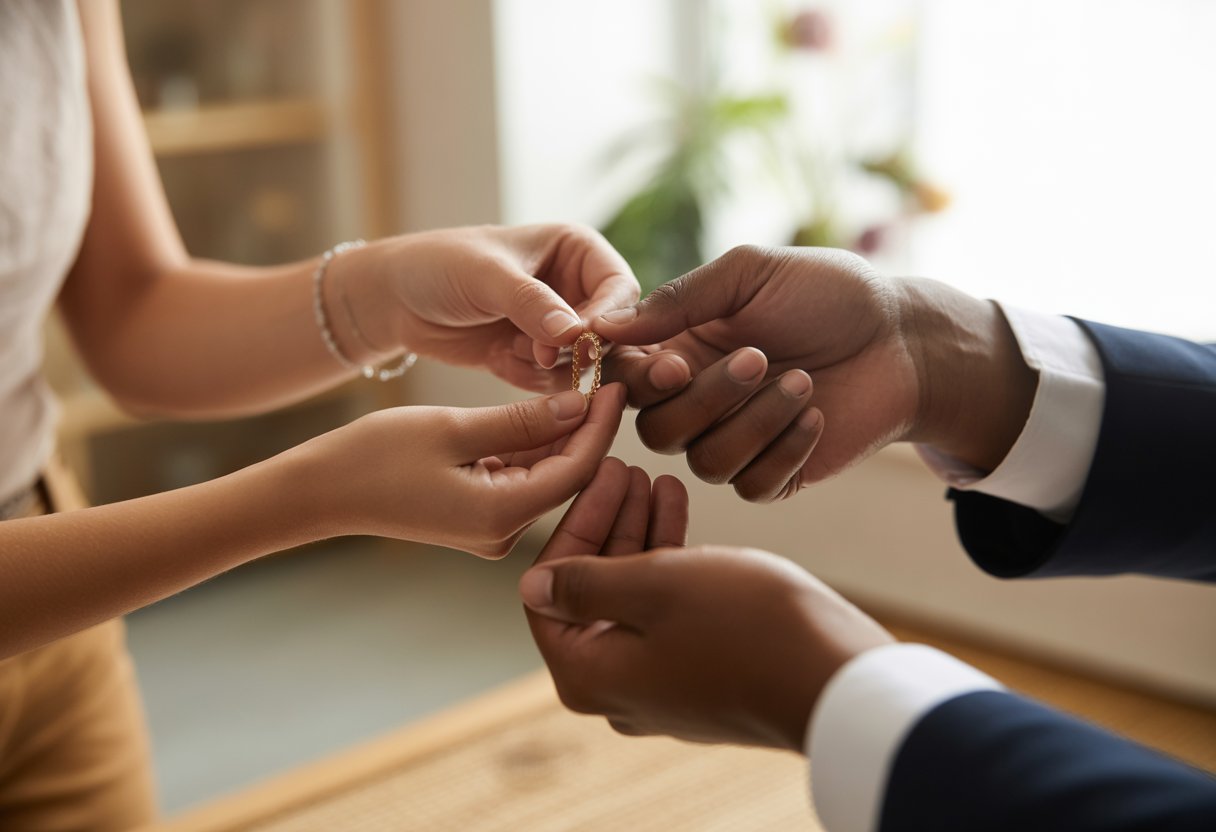
Building trust doesn't happen overnight or through one impressive act. It grows through repeated small actions that demonstrate care and reliability. When someone gives a piece of jewelry, writes a thoughtful note, or simply listens without distractions, they make a deposit into what relationship experts call an emotional bank account. Over time, these deposits add up to create deep bonds and lasting connection.
Thoughtful gifts like personalized jewelry from Zazzle or meaningful pieces from Amazon serve as physical reminders of love and commitment. They work not because of their price tag but because they represent attention, effort, and care. Combined with other small gestures like active listening and keeping promises, these tokens become part of a larger pattern that builds unshakeable trust between partners.
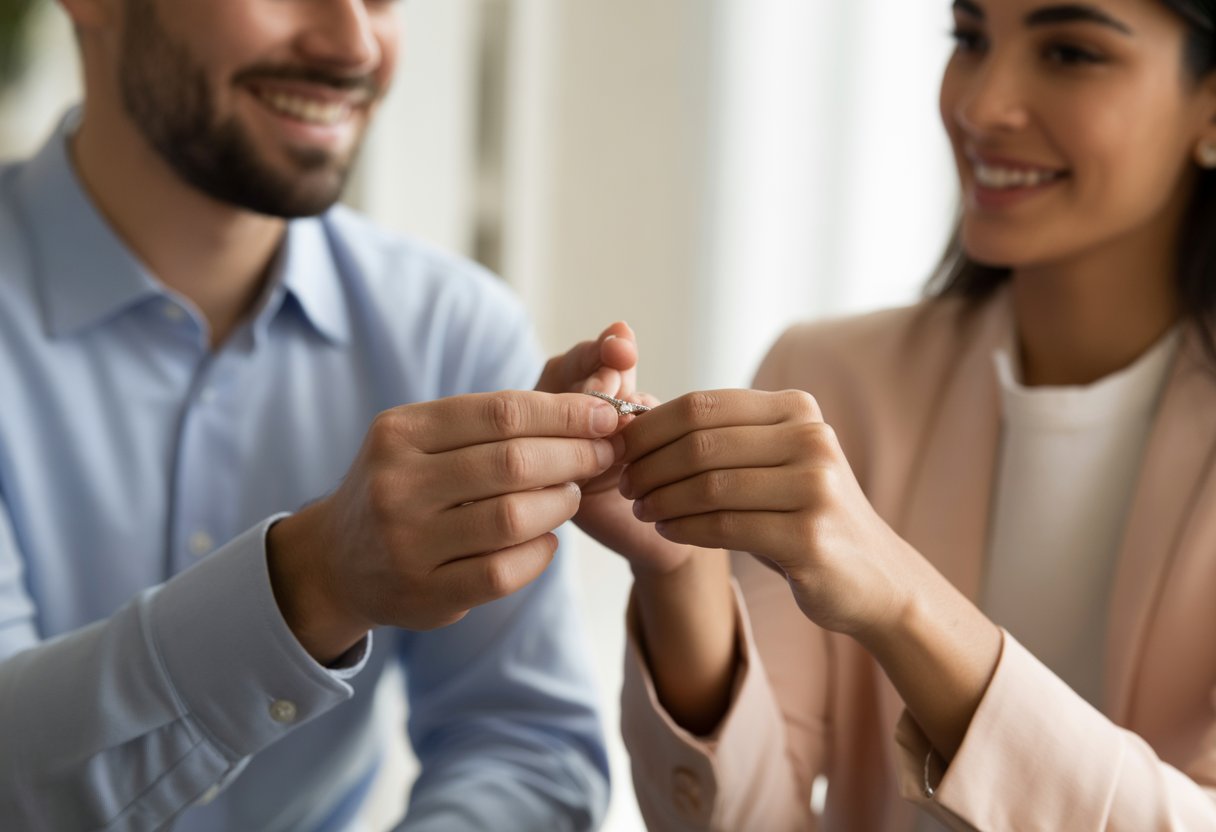
Trust forms through repeated small actions rather than single dramatic moments. People evaluate reliability and care through daily interactions that either strengthen or weaken the bonds between them.
Trust serves as the foundation that allows relationships to function and grow. Without it, people cannot be vulnerable or authentic with each other. They hold back thoughts and feelings, which prevents real connection.
In personal relationships, trust determines how much someone shares about their life. Partners who trust each other discuss hopes, fears, and mistakes without worrying about judgment. Friends confide in those they trust with sensitive information.
Professional relationships depend on trust too. Coworkers collaborate better when they believe others will follow through on commitments. Team members share ideas more freely when they trust their contributions will be valued rather than dismissed or stolen.
When trust exists, people feel secure enough to take risks together. They know the other person will support them even when things go wrong. This security creates space for both individuals to grow.
Trust builds in small amounts over time rather than all at once. Each interaction adds or subtracts from an ongoing account. A person who shows up on time repeatedly demonstrates reliability. Someone who keeps small promises proves they will likely keep bigger ones.
The process works through consistent behavior patterns. One kind gesture does not create trust. Ten kind gestures begin to establish a pattern. A hundred kind gestures build a reputation.
Small actions that build trust include:
Physical tokens like personalized jewelry can reinforce this incremental process. A bracelet worn daily serves as a tangible reminder of the relationship and the trust built within it.
Most trust-building happens in moments people barely notice. Someone hands their phone to a stranger for a photo. A person leaves belongings at a table while getting coffee. These acts require trusting others to behave honorably.
Everyday interactions create countless opportunities to either build trust or damage it. Maintaining eye contact during conversations shows respect. Listening without interrupting demonstrates that someone values what others say. These small gestures shape how people perceive each other.
The invisible nature makes trust easy to overlook until it breaks. People often take reliable behavior for granted. They notice immediately when someone fails to deliver on a promise or acts inconsistently with past behavior.
Gift items from sites like Zazzle can make trust visible through symbolic objects. A custom necklace or ring transforms abstract feelings into something concrete that reminds both people of their connection each time they see it.
Small gestures are everyday actions that show care and attention without requiring much time or money. These thoughtful acts create emotional connections and demonstrate that someone values their partner's happiness.
A small gesture is any action that shows consideration for another person's needs or feelings. These acts don't need to be expensive or time-consuming to have meaning. The key factor is that they demonstrate awareness of what matters to the other person.
Key characteristics include:
Simple gestures work because they build trust through consistent actions rather than one-time events. A text message checking in after a hard day requires minimal effort but shows attentiveness. Making a partner's favorite coffee in the morning takes five minutes but communicates care.
Thoughtful gestures appear in many forms throughout daily life. Daily acts of kindness and appreciation help partners feel valued and strengthen emotional bonds over time.
Common meaningful gestures:
These actions matter because they show your partner they matter to you and help build trust. The gesture itself is less important than the thought behind it.
Consistent small actions create deeper emotional bonds than occasional large displays because they demonstrate ongoing care and attention. Regular thoughtful acts also trigger positive psychological responses that strengthen trust between people.
Small gestures build trust through repetition rather than intensity. When someone receives a meaningful piece of jewelry or a thoughtful note regularly, these acts stack up over time to create a foundation of reliability. Small, consistent acts of kindness sustain relationships more effectively than rare expensive gifts.
A person who sends a simple text message every morning shows more dedication than someone who only appears during major holidays. This pattern matters because the brain recognizes consistency as a signal of genuine commitment. Each small act reinforces the previous one, creating a chain of positive experiences.
The emotional connection grows stronger with each gesture. A bracelet given on a random Tuesday means more than an elaborate gift on Valentine's Day because it shows unprompted thoughtfulness. These moments demonstrate that someone values the relationship enough to maintain it without special occasions as reminders.
Research on micro-habits and relationship rituals shows that daily actions create stronger bonds than grand romantic displays. People remember how they felt during everyday moments more vividly than they recall single dramatic events.
Small gestures activate the brain's reward centers differently than grand displays. When someone receives an unexpected small gift like a charm for their necklace, it triggers genuine surprise and appreciation. These subtle acts feel more authentic because they lack the pressure and expectation that come with elaborate presentations.
The psychological effect stems from perceived effort and attention to detail. A person who remembers a specific preference and acts on it demonstrates active listening and care. This recognition of shared humanity creates deeper emotional bonds than expensive but generic gifts.
Thoughtful little gestures also reduce relationship anxiety. Consistent small acts provide regular reassurance that someone is thinking about their partner. This steady flow of positive reinforcement builds security and comfort.
Trust develops when actions match words over extended periods. A personalized jewelry piece given without fanfare shows genuine understanding of someone's taste and style. These moments prove that attention is being paid even during ordinary days, which matters more for long-term connection than occasional dramatic gestures.
Small acts of appreciation create emotional bonds that strengthen over time. When people receive genuine expressions of gratitude, they feel valued and understood.
Showing appreciation doesn't require grand gestures or expensive gifts. Simple daily actions build trust more effectively than occasional big moments.
A heartfelt "thank you" carries real weight when delivered with sincerity. Looking someone in the eye and acknowledging their specific contribution makes the message more powerful. Writing a quick note on paper creates a lasting reminder that someone took time to express gratitude.
Physical tokens serve as tangible reminders of appreciation. A small piece of jewelry like a charm bracelet becomes a daily reminder of someone's thoughtfulness. These items work better than flowers or food because they last longer and can be worn regularly.
Compliments about specific actions matter more than vague praise. Telling someone "I noticed how patient you were during that meeting" hits harder than "You're great." The specificity shows genuine attention and care. Small gestures strengthen connections when repeated consistently over weeks and months.
When people express gratitude regularly, their relationships become stronger and more resilient. The person receiving appreciation feels recognized for their efforts and contributions.
Research shows that gratitude activates reward centers in the brain. The act releases dopamine, which creates feelings of pleasure and strengthens social bonds. Both the giver and receiver experience these positive effects.
People who feel appreciated show more willingness to help again in the future. They invest more energy into maintaining the relationship. A personalized necklace from Amazon or custom jewelry from Zazzle becomes a physical reminder of this emotional connection.
Trust builds gradually through consistent appreciation. Each expression adds another layer to the relationship foundation. Over time, these accumulated moments create deep loyalty and mutual respect between people.
Thoughtful gifts create emotional bonds through personalization and meaningful choices. The impact comes from understanding what matters to the recipient rather than the price tag.
Research shows that thoughtful gifts strengthen relationships by showing genuine care and attention. A piece of jewelry given at the right moment can mark important milestones like weddings or anniversaries. These items become physical reminders of connection and commitment.
The emotional weight of a gift depends on how well it matches the recipient's values and preferences. Jewelry for meaningful occasions often carries more significance than expensive items chosen without thought. A simple necklace that reflects someone's style creates lasting memories.
Small gestures like handwritten notes paired with gifts add another layer of meaning. Handwritten messages convey intimacy and authenticity in ways digital communication cannot match. The combination of a tangible gift and personal words creates powerful emotional responses that strengthen bonds over time.
Personalized gifts signal that the giver truly knows and understands the recipient. When giving to close friends or family, people prioritize gifts that show thoughtfulness even over practical items from wish lists. A custom necklace for a daughter demonstrates effort and attention to individual preferences.
Authenticity matters more than expense. A hand-picked bracelet or personalized photo frame often holds more emotional value than luxury items chosen without care. The key is selecting items that reflect shared experiences or inside knowledge about the person.
Key elements of personalized gifts include:
Customized gift options allow givers to add names, dates, or meaningful messages. These details transform ordinary items into treasured keepsakes that recipients return to repeatedly over the years.
Strong relationships require honest communication and the willingness to be vulnerable with each other. These two elements work together to create deeper connections where both people feel heard and valued.
Active listening means giving full attention when someone speaks. It goes beyond just hearing words. The listener focuses on understanding the meaning behind what's being said.
Being vulnerable creates an environment of safety where people can share their true thoughts and feelings. When someone practices active listening, they show the speaker that their words matter. This includes making eye contact, nodding, and asking follow-up questions.
People can show they're listening through small actions. Putting away phones during conversations demonstrates respect. Repeating back what someone said confirms understanding. A personalized jewelry piece from Zazzle with a meaningful message can serve as a physical reminder of important conversations shared.
Good listeners avoid interrupting or planning their response while others talk. They notice body language and tone of voice. These skills help build trust because the speaker feels truly understood.
Consistent check-ins show that someone cares and wants to maintain the connection. These don't need to be long or formal. A quick text asking "How's your day going?" can strengthen bonds.
Setting aside specific times for deeper conversations helps relationships grow. This might be a weekly coffee date or a nightly talk before bed. The key is consistency rather than length.
During check-ins, people can ask open-ended questions like "What's been on your mind lately?" or "Is there anything I can support you with?" These questions invite honest communication and vulnerability. A thoughtful gift like a necklace from Amazon given during a check-in adds a tangible element to the emotional connection.
Regular contact prevents relationships from drifting apart. It creates space for addressing concerns before they become bigger problems.
Before words are spoken, the body communicates volumes through subtle signals that either build or break trust. These silent messages shape how others perceive reliability and openness in every interaction.
Eye contact serves as one of the most direct ways to establish trust between two people. When someone looks another person in the eye during conversation, it signals attention and honesty. This simple act tells the other person they matter and their words are worth hearing.
The key is balance. Too much eye contact can feel intense or aggressive. Too little suggests discomfort or dishonesty. Most people feel comfortable with eye contact that lasts three to five seconds before briefly looking away.
Nonverbal cues like eye contact create emotional safety, which forms the foundation of trust. This applies whether someone is giving a personalized name necklace to a friend or meeting a new colleague at work.
People notice when others are truly present. Looking at a phone or scanning the room while someone speaks breaks connection instantly.
Body language reveals what words often hide. Open posture with arms uncrossed and shoulders relaxed shows receptiveness. Leaning slightly forward during conversation demonstrates genuine interest.
Small gestures matter more than most realize. A nod shows understanding. A slight head tilt signals empathy. These micro-moments of connection build trust through subtle gestures that happen between spoken words.
Physical positioning also plays a role. Standing or sitting at the same level as another person creates equality. Turning the body fully toward someone rather than at an angle shows they have full attention.
Even the smallest accessories contribute to body language. A custom bracelet from Zazzle or meaningful ring can serve as a conversation starter that softens interactions. These items give people something to notice and comment on, which eases tension and opens dialogue.
Key body language signals:
Building trust through small gestures requires understanding how to create emotional bonds and recognize others' needs. Acts of support and empathetic responses strengthen relationships by showing care through consistent actions.
Offering help demonstrates care in tangible ways that build trust over time. When someone notices a partner struggling with daily tasks and steps in without being asked, it shows attentiveness to their needs. Small acts like taking over a disliked chore or handling an errand create meaningful moments of connection.
Gift-giving represents one form of supportive action. A personalized piece of jewelry from Zazzle chosen specifically for someone's taste shows thoughtfulness. These gifts serve as physical reminders of emotional support.
Support also means being present during difficult times. Listening without interruption, offering comfort through physical touch, or sending a thoughtful text message all qualify as supportive gestures. Partners who consistently offer help create a pattern of reliability that deepens trust. The key is recognizing what type of support someone needs and providing it regularly.
Empathy forms the foundation for recognizing when others need connection. Understanding and acknowledging non-verbal gestures like a worried expression or tense posture helps people respond appropriately to their partner's emotional state. This awareness allows for timely supportive actions.
Jewelry gifts often carry empathetic meaning when chosen with someone's preferences in mind. A charm bracelet from Amazon representing shared memories shows understanding of what matters to them. The giver demonstrates they pay attention to details about the other person's life and values.
Practicing empathy involves:
Repeated positive interactions build trust and emotional intimacy through these empathetic responses. Each small gesture accumulates into a pattern of understanding that strengthens bonds between people.
Making time to focus on each other without distractions and creating regular traditions together strengthens emotional bonds between people in meaningful ways.
Quality time requires more than just being in the same room together. It means putting away phones, turning off the TV, and giving full attention to the person in front of you. These moments of genuine presence allow couples and family members to connect on a deeper level.
Small gestures like nodding, eye contact, and pausing show others they are truly being heard. When someone feels seen and valued during these interactions, trust naturally grows. A simple 15-minute conversation over coffee each morning can become a powerful way to maintain connection.
People often struggle to find enough time in their busy schedules for those they care about. But even short periods of focused attention matter more than long stretches spent together while distracted. A personalized jewelry piece like custom engraved bracelets from Zazzle can serve as a physical reminder of shared moments and commitment.
Regular rituals create consistent opportunities for connection and security. Whether it's a weekly date night, Sunday breakfast together, or annual vacation traditions, these repeated experiences build emotional bonds over time.
Shared rituals remind people to prioritize their relationships even when life gets hectic. Couples who maintain regular traditions report higher levels of connection and trust in their partnerships. These don't need to be elaborate events.
Simple acts work just as well:
Meaningful jewelry from Amazon given during these special moments becomes associated with the tradition itself. A necklace received on every anniversary or bracelet added each birthday transforms into a timeline of shared experiences. These physical tokens connect people to specific memories and reinforce the importance of continuing their traditions together.
Small gestures consistently build emotional security and reduce daily tension. Partners who engage in thoughtful actions report higher satisfaction levels and better mental health outcomes over time.
Daily acts of care create a buffer against life's pressures. When one partner makes coffee in the morning or leaves an encouraging note, they signal emotional availability. This consistency helps both people feel supported during difficult moments.
Small acts of kindness directly impact relationship satisfaction more than grand gestures. The predictability of these actions reduces anxiety about the relationship's stability. Partners worry less about whether they matter to each other.
Physical tokens like jewelry serve as tangible reminders of connection. A thoughtful piece given as a graduation gift for a goddaughter or partner creates lasting comfort. The wearer can touch or see the item during stressful moments, bringing immediate reassurance.
Research shows that couples who maintain these patterns experience lower cortisol levels. Their bodies physically respond to feeling valued and secure.
Couples who regularly engage in small gestures report higher satisfaction levels than those who rely on occasional big moments. The frequency matters more than the size of the action. Daily micro-moments build stronger foundations than yearly grand displays.
These actions strengthen relationship satisfaction because they address fundamental human needs. Everyone wants to feel noticed, valued, and prioritized. Simple gestures like personalized jewelry or remembering a partner's coffee preference meet those needs consistently.
Mental health improves when people feel secure in their relationships. Partners experience less depression and anxiety when they know someone consistently thinks about their wellbeing. The cumulative effect of small kindnesses creates emotional resilience that helps couples navigate challenges together.
Custom gifts on platforms like Zazzle allow partners to create meaningful symbols of their connection. These items become physical representations of ongoing care and attention.
Small gestures like jewelry gifts strengthen relationships by showing consistent care and attention. These actions build trust through repeated demonstrations of thoughtfulness and commitment.
Giving jewelry creates a physical reminder of connection between partners. The person receiving the gift sees and touches the piece throughout their day, which keeps their partner present in their thoughts.
Jewelry holds emotional weight because it requires thought and planning. Selecting a piece that matches someone's style shows genuine attention to their preferences and personality.
The act of small gestures builds trust because it demonstrates reliability without demanding recognition. When someone gives jewelry without expecting anything in return, it signals pure affection.
These gifts become symbols of specific moments or milestones. A necklace might represent an anniversary or a bracelet could mark overcoming a challenge together.
Non-verbal communication often carries more meaning than words. A piece of jewelry speaks without requiring explanation or justification.
The choice to give something lasting shows commitment to the relationship's future. Unlike flowers that fade or chocolates that get eaten, jewelry remains as a constant presence.
Wearing a gift from someone displays loyalty and appreciation publicly. When others notice the jewelry, it reinforces the bond between the giver and receiver.
Physical touch while placing a necklace or bracelet on someone creates intimacy. These moments of closeness build connection through gentle, caring actions.
Consistent small gestures create trust through predictable patterns of care. Relationships grow stronger when partners know they can count on thoughtful behavior.
Regular small gifts prevent relationships from becoming routine or taken for granted. A surprise pair of earrings on an ordinary Tuesday shows that love exists beyond special occasions.
These actions accumulate over time to form a foundation of security. Each small gesture adds another layer of trust and understanding between people.
Consistency matters more than grand displays. A person who regularly gives small tokens of affection proves more reliable than someone who only makes occasional dramatic gestures.
Intentional gifts show that someone pays attention to details. Choosing jewelry that matches a partner's favorite color or style demonstrates active listening and observation.
Small gestures work best when they align with personal preferences. A charm bracelet with meaningful symbols creates deeper connection than an expensive but generic piece.
Timing enhances the impact of minor gestures. Giving a simple ring during a difficult period shows support when it matters most.
These actions communicate priorities through resource allocation. Spending time selecting the right piece proves that the relationship holds value. Just as parents put thought into writing meaningful birthday wishes, selecting jewelry requires personal consideration.
Trust requires repeated proof over extended periods. A single gift creates a moment, but consistent gestures build lasting bonds.
Relationships suffer when affection appears unpredictable or sporadic. Regular small actions establish patterns that partners learn to rely on.
Security grows when people know what to expect from each other. Consistent thoughtfulness removes doubt about commitment and care.
Small, regular gestures prevent resentment from building. They show ongoing appreciation rather than taking the relationship for granted between major events.
Thoughtful gifts demonstrate investment in understanding a partner. Someone who gives personalized jewelry from Amazon proves they know their partner's taste.
The permanence of jewelry signals long-term thinking. Giving something designed to last years shows expectation of continued connection.
Quality matters less than consideration. An inexpensive but meaningful piece can build more trust than expensive jewelry chosen carelessly.
These gifts create shared history through tangible objects. Looking at a bracelet years later brings back memories of when and why it was given. Partners can also find personalized jewelry options at Zazzle that reflect unique relationship stories.
Recipients feel valued when gifts match their actual preferences. This validation strengthens their perception of being truly known and appreciated by their partner.