
Your Cart is Empty
A simple necklace can transform into something far more valuable than its materials when it carries the weight of family history and love. Many families discover that jewelry becomes a bridge connecting past, present, and future generations, holding memories and emotions that transcend time. A necklace becomes a family legacy when it is intentionally chosen or designed to represent family values, passed down through generations, and carries the stories and memories of those who wore it before.
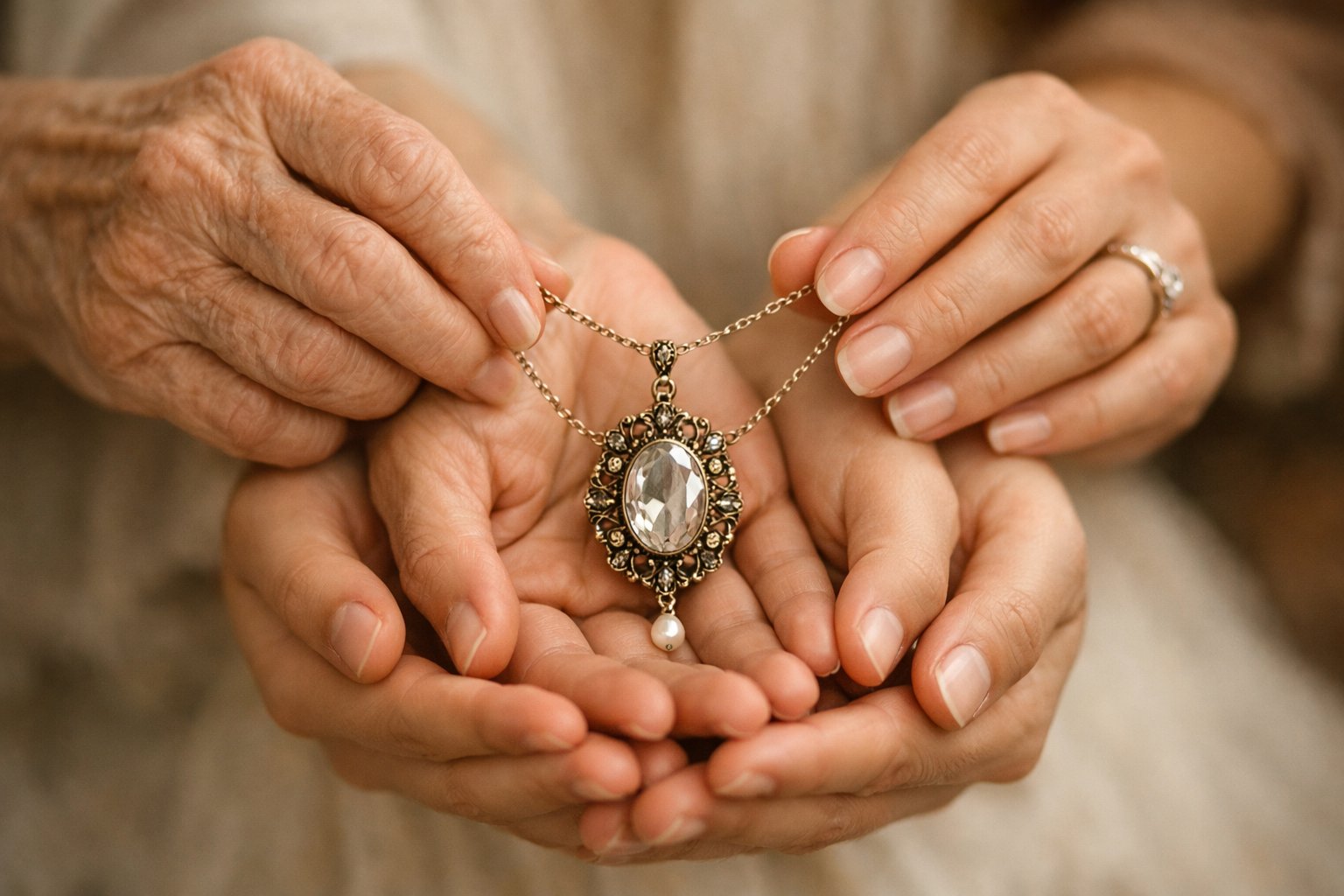
The transformation from ordinary jewelry to treasured heirloom happens through both intention and time. Personalized pieces with engravings or birthstones create immediate connections to specific family members and moments. Other necklaces gain their significance gradually as they witness weddings, births, and other milestones across decades.
Creating or designating a necklace as a family legacy requires thoughtful consideration of design, meaning, and durability. Families can start this tradition with custom jewelry featuring family symbols or by passing down existing pieces with clear stories attached. The most meaningful heirlooms combine quality craftsmanship with personal significance that resonates across generations.
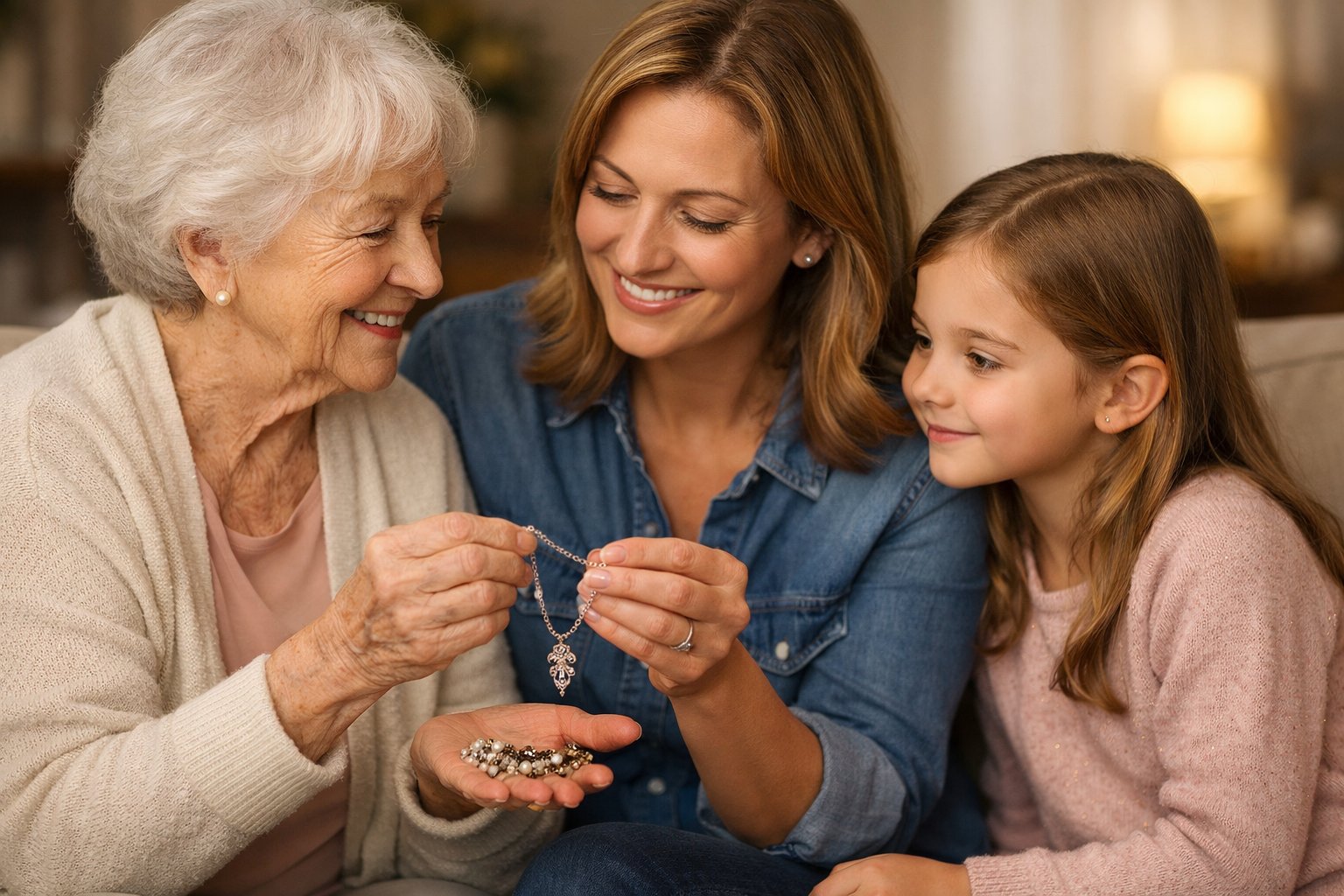
A necklace transforms into something far more valuable than jewelry when it carries the weight of family history and personal memories. These pieces become physical links between past and present, holding stories that span decades and connect people across time.
A necklace earns its status as family heirloom jewelry through a combination of quality, meaning, and intention. The materials matter significantly. Gold, platinum, and precious gemstones withstand the test of time better than fashion jewelry.
Key characteristics of heirloom necklaces include:
The decision to pass down jewelry through generations often happens intentionally. Some families designate pieces as heirlooms from the moment of purchase, while others emerge naturally as they move from one generation to the next. A simple pearl strand or pendant can become just as meaningful as an elaborate diamond piece when it carries the right memories.
Wearing heirloom jewelry creates profound emotional experiences that bridge the gap between family members separated by time. When someone puts on their grandmother's necklace, they carry a tangible piece of that person with them. This physical connection provides comfort and a sense of belonging.
The act of receiving a family heirloom necklace represents trust and continuity. It signals that the recipient has been chosen to carry forward something precious. Many people report feeling closer to relatives they never met when wearing their jewelry.
These pieces serve as conversation starters that keep family stories alive. A daughter wearing her mother's necklace might share its history with her own children, ensuring that memories persist. The jewelry becomes a teaching tool that helps younger generations understand where they come from.
Every family heirloom carries narratives that give it meaning beyond its monetary value. A necklace might mark a wedding, commemorate a birth, or celebrate an achievement. These stories transform metal and stones into chapters of family history.
Documentation helps preserve these narratives. Writing down the history of each piece ensures that details don't fade with time. Some families include photographs, original receipts, or letters that explain when and why someone received the necklace.
The stories often reveal character traits and values that define a family. A necklace purchased during difficult times might represent resilience. Gifts to daughters often carry messages about strength, love, and hope for the future. One purchased to mark a professional achievement might emphasize the importance of education or hard work.
Sharing these stories intentionally ensures they survive for future generations. Recording them in writing, video, or audio format adds another layer of preserving family legacy alongside the physical jewelry itself.
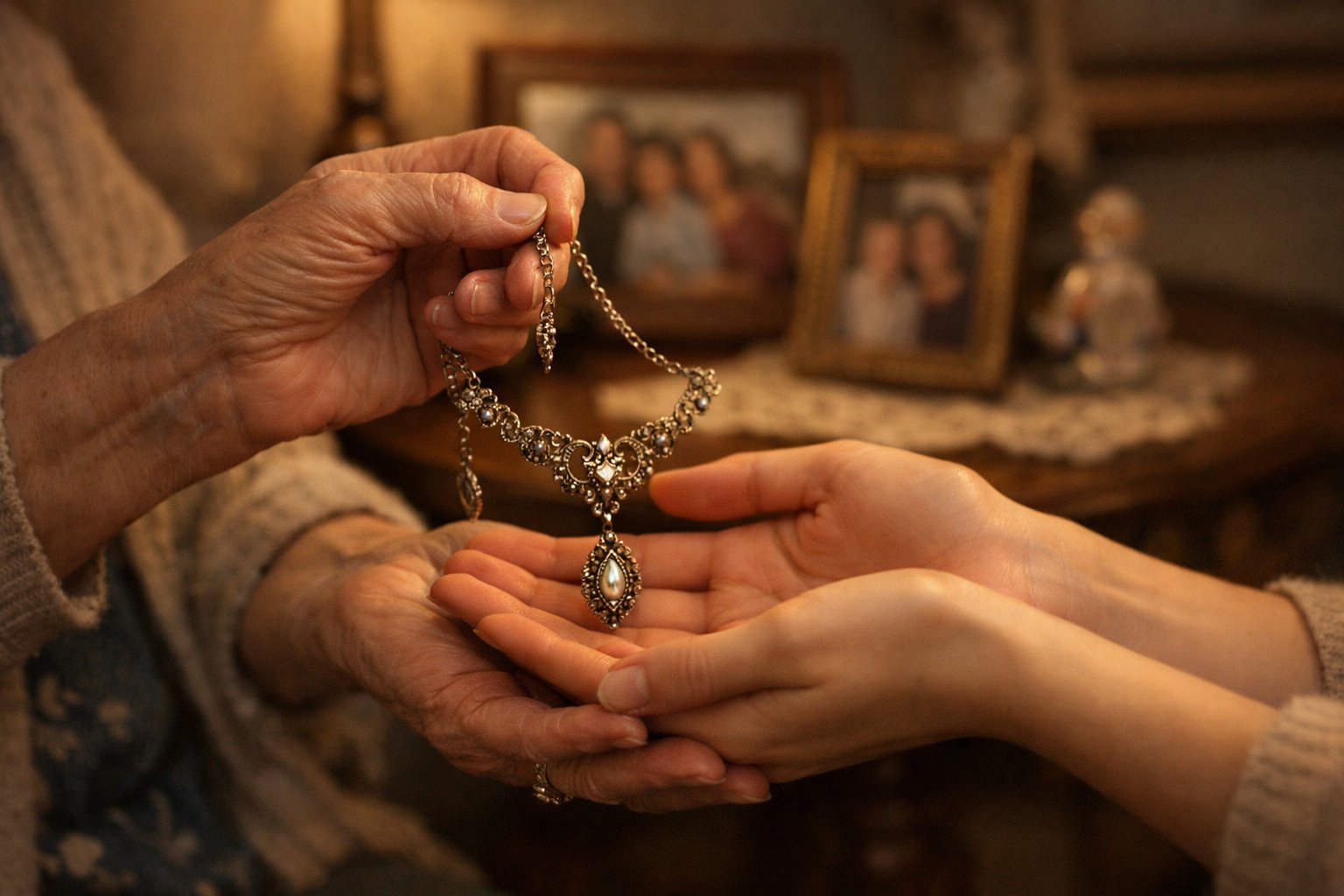
Jewelry carries deep meaning that goes beyond its material worth. When families pass down necklaces and other pieces, they preserve stories, strengthen bonds between generations, and create meaningful rituals that honor their shared history.
Passing down jewelry connects families to their roots and keeps traditions alive. A grandmother's pearl necklace or a mother's gold chain becomes more than an accessory. It transforms into a physical link to the past.
Each piece holds stories about the people who wore it before. A necklace might have been worn at a wedding, gifted during a special birthday, or purchased during a meaningful trip. These stories give the jewelry its true value.
Common traditions include:
Families without established customs can start their own. The act of beginning a tradition carries its own significance. It shows intention and care for future generations.
Family jewelry builds bridges between grandparents, parents, and children. When a younger family member receives a necklace, they gain a tangible connection to relatives they may have never met.
The emotional weight of inherited jewelry often exceeds its financial value. A simple chain worn by a great-grandmother can mean more than an expensive new piece. It represents love, history, and belonging.
These connections work both ways. Older generations find comfort knowing their treasured items will continue in the family. Younger recipients gain a sense of identity and place within their family story.
Wearing inherited necklaces keeps loved ones close. Many people report feeling connected to deceased relatives when wearing their jewelry. This physical reminder provides comfort during important moments.
The way families transfer jewelry matters as much as the pieces themselves. Creating special moments around gifting necklaces adds layers of meaning to the exchange.
Popular gifting occasions:
Some families present necklaces during private conversations. Others make it part of larger celebrations. The setting should match the relationship and the significance of the piece.
Sharing the necklace's history during the transfer enriches the experience. Speaking about who wore it, when they received it, and what it meant to them brings the jewelry to life. Written documentation helps, but oral storytelling creates stronger emotional connections.
Families can also incorporate jewelry as heirloom pieces into regular traditions. Wearing the same necklace at every family wedding or holiday gathering reinforces its role as a family symbol. These repeated rituals strengthen the jewelry's meaning with each generation.
Photography documents these moments for future family members. Taking pictures of each person wearing the necklace creates a visual family timeline. These images become treasured records of preserving memories alongside the physical pieces.
Different necklace styles carry unique significance when passed through generations. Pearl strands represent elegance and tradition, lockets preserve cherished memories and photographs, while diamond pieces symbolize enduring love and family bonds.
Pearl necklaces stand as timeless symbols of sophistication that transcend fashion trends. Genuine pearls develop their luster over decades of wear, making them ideal for multi-generational inheritance.
Common pearl heirloom types include:
Pearls from wedding days hold particular meaning for families. A bride's pearl necklace often becomes the wedding gifts for her daughter or granddaughter wears on their own special day. The organic gemstone's soft glow complements all skin tones and ages gracefully, unlike metal pieces that may show wear.
Cultured pearls offer similar beauty to natural pearls at accessible prices. Quality pearl strands maintain their value when properly stored away from heat and chemicals.
Lockets serve as portable memory capsules that keep loved ones close to the heart. These hinged pendants typically hold tiny photographs, locks of hair, or inscribed messages inside their concealed compartments.
Victorian-era lockets often feature intricate engravings and may contain hair art from deceased relatives. Gold and silver lockets withstand daily wear better than plated versions. Heart-shaped designs remain popular, though oval and round styles offer classic alternatives.
Key features of heirloom lockets:
Modern families add new photographs to antique lockets, creating a visual timeline across generations. Some lockets include small charms or birthstones on the exterior, personalizing the piece further. The intimate nature of lockets makes them deeply personal keepsakes that carry forward family stories.
Diamond necklaces represent lasting commitments and significant life achievements worth preserving. These precious stone pieces often mark major milestones like anniversaries, graduations, or business successes.
Solitaire diamond pendants offer versatile elegance that pairs with any outfit. Tennis necklaces featuring continuous diamond links make bold statement pieces. Three-stone designs symbolize past, present, and future—appropriate for generational transfer.
Diamond quality affects longevity and value. Well-cut stones maintain their brilliance through decades of wear. Settings in platinum or 14k gold protect the stones while providing durability.
Families sometimes reset inherited diamonds into contemporary designs while preserving the original stones. This practice honors the past while creating meaningful pieces for current tastes. Appraisals document diamond specifications and help with insurance coverage for valuable heirloom necklaces.
Custom pieces allow families to capture their unique stories through jewelry that reflects individual members, meaningful dates, and ancestral roots. These personalized touches transform ordinary necklaces into treasured keepsakes that carry significance across generations.
Birthstone jewelry offers a tangible way to represent each family member on a single piece. A mother's necklace might feature the birthstones of all her children arranged in order of birth, creating a colorful reminder of her family. Grandmothers often wear pendants displaying the birthstones of multiple generations, from children to grandchildren.
These pieces work particularly well as personalized jewelry for mom gifts for special occasions like Mother's Day or milestone birthdays. The stones can be set in various configurations, from linear bars to circular clusters or tree-of-life designs.
Popular birthstone arrangements include:
Many jewelers offer the option to add new stones as families grow. This adaptability makes birthstone necklaces practical investments that evolve with changing family structures.
Engraving transforms jewelry into deeply personal artifacts through names, dates, or meaningful phrases. Custom engraved necklaces can feature the names of children or family members on pendants, bars, or medallions. Some families choose to engrave wedding dates, birth dates, or coordinates of significant locations.
Initial jewelry provides a more subtle approach to personalization. A pendant bearing a family's shared initial or the initials of individual members creates connection without elaborate detail. An engraved ring worn alongside a necklace creates a coordinated set that reinforces family identity.
Modern engraving technology allows for intricate designs including handwriting reproduction, fingerprints, or even sound waves from recorded messages. These advanced options add emotional depth that standard text cannot match.
Family crest pendants preserve ancestral symbols through wearable art. These pieces display traditional coat of arms imagery or heraldic crests that connect wearers to their lineage. Artisans use deep-engraving methods to capture every detail of historic family emblems.
Custom jewelry also incorporates cultural symbols, religious icons, or patterns specific to ethnic backgrounds. A family might commission a necklace design featuring Celtic knots, African adinkra symbols, or Asian characters that represent their heritage values.
Some families create entirely new designs that blend multiple cultural influences or represent shared experiences. These original pieces become the foundation for new traditions rather than continuing existing ones. The custom design process typically involves collaboration with jewelers who sketch concepts before final production.
Family jewelry takes many forms beyond necklaces, with rings and bracelets serving as powerful connections between generations. Each type of jewelry carries its own traditions and ways of preserving family history.
Heirloom rings represent some of the most treasured pieces in family collections. Engagement rings often follow specific inheritance patterns, with many families choosing to pass them to firstborn daughters or sons when they reach marriage age.
An engraved ring adds another layer of meaning through initials, special dates, or short messages that keep family connections physically present. These engravings help future generations understand the significance of each piece.
Some families transform vintage rings into modern designs while preserving the original gemstones. A skilled jeweler can update settings without losing the emotional value attached to the stones themselves. This approach works well when older styles don't match current tastes but the family wants to maintain the connection.
Common inheritance practices include:
Charm bracelets offer unique storytelling opportunities through jewelry pieces that represent family milestones. Each charm documents a specific moment, person, or achievement in family history.
Parents often start charm bracelets for daughters at birth, adding new charms for graduations, travels, or significant life events. This creates a wearable timeline that grows with the person wearing it. The bracelet becomes more valuable with each addition.
Vintage charm bracelets from grandmothers frequently include charms that puzzle younger generations. A tiny shoe might represent a first baby, while a ship could mark an important voyage. These pieces spark conversations about family history that might otherwise get forgotten.
Some families pass down charm collections rather than complete bracelets, allowing each generation to select meaningful pieces and add their own. This practice keeps the tradition alive while giving people freedom to create something personal.
Wedding rings carry deep family significance when they travel through multiple marriages across generations. Many families establish rituals around wearing grandmother's or great-grandmother's wedding band during the ceremony.
The tradition of wearing an ancestor's wedding ring on the actual wedding day creates a powerful connection to past marriages and family values. Some brides wear these rings on their right hand or on a chain if sizing doesn't match. Others choose to have the rings resized by specialists who understand antique jewelry.
Anniversary bands also become family treasures worth passing down. These rings often feature multiple stones that can be reset into new pieces for several family members. A mother's 25th anniversary band might become pendants for three daughters while maintaining the original diamonds.
Ways families incorporate wedding jewelry:
The ideal piece for starting a family tradition balances emotional significance with physical durability. Quality materials and expert construction ensure the jewelry withstands decades of wear while carrying forward meaningful stories.
Emotional connection matters more than price when selecting heirlooms to start new family traditions. A modestly priced piece given at a milestone moment often holds greater meaning than an expensive item with no story attached.
Consider timing the gift to mark significant life events. A necklace given at graduation creates an instant memory tied to achievement and new beginnings. The recipient wears it knowing exactly when and why they received it.
Custom jewelry allows families to embed personal meaning into the design itself. Engravings of dates, initials, or short phrases transform standard pieces into unique family treasures. A pendant featuring birthstones of family members or symbols representing shared values becomes irreplaceable.
The recipient's personal style matters too. A piece they'll actually wear stays in circulation rather than sitting unworn in a drawer. Choose designs that complement their existing taste while maintaining enough classic appeal to age well.
Quality construction determines whether jewelry survives multiple generations. Solid metals like gold, platinum, and sterling silver resist tarnishing and maintain structural integrity over time. Plated or filled metals eventually wear through and require replacement.
Settings for gemstones need secure prongs or bezels. Loose stones risk falling out during normal wear. Jewelers who specialize in custom heirloom pieces understand which construction methods withstand daily use.
Chain strength matters for necklaces. Delicate chains break easily and require frequent repair. Look for sturdy links with quality clasps that won't fail unexpectedly.
Examine these durability factors:
Professional maintenance extends jewelry lifespan significantly. Annual inspections catch problems before they cause permanent damage.
Adding meaningful symbols and documenting their stories transforms a necklace from simple jewelry into a tangible connection between generations. These personal touches create layers of meaning that future family members will treasure.
Family sigils and crests serve as visual representations of what a family values most. These symbols can include elements like keys for honesty, oak trees for strength, or animals that hold cultural significance. A family with Irish heritage might choose Celtic knots, while Mediterranean roots could inspire olive branch designs.
Custom jewelry allows families to blend multiple meaningful elements into one piece. Birthstones representing each family member can surround a central family crest. Initials can be engraved alongside important dates like wedding anniversaries or the year a family business started.
Common symbol meanings include:
The key is selecting symbols that genuinely reflect the family's shared experiences and values. Even professions can inspire designs—a caduceus for medical families or apples for educators.
Written documentation preserves the meaning behind each design choice for future generations. This record should explain why specific stones were chosen, what each symbol represents, and which family members influenced the design. The documentation becomes as valuable as the jewelry itself.
Details to record include the jeweler's name, purchase date, metal type, and stone specifications. More importantly, families should note the emotional reasons behind each element. Perhaps a sapphire represents wisdom passed from grandmother to granddaughter, or a specific date commemorates when the family immigrated.
Personalized jewelry holds memories and emotions that need context to remain meaningful. A simple note explaining that the necklace's three diamonds represent three generations helps future wearers understand their connection to the piece. This information can be stored in a family Bible, a jewelry box note, or a digital document shared among relatives.
Technology has transformed how families create lasting legacies, with memorial diamonds offering a scientific way to preserve memories and new materials allowing for unprecedented customization in heirloom jewelry design.
Memorial diamonds transform cremated remains or hair into genuine diamonds through laboratory processes. The creation requires approximately 8 ounces of cremated ashes or 0.07 ounces of hair, which undergoes carbon extraction and purification to 99.9% purity.
The diamonds form through High Pressure High Temperature (HPHT) or Chemical Vapor Deposition (CVD) methods. HPHT subjects carbon to pressures exceeding 870,000 pounds per square inch at temperatures over 2,500°F, while CVD grows diamonds atom by atom in specialized chambers.
Size and Color Options:
Blue hues occur naturally due to boron in human remains. Yellow and amber diamonds cost less, while colorless, red, and vivid blue require additional processing. The entire process takes 7-10 months from submission to delivery.
These diamonds become wearable heirloom jewelry pieces set in rings, pendants, or earrings. Families can create multiple diamonds from one individual's remains, allowing several members to carry their own keepsake.
Modern jewelers combine traditional precious metals with innovative materials like titanium, ceramic, and lab-grown gemstones. These materials offer durability and unique aesthetic properties unavailable in conventional designs.
Three-dimensional printing technology allows for intricate custom designs previously impossible to create by hand. Computer-aided design software enables precise visualization before production begins.
Laser engraving adds hidden messages, dates, or symbols inside bands or on stone settings. This personalization remains invisible to others but holds deep meaning for wearers.
Popular Modern Techniques:
Lab-grown diamonds cost 40-60% less than mined stones while maintaining identical physical properties. This affordability allows families to create larger or more elaborate pieces within budget constraints.
Custom personalized necklaces can incorporate multiple elements representing different family members or generations. These multi-stone designs tell complex family stories through thoughtful arrangement and material selection.
Heirloom necklaces require specific storage conditions, regular maintenance, and careful documentation to remain beautiful and intact for future generations. Understanding proper cleaning methods and knowing when professional restoration is necessary protects both the physical piece and the memories it represents.
Heirloom necklaces need individual storage to prevent tangling and damage. Each piece should be kept in a soft cloth pouch or a lined jewelry box with separate compartments. The storage area must stay cool and dry, away from direct sunlight and extreme temperature changes.
Humidity control is essential for preserving metal and gemstone quality. A small dehumidifier in the storage space prevents moisture damage and tarnishing. Necklaces with pearls or opals need extra care since these materials are sensitive to dry conditions.
Cleaning should be gentle and appropriate for the specific materials. A soft, lint-free cloth works well for most pieces. Harsh chemicals or ultrasonic cleaners can damage delicate settings and stones. For pieces with intricate details like dangle name pendants, a soft brush can remove dirt from hard-to-reach areas.
Professional cleaning once a year helps maintain brilliance and structural integrity. Between professional cleanings, owners should inspect necklaces for loose stones or weakened clasps every few months.
Professional assessment determines what restoration work an heirloom needs. Trained jewelers examine the piece for structural issues, worn prongs, broken clasps, or faded finishes. This evaluation protects the necklace's value and authenticity.
Common repairs include tightening loose stones, replacing worn clasps, and reinforcing weak links. Master craftsmen combine traditional techniques with modern tools to maintain the original character while ensuring durability. The restoration process must preserve the patina and historical elements that give the piece its unique character.
Some damage requires immediate attention to prevent further deterioration. Broken chains or missing stones should be addressed quickly. A jewelry storage box with anti-tarnish lining https://www.amazon.com/dp/B0BQJ6H5ZL?tag=kjtunsazn25-20 helps protect pieces between inspections.
Documentation before and after restoration preserves the piece's history. Photographs and written records of all work performed become part of the necklace's story for future generations.
Written care instructions ensure future owners understand how to maintain the heirloom properly. These documents should include the necklace's history, materials, previous repairs, and specific cleaning requirements. Detailed records help preserve both the physical piece and the memories attached to it.
Creating a care guide involves listing the type of metal, gemstones, and any special features. Instructions should specify which cleaning methods are safe and which to avoid. Information about when and where the piece was made adds context for preserving memories across generations.
Sharing stories about the necklace creates emotional connections that encourage proper care. Family members who understand the piece's significance are more likely to maintain it carefully. Personalized jewelry storage cards https://www.zazzle.com/custom_jewelry_care_instruction_cards-256428907982385950?rf=238275180210718222 can include both care instructions and family history.
Professional appraisals every few years document the necklace's current condition and value. These records help future owners make informed decisions about insurance, restoration, and continued preservation.
Teaching younger family members about jewelry heirlooms requires sharing detailed stories and actively involving them in family customs. These efforts help preserve the emotional and historical value of each piece.
Family members should document the complete history of each necklace, including who owned it, when they wore it, and what events it commemorated. Written accounts work best when they include specific details about the original owner's life, the circumstances of purchase or creation, and memorable moments when the piece was worn. Passing jewelry through generations becomes more meaningful when recipients understand these connections.
Photographs showing ancestors wearing the necklace add visual context to written stories. Video recordings capture tone and emotion that text alone cannot convey. Families should store these records in multiple formats, including physical albums and digital files, to prevent loss over time.
Younger generations need practical education about proper jewelry care. This includes cleaning methods, storage solutions, and handling techniques that prevent damage. Teaching the historical context of design elements helps recipients appreciate craftsmanship from different eras.
Creating regular opportunities for family members to interact with heirloom jewelry strengthens connections across generations. Special occasions like weddings, graduations, or milestone celebrations provide natural moments to introduce younger relatives to these pieces.
Families can establish rituals around jewelry presentation. Some choose formal ceremonies during reunions, while others prefer intimate moments during one-on-one conversations. The setting matters less than the intention to pass along both the physical item and its significance.
Allowing younger family members to wear heirloom necklaces before ownership transfers helps them develop personal connections. This hands-on experience makes abstract family history tangible. Families should encourage modern interpretations, such as wearing pieces in new ways or pairing them with contemporary styles, which keeps the tradition relevant.
Family necklaces carry stories across generations and connect people to their roots through tangible objects. Understanding how to value, preserve, and pass down these pieces requires knowledge of both practical care and emotional significance.
A necklace becomes a physical link to ancestors and their experiences. The piece may have been worn during important moments like weddings, anniversaries, or milestone celebrations that shaped the family's story.
Design elements often reflect the era and culture when the necklace was created. A Victorian locket or Art Deco pendant reveals the tastes and values of family members who lived decades or centuries ago.
The materials used in the necklace can indicate geographic origins or economic circumstances. Stones native to a specific region might show where ancestors lived, while the choice of metals could reflect the family's resources at that time.
Many families follow milestone events as perfect moments to transfer necklaces to the next generation. Weddings, 18th or 21st birthdays, graduations, and the birth of a child serve as common occasions for these gifts.
Some families designate specific pieces for firstborn children or follow gender-based customs. Others create new traditions that better reflect their values and family structure.
Early conversations help establish expectations and preferences. Discussing which pieces hold meaning for different family members reduces confusion and hurt feelings later.
Written documentation accompanies the physical transfer in thoughtful families. A note explaining the necklace's history and why it was chosen for that specific person adds depth to the gift.
Layering vintage necklaces with contemporary pieces creates a balanced look. A delicate antique chain pairs well with modern minimalist pendants to bridge different style eras.
Wearing heirloom necklaces during everyday activities keeps them relevant rather than locked away. A pearl strand or vintage pendant can elevate everyday outfits while honoring their history.
Mixing metals and textures allows heirloom pieces to fit current fashion trends. Gold, silver, and rose gold can be combined without following outdated matching rules.
Redesigning elements of an heirloom necklace makes it wearable for someone with different tastes. A skilled jeweler can reset stones or modify the chain length while preserving the piece's essence and meaning. You can find jewelry design supplies on Amazon to help with minor adjustments.
Emotional significance often exceeds financial value for family necklaces. The piece may represent a beloved grandmother or commemorate a significant family achievement that money cannot measure.
Stories attached to the necklace add layers of meaning. Knowing who wore it, when they wore it, and what events it witnessed transforms metal and stones into a family narrative.
The rarity of the piece within the family matters more than market rarity. If only one necklace survived from a great-grandmother's possessions, its uniqueness holds special weight regardless of its appraised value.
Personal connection determines true worth for many recipients. A necklace worn by someone who shaped the recipient's life carries more value than a more expensive piece from a distant relative.
Proper storage prevents damage from environmental factors and physical wear. Fabric-lined compartments or soft pouches protect the necklace from scratches and tangling with other pieces.
Humidity control matters for long-term preservation. Avoiding storage in bathrooms and using anti-tarnish strips or silica gel packets helps manage moisture that can damage metals and stones.
Professional maintenance checks catch problems before they worsen. Regular inspections of clasps, chains, and stone settings identify weak points that need reinforcement.
Cleaning methods must match the necklace's materials. Pearls require different care than diamonds, and antique pieces need gentler handling than modern jewelry.
Documentation protects the necklace's history as much as physical care. Creating a jewelry journal with photographs, dates, and stories ensures future generations understand what they possess. You can create custom jewelry documentation books on Zazzle to keep records organized.
Including heirloom necklaces in a will prevents disputes among family members. Clear written instructions specify which pieces go to which individuals, leaving no room for interpretation.
Professional appraisals establish the monetary value for estate purposes. These valuations help with tax calculations and insurance coverage for high-value pieces.
Trust arrangements control when and how necklaces transfer to heirs. This legal structure works well when the giver wants to ensure recipients reach a certain age or milestone before receiving the jewelry.
Legal implications and restrictions on jewelry inheritance vary across international borders. Families with members in different countries need to understand how laws in each location affect ownership and transfer.
Insurance coverage protects valuable necklaces from loss or damage. Riders on homeowner's policies or separate jewelry insurance provide financial security for irreplaceable pieces.