
Your Cart is Empty
You're standing in a store or scrolling online, trying to pick out a gift for someone whose feelings you can't quite read yet. She matters to you, but the relationship is still new or undefined. You don't want to come on too strong, but you also don't want to seem careless.
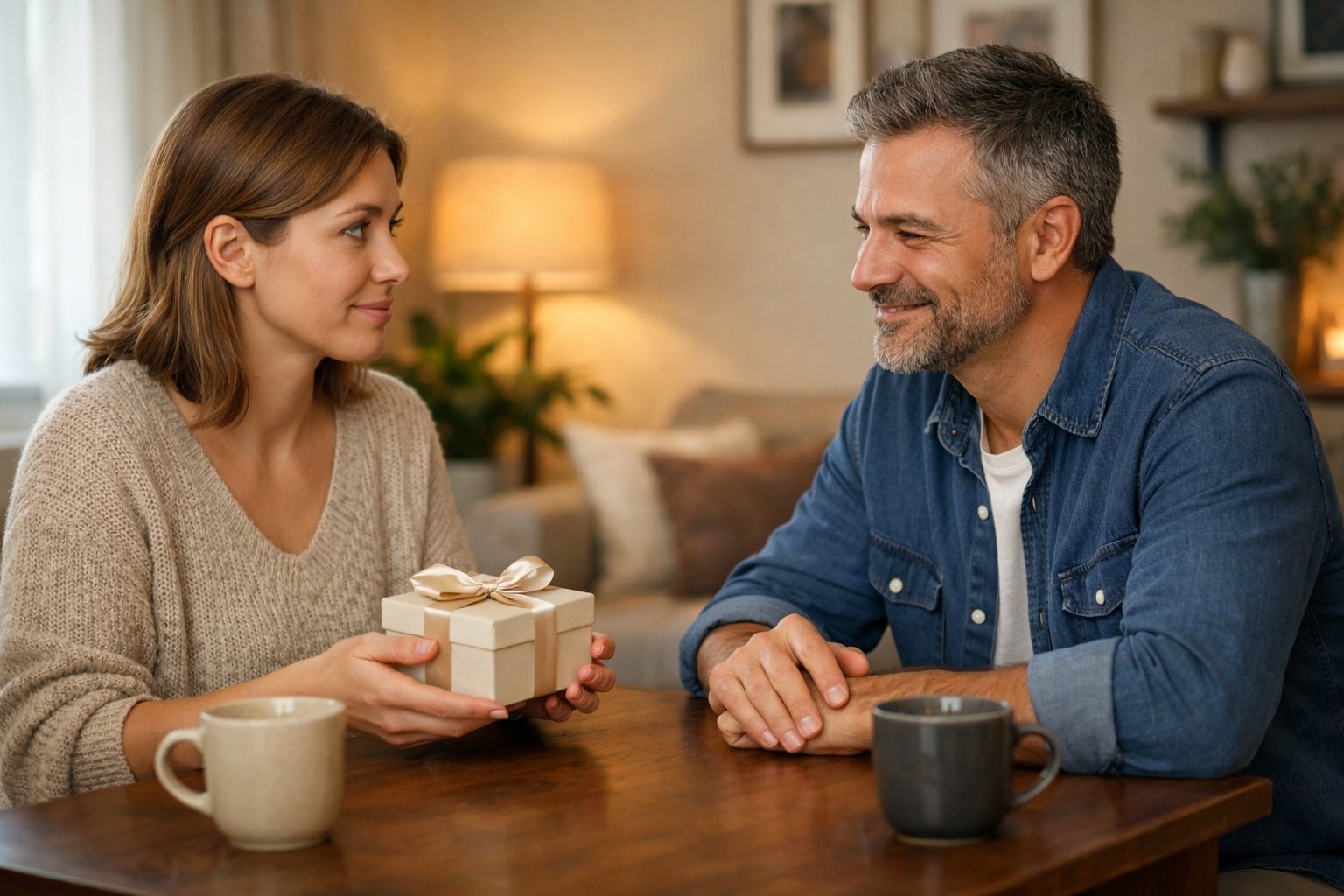
The right gift in this situation balances thoughtfulness with emotional restraint, showing care without creating pressure or misreading the moment. When spending too much money could send the wrong message, it helps to have a framework that keeps both people comfortable. A safe gift respects where things stand while leaving room for feelings to develop naturally.
This guide walks through how to choose gifts that show attention and consideration without overstepping boundaries. It covers what makes a gift feel safe, how to read the signals she's giving, and which types of gifts work best when the relationship is still finding its footing.

When someone isn't expressing clear emotions, the gap between what's said and what's felt can leave you questioning where you stand. Learning to notice these patterns helps you respond with care instead of assumption.
Words don't always match feelings. She might say she's fine with something but her body language tells a different story.
Mixed signals often appear when someone pulls back emotionally while still showing occasional warmth. Notice if conversations feel surface-level even when you're together. Does she avoid eye contact or seem distracted during time you spend with her?
Pay attention to response patterns. Short replies after previously engaged conversations can signal uncertainty. If she's hesitant about making plans or leaves commitments vague, she might be working through conflicting feelings.
Key verbal indicators include:
Nonverbal cues worth noting:
These signs don't mean she doesn't care. They often mean she's figuring out what she wants while trying not to hurt anyone in the process.
Confusion about feelings rarely comes from nowhere. Past relationships can create protective walls that make current emotions harder to express.
She might be dealing with competing priorities that have nothing to do with you. Work stress, family obligations, or personal goals can cloud emotional clarity. When people feel overwhelmed, they sometimes pull back from relationships without meaning to push others away.
Fear plays a role too. Opening up requires vulnerability, and if she's been hurt before, that risk feels bigger. She might care deeply but not know how to show it without feeling exposed.
Sometimes the confusion is about timing rather than the person. She could value the connection but worry it's happening at the wrong moment in her life. External pressure from friends or family can also create internal conflict about what she actually wants versus what others expect.
A simple, thoughtful card can acknowledge the space she needs without demanding answers. You can find options here that let you add a personal touch while keeping things light.
Pushing for clarity when someone isn't ready creates more distance. Respecting boundaries means accepting that she gets to work through feelings at her own pace.
Give her room without disappearing completely. Check in occasionally but don't demand emotional updates. If she says she needs time, take that at face value instead of interpreting it as rejection.
Feeling safe matters more than rushing resolution. When someone feels pressured to define their emotions before they're ready, they often pull back further or give answers that aren't honest.
Ways to show respect:
Coping with uncertainty is hard on both sides. Focus on what you can control, which is your own behavior and response.
If you want to acknowledge the situation without making it heavy, something like personalized stationery gives her a way to reach out when she's ready. It's considerate without being pushy.

When romantic interest hasn't been clearly defined, the right gift protects both people from discomfort. It acknowledges the connection without forcing a label on it or creating obligation.
A safe gift doesn't demand reciprocation or interpretation. It exists comfortably in the space between casual and serious.
When someone receives an overly romantic or expensive gift early on, they often feel trapped. They worry about what it means. They question whether they need to match the gesture or define what they are to each other before they're ready.
Gift-giving activates reward pathways in both people, but only when the exchange feels balanced. An appropriate gift at this stage should feel light, not loaded.
Consider gifts that:
A custom photo book capturing group hangouts or casual moments together acknowledges their time spent without implying exclusivity. If she's mentioned loving a specific coffee shop they visited, a personalized mug with an inside joke works without being overly sentimental. You can personalize it here.
Feeling safe emotionally means not having to manage someone else's expectations while still figuring out your own feelings.
When a gift feels too forward, it can actually damage the relationship. She might pull back not because she doesn't care, but because she needs more time. Thoughtful gifts reflect emotional insight and show he's paying attention to where they actually are, not where he wishes they were.
A safe gift says "I see you" without saying "I need you to see me back." It doesn't ask her to evaluate their entire dynamic in the moment she opens it.
Red flags that signal too much too soon:
A handmade journal for someone who mentioned wanting to write more shows he listens. It's useful and personal without being presumptuous.
The best gifts at this stage prove he pays attention without proving he's already decided how things should unfold.
The emotional value behind a gift matters more than cost. A small, specific item that connects to something she mentioned once carries more weight than something generic and expensive.
He should choose something that fits naturally into her life as it is now. Not something that requires her to imagine a future with him in it.
If she's mentioned a hobby or interest multiple times, a custom item related to that shows genuine attention. For someone who loves plants, a personalized planter with a low-maintenance succulent acknowledges her interest without overdoing it. You can customize it here.
Thoughtful but safe options:
These choices respect her autonomy while showing he cares enough to remember details.
The framework rests on two core ideas: gifts should show care without creating pressure, and they must match the current state of the relationship. These principles help navigate uncertainty while keeping both people feeling safe.
A safe gift shows attention without revealing too much emotion. It should feel intentional but not intense.
The key is choosing something that reflects what she's mentioned or shown interest in, without making it deeply personal. A book by an author she likes works better than jewelry. A small plant for her apartment works better than framed photos of the two of them together.
Safe middle-ground gifts include:
The gift should make her feel seen, not studied. It proves you listen during conversations without suggesting you've been cataloging her every word. If she's mentioned loving a specific coffee shop, a gift card presented thoughtfully shows you remember without adding weight to the moment.
For something more personal that still feels light, customizable items let you add a thoughtful detail without going overboard. You can personalize it here.
The stage of the relationship determines what feels appropriate. A gift that works after three months of dating might feel strange after three dates.
Early stages need more neutrality. The relationship hasn't established enough history for deeply personal gifts. As gift giving strengthens social attachments, timing matters as much as the item itself.
Consider these context markers:
A gift should match the level of intimacy that already exists, not the level you hope to reach. If conversations are still fairly surface-level, the gift should be too. If she's shared meaningful personal details, slightly more personal gifts become appropriate.
The relationship context also includes her current life situation. Understanding her preferences and lifestyle means recognizing whether she's stressed, busy, or dealing with major changes. Sometimes the safest gift is one that makes her life easier rather than one that requires emotional processing.
Paying attention to what she says and does reveals more about her preferences than any guessing game. Small details in conversation and everyday behavior point toward gifts that feel thoughtful rather than awkward.
The best clues come from regular conversations, not interrogations. When she mentions a hobby she's been wanting to try or a book she's been meaning to read, those are signals worth remembering. Many people drop hints throughout the year about things they'd like, even if they don't realize they're doing it.
Her social media can offer useful information. If she posts about hiking trails or shares recipes, those interests matter. Does she collect anything? Does she talk about wanting to organize her space better? These patterns tell a story about what she values.
Signs of genuine interest include:
Listen for what she doesn't like too. If she's mentioned being overwhelmed by clutter or preferring experiences over things, that shapes what makes sense. When someone says they're trying to simplify their life, a high-maintenance gift creates an obligation rather than joy.
Some gifts carry risk when the relationship is still finding its footing. Anything too personal crosses boundaries that haven't been established yet. Jewelry, clothing, or perfume assume knowledge of her taste that may not exist yet.
Expensive gifts create pressure. She might feel uncomfortable receiving something costly when she's unsure how to reciprocate or what it implies about expectations. Setting appropriate spending levels for the stage of the relationship matters.
Items to approach carefully:
Gifts shouldn't push the relationship forward faster than it's naturally moving. If she hasn't mentioned wanting to spend more time together, tickets to an event months away might feel like a burden rather than a treat. A personalized custom photo frame works when there are already shared memories to celebrate. You can find thoughtful options here.
When feelings are unclear, the safest gifts fall into two broad categories: items that serve a clear purpose without requiring emotional interpretation, and shared activities that create space for connection without pressure.
Practical gifts work because they address a need rather than make a statement about the relationship. A high-quality water bottle, a durable phone charger, or a well-designed notebook all serve daily functions without implying intimacy.
Food and beverage items remain consistently safe choices. Artisanal coffee beans, specialty tea collections, or thoughtfully chosen treats allow her to enjoy something without keeping a permanent reminder. These gifts get used and fade naturally from memory, which reduces any awkwardness if feelings don't develop.
Home items with neutral appeal also work well. A candle in a subtle scent, a small plant that requires minimal care, or a ceramic mug in muted tones all fit into most living spaces. The key is avoiding anything too personal or decorative that assumes knowledge of her taste. If you want something that feels personal without making the moment overly sentimental, a customizable design keeps it meaningful yet light. You can personalize it here.
Experiences create opportunities for connection without the weight of a physical object that lingers. A cooking class, museum tickets, or passes to a local event provide structure for spending time together while keeping the focus on the activity itself rather than the relationship.
Gift cards to coffee shops or bookstores give her autonomy in how and when she uses them. This respects her space while still showing thoughtfulness. Research shows many people prefer gift cards over poorly chosen physical items because they allow personal choice.
Activity-based gifts work best when they align with known interests. If she's mentioned wanting to try pottery or has shown interest in hiking, a related experience demonstrates attention without overstepping. The experience becomes the gift rather than a declaration of feelings, which keeps the gesture appropriate even when the relationship status remains undefined.
Practical gifts reduce pressure by focusing on utility rather than emotional interpretation. They work well when the relationship status remains unclear because they serve a clear purpose without requiring her to decode hidden meaning.
Items that solve small daily problems or improve routine tasks make sense when he's not sure where things stand. A quality water bottle, a phone charging station, or a cozy blanket serves a purpose without suggesting commitment levels she might not share yet.
Why some people prefer practical gifts comes down to predictability and clear value. She can appreciate the thought without wondering what he's trying to say about their connection.
The best options relate to interests she's mentioned casually. If she complained about her coffee going cold at work, an insulated travel mug addresses that specific need. If she mentioned wanting to organize her space better, storage solutions or desk accessories make practical sense.
These gifts let her use something regularly without creating awkward moments. She won't feel pressured to display it prominently or explain its significance to friends. It simply makes her day easier.
Clothing, jewelry, perfume, or anything related to her appearance crosses into territory that requires more certainty about the relationship. These items suggest a level of intimacy and knowledge about her preferences that might not match reality yet.
Home décor and bedroom items also carry implications about being in her personal space or knowing her style deeply. Wall art or bedding feels too familiar when he's still figuring out if she wants him around more often.
Gift cards work better than they seem in uncertain situations. A card to a bookstore she mentioned or a coffee shop she visits regularly shows attention without overstepping. She controls what she gets and when she uses it.
Kitchen gadgets only work if cooking came up multiple times in conversation. Otherwise, they risk seeming presumptuous about her lifestyle or domestic interests. Stick to universal items like quality pens, portable chargers, or practical bags that anyone would use regardless of relationship status.
Gift cards offer choice without assumption. They allow her to select what she actually wants while showing he considered her preferences.
The retailer matters more than the dollar amount. A gift card to a store she's never mentioned signals guesswork, while one to a place she frequents shows attention.
If she's into fashion, a card to a specific clothing store she shops at works better than a generic mall card. For someone who values experiences, a restaurant card or spa treatment gives her control over when and how she uses it.
Consider these categories:
Flexible gift cards that work at multiple locations reduce the pressure of choosing wrong. They function as practical gifts when the relationship stage doesn't support more personal items.
A bare gift card feels transactional. Small additions change how it's received.
Pairing the card with a related item helps. A coffee shop card tucked into a personalized ceramic mug creates context. A bookstore card with a bookmark she can keep makes it feel less generic.
Custom greeting cards let him add a specific message without overstating the relationship. If you want something that feels personal without making the moment overly sentimental, a customizable design keeps it meaningful yet light. You can personalize it here.
Physical presentation matters too. A handmade card holder or small box elevates the exchange. Even writing a brief note explaining why he chose that specific place shows thought.
The card itself doesn't need explanation, but a simple "thought you'd enjoy this" acknowledges her autonomy while demonstrating care.
Adding her name or a small detail shows thought, but the gift should still feel appropriate for where the relationship stands. The key is choosing customization that adds warmth without making assumptions about emotional closeness.
A monogram or initial is one of the safest ways to personalize something early in a relationship. It signals attention without creating the pressure of a deeply romantic gesture. Engraved jewelry works well when it stays simple. A dangle name pendant with her first initial or name offers a personal touch that doesn't imply more than friendship or casual dating.
Custom items from sites like Amazon Handmade give her something unique while keeping the tone light. A personalized notebook, keychain, or mug feels thoughtful but doesn't carry the weight of something meant for a partner. If you know her favorite color or a hobby she's mentioned, those details work better than romantic phrases.
Avoid inside jokes unless you're certain she'll remember them fondly. What feels funny to you might confuse her or feel forced if the memory isn't as strong for her.
Combining a small custom item with something neutral balances personal effort with emotional safety. A plain scarf paired with a personalized bookmark keeps the gesture low-pressure. She gets something useful and something that shows you thought about her specifically.
Gift sets work well for this approach. A nice candle with a custom match holder or a plant with an engraved pot keeps the focus shared between practical and personal. These combinations show care without putting all the weight on one emotionally charged item.
If she's someone's daughter or mother figure in your life, options like gifts for mothers or daughters can guide you toward appropriate personalization levels. The customization should feel like an upgrade to the gift, not the main point of it.
How a gift is wrapped and what's written inside the card often matters more than the gift itself. These details show effort and intention without requiring words she might not be ready to hear.
Simple, clean wrapping shows care without creating pressure. A solid-colored paper with a neat fold communicates thoughtfulness. Avoid elaborate bows or romantic patterns that might suggest more than what exists between them right now.
The timing and method of delivery also shape how she receives the gesture. Handing her the gift in person allows for a natural exchange. It gives her space to respond without feeling spotlighted or obligated to perform gratitude.
If she lives elsewhere, mailing creates distance that can feel safer for both people. Effective communication with patients in healthcare settings emphasizes warmth and respect for individual comfort levels, and the same principles apply here. She controls when she opens it and how she processes her reaction privately.
A gift delivered through a mutual friend rarely works well. It adds a third person to an already uncertain dynamic and can make her feel observed or judged.
A handwritten note transforms a simple gift into something personal. Keep it brief and genuine. Two to four sentences usually work best.
Start with why she came to mind. Maybe she mentioned needing something practical, or perhaps a shared experience made him think of her. Avoid phrases like "I hope you like this" or "You deserve this," which can sound formulaic.
Close without expectation. A simple "Hope this brings a smile" or "Thought of you" works better than "Can't wait to see you again." She shouldn't feel that the gift requires a response beyond a basic thank you.
For something customizable, a personalized card with a simple design keeps the focus on the words rather than the format. It works when you want sincerity without added sentimentality. You can choose something understated here.
Gift-giving in uncertain relational territory requires protecting both people from discomfort or misread signals. This means managing internal expectations before the exchange and preparing to handle any reaction with composure.
He needs to decide what he hopes the gift will communicate before he selects it. Writing down his intent helps separate what he wants to express from what he hopes to receive in return.
The goal isn't to provoke a confession or force clarity about her feelings. It's to acknowledge the connection without demanding a response. When he approaches the gift as a simple gesture rather than a test, he removes the pressure that makes feeling safe difficult for both of them.
If he catches himself imagining her reaction or planning what he'll say based on how she responds, he should pause. Those thoughts signal he's attached to a specific outcome. A custom journal with a simple inscription keeps the gesture contained without loading it with unspoken hopes.
He should also consider whether he's comfortable with any answer she might give, including silence or polite distance. If he's not ready for that possibility, waiting might be the wiser choice.
Her reaction might not match what he anticipated, and that doesn't mean the gift failed. She might feel surprised, uncertain, or need time to process what the gesture means.
He should avoid asking if she liked it or watching for visible signs of appreciation. Those behaviors create the exact pressure that undermines emotional safety in relationships. Instead, he can simply offer the gift with a brief explanation and then let the moment settle naturally.
If she seems uncomfortable, he can acknowledge it directly without apologizing for the gift itself. Something like "I didn't mean to make things awkward" gives her space without retracting his gesture. If she responds warmly but doesn't address the underlying question about her feelings, he should let that be enough for now.
A personalized bookmark set works well here because it's thoughtful without demanding immediate emotional reciprocity. If you want something that acknowledges a shared interest without creating a moment that requires a big response, something small and customizable keeps things comfortable. You can personalize it here.
These questions address common concerns about showing care through gifts when feelings are uncertain, and how small gestures can build trust without overstepping boundaries.
Small acts of reliability matter more than grand displays. Remembering details she mentioned in passing shows she's being heard. Following through on plans without canceling builds trust over time.
Consistency creates safety. Checking in at similar times each day gives her a sense of predictability. Offering help with small tasks without being asked demonstrates attentiveness.
A personalized journal can serve as a place where she records thoughts she might not yet feel ready to share aloud. It acknowledges her inner world without demanding access to it.
Physical presence during stress matters. Staying calm when she shares difficult news shows emotional steadiness. Not rushing to fix problems demonstrates that her feelings don't make him uncomfortable.
Respecting boundaries without question builds the foundation. When she says no to something, accepting it immediately shows her limits will be honored. Pushing back even gently erodes the sense of security.
Listening without interrupting proves her voice holds value. Women quietly check if a relationship feels safe by watching how disagreements unfold and whether their words get dismissed.
A custom photo blanket featuring shared memories offers comfort without demanding conversation. It's a quiet reminder that positive moments exist between them, even during uncertain times.
Validating her emotions means naming what she feels without judgment. Saying "that sounds frustrating" instead of "it's not that bad" shows her experience is legitimate. Dismissive responses make vulnerability feel risky.
Distance amplifies the need for tangible reminders of care. Physical objects bridge the gap when presence isn't possible. Gifts that mark time or count down days provide structure to the waiting.
A custom mug with coordinates of a meaningful location offers a daily touchpoint. She'll see it each morning and feel connected to a shared memory.
Scheduled care packages arriving on predictable dates create rhythm. Knowing something will arrive next Tuesday gives her something concrete to anticipate. Surprise gifts feel less reliable than consistent ones.
Matching bracelets or other paired items serve as physical links. They don't require explanation to others but carry private meaning between two people.
Voice messages saved on apps she can replay help maintain connection. Hearing someone's tone conveys warmth that text cannot. These recordings become anchors during lonely moments.
Validation starts with active acknowledgment. Repeating back what she said in different words proves attention was paid. "So you're feeling overwhelmed by work deadlines" confirms understanding before offering any response.
Avoiding the urge to problem-solve immediately shows respect. Emotional safety grows when feelings don't have to be justified or fixed right away.
A personalized notebook designated for positive affirmations he writes for her creates a collection she can revisit. Each entry validates specific qualities he notices about her character and choices.
Body language matters as much as words. Turning toward her fully during conversations signals priority. Checking phones or looking away suggests her feelings rank below other distractions.
Asking follow-up questions days later about something she mentioned demonstrates retention. "How did that meeting go?" shows her concerns stayed with him. Details remembered build cumulative trust.
She shares vulnerable stories without testing the waters first. Early in relationships, women often share smaller struggles to gauge reactions before revealing deeper ones. When those preliminary checks stop, comfort has increased.
Physical relaxation becomes visible. Tension in shoulders drops, and posture softens when someone feels secure. She might sit closer without prompting or initiate casual touch more frequently.
If a woman truly feels safe, she'll show consistency in her communication patterns. Erratic responses or withdrawn behavior often signal discomfort, while steady engagement reflects ease.
She expresses disagreement without hedging. Adding "maybe" or "I could be wrong" before every opinion suggests fear of negative reactions. Direct statements indicate confidence that differing views won't trigger conflict.
Future planning includes him naturally. Mentioning events months away or making assumptions about his presence at them shows she expects the relationship to continue. Vague or absent future references suggest uncertainty about longevity.
Gifts rooted in observation carry more weight than expensive surprises. Noticing she's stressed about a specific challenge and offering something that eases it shows attentiveness. A custom desk organizer for someone drowning in paperwork addresses a real need. It speaks to the parts of her life she's actively managing.
You can personalize it here.
Choosing items that don't demand immediate gratitude or performance removes pressure. A weighted blanket offers comfort she can use privately without needing to perform happiness in return.