
Your Cart is Empty
Gifts from mothers carry a weight that other presents simply cannot match. The difference lies in the deep emotional bond between mother and child, combined with a lifetime of understanding and unconditional love. When mothers give gifts, they tap into a unique psychological connection that creates stronger emotional responses in the brain, making these presents feel more meaningful and personal than gifts from anyone else.

The relationship between mother and child forms the foundation for all other relationships in life. This primary bond means mothers often know their children better than anyone else. They remember preferences, interests, and small details that others might overlook. When this deep knowledge combines with genuine care, the result is gifts that feel more meaningful than standard presents.
Thoughtful gifting communicates attention rather than expense, and mothers excel at this type of giving. Whether it's personalized items from Amazon or custom creations from Zazzle, the emotional power comes from knowing the gift was chosen with care. Mothers give gifts that reflect who their children truly are, not who they appear to be on the surface.

Gifts from mothers carry distinct psychological weight because they connect to early attachment experiences and ongoing nurturing relationships. The emotional power stems from deep-rooted bonds formed during childhood and the consistent role mothers play in expressing love through thoughtful gestures.
Maternal gifts trigger specific emotional responses that differ from presents received from other people. This happens because mothers typically understand their children's needs and preferences at a fundamental level. They notice small details that others miss.
When a mother selects a gift, she draws from years of observation and intimate knowledge. She knows favorite colors, textures, foods, and interests without needing to ask. This deep familiarity makes receiving gifts from mothers feel more personally meaningful.
The brain processes gifts from mothers differently than other presents. These items activate memory centers linked to safety and comfort from childhood. A simple blanket from mom feels different than one from a friend because it connects to early experiences of maternal care.
Key factors that make maternal gifts emotionally distinct:
Mothers also tend to give gifts that serve practical purposes while still carrying emotional meaning. A warm sweater from mom becomes both functional clothing and a physical reminder of care. Personalized jewelry from Zazzle?rf=238275180210718222 or custom items from mom carry extra weight because they combine thoughtfulness with maternal intuition.
Early gift-giving experiences with mothers create templates for how people understand love and appreciation throughout life. Children form associations between receiving gifts and feeling valued during formative years. These patterns persist into adulthood.
A mother's gifts often become anchors for specific childhood moments. The doll received at age seven or the special book given during a difficult time creates lasting memory associations. Adults frequently keep these items for decades because they represent more than objects.
Research shows that gifts tied to childhood memories trigger stronger emotional responses than recent presents. The brain links these items to feelings of security and unconditional love. A cookbook from Amazon?tag=kjtunsazn25-20 passed down from mother to child carries generations of family memories and traditions.
Childhood gift memories also influence how people approach expressing love through gift-giving in their own relationships. Adults often replicate their mother's gifting style when choosing presents for others.
Gift exchange between mothers and children reinforces attachment bonds formed during infancy. This process continues strengthening emotional connections throughout life. Each gift serves as a tangible representation of the ongoing relationship.
Attachment theory explains why maternal gifts feel different. Mothers typically serve as primary attachment figures during early development. Objects from these figures carry psychological significance beyond their material value. A simple card from mom can provide comfort during stressful times because it symbolizes the secure base she represents.
The act of gift-giving itself maintains and reinforces the mother-child bond. When mothers give thoughtful presents, they communicate continued investment in the relationship. When adult children receive these gifts, they experience validation of their importance in their mother's life.
Types of bonding reinforced through maternal gifts:
| Bond Type | Gift Expression | Emotional Impact |
|---|---|---|
| Security | Comfort items | Reduces anxiety |
| Recognition | Personalized items | Validates identity |
| Tradition | Family heirlooms | Connects generations |
| Support | Practical items | Demonstrates care |
This exchange creates a feedback loop where gift-giving strengthens bonds, which makes future gifts even more meaningful. The emotional resonance builds over time rather than diminishing.
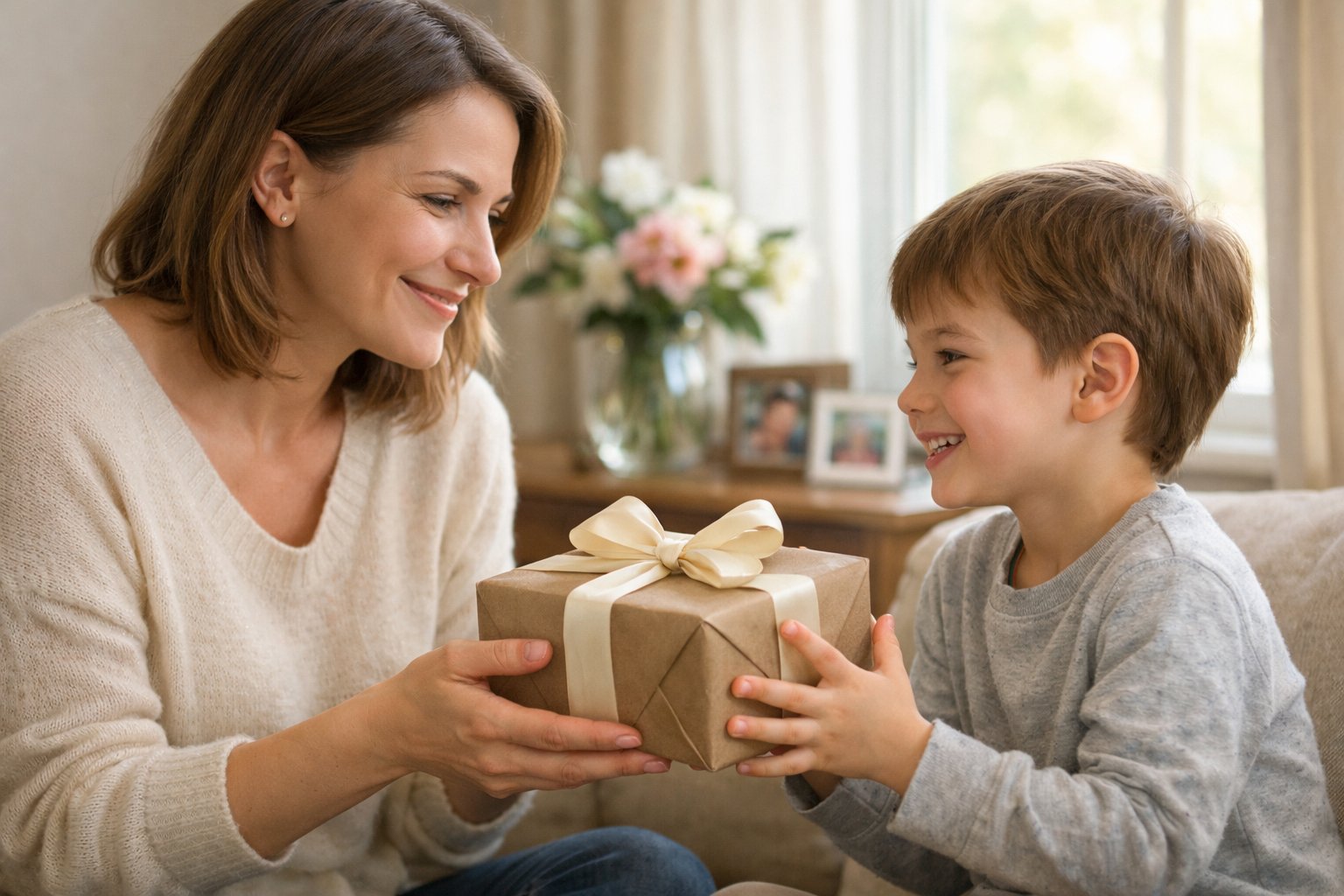
Maternal gift-giving activates specific brain chemicals and physiological responses that create unique emotional bonds. Research shows that exchanges between mothers and children trigger dopamine and oxytocin release while also producing measurable health benefits like reduced blood pressure.
The brain science behind giving and receiving gifts reveals that mothers experience heightened neurological responses when selecting presents for their children. Brain imaging studies demonstrate that gift-giving activates core reward centers in the brain, creating a powerful feedback loop of positive emotions.
Mothers often engage in perspective-taking when choosing gifts. This cognitive empathy allows them to mentally place themselves in their child's position and imagine what would bring joy. The process strengthens the mother-child connection through repeated acts of thoughtful consideration.
When children receive gifts from their mothers, they process these items differently than presents from other sources. The emotional significance attached to maternal gifts creates lasting memories that extend beyond the physical object itself.
Dopamine and oxytocin work together to create the warm feelings associated with maternal gift exchanges. Dopamine functions as the brain's reward chemical, flooding the system when mothers give gifts to their children. Oxytocin, often called the bonding hormone, strengthens the emotional connection between giver and receiver.
The warm glow of kindness that mothers experience persists long after the gift exchange ends. This sustained positive feeling reinforces the desire to continue acts of generosity. Children who receive thoughtful gifts from their mothers experience similar chemical responses, creating a shared neurological experience.
Research on compassion meditation shows that sending loving thoughts to others activates these same reward pathways. Mothers naturally engage in this process when considering what their children need or want.
Gift-giving between mothers and children produces measurable physical health benefits beyond emotional satisfaction. Studies indicate that acts of generosity can contribute to lower blood pressure in the person giving the gift. The stress-reduction effects of kindness create tangible improvements in cardiovascular health.
The psychological benefits extend to overall well-being for both parties. Mothers who regularly express love through gifts report higher life satisfaction. Their children develop stronger emotional security and attachment patterns that influence future relationships.
These health benefits multiply when mothers take time to savor the gift-giving experience rather than treating it as an obligation. Mindful gift selection and presentation maximize the positive physiological responses for everyone involved.
Mothers excel at giving gifts because they combine years of observation with genuine care for who their children really are. This unique blend of knowledge and attention creates presents that feel perfectly matched to the recipient.
Moms accumulate knowledge about their children over years of daily interaction. They notice small preferences that others miss, like a favorite childhood snack or a specific color someone gravitates toward.
This depth of understanding shows up in gift choices. A mom might remember an offhand comment her daughter made six months ago about wanting to learn pottery. She'll give ceramic tools for her birthday while everyone else gives generic gift cards.
Thoughtful gifts reflect this kind of intentional selection. They show the giver invested time considering what truly matters to the recipient. Moms naturally do this because they've spent years learning what brings joy to their children.
The personal connection runs deeper than surface-level interests. Mothers often choose gifts that support their children's goals or comfort them during difficult times. A personalized photo album from Zazzle capturing family memories demonstrates this caring awareness.
Mothers develop strong intuition about what their children need before they ask for it. This attentiveness comes from constant observation of mood changes, life transitions, and unspoken struggles.
Giving gifts based on intuition creates emotional impact. A mom might buy a cozy blanket from Amazon when she senses her child feels stressed, even without being told about work problems.
This intuitive approach makes gifts feel like acts of love rather than obligation. Moms pick up on hints others ignore, turning ordinary moments into opportunities for meaningful connection through carefully chosen presents.
When mom adds a personal touch to her gifts, she creates something that goes beyond the ordinary. Names, custom messages, and photo keepsakes transform simple presents into emotional treasures that carry specific memories and connections.
Moms understand that personalized gifts create emotional connections through details that reflect who their children truly are. When a mother gives jewelry with her child's name engraved on it, she's not just giving an accessory. She's giving a piece that says "you matter" every time it's worn.
Custom gifts mean more on emotional levels because they show intentional thought. A mom who orders a piece with dangle name pendants has taken time to select something unique to her child's identity. The gift becomes a daily reminder of her love and attention.
Research shows that customized presents create deeper bonds than generic options. When mom adds a meaningful message or date to a gift, she's preserving a moment in time. These touches make recipients feel valued in ways standard gifts cannot match.
Photo-based gifts from mom carry particular weight because she's often the family historian. A custom photo book filled with carefully selected images tells the story of her child's life through her eyes. She remembers which moments mattered most.
Moms create these keepsakes with specific memories in mind. The photos she chooses aren't random—they're the baseball game where her son hit his first home run or the recital where her daughter finally nailed that difficult piece. Each page reflects moments she treasured.
Physical photo gifts also serve a practical purpose. Unlike digital files stored on phones, a tangible book sits on a shelf where it can be picked up and flipped through during quiet moments. Mom knows that these physical reminders create lasting connections to family history.
When a mom chooses between giving a physical item or creating a memory, both types of gifts carry emotional weight. The difference lies in how each type strengthens the bond and creates lasting value over time.
Material gifts from mom often become treasured keepsakes. A hand-knitted sweater or a piece of jewelry from Amazon can serve as a physical reminder of her love. These items provide immediate excitement when opened.
Experiential gifts create memories instead of clutter. When a mom plans a cooking class together or books a weekend trip, she invests in quality time. Research shows that experiential gifts foster stronger relationships because they evoke greater emotional intensity.
The key difference comes down to longevity. Physical items can wear out or break. The joy from unwrapping a material gift fades quickly. Experiences grow more valuable as time passes and the memory becomes part of the relationship's story.
Experiences bring longer-lasting happiness compared to material things. When a mom gives an experience, she participates in creating the memory. This shared participation deepens the emotional connection in ways a wrapped package cannot.
The value of these moments increases over time. A concert attended together or a day at the spa becomes a story told repeatedly. Each retelling reinforces the bond between mother and child.
Benefits of shared experiences:
A personalized photo book from Zazzle capturing past experiences combines both approaches. It transforms memories into a tangible keepsake that preserves the emotional value of time spent together.
Mothers approach gift-giving through layers of cultural expectations and social meanings that shape both what they give and how those gifts are received. These patterns reflect deep-rooted traditions and communicate specific messages about care, identity, and family bonds.
Cultural traditions shape family gifting patterns in ways that mothers often carry forward across generations. Many mothers draw from their own childhood experiences when selecting gifts, recreating rituals they remember or deliberately breaking from patterns they found lacking.
Different cultures maintain distinct practices around maternal gift-giving. In some traditions, mothers give specific items at certain life milestones. In others, the act of giving happens more frequently but follows unspoken rules about appropriateness and timing.
Mothers frequently become the keepers of family gift-giving traditions. They remember birthdays, coordinate holiday exchanges, and maintain customs that might otherwise fade. This role extends beyond simply giving gifts to preserving the cultural heritage embedded within those practices.
Personalized items like custom family photo blankets or memory books often serve as vessels for these traditions, allowing mothers to pass down stories alongside physical objects.
Research on gift exchange dynamics shows that maternal gifts carry distinct social weight within family relationships. These gifts often communicate approval, guidance, or concern in ways that other gifts do not.
Mothers use gift-giving to fulfill expected social roles. Society assigns women the primary responsibility for maintaining family connections through gifts, creating pressure that shapes maternal behavior. This expectation means that gifts from mothers are rarely neutral acts.
The power dynamics in gift exchange between mothers and children remain complex throughout life. A mother's gift may reinforce her caring role, express hopes for her child's future, or negotiate shifting family dynamics as children become adults. Even unwanted gifts from mothers can strengthen bonds because they represent ongoing investment in the relationship.
Moms understand when gifts matter most. They give presents that align with important moments in life and surprise with thoughtful gestures when least expected.
Recognizing the significance of an event helps moms choose the perfect moment to give meaningful gifts. Birthdays mark another year of growth and change. Moms remember these dates without reminders and plan gifts weeks in advance.
Holidays like Christmas, Mother's Day, and Thanksgiving become special because moms create traditions around them. They pick gifts that reflect who their children have become over the past year.
Major milestones carry even more weight. Graduations celebrate years of hard work and new beginnings. Wedding days mark the start of new families. First jobs, new homes, and the birth of children all deserve recognition.
Presenting a gift at the right moment makes the experience more memorable. Moms know this instinctively. They watch for these opportunities and prepare gifts that match the importance of each occasion.
Small moments often create the strongest bonds. Moms give gifts without waiting for special dates on the calendar.
A tough week at work might end with a favorite dessert waiting at home. A failed test could bring a care package in the mail. These unexpected gestures show constant awareness and care.
Random gifts carry a simple message: "I'm thinking of you." No occasion needed. No expectation of anything in return. Just pure thoughtfulness that brightens someone's day and makes them feel valued.
Spontaneous gifts from moms feel different because they come from continuous attention to daily life. They notice small struggles and quiet victories that others miss. A personalized mug with an inside joke or a custom photo gift celebrating a recent achievement shows this ongoing connection.
When moms give gifts to their children, both people experience real physical and mental health improvements. The exchange triggers brain chemicals that reduce stress and create lasting emotional bonds.
Gifts from mom create powerful emotional connections between mothers and children that build lasting security. When a child receives something from their mother, the brain releases oxytocin, often called the bonding hormone. This chemical strengthens the attachment between parent and child.
The emotional resonance of maternal gifts goes deeper than presents from other people. Children feel more secure knowing their mother understands their needs and preferences. This security helps reduce anxiety and builds confidence.
Key bonding benefits include:
Research shows that thoughtful gifts create memory anchors in the brain. When children look at items their mother gave them, they recall the love and care behind the gift. These positive associations reinforce emotional security over time. Personalized items from Amazon or custom gifts from Zazzle can strengthen these connections through meaningful customization.
Mothers who give gifts experience measurable health benefits beyond emotional satisfaction. Gift-giving activates reward pathways in the brain and triggers the release of dopamine, which creates feelings of pleasure and accomplishment.
Studies indicate that acts of generosity can lower blood pressure in the giver. The stress-reducing effects of thoughtful gift-giving help mothers feel calmer and more fulfilled in their parenting role.
Children who receive maternal gifts show improved mood and reduced stress markers. The combination of dopamine and oxytocin creates what researchers call a "warm glow" effect. This biological response explains why gifts from mom feel more meaningful than other presents.
Both parties benefit from the exchange. Mothers gain satisfaction from seeing their children happy. Children feel valued and understood. This positive cycle strengthens family relationships and promotes better mental health for everyone involved. The thoughtfulness behind each gift matters more than its cost.
Gifts from mothers carry a distinct emotional weight that sets them apart from presents received from siblings, friends, or romantic partners. The difference stems from the unique nature of maternal relationships and the specific ways mothers approach gift giving.
Siblings typically give gifts based on shared experiences and current interests. A brother might choose a video game he knows his sibling enjoys. A sister might pick out trendy clothing she thinks looks cool.
Friends select gifts that reflect mutual hobbies or inside jokes. These presents often focus on entertainment value or shared activities. A friend might give concert tickets or a gift card to a favorite restaurant.
Romantic partners tend to give gifts that emphasize romance or shared future plans. They might choose jewelry, weekend getaways, or items that symbolize commitment. Partners often select gifts they hope will impress or strengthen the relationship.
Key differences in gift types:
These gift-givers usually focus on what the recipient wants right now. Mothers think differently about receiving gifts and giving them.
Mothers approach gift selection through a lens shaped by years of caregiving and deep knowledge of their children's needs. They notice small details others miss. A mother remembers her child mentioned needing warm socks three months ago.
The depth comes from continuous observation over time. Mothers track preferences, notice patterns, and anticipate needs before they become urgent. This creates gifts that feel both practical and deeply personal.
Research shows that customized gifts create unique emotional connections between givers and recipients. Mothers naturally personalize their gifts through accumulated knowledge rather than just customization services like those found on personalized items from Zazzle.
Maternal gifts often combine multiple layers of meaning. A simple sweater might address a practical need while also representing comfort and care. The gift reflects understanding built over years rather than months.
Mothers also give without expecting recognition or reciprocity. Friends and partners often give gifts within an implicit exchange system. Mothers give because meeting their child's needs brings intrinsic satisfaction. This fundamental difference in motivation creates gifts that feel less transactional and more like extensions of unconditional support, whether those gifts come from Amazon or are handmade at home.
Gifts from mothers transform into treasured keepsakes because they carry emotional weight and personal stories that connect families across years and generations. The meaningful gifts mothers give become physical reminders of love that recipients hold onto long after the original occasion passes.
Mom's gifts rarely end up in donation boxes or storage bins. They occupy special places on shelves, in jewelry boxes, or on walls where they can be seen daily.
The transformation from gift to keepsake happens through repeated use and emotional attachment. A handmade blanket mom gave years ago still covers the couch. The cookbook she assembled becomes stained with use because recipes get made over and over.
Common items that become keepsakes include:
These objects gain value over time rather than losing it. A mug from mom on Amazon used every morning creates thousands of small memory moments. Each use reinforces the personal connection between giver and receiver.
Physical items from mom often carry sensory memories too. The texture of a specific fabric or the smell of her perfume on a scarf creates instant emotional responses years later.
Every meaningful gift from mom contains a story that gives it deeper significance. These narratives explain why certain presents matter more than their monetary value suggests.
The story might be about timing. Mom gave her daughter a journal during a difficult period, and writing in it became a healing ritual. Or she bought concert tickets when she noticed her son needed cheering up.
Other stories center on sacrifice. Recipients remember that mom saved for months to afford something special or stayed up late creating personalized gifts on Zazzle. The effort behind the gift becomes part of its meaning.
Story elements that add significance:
Children often retell these gift stories to their own kids. The pearl necklace grandma gave becomes legendary because it represented her first major purchase after starting a new job. These narratives preserve family memories through tangible expressions of love that future generations can touch and hold.
Gifts from mothers carry unique emotional weight and meaning that stems from the deep bond between parent and child, shaped by years of care, understanding, and shared experiences.
Gifts from mothers often represent more than just physical items. They serve as tangible expressions of love, care, and the ongoing connection between mother and child.
These gifts can symbolize approval, support, and a mother's desire to nurture her child even into adulthood. The emotional value attached to a mother's gift typically outweighs its monetary cost because it represents years of relationship building and intimate knowledge of her child's needs and preferences.
Many people report feeling a sense of being "seen" and understood when receiving gifts to my daughter that reflect their personalities or current life situations.
A mother's gift carries different psychological weight compared to presents from friends, colleagues, or even other family members. This difference stems from the primary attachment relationship formed in early childhood.
People tend to interpret gifts from their mothers through the lens of their entire relationship history. A simple item from mom can trigger memories, emotions, and feelings of security that the same gift from another person would not evoke.
The perception is also influenced by expectations built over years of receiving care. People naturally assign deeper meaning to maternal gifts because mothers use gift-giving to show love and maintain connection with their children.
The quality and history of a relationship directly affects how someone receives and values a gift. Strong emotional bonds amplify the positive feelings associated with gift exchanges.
In mother-child relationships, decades of shared experiences create a unique context for gift-giving. A mother who has witnessed her child's growth understands their evolving tastes, needs, and life circumstances in ways that others cannot match.
Research shows that gifts strengthen relationships by releasing feel-good chemicals like dopamine and oxytocin in the brain. This effect is particularly strong in close family relationships where emotional intimacy already exists.
Personal conflicts or distance in the relationship can also color how gifts are perceived. A gift from a mother during a difficult period might be seen as either a peace offering or an unwelcome intrusion, depending on the current state of the relationship.
Disappointment in gift-receiving often occurs when there is a mismatch between what the giver intends to communicate and how the recipient interprets the message. This happens when someone receives a gift that feels generic or shows little understanding of who they are.
From mothers specifically, thoughtless gifts can sting more deeply because of the expectation that mothers know their children well. A gift that misses the mark may feel like a sign that the mother does not truly understand or pay attention to her child's current life.
The biggest mistake gift-givers make involves this disconnect between the symbol the giver uses and how the recipient translates its meaning. When a mother gives an impersonal gift card from Amazon instead of something personal, it might communicate a lack of effort or emotional investment.
People also feel disappointed when gifts come with strings attached or seem designed to change them rather than celebrate who they are.
Frequent gifts from mothers can generate mixed emotions depending on the nature of the gifts and the relationship context. Some adult children appreciate the continued care and attention these gifts represent.
Others may feel that repeated gifts of clothing or household items carry subtle messages about their lifestyle choices. For example, a mother who frequently gives gifts to my grandmother style items might be suggesting her daughter should dress more conservatively or manage her home differently.
When mothers give clothing regularly, adult children sometimes interpret this as criticism of their fashion choices or financial situation. The gifts can feel controlling rather than caring, especially if the recipient did not ask for help or input.
However, some people view these frequent gifts as comforting reminders of their mother's presence and ongoing role in their lives. The meaning depends heavily on the communication style and mutual respect within the relationship.
Cultural backgrounds significantly influence what people expect from family gift exchanges. Different cultures place varying importance on gift-giving as a way to express family bonds and fulfill social obligations.
In some cultures, mothers are expected to continue providing material support to adult children as a sign of ongoing parental duty. In others, gift-giving becomes more reciprocal as children mature into adulthood.
Society often portrays maternal gift-giving as inherently selfless and loving, which can create pressure on both mothers and children. Mothers may feel obligated to give gifts they cannot afford, while children may feel guilty if they do not appreciate every gift received.
Gender expectations also play a role, as mothers and daughters often navigate more complex gift-giving dynamics than other family pairings. These exchanges can become opportunities for mothers and daughters to communicate about boundaries, independence, and changing roles.
Religious and holiday traditions add another layer of expectation around family gift-giving. People often measure their family relationships against idealized versions shown in media and advertising, particularly around major gift-giving occasions.
Cultural norms around gratitude and reciprocity affect how people respond to maternal gifts. Some cultures emphasize accepting gifts graciously regardless of personal feelings, while others encourage more direct communication about preferences. You can find meaningful options at Zazzle when looking for personalized family gifts.