
Your Cart is Empty
Choosing a gift for a friend who lives far away brings up an interesting question about personality and connection. Some people naturally lean toward practical items that solve a problem or fill a need. Others feel more comfortable with gifts that express emotion or create a shared experience.
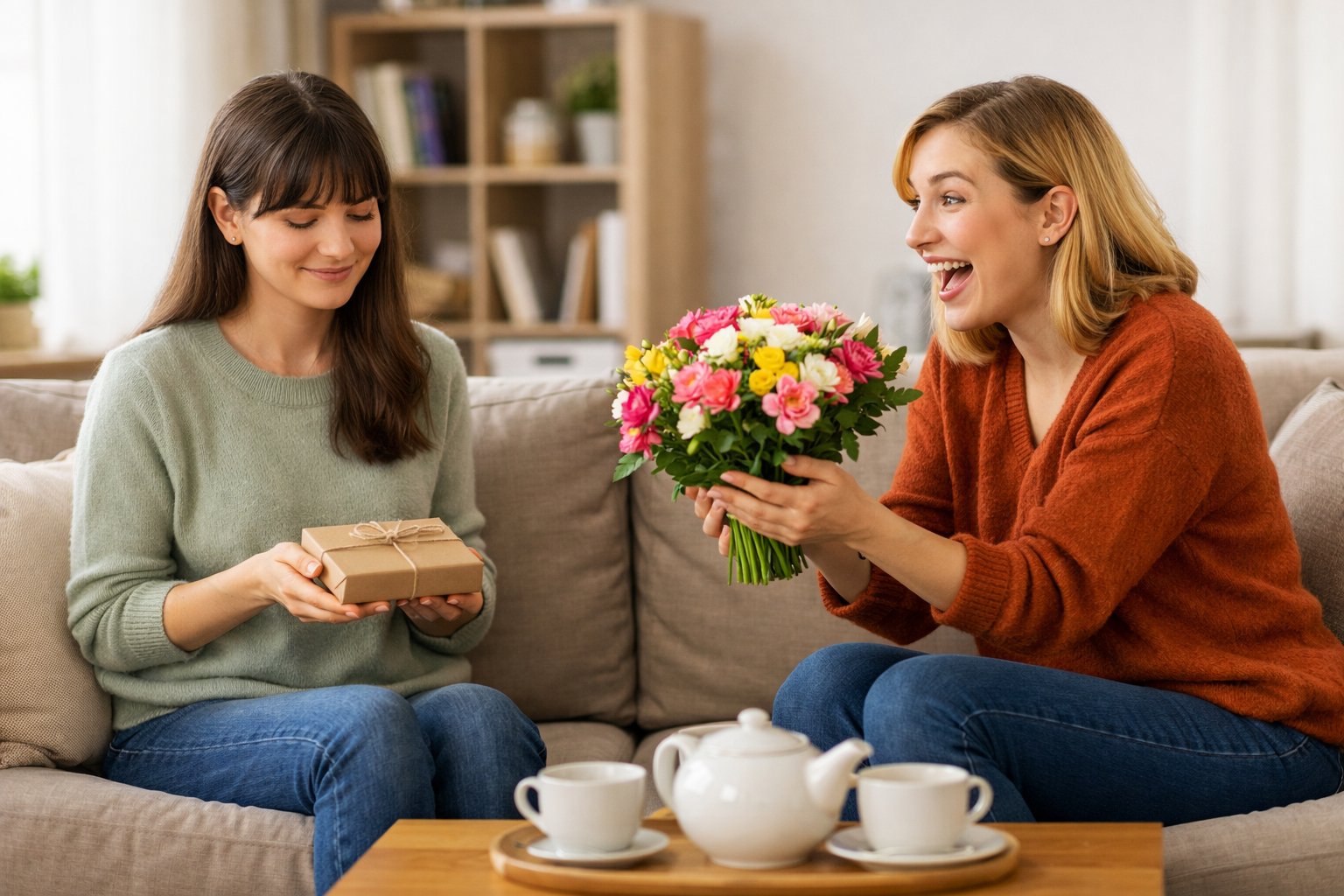
Introverts often feel more natural sending thoughtful, practical gifts that show care without demanding an immediate emotional response, while expressive friends typically prefer gifts that spark conversation, celebrate the relationship openly, or create moments to share together. Understanding how introverts and extroverts approach friendship differently helps explain why certain gifts feel right to send and others feel awkward or forced.
The difference matters because gift-giving across distance already carries uncertainty. When someone sends something that matches their personality but doesn't match how their friend receives care, the gesture can miss its mark. A personalized photo book from Amazon Handmade works well for someone who values reflection and memory, while an experience voucher might suit a friend who thrives on planning future adventures together. You can also consider a custom message card from Zazzle that lets someone add their own words without the pressure of getting it exactly right. It works for the person who wants to say something meaningful but keeps second-guessing the wording. You can personalize it here.

Introverts recharge through solitude and process emotions internally, while expressive friends share openly and connect through conversation. Personality traits influence how each person approaches distance gifting, from selecting items to communicating what those gifts mean.
Introverts tend to guard their inner world carefully. They think deeply before sharing and prefer meaningful one-on-one interactions over large gatherings.
When an introvert receives a gift from far away, she often appreciates the gesture most when it doesn't demand an immediate emotional response. A personalized journal or quiet token gives her time to process the sentiment privately.
Expressive friends, on the other hand, communicate their feelings readily. They share thoughts and emotions with intention and depth, creating bridges between their internal experience and external connection. This openness shapes how they choose gifts—they lean toward items that invite conversation or shared memories.
An expressive friend might send a custom photo gift that sparks a story or prompts a phone call. She values the exchange that follows the gift as much as the item itself.
For someone who wants to acknowledge distance without making it feel heavy, a customizable card carries just enough warmth. You can personalize it here.
Introversion and extraversion exist on a spectrum shaped by biology and environment. Most people don't sit at either extreme but move along this range depending on context and relationships.
Someone who identifies as introverted may still express herself openly with close friends. She might feel drained after large social events but feel energized during intimate conversations. This flexibility matters when choosing gifts because it shifts what feels natural.
An introverted person in a long-distance friendship might prefer gifts that don't require immediate acknowledgment. A personalized blanket or book offers comfort without pressure.
On the extraverted end of the spectrum, someone might thrive on connection and feedback. She wants gifts that create moments to share, like a subscription box or experience voucher that leads to conversation.
Understanding where someone falls on this spectrum helps clarify whether a gift should invite interaction or provide space for reflection.
Ambiverts blend traits from both introversion and extraversion. They might feel quiet and reserved around strangers but animated and social with people they trust.
This flexibility means an ambivert can appreciate different types of distance gifts depending on her current emotional state. She might welcome a customizable mug one month and prefer a handwritten letter the next.
Ambiverts tap into different ranges of the spectrum, which makes them adaptable in friendships. They can match an introverted friend's need for space or an expressive friend's desire for connection.
When selecting a gift for an ambivert, consider items that balance both qualities. A photo album she can flip through alone or share during a video call works well. A custom playlist or recipe collection offers the same duality.
For those who shift between needing closeness and needing distance, a simple keepsake strikes the right balance without pushing too hard in either direction.

A gift feels natural when it aligns with how two people already relate to each other and reflects the emotional weight they assign to the relationship. It's less about the item itself and more about whether it honors the unspoken understanding between them.
Emotional connection determines whether a gift feels intrusive or appropriate. When someone knows a friend deeply through meaningful conversations and shared experiences, they can choose something that speaks to that history without overstepping.
An introvert might appreciate a handmade journal that references an inside joke or a quiet moment they both value. An expressive friend might prefer something that celebrates a shared adventure or inside story they tell often.
The key is matching the gift to the emotional language they already use. If their friendship thrives on humor and lighthearted exchange, a sentimental keepsake might feel awkward. If they bond over vulnerable moments, something playful could miss the mark entirely.
For friends who connect through shared memories, a custom photo book on Amazon Handmade lets someone curate images that matter without adding pressure. If she wants something that feels personal without making the moment overly sentimental, a customizable photo collage keeps it meaningful yet light. She can personalize it here.
Perceived closeness matters more than actual time spent together. Two people might see each other rarely but still feel deeply connected. Others might interact often but maintain emotional distance.
Understanding how introverts and extroverts perceive closeness differently helps someone choose a gift that reflects reality rather than assumption. An introvert might feel close through infrequent but meaningful exchanges. An expressive friend might measure closeness through frequency and spontaneity.
When distance separates friends, a gift should acknowledge the relationship's current rhythm. Someone sending a package across states needs to consider whether the friendship feels actively close or affectionately distant. A personalized care package on Amazon Custom works when the relationship supports that level of thought. A simple card might feel more honest when connection has been lighter lately.
The safest approach is choosing something that matches how they both already show care. If they text memes and short updates, a humorous custom mug feels consistent. If they write long messages or talk deeply when they do connect, something more thoughtful fits better.
Introverts tend to focus on meaningful connection over visible effort when choosing gifts from afar. They prioritize careful selection and personal relevance, often taking time alone to consider what will resonate most with the recipient.
An introvert typically sends fewer gifts but puts considerable thought into each one. She might spend days considering what her friend actually needs or what reflects a shared memory between them.
This approach often leads to personalized items rather than generic options. A custom photo book capturing specific moments together carries more weight than a standard gift basket. She might choose a handmade journal with a quote that reminds her friend of an inside joke.
The selection process happens privately. An introvert doesn't usually ask others for suggestions or browse stores with companions. She prefers quiet time to recharge while reflecting on what would truly matter to the recipient.
If she wants something that feels personal without making the moment overly sentimental, a customizable design keeps it meaningful yet light. You can personalize it here.
Introverts require solitude to make thoughtful gift decisions. The mental energy needed to consider someone's preferences and emotional needs drains their social battery quickly.
She might wait until evening when the house is quiet to browse options online. Shopping in crowded stores feels overwhelming, making distance gift-giving actually easier for her natural style.
Research shows that gifts can influence psychological distance between people. Introverts instinctively understand this connection and use their alone time to strengthen bonds through careful selection.
After sending a gift, she may not follow up immediately. This doesn't indicate disinterest but rather her need to step back and recharge after the emotional investment of choosing something meaningful.
An introvert avoids flashy presentations or elaborate packaging. She focuses on the gift itself rather than the delivery experience.
Her card messages tend to be brief but sincere. A few carefully chosen words carry more authenticity than lengthy expressions. She might reference a specific conversation they had months ago, showing she was listening deeply even when she seemed quiet.
Thoughtful and empathetic traits guide her selections toward items that serve a practical purpose or honor the recipient's private interests. A cozy blanket for someone who mentioned feeling cold during video calls demonstrates attentive care without drawing attention to the gesture itself.
She prefers gifts that don't require immediate response or public acknowledgment. A personalized bookmark arrives quietly, letting her friend discover and appreciate it privately.
Extraverted friends treat distance gifts as natural ways to keep connection visible and active. They gravitate toward items that invite interaction or celebrate the relationship in ways others can see.
Extroverts gather energy by spending time with other people, which shapes how they think about gifts across distance. For them, a gift often works best when it creates a reason to connect again soon. They might send a customized video message card that invites a reply or a subscription box that gives them something to text about each month.
These friends also enjoy gifts that other people will notice. A bold mug with an inside joke or a sweatshirt with a shared memory doesn't just sit in a drawer. It becomes part of daily life and might even spark conversations with others.
If you want something that feels personal without making the moment overly sentimental, a customizable design like this keeps it meaningful yet light. You can personalize it here.
Extraverted friends also appreciate gifts that make future plans easier. A framed photo of the two of them signals "we're still us" even when apart.
Extraversion involves being enthusiastic, talkative, and energized by interaction, so gifts that feel expressive match this personality trait. These friends respond well to items that feel celebratory rather than quiet. A care package filled with bright, fun items feels more natural than a single understated object.
They also value openness in how gifts are given. A surprise package announced with a playful text or video feels right. The gift itself becomes an event, not just an item.
Group gifts work especially well for extraverted friends. A personalized photo book filled with messages from mutual friends combines socializing with sentiment. It reminds them that distance hasn't changed the larger circle they value.
Research shows that practical gifts can make recipients feel closer to the giver than highly desirable ones. The type of gift chosen also shapes how connected both people feel across physical distance.
When someone receives a gift focused on practicality rather than quality alone, they tend to feel closer to the person who sent it. Studies found that recipients felt more connected when told the giver prioritized ease of use over overall impressiveness.
This happens because feasible gifts signal that the giver understands daily life and real needs. A thermal coffee mug for morning routines means more than expensive concert tickets if distance already limits shared experiences.
The difference matters more for introverts and expressive friends separated by miles. An introvert might appreciate a cozy weighted blanket for quiet evenings. An expressive friend might value a custom photo book capturing shared memories.
For something that bridges both practicality and personality, a custom mug with an inside joke works well. It fits into daily routine while keeping the connection visible. You can personalize it here.
Physical separation creates psychological distance that gifts can either shrink or widen. Feasible gifts reduce perceived distance more effectively than aspirational ones because they demonstrate understanding of current circumstances.
A gift that solves a specific problem shows attention to what matters now. This works better than something that requires the recipient to imagine future use or shared enjoyment.
The effect strengthens when the giver explains their reasoning. Mentioning that a noise-canceling headphone set came from knowing about their noisy apartment makes the gesture land differently than sending it without context.
For long-distance friendships, items that fit existing habits outperform ones that demand behavior changes. A personalized journal for someone who already writes beats a meditation app subscription for someone who doesn't meditate.
Gifts sent from a distance create different emotional effects depending on whether they lean toward quiet reflection or outward connection. The difference isn't about better or worse, but about how each type shapes the experience after the package arrives.
Introvert-style gifts often settle into the recipient's daily life gradually. A personalized journal becomes part of their morning routine. A custom art print earns a place on their wall where they see it every day.
These gifts build meaning over time rather than all at once. The emotional payoff accumulates through repeated use or quiet reflection.
Expressive gifts create their strongest emotional impact right away. An experience voucher sparks immediate planning and anticipation. A surprise subscription box generates excitement each month it arrives.
The energy around these gifts tends to be conversational. They naturally lead to meaningful conversations about plans, shared interests, or future visits. This doesn't mean the sentiment fades quickly, but the emotional peak happens sooner.
If someone values objects they can return to privately, a custom photo book offers that quiet connection. For friends who process emotions through talking and sharing, something that invites interaction works better.
Distance gifts carry an invisible question: "Did this land the way I hoped?" Introvert gifts reduce that anxiety by keeping the emotional stakes manageable. A small, thoughtful object doesn't demand an immediate reaction or effusive gratitude.
This matters especially when introversion and extroversion affect how people process emotions. Some people need time before they can fully express what a gift means to them.
Expressive gifts assume a certain comfort with open emotional exchange. They work best when both people already share that communication style. A gift that says "let's talk about this" feels natural to someone who finds energy in connection.
Trust grows differently with each approach:
If someone tends to guard their inner reactions, a gift that doesn't require performance feels safer. A custom design lets them appreciate it privately first. You can personalize it here.
Real experiences show how different personality types respond to gifts sent across miles. An introvert might treasure a quiet gesture that honors their inner world, while an expressive friend often finds joy in gifts that spark conversation and shared excitement.
An introvert who receives a thoughtful gift during separation often values the time someone took to choose something meaningful over the item itself. She might not immediately share her reaction publicly, but the gift becomes part of her private emotional landscape.
One woman described receiving a leather journal from a long-distance friend. It wasn't flashy or expensive. But it arrived with a handwritten note that acknowledged her tendency to process feelings through writing. She kept it on her desk for months before using it, not because she didn't appreciate it, but because it felt too personal to treat casually.
Introverts often connect with gifts that:
A custom notebook with subtle personalization can feel like someone truly saw her. If she prefers something that honors a shared memory without drawing attention, a design that reflects an inside reference works well. You can personalize it here.
An expressive friend approaches distance gifting differently. She tends to send gifts that invite interaction or spark a conversation. When she receives something in return, she's likely to text a photo immediately or call to share her reaction.
One expressive woman sent care packages filled with shared jokes, local snacks, and small items tied to ongoing stories between them. When her friend sent back a framed photo of a trip they'd taken together, she posted about it and texted for an hour discussing the memory.
Expressive friends often appreciate gifts that:
A personalized blanket with images from past visits gives her something tangible to hold onto while also becoming a conversation piece. If she enjoys displaying her connections openly, something she can show others feels natural. A photo collage design works when the relationship thrives on visible celebration. You can create one here.
Gift giving between introverts and expressive friends often creates confusion when personality traits shape how each person interprets the gesture. What feels thoughtful to one person may register as distant or overly intense to another.
Introverts often choose gifts that reflect careful thought and personal meaning. They might spend weeks considering what someone needs or would appreciate. An expressive friend might receive a practical gift focused on ease of use and wonder if it lacks enthusiasm.
The reverse happens too. When an extraverted friend gives something bold or experiential, an introvert may feel overwhelmed by the attention it requires. A concert ticket feels exciting to the giver but exhausting to the receiver.
Symbols of sentiment can be mismatched when the giver's meaning doesn't align with how the recipient translates it. An introvert's understated gesture might seem cold. An expressive friend's enthusiasm might feel performative. Neither person intends harm, but personality differences create gaps in understanding.
If someone prefers something meaningful yet light in tone, a custom design notebook lets them add personal touches without making the moment feel heavy. You can personalize it here.
Extraverted friends often expect gift exchanges to include interaction. They plan gatherings or want to watch someone open a present in real time. For introverts, this adds pressure to perform gratitude in a way that feels unnatural.
Introverts may prefer giving gifts quietly or through the mail. They worry less about the moment of exchange and more about whether the item itself suits the person. This can leave expressive friends feeling like the gesture lacked warmth or connection.
Some people struggle with gift giving because it feels unnatural or uncomfortable based on their personality. Introverts might feel anxious about choosing something that invites too much attention. Expressive friends might worry that a low-key gift seems like they didn't care enough.
A handmade leather journal works for someone who values understated quality without needing fanfare around the exchange. The choice balances thoughtfulness with a lack of social performance.
Personalized gifts work best when they reflect what someone actually values, not just what feels sentimental. Introverts and expressive friends respond to different levels of visibility and emotional weight in what they receive.
Introverts often appreciate gifts that feel private and usable. A custom journal with their initials offers a quiet space for reflection without drawing attention. They may prefer items they can enjoy alone, like a personalized blanket or a book with a handwritten note tucked inside.
Expressive friends tend to enjoy gifts that spark conversation or create shared moments. A photo book filled with memories from past trips gives them something to show others. They often like items that feel celebratory or interactive, such as matching friendship bracelets or custom mugs with inside jokes.
If someone values thoughtfulness over novelty, a personalized cutting board with their name or a meaningful date can feel grounded and useful. It works for someone who prefers gifts they can integrate into daily life.
You can personalize it here.
Some people feel uncomfortable receiving gifts that feel too public or emotionally heavy. Asking simple questions like "Do you prefer something you can use or display?" helps avoid missteps. Introverts may hesitate to say they dislike attention-grabbing gifts, so framing it as a practical question makes it easier.
Expressive friends may assume others share their enthusiasm for sentimental gestures. They might send friendship lamps that light up when touched, which works for some but feels overwhelming for others. Checking in about comfort levels with interactive long-distance gifts prevents mismatched expectations.
When personality traits differ, naming preferences directly reduces guesswork. Someone might say they prefer low-key gifts or enjoy surprising others with bold gestures. Both approaches are valid when they align with what each person finds meaningful.
Research on personality types shows that introverts and extroverts process social connection differently, which affects how they give and receive gifts. Studies reveal that extroverts have more friends and make new friends faster in social settings, while introverts prefer deeper one-on-one connections.
Hans Eysenck developed one of the earliest models to explain how extraversion and introversion shape behavior. His research focused on biological differences in how people respond to stimulation. Extraverts seek external stimulation and social interaction to feel energized, while introverts find too much external input overwhelming.
This biological foundation helps explain gift-giving patterns. An extrovert might naturally choose a gift that creates shared experiences or sparks conversation. An introvert often selects something more personal that the recipient can enjoy privately.
When sending a distance gift, these differences become clearer. A customized photo canvas print lets an introvert share a meaningful memory without requiring an immediate response. For someone who values quiet reflection, this works naturally. You can find options here.
Modern research expands beyond simple introvert-extrovert labels. Research on personality and friendships shows that age and life stage also influence how people build and maintain connections. The way someone approaches friendship at 25 differs from their approach at 45.
Current studies examine how personality traits affect gift selection in long-distance friendships. Introverts tend to choose gifts that reflect careful observation and personal knowledge. They might send a book they know their friend will love or a handmade journal that matches their interests.
Extroverts often pick gifts that facilitate future interaction. They might send matching items, plan virtual experiences, or choose something that prompts a video call. Neither approach is better. Both reflect genuine care expressed through different emotional languages.
Choosing distance gifts for friends with different social styles requires understanding how each person processes connection and values personal space. These questions address practical concerns about selecting meaningful gifts that honor both introverted and expressive communication styles.
Introverts respond well to gifts that respect their need for solitude and reflection. A quality journal or notebook gives them a private space to process thoughts without external pressure. Books tailored to their specific interests show attention to what matters to them individually.
Introverts often prefer to recharge alone or with one or two intimate friends. Gifts that support solo activities align with this natural tendency. A cozy blanket, specialty tea sampler, or noise-canceling headphones acknowledges their preference for quiet environments.
Digital subscriptions work particularly well for distance friendships. An audiobook membership or streaming service subscription provides ongoing enjoyment without requiring immediate social response. These gifts allow introverts to engage on their own schedule.
Expressive friends can bridge the distance gap by choosing gifts that invite connection without overwhelming. A custom photo book captures shared memories in a format an introvert can revisit privately. This creates emotional resonance without demanding real-time interaction.
Personalized items that reference inside jokes or shared experiences work well. A custom mug with a meaningful quote or image keeps the friendship present in daily routines. The key is selecting something thoughtful rather than attention-seeking.
Voice or video messages recorded separately allow expressive friends to share warmth while giving introverts time to absorb and respond thoughtfully. Pairing this with a tangible gift creates layers of connection. The introvert receives both the emotional expression and a physical reminder they can engage with at their own pace.
Reserved friends value gifts that don't create social obligations or pressure to respond immediately. Avoid items that require public display or group participation. Instead, focus on private pleasures that fit into their established routines.
Consider the level of attention the gift might attract. A reserved person might feel uncomfortable with something that draws comments or questions from others. Subtle, personal items work better than flashy or conversation-starting pieces.
Timing matters for reserved individuals. Sending a gift without announcing it beforehand removes the anxiety of anticipation. They can process their feelings privately before reaching out to thank the sender.
Gifts that enhance an introvert's personal sanctuary demonstrate genuine understanding. Items for their home workspace, reading nook, or creative space show respect for where they feel most comfortable. A quality desk lamp or organizational tools support their need for order and control over their environment.
Respecting boundaries is vital in extrovert-introvert friendships. A gift card to a favorite store or restaurant gives them autonomy over how and when they use it. This removes any pressure to participate in activities outside their comfort zone.
Consumable gifts like specialty coffee, candles, or bath products provide enjoyment without adding to physical clutter. These items respect the introvert's space by eventually disappearing rather than requiring permanent placement or explanation.
Communication tools that accommodate different styles strengthen the friendship. A personalized stationery set encourages written correspondence, which many introverts prefer over phone calls. This lets the expressive friend share openly while giving the introvert time to craft thoughtful responses.
Games designed for two players create structured interaction opportunities. A quality board game or puzzle can be enjoyed during video calls or saved for in-person visits. The activity provides something to focus on besides constant conversation.
If you want something that feels personal without making the moment overly sentimental, a customizable design like this keeps it meaningful yet light. You can personalize it here.
Shared experience gifts work when they're flexible. A virtual cooking class subscription or online workshop series lets both friends participate from their own spaces. The expressive friend gets social interaction while the introvert maintains physical distance.
Understanding personality differences helps in selecting gifts that honor both styles. The expressive person might prefer gifts that facilitate communication and sharing. The introvert likely appreciates gifts that support independent enjoyment.
The friendship's history reveals what works. If the expressive friend typically initiates plans while the introvert prefers quiet hangouts, gifts should reflect this balance. A handmade blanket might suit cozy gatherings the introvert enjoys, while photo prints commemorate the adventures the expressive friend organizes.
Distance changes how friends interact. Gifts that bridge physical separation without demanding constant engagement work best. A plant that needs minimal care symbolizes the friendship's ability to thrive with less frequent contact. Both friends can appreciate its growth without needing to coordinate schedules.
The depth of understanding between these friends matters more than personality type. Someone who knows their introverted friend's specific interests can choose a niche item that shows real attention. Generic "self-care" packages miss the mark compared to a custom journal designed around their actual hobbies or goals.