
Your Cart is Empty
Choosing a wearable gift can feel like walking a tightrope between thoughtful and too personal. A scarf might seem safe, while a bracelet could feel loaded with meaning. The truth is that context matters more than the item itself.
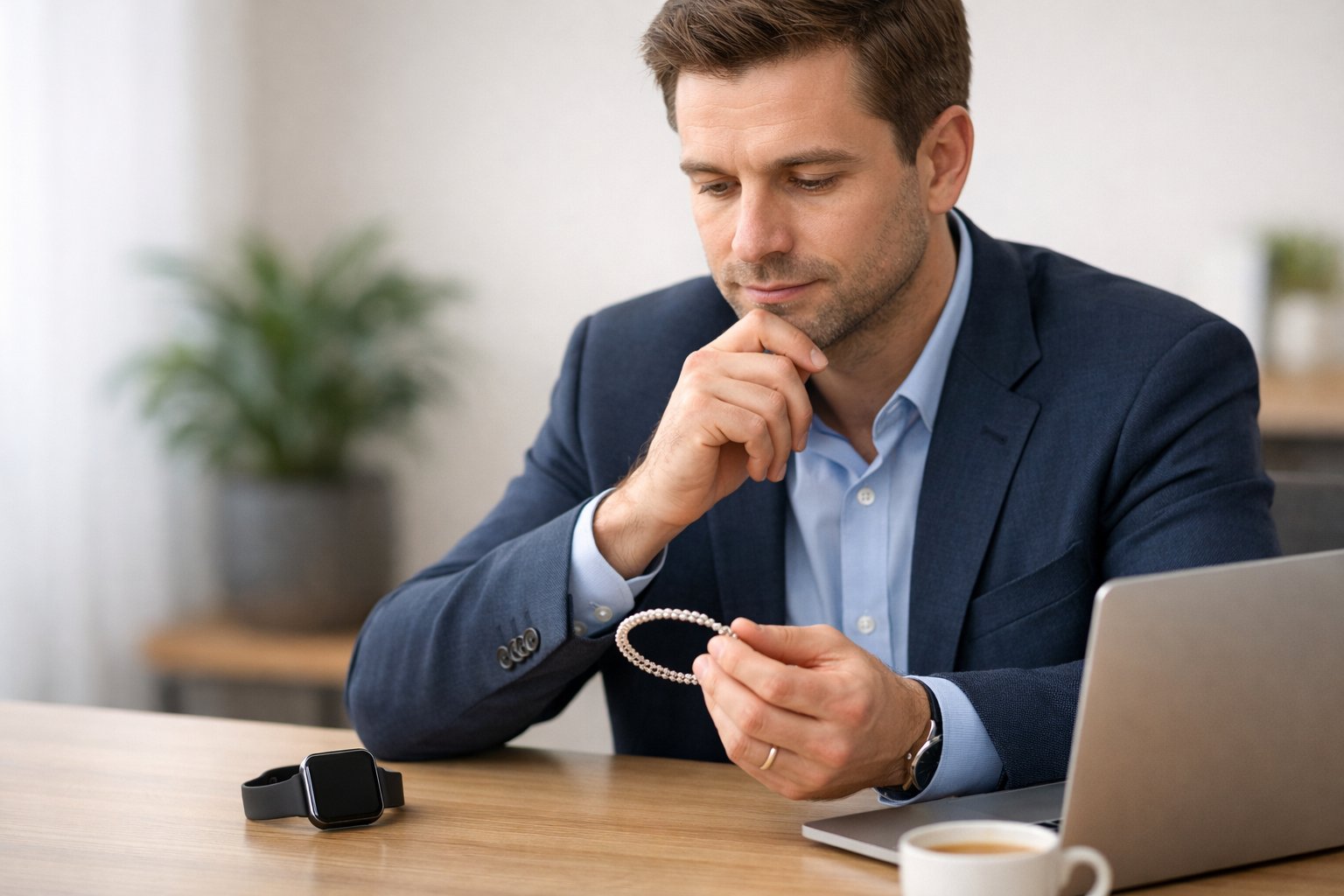
A wearable gift is appropriate when it matches the relationship's emotional boundaries, respects personal style, and doesn't assume physical or romantic intimacy. The discomfort comes not from the gift category but from misreading how close the connection actually is. A coworker might appreciate a customized phone case, but a monogrammed necklace could cross a line.
This guide offers a clear framework for evaluating whether a wearable gift fits the moment. It covers relationship context, personalization levels, and practical questions that help avoid awkward moments while still showing genuine care.
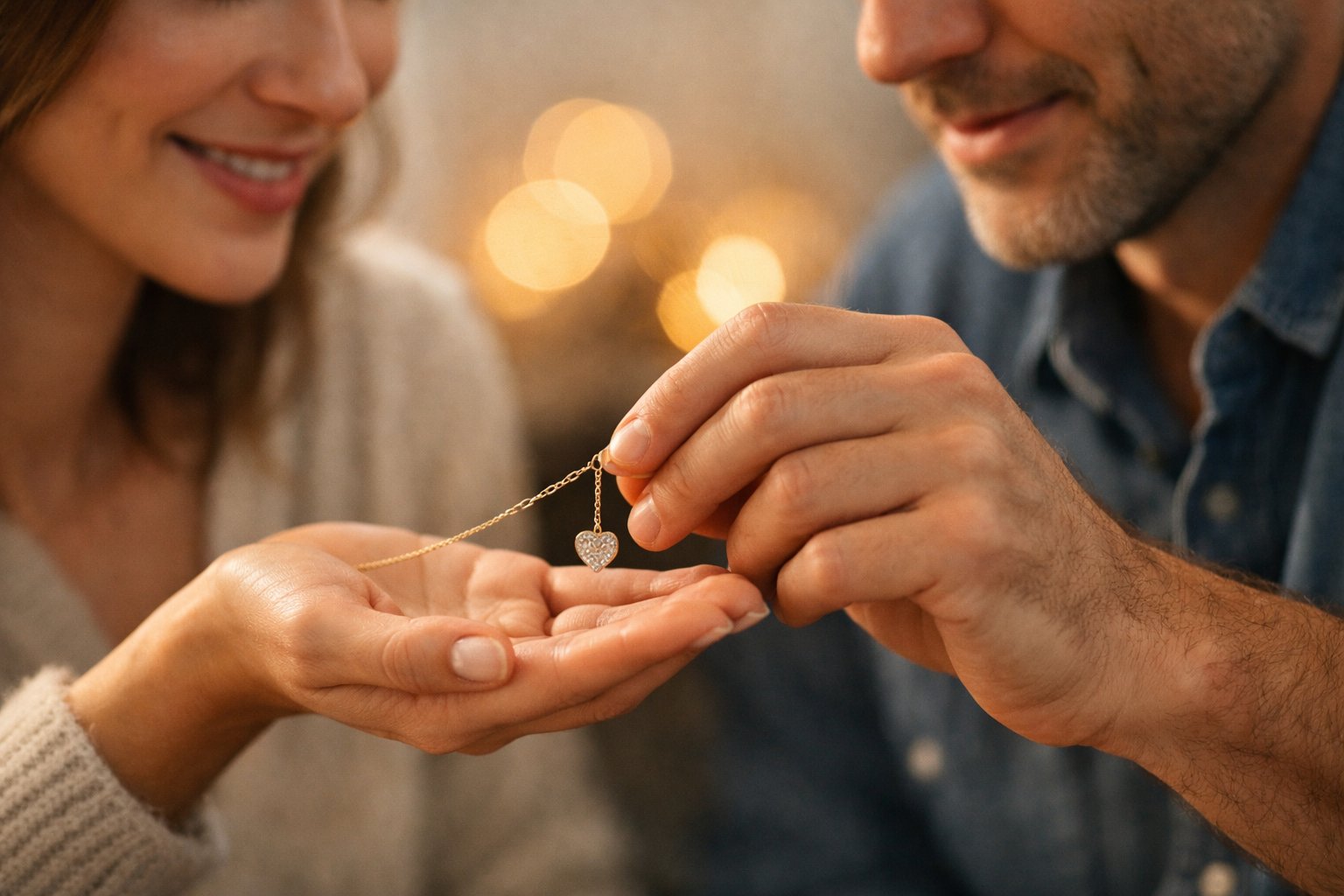
Wearable gifts carry emotional weight because they touch the body and become part of someone's daily routine. The level of intimacy depends on emotional attachment, how the item reflects identity, and what it symbolizes within a relationship or culture.
Wearable items create a unique bond between giver and receiver because they stay close to the body throughout the day. A necklace worn daily or a bracelet that never comes off becomes a physical reminder of the relationship.
Thoughtful intimate gifts work best when they start with understanding the person rather than choosing what seems impressive. The emotional impact comes from knowing what makes someone feel seen or valued.
When someone wears a gift regularly, it signals that the item matters to them. This visibility can feel vulnerable for both people involved. A watch passed down through generations carries different emotional weight than one purchased last week. The meaning attached to the item shapes how intimate it feels.
Wearable gifts gain sentimental value when they connect to specific memories or relationships. A bracelet received during a difficult time might become a source of comfort. An engraved ring marking an important date turns into a tangible piece of shared history.
These items often become part of how someone expresses who they are. A person who values minimalism might cherish a simple personalized necklace more than elaborate jewelry. Someone celebrating a major life change like becoming a parent might appreciate pregnancy gifts that honor that transition.
Self-expression through wearables reflects both personal taste and the relationships that shape someone's life. When a gift aligns with how someone already presents themselves, it feels supportive rather than imposing.
Different cultures assign varying levels of meaning to wearable items. In some traditions, certain jewelry marks relationship status or family ties. Religious symbols worn as pendants or bracelets carry spiritual significance that extends beyond decoration.
Cultural influences shape what feels appropriate to give and receive. A ring might signal commitment in one context and simply be a fashion choice in another. Understanding these unspoken rules helps determine whether a wearable gift will feel thoughtful or too forward.
The symbolism can also be personal rather than cultural. A couple might assign private meaning to a specific type of bracelet or charm. What looks ordinary to others becomes deeply significant between two people. This private language makes wearable gifts either perfectly intimate or uncomfortably presumptuous depending on the relationship's stage.
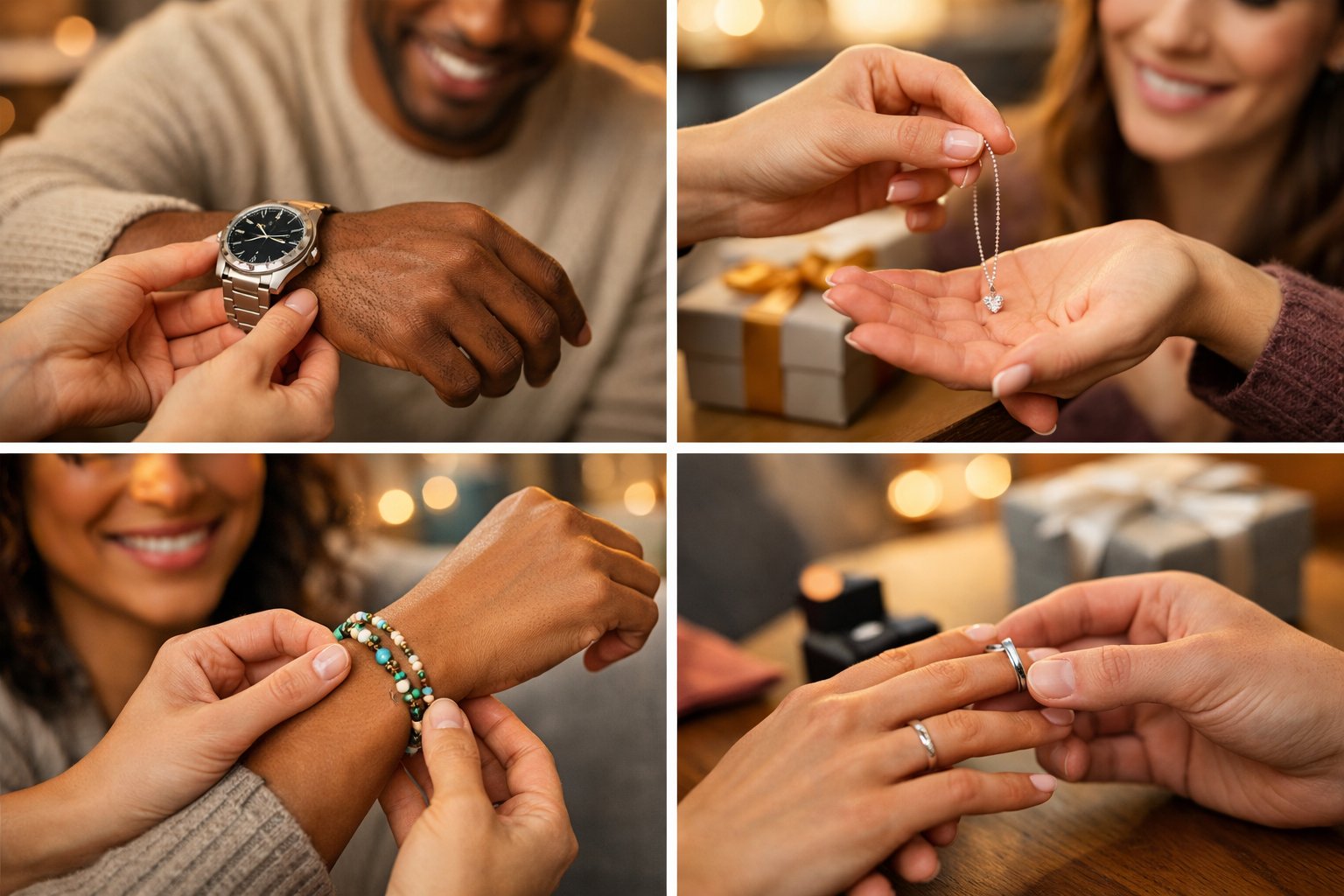
Different wearable gifts carry different weight depending on whether they touch the body daily, store personal data, or hold symbolic value passed down through generations. Understanding these distinctions helps clarify what each type of gift communicates.
Fashion accessories like scarves, belts, and jewelry make up a traditional gift category that most people understand. These items sit on the surface of daily life. They're visible and decorative but don't typically collect data or require setup.
Jewelry often carries sentimental weight, especially pieces selected for meaningful recipients. A bracelet or necklace can be worn occasionally or daily based on personal preference. The giver doesn't usually know when or how often it gets used.
Smart wearables operate differently. A smartwatch or fitness tracker sits against the skin and collects health data throughout the day. These devices sync with phones and computers to provide real-time information about steps, heart rate, sleep patterns, and activity levels.
The Apple Watch and Fitbit represent this category well. They require charging, software updates, and regular interaction. The recipient needs to decide whether to share their health data and how much they want to engage with constant notifications. This level of integration makes smart wearables feel more personal than a decorative accessory that can be removed without consequence.
Personalized wearables carry names, dates, initials, or custom designs that connect directly to the recipient's identity. A monogrammed watch band or engraved bracelet acknowledges specific details about someone's life. These gifts show effort and attention but also lock the item to one person.
If the relationship changes or the recipient's taste shifts, personalized items become harder to pass along or repurpose. They work best when the connection between giver and recipient feels stable and established.
Functional wearables prioritize utility over sentiment. A heart rate monitor or Oura Ring focuses on tracking specific health metrics without emotional messaging attached. The gift says "I support your goals" rather than "I know you deeply."
A continuous glucose monitor serves people managing diabetes. Smart glasses offer hands-free navigation and notifications. Smart garments with embedded sensors track posture or muscle activity during workouts. These items address practical needs first.
Some people prefer functional gifts because they feel less emotionally loaded. The recipient can use them, benefit from them, and eventually replace them without guilt. The relationship stays separate from the object itself.
Heirloom wearables carry history across generations. A watch passed from grandparent to grandchild or a ring that belonged to a parent holds meaning beyond its material value. These items represent continuity and family connection. They're meant to last and be kept.
Giving an heirloom piece signals deep trust and a desire to share something irreplaceable. The recipient becomes a steward of family memory. This kind of gift works when the relationship has enough foundation to support that weight.
Connected devices like fitness trackers or smartwatches exist on the opposite end of the spectrum. They're designed to be replaced every few years as technology advances. They don't hold long-term sentimental value in the same way.
A Fitbit or Apple Watch serves the present moment. It helps someone track their health now and improve their habits today. When it stops working or becomes outdated, it gets discarded without ceremony.
Some wearables blur these boundaries. A high-quality mechanical watch can function as both a practical timepiece and a potential heirloom. A simple leather bracelet might be worn daily for years and eventually carry memories of the time it was given. The distinction matters because it shapes what the gift means and how long the recipient is expected to keep it.
The appropriateness of a wearable gift depends heavily on the type of relationship and the expectations that come with it. Different relationship categories carry different norms around physical closeness and personal boundaries.
Family relationships often allow more flexibility with wearable gifts because shared history creates a foundation of trust. A scarf for a grandmother or a watch for a sibling typically feels appropriate because these relationships already involve physical affection and closeness.
Close friends occupy a similar space. Years of friendship build enough comfort that a necklace or bracelet rarely feels invasive. The key factor is reciprocity in the relationship.
When selecting a wearable for a family member, consider their daily routine. A mother-in-law who dresses formally for work may appreciate elegant jewelry more than someone who prefers casual clothing. The gift should match how they already present themselves.
Age and generation also shape expectations. Older family members may view certain wearables as more intimate than younger generations do. A gift that feels casual to one person might feel overly personal to another.
Professional relationships require stricter boundaries. A coworker or business contact typically expects gifts that maintain emotional distance. Wearable items in work settings should be clearly practical rather than personal.
Scarves, ties, or lapel pins work better than jewelry in professional contexts. These items serve a function and don't suggest physical closeness. The implications of gift-giving depend on the context in which the relationship exists.
For acquaintances, the lack of relationship history makes most wearables risky. Without established patterns of gift exchange, a necklace or ring can create discomfort. The recipient may wonder about the giver's intentions.
If a wearable gift feels necessary in a professional setting, choose items with clear utility. A quality pen or desk accessory removes ambiguity that jewelry or clothing might create.
Romantic relationships involve the most complex considerations. Early dating stages require restraint because the relationship hasn't established its trajectory yet. A bracelet on a third date may signal more commitment than either person intends.
Established romantic partnerships allow greater freedom with wearables. A personalized piece for a wife or long-term partner often strengthens the bond because the relationship already includes physical and emotional intimacy.
The type of wearable matters significantly. Rings carry stronger implications than earrings or watches. Items worn close to the skin suggest more intimacy than those worn over clothing.
Consider the recipient's style preferences carefully. A person who rarely wears jewelry may feel pressured to wear a gift they don't enjoy. The gesture becomes a burden rather than a pleasure. If someone wants something meaningful without heavy sentiment, a customizable watch lets them carry a thoughtful detail daily. You can personalize it here.
Timing shapes appropriateness too. Anniversary gifts naturally accommodate more intimate wearables than birthday presents in newer relationships. The occasion itself provides context that reduces ambiguity about the gift's meaning.
For daughters reaching milestones, a meaningful piece of jewelry can mark growth and transition. These gifts work because the parent-child relationship already includes deep emotional connection and physical care throughout life.
Before giving someone a wearable device, it helps to assess the relationship context and the recipient's actual habits. This involves checking emotional boundaries, making sure comfort is mutual, and noticing what the person already uses or mentions wanting.
Wearable devices sit on the body all day. They track personal information like heart rate, steps, and sleep patterns. This makes them different from traditional gifts.
The closeness of the relationship matters. A fitness tracker from a partner who shares workout goals feels supportive. The same gift from a distant acquaintance might feel intrusive or judgmental.
Some wearables send implicit messages. Giving a health monitor to someone who hasn't expressed interest in tracking wellness can suggest the giver thinks they need to improve. That reads as criticism, not care.
Consider the recipient's autonomy. If they've never mentioned wanting to track their activity or health data, a wearable may cross a line. The gift assumes they should care about metrics they haven't prioritized.
A smartwatch from a close friend who knows the recipient wants better connectivity throughout the day respects both the relationship and the person's stated needs. Context and mutual understanding determine whether the gift feels thoughtful or overstepping.
Consent isn't just for major decisions. It applies to gifts that enter someone's daily routine and personal space.
One way to gauge comfort is through conversation. Mentioning a wearable technology product casually and watching for interest signals whether the person is open to it. If they don't engage or change the subject, that's useful information.
Asking directly can work too. "Would you ever use a fitness tracker?" or "Have you thought about getting a smartwatch?" gives the recipient room to express their actual preferences without pressure.
Some people dislike devices on their wrists or feel uncomfortable with constant health monitoring. Others find data tracking stressful rather than motivating. Respecting those boundaries matters more than giving what seems practical or trendy.
If the recipient has previously declined wearables or removed devices they were given, that's a clear boundary. Ignoring it prioritizes the giver's intentions over the recipient's comfort.
Watching what someone already does reveals more than asking hypothetical questions. If they check their phone frequently during workouts, they might appreciate a smartwatch with fitness tracking. If they never mention step counts or health metrics, they probably won't start.
Look for patterns in their routines. Someone who runs every morning and talks about improving their pace shows interest in performance data. Someone who exercises casually without mentioning progress likely values movement differently.
User research in product design emphasizes understanding actual behavior over assumed needs. The same principle applies here. What devices does the recipient already wear and use? What do they complain about or wish worked better?
If they wear a basic watch daily, they value wrist accessories. If they've mentioned wanting notifications without pulling out their phone, connectivity matters to them. These observations guide better decisions than generic gift guides.
For someone who values personalization, a custom engraved fitness band can feel more considerate than a standard model. It shows the giver paid attention to their style and preferences. You can personalize it here.
When in doubt, ask specific questions. "I've been thinking about getting a device to track my runs—do you use anything like that?" opens the door without making assumptions. The recipient's response clarifies whether they'd welcome a similar gift or prefer to keep fitness private.
Adding a name or message to a wearable can elevate it from generic to memorable, but only when the choice reflects genuine attention without presuming emotional depth. The key is to focus on what the recipient values, not what the giver wants the gift to symbolize.
Customization works best when it enhances the item's purpose rather than imposing sentiment. A bracelet engraved with initials feels considerate. A bracelet engraved with "Forever Yours" assumes a level of connection that may not exist yet.
The relationship stage determines what level of personalization feels appropriate. For colleagues or acquaintances, stick to functional details like initials or a first name. For close friends, inside jokes or shared references work if they're lighthearted. For new romantic interests, avoid anything that implies permanence or deep emotional investment.
Safe personalization options include:
A monogram necklace with simple lettering offers personalization without emotional weight. Someone who loves subtle accessories will appreciate the thoughtful detail without feeling overwhelmed by the gesture.
Giving someone the ability to shape their own gift removes the pressure of getting every detail right. Gift cards to jewelry makers or customizable platforms let the recipient choose what resonates with them personally.
This approach works particularly well when the relationship is still developing. Instead of guessing ring size or metal preference, presenting a customizable jewelry option shifts the focus from the giver's interpretation to the recipient's actual taste.
Personalized name jewelry allows for individual expression while maintaining thoughtfulness. A create-your-own charm bracelet kit gives the recipient control over every element, from metal type to pendant selection.
If she wants something that feels personal without making the moment overly sentimental, a customizable design keeps it meaningful yet light. You can personalize it here.
For coworkers or distant relatives, a voucher toward custom jewelry at a trusted retailer demonstrates care without assuming too much about style preferences.
Names work universally but require discretion. Full names feel formal and safe for professional contexts. First names suit friendships. Nicknames only work if the recipient uses them publicly and comfortably.
Messages carry more risk. Short, neutral phrases like "Stay Strong" or "Dream Big" maintain boundaries. Avoid romantic language, poetry, or anything that assigns meaning the recipient hasn't expressed.
A personalized bar necklace with a single word or date keeps customization restrained yet intentional. For those who appreciate understated pieces, this offers presence without pressure.
Functionality-based personalization remains the safest route. A medical alert bracelet with custom engraving serves a clear purpose. A watch engraved with a graduation date marks an achievement without emotional implication.
| Customization Type | Safe for Acquaintances | Safe for Close Friends | Safe for New Dating |
|---|---|---|---|
| Initials | Yes | Yes | Yes |
| First name | Yes | Yes | Yes |
| Nickname | No | Yes | Depends on context |
| Romantic quote | No | No | No |
| Shared memory reference | No | Yes | Proceed carefully |
| Birthstone | Yes | Yes | Yes |
Wearable devices sit on the body for hours each day, which means their physical design and adaptability matter as much as their function. A gift that doesn't fit comfortably or work for someone's specific needs can feel more like a burden than a gesture of care.
The physical shape and size of a wearable directly affects whether someone will actually wear it. Devices designed with only one body type in mind can feel uncomfortable or look awkward on others.
Weight distribution matters more than most people realize. A fitness tracker that feels light on a larger wrist might press uncomfortably on a smaller one. Band materials can irritate sensitive skin, and rigid designs don't flex with natural body movement.
Common ergonomic issues include:
The diversity of the human body creates practical challenges for inclusive design that many companies still struggle to address. A wearable given as a gift needs to account for the recipient's actual body and lifestyle, not an idealized version.
Designing accessible wearable tech starts with recognizing that not everyone interacts with technology the same way. Features that seem standard to one person might be completely unusable to another.
Voice commands help users with vision impairments navigate menus. Haptic feedback provides alerts for those with hearing differences. High-contrast displays and adjustable font sizes make information readable without strain. These aren't luxury features—they're essential design elements that determine whether a device works for someone or sits unused in a drawer.
Customization options allow users to adapt the interface to their specific needs. Someone might prefer visual notifications over audible ones, or gesture controls instead of small buttons. When giving a wearable as a gift, she should consider whether the device offers enough flexibility for the recipient's abilities and preferences.
Wearables exist at the intersection of technology and personal style. A device might have excellent features, but if it clashes with how someone presents themselves, they won't wear it consistently.
Some companies now work with fashion designers to create options that feel less like gadgets and more like accessories. Interchangeable bands, varied finishes, and designs that reflect different aesthetic preferences help devices integrate into someone's existing wardrobe.
Cultural considerations matter too. Design elements that resonate with one person's background might feel completely foreign to another. A wearable that allows for personalization—whether through bands, faces, or customizable elements like this thoughtful option—gives the recipient control over how the device reflects their identity. If she wants something that the recipient can make their own, a customizable band lets them adjust it to their taste. They can personalize it here.
Wearable devices collect continuous streams of personal health data. This creates real risks around who accesses that information, how companies use it, and whether the recipient understands what they're agreeing to when they accept the gift.
A typical smartwatch records tens of thousands of data points per day, tracking heart rate, sleep patterns, steps, and location. Privacy practices vary widely across wearable manufacturers, with some companies collecting far more information than necessary for the device to function.
Most consumer wearables fall outside HIPAA protections. The data belongs to the company, not the user. Some firms share information with third parties, sell aggregated data, or use it for targeted advertising.
The gift giver should consider whether the recipient will be comfortable with this level of monitoring. A fitness tracker given to a parent might feel supportive. The same device given by an employer or romantic partner could feel like surveillance. The difference lies in the power dynamic and the recipient's ability to decline without consequence.
If someone wants to give a wearable while respecting privacy, they might choose a device from manufacturers with stronger data protection like Apple or Google, which consistently receive lower risk ratings in privacy evaluations.
One security incident exposed over 61 million fitness tracker records. Another breach involving a healthcare company compromised health information for 100 million people. Health data sells for up to $250 per record on the dark web because it contains comprehensive personal details.
Many companies lack formal vulnerability disclosure programs. Breach notification processes are often inadequate. When data leaks occur, users may not learn about it for months.
For someone considering a wearable gift, this means thinking about what happens if the data gets stolen. Heart rate and sleep patterns might seem harmless. But combined with location data and personal identifiers, this information could be used by insurers to adjust premiums or by employers to make hiring decisions.
The recipient's comfort with these risks matters more than the giver's. Someone who already shares health data with apps may not worry. Someone else might find the exposure unacceptable.
Research shows that up to 97% of users accept terms and conditions without reading them. Privacy policies for wearables average over 6,000 words. The longest exceeds 12,000 words.
Ethical considerations around wearable data include whether users genuinely understand what they're consenting to. Many people experience privacy fatigue and simply click "agree" to start using a device.
A gift giver who wants to respect boundaries should discuss data privacy before purchasing. They might share information about what the device tracks, who can see that data, and how to adjust privacy settings. This conversation acknowledges that the recipient has the right to make informed choices about their own information.
For someone who values personalization without digital tracking, a custom engraved compass offers a thoughtful alternative that carries meaning without collecting data. If they still want to explore wearable options while minimizing privacy concerns, they should focus on devices with strong transparency practices and user control settings that let the recipient limit data collection from the start.
Wearable devices blur the line between helpful and intrusive because they collect data, respond to behavior, and create new forms of contact between people. The way these devices interact with users, learn from them, and connect across networks changes how intimate a gift feels.
Wearables sit on the body all day. They track steps, heart rate, sleep, and sometimes location. This creates a different relationship than a scarf or watch because the device is always gathering information.
When someone gives a wearable, they're also giving access to data. Some devices let partners see each other's activity or send vibrations as a form of touch. Research shows that wearable technology can enhance emotional intimacy through new ways of expressing emotions, but it also raises privacy concerns.
The interaction feels more intimate when the device creates a feedback loop. A fitness band that buzzes when a partner completes a workout creates shared awareness. A smart ring that lights up with messages creates constant connection.
For people who value independence, this level of interaction can feel like surveillance. For others, it deepens closeness. A personalized fitness tracker becomes more thoughtful when it respects these boundaries.
Modern wearables use artificial intelligence to adapt to the wearer. They learn sleep patterns, suggest workouts, and predict health trends. This makes the device feel personal, but it also means the technology knows things about the person that even close friends might not.
Machine learning algorithms analyze behavior over time. An AI-powered watch might notice stress patterns or changes in activity. When someone gives this type of device, they're introducing a third party into the relationship—the algorithm itself.
The level of intimacy depends on how much the AI influences daily decisions. A device that quietly tracks steps feels less intrusive than one that sends notifications about stress levels or reminds the wearer to breathe. Some couples appreciate wearables that build emotional relationships through shared data and goals.
If the gift recipient values privacy, a device with heavy AI involvement might feel too personal. If they enjoy optimization and data-driven insights, the intelligence makes the gift more useful.
Connected devices communicate with each other through the Internet of Things. A wearable might sync with a phone, smart home system, or another person's device. This wireless communication creates networks of information that extend beyond the physical gift.
Some wearables use augmented reality features or connect to apps that create shared experiences. Smart wearables for couples combine industrial design with app connectivity, letting partners share moments across distance. A bracelet that vibrates when someone touches their phone screen sends a signal through IoT networks.
The intimacy level rises when devices create new interaction modalities. Traditional gifts don't send data or create digital traces. Wearable computing changes this by making the gift part of a larger connected ecosystem.
For long-distance relationships, IoT-enabled wearables can reduce feelings of separation. For people who prefer clear boundaries between digital and physical life, these features might feel invasive. If someone wants something that stays simple, a custom engraved bracelet offers meaning without the technology layer. You can personalize it here.
When choosing a wearable as a gift, the materials and production methods matter more than most people realize. Devices made with recycled components last longer and create less waste, while thoughtful design can extend a product's life and reduce its environmental footprint.
Many wearable devices now incorporate recycled aluminum, rare earth elements, and plant-based plastics. Apple Watch models use 100% recycled rare earth elements in their latest designs, demonstrating how major brands are integrating eco-friendly materials into mainstream products.
Bands and straps also make a difference. Silicone bands from recycled ocean plastics or straps made from organic cotton reduce environmental impact without compromising durability. Some manufacturers use biodegradable materials that break down naturally at end-of-life.
For someone who values conscious consumption, a wearable made from sustainable materials shows thoughtfulness beyond the device itself. A customizable eco-friendly watch band offers both environmental responsibility and personal meaning.
The choice of materials affects mining practices, water usage, and carbon emissions during production. Lithium extraction for batteries can deplete local water supplies, making material sourcing a critical consideration.
Sustainable wearable manufacturing prioritizes devices built to last rather than be replaced every few years. Some brands design watches with replaceable batteries, swappable bands, and modular components that extend usable life.
Software support determines how long a device remains functional. Manufacturers who provide extended software updates prevent premature obsolescence. The Withings ScanWatch offers 30-day battery life, reducing charging frequency and wear on components.
Garmin's solar-powered models reduce energy consumption by up to 30% compared to traditional devices. These watches use solar charging to extend battery life between charges.
For a gift that respects both the recipient and the environment, she might consider devices designed for repair rather than replacement. Modular designs allow users to fix or upgrade individual parts instead of discarding the entire device.
Smart watches contribute to growing electronic waste, with most devices replaced every 2-3 years. Only 17.4% of global e-waste gets formally recycled, according to data on wearable sustainability.
Manufacturing processes involve hazardous chemicals, significant water usage, and carbon emissions from coal-based electricity at assembly plants. Transportation and packaging add further environmental costs.
Trade-in and recycling programs help reduce waste. Apple's Daisy robot disassembles 200 devices per hour to recover valuable materials. Participating in manufacturer take-back programs ensures proper disposal and material recovery.
She can reduce impact by choosing devices with longer lifespans, supporting brands with transparent sustainability practices, and utilizing recycling programs when replacing old devices. A personalized storage case protects the device and extends its life.
Taking time to evaluate a wearable gift before giving it helps reduce second-guessing and strengthens the choice. A thoughtful review of emotional weight, future expectations, and relationship context allows the giver to move forward with clarity.
Wearable gifts occupy a unique space between personal and practical. A scarf or pair of earrings can feel appropriate in one relationship but too forward in another. The key is to match the item's visibility and daily use with the level of intimacy already established.
She might consider how often the recipient would wear the item and in what settings. A bracelet worn daily carries more emotional weight than a seasonal hat. Items that touch the skin or require specific sizing signal greater familiarity than those worn loosely or occasionally.
Reflective decision-making involves analyzing previous experiences to inform future choices. If past gifts were well-received, similar levels of intimacy likely remain comfortable. If uncertainty exists, opting for something less personal preserves the relationship's natural pace.
A wearable gift becomes part of the recipient's routine. Unlike consumable items, it creates ongoing reminders of the giver. This sustained presence can deepen connection or create unintended pressure depending on the relationship's foundation.
She should think about whether the item supports the recipient's existing style or requires them to adapt. Gifts that align with current preferences integrate smoothly. Those that push boundaries may feel like an attempt to shape the recipient's identity.
Receiving a gift can lead to various relational outcomes. Well-chosen items strengthen bonds by expressing shared meaning. Thoughtless choices can introduce unwanted obligations or send inappropriate messages. The giver's intention matters less than how the recipient interprets the gesture over time.
For milestone moments like graduation, wearable gifts carry symbolic weight. They mark transitions and often become keepsakes. Understanding this significance helps the giver choose items that honor the moment without overstepping.
Trust grows when gifts reflect genuine understanding rather than assumption. Marketing often pushes personalization as inherently meaningful, but thoughtfulness requires more than adding a name or date. The design methods behind customization matter less than whether the final product feels true to the recipient.
She might ask whether the item solves a real need or simply fills gift-giving expectations. Practical items like a quality watch blend function with sentiment. Purely decorative pieces require stronger emotional justification.
Interaction design principles apply to gifting. The recipient should feel comfortable using or wearing the item without constant reminders of obligation. If a custom piece feels right but worry lingers, choosing something that reflects the giver's own taste can create connection without pressure. Confidence in the decision comes from knowing the gift serves the relationship rather than forcing it forward.
Understanding when a wearable gift crosses into overly personal territory often comes down to relationship context, the item's function, and how openly the recipient has shared preferences. These questions address common uncertainties about giving clothing, jewelry, accessories, and other worn items.
The safest approach involves focusing on what the recipient has expressed publicly rather than what the giver assumes privately. A coworker who mentions cold hands during meetings might appreciate warm fingerless gloves without any added sentiment.
Personalization works best when it reflects observable patterns. Someone who wears vintage band shirts has signaled a style preference openly.
Initials or a favorite color can add a personal touch without suggesting deeper intimacy. A monogrammed scarf acknowledges the person's name without presuming emotional closeness.
When unsure about how far to go, choosing functional items with subtle customization maintains warmth while respecting boundaries. A reusable water bottle in someone's favorite shade feels thoughtful without feeling invasive.
The relationship's history and context should guide every decision. New friendships, professional connections, and distant relatives all require different approaches than close family or long-term partners.
Items worn close to the body carry more intimacy than outer layers. A scarf or jacket sits differently on the intimacy scale than personalized jewelry or undergarments.
Cultural and personal values around modesty, body autonomy, and gift-giving traditions vary widely. What feels appropriate in one context may feel uncomfortable in another.
The size and fit of clothing introduces additional sensitivity. Guessing measurements can feel presumptuous and risks making the recipient self-conscious about their body.
If someone has never discussed their style preferences, jewelry tastes, or clothing needs, a wearable gift requires extra caution. Sticking to one-size items like scarves, hats, or adjustable accessories reduces risk.
Certain occasions naturally accommodate wearable gifts while others call for more neutral choices. Birthdays and holidays create space for personal items among close friends and family.
Professional gift-giving guidelines suggest avoiding overly personal items like perfume, jewelry, or clothes in workplace relationships. Work anniversaries and team celebrations call for useful desk items or gift cards instead.
The length and depth of a relationship matter more than the calendar date. A six-month friendship might not yet warrant jewelry, even on a birthday.
Milestone events like graduations or promotions work well for wearable gifts that acknowledge achievement without suggesting romance. A quality watch or professional bag marks the occasion without overstepping.
Relationship milestones require matching the gift's intimacy to the couple's established patterns. What feels right at six months differs from three years.
Observation provides the clearest signals about what someone might welcome. People who frequently mention cold offices or show excitement about fashion trends have already indicated openness.
Paying attention to what someone already wears reveals their style boundaries. Someone who sticks to minimal jewelry likely won't appreciate elaborate pieces.
Casual conversation can uncover preferences without directly asking about gift wishes. Comments about losing gloves or needing a new gym bag offer natural openings.
Social media posts sometimes show items people admire or wish they owned. A screenshot of sneakers they commented on provides concrete direction.
When direct knowledge is limited, choosing items with broad appeal and easy returns shows consideration. Including a gift receipt acknowledges that personal items don't always hit the mark.
The accompanying message should match the gift's intimacy level. A simple "thought you might like this" works for casual connections, while deeper relationships can handle more personal notes.
Framing the gift around shared experiences keeps things appropriate. "Remembered you saying your hands get cold" explains the thought process without presuming too much familiarity.
Humor can lighten potentially awkward moments. A funny pair of custom socks with a playful note about someone's obsession with their cat keeps things friendly rather than intense.
If you want something that feels personal without making the moment overly sentimental, a customizable design keeps it meaningful yet light. You can personalize it here.
Acknowledging the gift's personal nature directly can ease tension. "I hope this isn't too forward" gives the recipient permission to set their own comfort level.
Group settings work well for wearable gifts that might otherwise feel too intimate. Giving matching team hats at a work gathering removes romantic implications.
Items that touch skin directly or go under other clothing carry inherent intimacy. Sleepwear, undergarments, and perfume belong only in close personal relationships.
Romantic symbolism in design raises flags in casual relationships. Hearts, roses, or couple-themed elements suggest a level of connection that may not exist.
Expensive wearable gifts can create discomfort through implied obligation. Jewelry gifting etiquette emphasizes matching the gift's value to the relationship's stage.
Personal assumptions about size, style, or taste can feel intrusive. Buying clothes in a specific size suggests the giver has studied the recipient's body.
Timing matters as much as the item itself. A wearable gift given too early in a relationship or outside appropriate occasions raises questions about the giver's intentions.
If a gift would feel awkward to open in front of others, it likely crosses intimacy boundaries for that relationship. The public presentation test reveals a lot about appropriateness.