
Your Cart is Empty
A $10,000 watch might turn heads at a business meeting, but a worn silver necklace passed down from a grandmother can bring someone to tears. The difference between these two items reveals something important about what we really value. While luxury watches function as powerful status symbols in society, sentimental jewelry often carries deeper emotional weight because it connects us to specific people, memories, and moments that shaped our lives.
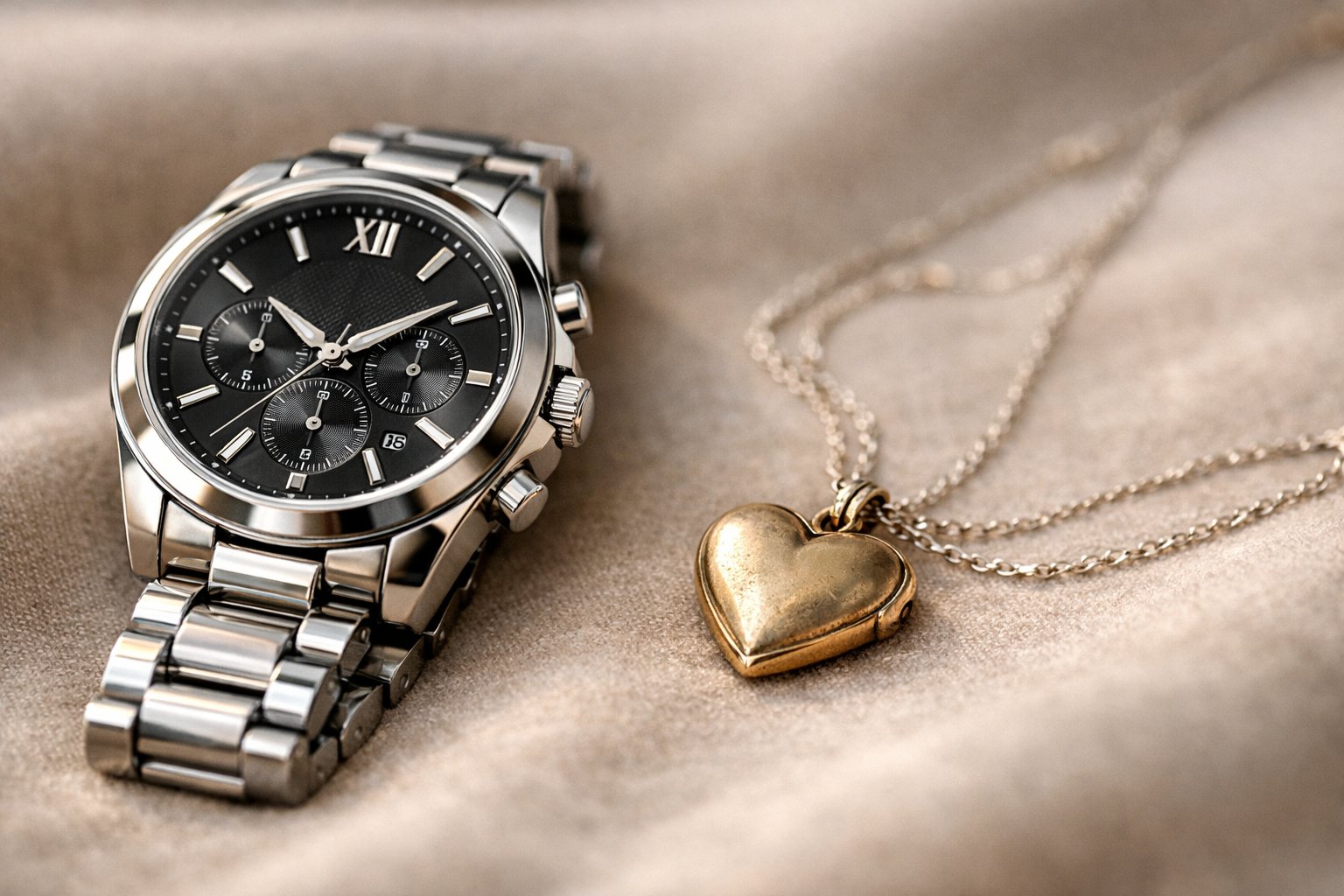
Luxury watches represent success and achievement in ways that are immediately visible to others. They communicate wealth and taste without words. Yet a simple necklace with no brand name can hold more meaning to its owner than any expensive timepiece ever could. For those considering what to give someone they care about, a personalized necklace might speak to the heart in ways a status symbol cannot.
The choice between luxury and sentiment is not always clear. Some people find deep meaning in fine craftsmanship and heritage, while others care more about the story behind an object than its price tag. Understanding why we attach meaning to different types of jewelry helps us make choices that truly matter.
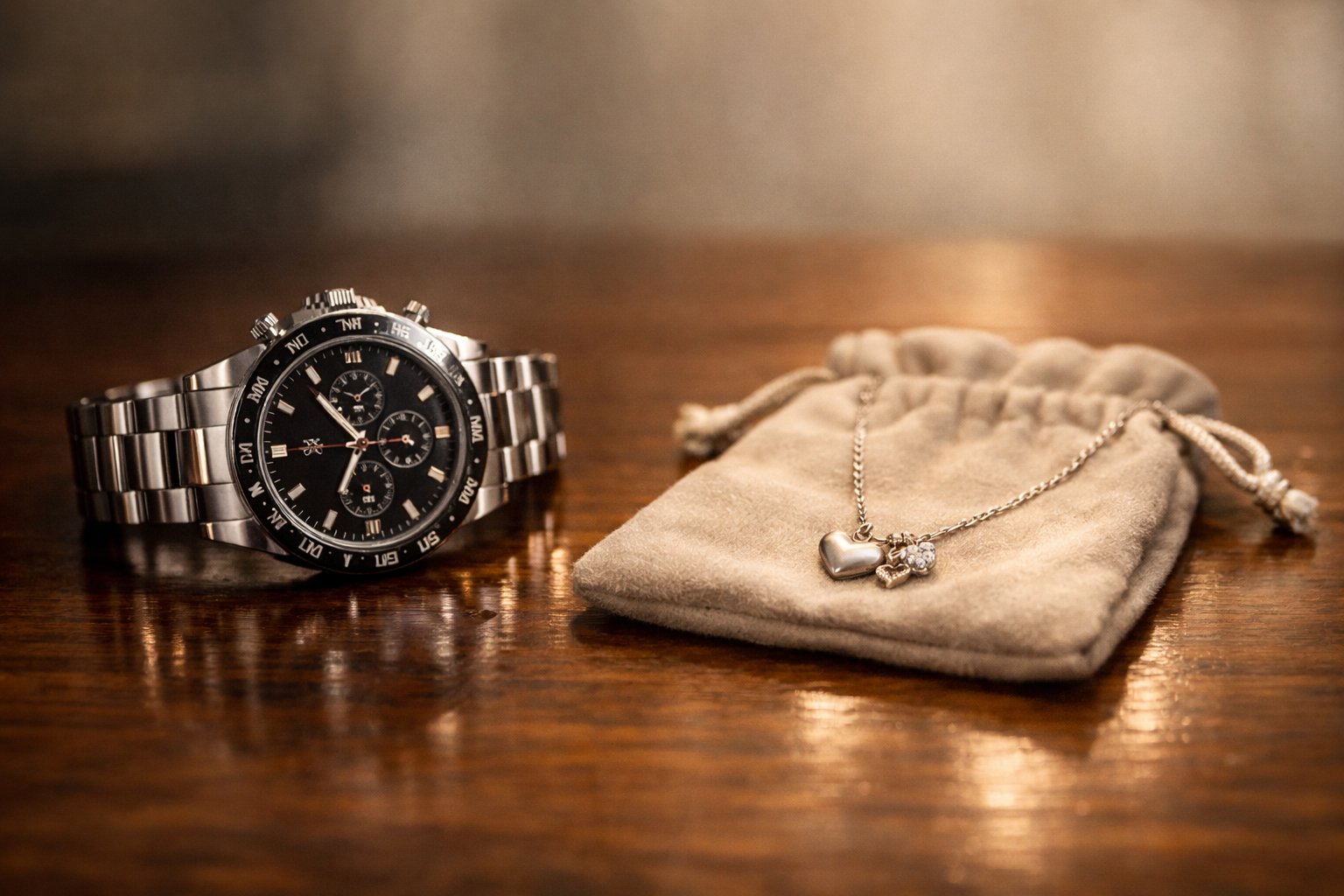
A luxury watch signals achievement and taste to the world, while a sentimental necklace holds private meaning that only the wearer truly understands. These two gifts represent fundamentally different ways of showing care.
Status symbols like luxury watches serve as powerful markers of wealth, success, and sophistication. They communicate a person's position in the world through recognizable brands and visible craftsmanship. A Rolex or Patek Philippe tells colleagues and strangers that someone has reached a certain level.
Sentimental value works differently. Jewelry becomes emotionally significant through the memories and connections it represents, not through its price tag. A simple necklace given by a grandmother or worn during a meaningful moment carries weight that can't be purchased. The emotions tied to these pieces make them irreplaceable, regardless of their material worth.
Key differences:
When someone gives a luxury watch, they're making a statement about how they see the recipient. It says "you've earned this" or "you deserve recognition." The gift acknowledges professional success or social position. It's a public gesture that others will notice.
A sentimental necklace communicates something quieter. It says "I know what matters to you" or "I want you to carry this memory with you." The message is intimate rather than visible. For someone wanting to create that kind of connection, a custom engraved pendant lets them add a date, coordinates, or phrase that only the two of them understand.
It helps when the piece feels personal without being overly complicated. You can personalize it here.
The choice between these gifts reveals what the giver values: external validation or internal meaning.
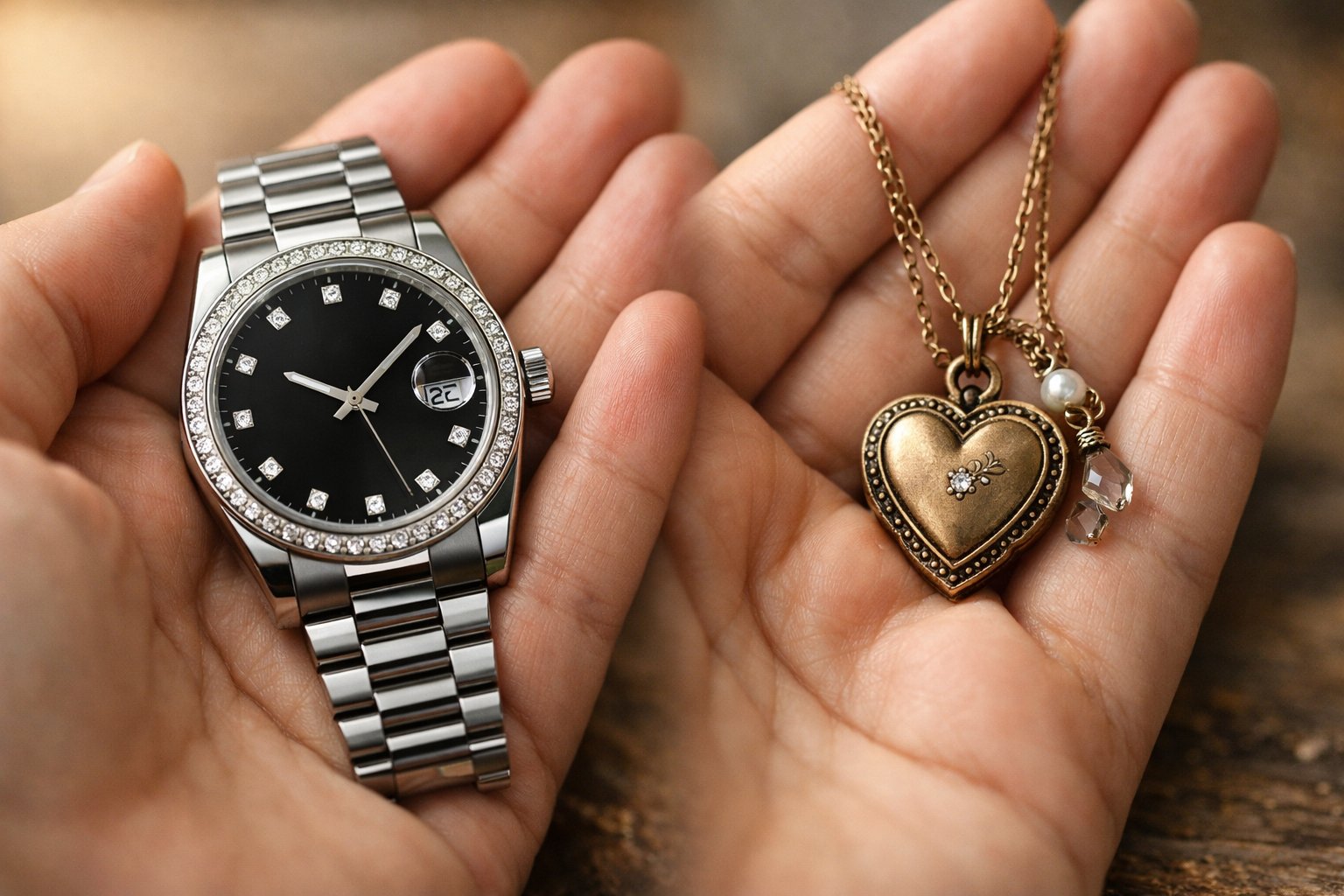
Necklaces become emotional anchors when they carry specific memories, connect generations through shared history, or arrive as gifts that speak what words cannot.
A necklace resting against the chest sits close to the heart for a reason. People choose these pieces to mark moments that matter: a graduation, a first child, a promise kept. Each time someone fastens the clasp, they reconnect with that moment.
The weight of a pendant can ground someone during difficult days. A mother might wear her children's birthstones not as decoration but as a physical reminder of their presence. Someone grieving might keep a locket with a photo tucked inside, creating what researchers call an emotional connection through jewelry.
These pieces don't announce their meaning to strangers. They hold private significance that only the wearer fully understands. A simple chain might commemorate a friendship, a recovery, or a turning point no one else witnessed. The value lives in memory, not materials.
If you want something that feels personal without making the moment overly sentimental, a customizable necklace with engraved coordinates or initials keeps it meaningful yet understated. You can personalize it here.
Family heirlooms carry stories that stretch across decades. A grandmother's locket passed to a granddaughter doesn't just transfer ownership. It hands down resilience, taste, and the unspoken understanding that some bonds outlast individual lifetimes.
These pieces often show their age. A worn clasp or faded engraving proves the necklace lived through real moments. That imperfection adds authenticity that new pieces can't replicate.
When someone receives an heirloom, they become a keeper of history. They might wear it on their wedding day or save it for their own child. The necklace becomes a physical link between people who never met but share blood and memory. Jewelry for mom often starts this tradition, creating pieces meant to travel through time rather than follow trends.
Some families lack heirlooms due to circumstance or loss. Starting a new tradition holds its own power, giving future generations something to inherit.
A necklace given as a gift carries the giver's intention alongside its physical form. The gesture says someone noticed, remembered, and chose something meant to last beyond the moment of unwrapping.
Jewelry given as a gift works best when it reflects real attention. A partner who remembers an offhand comment about a favorite symbol shows care through specificity. A best friend who chooses a charm representing a shared experience proves they value the same memories.
The best gifts don't try to impress. They aim to comfort, celebrate, or acknowledge without fanfare. A necklace for a daughter might mark her strength during a hard year. Wedding gifts for her can honor the beginning of a new chapter with something she'll reach for on ordinary days, not just special occasions.
These gifts create bridges between people separated by distance or circumstance. They remind the recipient that someone thinks of them, even when apart.
Luxury watches hold a particular weight in how people present themselves to the world. They communicate achievement without words and carry the legacy of brands that have defined excellence for generations.
A luxury watch functions as a quiet marker of success in professional and social settings. When someone wears a Rolex Submariner or an Audemars Piguet Royal Oak, they're not just checking the time. They're signaling financial capability, refined taste, and an understanding of quality.
This social signaling happens almost unconsciously. People notice a Patek Philippe on someone's wrist during a business meeting. They register the choice as meaningful. The watch speaks before its wearer does.
Common luxury watch brands recognized for status:
These high-end timepieces maintain their symbolic role in contemporary society because they represent something tangible in an increasingly digital world. Unlike other luxury items, a watch stays visible throughout the day, reinforcing the wearer's identity with every glance.
Certain brands have built reputations that extend beyond the watches themselves. Rolex established credibility through precision and innovation, introducing the waterproof Oyster case in 1926 and the automatic Perpetual movement in 1931. These weren't just marketing claims. They were functional breakthroughs.
Patek Philippe, founded in 1839, became known for complications like perpetual calendars and minute repeaters. A Patek Philippe Grand Complication represents generations of watchmaking expertise compressed into a single piece.
Audemars Piguet changed luxury sports watches entirely when they released the Royal Oak in 1972. It was the first luxury watch made from stainless steel, challenging assumptions about what materials could convey prestige.
These exclusive timepieces carry stories that owners become part of. Someone wearing a Rolex Daytona connects to decades of racing history and craftsmanship.
People buy luxury watches to mark moments that matter. A promotion. A graduation. A significant birthday. The watch becomes physical evidence of that achievement, something they can see and touch years later.
This differs from status signaling. It's more personal. The high-end watch sits on their wrist as a reminder of what they accomplished, not just what they can afford.
Someone might receive a Tag Heuer after completing a difficult project or buy themselves an Omega after reaching a career milestone. The luxury timepiece transforms from object to memory marker.
For those who prefer something more personal than a traditional luxury watch, a custom engraved piece can carry both sentiment and style. It works for someone who values meaning alongside quality. You can personalize it here.
The connection between luxury watches and personal achievement explains why these items get passed down through families. They stop being just expensive objects and become part of someone's story.
Objects carry weight in two distinct ways: through what they signal to others and what they mean to the person wearing them. Luxury watches communicate achievement and taste, while pieces like necklaces often hold private stories that matter more than public perception.
A $20,000 timepiece announces success. A grandmother's locket announces nothing, yet holds everything.
The difference lies in where the value lives. Status symbols like expensive watches derive worth from external recognition. They work because others understand their price tags and the achievement they represent. This isn't shallow—it's human nature to want acknowledgment.
But family heirlooms operate on different terms entirely. A mother's necklace carries no market value that matters. Its worth lives in memory: her hands clasping it, the times she wore it, what she said when she passed it down. These pieces don't need witnesses to hold their power.
Some jewelry straddles both worlds. Gifts for a mother-in-law, for instance, can become heirlooms through intention rather than age. A custom pendant engraved with meaningful words creates immediate emotional weight. The person receiving it feels chosen in a specific way.
What someone wears tells two stories: who they want to be seen as, and who they actually are.
Social status operates in the visible realm. A Rolex at a business meeting signals competence and achievement before a word is spoken. This matters in contexts where perception shapes opportunity. The watch does real work in the world.
Personal jewelry works inward instead. A necklace tucked under a shirt connects the wearer to something private—a person, a promise, a version of themselves they want to remember. No one else needs to see it. Watches with cultural significance can do both, marking public success while privately honoring heritage.
The tension isn't about choosing between them. It's about knowing which kind of meaning the moment needs. Sometimes recognition matters. Sometimes only memory does.
Luxury watches signal achievement and external validation, while sentimental jewelry anchors identity to memory and emotional connection. Both choices reveal different psychological needs—one rooted in social perception, the other in personal meaning.
Sentimental jewelry functions as an emotional anchor. A necklace passed down through generations or given during a meaningful moment carries stories that luxury timepieces cannot replicate. Jewelry works as more than decoration—it ties wearers to specific people, events, and values that shape their sense of self.
The brain responds to these objects differently than it does to status symbols. Wearing a piece tied to a loved one activates memories and provides psychological comfort during stressful moments. This explains why someone might choose a simple pendant over an expensive watch when seeking reassurance or connection.
Key emotional drivers include:
For those who want to create something meaningful without excessive sentiment, a custom necklace offers a way to mark the moment quietly. It becomes a small touchpoint rather than a statement. You can personalize it here.
Luxury watches represent privilege and accomplishment in ways that sentimental pieces do not. Mechanical watches from established watch brands signal dedication to horology and craftsmanship. Wristwatches become tools for social signaling—communicating success, ambition, and taste to others.
This psychological pull toward luxury timepieces stems from achievement-based self-worth. When someone buys an expensive watch, they are often celebrating a career milestone or validating years of effort. The watch becomes proof of their progress.
Status-driven motivations:
The difference lies in audience. Sentimental jewelry speaks inward, reinforcing personal identity. Luxury watches speak outward, projecting an image to the world. Neither choice is superior—they simply serve different psychological purposes depending on what the wearer needs most.
Both luxury watches and sentimental jewelry carry the weight of human skill and tradition. A mechanical watch represents generations of refined technique, while a handcrafted necklace holds the imprint of personal history and care.
The luxury watch industry emerged from centuries of innovation in timekeeping. Pocket watches once symbolized wealth and precision before wristwatches became standard. Brands like Vacheron Constantin have built reputations on meticulous hand-finishing and intricate complications that require hundreds of hours to complete.
A mechanical watch involves dozens of tiny components working in harmony. Each gear, spring, and jewel bearing must be positioned with extreme accuracy. The movement itself becomes a work of engineering art that owners can observe through transparent case backs.
Sentimental jewelry carries a different kind of craft. A custom initial necklace made by hand involves metalworking skills passed down through generations. The artisan shapes, solders, and polishes each piece individually. This personal attention creates variations that make every item unique.
Both forms demand patience and precision. The difference lies in purpose. One showcases technical mastery for its own sake. The other uses craft to capture something emotionally specific. Someone choosing a piece for its sentimental value might appreciate knowing a real person shaped it with their hands, not a factory line.
Heritage in watchmaking refers to decades or centuries of brand history. Swiss heritage and industry standards emphasize traditional techniques and quality control. These watches carry institutional stories about innovation, royal patronage, or historic expeditions.
A sentimental necklace tells a different story. It might mark a specific date, carry initials of someone loved, or commemorate a personal milestone. The narrative lives in what it represents to the wearer, not in brand mythology.
Someone might inherit a watch from their grandfather and treasure it for both its craftsmanship and memory. But that emotional layer comes from personal experience, not from marketing or exclusivity. The same applies to jewelry given during meaningful moments.
If someone wants to create a new piece that feels personal without feeling precious, they might consider a personalized bar necklace that can be engraved with a specific phrase or coordinates. It holds meaning that matters to the recipient specifically. You can personalize it here.
Both objects can carry legacy. The question is whether that legacy needs to be universally recognized or just deeply felt by the person wearing it.
Both luxury watches and sentimental jewelry hold value differently—one through market appreciation and mechanical precision, the other through emotional permanence and personal significance.
Luxury watches can function as financial assets when chosen carefully. Certain brands maintain or increase their value over time, particularly models with strong brand heritage and mechanical quality. The watch market rewards pieces built with in-house movements and premium materials like stainless steel or precious metals.
However, treating watches purely as investments misses their real purpose. Most watches don't appreciate significantly. They require regular servicing every few years, which costs money. Water resistance seals degrade. Mechanical movements need oil changes.
A watch's practical value lies in its durability and daily function. A well-made timepiece can last decades with proper maintenance. It becomes part of someone's routine—checked during meetings, glanced at while cooking dinner, worn during important moments. That repeated presence creates its own kind of worth that exists separately from resale value.
For someone who wants a watch that feels personal without the commitment of full customization, personalized watches offer engraved case backs or dials that add meaning without affecting the piece's function.
Sentimental necklaces rarely increase in monetary value. Their worth lives entirely in what they represent—relationships, memories, milestones that can't be quantified. A necklace given during a difficult year or inherited from someone who's gone holds meaning that doesn't fluctuate with market trends.
Jewelry requires less maintenance than watches. No batteries to replace, no movements to service. A simple chain and pendant can be worn daily for years without professional attention. Gold doesn't corrode. Sterling silver tarnishes but cleans easily.
The longevity of jewelry comes from its emotional staying power. A necklace doesn't become obsolete. It doesn't lose relevance when styles change. Someone might stop wearing a particular piece for months or years, then return to it when the memory it carries feels needed again.
If the sentiment matters more than status, a custom necklace with coordinates, initials, or a meaningful date creates something that belongs only to the person receiving it. You can personalize it here.
Different cultures place different weight on visible wealth versus private meaning. Some societies reward public displays of success, while others value quiet symbols that only close relationships understand.
In many cultures, luxury watches communicate professional credibility and social status in ways that jewelry worn close to the heart does not. A watch sits on the wrist where colleagues, clients, and strangers can see it. It signals achievement without saying a word.
But expectations are shifting. Younger generations often question whether external markers of success matter as much as personal connection. They may choose a customized necklace over a branded timepiece because it represents something internal rather than external.
In some families, watches are still passed down as symbols of legacy and tradition. In others, a grandmother's locket or a charm engraved with a child's name holds more emotional weight. Neither choice is wrong. They simply reflect different values about what deserves to be carried forward.
How people present themselves varies widely depending on where they live and what their community values. In some regions, wearing a high-end timepiece is expected in professional settings. It shows attention to detail and respect for craft.
In other cultures, understated personal items matter more. A delicate pendant tucked beneath a collar might represent faith, family, or a private milestone. These pieces don't broadcast status. They hold meaning quietly.
For someone who wants to honor both worlds, the choice doesn't have to be one or the other. A watch can mark professional identity. A necklace can hold private memory. When someone wears something tied to a story only they know, it creates a different kind of presence. Not louder. Just more layered.
If someone prefers something understated but still wants the option to make it personal, a simple design like this works without drawing too much attention. It lets the wearer keep something close that feels like theirs. You can personalize it here.
The right choice depends on understanding what the gift will mean in someone's daily life and which values matter most when the moment passes.
Someone buying a gift should think about what they want the recipient to feel when they look at it years later. A luxury watch signals achievement and taste. It works well for someone who values craftsmanship or wants a marker of professional success.
A sentimental necklace carries personal meaning. It might hold initials, coordinates, or a date that only the two people involved understand. This kind of gift works when the relationship itself is what matters most.
The person receiving the gift matters too. Some people feel uncomfortable with expensive items. Others don't connect emotionally with jewelry. Thinking about how someone actually lives helps narrow the choice.
Consider these questions:
A custom name necklace gives someone a piece they can wear without explaining it to anyone else. If someone wants a gift that feels personal without making the moment overly sentimental, something simple with engraved text keeps it meaningful yet light. You can personalize it here.
Confidence comes from knowing the decision aligns with what the relationship actually needs. Someone shouldn't buy a luxury watch just because it seems impressive. They also shouldn't choose a sentimental necklace only because it costs less.
Both gifts carry weight. One represents status and permanence. The other represents intimacy and memory. Neither choice is wrong if it matches the recipient's personality and the giver's intentions.
People sometimes worry about whether their choice will be appreciated. That anxiety usually means they're thinking about external judgment rather than the person receiving the gift. Choosing the perfect watch gift requires understanding what speaks to someone's actual preferences.
Signs of a confident choice:
When someone knows why they chose what they did, the gift becomes easier to give. The recipient usually senses that clarity too.
The choice between a luxury watch and a sentimental necklace isn't about which costs more or impresses others. It comes down to whether someone values visible achievement or private connection.
A luxury watch carries social recognition and perceived success, but a sentimental necklace holds something harder to measure. The watch announces accomplishment to a room. The necklace whispers to one person.
Some people find their sense of authority in what others can see. Others build it through relationships that no stranger would understand. Neither approach is wrong. The difference lies in where someone draws confidence from.
A father passing down his watch creates legacy through an object tied to achievement. A mother giving her daughter a locket with photos inside creates legacy through intimacy. Both carry weight across generations, just in different emotional registers.
For someone who wants to mark a moment without broadcasting it, a custom photo necklace becomes a private anchor rather than a public statement. It holds the memory without requiring anyone else to know its story. You can personalize it here.
Luxury watches continue to shape social status because they function as visible markers. But a necklace worn close to the heart rarely performs for an audience. It serves the wearer alone.
Someone grieving a loss might wear their grandmother's necklace every day, feeling her presence in a way no expensive timepiece could replicate. That physical closeness matters more than what it signals to others.
The value isn't in the metal or the brand. It's in the person it represents. A handmade engraved bar necklace with a child's name carries more emotional weight than any chronograph for the parent who wears it. The connection stays active, not archived.
When someone chooses meaning over status, they're not rejecting success. They're choosing which kind of richness matters most when no one else is watching.
Choosing between a luxury watch and a sentimental necklace involves understanding emotional weight, personal context, and the relationship you share with the recipient. The answers below address common questions about navigating these deeply personal decisions.
The recipient's values matter most. Someone who measures success through visible markers of achievement might appreciate a luxury watch more than someone who treasures private memories.
Consider their daily life. A watch becomes part of their routine and appearance. A necklace worn close to the heart often carries more intimate meaning.
Think about what they already own. If they wear jewelry daily, a personalized piece might resonate more. If they collect watches or work in professional settings, a timepiece could feel more appropriate.
The occasion shapes the choice too. Promotions and milestones often call for watches. Emotional transitions like graduations, loss, or new chapters in life pair well with jewelry that holds personal significance.
Look at what they already wear and keep. The pieces they reach for repeatedly reveal what matters to them.
Listen to the stories they tell. When someone mentions their grandmother's ring or a bracelet from college, they're showing you what kinds of objects carry weight in their life.
Notice how they talk about gifts they've received. Do they mention the thoughtfulness behind it or the brand name? Their language reveals whether they value sentiment or status.
A custom photo necklace lets them carry a specific memory with them. It works when you know exactly which moment matters most to them.
Pay attention to their reaction when they see meaningful objects belonging to others. Their response to family heirlooms or memorial jewelry tells you how they process sentimental items.
Yes, but it happens differently. Luxury watches become heirlooms when they mark specific moments and get passed down with stories attached.
A watch purchased for a graduation or first job becomes sentimental through use. The wearer builds their own history with it. An inherited necklace already carries generations of memory.
Time deepens both. A luxury watch worn for decades accumulates scratches and stories. A necklace passed through three generations holds multiple lifetimes of meaning.
The difference lies in origin. Traditional heirlooms start with sentimental value. Luxury watches earn it.
Some people connect more with objects they chose themselves. Others feel moved by items selected by someone who knew them well. Neither response is better.
Sentimental necklaces suit transitions that feel emotionally raw. Loss, birth, recovery from illness, or moving far from home all create space for jewelry that holds memory close.
Watches work better for achievements that face outward. New jobs, business launches, retirements, and graduations call for timepieces because they mark time itself.
A necklace given during grief offers comfort. A watch given during grief might feel tone-deaf unless it belonged to the person who passed.
Anniversaries work for both. The choice depends on whether the couple values private intimacy or shared success.
Someone going through a difficult time might appreciate a personalized bar necklace engraved with a date or coordinates that anchor them. It reminds them of what matters when everything feels uncertain. You can choose something simple here.
Celebrations of quiet personal growth suit necklaces. Public professional milestones suit watches.
Match the gift to what the recipient needs to feel seen. Someone struggling with self-worth might need the external validation a luxury item provides. Someone overwhelmed by expectations might need something that says "I see who you really are."
Consider the relationship. Close family can give deeply personal items without it feeling intrusive. Friends and colleagues might choose luxury items to show respect without presuming intimacy.
Think about timing. A luxury watch during career success reinforces accomplishment. A sentimental piece during personal struggle offers emotional support.
Some people feel uncomfortable receiving expensive gifts. They worry about obligation or imbalance. A thoughtfully chosen necklace with personal meaning costs less but requires more emotional intelligence to select.
Others feel hurt by gifts that seem cheap or thoughtless, regardless of sentiment. They interpret spending as caring.
Neither reaction is wrong. The giver's job is to know which one they're dealing with.
A sentimental necklace creates a private language between two people. Only they understand why that particular symbol or date matters. This exclusivity builds intimacy.
A luxury watch communicates to the world. It tells a story about the wearer's status and success that others can read. This visibility builds confidence.
The story behind a necklace lives in conversation. The wearer explains it to people who ask, sharing something vulnerable each time. This repetition deepens the memory.
A watch's story lives in recognition. People who know the brand understand immediately. No explanation required.
Sentimental necklaces age with emotional meaning. Each time the wearer touches it during hard moments, it absorbs more significance. Luxury watches age with material value and craftsmanship.