
Your Cart is Empty
A necklace sits against the skin, resting near the heart, quietly marking moments that matter most. It might celebrate a graduation, honor a lost loved one, or symbolize a friendship that has lasted decades. Unlike photographs tucked away in drawers, necklaces stay visible and present, turning memories into something people can touch and wear every day.
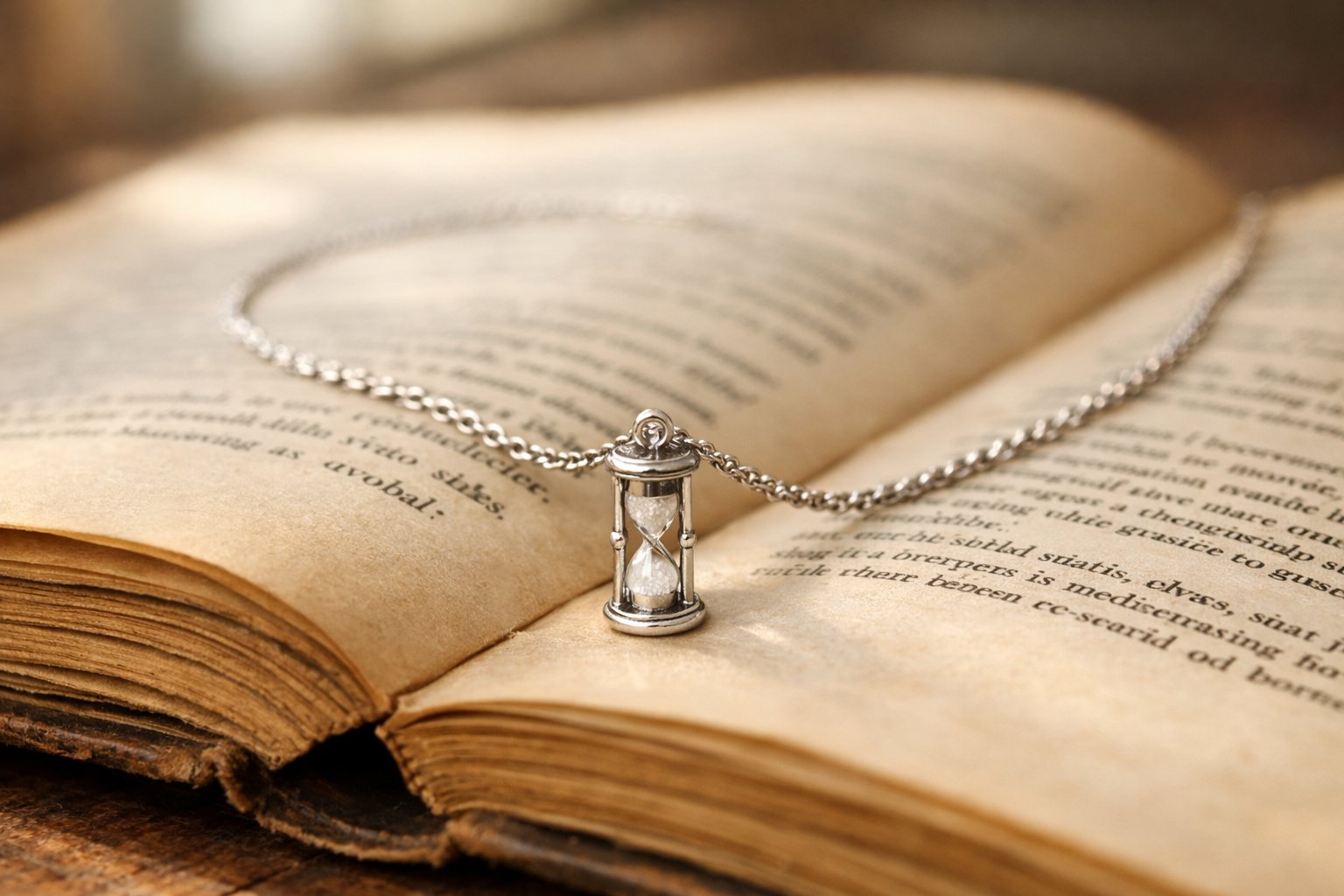
Necklaces become markers of time when they carry personal stories, commemorate specific life events, or get passed down through generations, transforming simple jewelry into wearable timelines of human experience. People give necklaces during celebrations or to mark important life events, making them powerful symbols of connection and memory. A charm added after each milestone, a locket holding a tiny photograph, or a pendant received on a wedding day all capture specific moments that might otherwise fade.
The practice of using necklaces to mark time spans thousands of years across cultures. Ancient civilizations used necklaces to show their social rank, wealth, and beliefs, but they also served as personal records of important transitions. Today, people continue this tradition through personalized necklaces like nameplates or initial pendants and custom pieces from retailers like Amazon or Zazzle, creating their own wearable histories that tell the story of who they are and where they have been.
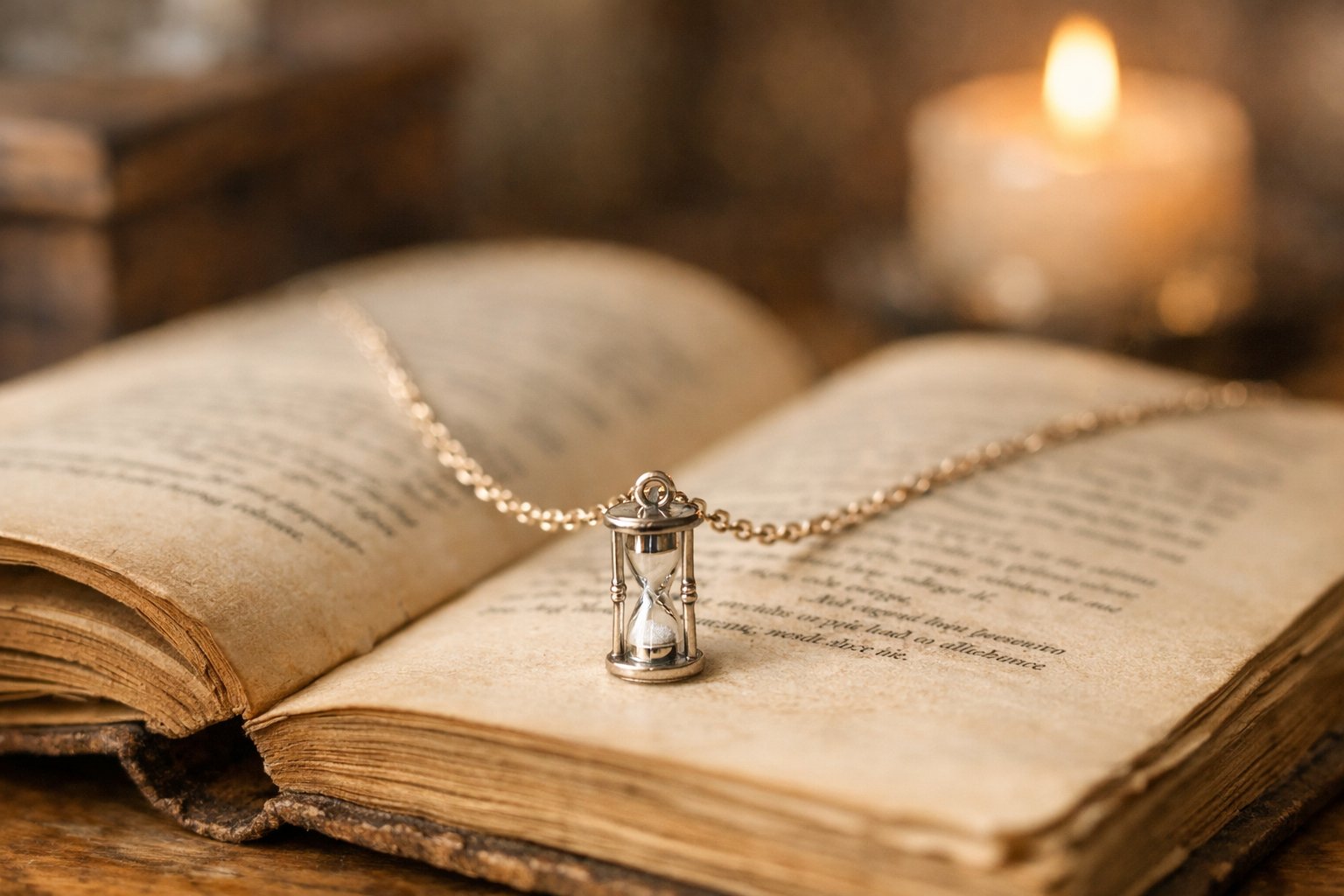
Necklaces serve as physical records that track personal growth and life changes over years or decades. The design choices in jewelry reflect specific moments while documenting how relationships and identities shift through different life stages.
A necklace often marks specific events like graduations, weddings, or career achievements. Each piece becomes tied to a particular date and emotional state. When someone wears jewelry from years past, they reconnect with who they were at that moment.
The weight and style of necklaces change as people age. A delicate chain from youth might give way to bolder pieces that reflect confidence earned through experience. Materials also tell stories—a simple silver pendant from college holds different meaning than a gold necklace received at retirement.
Necklace design choices capture cultural moments too. Styles popular in specific decades become time capsules. A choker from the 1990s or long pendant from the 2000s instantly places the wearer in a particular era.
Jewelry collections grow and shift as lives transform. Someone might start with personalized name necklaces celebrating their identity, then add pieces marking children's births or professional milestones. Each addition documents a new chapter.
The condition of necklaces also tracks time. Worn clasps and scratched surfaces show years of daily wear. Some people keep broken or outdated pieces because they represent who they used to be. These items become artifacts of past selves rather than current fashion statements.
Physical changes matter too. Necklace lengths that once fit perfectly might need adjustment as bodies change. This practical shift mirrors deeper transformations in how people see themselves and present to the world.
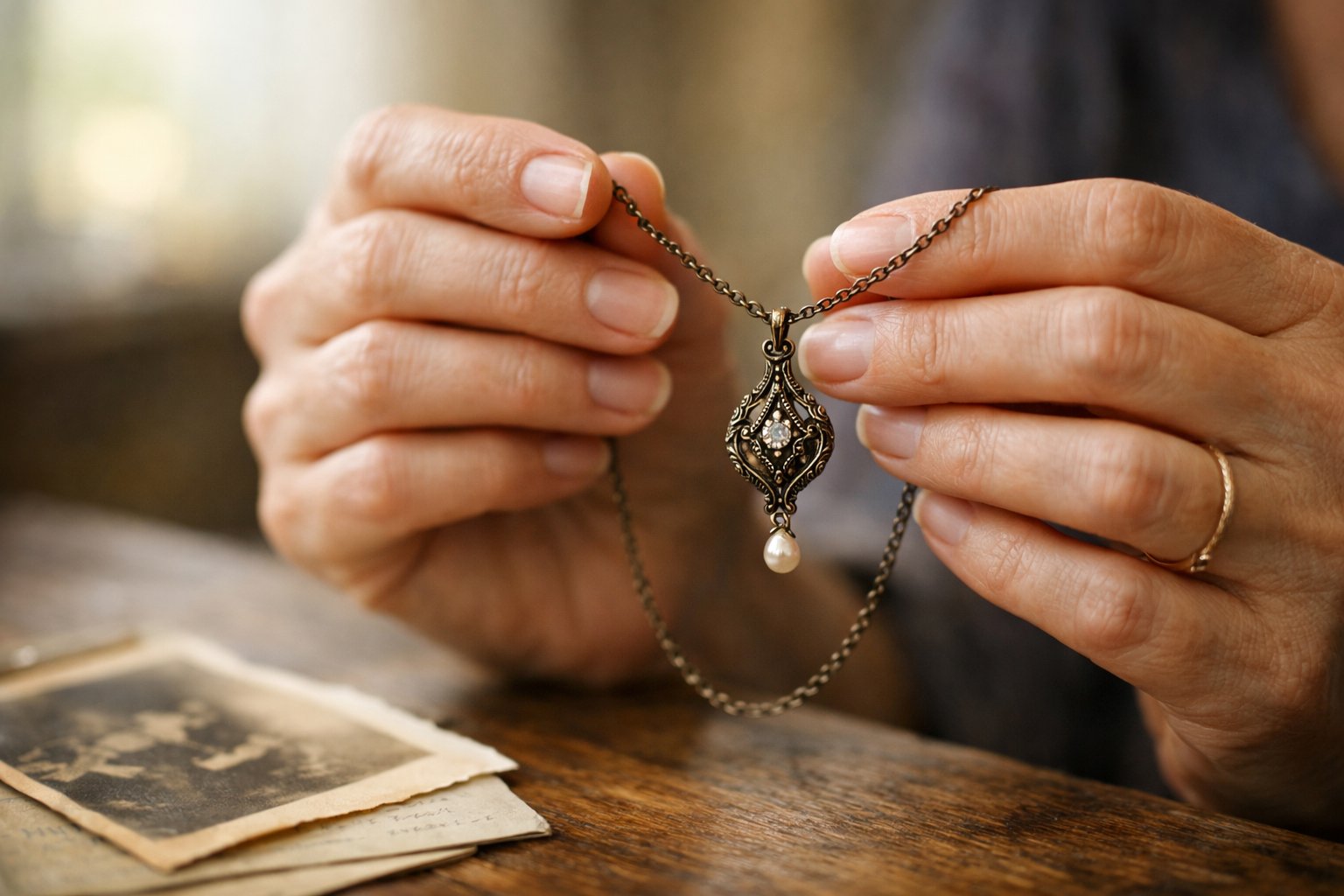
Jewelry transforms into vessels of meaning through the stories people attach to them and the memories they preserve. Necklaces marked with engraved names or symbolic designs become physical anchors for relationships, milestones, and personal identity.
People form deep emotional connections to jewelry because these objects carry meaning beyond their material worth. A necklace received during a significant moment becomes linked to that experience in memory. The brain creates associations between the physical object and the emotions felt during important events.
Family heirlooms passed through generations connect wearers to their ancestry and heritage. A grandmother's pendant carries decades of family history within its form. When someone wears pregnancy gifts marking the arrival of a child, the piece holds the memory of that transformative time.
Personalized necklaces with engraved dates, initials, or coordinates increase this attachment. The customization makes the piece unique to the wearer's story. No one else shares that exact combination of symbols and meaning.
Jewelry serves as a tangible reminder of relationships and personal milestones. Each time someone touches or sees their necklace, it triggers memories of specific people or moments. This physical connection provides comfort during difficult times.
Custom jewelry allows people to express their identity through visual symbols. A name necklace declares important relationships openly. Religious symbols, birthstones, or cultural motifs communicate values and heritage. These choices reflect how individuals see themselves and want others to perceive them.
The act of selecting or designing personalized jewelry on Amazon involves deciding which aspects of identity deserve permanent representation. This deliberate choice adds another layer of meaning to the object.
Jewelry marks chapters in personal narratives by anchoring specific moments in time. An engagement necklace represents the beginning of a partnership. A graduation gift symbolizes achievement and transition. These pieces become reference points that structure memory and life history.
Gifts for grandmothers often carry multi-generational significance as they acknowledge family bonds and shared experiences. The necklace becomes part of ongoing family stories told and retold.
People often describe their jewelry collection as a timeline of their lives. Each piece corresponds to a person, place, or event. Together, these objects create a wearable autobiography. When creating custom jewelry on Zazzle, individuals can design pieces that capture specific memories or messages they want to carry forward.
Necklaces carry distinct meanings that vary widely depending on cultural context and tradition. From protective talismans to markers of social standing, these pieces of jewelry serve as physical representations of beliefs, values, and community bonds.
Necklaces play vital roles in cultural rituals and ceremonies, marking important life transitions and spiritual practices. In Hindu traditions, an om necklace represents the sacred sound of creation and serves as a spiritual guide during meditation. Indigenous communities craft necklaces using traditional techniques passed down through generations, wearing them during festivals and rites of passage.
Many cultures view necklaces as protective objects. People wear them as amulets to ward off negative energy or bring good fortune. In some traditions, religious leaders bless necklaces before significant ceremonies like weddings or coming-of-age celebrations.
The exchange of necklaces marks important milestones. Parents gift them to children during religious initiations. Couples exchange them as symbols of love and commitment. Communities present special necklaces to individuals who achieve important accomplishments or reach elder status.
Necklaces serve as powerful markers of identity and cultural heritage, connecting wearers to their ancestors and communities. Native American tribes create distinctive necklace designs that identify tribal affiliations and family lineages. African cultures use specific beadwork patterns and materials to indicate clan membership and geographic origins.
Traditional crafting methods preserve ancestral knowledge. Artisans learn specialized techniques for working with shells, stones, metals, and other materials unique to their regions. These methods remain largely unchanged across centuries, maintaining cultural continuity.
Modern wearers use cultural necklaces to express pride in their heritage. Diaspora communities wear traditional jewelry to maintain connections to their homelands. Young people incorporate ancestral designs into contemporary fashion, bridging past and present identities.
Necklaces carry deep meaning when given as gifts, representing bonds between friends, romantic partners, and family members. The act of giving a necklace transforms it into a physical reminder of shared moments and lasting connections.
Friendship necklaces serve as tangible symbols of the bonds between close friends. Best friend necklaces often come in matching pairs or complementary designs that connect two people through shared jewelry. These pieces might feature split hearts, puzzle pieces, or coordinating charms that fit together.
Matching necklaces work particularly well for friends who want to celebrate their relationship. Some pairs choose identical designs, while others prefer complementary styles that reflect their individual personalities while maintaining a connection.
Personalized necklaces add another layer of meaning to friendship gifts. Engravings of initials, important dates, or inside jokes make the piece unique to that specific relationship. Charm necklaces offer flexibility, allowing friends to add meaningful symbols over time that represent shared experiences and memories.
When someone gives a necklace, they create a lasting connection between themselves and the recipient. Necklaces represent love and closeness because they rest near the heart, making them particularly intimate gifts. This placement adds emotional weight that other accessories might not carry.
The psychology behind jewelry gifts reveals how these items strengthen social bonds through their longevity. A necklace becomes more than an object. It transforms into a physical reminder of the giver's affection and the relationship itself.
Necklaces given as gifts often gain meaning beyond their initial presentation. Each time the recipient wears the piece, they recall the person who gave it and the occasion it marks.
Necklaces mark important life events and milestones in relationships. Wedding anniversaries often call for jewelry that symbolizes enduring commitment. Each year together can be celebrated with a piece that reflects the journey a couple has shared.
Family occasions present opportunities for meaningful necklace gifts. Mother's Day gifts often include pendants featuring birthstones or engravings that honor the maternal bond. Similarly, gifts for daughters can mark graduations, birthdays, or coming-of-age moments.
Common occasions for necklace gifts include:
These occasions transform necklaces into time markers that document personal history and important relationships.
Certain necklace designs are built to hold meaning, whether through symbols of love, personalized engravings, or stones tied to significant dates.
A heart necklace serves as a classic symbol of affection and connection. The shape itself has represented love for centuries, making it a natural choice for marking relationships and emotional milestones. Heart-shaped pendants come in various styles, from simple outlines to intricate designs filled with diamonds or other details.
Some heart pendants open like lockets to hold photos or small mementos. Others feature solid designs that can be engraved on the back. The simplicity of the heart shape makes it versatile enough to work with any metal type, from gold to silver to platinum.
Many people choose heart-shaped pendants to commemorate anniversaries, celebrate new relationships, or honor lasting bonds. The design remains timeless because it communicates emotion without needing words.
Personalization transforms a necklace into something irreplaceable. Engraved names turn jewelry into a permanent record of people, dates, or messages that matter most. Dangle name pendants allow wearers to display important names in a visible way.
Engraving options include:
The permanence of engraving makes these pieces powerful memory keepers. Unlike photographs that fade or items that break, engraved jewelry withstands daily wear while maintaining its message. Many jewelers offer various fonts and placement options to match personal style preferences.
Gemstone necklaces connect jewelry to specific moments in time through color and meaning. Birthstones represent birth months, making them popular choices for marking births, birthdays, or family connections. Each stone carries traditional meanings that add layers of significance beyond aesthetics.
Common birthstone choices include garnet for January, amethyst for February, and sapphire for September. Some people combine multiple birthstones in one piece to represent children, family members, or important dates throughout the year.
Beyond birthstones, other gemstones hold cultural or personal significance. Emeralds symbolize renewal, rubies represent passion, and diamonds mark endurance. The durability of these stones ensures they last through generations, making gemstone necklaces ideal for passing down family histories and preserving memories across time.
Necklace designs have transformed dramatically across centuries, moving from simple beaded adornments in ancient societies to the complex metalwork of royal courts, and finally to today's diverse range of modern jewelry trends. Each era brought distinct materials, techniques, and cultural meanings that shaped how people wore these pieces around their necks.
Ancient civilizations crafted necklaces from shells, bones, and stones to signify social rank and spiritual beliefs. In Egypt, gold necklaces adorned with precious gems were reserved for royalty. Mesopotamian cultures added protective amulets to their designs.
Medieval and Renaissance periods introduced elaborate metalwork and religious symbols. Nobility wore heavy chains with gemstones to display wealth. The Baroque era amplified this grandeur with intricate patterns and large stones.
Victorian times brought sentimental touches like lockets holding keepsakes or featuring hearts and flowers. Pearls, coral, and turquoise became popular choices. Art Deco shifted toward geometric shapes and streamlined designs in the 1920s, while Art Nouveau drew inspiration from nature with flowing lines and organic motifs. These movements created bold contrasts between structured modernism and romantic naturalism.
Contemporary designers blend traditional craftsmanship with unconventional materials like recycled metals and sustainable gemstones. Some use 3D-printed components to create unique pieces. Minimalist styles featuring clean lines and geometric shapes have gained popularity among wearers seeking understated elegance.
Layering necklaces of different lengths has become a defining trend. This technique allows individuals to mix textures and combine various metals for personalized looks. Chokers returned to fashion, offering close-fitting options that complement both casual and formal outfits.
Designers experiment with asymmetrical arrangements and mixed materials to add visual depth. These versatile pieces transition easily from day to night settings. The focus on individual expression means necklace styles now cater to diverse tastes rather than following single fashion rules.
Charm necklaces transform small metal pieces into lasting records of experiences and relationships. Ancient cultures wore protective amulets while modern wearers collect symbols that mark births, travels, and major life changes.
Early humans strung shells, bones, and teeth together to create the first charm necklaces around 75,000 BCE. These pieces served as protection against danger and honored spiritual beliefs.
Ancient Egyptians crafted gold amulets shaped like scarabs and ankhs. Romans wore fish symbols and military medallions. Queen Victoria popularized sentimental charm jewelry in the 1800s by wearing lockets filled with Prince Albert's hair after his death.
Different cultures developed unique charm traditions:
| Culture | Charm Type | Meaning |
|---|---|---|
| Egyptian | Scarab beetle | Rebirth and protection |
| Chinese | Lock charms | Child safety and health |
| Italian | Cornicello horn | Luck and evil protection |
| Hindu | Om symbol | Spiritual awakening |
After World War II, soldiers brought back trinkets from Europe and Asia. These small Eiffel Towers and military medals became the foundation of modern personalized necklace collections.
A charm necklace builds over time as wearers add pieces that represent specific moments. One charm might mark a graduation while another celebrates a first child. Each addition creates a wearable timeline that grows with the person.
Modern custom jewelry offers countless personalization options. Buyers can choose engraved names, birthstones, zodiac signs, or coordinates of meaningful locations. Some add initials of family members or symbols representing hobbies and beliefs.
A charm necklace symbolizes personal stories and values through carefully selected pieces. A heart represents love. A compass marks adventure. An anchor symbolizes stability. These small tokens create meaning that outlasts trends.
The practice of building a charm necklace allows people to physically carry their history. Unlike photos stored on devices, these pieces stay visible and touchable every day.
Best friend necklaces mark specific moments in relationships and create physical records of friendship milestones. These pieces document when bonds formed and evolved through shared experiences.
The classic split-heart necklace design became popular as a way to mark the beginning of close friendships. Each friend wears one half of the heart, creating a tangible reminder of when they decided their bond was special enough to commemorate. This style typically features "Best Friend" or "BFF" inscribed across both pieces.
Matching necklaces serve a similar purpose but allow each person to wear a complete pendant. These designs often include dates engraved on the back to mark when friends met or when they exchanged the jewelry. Some friends add coordinates of meaningful locations or initials to create personalized friendship necklaces on Zazzle that reflect their specific timeline together.
The act of exchanging friendship jewelry creates a clear before-and-after moment in the relationship. Friends remember the occasion when they gave or received the necklaces, turning that day into a milestone worth celebrating in future years.
Friendship necklaces often outlast other relationship markers because people wear them regularly. Unlike photos stored on phones or social media posts that get buried in feeds, a necklace stays visible as a daily reminder of the bond.
Many people keep their best friend necklaces for decades after receiving them. The jewelry accumulates meaning over time as friends experience new memories while wearing their matching pieces. Each major life event that occurs while wearing the necklace adds another layer of significance to the object.
The physical durability of quality friendship jewelry allows it to survive moves, life changes, and distance between friends. Even when friendships evolve or friends lose touch, the necklace remains as evidence of what that relationship meant during a specific period. Some people discover old friendship necklaces years later and reconnect with the person who gave it to them, using the jewelry as a bridge back to shared history.
Custom jewelry transforms major moments into wearable memories. Engraved names, meaningful dates, and symbolic designs turn simple pieces into lasting tributes to achievement and growth.
Milestone necklaces capture life's defining moments through intentional design choices. These pieces often feature birthstones, coordinates of meaningful locations, or dates that mark significant transitions. A new mother might wear a necklace with her children's birthstones set in gold. Someone celebrating a career achievement could choose a pendant engraved with the date they reached their goal.
The power of these pieces lies in their specificity. A generic necklace sits in a jewelry box. A personalized piece with a child's name or wedding coordinates becomes something worn daily.
Common milestone markers include:
Educational milestones deserve recognition through graduation gift ideas for her that mark years of dedication. A graduation necklace might feature the year, school initials, or an inspirational word engraved on a pendant. These pieces acknowledge the effort behind the achievement.
Birthday jewelry becomes more meaningful when it reflects the person's journey. A 30th birthday necklace with coordinates of someone's hometown connects them to their roots. An 18th birthday piece with engraved names of family members celebrates relationships that shaped them.
Achievement-focused custom jewelry works because it makes abstract accomplishments tangible. Finishing a marathon, publishing a book, or starting a business becomes real when represented through personalized necklaces that carry specific details of those wins.
The necklaces people choose to wear daily reveal personal identity through deliberate style choices, while layering multiple pieces creates a visual story that connects different life chapters and relationships.
A person's everyday necklace selection functions as a powerful tool for self-expression, communicating personality without words. Someone who consistently wears a delicate gold chain projects understated elegance, while another person might choose a chunky statement piece to command attention.
Common daily necklace choices include:
A personalized necklace carries particular weight in daily wear. Jewelry serves as an extension of the wearer's identity, reflecting innermost beliefs and aspirations through customized engravings or chosen motifs.
Many people select necklace styles based on what feels authentic to their character. The choice becomes almost automatic over time, creating a signature look that others recognize. This consistent selection enhances self-confidence by allowing individuals to feel more polished and put-together. Design a custom photo necklace that captures a meaningful moment.
Layering necklaces creates depth that tells multiple stories simultaneously. Each chain length and pendant adds another chapter to the wearer's visual biography. A person might combine a short choker from their teenage years with a medium-length piece received during college and a longer pendant marking a recent achievement.
The practice requires intentional selection of compatible pieces. Different chain weights, pendant sizes, and metal finishes interact to create either harmony or discord. Successful layering balances these elements while maintaining the distinct identity of each piece.
Effective layering strategies:
| Approach | Description |
|---|---|
| Graduated lengths | Start with 16-18 inches, add 20-22 inches, finish with 24+ inches |
| Mixed metals | Combine gold, silver, and rose gold for contemporary style |
| Varied pendants | Pair delicate charms with bolder statement pieces |
Some people layer necklaces passed down through generations with newly purchased pieces, creating physical links between past and present. This combination honors heritage while asserting current identity. Browse layered necklace sets designed to work together seamlessly.
Necklaces serve as physical markers that document personal and family history across generations. A single piece can witness decades of change, connecting people to their past while moving forward into the future.
The value of these pieces extends beyond their materials. Gold and gemstones hold monetary worth, but the memories attached to a necklace passed through generations create meaning that cannot be measured in dollars.
Key aspects of necklace legacies include:
Each time someone wears an inherited necklace, they carry forward the experiences of previous owners. The simple act of putting on a piece creates a bridge between past and present. These items become symbols of beauty, style, and individuality while maintaining their role as family keepsakes.
Families who document their jewelry's history ensure these stories survive. Written records, photographs, and conversations keep the context alive for future wearers. A custom piece from Zazzle or quality storage solutions from Amazon help preserve these treasures.
The legacy continues when recipients understand both the object and its journey. Knowledge transforms jewelry from decoration into meaningful inheritance that honors those who came before.
Necklaces mark time through personal engravings, cultural traditions, and carefully chosen materials that connect wearers to specific moments and memories. The design elements and symbolic meanings embedded in these pieces transform them into lasting records of individual journeys.
A necklace can mark major life events by incorporating specific elements that represent those moments. Birth dates, graduation years, wedding anniversaries, and other milestone dates can be engraved directly onto pendants or charms.
Many people add charms to their necklaces after important achievements or transitions. A new charm might represent a career change, the birth of a child, or overcoming a personal challenge. Each addition creates a visual timeline around the neck.
Gift necklaces often mark romantic occasions like anniversaries and proposals. These pieces become emotional tokens that the wearer associates with specific memories and feelings from that time.
Charm necklaces carry layers of meaning unique to each wearer. Hearts represent love and romance, crosses symbolize faith, and lockets hold photos or mementos of loved ones.
Different cultures assign specific meanings to certain symbols. The scarab beetle represents rebirth in Egyptian tradition. The Om symbol connects to spiritual awakening in Hindu culture. Lock charms in Chinese tradition represent child safety and long life.
Birthstones add personal significance by representing the wearer's birth month or the birth months of family members. Zodiac symbols connect the wearer to their astrological identity and cosmic beliefs.
Engraved messages transform necklaces into permanent records of important moments. Names, dates, coordinates, and short phrases get etched into metal to preserve memories.
Popular engravings include wedding dates, children's names, or the coordinates of meaningful locations. Some people choose motivational words like "breathe" or "be still" that helped them through difficult periods.
The physical presence of these words creates a tangible connection to the past. Unlike digital photos or written journals, an engraved necklace stays with the wearer throughout daily life. It serves as a constant reminder of what those moments meant.
Many cultures use necklaces to represent heritage and continuity across generations. Family heirlooms pass down through generations, connecting descendants to their ancestors and family stories.
Victorian-era charm necklaces held locks of hair from deceased loved ones. These pieces created physical links between the living and the dead, preserving memory across time.
Some traditions involve adding elements to necklaces at specific life stages. Coming-of-age ceremonies in various cultures include gifting or modifying necklaces to mark the transition from childhood to adulthood.
The selection of charms or pendants determines what story a necklace tells. Each element represents a chapter—a place visited, a person loved, or a goal achieved.
The order in which elements get added creates a chronological narrative. Someone can look at their necklace and remember which charm came first, what was happening in their life when they added the second, and so on.
Personal associations matter more than universal symbolism. A simple shell charm might mean nothing to an observer but represent a life-changing beach vacation to the wearer. The emotional weight comes from individual experience, not just the object itself.
Durable materials like gold, silver, and platinum withstand years of wear without degrading. These metals preserve engravings and maintain their appearance across decades, making them suitable for long-term memory keeping.
Lockets with compartments allow wearers to physically place items inside—photos, pressed flowers, or handwritten notes. This design creates tangible time capsules worn close to the heart.
Chain length and pendant size affect how prominently a necklace displays its story. Bold statement pieces make memories visible to others, while delicate chains keep stories more private. Layering multiple necklaces from different time periods creates a visual representation of an entire life journey.
High-quality materials ensure the necklace survives to become an heirloom. Pieces made from lasting metals and gemstones can pass to future generations, extending their timeline beyond a single lifetime.