
Your Cart is Empty
When someone you care about reaches a milestone or pushes through something hard, finding the right way to say "I'm proud of you" can feel more important than the gift itself. Some people lean toward message card jewelry because it offers something they can keep close every day. Others choose self-care gift baskets because they provide comfort and care when someone needs it most.
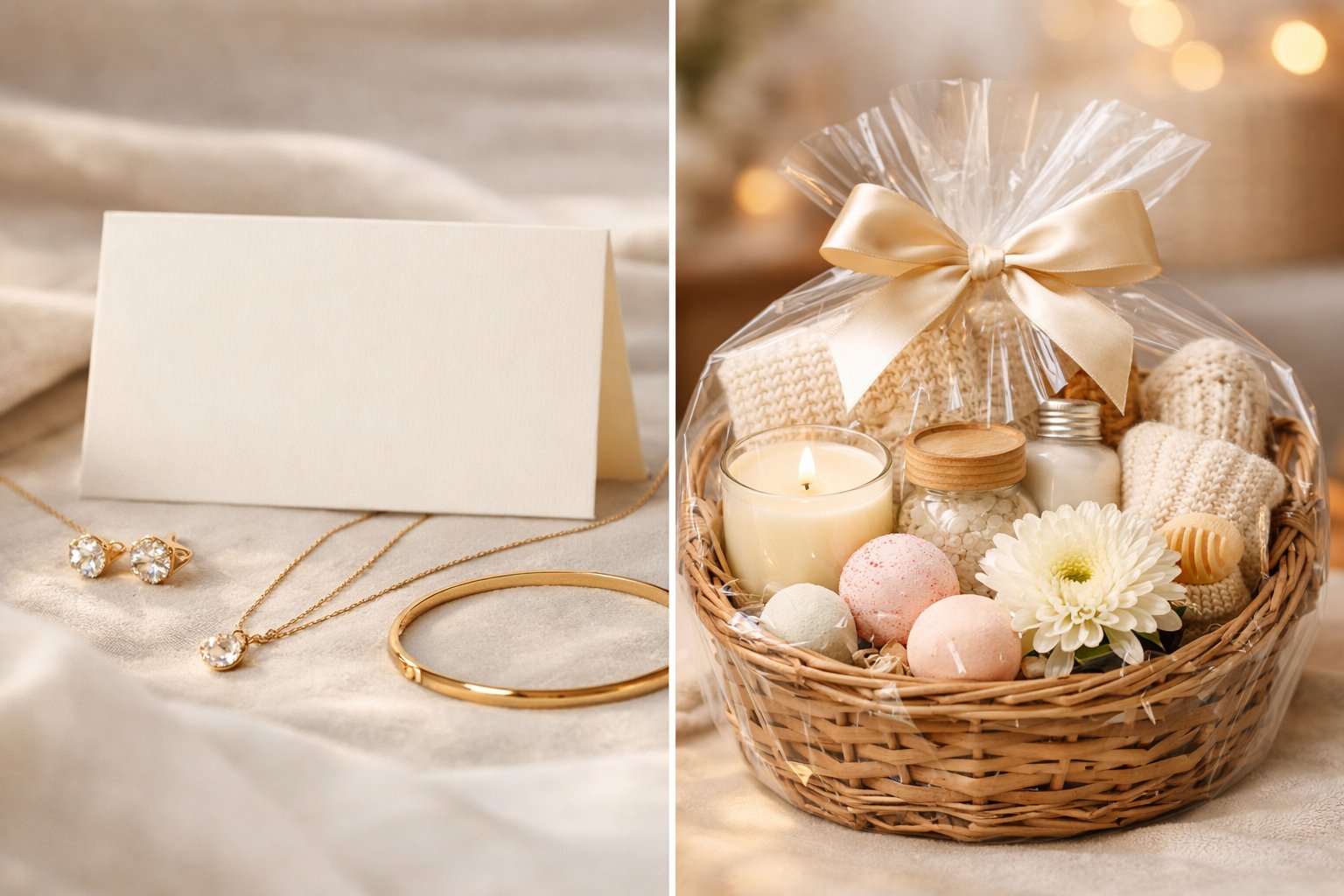
Message card jewelry works best when someone wants a quiet, lasting reminder they can carry with them, while self-care gift baskets offer immediate comfort and a sense of being cared for during a specific moment. Both options can communicate pride and support, but they do it in different ways. One becomes part of someone's daily life, and the other creates a pause to rest and feel seen.
The choice between the two often comes down to what the person needs right now. If they're stepping into something new and could use a token of belief in them, jewelry might feel right. If they're recovering, transitioning, or simply exhausted, a basket that invites them to slow down might mean more. Understanding the difference helps the gift land the way it's meant to.
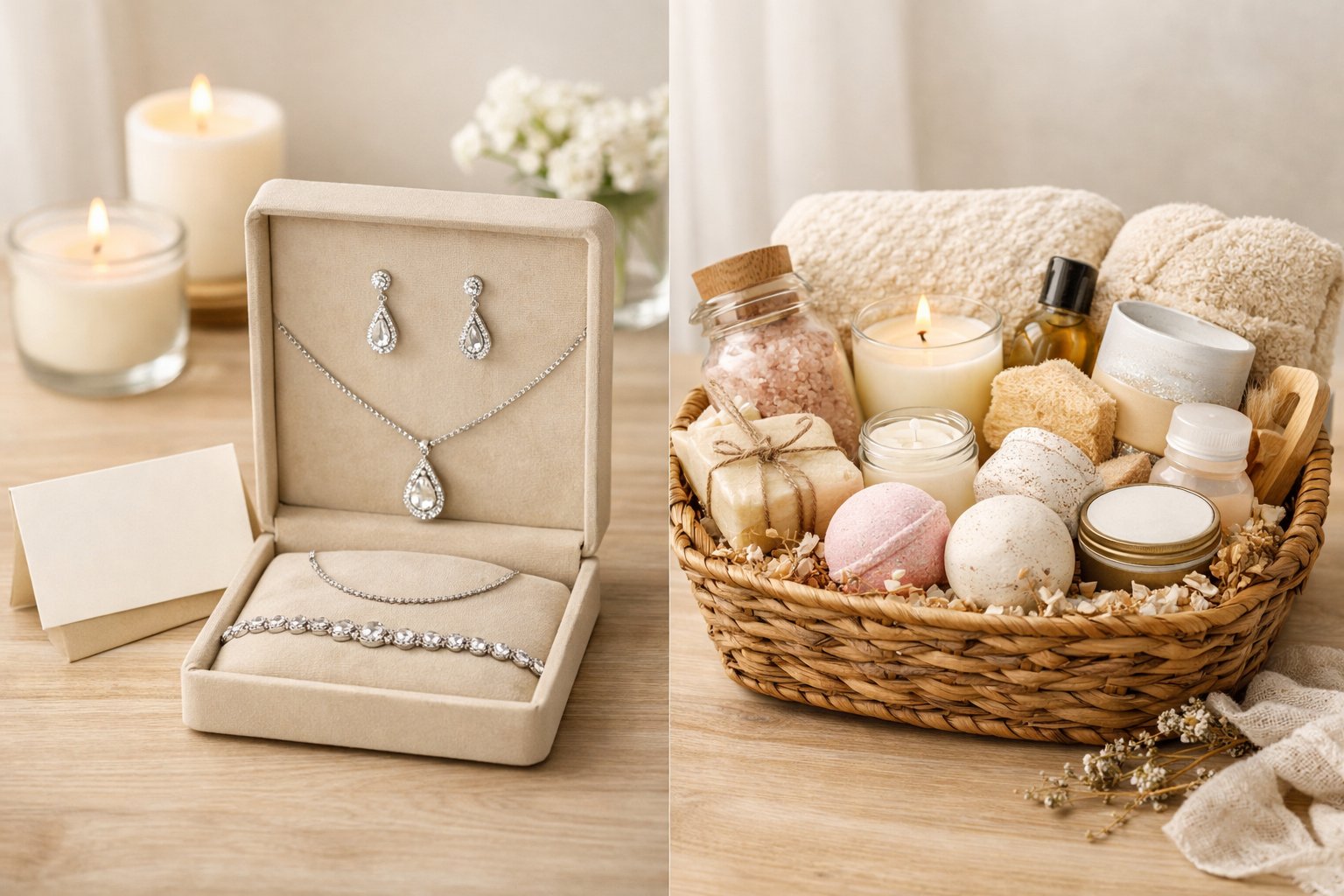
When someone gives an "I'm proud of you" gift, they're doing more than handing over an object. They're creating a moment of recognition that acknowledges effort, validates progress, and strengthens emotional connection.
Recognition matters most when it reflects actual growth. A gift that says "I'm proud of you" works because it marks a specific point in someone's journey.
This could be finishing a degree, landing a job, or overcoming a personal challenge. The gift itself becomes a marker of that transition. Graduation gift ideas often serve this purpose by honoring academic milestones.
The person receiving it doesn't just get an item. They get proof that someone noticed their effort. That awareness changes how they see their own progress.
Some achievements are quieter than others. Learning to set boundaries, choosing a healthier path, or simply showing up consistently all deserve recognition. When the gift matches the moment, it reinforces the value of their hard work without minimizing what it took to get there.
Pride isn't reserved for major life events. It shows up in small moments too—when someone handles a difficult conversation, tries something new, or keeps going despite setbacks.
A thoughtful gift in these moments says, "I see you." It acknowledges the invisible work people do to grow, heal, or simply keep moving forward. The emotional weight of that recognition often matters more than the gift itself.
Personalized items carry extra meaning here. A necklace with an engraved message or a custom keepsake from Amazon Handmade can hold a specific memory or inside reference that makes the sentiment feel intimate rather than generic.
These gifts work because they reflect attention. They show that someone was paying close enough attention to know what would resonate.
The best "I'm proud of you" gifts arrive when they're needed, not when they're expected. Timing shapes how the message lands.
Giving a gift right after someone doubts themselves can shift their perspective. It reminds them they're not alone in their effort. On the other hand, waiting until after the stress has passed allows them to fully absorb the recognition without distraction.
Intention shapes the gift's impact too. A rushed purchase feels different than something chosen with care. Items like a personalized journal from Amazon Custom show deliberate thought because they require input and planning.
When timing and intention align, the gift becomes a reflection of the relationship itself. It says, "I know you, I see you, and I'm here."
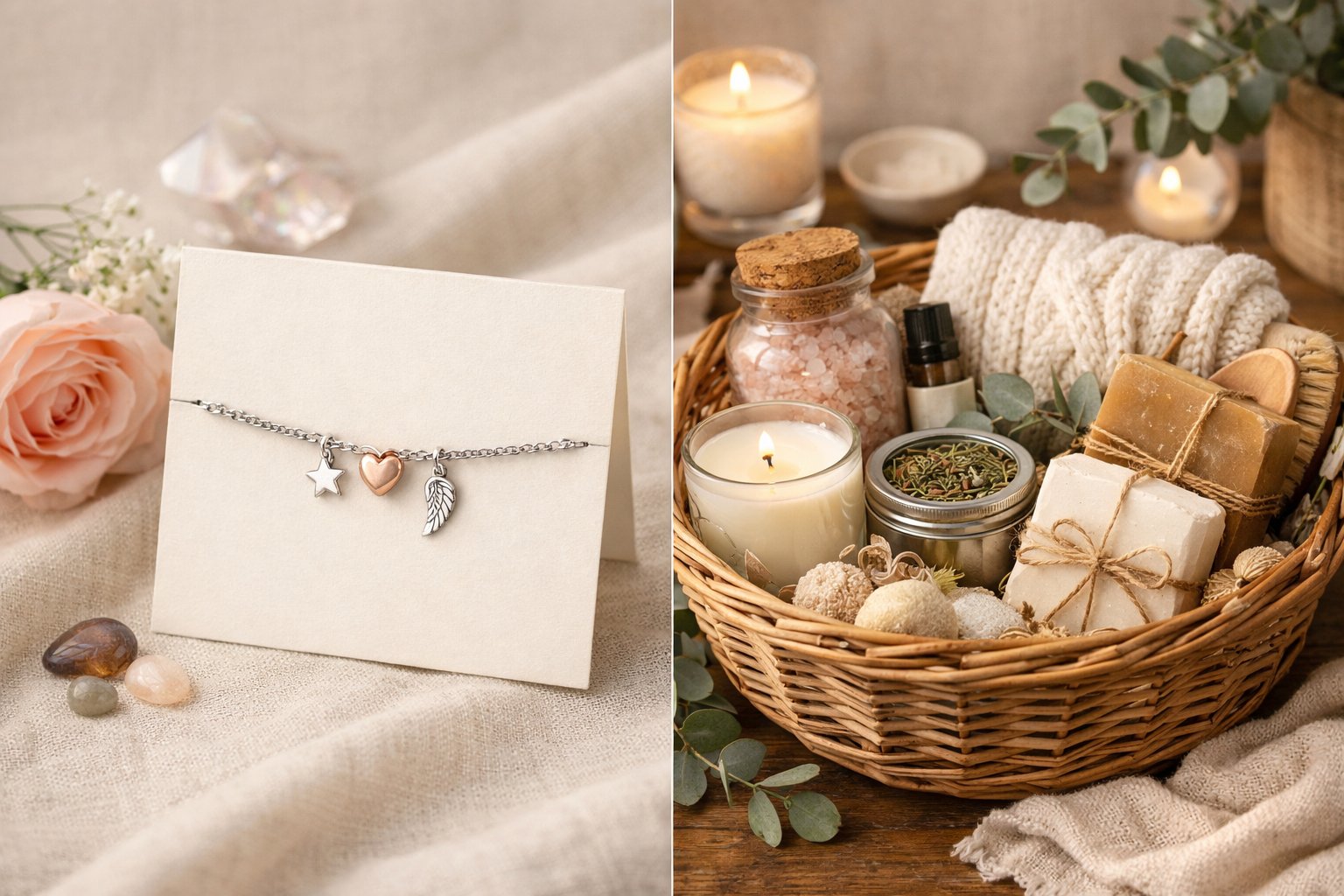
Message card jewelry pairs a wearable piece with written words that explain its significance. The combination creates a tangible reminder someone can touch and see daily while the card captures the emotion behind the gift.
The message card transforms a piece of jewelry into something specific to the relationship. A daughter infinity bracelet might include words about unconditional love, while a meaningful ring for a grandson could mark a specific achievement.
Many featured selections allow customization of both the jewelry and the accompanying message. Dangle name pendants can include a person's name or initial, while the card explains what that name means to the giver. Some pieces offer engraving options alongside the printed card.
The design itself carries meaning. A sunflower might represent growth and positivity. An infinity symbol speaks to lasting connection. Wedding gifts for her often feature hearts or intertwined elements that reflect partnership.
A piece of jewelry stays with someone through their daily routine. When they fasten a necklace or glance at a bracelet, the message returns to them. This creates repeated moments of connection rather than a single emotional experience.
The physical presence matters. Touching a pendant or spinning a ring grounds abstract feelings of pride or support in something real. This works differently than reading a card once and storing it away.
The message card provides context the wearer can return to when they need it. Someone facing a difficult day might reread the words that accompanied their gift from mom to recall why they received it. The jewelry becomes a shorthand for those fuller thoughts.
How the pairing functions:
Milestone moments suit this type of gift because the jewelry marks a specific point in time. Graduations, promotions, or completing a difficult goal all create natural opportunities to say "I'm proud of you" with something lasting.
Transitions work well too. Someone starting a new job, moving to a new city, or beginning a new chapter benefits from a portable reminder of support. Gifts for daughters heading off to college fall into this category.
The gift also fits quieter moments when someone needs encouragement but no formal occasion exists. A parent might give jewelry to their mother-in-law simply to acknowledge her consistent presence. A friend might offer a piece after someone completes a personal challenge that others didn't witness.
Message card jewelry works less well for casual relationships where the symbolic weight might feel too intense. It also requires some certainty about the recipient's jewelry preferences and style habits.
A self-care gift basket combines comfort items that invite someone to slow down and restore themselves. It works best when the recipient needs permission to rest or a reminder that their well-being matters.
Self-care baskets typically include items that engage the senses and create moments of calm. Candles, bath salts, face masks, and herbal teas are common featured selections. Some baskets add cozy hoodies or soft sweatpants to encourage physical comfort.
More thoughtful versions include a journal, a comfort book, or a blanket that feels substantial. The goal is to offer tools that make rest feel intentional rather than indulgent. A basket might also include a massage oil, a sleep mask, or calming pillow spray.
Common Self-Care Basket Items:
The best baskets avoid generic fillers and instead focus on items the recipient will actually use. A spa-themed basket with natural ingredients can feel more personal than one filled with synthetic fragrances.
A gift basket works when it encourages the recipient to build a small ritual around self-care. Lighting a candle, brewing tea, and settling into a quiet corner becomes more than a one-time gesture. It creates a pattern that reminds them rest is allowed.
The ritual doesn't need to be elaborate. Even five minutes with a warm drink and a journal can shift the tone of a difficult day. The basket provides the structure for that pause.
Some people add a handwritten note explaining how to use the items together. For example, "Light the candle, soak in the bath salts, then write three things that went right today." This turns the basket from a collection of things into an experience. If someone wants something that feels personal without making the moment overly sentimental, a customizable self-care gift set keeps it meaningful yet light. You can personalize it here.
Self-care baskets resonate most during transitions or periods of sustained stress. Someone going through a loss, recovering from illness, or navigating a difficult season often needs tangible reminders to care for themselves. Pregnancy gifts for first-time moms often include self-care items because new parents rarely prioritize rest.
The basket says "I see how hard this is" without requiring the recipient to explain or perform gratitude. It works for friends, family members, or anyone who tends to put their own needs last. A thoughtful appreciation basket can remind someone that caring for themselves isn't selfish.
Timing matters. A basket delivered during recovery or after a major event feels supportive. One given too early or too late might miss the moment. For Mother's Day or similar occasions, it acknowledges the emotional labor that often goes unrecognized. A personalized spa basket with high-quality products shows the giver put thought into what the recipient actually needs.
Both gifts create emotional responses, but they work in different ways and on different timelines. The way someone feels when they first receive a gift often differs from how they feel about it weeks or months later.
Message card jewelry creates a strong initial moment when opened. The recipient reads the engraved words, connects them to the giver, and typically feels seen. That emotional spike happens quickly.
The lasting effect comes from repetition. Each time she puts on a personalized necklace with an engraved message, she revisits the sentiment. The words don't fade with time because they're physically present.
Gift baskets work differently. The initial response spreads across multiple items rather than focusing on one object. Opening each product extends the experience but dilutes the emotional intensity.
Over time, consumable items disappear. Bath salts get used. Candles burn down. The emotional reminder ends when the products run out. Unless the basket included something permanent, the gesture lives only in memory rather than in daily life.
Recipients often read intention differently based on the gift format. Jewelry with a message like "I'm proud of you" signals that the giver wanted something permanent. It suggests the relationship matters enough to mark with something lasting.
Self-care baskets communicate thoughtfulness about the recipient's wellbeing. They show attention to preferences and current needs. The gesture feels caring but less weighty than jewelry.
Some recipients prefer lower-pressure gifts. A basket doesn't require them to wear something daily or explain its meaning to others. It's private and doesn't create social obligation. For someone dealing with a hard time or feeling overwhelmed, this can feel like the gentler option.
Others want the commitment that jewelry represents. They interpret the permanence as proof of how much they matter to the giver. A customizable option like this one fits people who want that quiet daily reminder. You can personalize it here.
One woman shared that her sister gave her an engraved bracelet after she finished graduate school. She wore it during job interviews and her first day at work. Years later, she still reaches for it when she needs confidence.
Another recipient received a self-care basket during a divorce. She appreciated that it didn't ask anything of her. She could use the items alone, on her schedule, without explaining anything to anyone. The gesture gave her space rather than adding weight.
A third person kept the card from a gift basket but threw away the packaging once the products were gone. She wished she'd received something she could keep longer. The sentiment mattered to her, but nothing physical remained to hold onto it.
Both message card jewelry and self-care gift baskets can be tailored to fit the recipient, but the depth of personalization differs between them. One allows for engraved permanence, while the other offers curated variety.
Message card jewelry typically comes with space for a short engraved note or printed card message. The recipient can wear a necklace or bracelet daily while keeping the accompanying card as a keepsake. Some pieces allow for names, dates, or brief phrases like "I'm proud of you" to be etched directly onto the metal.
Self-care baskets offer a different kind of customization. The giver can select specific items that match the recipient's preferences—lavender soap for someone who loves calm scents, or coffee-themed treats for an early riser. A custom self-care package might include handpicked candles, bath products, and snacks that reflect what the person actually enjoys.
Personalized gift options let someone show they paid attention. A message card with jewelry creates a single focused moment of recognition. A basket builds that recognition through multiple thoughtful choices that say "I notice what brings you comfort."
The most meaningful gifts acknowledge where someone has been and what they've accomplished. Message card jewelry works well for marking a specific achievement—a graduation, promotion, or personal milestone. The card can reference the exact moment being celebrated.
Self-care baskets can mirror the recipient's current needs during a transition. Someone finishing a demanding project might appreciate items that encourage rest. A person starting something new might value energy-boosting treats or motivational items alongside relaxation products.
Neither gift type requires elaborate presentation to feel personal. What matters is whether the giver chose something that connects to the recipient's actual experience. A simple engraved bracelet with a date that matters speaks volumes. So does a basket filled with the recipient's favorite tea, a soft blanket, and a journal—items that show understanding without words.
Both options span different price points and shopping experiences. The real difference often comes down to how much someone wants to spend, how quickly they need it, and what kind of support they expect if something goes wrong.
Message card jewelry typically starts around $30 for simple designs and can reach $150 or more for precious metals. Custom pieces with engraving or birthstones usually fall between $50 and $100. Self-care gift baskets vary more widely. Pre-made options start at $25, while curated sets with premium products can exceed $200.
For budget-conscious gifters, jewelry under $50 includes necklaces, bracelets, and keychains that still carry meaningful messages. Baskets in the same range often contain fewer items or smaller sizes. Mid-range spending ($75-$125) opens up better quality metals, more basket variety, and stronger presentation.
The cost per use matters too. Jewelry gets worn repeatedly over months or years. Baskets provide a shorter experience that ends once the products run out. Neither approach is more valuable, but the timeline differs.
If someone wants something that feels personal without making the moment overly sentimental, a customizable design like this keeps it meaningful yet light. You can personalize it here.
Most Amazon Custom jewelry ships within one to two weeks because of personalization time. Standard gift baskets often arrive in two to five business days. Rush options exist for both, though they increase the price.
Amazon's buyer protections cover most purchases through their help center. Issues with customization, damaged items, or late delivery can be addressed through their return and refund policies. Zazzle offers similar support for custom products, with dedicated customer service for design errors or quality concerns.
Third-party sellers on platforms like Etsy or smaller boutique sites handle returns differently. Buyers should review individual shop policies before ordering. Some makers don't accept returns on personalized items.
Gift basket companies usually provide tracking information and customer service contact options. Premium services sometimes include gift messaging, specific delivery dates, or photo confirmation upon arrival.
Jewelry purchases benefit from reading reviews that mention durability, clasp quality, and whether pieces tarnish quickly. Photos from verified buyers show how items actually look compared to listing images. For baskets, reviews reveal whether products arrived intact, if scents matched descriptions, and whether presentation met expectations.
Extended warranties or protection plans rarely make sense for gifts under $100. Credit card purchase protection often covers damaged or undelivered items automatically. Buyers should check their card benefits before paying for additional coverage.
Return windows matter most for time-sensitive gifts. A 30-day return policy provides enough flexibility if the recipient wants to exchange sizes or styles. Shorter windows create pressure that doesn't match the thoughtful nature of "I'm proud of you" gifts.
The most meaningful gifts create ripples that extend past the moment of unwrapping. Both message card jewelry and self-care baskets can serve as daily touchpoints that reinforce someone's worth long after they've been received.
A necklace engraved with "I'm proud of you" sits against the skin as a constant, quiet affirmation. Every time the recipient touches it or catches their reflection, they're reminded that someone sees their efforts and values them. This physical presence makes message card jewelry particularly effective for people who need sustained encouragement during challenging transitions.
Self-care baskets offer a different kind of ongoing support. Each item becomes a separate invitation to pause and prioritize rest. The candle can be lit during stressful evenings. The bath salts provide comfort after hard days. Instead of one continuous reminder, these gifts create multiple moments of care spread across weeks or months.
The choice depends on what the recipient needs most. Someone facing a long journey benefits from a wearable reminder they can access instantly. Someone depleted by stress might need permission to stop and tend to themselves through tangible self-care tools.
Wearing a piece of jewelry that declares someone's pride creates a subtle shift in how recipients see themselves. It's not just an accessory. It's a statement they've chosen to carry into the world that validates their accomplishments and inherent value.
Self-care baskets work differently but achieve similar outcomes. When someone receives items specifically meant for their comfort and relaxation, it sends a clear message about their worthiness of care. The act of using these products becomes practice in treating themselves with the same kindness the giver demonstrated. A personalized compact mirror paired with bath products combines both approaches, offering both a keepsake and a self-care ritual.
Both options counter the internal voice that minimizes achievements or dismisses personal needs. They provide external validation that becomes internalized over time, helping recipients build confidence that extends beyond the specific milestone being celebrated.
The best gift depends on what the recipient values and what the moment means to them. Some people treasure physical keepsakes they can wear or display, while others respond more to comfort and ritual.
A person who wears jewelry daily might appreciate a necklace with a hidden message card more than someone who rarely accessorizes. Others feel more nourished by sensory experiences like bath soaks or candles.
Consider how they already show care for themselves. Do they light candles at night? Wear sentimental pieces? Keep notes in a drawer?
Questions to ask:
If they tend toward quiet reflection, a message card necklace offers daily reassurance without announcement. If they need permission to rest, a self-care basket creates space for that.
For someone who values both, a customizable keepsake box paired with a small ritual item bridges the two. You can personalize it here.
➡️ Shop options
Not every proud moment calls for the same response. Graduating college feels different than finishing a hard week at work.
For formal achievements like promotions or graduations, jewelry holds symbolic weight. A pendant with an engraved date marks the occasion with clarity.
For quieter victories like recovering from burnout or showing up consistently, a self-care basket honors the effort without adding pressure. It says rest matters as much as achievement.
Match gifts to milestones this way:
| Milestone Type | Better Fit |
|---|---|
| Academic or career achievement | Message card jewelry |
| Personal growth or healing | Self-care gift basket |
| Everyday effort or resilience | Either, depending on their style |
When someone overcomes something private, they may not want a visible marker. When they accomplish something public, they might. The thoughtful "I'm proud of you" gift ideas that work best reflect both the moment and the person.
Online gift marketplaces now make it easier to find personalized message card jewelry and curated self-care items from independent creators, while community-driven platforms offer guidance on choosing gifts that genuinely communicate pride and support.
Digital platforms have changed how people discover meaningful gifts. Sites like Zazzle allow buyers to customize jewelry with specific messages like "I'm proud of you" or personal dates that matter to the recipient. Amazon's handmade and custom jewelry section features artisans who create one-of-a-kind pieces with engraving options.
For self-care baskets, many sellers now offer pre-curated collections on platforms like Amazon Handmade where buyers can read detailed reviews about product quality and emotional impact. These marketplaces typically include buyer protection policies and help centers that address common questions about personalization timelines and shipping.
If someone wants a card with a message that feels personal without being overly sentimental, a customizable design keeps it meaningful yet light. They can personalize it here.
Many online retailers now provide buyer central pages and detailed guides that help shoppers understand which gift format might resonate more deeply with their recipient. These resources often include real customer stories about how specific gifts were received.
Gifts for Black entrepreneurs and similar gift guides demonstrate how different communities value specific types of recognition. Some platforms feature community forums where buyers share what worked when they wanted to express pride in someone's accomplishments.
Customer service teams at major marketplaces typically offer chat support to answer questions about gift appropriateness or personalization options. Reading through detailed product reviews on personalized gift items helps buyers understand how others have used similar items to communicate specific emotions like pride or encouragement.
The best gift is the one that matches how someone wants to feel seen. Message card jewelry works when someone values quiet reminders they can carry with them. A self-care gift basket fits better when comfort and ritual matter more than symbolism.
Neither choice is inherently better. Both can show you care about someone's interests when chosen with attention.
What matters most:
Some people keep tokens close. Others need something they can use and feel. A necklace with an engraved message becomes a touchstone during hard moments. A basket filled with calming items creates space for rest.
If you want something that feels personal without making the moment overly sentimental, a customizable design like this keeps it meaningful yet light. You can personalize it here.
The connection isn't built by the gift itself. It comes from noticing what someone actually needs and choosing accordingly. That kind of attention is what says "I'm proud of you" most clearly, regardless of the form it takes.
Choosing a gift that carries emotional weight requires understanding both the message you want to send and what will resonate most with the person receiving it. These questions address common concerns when selecting between jewelry with a personal message and self-care items that show support.
Appreciation and pride come through when a gift shows you've noticed something specific about the person's journey. It's not about the price or size of the gesture.
A handwritten note paired with thoughtful jewelry pieces creates a moment that feels intentional. The words explain what you're proud of, and the physical item becomes a reminder she can wear or keep close.
Self-care baskets work when the items inside reflect her actual needs. If she's been stressed, a basket with calming tea, a soft blanket, and quality lotion says you see what she's carrying. Generic spa items don't land the same way.
The most meaningful baskets are built around what actually helps that specific person unwind. Some people relax with candles and bath products. Others need a good book, cozy socks, or their favorite snacks.
Think about her routine. Does she have time for long baths, or would she prefer something she can use quickly between responsibilities? A basket that fits her real life shows more thought than one that looks pretty but sits unused.
Quality matters more than quantity. Three items she'll actually use beat ten things that feel like filler.
Custom jewelry says you were willing to put in effort beyond browsing a store shelf. It shows you thought about what would feel right for her specifically.
A personalized necklace from Amazon with her initial or a meaningful word becomes something she reaches for when she needs to feel grounded. The customization makes it harder to dismiss as just another gift.
If you want something that feels personal without making the moment overly sentimental, a customizable design like a simple engraved pendant keeps it meaningful yet light. You can personalize it here.
The choice depends on what she needs right now. If she's been pushing herself hard and wearing herself thin, practical self-care items might offer more immediate comfort.
If she's reached a milestone or overcome something difficult, personalized jewelry marks the moment in a way bath products can't. It becomes part of her story rather than something she uses up and replaces.
Some people appreciate tangible reminders they can see and touch daily. Others need permission to slow down and take care of themselves. Neither approach is better. It's about knowing which one matches where she is.
Pride shows up in gifts that acknowledge specific achievements rather than generic celebration. A piece of milestone celebration jewelry can reference a date, a word that captures her journey, or a symbol that means something between you.
The gift doesn't have to be expensive to carry weight. What matters is that it reflects something true about what she's accomplished.
Self-care gifts can embody pride too when they communicate that her well-being matters as much as her output. A basket that says "you've earned rest" honors her effort while encouraging her to refuel.
Personal growth looks different for everyone. Some journeys involve big external changes. Others are quieter internal shifts that only people close to her would notice.
Think about what she's been working toward or what she's overcome recently. A gift that connects to that specific growth feels more aligned than something general.
If she's been building confidence, custom jewelry pieces she can wear as a daily reminder might support that journey. If she's been learning to set boundaries and prioritize herself, a well-thought-out self-care basket validates that work.
The best gifts don't just celebrate where she is now. They acknowledge the path it took to get there.