
Your Cart is Empty
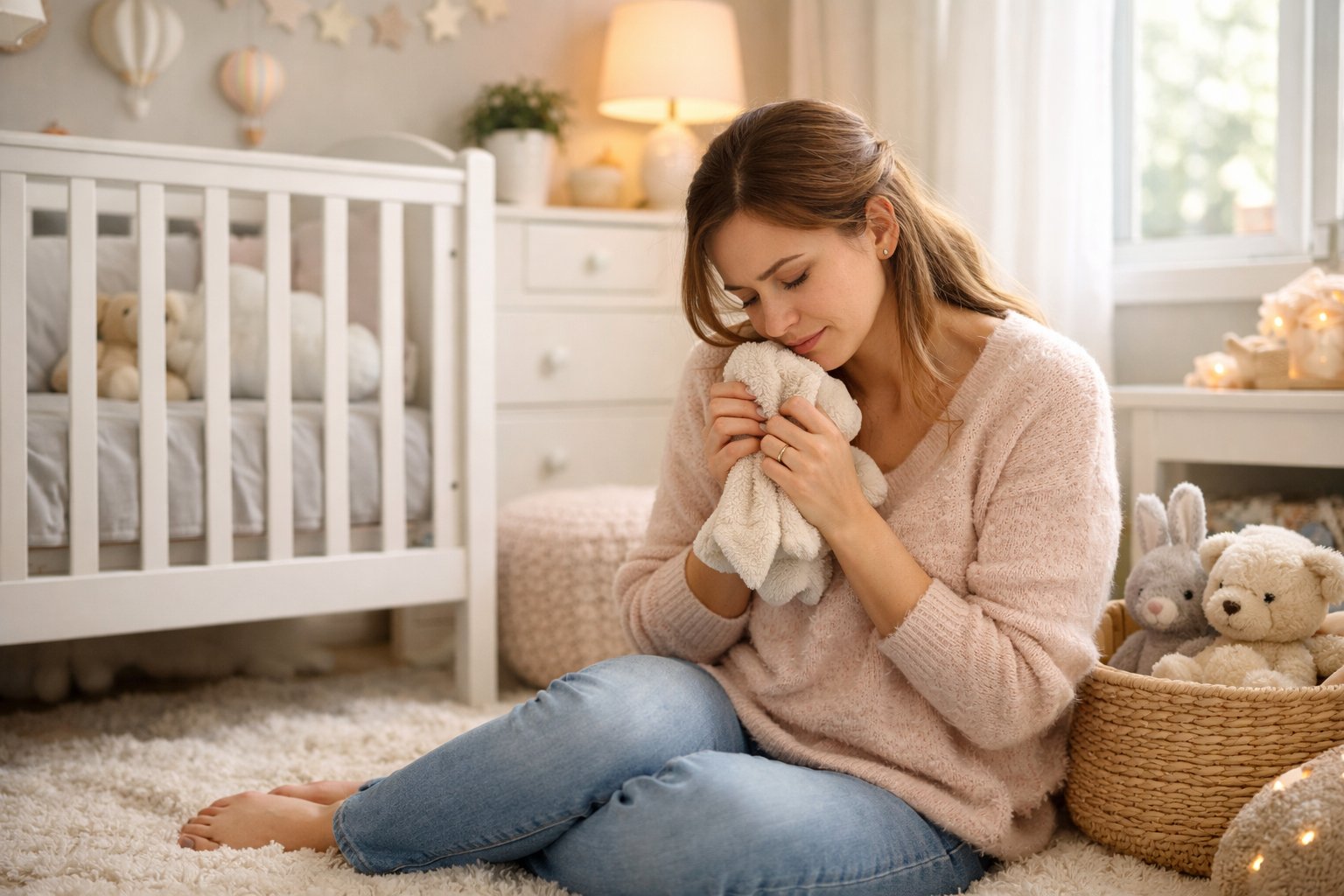
The nursery looks like something from a magazine. Every detail is in place. Yet she stands in the doorway feeling something heavy settle in her chest.

The most supportive gift for a new parent who feels emotionally overwhelmed is something that validates her feelings and helps her process the emotional weight she's carrying, not another item for a room that's already complete. When emotional overwhelm happens, stress exceeds her ability to cope. She needs tools that ground her in the present moment and acknowledge that her feelings are real and valid. A thoughtful journal, a personalized keepsake that honors her journey, or something that invites gentle emotional expression can offer more comfort than another decorative piece.
The truth is that picture-perfect spaces don't always match the messy, beautiful feelings inside. She might benefit from ways to support her emotional wellbeing that go beyond what any nursery can provide. Gifts that create space for her to breathe, reflect, and feel understood can become quiet companions during this tender transition.

Even when everything looks ready on the outside, new parents can feel emotionally stretched and uncertain. The contrast between a prepared space and internal unease often signals deeper emotional needs that go beyond logistics.
Feeling overwhelmed as a parent often shows up in unexpected ways. She might cry more easily than usual or feel numb when she expected to feel excited. Decision fatigue sets in quickly, even over small choices.
Her battery never feels full, no matter how much rest she gets. She may worry constantly that she's not doing enough or compare herself to other mothers who seem more confident. Many parents describe feeling depleted or overstimulated by constant needs and interruptions.
The guilt can be heavy. Thoughts like "I should enjoy this more" or "I should be calmer" circle through her mind. She might want space but feel guilty for needing it, or fear being judged for not meeting impossible standards she's set for herself.
When the physical preparations are complete but she still feels unprepared, it creates a particular kind of distress. The nursery represents visible progress, but internal readiness doesn't follow the same timeline.
She might feel pressure to match her emotions to the picture-perfect room. This disconnect can intensify anxiety rather than ease it. The weight of anticipation grows heavier when everything looks ideal but she doesn't feel ideal inside.
Some parents experience chronic nervous system overwhelm during this waiting period. The clash between external readiness and internal uncertainty can make her question her capacity to handle what's coming. A personalized piece, like something from collections for wives, can remind her she's valued beyond her role as a mother.
Emotional sensitivity shapes how intensely she experiences this transition. Highly sensitive people process experiences more deeply and feel emotions more acutely. This isn't a weakness but a different way of moving through the world.
She may absorb worries about the future more intensely or feel the weight of responsibility more heavily. Small changes can feel bigger to her nervous system. Her sensitivity might make her more attuned to her baby's needs but also more vulnerable to depletion.
Understanding her sensitivity helps explain why she might need more emotional support than others seem to require. It's not about strength or preparation. Her system simply processes information differently, and honoring that difference matters more than trying to change it.
Starting nursery brings a mix of excitement and vulnerability for both children and parents. Recognizing these feelings and understanding how they show up helps everyone move through this change with more confidence and less worry.
A child starting nursery is experiencing something entirely new. She's learning to trust unfamiliar adults, share space with other children, and follow routines that differ from home.
Emotional wellbeing during transitions isn't just about getting through the day. It's about helping her feel safe enough to explore and connect. Some children show their feelings clearly through tears or clinging. Others go quiet or seem fine on the surface but feel uncertain underneath.
Parents can support emotional awareness by naming feelings without rushing to fix them. Saying "you seem worried about saying goodbye" helps more than "don't be sad." A personalized comfort item she can hold during drop-off gives her something tangible to ground her when emotions feel big.
Practitioners notice when a child needs extra reassurance. They might sit nearby during play or offer a transition treasure box with familiar items from home. These small gestures help her develop the ability to recognize and communicate what she's feeling.
The nursery environment feels different from home in every way. Different sounds, smells, faces, and schedules all require mental and emotional energy to process.
Adjusting to new environments takes time. She needs to learn where the bathroom is, when snack happens, and how to ask for help. Visual schedules with photos of her day help her predict what comes next. This reduces anxiety because she's not constantly wondering what will happen.
Some children adapt quickly. Others need weeks to feel comfortable. Neither response is wrong. Gradual transitions where she visits for short periods before starting full days often work better than jumping in all at once.
A custom name label set for her belongings helps her spot what's hers in a busy room. When she can identify her coat or water bottle easily, it gives her a small sense of control. You can personalize it here.
Parents often feel separation anxiety as intensely as their children do. She might wonder if her daughter will be okay without her, if the staff will understand her needs, or if she's making the right choice.
This isn't weakness. It's attachment. The bond between parent and child means that supporting social-emotional development during transitions includes honoring what parents feel too.
Some mothers find it helpful to establish a consistent goodbye routine. A quick hug, a wave at the window, and then leaving gives clarity. Lingering often makes the moment harder for everyone.
Staying connected to her daughter throughout the day helps. A photo keychain with her child's picture lets her carry a small reminder. Knowing the nursery will call if needed and seeing her daughter happy at pickup gradually builds trust in the process.
When someone feels overwhelmed despite external circumstances looking ideal, the real work often lies in understanding what's happening inside. Learning to identify emotions as they arise and building practical ways to manage them can create a foundation for steadiness during uncertain times.
Emotional regulation is the ability to recognize feelings as they emerge and respond to them in ways that don't derail daily life. It's not about suppressing emotions or pretending everything feels fine. It's about developing the capacity to sit with discomfort, name what's happening, and choose how to move forward.
For someone transitioning into nursery drop-offs, this might look like noticing the tightness in her chest when she walks away, acknowledging the grief without judgment, and using a breathing technique to regain calm. Emotional awareness helps recognize and understand feelings, which is the first step toward managing them effectively.
When she understands that her body's reactions are signals rather than threats, she can begin to work with them instead of against them.
Emotional dysregulation shows up when feelings become so intense that they interfere with functioning. She might notice frequent tearfulness that arrives without warning, difficulty sleeping despite exhaustion, or irritability that feels out of proportion to small frustrations.
Physical signs often appear first: racing heart, shallow breathing, tension in the shoulders, or a sense of being disconnected from her body. These aren't character flaws. They're indicators that her nervous system is working overtime to process change.
Supporting emotional dysregulation in early years settings applies to adults too—when responses feel intense, unpredictable, or prolonged, it signals a need for additional support. A journal designed for processing emotions can help her track patterns and identify triggers before they escalate.
Creating a collection of accessible strategies gives her something to reach for when emotions feel unmanageable. These don't need to be complicated or time-consuming.
Practical tools might include:
If something feels personal without adding pressure, it becomes easier to use regularly. You can personalize a mindfulness journal here.
The goal isn't to eliminate difficult feelings but to develop a relationship with them that allows her to function even when things feel hard. Over time, these small practices build resilience that carries her through transitions with more ease.
When a new mother feels overwhelmed despite having everything ready, what she needs most is someone who can sit with her feelings without trying to fix them. Emotional validation helps people feel seen and heard, which builds trust and makes space for honest communication.
She doesn't need solutions right now. She needs someone to acknowledge that her feelings make sense, even when the nursery looks magazine-perfect and the baby gear is organized.
Validation means recognizing and accepting emotions without judgment. When someone says "I understand you're feeling anxious" instead of "But everything is ready," they create space for her to process what's happening inside.
Simple validating phrases include:
The goal isn't to make her feelings disappear. It's to help her feel less alone in them.
A personalized journal gives her a private place to name what she's experiencing without needing to explain herself. Sometimes writing creates the emotional release that talking can't.
When others share their own moments of doubt or fear, it gives her permission to feel uncertain too. This doesn't mean making her experience about someone else. It means showing that mixed feelings are normal and survivable.
She might worry that admitting overwhelm means she's ungrateful or unprepared. Hearing that other people felt scared even when circumstances looked ideal helps reduce shame.
Emotional openness looks like:
If she wants something tangible that reminds her she's not alone, a custom illustration with words that ground her can sit quietly in her space. It doesn't demand attention but offers comfort when she needs it. You can personalize it here.
Positive reinforcement strengthens the behaviors we want to see more of. When she shares how she's really feeling and someone responds with acceptance, she learns that honesty is safe.
This means thanking her for being open. It means telling her that her willingness to name difficult emotions shows strength, not weakness.
Ways to reinforce emotional honesty:
Research shows that validation helps people regulate their emotions more effectively. When she knows her feelings won't be dismissed, she becomes better at processing them.
A handmade comfort item acknowledges that she deserves gentleness right now. It's a physical reminder that vulnerability deserves care, not correction.
When a new mother feels overwhelmed despite a beautiful nursery, she needs tools that ground her in the moment and help her process big feelings. Small, thoughtful items that encourage calm and self-awareness can offer more support than decorative pieces alone.
A calm-down kit gives her a tangible way to reset when stress builds. It might include a soft anxiety relief plush weighted with glass beads that simulate a hug, a small journal for quick thoughts, or a rollerball of calming essential oil she can keep in her pocket. These kits work because they're portable and personal.
She can customize a simple pouch or small box with her initials or a quiet reminder phrase. Adding items like smooth worry stones, a mini breathing guide card, or a photo of someone who steadies her makes it feel like hers. The goal is not perfection but presence.
Some mothers appreciate a customizable canvas pouch they can fill themselves. It becomes a ritual she controls. She might choose scents that comfort her or textures that feel grounding in her hands.
Books that name feelings without fixing them can help her feel less alone. Emotion stories for adults explore themes like identity shifts, grief, and joy without offering simple answers. They acknowledge that motherhood is layered.
Picture books about emotions also serve new mothers, not just babies. Reading simple stories about anger, sadness, or fear can remind her that all feelings are valid. These books often use gentle language and illustrations that soothe rather than overwhelm.
A journal designed for emotional exploration offers another option. Prompts might ask what she misses about her former self or what surprised her today. She doesn't need to fill every page. Just having the space matters.
Grounding techniques help her return to her body when worry spirals. A small card with the 5-4-3-2-1 method (name five things you see, four you touch, three you hear, two you smell, one you taste) fits in a diaper bag or pocket. She can use it anywhere.
Weighted items provide physical grounding too. A soft blanket or small weighted lap pad offers steady pressure that calms her nervous system during feeds or quiet moments. Breathing tools like a simple visual guide or a small object to hold during deep breaths give her something concrete to focus on.
Some mothers find comfort in small meaningful keepsakes they can touch throughout the day. A smooth stone, a textured bracelet, or a small charm reminds her she's anchored even when everything feels uncertain.
Practical tools help new mothers name what they're feeling when words feel too heavy. Visual aids and sensory objects create a gentle bridge between internal chaos and external calm.
She might not always have language for what's happening inside her. Feelings flashcards offer a wordless way to point at an emotion when speaking feels impossible.
These cards work because they remove the pressure to articulate. She can simply hold one up or place it somewhere visible. Some sets include drawings of faces showing different emotions. Others use colors or abstract images that match internal states.
What makes them helpful:
Printable emotion wheels and cards designed for children also work surprisingly well for adults navigating postpartum adjustment. The simplicity removes judgment.
If she wants something that feels personal without making the moment overly sentimental, a customizable emotion card set keeps it meaningful yet light. She can add her own words or images. You can personalize it here.
Calm-down bottles give her something physical to hold when everything feels too fast. These sensory bottles contain glitter, beads, or oil that moves slowly when shaken.
The motion creates a focal point. Watching particles settle mimics the process her nervous system needs. It's not about distraction. It's about giving her brain something rhythmic to follow while her body catches up.
She can keep one by the nursing chair or on her nightstand. When panic rises at 3 a.m., she shakes it and watches. The bottle doesn't ask her to be different. It just moves with her.
Some mothers appreciate making their own bottles with specific colors that mean something personal. Others prefer ready-made versions. Both work.
A feelings collage lets her tear, cut, and arrange without needing a finished product. She can use magazine images, fabric scraps, or craft supplies that feel right in her hands.
The act matters more than the result. She might glue dark colors on days that feel heavy. She might layer textures when she can't find words. Creative activities help children manage emotions, and they do the same for adults who need permission to express without explanation.
Sensory play extends beyond visual art. She might knead clay, run her hands through dried beans, or hold smooth stones. These tactile experiences ground her when thoughts spiral. They remind her that her body exists in physical space, not just in worry.
Simple materials that work:
She doesn't need artistic skill. She needs permission to make a mess that reflects how she feels inside.
Playful tools that name emotions help children express what words can't yet capture. These activities invite connection without pressure and create space for feelings to surface naturally.
Small fabric puppets designed to represent different feelings give children a safe way to explore big emotions. A child might use a worried puppet to show how she felt on her first day or a brave puppet to act out what helped her feel better. Interactive play supports cognitive development, social skills, and emotional well-being.
Handmade emotion puppet sets with expressive faces let her assign voices to feelings she doesn't know how to name yet. Parents can join the play without directing it, following her lead as she works through her day.
Mindfulness combined with play helps children explore emotions at their own pace and practice listening before acting. The puppets become companions who understand, not teachers who correct.
A simple card game where family members act out feelings turns emotional literacy into something everyone practices together. One person draws a card showing "frustrated" or "excited" and uses their face and body to show it while others guess.
These personalized emotion card sets work especially well during calm moments at home when she needs to unwind. The game removes the spotlight from her overwhelming day and places it on shared experience instead.
If you want something that reflects your family's unique moments, a custom design keeps the activity meaningful without feeling forced. You can personalize emotion cards with family photos or inside jokes.
➡️ Customize emotion activity cards here
Playing repeatedly helps her recognize patterns in how emotions look and feel. She learns that everyone carries feelings, not just her.
Sometimes the overwhelm doesn't ease with time or comfort items alone. Knowing when a child's emotional responses signal a need for professional guidance helps parents act with confidence rather than worry.
Changes in physical appearance, mood, thoughts, and behaviors may indicate a child needs more support than a parent can provide alone. When a child's distress about nursery continues for more than a few weeks without improvement, it's worth paying attention.
Persistent sleep problems, frequent nightmares about nursery, or physical complaints like stomachaches before drop-off can signal deeper struggles. A child who withdraws from activities she once enjoyed or shows extreme anxiety that interferes with daily life may benefit from professional help.
Intense, unpredictable, or prolonged emotional responses that don't improve with typical comfort strategies deserve attention. If she seems unable to calm down even with familiar routines and support, or if the overwhelm spreads to other areas of life beyond nursery, these patterns matter.
Regression in development, such as losing toilet training skills or speech changes, can also indicate she's struggling more than typical adjustment would explain.
A pediatrician offers a good starting point for concerns about a child's emotional well-being. They can rule out medical issues and provide referrals to child psychologists or therapists who specialize in early childhood.
Child psychologists trained in early years can provide additional tools and strategies that go beyond what parents can offer at home. Sometimes an outside perspective helps identify patterns parents might miss in daily life.
Early intervention makes a significant difference. Seeking support when needed doesn't mean a parent has failed. It means they're taking their child's emotional health seriously.
School counselors and nursery staff often notice behavioral patterns during the day that parents don't see. Talking with them provides valuable context about whether her responses match what other children her age typically experience.
A personalized journal can help track patterns before appointments, making it easier to explain concerns to professionals.
Small gestures that encourage her to pause, reflect, and reconnect with herself can create space for both self-regulation and continued emotional growth during this tender transition.
She might not realize how much energy she's spending just keeping herself steady. Supporting children's self-regulation begins with adults who have their own tools for managing overwhelm.
A guided journal for new mothers offers structured prompts that help her notice what she's feeling without judgment. She can write for five minutes before bed or during naptime. The act of naming emotions on paper often makes them feel less consuming.
Practical tools that support regulation:
If she appreciates something more personal, a custom notebook with her daughter's name alongside hers reminds her they're growing together. You can personalize it here.
Emotional development takes place throughout early childhood for both children and their parents. She's learning alongside her daughter right now.
A mindfulness app subscription designed for mothers offers five-minute guided sessions she can do while nursing or waiting in the pickup line. These aren't lengthy meditation retreats. They're small pockets of awareness woven into her existing routine.
Books about maternal identity transition validate what she's experiencing. She needs to know that feeling overwhelmed doesn't mean she's failing. A handmade bookmark with an encouraging message tucks into whatever she's reading.
She might also appreciate access to a virtual support group where other mothers share their honest experiences. Sometimes just hearing that someone else also cried in the nursery parking lot makes the whole day feel more manageable.
Building emotional strength means recognizing progress in small moments and creating sustainable practices that extend beyond preparing one room.
The journey through early motherhood doesn't require perfection. It asks for acknowledgment of what's already been accomplished.
When she steps back and sees the completed nursery, that's a win worth celebrating. When she manages a full night's sleep or accepts help from someone who cares, those moments matter too. Building resilience in children starts with parents who model self-compassion, and that begins with recognizing her own growth.
A journal where she records these small victories creates a tangible reminder of her capability. Some mothers appreciate a custom keepsake book where they can write down moments of pride, worry, and relief without judgment.
Progress isn't linear. Some days feel harder than others, and that's expected. The strength comes from noticing she's moving forward even when it doesn't feel that way. A gift that honors this might be something she uses daily, like a personalized water bottle reminding her to care for herself while caring for others.
It lets her carry a quiet reminder that her wellbeing matters just as much.
You can personalize it here.
Resilience develops through everyday interactions and consistent emotional support, not through one-time fixes. What helps her now needs to carry forward into the weeks and months ahead.
Practices like mindfulness don't need to be complicated. A few minutes of focused breathing or a short walk outside can reset her nervous system. Some mothers find comfort in aromatherapy rollers they keep in their bag for moments when anxiety rises unexpectedly.
Connection matters more than products. Regular check-ins from family members, especially those who've walked this path, provide ongoing emotional scaffolding. A thoughtful message from her mother-in-law can reinforce that she's supported and valued during this transition.
Self-care isn't selfish when it makes her a more present parent. Whether it's protecting time for rest, saying no to additional obligations, or accepting that some days simply require survival mode, these choices build the foundation for sustainable wellbeing. The goal isn't to eliminate overwhelm completely but to develop tools that help her navigate it with more ease.
Thoughtful gifts for an overwhelmed new mother focus on comfort, self-care, and gentle reminders that she matters too. Small tokens of warmth and personal touches often mean more than elaborate gestures during this tender season.
A soft, weighted blanket offers physical comfort that mirrors emotional support. The gentle pressure can help calm her nervous system during quiet moments when she finally sits down.
She might also appreciate a personalized journal where she can pour out thoughts without judgment. Writing becomes a safe space to process the overwhelming feelings that surface.
A custom mug with an encouraging phrase catches her eye during early morning hours when she needs it most. If she wants something that feels personal without making the moment overly sentimental, a customizable design like this keeps it meaningful yet light.
She can personalize it here.
➡️ Custom Coffee Mug for New Moms
A care package filled with her favorite tea, a cozy pair of socks, and a handwritten note creates an instant moment of recognition. Someone sees her struggle and reaches out.
Handmade comfort items from small artisans carry the warmth of human touch. They remind her that care flows in many directions.
A subscription box for self-care products arrives monthly as a recurring reminder. Each delivery whispers that her well-being still matters even in the chaos.
Listen to what she actually says rather than what seems appropriate to give. Her words often contain clues about what would truly help.
Practical items she uses daily become gifts when chosen with attention to her specific situation. A nice water bottle matters when she forgets to drink throughout the day.
Consider gifts that give her time rather than more things to manage. A meal delivery service or cleaning service offers space to breathe.
Simply showing up matters more than any physical gift. Sitting with her while she cries or laughs releases the pressure valve.
A custom photo album or frame helps her see the beauty within the exhaustion. These captured moments become anchors when everything feels untethered.
Books about motherhood that speak honestly about the hard parts validate her experience. She realizes other women have walked this path and survived.
A weighted eye mask helps her rest even when sleep feels impossible. The darkness and gentle pressure create a mini sanctuary.
Aromatherapy items like essential oils engage her senses in healing ways. Lavender or chamomile scents signal to her body that it can release tension.
A soft robe or comfortable loungewear acknowledges that she deserves to feel good in her clothes. Comfort becomes a form of self-respect during this season.
A bracelet or necklace with a meaningful word engraved stays with her throughout the day. She glances down and remembers her strength.
Personalized artwork for her space transforms the nursery or bedroom into a place that honors her too. The walls can hold her story alongside her child's.
A custom print with an affirmation speaks directly to her heart without demanding anything. For something that holds both tenderness and truth, a design she can shape to her own journey offers quiet support.
You can customize it here.