
Your Cart is Empty
Birthdays hold a unique place in human experience because they mark not just another year of life, but a moment when others pause to acknowledge someone's existence. When people feel seen and recognized on their birthday, it fulfills a basic human need for connection and validation. This recognition can come through simple acts of celebration or through more elaborate traditions that vary across cultures.
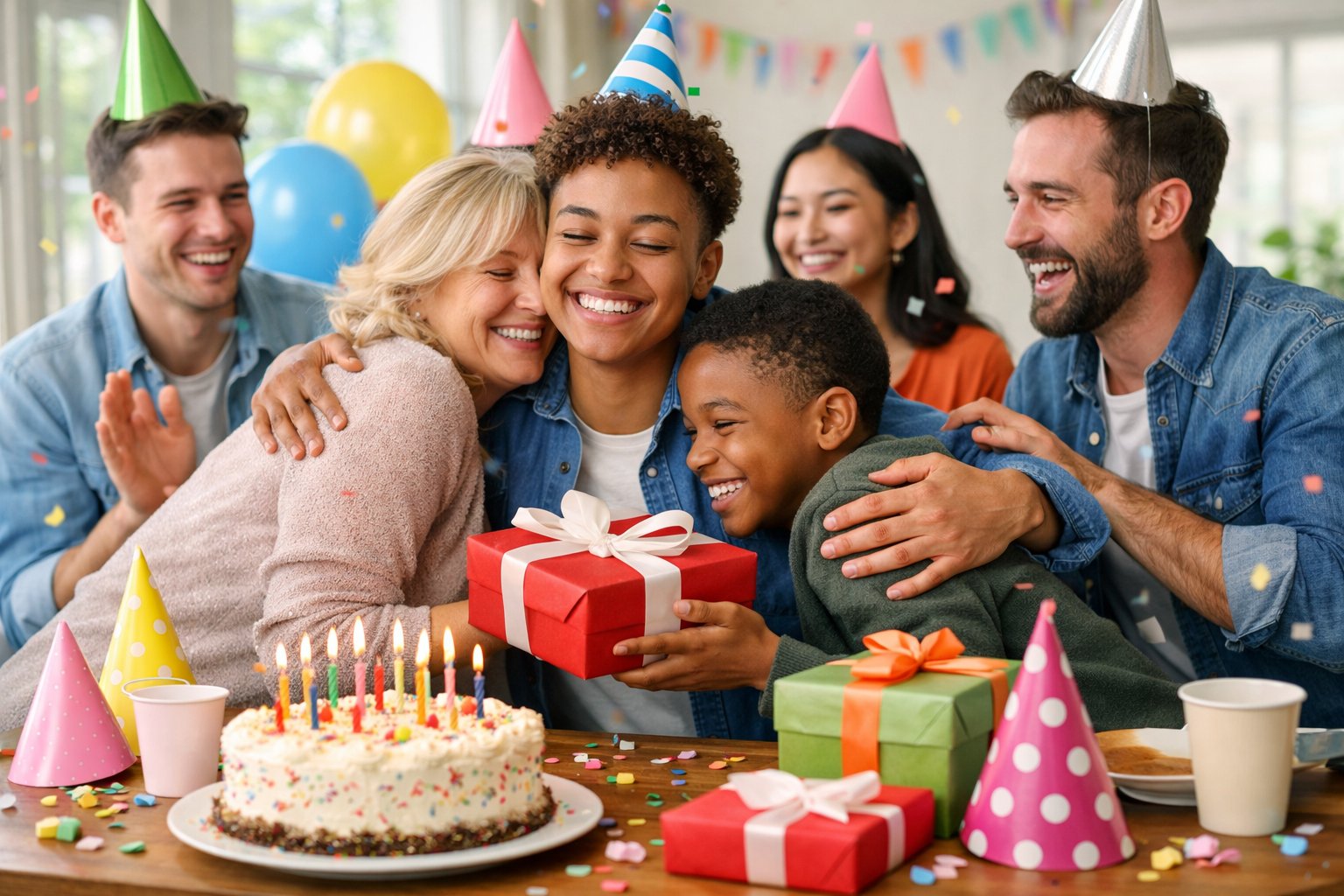
A birthday becomes truly meaningful when it creates a space for genuine acknowledgment, where a person feels valued not for what they do but simply for being alive. The emotional response many experience around their birthday connects to what psychologists call "temporal landmarks"—moments when time feels more visible and symbolic. Whether someone celebrates with a small gathering or quiet reflection, the day offers an opportunity to feel connected to others and to reflect on their journey.
The way birthdays are celebrated continues to evolve, but the core desire to be seen remains constant. From personalized gifts found on sites like Zazzle to thoughtful presents from Amazon, people seek ways to show others they matter. Understanding why birthdays are important helps create celebrations that honor both individual preferences and the universal need for recognition.
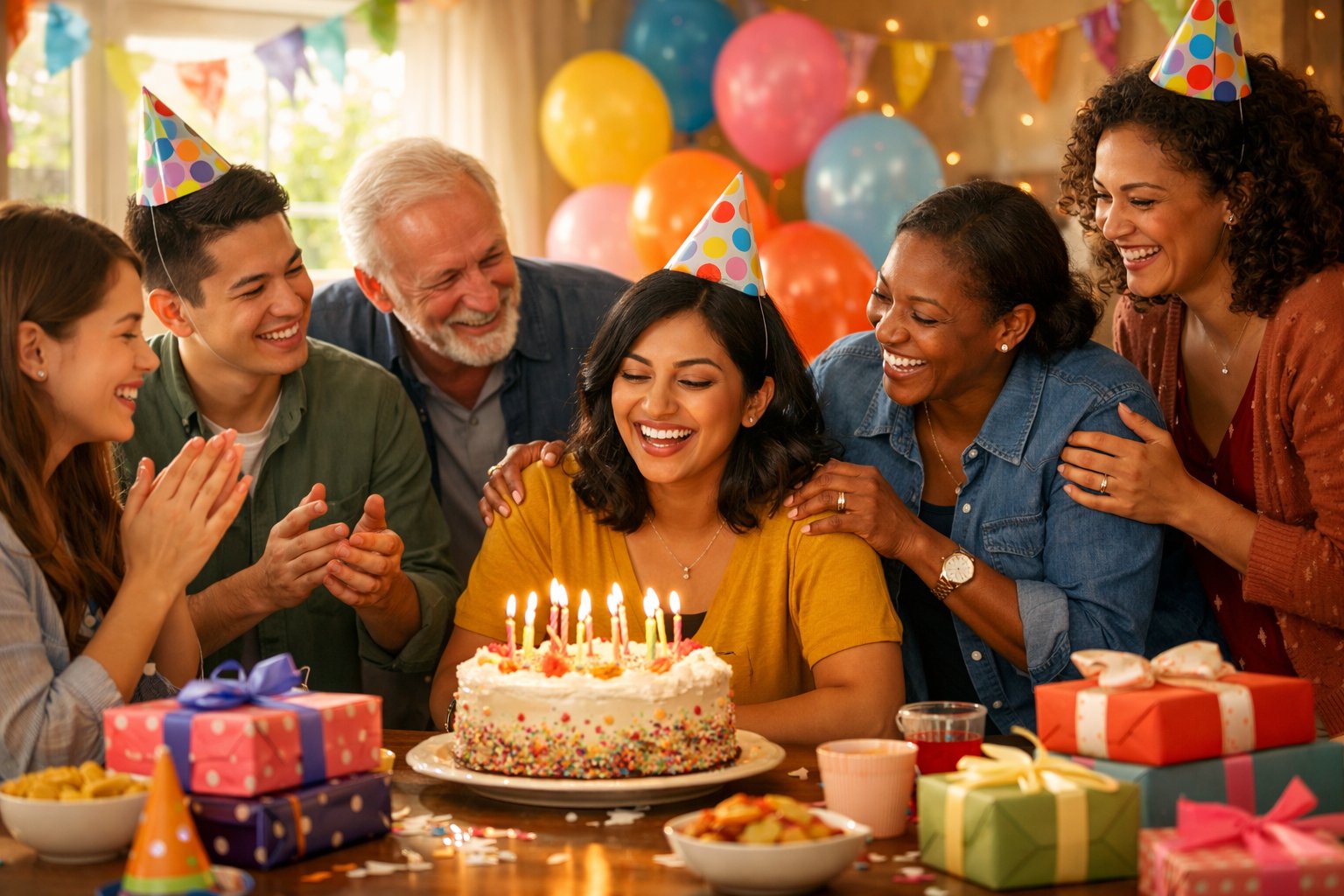
Being seen on a birthday means more than receiving gifts or hearing well-wishes. It creates a moment where someone's existence is acknowledged by others, reinforcing their value in the lives of people around them.
Being seen on a birthday involves recognition of a person's unique place in the world. When friends and family gather or reach out, they confirm that the individual matters. This acknowledgment goes beyond surface-level attention.
The act of being celebrated tells someone that their presence has made a difference. A coworker who remembers a colleague's birthday or a friend who plans a small gathering sends a clear message: "You are important to us." This validation strengthens relationships and builds connection.
The meaning of birthdays extends beyond parties and cake. When someone takes time to acknowledge another person's special day, they honor that person's journey through life. Whether through a handwritten card from Amazon or a personalized gift from Zazzle, these gestures create lasting memories.
The celebration doesn't require elaborate planning. A simple text message or phone call can provide the recognition someone needs to feel valued.
Recognition on a birthday triggers strong emotional responses. When people acknowledge someone's birthday, they activate feelings of belonging and acceptance. These emotions strengthen mental wellbeing and create positive associations with self-worth.
The absence of recognition can have the opposite effect. When a birthday passes unnoticed, it can lead to feelings of isolation or insignificance. This explains why birthday celebrations create opportunities for social bonding and emotional connection.
Key emotional benefits include:
Birthday recognition reinforces a sense of belonging within social circles. It reminds people they are part of something larger than themselves. The celebration of life that occurs on birthdays validates both the person and their relationships.
Acknowledgment on a birthday can shift how someone views themselves and their relationships. When others make an effort to celebrate, it transforms an ordinary day into something meaningful. This transformation affects both the person being celebrated and those doing the celebrating.
The act of acknowledging a birthday creates a moment of reflection. It allows people to pause and consider their growth, achievements, and the path ahead. This reflection often leads to renewed motivation and clarity about personal goals.
Being seen on a birthday also strengthens social bonds. When someone receives genuine acknowledgment, they feel more connected to their community. This connection builds trust and deepens relationships over time. The transformative effect extends beyond the single day, influencing how people interact with each other throughout the year.
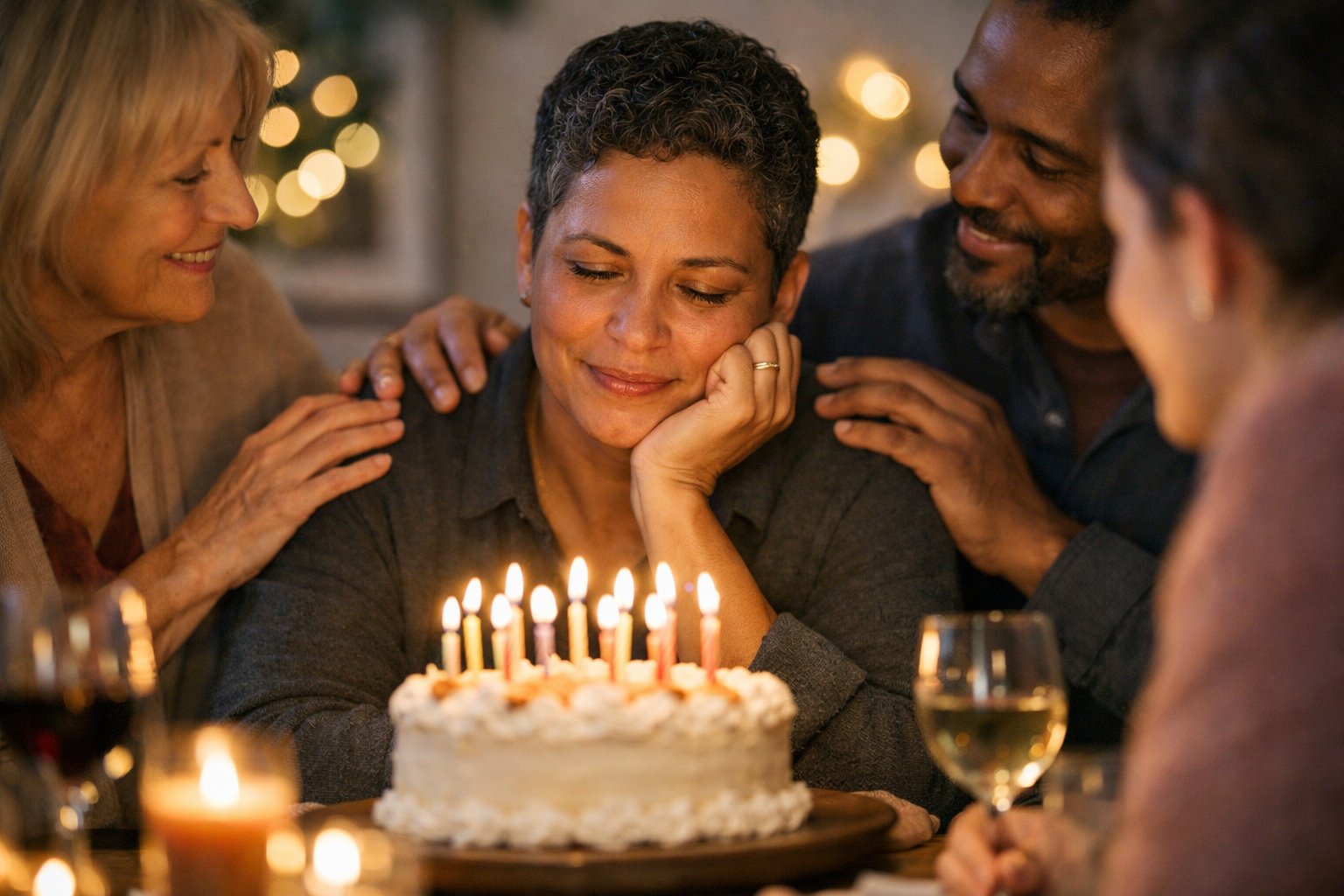
Birthdays mark more than just the passage of time. They create space for examining personal choices, recognizing patterns of growth, and acknowledging the person someone has become over the past year.
A birthday provides a natural pause to look back at the previous twelve months. People often use this day to think about what they accomplished, what they struggled with, and what lessons they learned. This reflection helps them understand their journey better.
Birthdays hold deeper significance beyond celebrations, offering a chance to assess health, relationships, and life direction. Many people journal on their birthdays to document their thoughts and feelings. Others prefer quiet contemplation or meditation to connect with their inner experiences.
The act of reflection transforms a birthday from a simple celebration into a meaningful checkpoint. It allows someone to see how far they've come and identify areas where they want to grow.
Each birthday represents a complete cycle around the sun and a year of experiences that shape who someone becomes. The meaning of birthdays centers on marking a unique point in time that highlights personal evolution.
Growing up happens gradually, but birthdays make this change visible. A person at 25 differs from who they were at 24, even if the shifts seem small. These annual markers help track development in skills, wisdom, and character.
People can measure their personal growth by comparing their current abilities to those from previous years. Someone might notice improved communication skills, better stress management, or stronger relationships. Birthday decorations and celebrations often mark these transitions visually.
Birthdays signal transition points that separate different chapters of life. Each one marks the end of one year and the beginning of another, making them powerful symbols of change and renewal.
The day reminds people that they are constantly evolving. Physical changes, new responsibilities, and shifting priorities all accumulate over time. A birthday acknowledges these transformations and validates the work someone has put into growing up.
Many people use their birthdays to set intentions for the coming year. They might establish goals, make commitments, or decide to let go of habits that no longer serve them. Birthday planning books can help organize these intentions and track progress throughout the year.
This marker of change encourages people to embrace transformation rather than resist it. It normalizes the idea that change is constant and growth is always possible.
Birthdays serve as natural gathering points that strengthen relationships and reinforce our place within social groups. These celebrations create opportunities for people to express care, build memories together, and remind each other of their importance in one another's lives.
Birthday gatherings strengthen social bonds by bringing people together to share joy and create lasting memories. These events reinforce a sense of belonging and community while providing emotional support.
When someone takes time to celebrate another person's birthday, it sends a clear message about their value in that relationship. The act of planning, showing up, or sending a thoughtful gift demonstrates investment in the connection.
Birthday celebrations also provide structured opportunities for people who might otherwise drift apart to reconnect. Annual birthday dinners or calls create touchpoints that maintain relationships across distance and busy schedules.
Research shows that shared celebrations activate the brain's reward system and release oxytocin, the hormone linked to bonding and trust. This biological response helps explain why rituals and traditions help us feel grounded and connected.
Simple birthday cards from Amazon or personalized gifts from Zazzle can express care without elaborate planning.
Family members and friends play different but equally important roles in birthday celebrations. Family often provides continuity and historical perspective, while friends offer chosen connections based on shared interests and values.
For children, family celebrations play a critical role in development. These moments help build a strong sense of identity, security, and connection while fostering emotional stability.
Friends contribute to birthdays by offering validation outside family structures. Adult friendships maintained through birthday traditions create what some call "found family" connections.
The specific people present matter less than the quality of attention given. A small gathering where everyone feels genuinely engaged often means more than a large party where the birthday person feels overlooked.
Regular birthday traditions create predictable moments of connection within communities. Whether it's an office celebration, a neighborhood gathering, or a friend group ritual, these repeated events build shared identity.
Birthday rituals don't need to be elaborate to be meaningful. Consistent small gestures like singing together, sharing favorite memories, or offering words of appreciation create powerful emotional anchors.
Communities that celebrate birthdays strengthen their collective bonds and help individual members feel seen and valued. These celebrations remind people they belong to something larger than themselves.
Even simple traditions like birthday month announcements or potluck celebrations help groups mark time together and acknowledge each person's unique contribution to the community.
Different societies mark birthdays through distinct customs that reflect their values and beliefs. Some practices appear worldwide, while others remain unique to specific regions, and certain celebrations mark important life stages rather than annual dates.
Birthday celebrations share common elements across many countries. Cake, candles, and singing appear at parties from North America to Europe to parts of Asia. Gift-giving occurs in most cultures as a way to honor the birthday person.
Yet each region adds its own twist. In Atlantic Canada, people grease the birthday person's nose with butter to prevent bad luck from sticking. Jamaica takes a messier approach with "antiquing," where friends cover the celebrant in flour.
Denmark displays the national flag outside homes on birthdays, while family members arrange gifts around the sleeping person's bed before they wake up. The Netherlands follows specific greeting rules, with guests offering three cheek kisses and saying "Gefeliciteerd."
Food traditions vary widely. China serves extra-long noodles that must not be cut, as breaking them might shorten one's life. Korea starts birthdays with seaweed soup, linking celebrants to their mothers who ate the same dish after giving birth.
Physical rituals add meaning to birthday celebrations in different regions. Israel lifts the birthday person high on a chair while singing and dancing. This gesture appears at many Jewish events, with participants raising the chair thirteen times for good luck.
India features a cake-feeding custom where the birthday person hand-feeds pieces to close friends and family. This practice reflects cultural values around sharing food and personal connection.
Common Birthday Symbols:
Vietnam takes a collective approach. During Tết, the Lunar New Year, everyone becomes one year older together rather than celebrating individual birth dates. This tradition stems from times when communal festivities held more importance than personal milestones.
Poland adds an extra celebration with Name Days, following the Catholic calendar of saints. Many Poles mark both their birthday and their saint's day each year.
Shichi-Go-San translates to "Seven-Five-Three" and marks a different type of birthday tradition in Japan. This coming of age celebration occurs on November 15th each year for children who have reached ages three, five, or seven.
The ritual holds deep meaning in Japanese culture. Parents dress children in traditional clothing like kimonos and visit shrines to pray for health and good fortune. Girls celebrate at ages three and seven, while boys participate at ages three and five.
This practice differs from annual birthday celebrations because it focuses on specific milestone ages rather than every year. Families often purchase personalized gifts from retailers like Zazzle to commemorate these special occasions.
The ages hold significance in Japanese tradition. Age three marks when children can let their hair grow, five represents when boys wear hakama pants for the first time, and seven is when girls begin wearing obi belts with their kimonos.
Modern families blend old and new customs during Shichi-Go-San. After shrine visits, parents often take professional photos and give chitose-ame, special long candy that symbolizes longevity. Some families also order celebration items through online retailers like Amazon to mark these important milestones.
Birthday cake with candles, wrapped presents, and spoken wishes form the core of how people mark another year of life. These practices carry deeper meaning about recognition, celebration, and human connection.
The birthday cake tradition traces back to ancient Greece. People baked round cakes to honor Artemis, the moon goddess. The round shape symbolized the moon, and candles represented its glow.
Germans later developed the modern birthday cake tradition in the 1700s. They called it Kinderfest, a celebration specifically for children. The cake sat on the table with lit candles from morning until evening.
The number of candles matches the person's age, plus one extra for good luck. Blowing out all the candles in one breath supposedly makes wishes come true. This ritual connects to ancient beliefs about smoke carrying prayers to the gods.
Today, the birthday cake serves as a focal point. Everyone gathers around while singing. The birthday person stands at the center of attention. This moment creates visibility and acknowledgment that the person matters.
Birthday gifts represent more than material items. They show that someone took time to think about the birthday person's interests and needs.
Early birthday gifts had protective purposes. People believed evil spirits visited on birthdays. Friends and family brought good wishes and presents to ward off bad luck.
Modern gift giving strengthens social bonds. A piece of jewelry for mom or personalized necklace shows thoughtfulness. The gift becomes a physical reminder of care and connection.
The act of opening presents creates another moment of visibility. The birthday person sits surrounded by loved ones. Each unwrapped gift brings reactions, smiles, and thanks. This exchange reinforces that the person is valued and remembered.
Making a wish before blowing out candles is a private moment made public. Everyone watches and waits in silence. The birthday person closes their eyes and thinks of something they want.
This pause creates significance. The room focuses entirely on one individual. No one speaks or interrupts. The birthday person receives complete attention from everyone present.
Birthday wishes also happen through cards and messages. People write specific thoughts about the birthday person. They mention qualities they admire or memories they share. These words validate the person's impact on others' lives.
The tradition of celebrating milestones creates space for reflection. Birthday rituals acknowledge growth and change. They mark time passing while honoring the individual moving through it.
Early birthdays mark distinct phases in growing up, from celebrating a child's survival through their first year to recognizing their transition into adulthood. These celebrations acknowledge physical growth, social development, and cultural identity.
The first birthday represents a major achievement for both child and parents. In many families, this celebration involves intimate gatherings with close relatives who have supported the family through the baby's early months.
Parents often choose themes that reflect their child's personality or interests that have emerged during the year. Common traditions include smash cakes, where the birthday child gets their own small cake to destroy however they want. Some families create time capsules or handprint keepsakes to preserve memories.
First birthday parties typically feature simple decorations like balloons and banners. Parents can find personalized first birthday supplies that match their chosen theme. The guest list usually stays small since the baby won't remember the event, making it more about marking the milestone for family members.
After the first birthday, several ages stand out as important markers. The 13th birthday signals the start of teenage years, when children face new social pressures and responsibilities.
Sweet 16 holds special meaning in American culture as a celebration of growing independence. Many families throw larger parties or give meaningful gifts like jewelry or car-related items.
The 18th birthday marks legal adulthood in most places. Young adults gain the right to vote, sign contracts, and make medical decisions independently. The 21st birthday carries weight in the United States as the age when drinking alcohol becomes legal.
Parents looking for milestone birthday gifts often choose items that reflect this new stage of independence and responsibility.
Different cultures recognize coming of age through specific rituals and ceremonies. The Quinceañera celebrates a girl's 15th birthday in Latin American communities, marking her transition from childhood to young womanhood. These elaborate celebrations include religious ceremonies, formal dresses, and choreographed dances.
Jewish families observe Bar Mitzvah at age 13 for boys and Bat Mitzvah at age 12 or 13 for girls. These ceremonies recognize the young person's religious responsibilities within the community.
In Japan, Seijin no Hi (Coming of Age Day) honors all who turned 20 in the past year. Young women wear traditional kimonos while attending ceremonies at local government offices.
These cultural coming-of-age traditions often involve extended family, religious leaders, and community members who witness and support the young person's new status.
Making a birthday feel truly meaningful starts with creating moments that reflect who you are right now. The most memorable celebrations blend personal touches with intentional rituals that honor both growth and authenticity.
Creating new birthday traditions helps mark another year with purpose. A memory jar where guests write down favorite shared moments creates a keepsake that lasts beyond the party itself. Some people start their birthday by writing a letter to their future self, capturing their current thoughts and goals.
A gratitude circle brings everyone together to share one thing they appreciate about the birthday person. This simple act transforms the celebration into something deeper than cake and presents.
Photo timelines displayed on walls show the journey from childhood to now. Guests can add sticky notes with messages or memories next to different photos. These visual stories make the passage of time feel real and worth celebrating.
Custom items add personal flair:
Birthday traditions work best when they fit the person celebrating. Someone who loves quiet moments might start a tradition of watching the sunrise with coffee and journaling. An extrovert might gather friends for an annual adventure to a new place.
Food traditions carry special meaning. Making grandma's cake recipe each year connects generations. Trying a new restaurant annually creates a growing list of birthday memories tied to different flavors and experiences.
Personalized party favors on Zazzle like custom coasters or photo magnets let guests take home something unique. These items remind everyone of the celebration long after it ends.
Some families create a birthday interview tradition. They ask the same questions each year and record the answers. Watching how responses change over time shows real growth and shifting dreams.
An authentic celebration of life means choosing activities that genuinely bring joy rather than following what seems expected. Someone might skip the big party for a small dinner with close friends. Another person might rent a party planning book on Amazon to organize something elaborate.
The goal is celebrating life in ways that feel right. A nature lover might spend their birthday hiking. A creative person might host a painting session where everyone makes art together.
Authentic celebrations often include:
Skipping elements that feel forced or uncomfortable makes the day more genuine. When people celebrate life on their own terms, birthdays become moments of real connection rather than obligation.
Small acts of thoughtfulness on birthdays can create deep emotional connections and make people feel valued. Birthday messages trigger the release of dopamine and oxytoxin, chemicals linked to happiness and trust.
A personalized birthday message stands out because it shows genuine effort. When someone receives a text or card that mentions a specific memory or inside joke, it signals that the sender took time to think about them as an individual.
Generic "Happy Birthday" wishes are polite. But messages that reference shared experiences or personal details make the recipient feel truly seen. This creates a stronger sense of belonging and reinforces the relationship.
Personalized messages activate nostalgia and strengthen bonds between people. The difference lies in emotional impact. A thoughtful wish can boost someone's mood and self-esteem for days after their birthday.
Writing a message that feels personal doesn't require lengthy paragraphs. Even one sentence that acknowledges something unique about the person makes a difference.
Small gestures carry emotional weight that people remember long after birthdays pass. These actions don't need to be expensive or elaborate.
Bringing someone their favorite coffee shows attention to their preferences. Remembering to call instead of text demonstrates extra effort. A handwritten note makes people feel valued in ways digital messages sometimes cannot.
Custom cards from Zazzle allow people to add personal touches that match the recipient's interests. Small gifts that connect to someone's hobbies or passions show careful thought.
The key is matching the gesture to what the person actually enjoys. Some people appreciate public celebration while others prefer quiet recognition. Paying attention to these preferences matters more than the size of the gesture.
Birthdays offer a chance to strengthen connections through intentional recognition. Simply remembering the date without prompting from social media shows someone matters enough to keep track.
Setting calendar reminders helps ensure important birthdays don't slip by unnoticed. Reaching out early in the day makes the greeting feel more purposeful than a late-night message.
Books about maintaining relationships, available on Amazon, offer additional strategies for deepening connections. The effort put into recognition communicates how much someone values the relationship.
Creating traditions around birthdays builds anticipation. When gestures become anticipated traditions, they make people feel consistently valued throughout the year.
A birthday offers more than cake and celebration—it creates a natural checkpoint for evaluating progress and planning ahead. This annual milestone provides structure for setting intentions and reflecting on personal development, turning what could be just another day into a meaningful opportunity for growth.
Intentions differ from traditional goals because they focus on guiding principles rather than specific outcomes. When someone uses their birthday to set intentions, they create a framework for how they want to live over the next twelve months.
Effective intention-setting practices include:
A vision board assembled on a birthday serves as a daily reminder of aspirations. Physical materials like magazines, printed photos, and markers from Zazzle's craft supplies help make this activity tangible. The visual representation keeps intentions front of mind throughout the year.
People who document their intentions on their birthday report stronger commitment to personal development. The specific date creates accountability and makes it easier to track progress when the next birthday arrives.
Reflection transforms the meaning of birthdays from simple celebrations into opportunities for self-awareness. Taking time to review the past year helps identify patterns, recognize growth, and understand what needs to change.
Journal prompts for birthday reflection:
Setting aside an hour for journaling on a birthday creates a written record that becomes more valuable over time. Reading past entries reveals how perspectives shift and problems that once seemed overwhelming eventually get resolved.
Some people prefer guided journals designed specifically for annual reflection, available through retailers like Amazon. These structured formats make the practice accessible even for those new to journaling.
Recognition of progress reinforces confidence and motivates continued growth. Birthdays provide a designated time to acknowledge both successes and valuable lessons from failures.
Creating a personal achievements list helps document growth that might otherwise go unnoticed. This includes both major accomplishments and smaller wins like maintaining consistency with a new habit or handling a difficult conversation with grace.
Lessons learned deserve equal attention to achievements. When someone identifies what didn't work, they gain clarity about what to adjust going forward. A challenging year still offers value when specific insights emerge from the difficulty.
Sharing accomplishments with trusted friends or family during birthday celebrations adds another layer of meaning. Verbalizing progress makes it more real and creates opportunities for others to offer encouragement or perspective.
Birthday celebrations now exist in a space between personal privacy and public display. People must navigate digital platforms while maintaining meaningful connections, whether guests are in the same room or across the globe.
The choice between intimate and public birthday celebrations has evolved significantly in recent years. Some people prefer small gatherings with close friends and family, keeping their special day off social media entirely. Others embrace the spotlight, sharing every moment online with hundreds or thousands of followers.
This decision often depends on age, personality, and personal values. Younger generations may feel pressure to document their birthdays publicly, while older adults often choose quiet dinners or weekend trips. Neither approach is wrong—what matters is that the celebration feels authentic to the person.
Privacy concerns also play a role in this choice. Sharing birthday photos and location details online can expose personal information to strangers. Many people now create private albums or use invitation platforms from Amazon to control who sees their celebration details.
Traditional birthday rituals have adapted to fit modern technology without losing their meaning. Video calls replace in-person cake cutting when distance separates loved ones. Digital gift cards and online wishlists simplify the gift-giving process for both givers and receivers.
Social media has transformed how people celebrate, creating new customs like birthday countdowns, story highlights, and virtual party invitations. Platforms allow friends to leave public messages on someone's timeline, creating a digital guest book that lasts beyond the day itself.
Personalized items from sites like Zazzle offer custom birthday decorations that blend tradition with individual style. People can design their own banners, photo books, and party supplies that reflect their personality. These tools make each birthday feel unique while keeping familiar elements like cake and candles.
Geography no longer prevents people from participating in birthdays that matter to them. Video conferencing platforms enable real-time celebrations where remote guests can sing, watch the candle-blowing, and join conversations. Some families schedule multiple celebrations—one in person and one virtual—to include everyone.
Time zones create challenges that require planning and flexibility. A birthday celebration might happen twice in one day to accommodate relatives in different countries. Recording messages ahead of time allows people to participate even when live attendance isn't possible.
Gift delivery services bridge physical gaps between people who want to celebrate together. Same-day delivery options and digital presents ensure that distance doesn't diminish the gesture. Many people now coordinate surprise deliveries timed to arrive exactly at midnight in the recipient's time zone, creating moments of connection despite the miles between them.
Birthdays hold power beyond cake and candles. They create moments where people step into the spotlight and claim space in the lives of those around them.
For some, these celebrations offer rare chances to feel valued and remembered. The attention received on a birthday can validate someone's existence in ways daily life often overlooks. Being seen matters, especially in a world where people frequently feel invisible or overlooked.
Others use birthdays to redefine their narrative. These occasions become platforms to share accomplishments, express needs, or simply exist without apology. The day transforms into more than an anniversary of birth—it becomes a statement of presence.
Social connections deepen when birthdays are acknowledged. Friends and family who take time to recognize someone's special day send a clear message: you matter to us. These gestures strengthen bonds and create lasting memories.
The desire to be seen on birthdays isn't shallow or self-centered. It reflects a basic human need for recognition and belonging. Whether through small gatherings or grand celebrations, birthdays give people permission to stand center stage.
Some choose wedding gifts for her or other meaningful presents to mark these occasions. Others prefer experiences over material items. The method matters less than the intention behind it.
Birthdays remind everyone that each person's story deserves acknowledgment. They create space for celebration, reflection, and connection. When someone's birthday becomes a moment to be seen, it honors both their past journey and their continued presence in the world.
Many people wonder about the deeper meaning behind repeatedly seeing their birthday numbers and what significance these moments hold in their lives. Others seek understanding about the spiritual, biblical, and relational interpretations of this common experience.
Some spiritual practitioners believe that noticing one's birthday on clocks represents a message from the universe or spirit guides. The numbers may serve as a reminder to focus on personal growth and self-awareness. Many interpret these moments as signs to pay attention to their life path and current direction.
The spiritual community often views repeated number sightings as synchronicities rather than mere coincidences. These occurrences might indicate that a person is aligned with their life purpose. Some believe the universe uses familiar numbers like birthdays to capture attention and deliver important messages.
The twin flame concept suggests that repeatedly seeing another person's birthday numbers could signal a profound spiritual connection. Believers in this theory consider such occurrences as signs of energetic alignment between two souls. These number patterns might appear during significant periods of spiritual growth or when two people are meant to reconnect.
However, this interpretation remains rooted in spiritual belief systems rather than scientific evidence. Many people experience these coincidences without any special connection to the person whose birthday they're seeing. The human brain naturally seeks patterns and meaning in random events, which can create the impression of deeper significance.
The Bible does not specifically address the modern phenomenon of seeing birthday numbers on digital clocks or devices. Biblical numerology focuses on specific numbers like 7, 12, and 40 that appear throughout scripture with symbolic meaning. Birthday celebrations themselves receive limited attention in biblical texts.
Some Christian believers interpret repeated number sightings as God's way of getting their attention. They may view these moments as prompts to pray, reflect, or express gratitude. Others consider such interpretations to venture beyond biblical teaching and into personal spiritual practices not grounded in scripture.
People assign various meanings to seeing their birthday numbers regularly throughout daily activities. Some view it as a positive sign that they're on the right path in life. Others consider it a reminder to celebrate their existence and acknowledge personal growth and lessons learned.
Many individuals find comfort in these recurring number patterns during challenging times. The familiar digits can serve as a mental checkpoint to pause and reflect on current circumstances. Some people track these occurrences in journals or apps, looking for patterns in when and where the numbers appear.
Creating birthday traditions helps people mark these special moments throughout the year. A meaningful birthday tradition can create lasting memories that extend beyond the actual birthday itself. Physical reminders like personalized items from birthday-themed Zazzle products or celebration supplies on Amazon can help maintain that sense of recognition year-round.
Reddit users frequently report seeing their birthday numbers on clocks, receipts, license plates, and other everyday items. Many describe feeling surprised or even unsettled by the frequency of these occurrences. The shared experiences often validate that this phenomenon happens to numerous people across different backgrounds and cultures.
Common themes in these discussions include questioning whether the pattern has meaning or represents simple coincidence. Some users report that the frequency increases during periods of personal significance or stress. Others notice the pattern stops after they acknowledge it or assign it less importance.
Forum participants often debate between psychological explanations and spiritual interpretations. The confirmation bias theory suggests people simply notice their birthday numbers more because those digits hold personal significance. Despite varying explanations, the shared experience creates a sense of community among those who encounter this pattern.
"Birthdays represent another year of growth and lessons learned and the opportunity to pause, reflect, and appreciate all that we are and have been." This sentiment captures the deeper purpose behind birthday celebrations as moments of reflection.
Another meaningful perspective states that birthdays aren't just about cake and candles but represent perfect moments to pause and celebrate one's unique journey. These occasions provide opportunities for self-reflection and connection with loved ones. The day serves as an annual milestone marking personal evolution and the passage of time.