
Your Cart is Empty
A best friend who gives an emotional necklace gift creates more than a simple present exchange. The piece becomes a physical reminder of shared experiences, inside jokes, and meaningful moments that define the friendship. Years later, that necklace still sits in a jewelry box or hangs around a neck, carrying the same emotional weight as the day it was received.
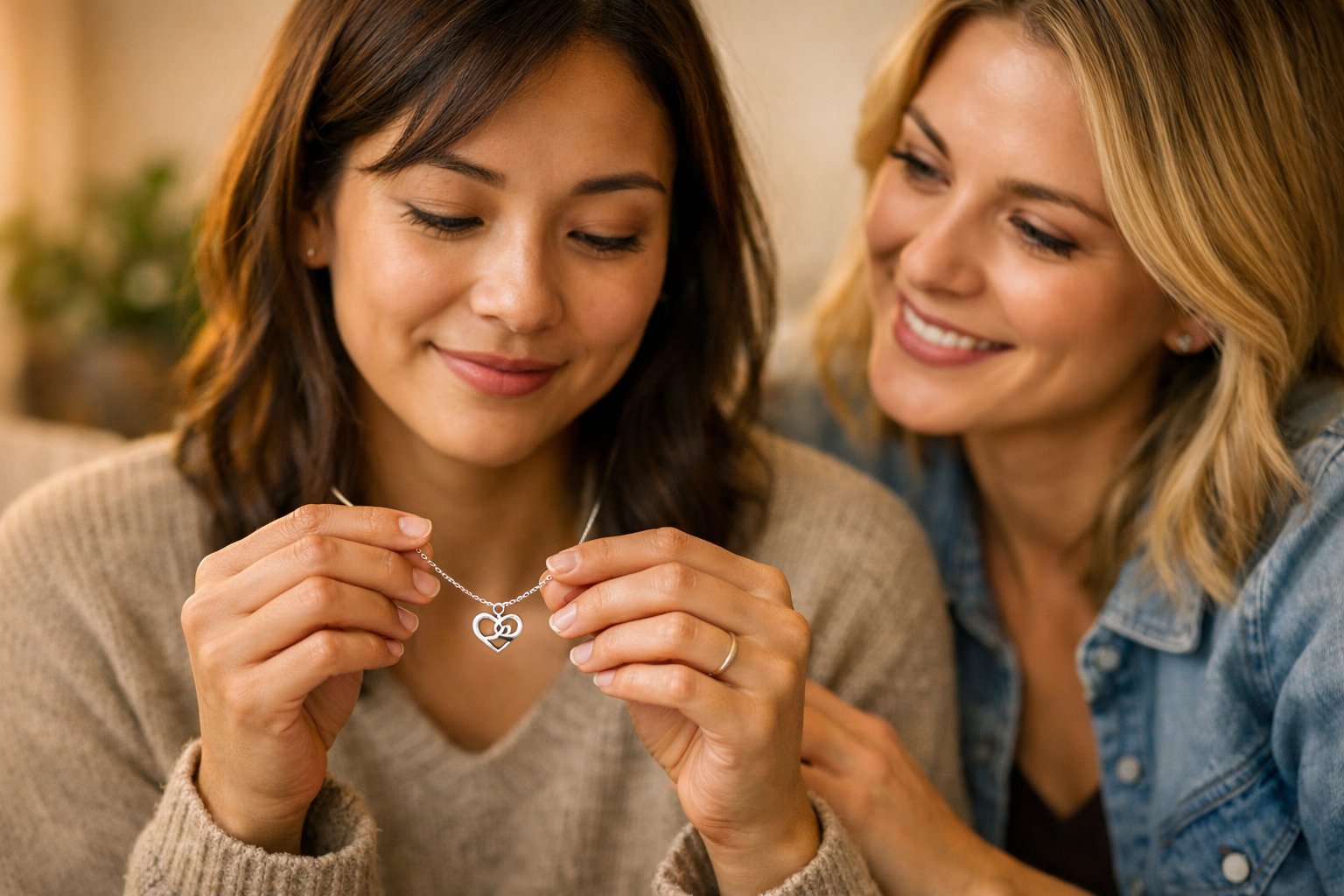
Best friends remember emotional necklace gifts because these items serve as tangible anchors to specific memories, triggering the same feelings and emotions experienced during the original moment of receiving them. The brain processes gifts with emotional significance differently than ordinary objects, storing them alongside the associated emotions and experiences. When someone looks at or touches that necklace, the neural pathways connected to the friendship activate, bringing the memory back with clarity.
Personalized jewelry creates lasting emotional connections that generic gifts cannot match. A necklace engraved with coordinates of a special place, initials, or a meaningful date becomes part of the friendship's story. Shoppers can find customizable necklaces on Amazon or personalized jewelry options on Zazzle to create these meaningful pieces.
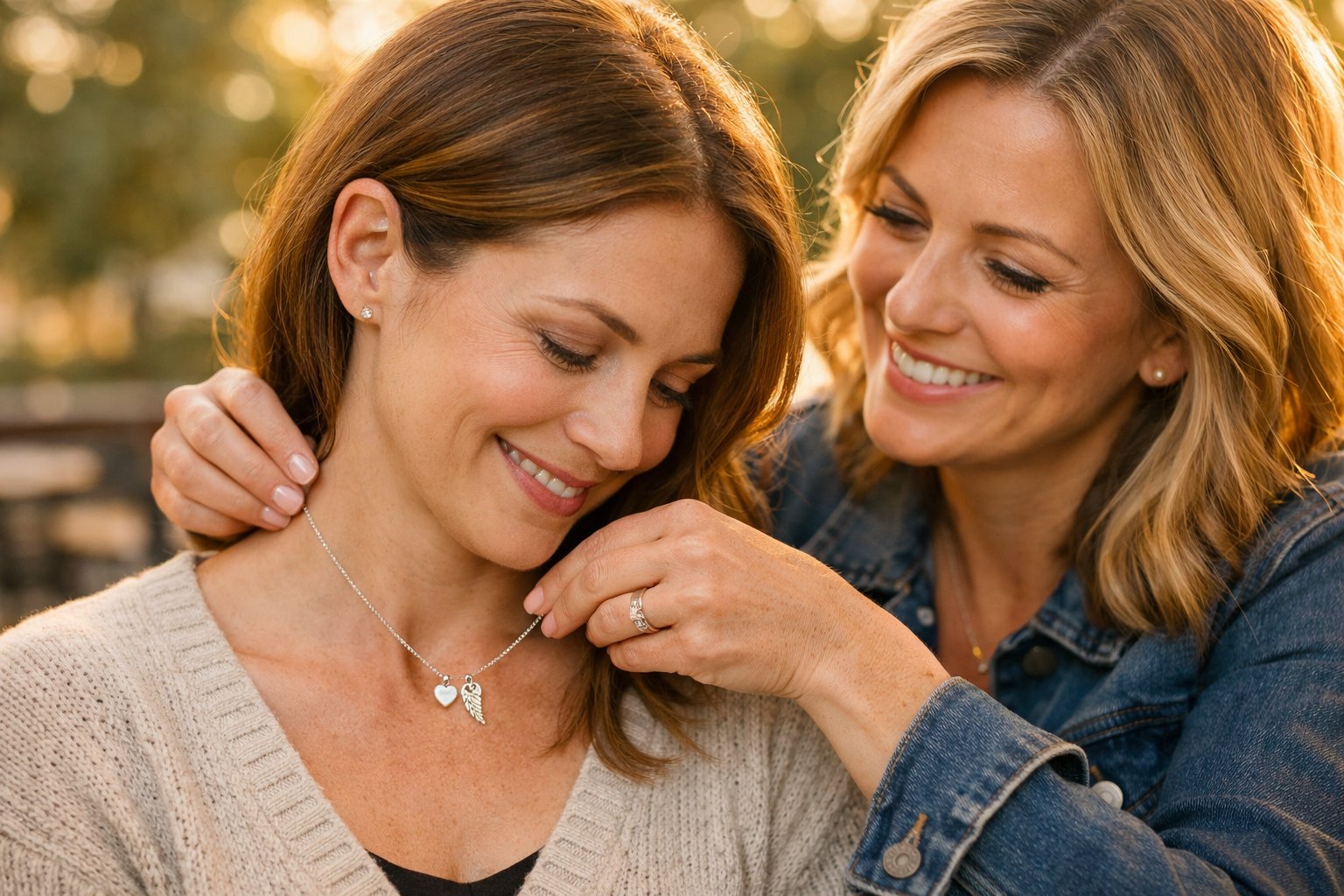
Necklaces given between best friends carry weight because they connect to specific memories and create physical reminders of important relationships. The act of giving and receiving these items builds stronger social bonds through both the immediate emotional response and the lasting presence of the gift.
When someone receives a necklace from their best friend, the moment creates an instant emotional response. The gift represents thought, effort, and care that went into choosing something meaningful. This immediate reaction comes from recognizing that the giver paid attention to their tastes, interests, or shared experiences.
Personalized jewelry gifts work especially well because they show intentionality. A necklace with an initial, birthstone, or symbol that relates to an inside joke makes the recipient feel seen and valued. The emotional attachment forms right away because the gift reflects understanding of who they are.
The physical act of giving also matters. Watching a friend open the gift, seeing their expression change, and sharing that moment together creates a memory that both people carry forward. This exchange strengthens the relationship in real time through vulnerability and appreciation.
Best friends often remember the setting where they received the necklace. Whether it was a birthday dinner, a hard day when they needed support, or a celebration of an achievement, the context adds layers of meaning to the gift itself.
Gift giving between friends works as a form of communication that goes beyond words. A necklace serves as a tangible statement about how much the friendship matters. The personal connection determines whether a gift becomes a treasured keepsake or just another possession.
Key elements that make necklace gifts personal:
Friendship necklaces demonstrate emotional connections because they act as physical proof of the bond between two people. The stronger the personal connection, the more weight the gift carries.
When friends know each other deeply, they can select gifts that reflect values, dreams, or qualities the other person holds dear. A necklace with a compass might represent a friend who loves adventure. One with a book charm could honor someone who finds comfort in reading. These choices show genuine understanding.
The act of choosing a necklace for someone requires thinking about what would make them happy rather than what seems generally nice. This shift from generic to specific gift giving demonstrates investment in the relationship.
Necklaces work well as friendship gifts because they stay visible and close to the body. Unlike other keepsakes that sit in drawers or on shelves, a necklace gets worn regularly. This constant presence keeps the friendship and the moment it was given at the front of someone's mind.
The physical placement matters too. Wearing something near the heart carries symbolic weight across many cultures. It suggests that the giver and the friendship itself hold an important place in the wearer's life.
Necklaces also offer practical advantages as gifts that create lasting memories. They're durable, portable, and suitable for various styles and occasions. A well-chosen necklace can work with casual outfits or dressy events, making it useful in daily life.
Reasons necklaces remain popular friendship gifts:
| Factor | Why It Matters |
|---|---|
| Visibility | Serves as constant reminder of the relationship |
| Versatility | Works with different clothing styles |
| Durability | Lasts years when properly cared for |
| Customization | Easy to personalize with engravings or charms |
Personalized necklaces available at Zazzle allow friends to add names, dates, or custom designs that make the gift unique to their relationship. This customization transforms a simple accessory into something irreplaceable.
The tradition of exchanging friendship jewelry also spans generations. Many people remember receiving similar gifts when they were younger, which adds nostalgic value to continuing the practice. Social bonds strengthen when friends participate in meaningful rituals together, and gift giving serves as one of these rituals.
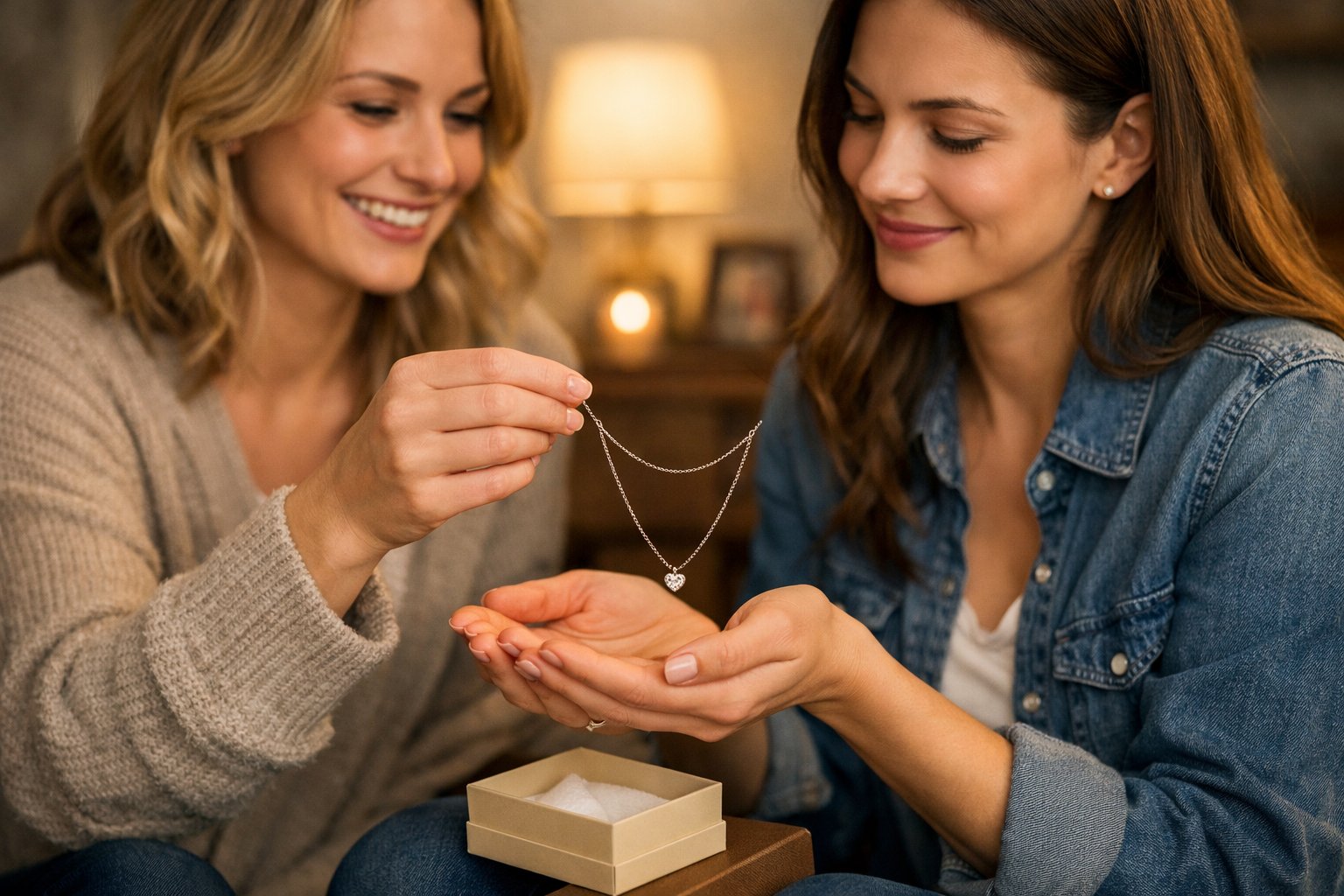
The brain uses specific structures to process and store emotionally charged experiences, with the amygdala, hippocampus, and prefrontal cortex working together to create lasting memories of meaningful moments like receiving a friendship necklace.
The amygdala acts as the brain's emotional alarm system. It evaluates incoming information and tags experiences with emotional significance. When someone receives a necklace from their best friend, the amygdala recognizes the emotional weight of that moment.
Research shows that the amygdala and hippocampus coordinate to form and retrieve emotional memories. The hippocampus functions as the brain's filing system. It organizes the details of experiences, including where events happened, who was present, and what was said.
These two structures communicate constantly during emotional events. The amygdala sends signals to the hippocampus that essentially say "this matters." The hippocampus then prioritizes storing those details for long-term recall. This explains why people remember the exact moment they opened a gift box containing a personalized best friend necklace years after receiving it.
Memory formation happens in stages, starting with encoding. During encoding, the brain converts experiences into neural codes that can be stored. Brain cells called astrocytes play a key role in stabilizing memories for long-term recall.
The encoding process strengthens when emotions are involved. High-frequency brain waves activate during emotionally significant moments, creating stronger neural pathways. These pathways make the memory easier to access later.
Physical objects like necklaces enhance encoding through multiple sensory channels. The brain records the visual appearance of the jewelry, the tactile sensation of touching it, and the emotional context of receiving it. Gift boxes with jewelry organizers help preserve these items, which can trigger memory retrieval when seen or touched again.
The prefrontal cortex manages memory retrieval and adds context to recalled experiences. It helps distinguish between similar memories and places them in the correct timeline. When someone sees their friendship necklace, the prefrontal cortex retrieves associated memories and reconstructs the emotional experience.
This brain region also regulates emotional responses during recall. It determines how strongly someone feels about a past event when remembering it. The prefrontal cortex connects current emotions to stored memories, which is why touching a necklace can bring back the same warm feelings from when it was first received.
The interaction between these three brain regions creates durable emotional memories. They work as a system rather than independent parts, ensuring that meaningful experiences remain accessible throughout a person's life.
The brain prioritizes emotionally charged experiences through specific neural pathways that strengthen memory formation. Gifts like necklaces from best friends trigger these pathways because they combine emotional intensity with personal meaning.
High-frequency brain waves in the amygdala and hippocampus activate when people experience emotionally significant moments. These brain regions work together to tag certain information for enhanced storage. When a best friend gives a necklace, the emotional context of that moment creates stronger neural connections than everyday events.
Research shows people remember emotional words like "dog" or "knife" better than neutral words like "chair." The same principle applies to gifts. A necklace becomes more than metal and chain when it carries emotional weight.
The amygdala acts as an emotional alarm system. It signals the hippocampus to prioritize certain memories for long-term storage. This process explains why someone might forget what they ate for lunch last Tuesday but vividly recall receiving a friendship necklace years earlier.
Sentimental value transforms ordinary objects into memory anchors. A necklace holds meaning beyond its physical properties because it represents the relationship between friends. Each time someone sees or touches the jewelry, it reactivates the neural pathways formed during the original gift-giving moment.
The brain doesn't store memories in isolation. It connects them to emotions, sensory details, and personal significance. A necklace serves as a physical reminder that triggers these connected memories. The weight of the chain, the feel of the pendant, and even the color of the gift box all become part of the memory network.
Personal significance shapes what people remember more than repetition alone. A single meaningful gift creates lasting memories while dozens of mundane purchases fade away. This explains why personalized jewelry from Zazzle often becomes treasured keepsakes rather than forgotten accessories.
Autobiographical memories form the foundation of personal identity. These memories define who people are and how they understand their relationships. Gift-giving moments between best friends often become part of this autobiographical narrative because they mark significant points in the friendship timeline.
The most vivid autobiographical memories tend to be of emotional events, which get recalled more often and with greater detail than neutral experiences. A necklace gift might represent a birthday celebration, a graduation, or support during a difficult time. The emotional content ensures the memory gets consolidated into long-term storage.
Memory consolidation happens when the brain moves information from temporary storage to permanent storage. This process gets enhanced by emotional arousal, personal relevance, and the context surrounding the event. The combination of friendship, thoughtfulness, and the tangible gift creates ideal conditions for strong memory formation. Years later, the necklace continues to trigger these consolidated memories with remarkable clarity.
Customized jewelry creates deeper emotional bonds than standard gifts because it demonstrates thoughtfulness and carries specific meaning tied to the relationship. The extra effort put into selecting and personalizing a piece translates into perceived value that extends far beyond the purchase price.
Research shows that personalization can transform a gift from a simple object into a meaningful experience that raises recipients' self-esteem and makes them feel more cherished. When best friends exchange necklaces featuring names, initials, or meaningful dates, they create physical reminders of their bond.
The brain releases oxytocin when someone receives a gift customized specifically for them. This chemical reaction strengthens trust and connection between friends. A necklace engraved with a shared inside joke or a significant date serves as a constant reminder of that friendship.
Personalized gifts signal:
Experts note that gifting is now more about emotional impact than material value.
The effort required to select and customize jewelry communicates care in ways that generic presents cannot match. Best friends recognize when someone has spent time choosing specific details like birthstones, meaningful symbols, or dangle name pendants that reflect their personality.
This intentionality creates perceived value that far exceeds the actual cost. A $50 customized necklace with a friend's initial and birthstone feels more valuable than a $200 generic piece because it represents thought and planning. The recipient understands that the giver considered their preferences, style, and the significance of their relationship.
Friends who receive personalized necklaces as keepsakes often report feeling more valued and understood. The customization process itself demonstrates that the giver sees them as an individual rather than just another person on a gift list.
Customization transforms jewelry into memory anchors that trigger specific recollections each time they're worn. A necklace commemorating a graduation, a significant birthday, or a milestone in the friendship becomes linked to those experiences in the wearer's mind.
Personalized gifts promote positive memory associations that strengthen over time. Each glance at a customized pendant brings back not just the moment of receiving it but the entire context of the friendship and shared history.
These pieces often transition from everyday jewelry to heirlooms. Friends pass down necklaces to daughters or younger relatives, sharing the stories attached to them. The customization ensures the piece remains unique and tied to specific people and moments rather than becoming just another accessory.
Physical tokens with names, dates, or symbols provide tangible evidence of relationships that might otherwise exist only in memory and photographs.
Physical objects like necklaces serve as powerful anchors for memories while strengthening the emotional connections between friends. These tangible reminders activate specific recollections and reinforce the bonds that make friendships lasting.
Keepsakes strengthen relationships across time by serving as concrete symbols of shared experiences and mutual care. When best friends exchange gifts, particularly jewelry worn close to the body, they create physical touchpoints that remind them of their connection throughout daily life.
The act of giving transforms an ordinary object into something meaningful. A necklace becomes more than metal and chain—it represents trust, affection, and the value one person places on another's presence in their life.
Gifts become keepsakes that trigger warm memories each time they're seen or touched. This sensory engagement activates multiple parts of the brain simultaneously, making the emotional resonance stronger than purely mental recall. The weight of a pendant against the skin or the sight of it in a mirror brings the giver to mind, maintaining closeness even during physical separation.
Key ways tangible gifts strengthen bonds:
Necklaces function as particularly effective emotional keepsakes because they combine visibility with constant physical presence. Unlike items stored away, jewelry worn regularly integrates into daily routines, creating repeated moments of connection.
The choice of necklace often carries symbolic meaning. A pendant might represent an inside joke, a shared interest, or a significant milestone in the friendship. This symbolism transforms the piece into an emotionally charged vessel that evokes specific feelings each time it's worn.
Friends can find meaningful necklace options at retailers like Amazon or create custom designs through services like Zazzle. The personalization process itself adds another layer of meaning, as the giver considers what design best represents their unique bond.
Memory and identity are intertwined, with physical objects playing essential roles in this process. A best friend's necklace becomes part of the wearer's self-concept, helping them understand themselves as someone valued and connected to others.
Unexpected necklace gifts create stronger emotional reactions and better memory formation than planned presents. The brain responds differently to surprise elements, making these moments stick in a best friend's mind for years.
Surprise gifts trigger an immediate dopamine surge in the brain's reward centers. This chemical reaction creates a rush of joy and excitement that anticipated gifts cannot match.
The timing of an unexpected necklace matters greatly. When a best friend receives jewelry outside of birthdays or holidays, it catches them off guard. This element breaks their normal expectations and creates cognitive dissonance.
Their brain must quickly process this unexpected event. The mental work required to resolve this surprise strengthens the emotional weight of the moment. Studies confirm that spending money on others brings happiness to gift-givers, while recipients feel waves of gratitude and appreciation.
An emotional necklace from Zazzle or Amazon becomes more meaningful when given spontaneously. The spontaneity shows thoughtfulness and care beyond routine gift giving occasions.
Novel experiences activate specific neural pathways that strengthen memory encoding. When a best friend receives an unexpected necklace, their brain treats this as a new and unusual event worth remembering.
The surprise element pulls them out of everyday routines into heightened awareness. This state makes the brain more receptive to forming lasting memories. Novelty essentially tells the brain that this moment deserves storage in long-term memory.
Gift giving that incorporates unexpected elements creates what researchers call emotional resonance. The necklace becomes linked to the surprise itself, the giver's thoughtfulness, and the specific circumstances of that day.
These interconnected memories form a rich narrative. Years later, touching the necklace can trigger recall of where they were, how they felt, and what made that moment special. The combination of surprise and physical object creates multiple memory anchors that resist fading over time.
Physical objects like necklaces can bring emotional memories rushing back years after someone receives them. The brain links these jewelry pieces to specific feelings and moments, creating powerful triggers that reactivate forgotten experiences.
A necklace from a best friend often acts as a direct pathway to stored memories. When someone touches or sees the jewelry, their brain reactivates the neural patterns formed during the original gift-giving moment. This process happens because the amygdala strengthens memories of emotionally significant events, creating stable patterns that last for years.
The physical presence of jewelry creates what researchers call memory triggers. These triggers work differently than regular memories because they involve multiple senses at once. A person might feel the weight of a necklace against their chest, see its shine in a mirror, or notice it while getting dressed.
Each interaction with the jewelry can spark flashbacks to the day they received it. The brain stores not just the visual memory of the gift but also the emotions felt during that exchange. Research shows that social encounters prime the brain to remember by temporarily changing how it processes new experiences.
Friendship necklaces create particularly strong nostalgia because they represent lasting bonds between people. The brain treats gifts from close friends as emotionally charged events worth preserving. When someone wears or looks at their necklace months or years later, nostalgia floods back along with memories of shared experiences.
This nostalgic response happens because the jewelry serves as a physical reminder of the relationship itself. Items like wedding gifts for her or friendship necklaces carry meaning beyond their material value. The brain connects the object to feelings of love, appreciation, and belonging that defined the original moment.
Nostalgia triggered by jewelry also brings back sensory details from the past. A person might suddenly remember where they were standing when they opened the gift box, what their friend said, or how the moment felt. These detailed memories stay vivid because emotional experiences create stronger neural connections than ordinary events.
Best friends exchange gifts as a way to build trust and deepen their emotional connections. These exchanges create lasting bonds that go beyond the physical items themselves.
When best friends give each other gifts like necklaces, they express trust through vulnerability. The act shows they understand each other well enough to choose something meaningful. Research reveals that gift-giving activates key reward pathways in the brain, especially when giving to someone close.
Trust builds through gifts in these ways:
A thoughtful necklace demonstrates emotional support during important life moments. Friends often give jewelry during transitions like graduations or difficult periods. The gift becomes a physical reminder that someone cares. This support strengthens over time as the recipient wears the piece and remembers the gesture.
Experiential and meaningful gifts create powerful memories that deepen emotional connections between friends. A personalized necklace carries symbolic weight because it represents shared experiences and inside jokes. The item becomes part of daily life rather than sitting forgotten in a drawer.
Social bonds grow stronger when friends prioritize relational meaning over practical value. Studies show that close friends often choose gifts that signal thoughtfulness rather than items from a wish list. A custom necklace from Zazzle with coordinates of where friends met holds more significance than expensive jewelry without personal connection.
These thoughtful exchanges work as social glue. Each time someone touches their necklace, they recall the friendship and feel connected even when apart. The physical object triggers positive emotions and reinforces why the relationship matters.
Autobiographical memory stores personal experiences that shape how people understand their relationships and life stories. When friends exchange emotional gifts like necklaces, these objects become anchors in the ongoing narrative of their friendship.
Autobiographical memory functions like a mental scrapbook of life events. When a best friend gives a necklace during a meaningful moment, the brain doesn't just store the physical details. It records the emotions, conversations, and context surrounding that exchange.
These memories become part of how friends tell their shared story. The necklace serves as a physical reminder that triggers recall of specific moments. Each time someone touches or sees the jewelry, they access the emotional details of when they received it.
Friends often recount gift-giving moments in conversations, which strengthens the memory further. Building narratives around emotional experiences helps people understand relationships over time. A necklace from years ago connects to current friendship dynamics, creating continuity in the relationship story.
Gift exchanges mark milestones that friends use to organize their shared history. These markers help them remember "before the necklace" and "after the necklace" periods in their friendship. Consider browsing personalized friendship necklaces on Zazzle to create memorable moments.
Autobiographical memory plays a pivotal role in forming personal identity and self-understanding. A friendship necklace becomes woven into how someone sees themselves. They might think "I'm someone whose best friend gave them this meaningful gift."
Emotional keepsakes influence identity formation in specific ways:
The physical presence of a necklace keeps friendship memories accessible. Unlike fleeting thoughts, a tangible object provides repeated exposure to the emotional experience. This repeated activation strengthens neural pathways associated with the friendship memory.
Years later, people rely on emotional memories to represent their life experiences. A necklace given during college might remind someone of who they were during that formative period. The gift becomes part of their personal narrative about growth and connection. Check Amazon's selection of friendship jewelry for keepsakes that last.
Necklaces become meaningful keepsakes when they reflect the unique bond between friends and include thoughtful personalization that speaks directly to shared experiences.
Matching pendant necklaces create visual connections between friends who live apart. Puzzle piece designs interlock when friends meet, while compass pendants point toward each other's locations. Infinity symbol necklaces represent endless friendship through simple geometric forms that work with any outfit.
Birthstone necklaces celebrate each friend's identity while maintaining coordination. Friends can wear their own birthstone or exchange stones to carry a piece of each other. Bar necklaces offer slim profiles perfect for engraving coordinates of meaningful places like where friends first met.
Locket necklaces hold tiny photos or handwritten notes inside metal cases worn close to the heart. Modern versions include photo projection technology that displays images when light shines through. Initial necklaces feature delicate letters in gold, silver, or rose gold finishes. Friends can wear their own initial or their best friend's letter as a daily reminder of their connection.
Custom engraving transforms ordinary jewelry into memorable and thoughtful pieces through names, dates, or short phrases. Inside jokes become permanent when etched onto metal surfaces only the wearer sees. Coordinate engraving marks specific locations like college campuses, favorite coffee shops, or cities where friendship began.
Handwriting engraving captures actual penmanship from letters or cards for authentic personal touches. Friends can exchange handwritten notes that jewelers scan and engrave onto pendants. Fingerprint engravings create truly one-of-a-kind designs that cannot be replicated.
Photo insertion works for lockets and glass dome pendants that display miniature images. Choose photos from significant moments rather than posed pictures. Voice wave engravings translate audio recordings of laughter or meaningful words into visual soundwave patterns etched onto metal. Package necklaces in custom boxes with handwritten cards explaining the symbolism behind each design choice to create complete personalized presents that tell full stories.
Necklace gifts create lasting memories because they trigger emotional responses in the brain and serve as physical reminders of meaningful relationships. The personal nature of jewelry, combined with its durability and symbolic meaning, makes these gifts particularly memorable.
Emotionally significant gifts activate reward centers in the brain. When someone receives a necklace from a best friend, the brain releases dopamine, a chemical linked to pleasure and bonding.
This neurological response strengthens the memory of both the gift and the person who gave it. Emotional connections and stories become intertwined with the physical object.
The stronger the emotion felt during gift-giving, the more likely the recipient will remember that moment years later. A necklace given during a difficult time or celebration becomes a marker for that specific period in life.
Physical durability plays a key role in creating lasting memories. Unlike flowers or food, jewelry can be worn and kept for decades without deteriorating.
Personal touches make gifts more memorable. Engraved initials, birthstones, or custom designs add unique elements that deepen emotional value.
The timing and context of the gift matter significantly. A necklace given during a milestone like graduation or a tough life transition carries more weight than a random purchase.
Personalized necklaces carry memories and personal identity beyond their material worth. Each time the wearer puts on the necklace, they think of the friend who gave it.
Custom jewelry acts as a wearable memory trigger. Specific design choices reflect inside jokes, shared experiences, or meaningful symbols between friends.
The necklace becomes a daily connection to the friendship. Even when friends live far apart, wearing the jewelry provides a sense of closeness and comfort.
Necklaces rest close to the heart, which adds symbolic meaning to the gift. This placement represents keeping someone close even when physically apart.
The act of giving jewelry demonstrates commitment to the friendship. It shows the giver values the relationship enough to invest in a lasting token.
Matching or complementary necklaces create a shared bond between friends. These pieces serve as physical proof of mutual affection and loyalty.
Gift-giving strengthens social bonds through both giving and receiving. The exchange creates positive associations between the object and the relationship.
Wearing a necklace from a friend provides comfort and reassurance through physical attachment. The jewelry becomes a security object that represents emotional support.
Each compliment or question about the necklace gives the wearer a chance to talk about their friendship. This repetition reinforces the bond through storytelling.
Jewelry holds stories that get passed down through time. A necklace can represent a specific chapter of life or a turning point in a friendship.
Guilt plays a role in keeping sentimental gifts. Discarding a necklace from a best friend can feel like rejecting their affection or minimizing the relationship.
The necklace serves as tangible proof that the friendship mattered. In moments of doubt or distance, the physical object validates that the connection was real and meaningful.