
Your Cart is Empty
Walking through the door of a grandmother's house creates an instant feeling of comfort and safety that many people carry throughout their lives. Even when someone moves across the country, changes homes multiple times, or lives in a completely different style than their grandmother did, that sense of warmth and belonging remains connected to her memory. This powerful emotional connection goes beyond the physical space and taps into something deeper about human attachment and comfort.
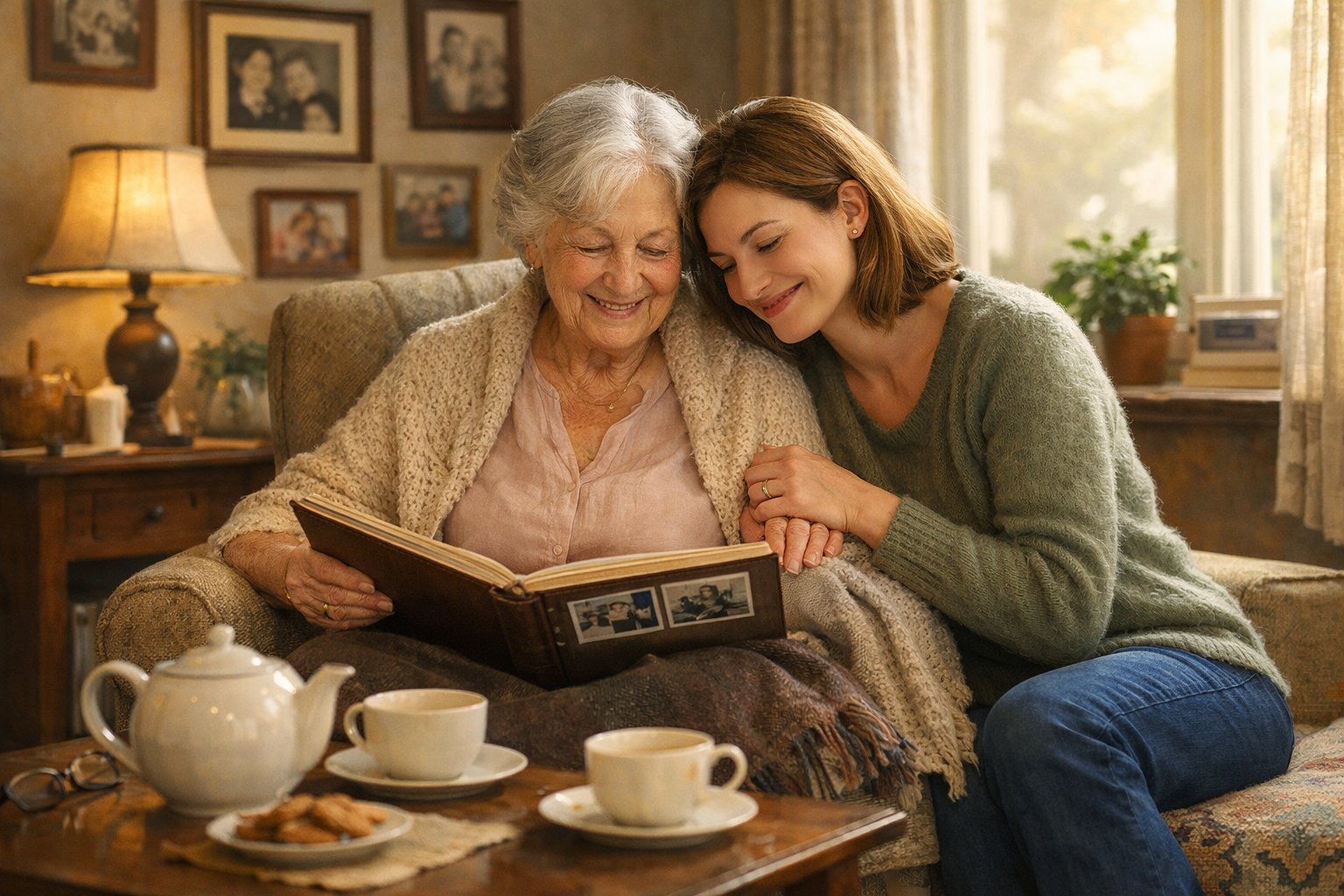
Grandma's home feels like a true sanctuary because it combines sensory memories, unconditional acceptance, handmade touches, and family traditions that create a unique atmosphere of warmth that's hard to replicate in modern living spaces. The worn-in furniture and lived-in comfort of her house stands in sharp contrast to today's carefully curated spaces. Her collections tell stories, her kitchen always seems ready for guests, and every corner holds a memory or meaningful object.
Understanding why grandma's house creates such strong feelings helps people bring elements of that coziness into their own homes. Whether through vintage glassware displayed on open shelves or handmade quilts like those available on Zazzle, recreating these touches doesn't require an exact copy of her decor. Simple additions like cozy throw blankets from Amazon can start building that same welcoming atmosphere in any space.
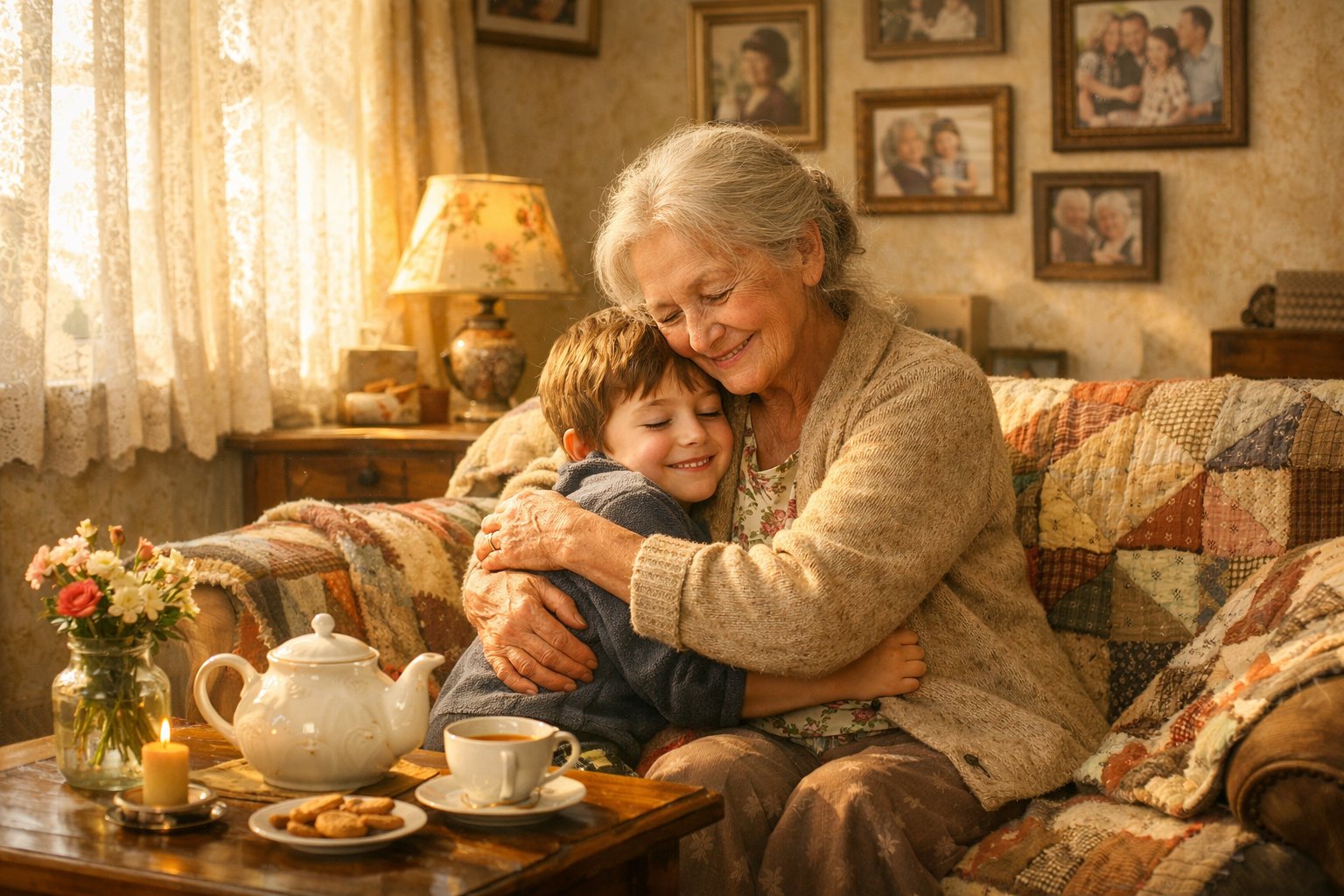
Grandmothers create lasting emotional connections through consistent presence, unconditional acceptance, and the ability to make others feel valued. These relationships provide psychological safety that transcends physical locations and life changes.
The feeling of safety at grandma's house stems from predictable routines and a judgment-free environment. Grandmothers typically offer acceptance without the pressures parents must enforce around rules, homework, or behavior correction.
This dynamic creates what psychologists call a "secure base." Children and grandchildren can relax completely because they know expectations remain consistent. The familiar environment of grandma's home provides comfort through recognizable sights, sounds, and smells.
Key elements that build psychological security:
Grandmothers often maintain the same furniture, decorations, and even food choices for decades. This stability becomes an anchor when everything else in life shifts.
Emotional bonds with grandparents develop through dedicated time, active listening, and shared activities. Unlike parents juggling work and household responsibilities, grandmothers often have more capacity to focus entirely on relationships.
These connections create powerful nostalgia that lasts throughout life. The smell of a particular perfume or the taste of a specific cookie can instantly transport someone back to childhood visits. Grandmothers build memories through handmade quilts with stories stitched into every patch or photo collections spanning generations.
The emotional safety grandmothers provide allows for authentic self-expression. People often share thoughts and feelings with grandparents they might hide from parents. This acceptance strengthens bonds that persist even after grandma's physical home no longer exists.
The grandmother-grandchild relationship offers unique benefits that differ from parent-child dynamics. Grandparents bring wisdom from lived experience without the daily stress of child-rearing responsibilities.
These connections bridge different eras and perspectives. Grandmothers share family history, cultural traditions, and values that might otherwise disappear. They tell stories about parents as children, creating continuity across generations.
Benefits of intergenerational bonds:
Many people express appreciation to my grandmother for creating these lasting connections. The relationship teaches younger generations about aging, patience, and the value of slowing down in a fast-paced world.
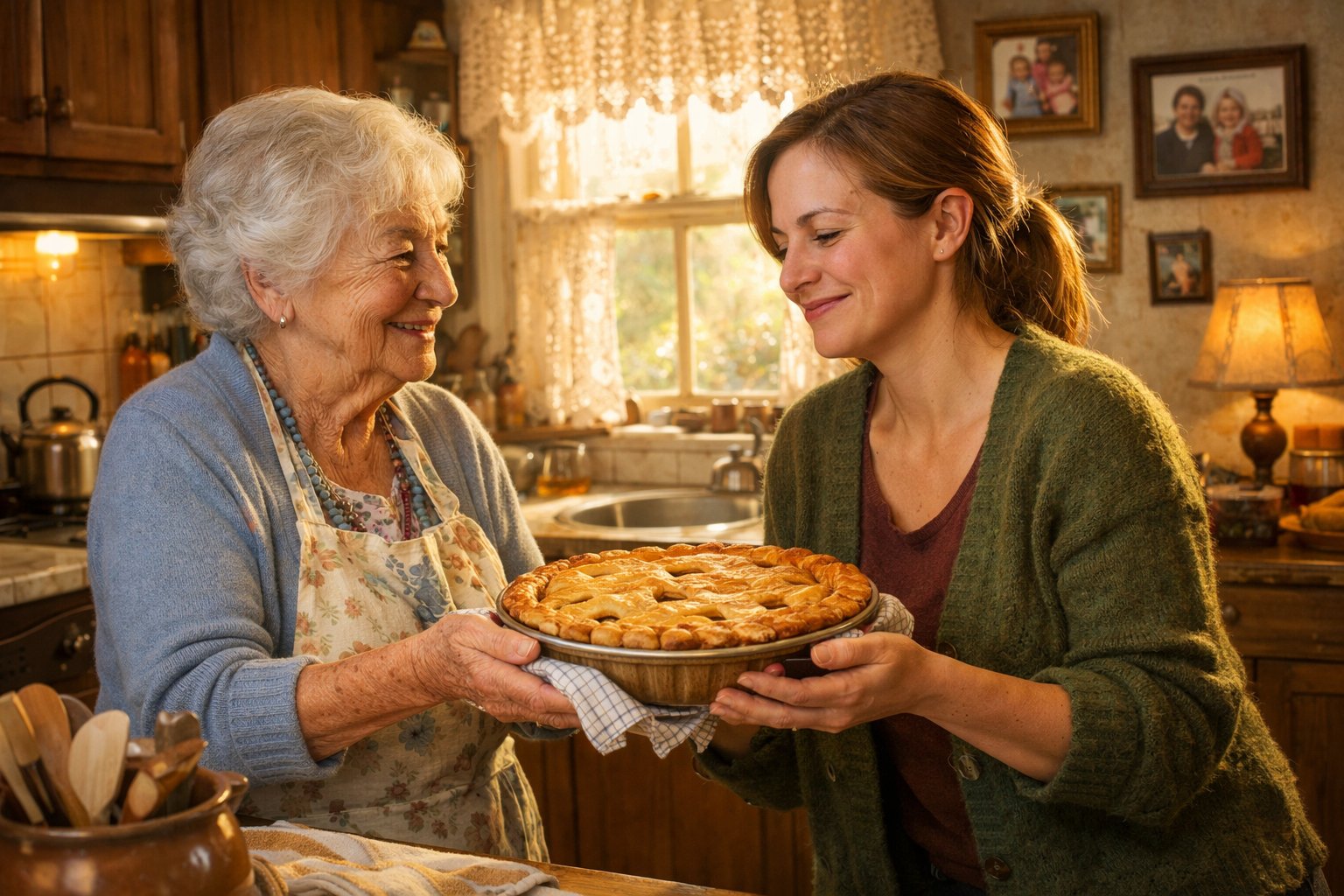
Memories of grandma create a sense of home because they connect us to family stories, shared rituals, and traditions that stay with us even when physical places change. These elements work together to build emotional anchors that make us feel grounded and connected.
Family stories passed down through generations create a sense of belonging that goes beyond any single location. When grandma shares tales about her childhood, her parents, or how the family came to be, she gives her grandchildren a map of where they come from. These stories answer questions about identity and heritage.
The stories often include details about struggles, celebrations, and everyday moments that shaped the family. They might explain why certain values matter or how traditions started. When people hear these stories repeatedly, they become part of their own identity.
Grandma recipes tied to important moments carry these stories forward through food. Each dish connects to a specific memory or person from the past. This makes eating together an act of remembering and honoring family history.
Shared rituals at family gatherings create predictable moments of connection that people can count on. These might include:
These rituals matter because they provide structure and reliability. People know what to expect, which creates comfort. The repetition builds stronger bonds over time.
Studies show that comfort food is often linked to memories of care and belonging. Rituals around food are especially powerful because they engage multiple senses. The smell of grandma's cooking can instantly transport someone back to childhood.
Find personalized family recipe cards to preserve these traditions for future generations.
Traditions provide stability during times of change or uncertainty. When life feels chaotic, following familiar traditions offers a sense of control and continuity. They remind people of who they are and where they belong.
The concept of home is multifaceted and deeply personal, often residing within minds and hearts through memories and relationships. Traditions carried forward from grandma's house create this internal sense of home. Even when the physical house no longer exists, the traditions keep that feeling alive.
Nostalgia for these traditions releases dopamine in the brain, which creates feelings of safety and social connection. This explains why people feel better when they participate in familiar family customs.
Create custom family tradition keepsakes to celebrate and remember these special moments together.
Grandma's home engages the senses in ways that create lasting comfort and security. The soft texture of worn fabrics, the sweet aroma of preserved fruits, and the steady rhythm of familiar sounds all work together to make her space feel safe and welcoming.
Handmade quilts carry stories in every stitch, unlike mass-produced bedding from stores. Each quilt represents hours of careful work, often containing fabric from old family clothes or special events. The weight and texture of these blankets provide a sense of security that new comforters cannot match.
A knitted blanket draped over the couch invites people to curl up and stay awhile. The slight imperfections in handmade items add character rather than flaws. These textiles become softer with each wash and use, creating that perfect broken-in feel.
Quilts piled on beds and sofas serve both practical and emotional purposes. They keep people warm while also connecting them to family history. When someone wraps themselves in one of grandma's blankets, they surround themselves with tangible memories and love expressed through craft.
The smell of fruit preserves cooking on the stove creates powerful memory connections. Scents trigger memories more effectively than other senses because the olfactory system links directly to the brain's memory centers. Opening a jar of homemade jams releases sweet, fruity aromas that remind people of summer afternoons and kitchen gatherings.
A well-stocked pantry filled with homemade jams and preserves demonstrates care and preparation. The rows of colorful jars show dedication to providing for family. These preserved foods carry the scent of the seasons they were made in.
Even without opening a jar, grandma's kitchen maintains a signature smell. It might blend her favorite perfume, specific laundry detergent, and lingering cooking scents into one comforting fragrance.
The tick-tock of a grandfather clock or the gentle hum of an old radio creates a soothing soundscape. These consistent, analog sounds establish a rhythm that feels steady and reliable. Unlike jarring phone notifications, gentle background sounds provide grounding and reduce anxiety.
A purring cat, creaking floorboards, or the whistle of a tea kettle all become part of the home's acoustic signature. These sounds signal that everything is normal and safe. They mark the passage of time without demanding attention.
The absence of modern technology noise makes grandma's space feel calmer. Her landline phone rings with a real bell sound rather than digital chirps. Custom ringtones and notification sounds cannot replicate the authenticity of these traditional home sounds.
Grandma's home feels special because every item has meaning and purpose. Delicate fabrics, framed memories, comfortable seating, and warm lighting create rooms that feel lived-in and loved.
Doilies transform ordinary surfaces into something special. These small pieces of crocheted or tatted fabric protect furniture while adding texture and care to tables, dressers, and armrests. Many grandmothers made their own doilies by hand, spending hours creating intricate patterns.
Lace doilies come in various sizes and styles. Round ones sit under vases and lamps. Rectangular ones line dresser tops. Oval ones work well on side tables.
Lace curtains filter sunlight into a soft glow. They provide privacy without blocking natural light completely. The delicate patterns cast shadows that change throughout the day. These curtains work well in kitchens, dining rooms, and bedrooms where filtered light creates a peaceful atmosphere.
Common lace curtain styles:
Family photos give a home its identity. Grandmothers typically display pictures from different decades, showing children as babies, wedding days, military service, graduations, and everyday moments. These images create a visual timeline of family history.
Photo arrangements tell stories without words. A wall of frames might show three or four generations side by side. Mantel displays often feature recent school pictures next to faded sepia prints. Side tables hold individual portraits in ornate frames.
The frames themselves matter as much as the photos. Silver frames need regular polishing. Wooden frames show wear and patina. Brass frames develop character over time. Mismatched frames create an authentic, collected-over-time appearance rather than a coordinated look.
A rocking chair serves as more than seating. It becomes the spot where grandmothers hold babies, read stories, knit, and watch over their families. The gentle back-and-forth motion provides comfort and calm.
Most grandmother homes have at least one rocking chair positioned near a window or in a corner. Some chairs have cushions tied to the seat and back. Others feature worn wooden surfaces that show years of use. The chair might creak slightly, adding to its familiar character.
Rocking chairs work in multiple rooms. Living rooms use them for conversation and relaxation. Bedrooms place them near windows for reading. Porches feature them for watching the neighborhood. Each location creates different memories but the same sense of comfort.
Table lamps provide pools of warm light instead of harsh overhead brightness. Grandmothers prefer lamps because they create cozy spots for reading, crafting, and conversation. Each lamp has its place and purpose.
Common lamp features include fabric shades that soften the light, ceramic or brass bases with decorative details, and three-way bulbs for adjustable brightness. Pull chains often have small ornaments attached. Some lamps include decorative elements perfect for wedding gifts for her when starting a new home.
Typical lamp locations:
The warm glow from multiple lamps creates layered lighting. This approach makes rooms feel intimate and welcoming rather than clinical or cold.
Handmade items from past generations carry stories and emotions that store-bought objects cannot replicate. The time someone spent creating a quilt or knitting a blanket adds layers of meaning that transform these pieces into treasured keepsakes.
A handmade quilt represents hours of careful work and thoughtful design choices. Each piece of fabric often comes from meaningful sources like old clothing, feed sacks, or special purchases made for the project. The person who stitched it chose every color and pattern with purpose.
These quilts served practical needs while showing love through action. Handmade objects were created out of love—to keep someone warm or mark important life events like weddings and births. Grandchildren can trace their fingers along the same stitches their grandmother once made.
Quilts often feature unique patterns that reflect regional traditions or family preferences. Some families passed down specific designs through generations, teaching daughters and granddaughters the same techniques. The fabric choices tell stories about what materials were available during different time periods.
Modern families can preserve these quilts by storing them properly or displaying them on quilt racks from Amazon. Some people frame smaller quilted pieces as wall art to protect them while keeping them visible.
Knitted blankets and sweaters carry the physical touch of their makers in every loop of yarn. Each stitch represents the creator's care and effort, making these items deeply personal. The rhythm of knitting needles transformed simple yarn into functional art.
Families often remember sitting with grandmothers while they knitted, watching skilled hands work without looking at the needles. The colors chosen for a knitted blanket might match a favorite color or coordinate with a nursery. These pieces usually came with instructions for care, passed down verbally along with the item itself.
Many knitted heirlooms show signs of use—stretched edges, faded colors, or careful repairs. These marks prove the item was loved and used rather than hidden away. A well-worn knitted blanket tells the story of countless cold nights, sick days, and comfort given.
People can create shadow boxes or use display cases from Zazzle to showcase smaller knitted items like baby booties or mittens.
Doilies and other decorative handcrafted pieces deserve thoughtful display methods. These delicate items often feature intricate crochet or tatting work that took exceptional skill. Grandmothers made doilies to protect furniture surfaces while adding beauty to their homes.
Display options for vintage textiles:
The fine thread work in doilies shows the maker's patience and attention to detail. Each tiny loop connected to the next in patterns that required counting and concentration. Modern eyes can appreciate the craftsmanship even if doilies no longer fit current decorating trends.
Some families rotate their displays seasonally, bringing out specific pieces that match holidays or time periods. This approach keeps the items in family consciousness while preventing excessive light exposure that causes fading.
Grandma's kitchen creates comfort through specific food traditions and the physical space where families gather. The tastes of homemade preserves and carefully guarded recipes connect people to their past, while the kitchen itself serves as the central meeting point for conversations and connection.
Homemade jams and preserves represent a tangible link to traditional food preparation methods. These items require time, patience, and knowledge of seasonal ingredients that many modern cooks have moved away from.
The process of making preserves involves selecting ripe fruit at peak season, carefully cooking it with sugar, and sealing it in jars for future use. This method of food preservation allowed families to enjoy summer flavors throughout winter months.
Many grandmothers kept pantries stocked with rows of glass jars filled with strawberry jam, peach preserves, and apple butter. The act of spreading homemade jam on toast or biscuits carries memories of the person who made it and the care involved in its creation.
Common Types of Homemade Preserves:
Family recipes carry specific measurements, techniques, and ingredient choices that create distinctive flavors unique to each household. These recipes often exist as handwritten cards or memory rather than published cookbooks.
The transfer of recipes between generations includes more than written instructions. It involves watching how dough should feel, learning when meat is properly browned, and understanding how much seasoning tastes right. These recipes might include a special meatloaf formula, a particular way of making biscuits, or a unique approach to chicken soup.
Some families preserve these recipes in personalized cookbooks that document the dishes that defined their gatherings. The continuation of these cooking traditions maintains a connection to family history even as circumstances change.
The kitchen functions as the primary gathering space in many homes, particularly in grandma's house. People naturally gravitate toward this room during visits, standing around counters or sitting at tables while food is prepared.
This space facilitates conversation and connection in ways that formal living rooms often do not. The activities of cooking, setting the table, and cleaning up together create opportunities for interaction across generations. Children learn skills while adults catch up on life events.
The physical warmth from ovens and stoves, combined with cooking aromas, creates an inviting atmosphere. These sensory experiences become deeply connected to feelings of safety and belonging. For many people, the smell of particular dishes instantly recalls specific moments spent in grandma's kitchen, even years later.
Family gatherings create powerful bonds through shared meals, stories, and celebrations that reinforce our deepest connections. These moments build a foundation of security and joy that stays with us throughout our lives.
Family gatherings serve as anchors in our emotional lives. The kitchen table where everyone crowds together, the living room where cousins play, and the backyard where summer barbecues happen all become sacred spaces. These locations hold layers of memories that accumulate over time.
Gathering with loved ones provides psychological benefits that extend beyond the moment itself. When grandma hosts these events, her presence transforms an ordinary house into a haven of warmth. The smell of her cooking, the sound of her voice calling everyone to dinner, and the way she moves through her space all contribute to that irreplaceable feeling.
Family photos captured during these times become treasured possessions. They freeze moments of laughter, hugs, and togetherness that can be revisited whenever someone needs comfort. Looking at these images years later brings back not just visual memories but also emotions and even sensory details like sounds and smells.
Seeing the same people repeatedly at family gatherings creates a sense of belonging that fulfills basic human needs. Grandma often serves as the central figure who brings everyone together. Her consistent presence provides stability in a world that constantly changes.
The way familiar faces light up when greeting each other creates an atmosphere of acceptance. There's no need to explain yourself or prove your worth. These relationships exist simply because of shared history and blood ties. Grandma's home becomes the natural meeting place where these connections strengthen.
The conversations that happen during these gatherings follow familiar patterns. Stories get retold, jokes are repeated, and everyone falls into comfortable roles. This predictability offers comfort rather than boredom. It signals that despite changes in the outside world, this space remains constant and safe.
Birthdays, holidays, graduations, and other significant events gain deeper meaning when celebrated at grandma's house. These occasions mark the passage of time while also reinforcing family bonds. The traditions associated with each celebration become part of family identity.
Grandma often plays a key role in maintaining these traditions. She might bake the same cake recipe for every birthday or insist on specific rituals during holidays. Thoughtful activities shared with grandma during special occasions create lasting memories that younger generations will cherish.
When families create personalized celebration items, they add tangible elements to these memories. Photo albums, custom decorations, and keepsakes turn abstract feelings into physical objects that can be held and shared. These items become part of grandma's home, adding to its character and emotional resonance.
Milestone celebrations also serve as reunion opportunities for family members who live far apart. Grandma's house becomes the gathering point where everyone returns, reinforcing the idea that her space represents home regardless of where people currently live. This collection of family gathering essentials can help preserve these precious moments for years to come.
Modern design trends now celebrate the warmth of grandmother's homes through styles that mix vintage charm with personal meaning. These movements reject minimalism in favor of spaces filled with character, handmade items, and sentimental pieces.
Grandmacore draws inspiration from traditional grandmother-style homes, focusing on cozy and lived-in spaces. The aesthetic includes embroidered pillows, floral patterns, vintage glassware, and decorative pieces that tell a story.
Unlike strict design rules, grandmacore encourages people to display what matters to them personally. Family photos sit alongside flea market finds. Mismatched teacups cluster on open shelves. The style embraces a "more-is-more" approach while keeping spaces warm rather than cluttered.
Key elements include:
The trend appeals to those seeking comfort after years of cold, minimalist design. People want homes that feel like a hug rather than a showroom.
Cottagecore and grandmacore share similar nostalgic comfort, both celebrating simpler times and handmade crafts. Cottagecore focuses on rural living, gardening, and nature-inspired details. Grandmacore takes these values and applies them specifically to grandmother-inspired home design.
Both aesthetics value:
Grandmacore includes activities like baking and crocheting that many associate with their grandmothers. These hobbies connect people to past generations while creating items for their homes. A hand-knitted blanket or homemade preserves adds authenticity that stores cannot replicate.
The movements reflect a desire for substance and story in daily life. They reject the idea that newer always means better.
Bringing grandmacore into modern homes requires balance. Designers suggest starting with a few meaningful heirloom pieces rather than filling every surface. An antique side table or vintage decorative items for Mother's Day can anchor a room without overwhelming it.
Mix vintage finds with simpler pieces. A patterned armchair gains impact when paired with solid-colored cushions. Floral wallpaper works best on one accent wall rather than every surface.
Practical tips:
Grandmacore works when items carry meaning. A grandmother's china set displayed on open shelving tells a story. Reproduction pieces from retailers lack that connection. Shopping estate sales, antique stores, and personalized vintage-style gifts helps build an authentic look.
The key involves selecting pieces that spark joy and memory rather than following a checklist. Each item should contribute to a space that feels personal and lived-in.
Moving to a new place or updating a living space doesn't mean losing the warmth that grandparents created. Simple adjustments can bring familiar feelings into different settings while respecting modern needs.
Combining vintage pieces with contemporary design creates a home that honors the past without feeling outdated. A person can place a vintage-inspired table lamp with a fabric shade on a sleek modern side table to add warmth.
Mixing wood tones throughout a room adds the texture and depth that made grandparents' homes feel welcoming. Light oak shelves can sit next to darker walnut furniture pieces. Breaking up these tones with metal accents or glass keeps the look balanced.
Family photos in antique frames work well on walls painted in neutral modern colors. This approach lets nostalgia shine without overwhelming the space. Someone can also add embroidered throw pillows to a contemporary sofa or drape a knitted afghan over minimalist furniture.
Key items to blend:
Relocating disrupts the sense of home that grandparents built over decades. Bringing specific objects from their house helps recreate comfort in unfamiliar spaces.
A rocking chair with cushions can become an anchor piece in a new living room. This familiar spot offers the same cozy feeling it provided before. Displaying vintage glassware and china on open shelves makes daily routines feel more connected to the past.
Scent plays a powerful role in triggering memories. Baking the same recipes or using similar cleaning products creates instant recognition. Someone can also arrange furniture in ways that mirror the layout from their grandparents' home.
Unpacking heirloom items first during a move establishes comfort immediately. A person should place these meaningful pieces where they'll see them often. Decorative molding on walls and ceiling edges can make new construction feel more established and homey.
Creating a personalized photo blanket with family pictures adds warmth to any bedroom.
GrandmaCore focuses on making home feel special through practical beauty and everyday rituals. Setting the table with care for regular meals maintains this approach even in busy schedules.
A person can designate specific days for traditional activities their grandparents enjoyed. Sunday dinners using inherited china or Saturday morning baking sessions preserve meaningful customs. These don't require perfect execution, just consistent effort.
Modern homes often lack dedicated spaces for hobbies like sewing or crafts. Creating a small corner with good lighting and organized supplies honors these activities. Displaying finished projects shows the same pride grandparents took in their handiwork.
Reading physical books instead of digital screens before bed mimics the slower pace grandparents maintained. A collection of classic books with leather bindings on a nightstand reinforces this habit.
Daily traditions to maintain:
Grandmothers shape families through the values they teach, the emotional strength they provide, and the steady presence they maintain across changing times. Their impact reaches far beyond childhood memories into the core of who their grandchildren become.
Grandmothers serve as vital teachers of life lessons and family values. They share stories that highlight kindness, honesty, and perseverance through everyday moments and quiet conversations.
The role grandmothers play in passing down wisdom extends to both practical skills and moral guidance. They teach through example rather than lecture. A grandmother who demonstrates patience during difficulties shows grandchildren how to handle stress. One who treats others with respect models behavior that shapes character.
Many grandmothers pass down specific traditions and customs. They might teach family recipes, share cultural practices, or explain the importance of certain rituals. These lessons create connections between past and present generations.
Key values grandmothers often impart:
The bond between grandmother and grandchild provides emotional stability that lasts a lifetime. Grandmothers offer unconditional love without the daily pressures that parents face.
This relationship creates a safe space where children can express themselves freely. A grandmother's calm presence helps children learn to manage emotions and navigate challenges. She provides reassurance when life feels overwhelming.
Grandparents who raise their grandchildren demonstrate remarkable strength and sacrifice. They step into caregiving roles that require deep commitment. Their dedication shows children the true meaning of family loyalty.
The emotional support grandmothers provide helps build confidence in young people. They celebrate small victories and offer comfort during setbacks. This steady encouragement helps grandchildren develop resilience they carry into adulthood.
Grandmothers create stability in a world that constantly changes. They represent connection to family history and roots that ground younger generations.
Their presence offers predictability that children find comforting. Whether through regular visits, familiar routines, or heartfelt celebrations of milestones, grandmothers maintain traditions that give life structure. A grandmother's home often stays the same even when everything else shifts.
This continuity becomes especially important during family transitions. When parents divorce, families move, or other disruptions occur, a grandmother's steady love provides an anchor. She reminds grandchildren that some things remain constant.
Ways grandmothers provide continuity:
The lasting influence grandmothers have shapes how their grandchildren approach relationships, handle adversity, and view the world. Their legacy lives on through the values, strength, and sense of belonging they instill in each generation.
Our brains create powerful connections between people and places through sensory memories, emotional patterns, and childhood experiences. These connections explain why certain individuals can make any location feel like home.
The brain associates specific people with safety and security through repeated positive interactions. When someone consistently provides comfort during formative years, the mind links their presence to feelings of protection and belonging.
Attachment theory explains how early relationships create templates for emotional safety. A grandmother who offers unconditional acceptance activates the brain's reward centers, releasing oxytocin and creating lasting neural pathways.
Predictability plays a major role in this psychological response. When a person responds consistently to needs and emotions, they become a reliable anchor point. This consistency allows the nervous system to relax and enter a state of calm.
The olfactory system connects directly to the brain's limbic system, which processes emotions and memories. Scent creates powerful memory associations that can instantly transport someone back to childhood experiences.
A grandmother's signature perfume, the smell of her cooking, or even her laundry detergent becomes encoded in memory. These scents trigger immediate emotional responses years or even decades later. The brain doesn't just remember these smells—it recreates the feelings associated with them.
Background sounds work similarly to create comfort. The tick of a clock, the hum of an old radio, or the rhythm of a familiar voice establishes an auditory landscape. These sounds signal safety to the brain because they match patterns from protected moments in the past.
A calm, unhurried presence creates an environment where stress decreases naturally. When a grandmother moves through her space without rushing or showing anxiety, others absorb that peaceful energy. Her body language and tone of voice send constant signals about safety.
The way she responds to mistakes or accidents shapes how comfortable people feel in her presence. A grandparent who reacts to spills or broken items with patience rather than anger creates psychological space for relaxation. This acceptance removes the fear of judgment that can make other spaces feel tense.
Physical touch and warmth from a grandparent also influence the sense of home. Hugs, hand-holding, or simply sitting close together releases hormones that promote bonding and reduce stress levels.
Nostalgia serves as a psychological resource that helps people feel grounded during uncertain times. When someone recalls positive memories with a grandmother, their brain recreates some of the emotional benefits from those original experiences.
The brain tends to filter childhood memories through a positive lens, emphasizing moments of joy and minimizing difficulties. This natural bias makes memories of time spent with grandparents feel especially warm and comforting. These edited recollections become reference points for what home should feel like.
Nostalgic feelings increase the desire for connection and belonging. When someone associates a grandmother with past happiness, seeking her presence becomes a way to access those positive emotions again. This creates a feedback loop where the person reinforces their own sense of home through repeated visits.
Early experiences create a baseline for what safety and comfort should feel like. Children who spend time in a grandmother's welcoming environment develop specific expectations about how home should function.
The physical details from a grandmother's space become templates for adult preferences. Someone might seek out certain types of furniture, lighting, or decorative items because they mirror elements from their grandmother's home. These choices happen both consciously and unconsciously.
Adults often try to recreate the emotional atmosphere they experienced with grandparents. This might mean prioritizing a well-stocked pantry, displaying family photos, or maintaining plants. Personalized coffee mugs from Zazzle or other meaningful items help establish that same sense of identity and permanence.
The lessons learned from grandparents about hospitality and care influence how adults create their own homes. Someone who experienced generosity and warmth often tries to provide the same environment for others.
Unconditional acceptance forms the foundation of emotional safety. When a grandmother loves someone without requirements or conditions, that person can fully relax. They don't need to perform, achieve, or hide parts of themselves.
Consistency in behavior and expectations creates predictability. A grandmother who maintains the same routines, keeps similar foods available, and responds to situations in recognizable ways removes uncertainty. The brain interprets this reliability as safety.
The absence of judgment allows people to be vulnerable. When a grandmother listens without criticism or offers help without making someone feel inadequate, she creates space for authenticity. This emotional openness becomes strongly associated with her presence.
Physical comfort items contribute to this sense of safety. Cozy blankets available on Amazon and worn-in furniture signal that comfort matters more than perfection. These tangible elements work together with emotional factors to create a complete sense of home.