
Your Cart is Empty
Most people spend hours searching for the perfect friendship gift, assuming that a higher price tag shows they care more. Research reveals that 68% of friends prefer low-cost personalized gifts over generic luxury items, proving that meaning comes from shared context, not from how much money someone spends. A handwritten note referencing a specific memory or a $5 inside-joke meme from Zazzle can create stronger emotional connections than expensive jewelry.

The truth is that friendship gifts work differently than most people think. Studies show that personalized items have three times higher emotional impact than generic ones, even when they cost less. A custom playlist of songs from a road trip together or a funny photo book from Amazon shows more thoughtfulness than a random gift card.
Understanding why meaningful gifts matter helps people avoid common mistakes like spending too much on casual friends or choosing items with no personal connection. The psychology of gift-giving shows that people value the thought and effort behind a present more than its price, which means anyone can give memorable gifts without breaking the bank.
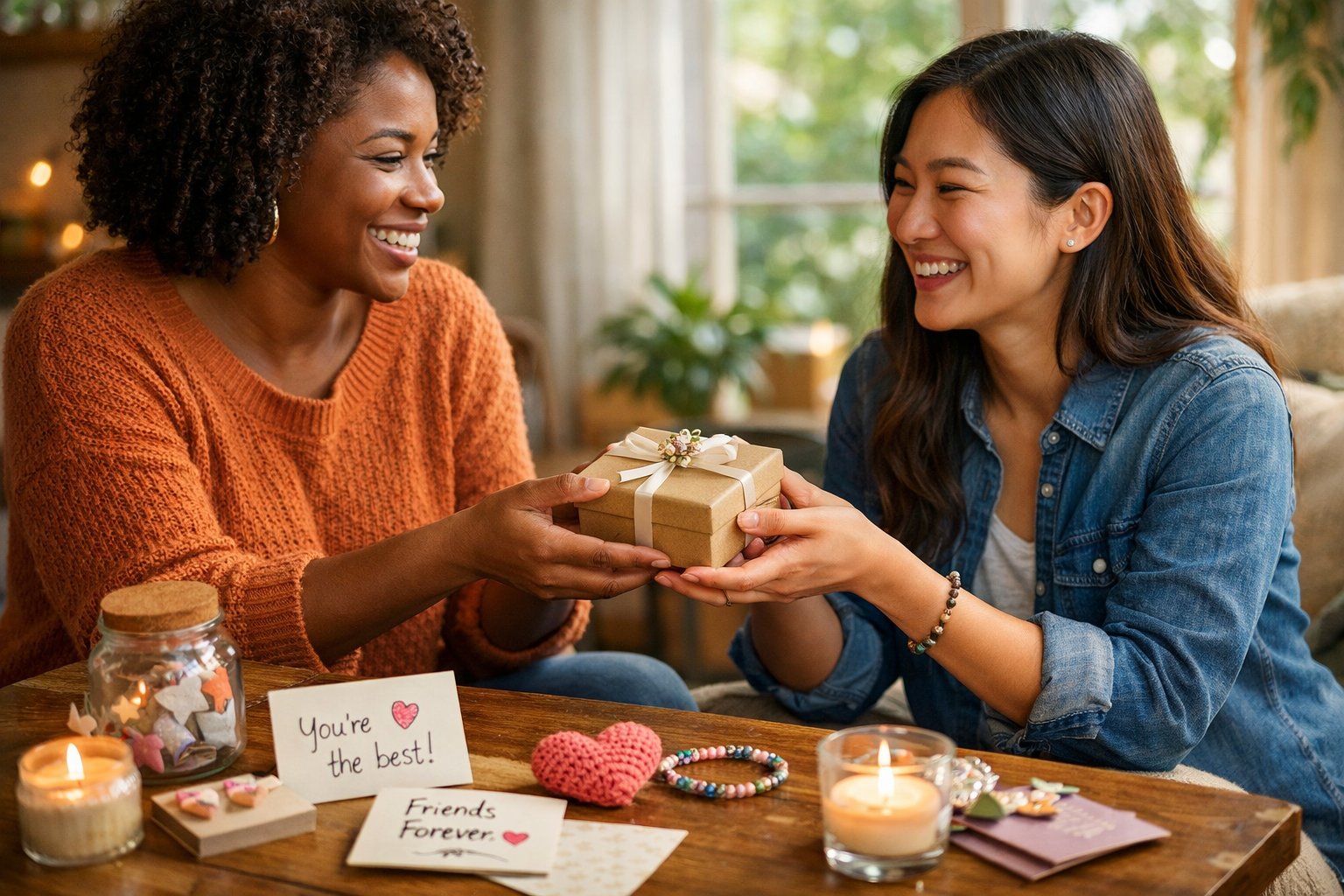
Friendship gifts carry worth that extends far beyond their price tags, creating lasting bonds through thoughtful gestures and shared experiences. The emotional weight of a carefully chosen present and its ability to strengthen social ties matter more than the money spent.
A friendship gift's true power lies in the feelings it creates, not the dollars attached to it. Research shows that thoughtful gifts strengthen relationships by showing genuine care and understanding of the recipient.
Small gestures often carry the biggest emotional punch. A handmade card or a book that reminds someone of an inside joke can mean more than expensive jewelry. The effort to pick something personal shows the friend matters.
Gifts for relationships work best when they reflect shared memories or acknowledge specific interests. A $10 item that connects to a meaningful moment beats a $100 generic present every time.
People remember how a gift made them feel long after they forget what it cost. A simple photo album or a plant can create positive emotions that last for years. The connection between giver and receiver grows stronger through these meaningful exchanges.
Gift-giving in friendships creates bonds that hold relationships together over time. When someone receives a present that shows real thought, it reinforces trust and deepens the friendship's foundation.
Experiential gifts like concert tickets or cooking classes create shared memories that strengthen social ties more effectively than material objects. These experiences give friends time together and stories to tell later.
Even physical items can boost social connection when chosen with care. A friendship bracelet from Zazzle or matching mugs serve as daily reminders of the bond between friends. These visible tokens keep the relationship present in daily life.
Friends who exchange meaningful gifts report feeling closer and more appreciated in their relationships. The act of giving shows commitment to maintaining the friendship. Popular friendship gifts on Amazon include journals, picture frames, and personalized items that celebrate the unique connection between two people.

When friends choose gifts based on shared memories and personal connections, those items carry more emotional weight than expensive purchases. These thoughtful gestures create lasting bonds that strengthen over time.
The best friendship gifts reflect specific moments two people have experienced together. A friend might give a small item from a trip they took, a book from a conversation they had, or something related to an inside joke only they understand.
These meaningful gifts don't require a big budget. A photo from a memorable day costs almost nothing but holds significant value. A mug with a phrase from a shared experience works better than generic items.
Friends who pay attention to details notice what matters to each other. They remember favorite colors, hobbies, and interests. When selecting a gift, they think about what would make the other person smile rather than what costs the most.
Examples of experience-based gifts include:
Thoughtful gifts become reminders of friendship that last for years. A person might look at a simple bracelet daily and think of their friend, while an expensive watch without meaning sits in a drawer.
These items gain value over time as friendships deepen. What seemed like a small gesture when given can become treasured as friends move through different life stages together. The thoughtful present marks not just one moment but an ongoing relationship.
Friends who give with intention rather than price tags build stronger connections. They show they've listened and noticed what matters. A personalized journal for someone who loves writing means more than generic luxury items.
The emotional touchstones created through thoughtful giving strengthen bonds between friends. Each time someone uses or sees the gift, they remember the person who gave it and why. This ongoing connection makes the gift priceless regardless of what it originally cost.
Gift-giving activates reward pathways in the brain and serves as a powerful tool for emotional expression and relationship maintenance. When people choose gifts for relationships, they engage in complex psychological processes that strengthen social bonds and communicate feelings that words alone cannot convey.
Giving activates pleasure centers in the brain, releasing dopamine and oxytocin. These chemicals create feelings of trust and connection between friends.
Gifts act as emotional messengers. A friend who selects a book by someone's favorite author communicates "I pay attention to what you love." Someone who gives a framed photo from a shared trip says "our memories matter to me."
The emotional value behind gift-giving often outweighs monetary considerations. A handwritten card or a carefully chosen personalized item can carry more meaning than expensive purchases. The thought and attention invested in selecting something specific demonstrates care more effectively than price tags.
From an Asian perspective, gift-giving is a moral and psychological act that sustains collective trust and reinforces social order. This reflects how deeply embedded emotional communication through gifts is across cultures.
Thoughtful gifts strengthen friendships by showing emotional awareness. When someone receives a gift that reflects their personality or interests, they feel seen and valued. This recognition deepens trust between friends.
Gift-giving creates shared rituals that mark important moments. Birthday presents, celebration gifts, and spontaneous gestures all contribute to the ongoing narrative of a friendship. These exchanges build a history of mutual appreciation.
Regular acts of generosity through gift-giving are linked to lower stress levels and improved wellbeing. Friends who exchange meaningful gifts report feeling more connected and supported. A simple gift that shows understanding can transform an ordinary day into a memorable experience.
The practice helps navigate social norms and express gratitude within friendships. It provides tangible proof that someone values the relationship enough to invest time and thought into choosing something special.
Inside jokes between friends and personal touches transform ordinary presents into treasures that recipients keep for years. These customized elements show effort and attention that no expensive generic item can match.
Gifts that reference shared experiences create instant emotional connections. A mug printed with a phrase from a memorable trip together means more than an expensive designer version. These items trigger specific memories each time someone uses them.
Research published in the Journal of Consumer Psychology shows that people form deeper emotional connections with personalized items than with generic ones. A photo book documenting friendship milestones or a custom illustration of a favorite hangout spot becomes a tangible reminder of the relationship's history.
Friends can find personalized items on platforms like Zazzle that allow them to add inside jokes, funny photos, or meaningful dates. A T-shirt featuring an embarrassing moment you both laugh about or a keychain engraved with a nickname only you two understand carries significance that outlasts any price tag.
A handwritten note attached to any gift instantly increases its emotional value. Taking time to write genuine thoughts shows care that typed messages cannot replicate. The note itself often becomes more cherished than the gift.
Small customizations make standard items feel special. Adding a friend's name to a journal, choosing their favorite color for a blanket, or selecting scents they love for candles demonstrates attention to their preferences. These meaningful gifts reflect knowledge of who they are as individuals.
Even simple additions like picking specific items that match a friend's hobbies or interests count as personalization. A book by their favorite author with a note about why it reminded you of them combines thoughtfulness with practicality.
Research shows that experiential gifts strengthen friendships more effectively than physical items, with shared activities creating emotional connections that last beyond the initial exchange. The type of gift that matters most depends on the relationship context and timing.
Experiential gifts create stronger social relationships than material ones, regardless of whether friends share the experience together. Studies examining real-life gift exchanges found that concert tickets, cooking classes, or weekend trips produce greater improvements in relationship strength compared to physical presents.
The science behind this effect includes:
Experiences impact happiness and well-being more significantly than possessions. A dinner reservation or surprise day trip might seem simple, but these moments stick with friends for years. Even small experiential gifts like spa passes from Amazon or custom event invitations from Zazzle leave lasting marks on friendships.
Gift givers tend to choose experiential options more frequently for close friends than distant acquaintances. Research examining consumer preferences reveals that social closeness drives this decision-making pattern.
Non-physical gifts work best in these situations:
Friends prioritize relational signaling over practical preferences when selecting gifts. They choose presents that demonstrate understanding and intimacy rather than items from wish lists. A carefully selected experience shows investment in the friendship's future rather than just meeting an immediate need.
Simple acts of kindness and modest gifts often carry more emotional weight than expensive presents. A handwritten note or a small token shows someone took time to think about the friendship.
The time and thought put into a small gift matters more than its cost. When a friend remembers a favorite candy or brings back a postcard from a trip, they show they were thinking about the relationship. These small tokens of appreciation can brighten someone's day and create lasting memories.
Examples of meaningful small gifts include:
The effort behind selecting these items shows genuine care. A friend who notices preferences and remembers details demonstrates real attention to the relationship. Even thoughtful gestures during special occasions prove that consideration matters more than money spent.
A handwritten note carries personal meaning that no expensive gift can match. The act of sitting down to write thoughts on paper takes effort and shows sincerity. These notes become keepsakes that friends save for years.
Simple acts work the same way. Making someone's favorite cookies or helping with a task without being asked strengthens bonds between friends. Recognition through sincere gestures creates deeper connections than material items ever could.
Gift-giving becomes more meaningful when it focuses on the relationship rather than the price. A thank you card with a personal message or a cup of coffee delivered on a rough day shows real friendship. These everyday tokens build trust and affection over time. Friends who practice these habits create relationships built on authentic care rather than obligation or competition.
Gift exchange between friends works best when both people feel comfortable and understood. Pressure and mismatched expectations can turn a thoughtful gesture into an awkward situation.
Friends should never feel obligated to match the monetary value of a gift they receive. The concept of reciprocity in friendships focuses on thoughtfulness rather than price tags.
A friend who receives a $50 gift doesn't need to spend $50 in return. The reciprocation might come through a homemade meal, a heartfelt card, or spending quality time together. What matters is acknowledging the gesture in a way that feels authentic.
Some friendships naturally involve more gift exchange than others. One friend might enjoy giving presents while another prefers acts of service. Neither approach is wrong—they're just different love languages.
Setting boundaries helps reduce pressure. Friends can agree to skip gifts for certain occasions or set spending limits for holidays. A simple conversation like "Let's keep birthday gifts under $20 this year" removes guesswork and anxiety. These agreements strengthen friendships by ensuring both people feel at ease.
For personalized gifts without the stress, options like custom mugs from Zazzle allow friends to create meaningful items at various price points.
Close friendships typically involve more frequent gift exchange than casual ones. A best friend of ten years naturally receives different consideration than a coworker someone met six months ago.
The depth of a relationship should guide gift-giving decisions. Intimate friendships might include birthday gifts, holiday presents, and "just because" surprises. Newer friendships might stick to major occasions only.
Relationship context matters too. Work friends often follow different gift-giving norms than childhood friends. A small gift card or coffee table book from Amazon works well for professional friendships where boundaries matter.
Life circumstances also affect expectations. A friend going through financial hardship shouldn't feel pressure to reciprocate expensive gifts. A true friend understands and appreciates whatever gesture fits their situation—even if that's just a phone call or homemade cookies.
The key is reading the relationship accurately and responding accordingly.
Different cultures approach friendship gifts with unique traditions that emphasize emotional value over monetary worth. These practices reveal how relationships are nurtured through thoughtful gestures rather than expensive purchases.
Gift-giving traditions vary significantly across cultures, each highlighting distinct values about friendship and connection. In Japan, the presentation of a gift often matters as much as the gift itself. The careful wrapping and humble presentation demonstrate respect and thoughtfulness toward the recipient.
Chinese culture places importance on symbolic meanings within gifts. Red envelopes containing money symbolize good fortune, while certain items like clocks are avoided due to negative associations. The cultural significance of gifts in relationships shows how meaning shapes selection.
Iceland celebrates Jólabókaflóð, or the Christmas Book Flood, where friends and family exchange books on Christmas Eve. This tradition values literature and shared reading experiences over expensive items.
In many African cultures, handmade gifts carry special weight. Items crafted by hand demonstrate time, effort, and personal investment in the relationship. These meaningful practices reflect cultural values about community bonds.
Friends can incorporate cultural wisdom into their own gift-giving without appropriating traditions. Focusing on personalization creates deeper connections regardless of cultural background. A handwritten note explaining why a specific book was chosen adds personal meaning.
Creating custom items allows for cultural expression. Personalized friendship gifts like photo albums or engraved keepsakes incorporate individual stories and shared memories.
Taking time with presentation demonstrates care. Thoughtful wrapping, even with simple materials, shows attention to detail. The effort invested in preparing a gift communicates its importance to the friendship.
Understanding a friend's cultural background helps select appropriate gifts. Some cultures prefer practical items while others value decorative pieces. Asking questions about preferences shows genuine interest in honoring their traditions while building stronger friendships.
Choosing gifts that reduce environmental impact while maintaining personal meaning creates stronger connections between friends. Upcycled items and careful selection processes help givers express care without contributing to excessive waste.
Upcycled and homemade gifts demonstrate effort and creativity that friends truly value. These items show the giver invested time and thought rather than simply making a purchase. A hand-knitted scarf or a photo album filled with shared memories carries more emotional weight than generic store-bought items.
Creating something by hand also reduces the environmental footprint of gift-giving. Choosing sustainable options helps both people and the planet by avoiding new resource extraction. Friends can make candles, bake treats, or design custom artwork on platforms like Zazzle that allows personalized creations.
Upcycled gifts breathe new life into existing materials. Turning vintage fabrics into tote bags or repurposing old frames for new photos shows resourcefulness. These meaningful gifts often become conversation starters and treasured keepsakes because of their unique character and the story behind them.
Americans generate one million extra tons of waste weekly during holiday seasons between Thanksgiving and New Year's. Thoughtful gift selection prevents items from ending up unused or discarded.
Experience-based gifts promote sustainability while creating lasting memories. Concert tickets, cooking classes, or planned outings generate zero physical waste. These shared experiences strengthen friendships more effectively than material objects.
When choosing physical items, buyers should consider:
Gift-giving becomes more meaningful when it reflects both care for friends and responsibility toward the environment.
Friends can build stronger bonds by starting their own gift-giving customs that reflect shared values and experiences. These personal rituals and memory-making moments transform ordinary exchanges into meaningful celebrations of friendship.
Creating consistent gift-giving patterns helps friends develop their own unique traditions. Some friends exchange books on the same date each year, while others swap handmade items during specific seasons. These rituals work best when they match the interests and schedules of everyone involved.
Experiential gifts often form the foundation of lasting traditions. Friends might plan annual concert tickets, cooking classes, or outdoor adventures together. A tradition could involve exchanging tickets to local events or planning quarterly weekend trips.
Personalized items from shops like Zazzle allow friends to create custom gifts that reflect inside jokes or shared memories. Photo albums, custom mugs, or matching accessories can mark special occasions. Some friends establish "theme years" where they focus on specific types of gifts that support each other's goals.
Digital tools make maintaining these traditions easier. Friends can set up shared calendars for gift exchanges or create private online wish lists on Amazon to help guide selections throughout the year.
Gifts for relationships gain value when they create shared experiences rather than just material possessions. Planning activities together strengthens bonds more effectively than exchanging physical items alone. Friends might give each other "adventure vouchers" redeemable for future outings they'll experience together.
Memory-focused gifts include scrapbook materials to document ongoing friendships or journals where friends write back and forth over time. Some friends photograph themselves with each gift they exchange, creating a visual timeline of their relationship.
Popular memory-building gift ideas:
The act of giving triggers positive brain responses that release oxytocin, which encourages trust between people. Creating traditions around these moments multiplies those effects over time.
The value of a friendship gift never comes from its price tag. It comes from the thought and shared experiences behind it.
Meaningful gifts strengthen bonds because they show genuine attention to what matters in the relationship. A $5 item tied to an inside joke creates more lasting impact than expensive jewelry with no personal connection.
Friends remember gifts that reflect their shared history together. These items become reminders of specific moments rather than generic objects that could work for anyone. The emotional connection is what makes a gift memorable years later.
Key elements that create lasting impact:
Research shows that personalized items create stronger emotional responses than generic options. Friends value the effort to understand their interests and history.
A customized mug from Zazzle with a shared memory printed on it holds more meaning than any luxury item. Similarly, a book about a topic friends discussed frequently from Amazon shows real attention to their interests.
The gifts people treasure most are those that could only come from that specific friendship. They represent shared context and understanding that money cannot buy. This personal touch transforms simple items into meaningful symbols of connection.
Thoughtful gifts strengthen friendships by showing attention to shared experiences, while expensive items without personal meaning can create discomfort or obligation.
Thoughtful gifts matter most because they demonstrate genuine care and attention. When someone receives a gift tied to a specific memory or inside joke, it reinforces the bond between friends.
A personalized item shows the giver listened and remembered important details. This creates emotional connection that generic purchases cannot match. The effort behind selecting something meaningful communicates value in the relationship itself.
Acknowledging the specific thought behind a gift matters more than formal thank-you phrases. Mentioning the exact reason the gift resonated shows the giver their effort succeeded.
Friends can reference how they use or display the gift in daily life. Sharing a photo of the item in action or bringing it up in conversation demonstrates ongoing appreciation. These responses validate the giver's choice and strengthen the friendship further.
Research shows that 68% of friends prefer low-cost personalized gifts over generic luxury items. A $5 item referencing a shared joke carries more weight than expensive jewelry without context.
Handmade gifts or curated playlists tied to specific experiences create lasting memories. A printed photo from a meaningful trip or a book recommendation based on recent conversations shows deeper attention than price tags ever could. The emotional value behind a gift outweighs its monetary cost in close friendships.
Expensive gifts between casual friends create pressure and discomfort. When someone gives a $100 gift card to a new acquaintance, it forces the recipient to reciprocate beyond their comfort level.
This imbalance generates what many call "gift debt," where 57% of people report anxiety after receiving unexpectedly lavish presents. Mismatched gift values signal a disconnect in understanding the relationship's depth. Friends who consistently give beyond reasonable levels may struggle with expressing care through non-material means.
Personal touches transform ordinary items into meaningful symbols of connection. Adding a handwritten note explaining why someone chose a specific gift multiplies its impact.
Custom elements like engraving, photo additions, or packaging referencing inside jokes show extra effort. A simple mug becomes special when paired with tea from a shared vacation spot. These details prove the giver invested time thinking about the recipient's unique preferences, similar to how heartfelt birthday messages enhance milestone celebrations.
Friends can also create personalized gift items on Zazzle featuring photos or quotes from shared experiences.
Matching the friend's typical spending level avoids creating discomfort or obligation. If they usually give $20 books, responding with $100 jewelry creates an awkward imbalance that strains the relationship.
The gift should connect to specific shared experiences or clearly stated interests. A cookbook only works if both friends enjoy cooking together regularly. Generic spa sets or candles miss the mark unless the recipient has mentioned wanting them.
Timing plays a key role in gift meaning. A small "thinking of you" gesture during a difficult week carries more weight than an elaborate birthday present. Friends should consider whether the recipient values experiences over objects, as many prefer shared activities to physical items.
For milestone celebrations like 60th birthdays, gifts that reflect decades of friendship history prove most meaningful. Books or memory boxes available through Amazon can serve as containers for collected mementos from years of friendship.