
Your Cart is Empty
Handfasting offers couples a meaningful way to symbolize their union while creating a lasting keepsake that preserves the memory of their special day. This ancient Celtic tradition involves binding the couple's hands together with cords or ribbons during their wedding ceremony, representing the physical and spiritual connection they share. The bound cords from a handfasting ceremony serve as both a powerful symbol of unity during the wedding and a treasured keepsake that couples can display in their homes for years to come.
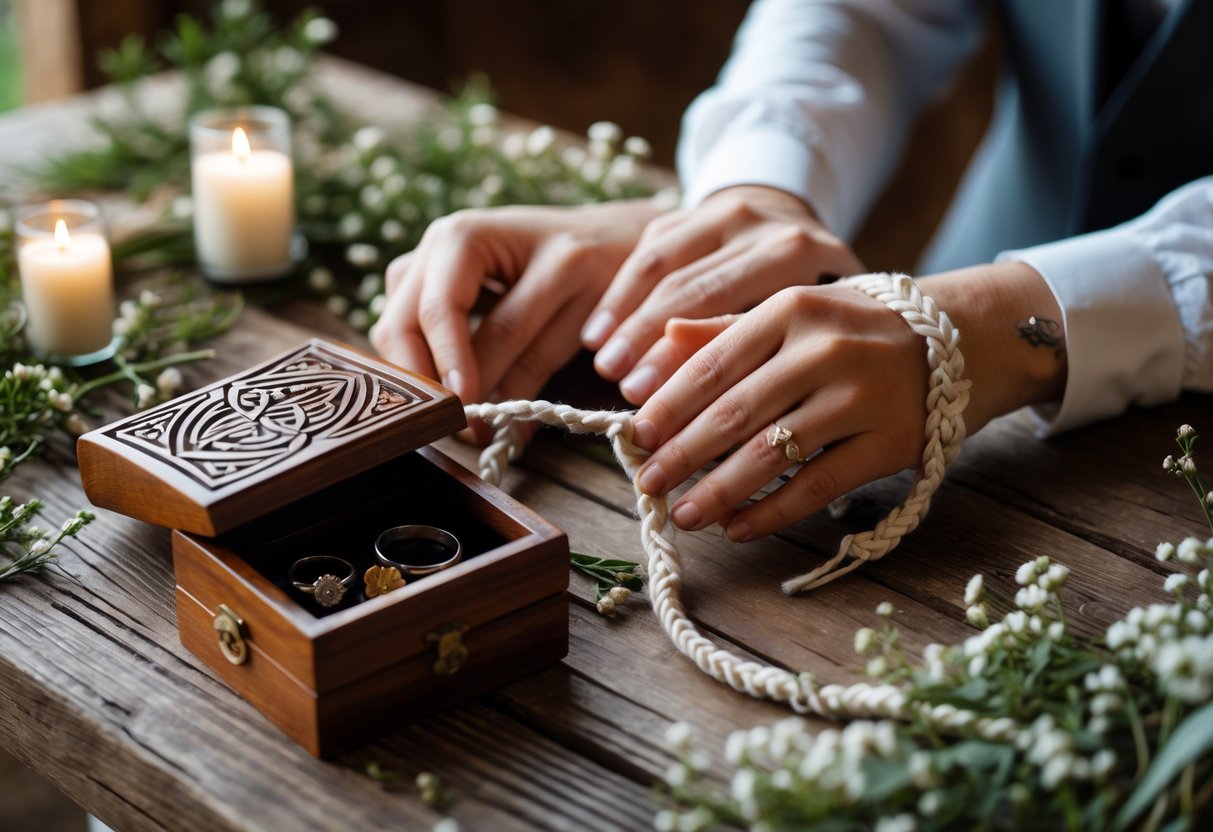
The ritual has evolved from its historical roots as an engagement practice to become a popular unity ceremony that couples of all backgrounds can incorporate into their weddings. Modern handfasting allows for extensive personalization, from choosing meaningful colors and materials to involving family members in the binding process. This flexibility makes it an ideal choice for couples seeking to add depth and symbolism to their ceremony.
Creating a lasting memento from the handfasting materials requires thoughtful planning and consideration of how the keepsake will be preserved and displayed. Couples can transform their handfasting cords into framed artwork, shadow boxes, or other decorative pieces that serve as daily reminders of their commitment. The ceremony itself becomes even more meaningful when couples understand they are creating both a powerful moment and a tangible symbol of their love.
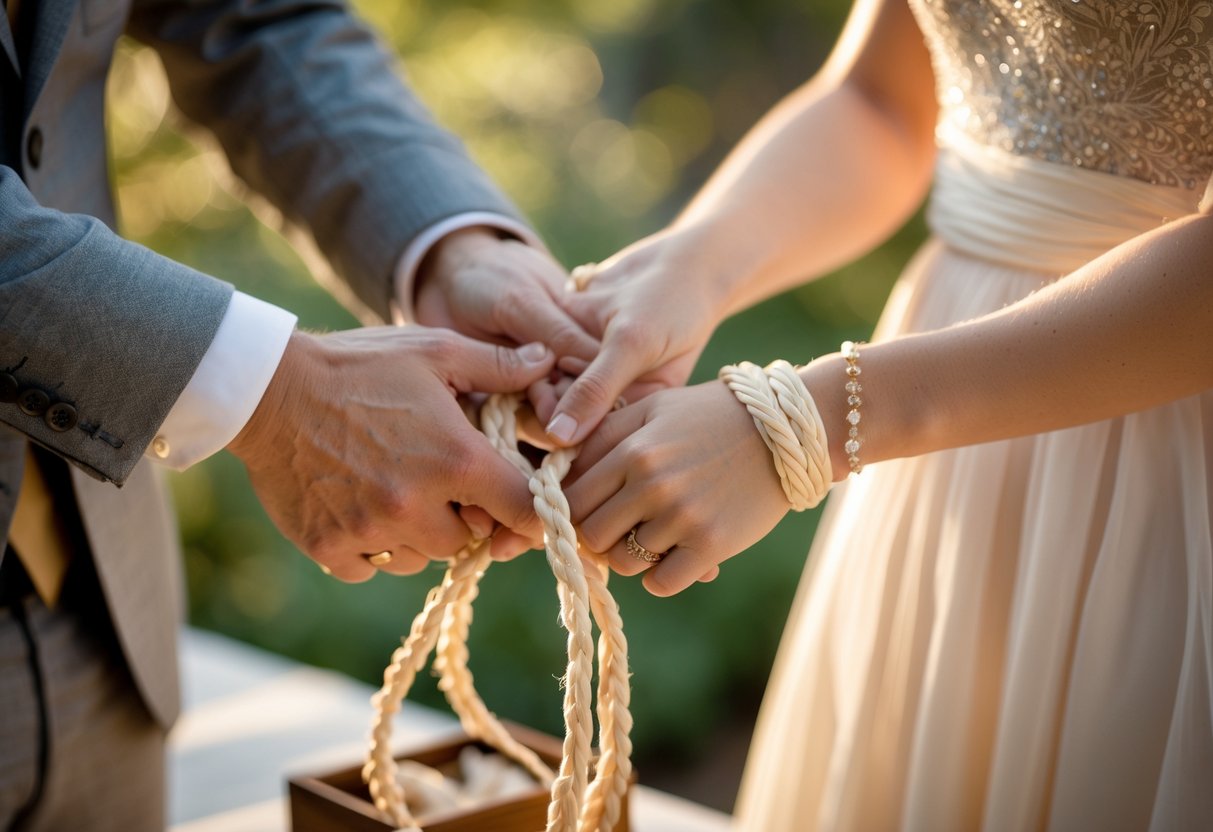
Handfasting is an ancient Celtic tradition where couples bind their hands together with cords or ribbons during a ceremony. This deeply symbolic ritual represents the physical and spiritual union of two people and serves as the origin of the phrase "tying the knot."
Handfasting traces its roots back to ancient Celtic and Nordic cultures. The practice emerged during times when marriages were not under the jurisdiction of government or religion.
The tradition developed as a way for families and communities to witness unions between two people. It served as both a legal contract and spiritual commitment in societies where formal marriage ceremonies were not always available.
At its most basic level, handfasting involves tying the hands of a couple together as a symbol of their love and commitment. The ritual can be as simple as wrapping a ribbon around wrists or as complex as incorporating multiple cords with specific meanings.
The ceremony typically takes place with witnesses present. Family members from both sides often participate by placing or tying ribbons themselves.
The phrase "tying the knot" originates directly from handfasting. The physical act of binding hands creates a powerful visual representation of unity and commitment.
Each element of the handfasting ritual carries meaning:
Different types of knots can be used depending on preference. Infinity knots represent eternal love, while reef knots symbolize strength and reliability.
The visual nature of the ceremony makes it memorable for both the couple and their guests. The bound hands create a striking image that emphasizes the couple's commitment to each other.
Today's couples adapt handfasting to fit their personal beliefs and ceremony styles. The ritual can be incorporated into almost any wedding, commitment ceremony, or vow renewal regardless of religious affiliation.
Many non-Pagan and non-Wiccan couples are adopting this custom to add meaningful symbolism to their ceremonies. Even church weddings sometimes include handfasting when priests wrap couples' hands with their stole.
Modern variations include:
The flexibility of handfasting allows couples to personalize the tradition. Some prefer calling it "handtying" to distinguish from its pagan origins while maintaining the symbolic meaning.
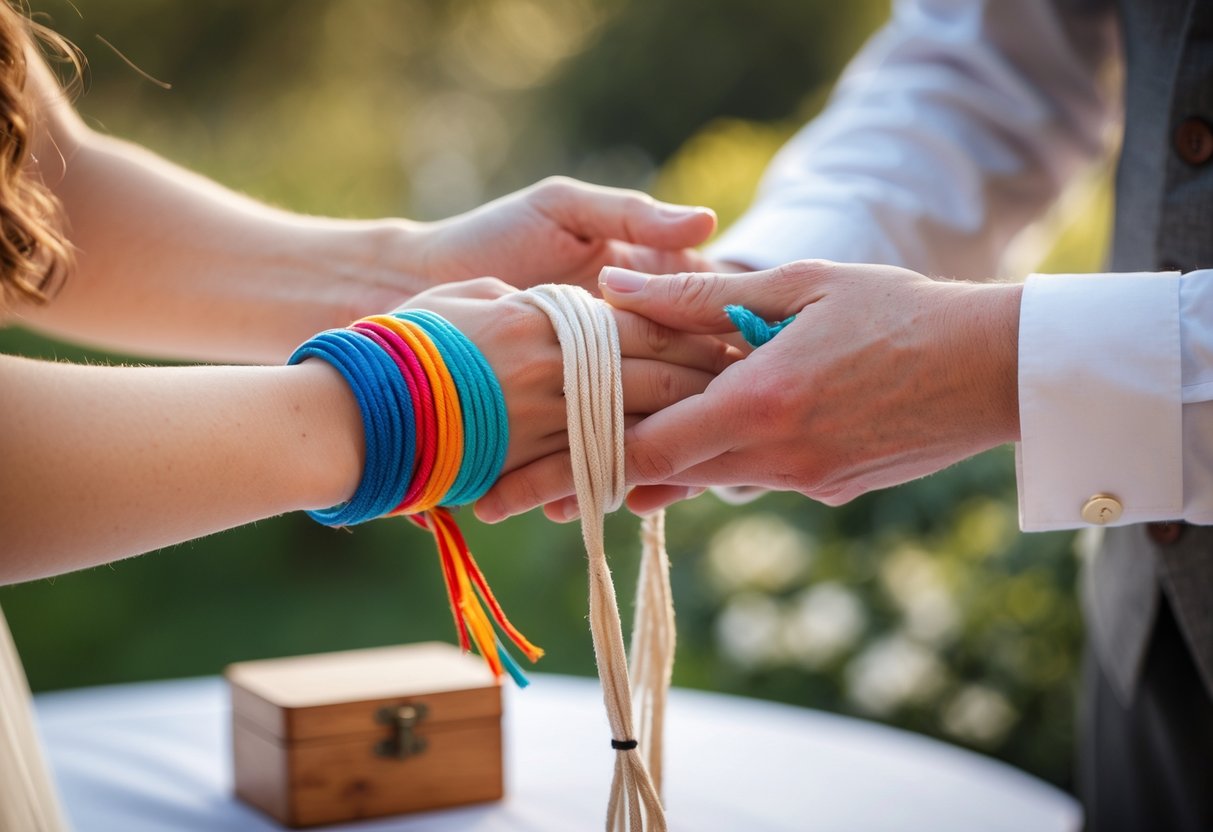
The handfasting ceremony involves couples joining hands while cords or ribbons are wrapped around them in a symbolic binding. An officiant guides the ritual through specific steps that include vows, hand positioning, and the actual tying process.
The handfasting ritual centers on three main components that create its symbolic meaning. Couples join their hands in a specific position, typically left hand to left hand, which represents a heart-to-heart connection.
Hand Positioning
The binding materials carry deep significance. Cords, ribbons, or fabric are wrapped around the couple's hands in various patterns. Some couples choose simple knots while others prefer elaborate braids or loops.
Common Binding Materials:
The colors and materials often hold personal meaning for the couple. White symbolizes new beginnings, while red represents passion and love.
The officiant serves as the guide and witness for the handfasting ceremony. They explain the ritual's meaning to guests and lead the couple through each step with clear instructions.
Primary Responsibilities:
The officiant often shares the history of handfasting with attendees. Handfasting dates back to Celtic traditions and represents unity and commitment between two people.
Many officiants customize their words to reflect the couple's relationship. They may include personal vows or references that make the ceremony more meaningful.
The officiant also handles the physical binding process. They drape the cord over the joined hands and guide the couple through tying their own knot.
The handfasting ceremony follows a structured sequence that builds emotional significance. Each step serves a specific purpose in creating the symbolic union.
The Complete Process:
The ceremony typically lasts 5-10 minutes within the larger wedding ceremony. Some couples choose to have guests participate by offering blessings during the binding.
The final knot represents the permanent nature of their commitment. The term "tying the knot" comes from this ancient practice of literally binding hands together.
After completion, couples often keep their handfasting cord as a meaningful keepsake. The physical reminder serves as a tangible symbol of their wedding day promises.
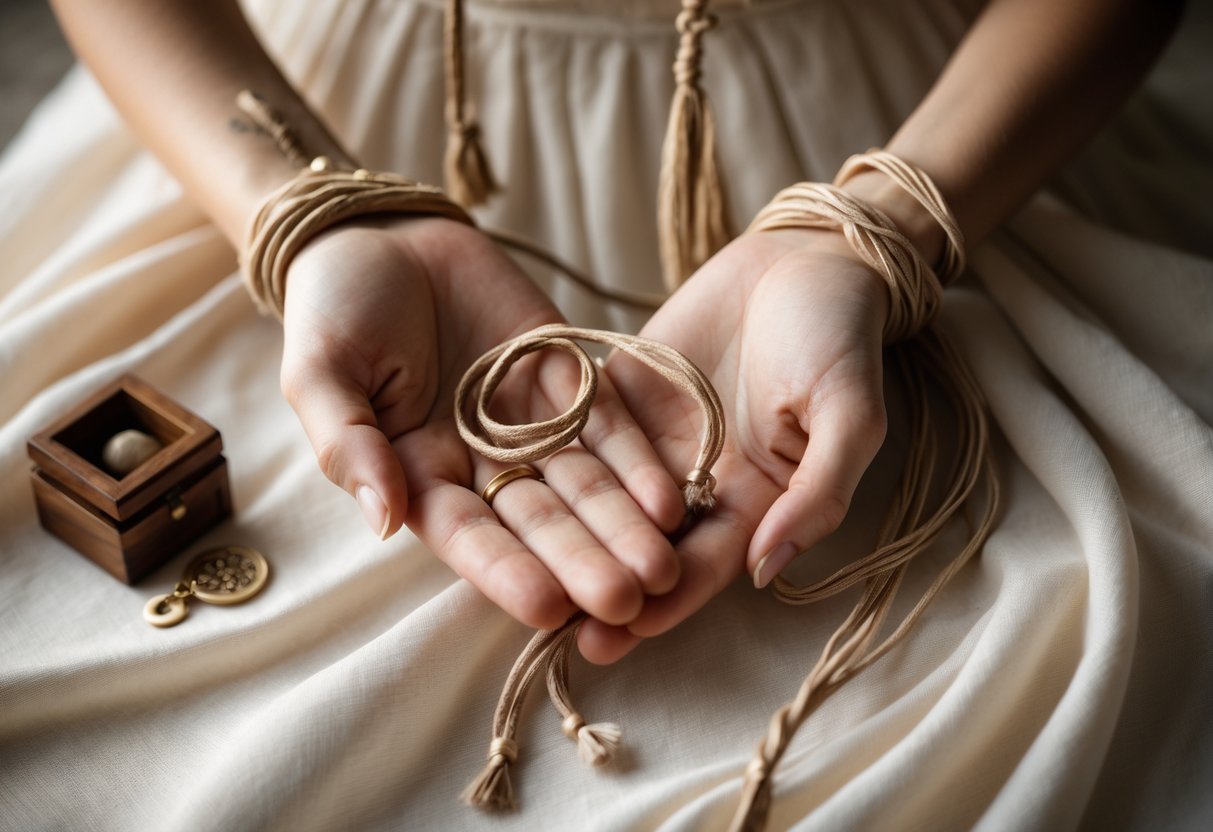
Handfasting ceremonies center on powerful symbols that represent the joining of two lives into one shared journey. The physical act of binding hands creates both visible and spiritual connections between partners.
The binding together of two people in love forms the core meaning of handfasting. The couple's hands join as a physical representation of their commitment.
This ancient ritual goes beyond the visible ceremony. The act of joining hands is a powerful symbol of unity and solidarity that connects partners on multiple levels.
The physical touch creates an immediate bond during the ceremony. Partners feel the warmth and presence of each other through this direct contact.
Spiritual Elements Include:
The ceremony represents both earthly love and deeper spiritual union. This dual meaning makes handfasting meaningful for couples with various beliefs and backgrounds.
The term "Tying the Knot" comes from the tradition of handfasting. The cord or ribbon used in the ceremony holds deep symbolic meaning.
Different materials carry their own significance. Silk represents luxury and smooth partnership. Cotton symbolizes comfort and everyday connection. Natural fibers like hemp or jute represent earthy, grounded love.
Common Cord Meanings:
The act of wrapping the cord around joined hands creates a visual representation of commitment. Each wrap can represent different vows or promises the couple makes.
Many couples keep their handfasting cord as a lasting reminder. The physical object becomes a keepsake that holds the memory and energy of their wedding day.
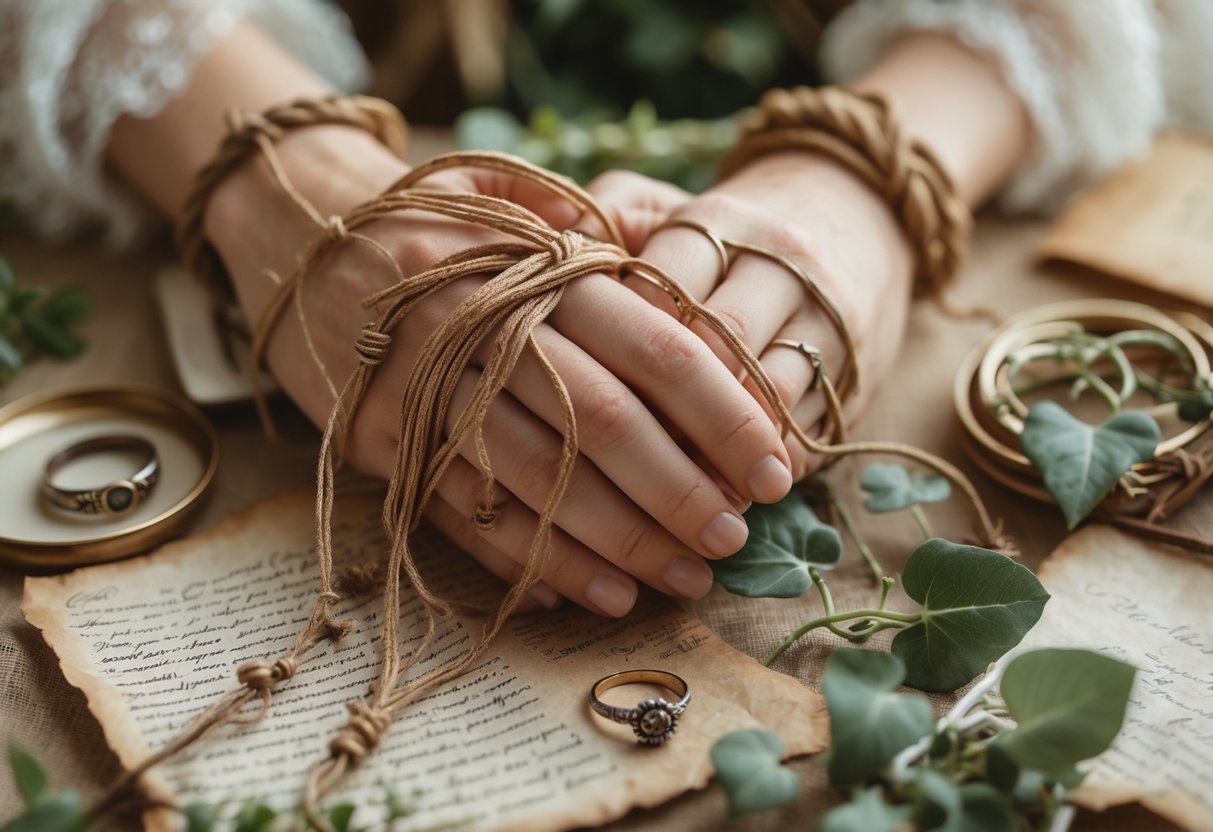
Handfasting traces its origins back thousands of years to ancient Celtic and Pagan societies, where it served as both a spiritual ritual and legal marriage contract. This ancient Celtic tradition has transformed from a legally binding ceremony into today's symbolic unity ritual.
The handfasting ceremony has deep roots in Celtic, Norse, and Pagan cultures, where couples literally tied the knot to bind their lives together. The word comes from Old Norse hand-festa, meaning "to strike a bargain by joining hands."
Ancient Celtic societies viewed handfasting as a sacred bond made before their gods and the natural world. The ritual took place outdoors, connecting the couple to nature and the elements that were central to their beliefs.
Trial marriages were common in medieval Scotland and Ireland. Couples would handfast for a year and a day to test their compatibility. After this period, they could formalize their union or separate without social shame.
Handfasting remained legally binding in Scotland until 1563, when the Marriage Act required ordained ministers to conduct all marriages. This marked the end of handfasting as an official marriage rite.
Handfasting experienced a major revival in the 20th century through Neo-Pagan and Wiccan communities. These groups embraced the ritual as a way to honor their spiritual ancestors and connect with earth-based traditions.
Modern handfasting ceremonies are purely ceremonial rather than legal. The ritual has evolved into a versatile part of contemporary wedding ceremonies, appealing to couples of various faiths and backgrounds.
Popular applications today include:
The ritual now often accompanies traditional vows and ring exchanges. Couples personalize their handfasting with meaningful cord colors, braided materials, or family heirloom fabrics that reflect their unique relationship and values.
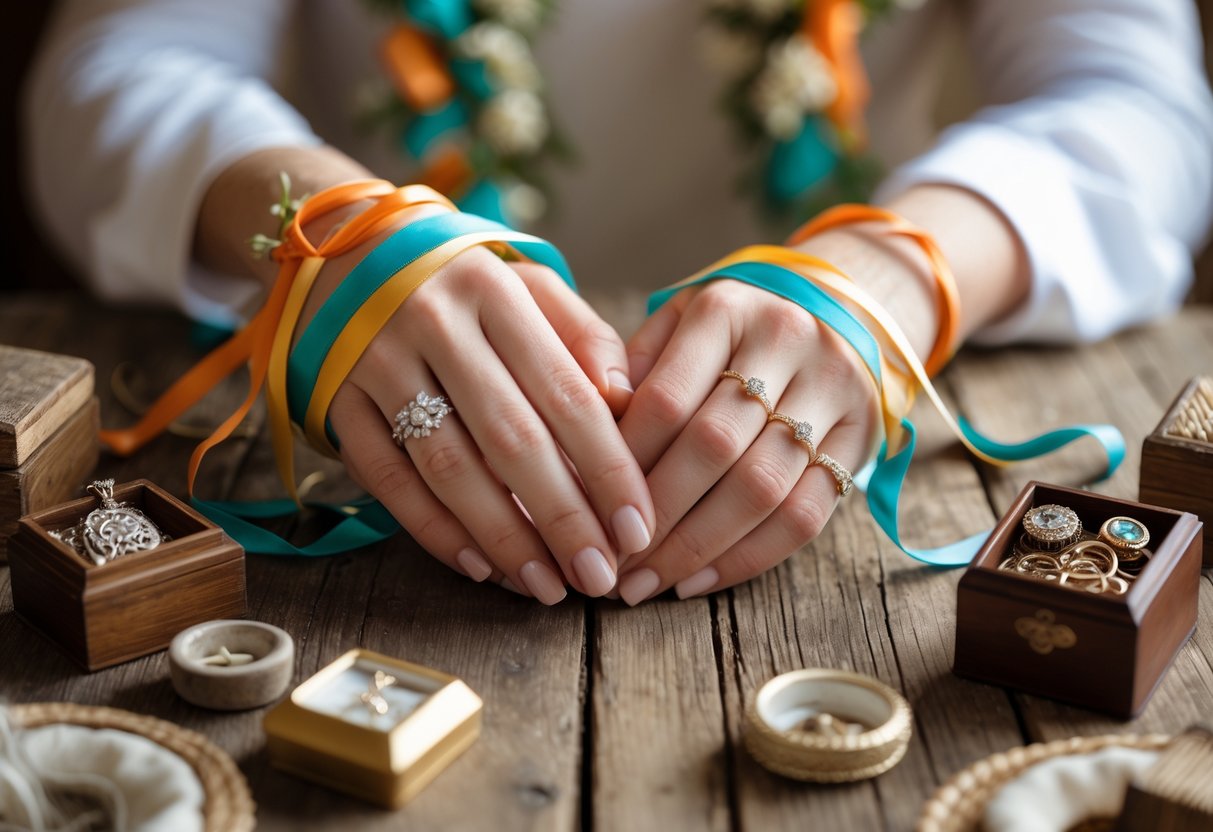
The cords and ribbons used in a handfasting ceremony become treasured mementos that couples can preserve for years to come. Color choices and personal touches transform these binding materials into meaningful symbols of the wedding day.
Natural fibers offer the most authentic feel for a handfasting ritual. Hemp, cotton, and linen cords age beautifully and maintain their strength over time.
Silk ribbons provide elegance and come in countless colors. They photograph well and feel luxurious during the ceremony.
Rope thickness affects both the visual impact and comfort. Quarter-inch cords work well for most couples. Thicker ropes create drama but may feel bulky.
Consider the binding method when choosing materials. Some couples prefer multiple thin ribbons that layer nicely. Others select one substantial cord that makes a bold statement.
Length matters for the final keepsake. Three to four feet per cord allows for proper binding with enough material left to tie and preserve afterward.
Color symbolism adds deeper meaning to the handfasting ritual. Red represents passion and love. Blue symbolizes loyalty and truth. Green signifies growth and harmony.
Family heritage colors connect the ceremony to ancestral traditions. Irish couples often choose green. Scottish families may select their clan tartan colors.
Metal charms can be attached to cord ends before the ceremony. Small hearts, infinity symbols, or initials create lasting decorative elements.
Braiding different colored threads together creates unique patterns. Each color can represent different aspects of the relationship or important people in their lives.
Embroidered names or wedding dates on ribbons make wedding gifts for her extra special. This customization turns the binding material into a personalized treasure.
Small bells or beads woven into the cords add texture and sound during the binding process.
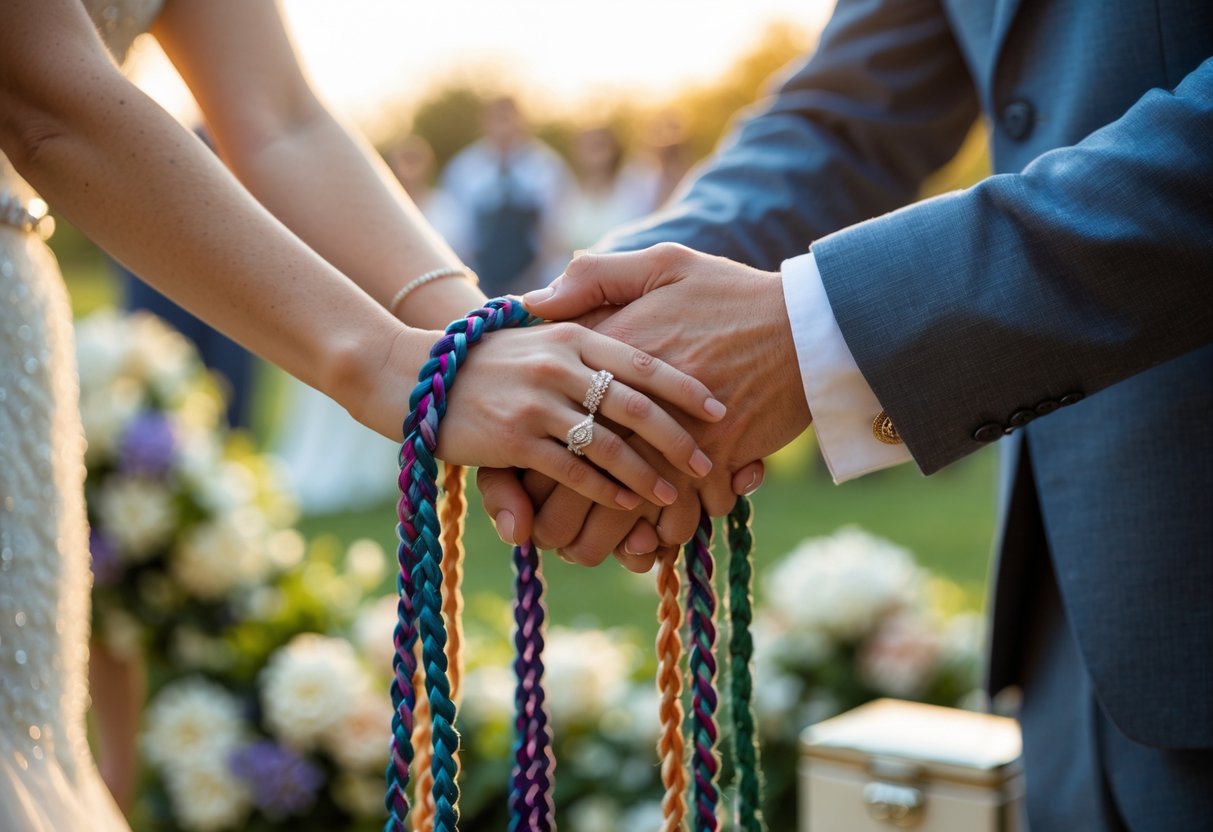
The placement of handfasting within your wedding ceremony and its coordination with other rituals requires careful planning. Thoughtful coordination with other wedding ceremonies ensures the handfasting enhances rather than disrupts the ceremony flow.
Most couples position their handfasting ceremony during the exchange of vows or immediately after. This timing creates a natural flow from spoken promises to physical binding.
The handfasting can occur before the legal portion of the ceremony. This placement allows the ritual to set a meaningful tone before official declarations.
Some couples prefer handfasting during the unity portion of their ceremony. This timing groups all symbolic acts together in one segment.
Popular timing options include:
The officiant should announce the handfasting ritual to guests. A brief explanation helps attendees understand the tradition's significance.
Couples should allocate 3-5 minutes for the complete handfasting process. This timeframe includes the explanation, binding, and any accompanying words.
Handfasting ceremonies work alongside traditional wedding customs when properly coordinated. Unity candles, sand ceremonies, and ring exchanges can all complement handfasting.
The handfasting cord should not interfere with ring placement. Couples typically complete the ring exchange first, then proceed with hand binding.
Coordination considerations:
Multiple unity rituals require strategic positioning. The officiant should guide smooth transitions between each symbolic act.
Some couples incorporate handfasting as their primary unity ritual. This approach simplifies the ceremony while maintaining meaningful symbolism.
The wedding party should understand their roles during handfasting. Someone must hold the cords and assist with the binding process.
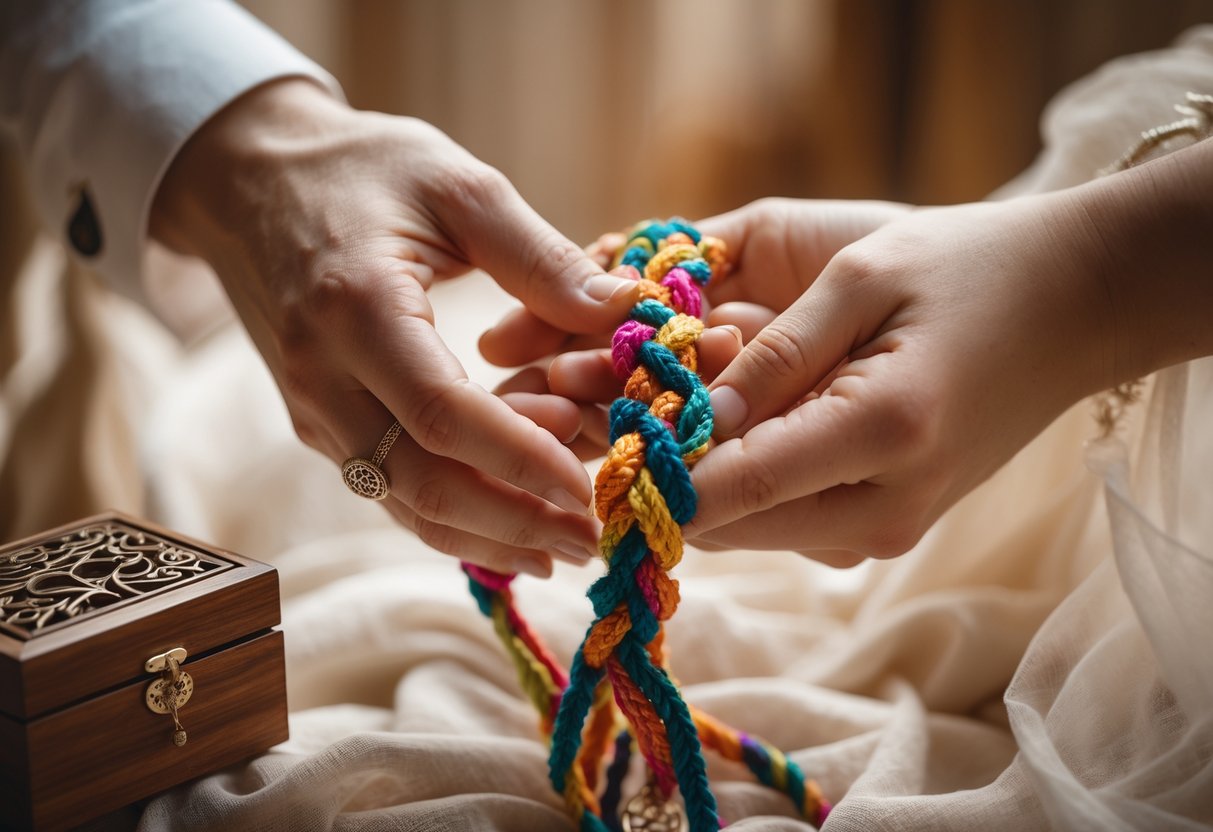
The handfasting ceremony becomes truly meaningful when couples add personal touches through custom vows and involve their loved ones in the binding ritual. These elements transform a traditional ceremony into a unique celebration that reflects the couple's relationship and values.
Couples can craft handfasting vows that speak directly to their unique bond and shared experiences. Rather than using traditional wedding vows, many choose to write promises that reflect their journey together.
Personal Promise Examples:
Some couples write complementary vows where each person's promises complete the other's thoughts. This creates a beautiful dialogue as their hands are bound together.
Timing Options for vow exchange include speaking while the cords are being wrapped, immediately after the binding is complete, or during a quiet moment while bound together.
Many couples also choose to include symbolic elements in their vows. They might reference the colors of their chosen cords or speak about what each strand represents in their relationship.
The handfasting ceremony offers unique opportunities for loved ones to participate actively in the binding ritual. This involvement creates deeper connections and memorable moments for everyone present.
Popular Participation Methods:
Some couples assign specific meanings to different cords based on who ties them. For example, parents might tie cords representing wisdom and support, while siblings add strands symbolizing friendship and loyalty.
Group Involvement can include having all guests hold a connected ribbon during the ceremony, creating a physical link between the couple and their community. This approach makes everyone feel part of the union.
The ceremony can accommodate guests who cannot physically participate by asking them to offer verbal blessings or read meaningful passages while others handle the actual binding process.
Modern handfasting ceremonies welcome all couples regardless of gender identity, sexual orientation, or religious background. These ancient unity rituals adapt beautifully to honor diverse relationships and personal beliefs.
Handfasting provides LGBTQ+ couples with a meaningful way to celebrate their union. The ceremony focuses on the symbolic binding of two lives rather than traditional gender roles.
Same-sex couples often choose handfasting because it emphasizes equality and partnership. Both partners participate equally in the ritual. Neither person takes a more dominant role.
The binding ceremony works perfectly for any couple configuration:
Many LGBTQ+ couples select rainbow-colored cords or ribbons. These colors represent pride and acceptance. Others choose colors that hold personal meaning to their relationship.
The handfasting ritual creates a visual symbol of unity. This becomes especially meaningful for couples who faced challenges in gaining marriage recognition.
Handfasting works for couples with different faith backgrounds or no religious beliefs. The ceremony adapts to match each couple's values and preferences.
Secular handfasting focuses on the couple's commitment to each other. It removes religious references while keeping the symbolic binding. The officiant speaks about love, partnership, and shared goals.
Interfaith couples can blend elements from different traditions. A Christian partner might include prayers while a Pagan partner adds elemental symbols. The cord binding remains the central focus.
Spiritual but not religious couples often choose handfasting for its ancient roots. They appreciate the connection to nature and history. The ritual feels meaningful without requiring specific religious beliefs.
Couples can customize every aspect of their handfasting:
The flexibility of handfasting ceremonies makes them perfect for diverse couples. Each ritual becomes unique to the partners involved.
Successful handfasting rituals depend on selecting meaningful cord materials and creating an appropriate ceremonial space. The preparation process involves choosing traditional or modern binding materials and arranging the physical environment to support this ancient unity ceremony.
Traditional handfasting ceremonies used materials readily available in Celtic communities. Hemp rope, linen strips, and woven plant fibers served as the primary binding elements. These natural materials symbolized the connection between couples and the earth.
Modern couples have expanded options for their handfasting ceremony cords. Popular contemporary choices include:
Natural Materials:
Symbolic Elements:
The cord length should measure approximately six feet to allow comfortable hand binding and multiple knots. Couples often choose specific colors for their handfasting cords to represent personal values or relationship aspects.
White symbolizes new beginnings, red represents passion, and blue signifies loyalty. Green cords connect to growth and fertility, while purple indicates spiritual wisdom.
The ceremonial space requires minimal but thoughtful preparation for the handfasting ritual. Choose a location that holds significance for the couple or provides natural beauty as a backdrop.
Essential space elements include a small table or altar to hold the cords before use. Place the handfasting materials within easy reach of the officiant and couple. Consider wind conditions for outdoor ceremonies, as lightweight ribbons may become difficult to manage.
Setup Considerations:
The couple should practice the hand positioning beforehand. Traditional handfasting involves placing right hands together, then left hands on top. This creates a stable foundation for the cord wrapping.
Some couples incorporate family and friends into their handfasting ceremony by having loved ones add individual ribbons to the main cord. This requires additional preparation of smaller cord pieces and coordination of participants.
Weather backup plans are essential for outdoor ceremonies. Indoor alternatives should accommodate the same spatial requirements and symbolic significance as the original location choice.
Your handfasting cord deserves proper care to maintain its beauty and meaning for years to come. Smart storage methods and creative display options help couples transform their wedding cord into a lasting piece of home decor.
Proper storage protects handfasting cords from damage while keeping them accessible for special occasions. Climate control prevents deterioration from humidity and temperature changes.
Acid-free boxes provide the best long-term protection. These containers prevent yellowing and fabric breakdown over time. Place tissue paper between cord layers to avoid tangling.
Cedar chests offer natural protection against insects while maintaining stable conditions. The wood's properties help regulate moisture levels naturally.
Shadow boxes combine storage with display options. Choose UV-resistant glass to prevent fading from sunlight exposure.
Temperature should stay between 60-70°F with humidity levels around 45-55%. Avoid attics, basements, and areas near heating vents where conditions fluctuate.
Clean hands before handling stored cords. Natural oils from skin can stain delicate fibers over time. Inspect stored items yearly for signs of pest damage or deterioration.
Display options transform handfasting cords into meaningful home accents that spark conversation and preserve memories. Creating lasting keepsakes becomes an art form when thoughtfully integrated into living spaces.
Framed displays work well in bedrooms or hallways. Mount the intact knot against fabric backgrounds that complement your home's color scheme. Include wedding photos or vows alongside the cord.
Glass dome covers protect while showcasing the handfasting cord's texture and colors. Place these on mantels, bookshelves, or side tables where guests can admire them.
Wall-mounted shadow boxes create three-dimensional art pieces. Add meaningful items like dried flowers from your bouquet or invitation fragments to tell your complete wedding story.
Table centerpieces work for anniversary celebrations or special dinners. Coil the cord around candles or seasonal decorations for temporary displays.
Consider room lighting when choosing display locations. Soft, indirect light prevents fading while highlighting the cord's craftsmanship and symbolic meaning.
Couples planning handfasting ceremonies often have questions about scripts, cord selection, legal recognition, and modern adaptations. Understanding these practical elements helps create meaningful ceremonies that honor tradition while fitting contemporary needs.
A handfasting ceremony script should begin with an explanation of the tradition's Celtic and Nordic origins. The officiant explains how handfasting predates government and religious oversight of marriage.
The script must include symbolic meanings for each ribbon or cord. Common meanings include family unity, commitment, growth, and divine blessing. Each ribbon gets its own explanation as it wraps around the couple's hands.
Clear instructions guide the physical binding process. The officiant directs the couple to clasp right hands at the wrists. Ribbons wrap around their joined hands in a specific pattern.
The script concludes with the knot-tying moment. The couple pulls their hands apart while gripping the ribbons, creating the symbolic knot. This action connects to the phrase "tying the knot."
Most couples choose ribbons over thick cords for easier handling during the ceremony. Ribbons between half-inch and one-inch width work best for wrapping and knotting.
Color selection should reflect the ceremony's symbolic meanings. Each ribbon represents specific values like family heritage, new beginnings, or spiritual guidance.
Natural materials like silk, cotton, or linen create beautiful keepsakes. These materials age well and preserve the memory of the ceremony day.
Length matters for successful binding. Each ribbon should measure at least two feet long to allow proper wrapping and knot formation.
Handfasting ceremonies are symbolic rather than legally binding. Couples must complete separate legal paperwork for official marriage recognition.
Most couples hold registry ceremonies before or after their handfasting ritual. The legal ceremony handles government requirements while handfasting provides spiritual and cultural meaning.
Some jurisdictions allow ordained ministers to combine handfasting with legal marriage ceremonies. The officiant must hold proper licensing and file required documentation.
Couples should check local marriage laws before their ceremony. Requirements vary significantly between states and countries for legal marriage recognition.
Traditional marriages focus on legal contracts and religious or civil requirements. Handfasting emphasizes community witness and symbolic binding without institutional oversight.
Handfasting ceremonies can be incorporated into any wedding style. The ritual works equally well in church weddings, outdoor celebrations, or intimate elopements.
The physical act of binding distinguishes handfasting from standard ceremonies. Traditional weddings exchange rings while handfasting creates tied ribbons as the primary symbol.
Handfasting allows greater customization of meanings and participants. Couples design their own symbolic elements rather than following prescribed religious or legal formats.
Modern couples often involve family members in ribbon presentation. Mothers, fathers, or siblings bring specific ribbons representing their family's love and support.
Some ceremonies assign ribbon-wrapping duties to different family members. This creates more participation but requires careful instruction to avoid confusion during the ritual.
Contemporary handfasting incorporates personal values and relationship virtues. Couples choose ribbons representing adventure, friendship, comfort, or other meaningful concepts.
Unity ritual approaches blend handfasting with other symbolic acts. Some couples combine ribbon binding with sand ceremonies or candle lighting.
Any trusted friend or family member can officiate a symbolic handfasting ceremony. The ritual requires no specific religious training or legal authority when performed separately from legal marriage.
Ordained ministers, justices of the peace, and wedding officiants commonly lead handfasting ceremonies. Their experience helps manage the logistics and timing of ribbon binding.
Some couples choose Celtic or pagan practitioners for authentic traditional ceremonies. These officiants understand the historical and spiritual aspects of ancient handfasting rituals.
For combined legal and handfasting ceremonies, the officiant must hold proper licensing. They handle both the symbolic binding and required legal documentation.