
Your Cart is Empty
Your wedding officiant plays a vital role in making your ceremony meaningful and memorable. While many couples focus on thanking their wedding party and vendors, the person who guided them through their vows deserves special recognition too. Jewelry offers a timeless and personal way to express gratitude to your celebrant that they can treasure long after your wedding day.
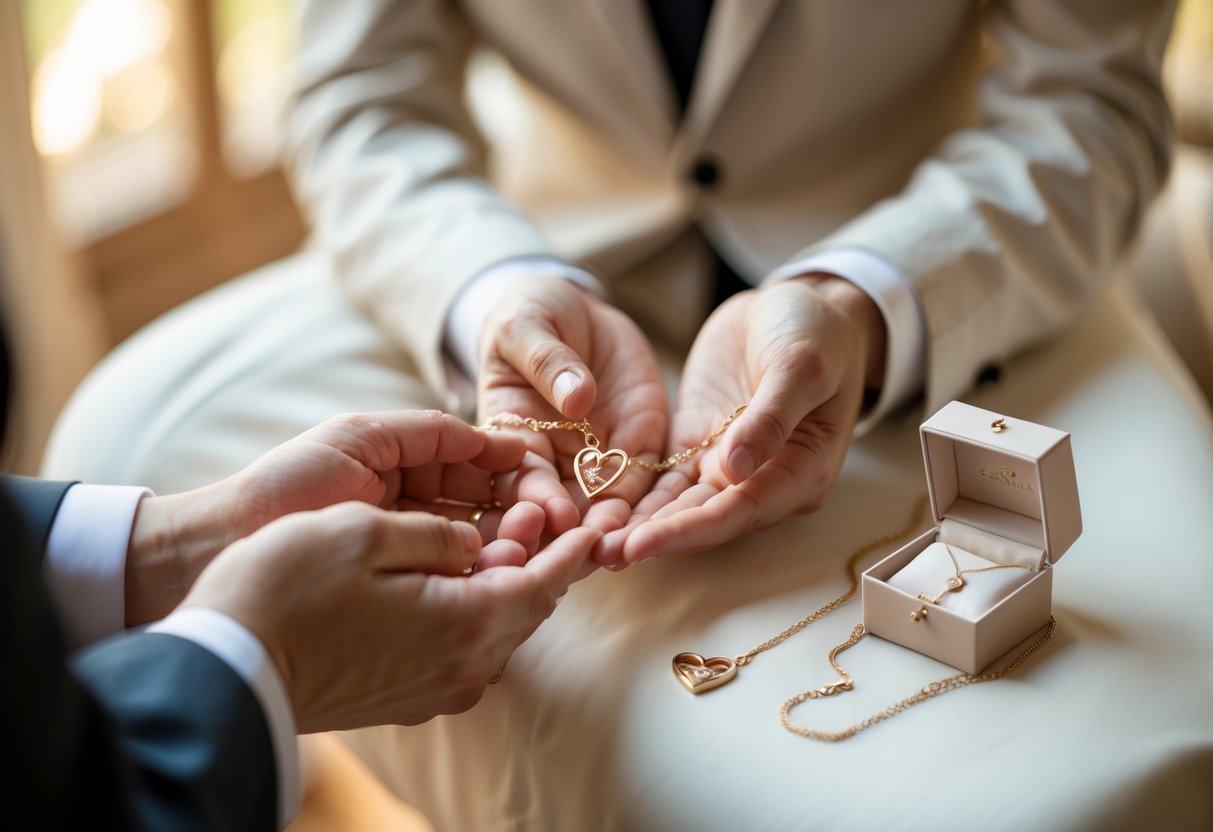
Choosing the right piece requires thoughtful consideration of their personal style, relationship to you, and the significance of their role in your celebration. From elegant necklaces and meaningful bracelets to personalized cufflinks and custom rings, jewelry can be tailored to reflect both your appreciation and their individual taste. The key lies in selecting something that feels authentic to your relationship while honoring the sacred role they played.
Whether your officiant is a close family member, longtime friend, or professional celebrant, a carefully chosen piece of jewelry creates a lasting reminder of the special bond forged on your wedding day. This guide explores how to select, customize, and present jewelry gifts that truly capture your gratitude for the heart behind your ceremony.
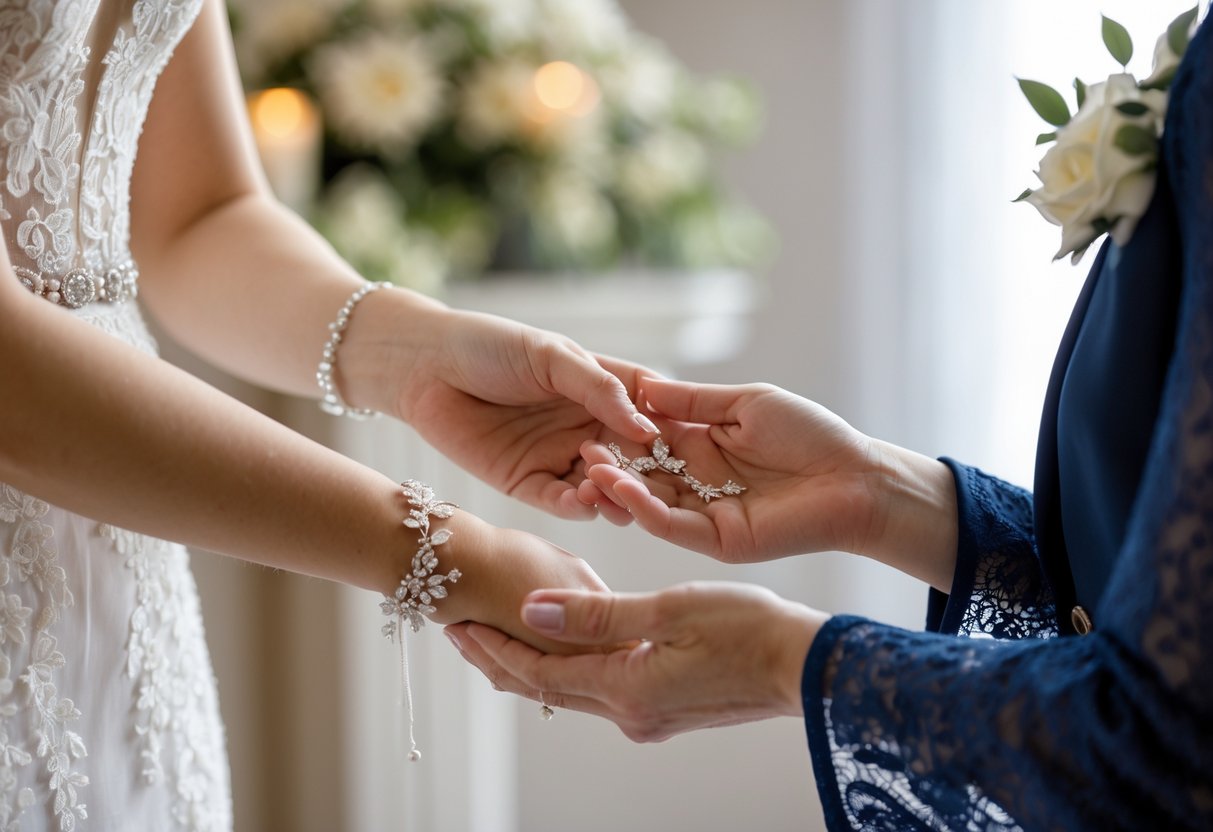
Wedding officiants play a pivotal role in making ceremonies meaningful and memorable. Their contributions extend far beyond legal requirements, creating emotional connections and lasting impressions for couples and guests alike.
The officiant serves as the primary guide throughout the entire wedding ceremony. They set the tone from the moment guests arrive until the final pronouncement of marriage.
Their voice becomes the soundtrack of the couple's most important moment. Every word they speak helps shape how the ceremony unfolds and how guests experience the event.
The officiant's guidance and support creates a warm, loving atmosphere that touches hearts deeply. They transform a legal proceeding into a meaningful celebration of love.
Most couples remember their officiant's words long after the wedding day ends. These spoken moments become part of their love story that they share for years to come.
The officiant also manages the ceremony's flow and timing. They ensure everything proceeds smoothly while keeping focus on the couple's special moment.
Professional celebrants invest significant time in personalizing each ceremony. They learn couples' love stories and weave these details into meaningful vows and readings.
Their preparation extends far beyond the wedding day itself. Many celebrants spend hours crafting personalized ceremonies that reflect each couple's unique relationship.
The beautiful memories they help create become treasured moments that couples cherish forever. Their words often appear in wedding videos that families watch repeatedly.
Celebrants also handle unexpected moments with grace and professionalism. They adapt quickly when things don't go as planned, keeping ceremonies moving smoothly.
Their experience helps nervous couples feel comfortable and confident. Many officiants provide coaching and guidance during the ceremony planning process.
Different cultures have various traditions for honoring wedding officiants. Some include special recognition ceremonies, while others focus on meaningful gifts or donations.
Traditional appreciation methods include:
The timing of gratitude expressions matters significantly. Sending thanks within a few weeks of the wedding shows continued appreciation for their role.
Personal relationships with officiants often extend beyond the wedding day. Many couples maintain friendships with celebrants who helped start their married lives.
Religious officiants may appreciate different forms of recognition than secular celebrants. Understanding their preferences helps couples choose appropriate thank you gestures.
Modern couples increasingly recognize officiants' professional expertise deserves proper acknowledgment. This recognition helps celebrate their skills and dedication to creating meaningful ceremonies.
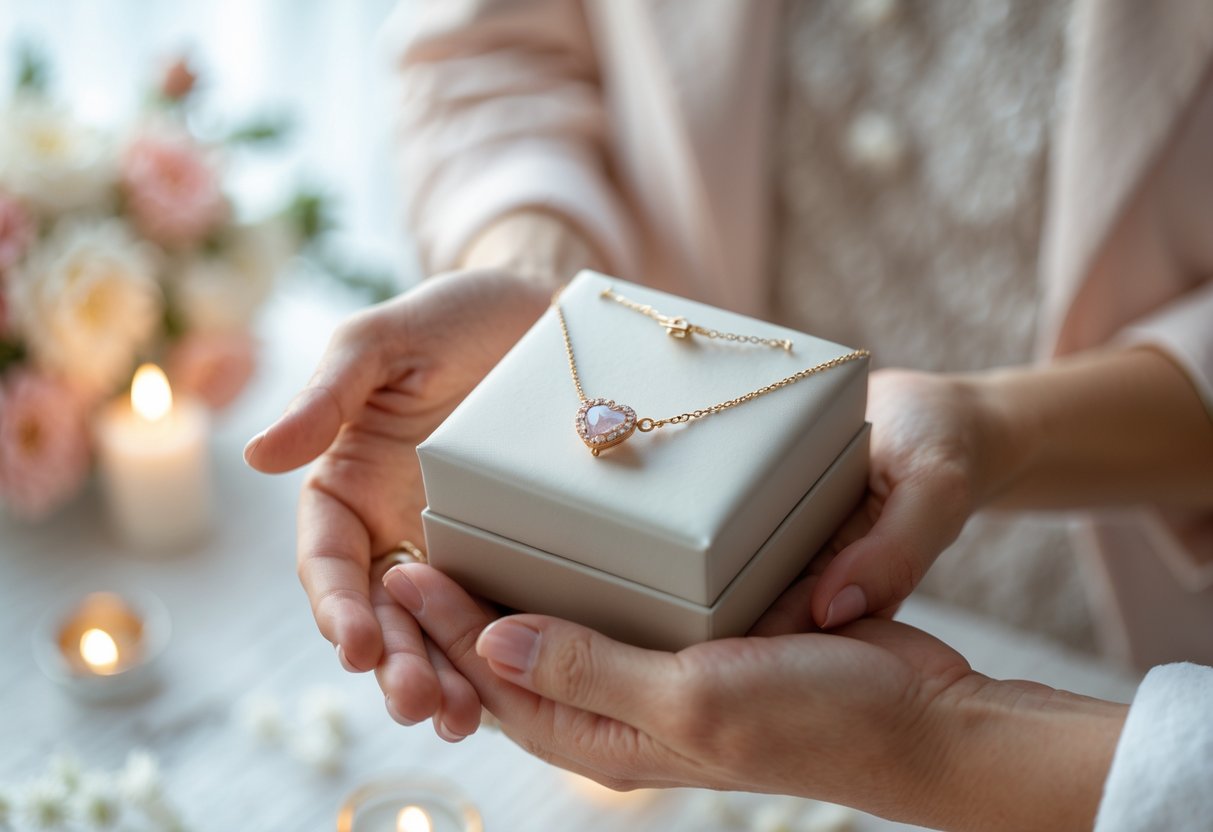
Jewelry carries deep emotional significance that transforms a simple thank-you into a lasting tribute. Unlike traditional gifts that fade or break, jewelry becomes a permanent reminder of appreciation that celebrants can treasure for years.
Jewelry holds special meaning in ceremony contexts because it represents permanence and connection. When couples exchange rings during weddings, they create lasting symbols of their commitment.
Giving jewelry to a celebrant extends this same symbolism. The piece becomes a tangible reminder of their role in creating meaningful moments for others.
Common symbolic meanings include:
Religious and spiritual celebrants often appreciate jewelry that reflects their faith or calling. A simple cross pendant or meditation bracelet acknowledges their sacred work.
The act of giving jewelry as a gift carries hidden meanings that go beyond material value. It communicates respect, gratitude, and recognition of someone's important contribution to life's milestones.
Traditional thank-you gifts often fall short of expressing deep appreciation. Gift cards feel impersonal and get used quickly. Flowers wilt within days. Books may sit unread on shelves.
Jewelry stands apart because it becomes part of someone's daily life. A celebrant can wear a meaningful piece during future ceremonies, creating ongoing connections with past couples.
Gift comparison breakdown:
| Gift Type | Lifespan | Personal Connection | Daily Use |
|---|---|---|---|
| Jewelry | Lifetime | High | Yes |
| Gift Cards | Until spent | Low | No |
| Flowers | 1-2 weeks | Medium | No |
| Books | Years | Medium | Occasional |
Studies show that 70% of consumers prefer gifts that feel personal, and jewelry delivers this personalization naturally. Custom engraving or birthstone selection makes each piece unique.
The investment in jewelry also communicates the value placed on the celebrant's service. Quality pieces show thoughtful consideration rather than last-minute shopping.
Jewelry functions as a memory keeper that connects specific moments to everyday experiences. Each time a celebrant wears the piece, they recall the ceremony and the gratitude behind the gift.
Jewelry becomes a personal time capsule that carries stories of meaningful encounters. Years later, celebrants remember who gave them special pieces and why.
The physical presence of jewelry creates stronger memory anchors than other gifts. Touching a necklace or adjusting a bracelet triggers recollections of past ceremonies and connections.
Memory-enhancing features:
Many celebrants build collections of meaningful jewelry from grateful couples. Each piece represents different ceremonies and relationships they've helped create.
The lasting nature of quality jewelry means these memories remain accessible for decades. Unlike photos that get stored away, jewelry keeps precious moments close to the heart through daily wear.
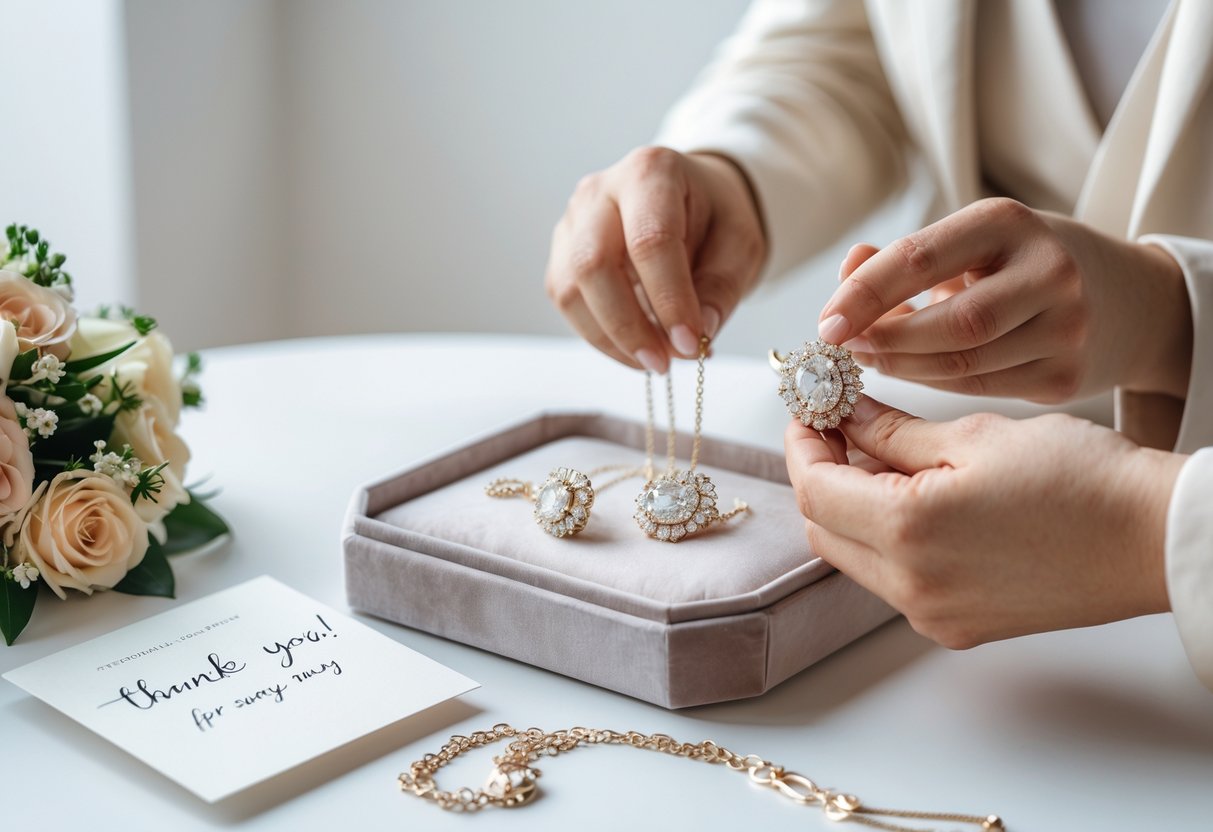
Choosing the right jewelry for your celebrant requires thoughtful consideration of their personal style, preferences, and the significance of their role in your ceremony. Budget, materials, and cultural sensitivity all play important roles in making the perfect selection.
Personalized jewelry creates a lasting memento that celebrates the unique bond between couples and their celebrant. Engraved pieces with the wedding date, initials, or a meaningful message transform standard jewelry into treasured keepsakes.
Popular personalization options include:
Birthstone jewelry offers another personal touch. Many celebrants appreciate pieces featuring their birthstone or the couple's birth months combined in a single design.
Photo lockets provide a deeply personal option. Couples can include a small wedding photo or meaningful image that connects to their ceremony story.
Consider the celebrant's existing jewelry style when selecting personalized pieces. Traditional celebrants may prefer classic engravings, while modern officiants might enjoy contemporary geometric designs.
Material selection impacts both durability and aesthetic appeal. Classic jewelry materials like gold, silver, and platinum offer timeless elegance that suits most celebrants.
Metal considerations:
Style should match the celebrant's personality and typical attire. Conservative celebrants often prefer subtle, classic pieces like simple pendants or elegant earrings.
Contemporary celebrants may appreciate bold statement pieces or modern geometric designs. Consider their usual ceremony attire when selecting styles.
Gemstone choices should reflect personal taste rather than traditional rules. Pearls convey elegance, while colored stones add personality and meaning.
Setting a realistic budget prevents overspending while ensuring quality. Celebrant jewelry gifts typically range from $50 to $500, depending on the relationship and ceremony significance.
Budget-friendly options include:
Mid-range budgets allow for gold-filled jewelry, genuine gemstones, or designer pieces. These options balance quality with affordability.
Higher budgets enable solid gold, platinum, or fine gemstone selections. Consider the celebrant's lifestyle when investing in expensive pieces.
Value extends beyond price. A thoughtfully chosen $75 piece with personal significance often means more than an expensive generic item.
Research jewelers' reputations and return policies before purchasing. Quality craftsmanship ensures the piece will last for years.
Cultural sensitivity ensures appropriate gift selection. Some cultures have specific jewelry traditions or restrictions that couples should understand before choosing pieces.
Religious considerations matter for faith-based celebrants. Avoid symbols that conflict with their beliefs, and consider incorporating meaningful religious elements when appropriate.
Gender-neutral options work well for celebrants of any identity. Simple chains, classic watches, or minimalist designs appeal to diverse preferences.
Age-appropriate selections show thoughtfulness. Younger celebrants might prefer trendy pieces, while older officiants often appreciate timeless classics.
Professional considerations affect daily wearability. Celebrants who perform multiple ceremonies need versatile pieces that complement various outfits and settings.
Ask subtle questions about metal allergies or style preferences if possible. Close friends or family members can provide valuable insight into the celebrant's tastes without spoiling the surprise.
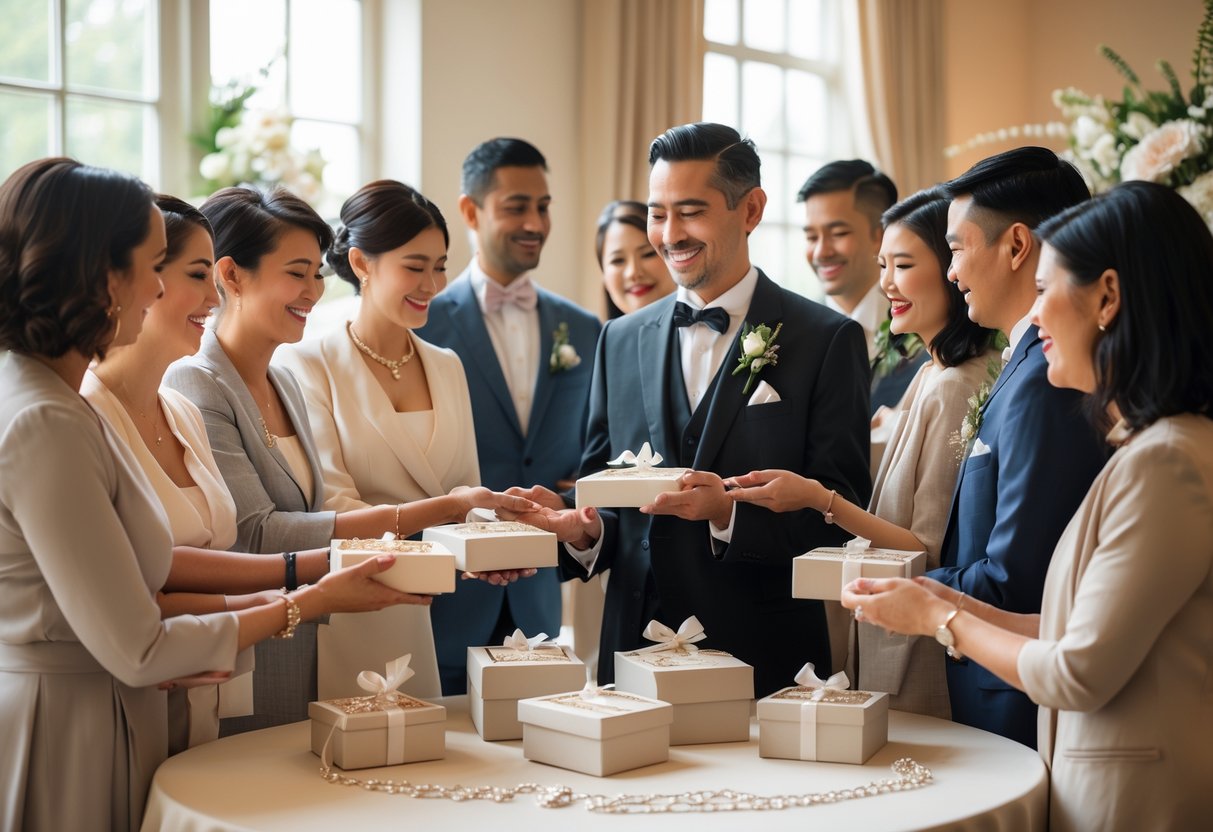
The right jewelry gift reflects both the officiant's personal taste and professional role. Consider their lifestyle, wardrobe preferences, and the type of ceremonies they typically perform when selecting a meaningful piece.
Pay attention to the jewelry your officiant already wears during ceremonies. Some prefer simple, understated pieces while others enjoy more decorative items.
Conservative officiants often appreciate classic designs. Think pearl earrings, simple gold chains, or traditional watches. These pieces work well with formal religious settings.
Modern officiants might prefer contemporary styles. Geometric pendants, minimalist rings, or sleek metal bracelets suit their taste better.
Key personality indicators:
Take note of whether they wear gold, silver, or mixed metals. This helps narrow down the best options for your gift.
Religious leaders typically need jewelry that aligns with their denomination's guidelines. Many prefer modest pieces that don't distract from the ceremony.
For traditional religious officiants:
Civil celebrants have more flexibility in their jewelry choices. They can wear personalized pieces like custom rings that commemorate special occasions.
For civil officiants:
Consider how often they perform ceremonies. Regular officiants benefit from versatile pieces they can wear repeatedly.
Male officiants often appreciate practical jewelry that enhances their formal attire. Cufflinks, tie bars, and watches are popular choices.
Popular options for men:
Female officiants have broader options including necklaces, earrings, bracelets, and rings. Choose pieces that complement both casual and formal outfits.
Versatile choices for women:
Consider the officiant's age and style preferences. Younger celebrants might prefer trendy designs while older officiants often choose timeless pieces.
Neutral metals like gold or silver work well for most people. These colors match various outfits and ceremony settings.
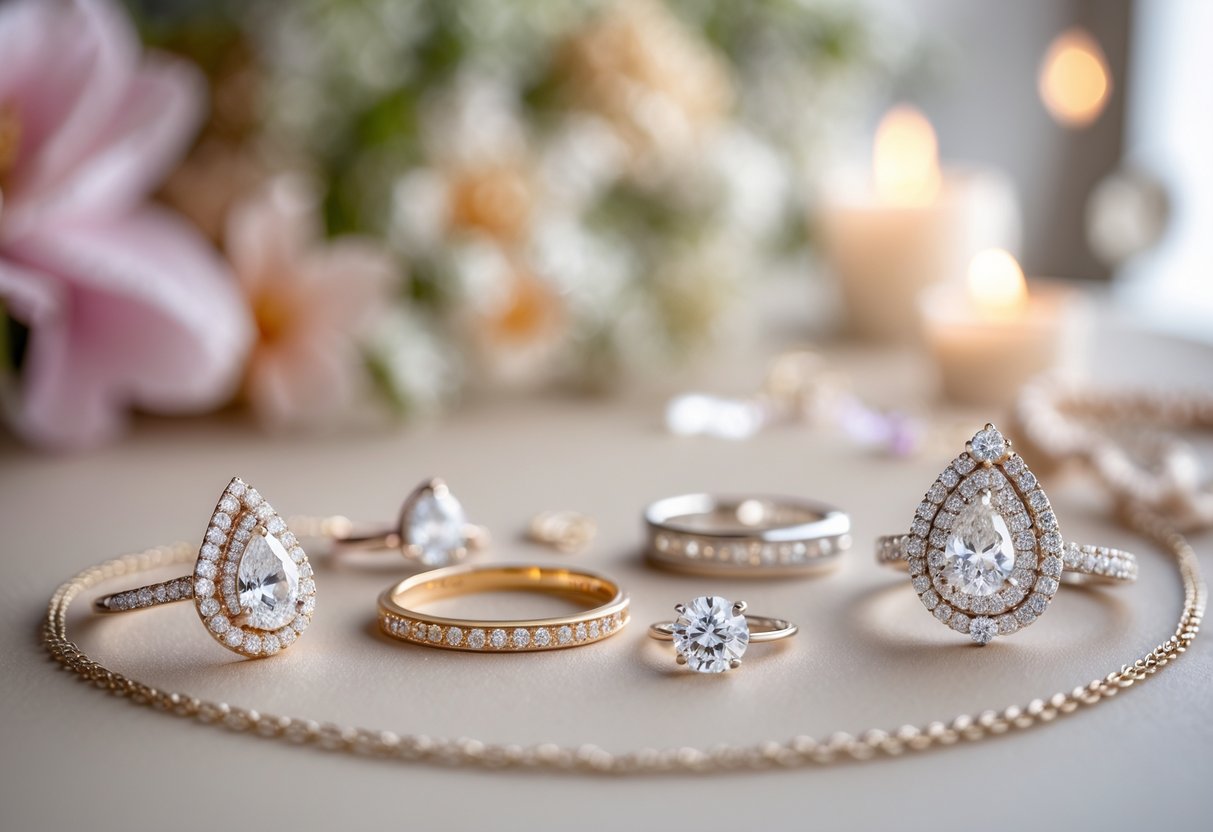
Jewelry gifts for celebrants range from elegant necklaces with meaningful pendants to sophisticated cufflinks that add polish to formal attire. Each piece serves as both a wearable thank-you and a lasting reminder of the special ceremony they helped create.
Necklaces make excellent gifts for female celebrants because they work with many different outfits. Simple chain necklaces with small pendants offer versatility for everyday wear.
Heart-shaped pendants carry special meaning for wedding ceremonies. They symbolize the love the celebrant helped unite. Some couples choose pendants with birthstones or small engravings.
Wedding officiant necklace gifts often come with message cards that express gratitude. These cards add a personal touch to the gift.
Religious symbols work well for faith-based celebrants. Cross pendants, Star of David charms, or other spiritual symbols show respect for their beliefs. The metal choice matters too - gold, silver, and rose gold each offer different looks.
Length affects how the necklace will be worn. Shorter chains sit closer to the neck. Longer chains can be layered with other jewelry pieces.
Male celebrants often wear formal attire during ceremonies. Cufflinks and tie pins enhance their professional appearance while serving as meaningful keepsakes.
Cufflinks come in many styles. Simple metal designs work for any occasion. Engraved cufflinks can include wedding dates or initials. Some feature small gemstones or unique shapes.
Tie pins keep neckties in place during ceremonies. They prevent ties from moving around while the celebrant speaks or moves. Classic designs include simple bars or small decorative elements.
Materials range from stainless steel to precious metals. Silver and gold cufflinks offer timeless appeal. Some couples choose materials that match the wedding rings or other ceremony elements.
Presentation boxes make these gifts feel more special. Many cufflinks and tie pins come in small jewelry boxes that protect them and enhance the gifting experience.
Bracelets work well for celebrants who prefer subtle jewelry pieces. They stay mostly hidden under sleeves but provide a constant reminder of the special day.
Adjustable knot cuff bangles offer one-size-fits-most convenience. These pieces work for celebrants of different wrist sizes without sizing concerns.
Tennis bracelets feature continuous lines of small stones or beads. They offer elegance without being too flashy. Chain bracelets provide classic appeal with various link styles.
Charm bracelets allow for customization. Couples can add charms that represent their relationship or the ceremony. Wedding bells, hearts, or date charms create personal touches.
Metal bangles come in different finishes. Rose gold, silver, and gold each create different looks. Some celebrants prefer mixing metals with their existing jewelry collections.
Brooches and lapel pins attach to clothing and add elegant touches to formal wear. They work well for celebrants who wear jackets, blazers, or formal robes during ceremonies.
Traditional brooches feature decorative designs with secure backing pins. Floral patterns, geometric shapes, and vintage-inspired designs offer various style options. Some include small gemstones or pearls for added elegance.
Lapel pins provide smaller, more subtle options. They attach to jacket lapels without overwhelming the outfit. Simple designs work best for formal ceremonies.
Religious celebrants might appreciate pins that reflect their faith traditions. These pieces honor their spiritual role while adding personal meaning to the gift.
Quality backing mechanisms ensure pins stay securely attached during ceremonies. Look for pieces with strong clasps that won't fall off during movement or gesturing.
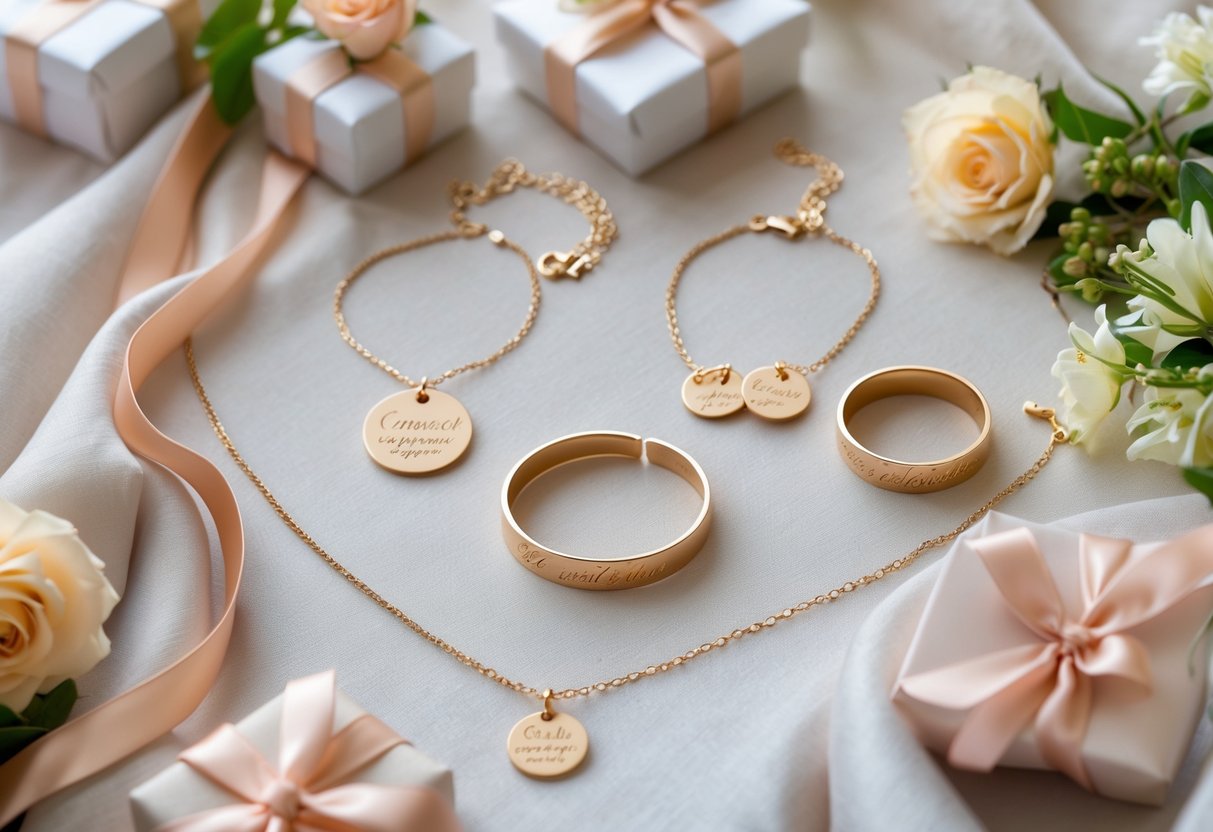
Personal engravings turn ordinary jewelry into meaningful keepsakes that celebrate your celebrant's unique role in your ceremony. Symbolic elements and custom designs create lasting reminders of their contribution to your special day.
Wedding dates and the celebrant's name create the foundation for meaningful engravings. Many couples choose to include the ceremony date alongside a simple "Thank You" message.
Short phrases work best on most jewelry pieces. Engraving ideas for personalized jewelry extend beyond basic names and dates. Consider messages like "With Gratitude" or "You Made Our Day Perfect."
The celebrant's full name pairs well with their title. Adding "Reverend," "Justice," or "Captain" creates a formal touch that honors their position.
Coordinate names make powerful engravings too. "John & Sarah" followed by the wedding date creates a personal connection to your specific ceremony.
Popular engraving combinations include:
Religious symbols reflect the celebrant's faith background and ceremony style. Crosses, Stars of David, or infinity symbols add visual meaning to customized jewelry pieces.
Heart symbols work universally for all ceremony types. They represent the love and commitment the celebrant helped create during your wedding.
Meaningful quotes require careful selection due to space limits. Choose phrases under 10 words for clear readability on jewelry surfaces.
Common symbolic elements:
Scripture verses or spiritual quotes resonate with religious celebrants. Select meaningful passages that reflect their beliefs or your ceremony readings.
Secular celebrants appreciate quotes about love, commitment, or life's journey. These create personal connections without religious overtones.
Professional jewelers offer expertise in creating one-of-a-kind pieces that standard retailers cannot match. They understand metal properties and design limitations for custom jewelry projects.
Share your ceremony details with the designer. Wedding themes, colors, or special elements can inspire unique design features in the final piece.
Dangle name pendants offer versatile customization options for celebrant gifts. Multiple charms can represent different ceremony elements or personal touches.
Collaboration process typically includes:
Budget discussions happen early in the design process. Custom work varies significantly based on materials, complexity, and timeline requirements.
Allow 4-6 weeks for custom jewelry creation. Rush orders cost more and limit design options available for your project.
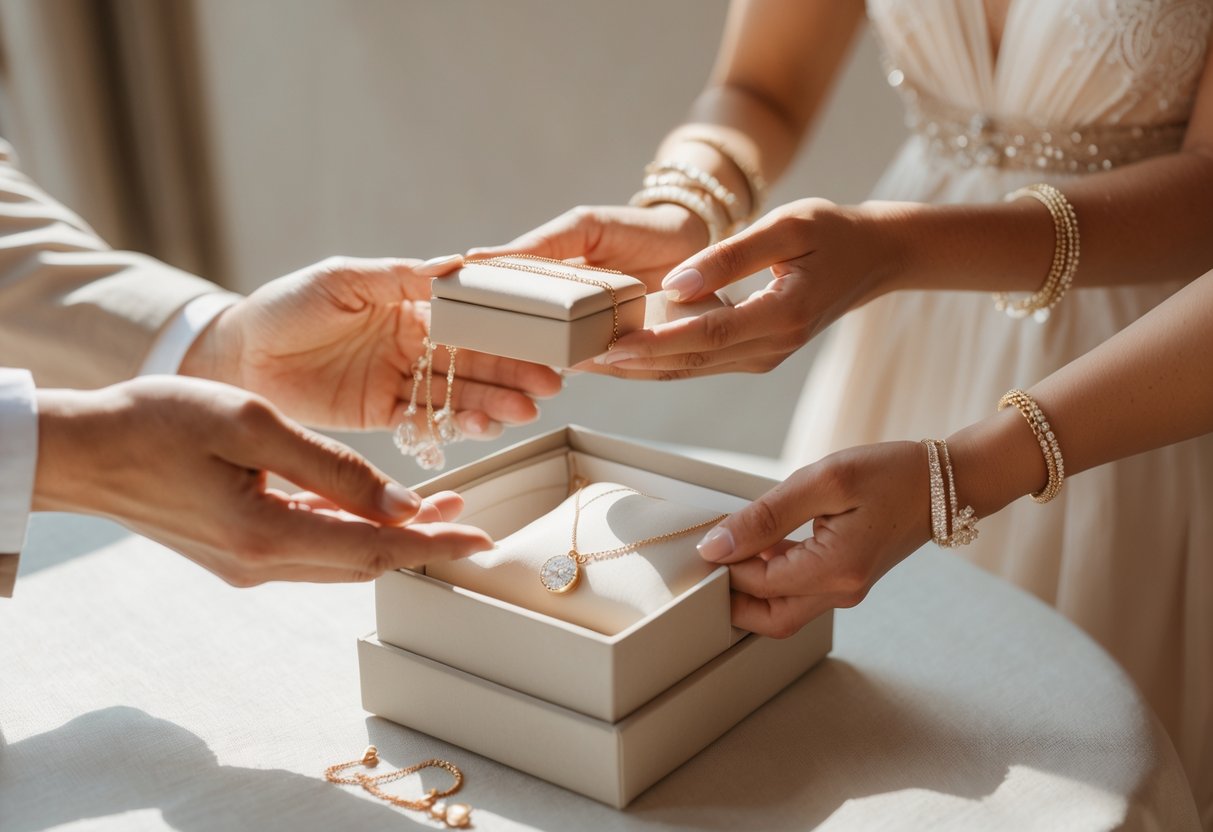
The way you present jewelry to your celebrant can transform a simple gift into a meaningful moment of gratitude. The timing, presentation method, and coordination with other participants all play important roles in creating a memorable experience that honors their contribution to your special day.
Most couples present jewelry gifts to their celebrant during the rehearsal dinner or immediately after the ceremony. The rehearsal dinner offers a relaxed setting where you can speak personally with your officiant.
Post-ceremony presentations work well for intimate gatherings. You can pull your celebrant aside during cocktail hour for a private moment of thanks.
Some couples choose to surprise their loved ones with jewelry presents by timing the gift earlier in the week. This allows the celebrant to wear the piece during your ceremony.
Best timing options:
A handwritten note is the perfect way to show your gratitude when presenting jewelry gifts. Include specific details about why you chose that particular piece.
Consider using creative ways to present jewelry gifts rather than simply handing over a jewelry box. You might place the gift on a special tray with a personal message written around the edge.
Vintage boxes in good condition create elegant presentations that don't require additional wrapping. These containers often become keepsakes themselves.
Presentation elements to include:
When multiple people officiate your ceremony, coordinate gifts to ensure consistency and fairness. Co-officiants should receive jewelry of similar value and style.
Choose complementary pieces rather than identical ones. If giving cufflinks to one officiant, consider a tie clip or lapel pin for the other.
Establish a budget range with your partner early in planning. This prevents awkward situations where gift values differ significantly between officiants.
Coordination strategies:
Consider having one person handle all officiant gifts to maintain consistency in presentation style and timing.
A heartfelt thank you message transforms jewelry into a treasured keepsake that honors the officiant's special role. The right words express genuine gratitude and create a lasting connection between the gift and the meaningful service they provided.
The note accompanying jewelry should acknowledge the officiant's unique contribution to the ceremony. Start with specific details about their performance rather than generic compliments.
Key elements to include:
Keep the tone warm but respectful. Mention how their guidance helped create lasting memories.
For wedding officiants, highlight how they captured the couple's love story. For funeral officiants, acknowledge their compassion during a difficult time.
The message should feel authentic to your relationship with them. Avoid overly formal language unless that matches your usual communication style.
Thank you messages for officiants should reflect the specific ceremony type and your genuine feelings.
For Wedding Officiants: "Thank you for bringing our love story to life during the ceremony. Your thoughtful words made our special day even more meaningful."
"Your guidance helped us feel calm and confident as we exchanged vows. This jewelry is a small token of our deep appreciation."
For Funeral Officiants: "Your compassionate words brought comfort to our family during our time of grief. Thank you for honoring [name]'s memory so beautifully."
For General Ceremonies: "Thank you for making our ceremony personal and heartfelt. Your presence added warmth and meaning to this important day."
Each message should connect the gift to their service. Mention how the jewelry symbolizes the lasting impact of their words and presence.
Personal touches make thank you messages memorable and meaningful. Reference specific elements from the ceremony that stood out.
Personalization strategies:
Consider the officiant's personality when choosing your tone. Some prefer formal recognition while others appreciate casual warmth.
Timing matters. Send the note within two weeks of the ceremony while emotions remain fresh.
Write in your natural voice rather than copying formal templates. Authentic gratitude resonates more than perfect prose.
Keep the message focused on their contribution rather than your own experience. This shows respect for their professional role and personal investment in your ceremony.
While jewelry makes a meaningful gift for celebrants, some couples prefer different approaches or want to enhance their jewelry gift with additional touches. Creative alternatives and complementary gifts can show appreciation while respecting personal preferences or budget considerations.
Experiential gifts offer memorable alternatives to traditional jewelry. Spa day packages provide relaxation after the ceremony stress. Wine tasting experiences or cooking classes create lasting memories.
Practical luxury items serve daily purposes while showing thoughtfulness. High-quality leather journals allow celebrants to record future ceremonies. Professional massage gift certificates help them unwind.
Professional development gifts support their career growth. Books about ceremony planning or public speaking enhance their skills. Conference tickets or workshop enrollments show investment in their future.
Home and office items improve their workspace. Beautiful desk accessories like pen sets or letter openers add elegance. Custom nameplates or business card holders reflect their professional status.
Food and beverage gifts appeal to many celebrants. Premium coffee subscriptions fuel busy schedules. Local artisan chocolates or gourmet gift baskets provide indulgent treats.
Handwritten thank you notes create emotional connections when paired with jewelry gifts. Personal messages explaining why you chose specific pieces add meaning beyond the physical gift.
Custom gift wrapping elevates the presentation experience. Using wedding colors or meaningful symbols shows extra thought. Fabric gift bags can be reused for their ceremonial items.
Photo albums or scrapbooks document the ceremony alongside jewelry gifts. Include pictures from the planning process through the wedding day. Add space for future ceremony photos they officiate.
Complementary accessories enhance jewelry gifts perfectly. Silk scarves coordinate with necklaces or brooches. Elegant gloves pair beautifully with bracelet gifts.
Gift presentation timing affects the overall impact. Present jewelry before the ceremony so they can wear it during your wedding. This creates special meaning and photo opportunities.
Religious organization donations honor celebrants who serve faith communities. Contributing to their church building fund or mission programs reflects shared values.
Education-focused charities appeal to celebrants who value learning and growth. Scholarship funds or literacy programs align with their role in life ceremonies.
Community service organizations reflect the celebrant's dedication to helping others. Local food banks or homeless shelters benefit from donations made in their honor.
Professional association contributions support their career field directly. Marriage counseling organizations or interfaith dialogue groups advance their professional interests.
Personalized donation certificates make charitable gifts more meaningful. Include details about why you selected specific organizations. Frame certificates for lasting recognition of their service.
Showing appreciation to your officiant creates benefits that extend far beyond the wedding day itself. This gratitude builds stronger professional relationships and sets a positive example for future couples.
A meaningful gesture of thanks transforms a professional service into a lasting relationship. Many couples choose to maintain connections with their officiant for future family milestones.
Building Trust Through Recognition
When couples express genuine appreciation, it demonstrates respect for the officiant's expertise and dedication. This recognition builds trust and creates deeper relationships that can benefit both parties.
Officiants who feel valued are more likely to:
Creating Professional Advocates
Appreciated officiants often become enthusiastic advocates for couples within their professional networks. They share positive experiences with other vendors and recommend couples to colleagues.
This relationship-building approach proves especially valuable for couples who plan to stay in the same community. The officiant becomes a trusted resource for future celebrations and life events.
When couples show appreciation to their officiant, they model behavior that influences their entire wedding experience. This approach creates positive interactions with all vendors and service providers.
Setting an Example for Others
Wedding guests observe how couples treat their service providers during the ceremony. Thoughtful appreciation demonstrates values that extend beyond the wedding day itself.
The psychology of appreciation shows that gratitude creates positive ripple effects throughout social networks. Wedding parties often adopt similar appreciation practices in their own celebrations.
Influencing Vendor Relationships
Vendors who witness genuine appreciation between couples and officiants often provide enhanced service levels. They recognize couples who value professional expertise and dedication.
This culture of gratitude typically results in:
Many officiants continue playing important roles in couples' lives after the wedding ceremony. They officiate anniversary celebrations, baby blessings, and other family milestones.
Maintaining Meaningful Connections
Celebrants often become trusted advisors who understand couples' values and relationship dynamics. This knowledge makes them ideal choices for future ceremonies and celebrations.
Regular appreciation helps maintain these valuable relationships over time. Simple gestures like holiday cards or anniversary updates keep connections strong and meaningful.
Creating Legacy Relationships
Some couples develop multi-generational relationships with their officiant. The same celebrant may officiate weddings for children, grandchildren, and extended family members.
These legacy relationships provide continuity and deeper meaning to family celebrations. The officiant becomes part of the family's story and traditions.
Supporting Professional Growth
Ongoing appreciation and referrals help celebrants build successful practices. Satisfied couples become their best marketing resources through word-of-mouth recommendations.
This support creates a positive cycle where experienced officiants continue serving families with dedication and expertise. The investment in appreciation pays dividends for years to come.
Selecting jewelry for a celebrant involves specific considerations around appropriateness, timing, and personalization. Cultural significance and presentation etiquette play important roles in making these gifts meaningful and respectful.
Pendants and necklaces are popular choices for celebrants, particularly those featuring meaningful symbols like infinity signs, hearts, or spiritual motifs. These pieces can be worn during future ceremonies as a reminder of the special occasion.
Bracelets offer another versatile option that many celebrants appreciate. Simple chain bracelets or those with small charms work well for both male and female officiants.
Cufflinks serve as an excellent choice for male celebrants who wear formal attire during ceremonies. Engraved designs or those featuring religious or spiritual symbols add personal significance.
Earrings are commonly given to female celebrants, with studs or small hoops being practical choices that won't interfere with their ceremonial duties. Pearl or gemstone options provide elegant touches.
The celebrant's personal style should guide the selection process. Observe whether they typically wear simple, understated pieces or prefer more elaborate designs during ceremonies.
Consider the celebrant's professional requirements and ceremony attire. Some religious or secular officiants have specific dress codes that might limit jewelry options.
Budget plays a practical role in selection. Meaningful gifts don't require expensive materials, and thoughtful choices often matter more than cost.
The ceremony type influences appropriateness. Wedding celebrants might appreciate romantic symbols, while those officiating memorial services might prefer more subdued options.
Religious affiliations require careful consideration when choosing symbolic elements. Cross pendants work well for Christian celebrants, while other faiths have their own meaningful symbols.
Cultural backgrounds influence preferences for materials, colors, and designs. Some cultures view specific gemstones or metals as particularly auspicious or meaningful.
Secular celebrants often appreciate universal symbols like trees of life, infinity signs, or nature-inspired designs that don't carry specific religious connotations.
Professional boundaries matter in some traditions. Certain religious denominations have guidelines about gifts that officiants can accept from those they serve.
Timing matters significantly for gift presentation. Most couples present celebrant gifts during the rehearsal dinner or immediately after the ceremony, rather than during the actual service.
Private presentation often works better than public acknowledgment during the ceremony itself. This approach avoids disrupting the ceremonial flow and maintains focus on the main event.
The presentation should include a brief, heartfelt message explaining the gift's significance. A handwritten note often accompanies the jewelry to express gratitude properly.
Some couples designate a wedding party member or family member to handle the presentation. This delegation ensures the couple can focus on their ceremony without worrying about logistics.
Engraving adds personal touches that transform simple pieces into meaningful keepsakes. Popular options include the ceremony date, couple's initials, or short meaningful phrases.
Stone selection can reflect personal connections. Birthstones of the couple or celebrant create special significance, while stones with healing properties might appeal to spiritually-minded officiants.
Custom design elements allow for unique personalization. Incorporating symbols that represent the couple's relationship or the celebrant's interests creates one-of-a-kind pieces.
Packaging enhances the personal touch. Beautiful presentation boxes or pouches, especially when paired with handwritten notes, demonstrate thoughtfulness and care.
Personalized keepsakes offer lasting appreciation without requiring jewelry preferences. Engraved picture frames, custom artwork, or commemorative plaques serve as meaningful alternatives.
Experience gifts provide memorable options for celebrants who prefer practical presents. Spa treatments, restaurant gift certificates, or weekend getaways show appreciation through experiences.
Professional items support the celebrant's ongoing work. High-quality ceremony books, elegant pens for signing documents, or professional accessories demonstrate practical thoughtfulness.
Charitable donations made in the celebrant's name honor their service while supporting causes they value. This option works particularly well for religious officiants or those with known charitable interests.