
Your Cart is Empty
A ceremony becomes truly meaningful when it reflects the couple's deepest values and personal journey together. Many couples today seek ways to move beyond traditional wedding elements to create celebrations that authentically represent their beliefs, experiences, and vision for their future. The right jewelry choices can transform a ceremony from a standard celebration into a deeply personal reflection of a couple's unique story and shared values.
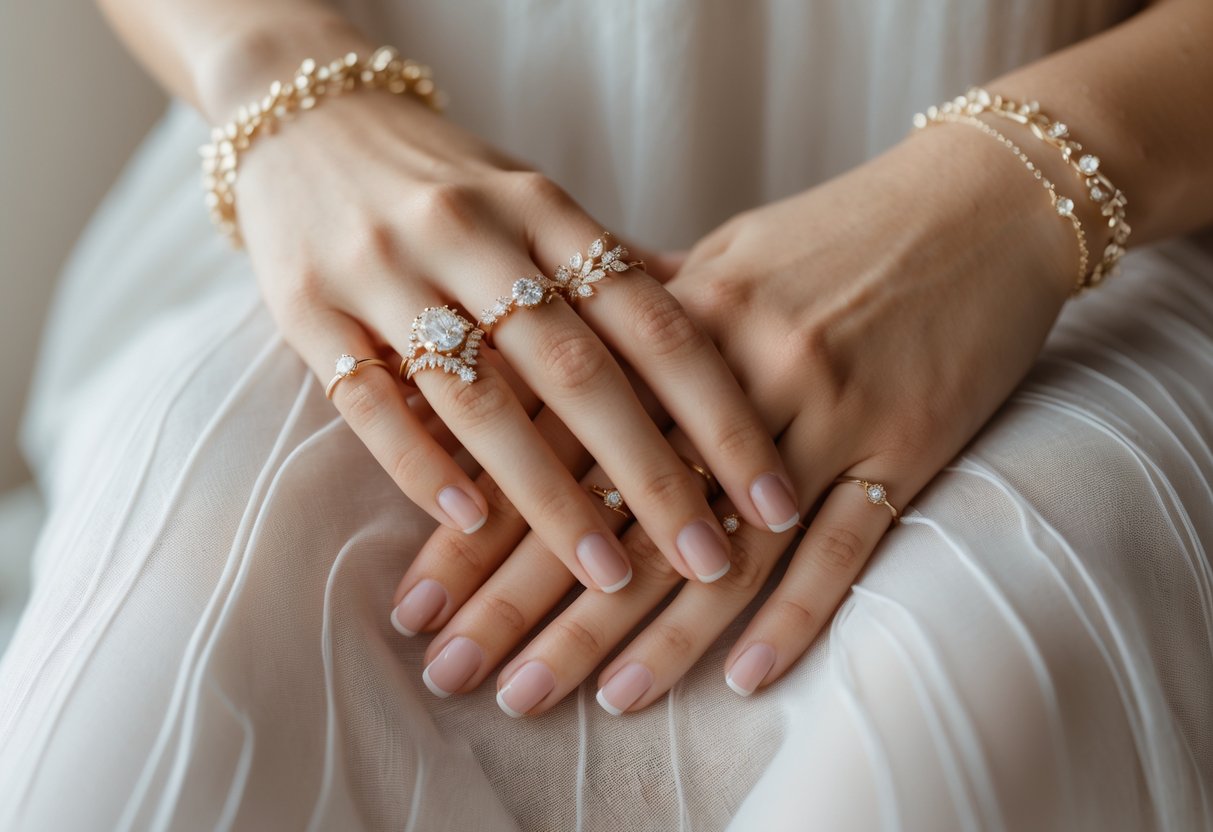
Personalized vow renewals offer couples the perfect opportunity to redesign their celebration around what matters most to them. Whether they choose ethically sourced stones, incorporate family heirlooms, or select pieces that represent their cultural heritage, jewelry becomes more than decoration. It serves as a tangible symbol of their commitment and the principles they hold dear.
From ancient handfasting traditions to modern unity ceremonies, couples can weave meaningful rituals into their celebration while selecting jewelry that supports their values. The process of choosing pieces that align with their beliefs about sustainability, craftsmanship, and symbolism creates lasting memories that extend far beyond the ceremony itself.
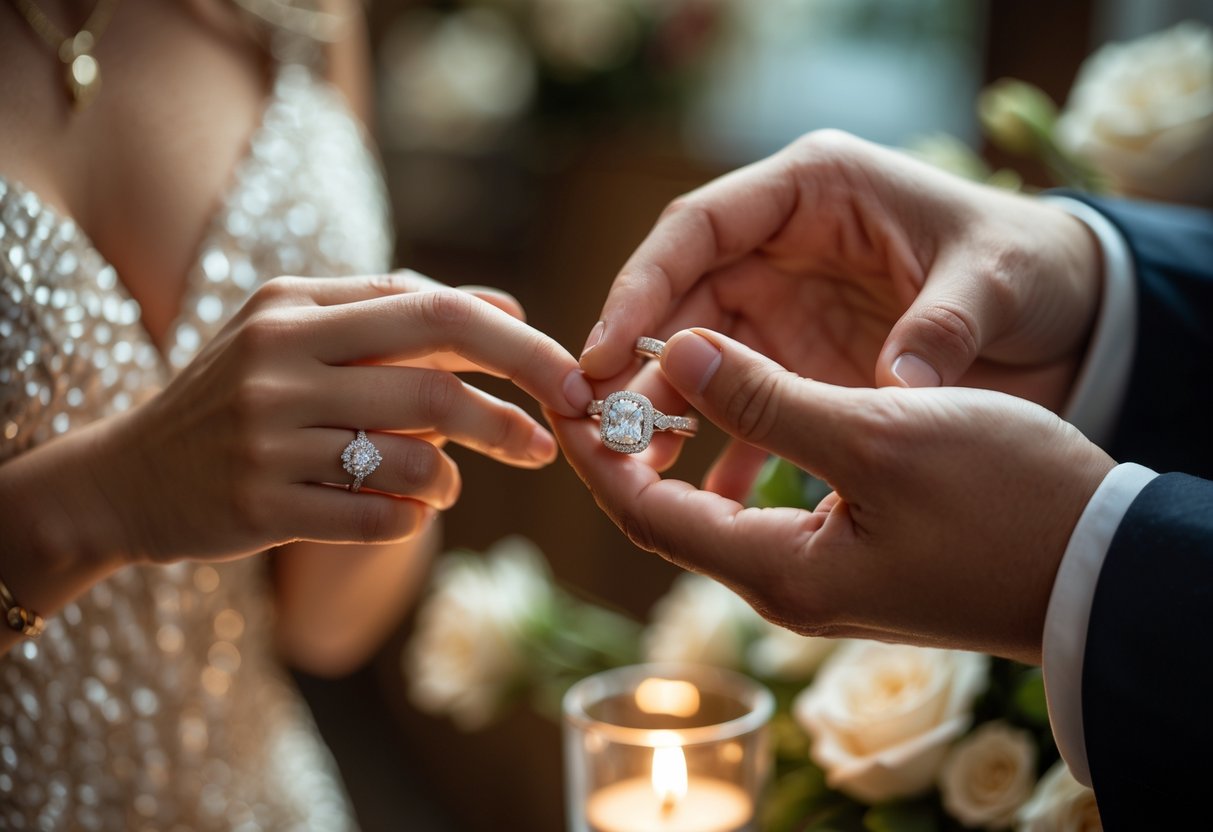
Wedding jewelry carries deep symbolic meaning that goes beyond mere decoration, representing the couple's commitment, values, and personal story. Each piece becomes a tangible symbol of love and connection that reflects the unique nature of their relationship.
Wedding rings serve as the most recognized symbol of commitment in ceremonies worldwide. The circular shape represents an unending bond between partners, with no beginning or end.
Wedding bands made from precious metals like solid gold symbolize the enduring nature of marriage vows. The finger placement connects to ancient beliefs about direct pathways to the heart.
Different gemstones add layers of meaning to commitment jewelry:
Couples often choose stones that reflect their personalities or relationship journey. Some select birthstones to represent each partner, creating a unified symbol of their bond.
Personalized jewelry holds emotional significance by representing special moments in a couple's journey together. These pieces become physical reminders of promises made and love shared.
Engraved details transform simple jewelry into meaningful keepsakes. Wedding dates, coordinates of first meetings, or personal messages create lasting connections to ceremony memories.
Custom designs allow couples to incorporate symbols that reflect their shared values:
| Symbol Type | Meaning | Example |
|---|---|---|
| Religious | Faith and spirituality | Cross, Star of David |
| Nature | Growth and natural beauty | Tree of life, flowers |
| Cultural | Heritage and tradition | Celtic knots, infinity symbols |
These milestone pieces serve as daily reminders of wedding vows and commitments made during the ceremony.
Family heirlooms bring generational meaning to wedding ceremonies. Jewelry passed down through families creates connections between past, present, and future generations.
Incorporating inherited pieces honors family traditions while creating new memories. Grandmothers' rings, family brooches, or vintage necklaces add emotional depth to wedding jewelry selections.
Creating wedding jewelry stacks with existing pieces builds sentimental value before the ceremony itself. This practice involves loved ones in the jewelry selection process.
Modern couples often redesign inherited pieces to match contemporary styles while preserving original elements. Stones from family rings might be reset into new designs that reflect current tastes.
These heirloom connections create lasting legacies that couples can eventually pass to their own children, continuing the symbolic tradition of meaningful jewelry in family ceremonies.
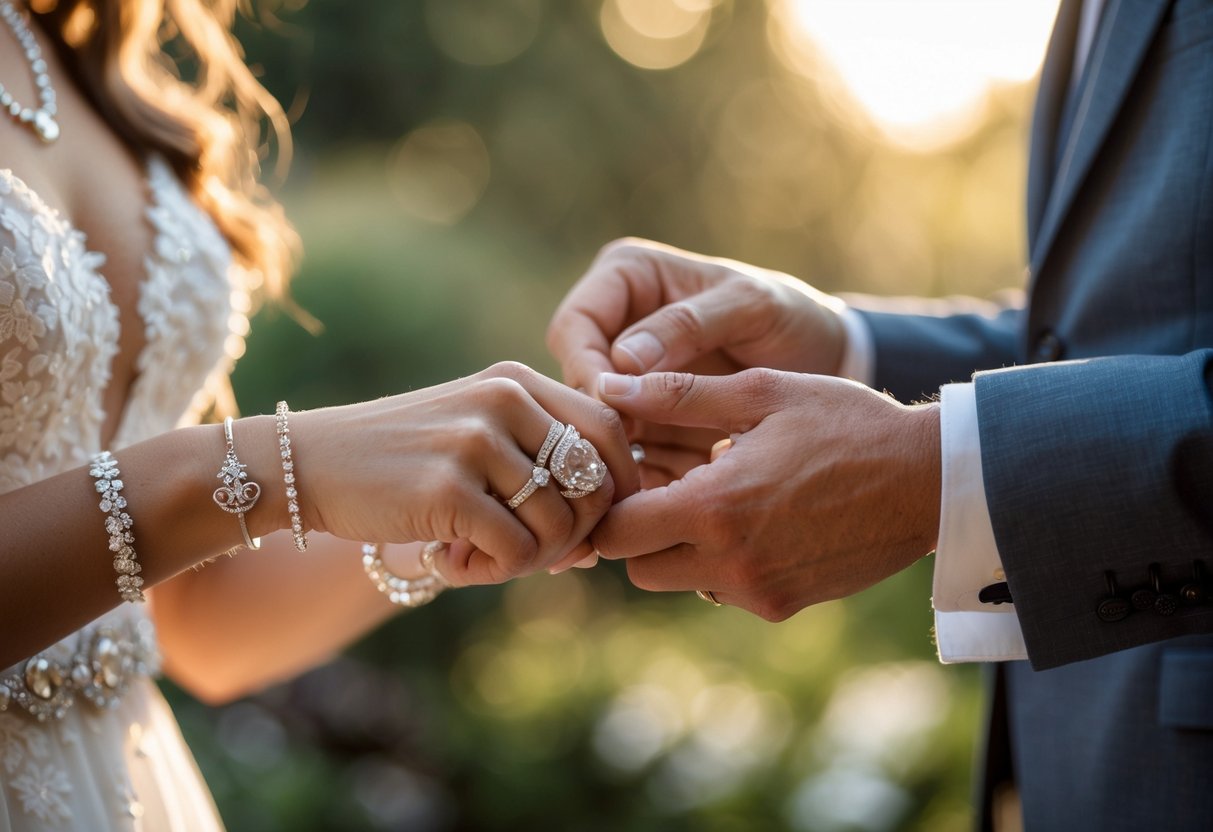
Building a ceremony around shared values requires thoughtful planning and open communication between partners. The process involves identifying core beliefs, weaving personal meaning into traditional elements, and finding ways to honor both individual backgrounds and collective dreams.
Couples must start by identifying what matters most to them through honest conversations about their core principles. This process works best when both partners write down their individual values first, then compare lists to find common ground.
Key Values to Discuss:
Partners should narrow their combined list to 4-5 core values that truly represent their relationship. These values become the foundation for ceremony planning decisions.
A vow renewal ceremony offers couples the chance to revisit and redefine these shared principles. Many couples find their values have evolved since their original wedding day.
The discussion process itself strengthens relationships. Partners learn more about each other's motivations and dreams for their future together.
Personal beliefs shape every aspect of ceremony design, from venue selection to ritual choices. Couples can weave in personal rituals that reflect their unique journey together.
Design Elements That Reflect Values:
Religious or spiritual couples often include prayers, blessings, or sacred texts. Non-religious couples might choose poetry, philosophical readings, or personal letters.
A personalized vow renewal allows couples to incorporate beliefs they've developed over years of marriage. These ceremonies often feel more authentic because couples have lived their values together.
Environmental values might inspire outdoor ceremonies or sustainable decoration choices. Couples focused on community service could include charitable donations or volunteer commitments.
Successful ceremonies balance respect for tradition with personal expression. Couples can modify traditional elements while maintaining their essential meaning and significance.
Traditional Elements to Personalize:
Mixed-faith couples often create beautiful blends of different religious traditions. They might include elements from both backgrounds in one cohesive ceremony.
Cultural traditions gain new meaning when couples explain their significance to guests. This education helps everyone understand why certain rituals matter to the couple.
A unity ceremony can incorporate elements from both partners' backgrounds. Some couples plant trees together, mix different colored sands, or light candles representing their families.
Modern couples often update traditional vows to reflect contemporary values like equality and partnership. They keep the commitment aspect while using language that feels authentic to their relationship.
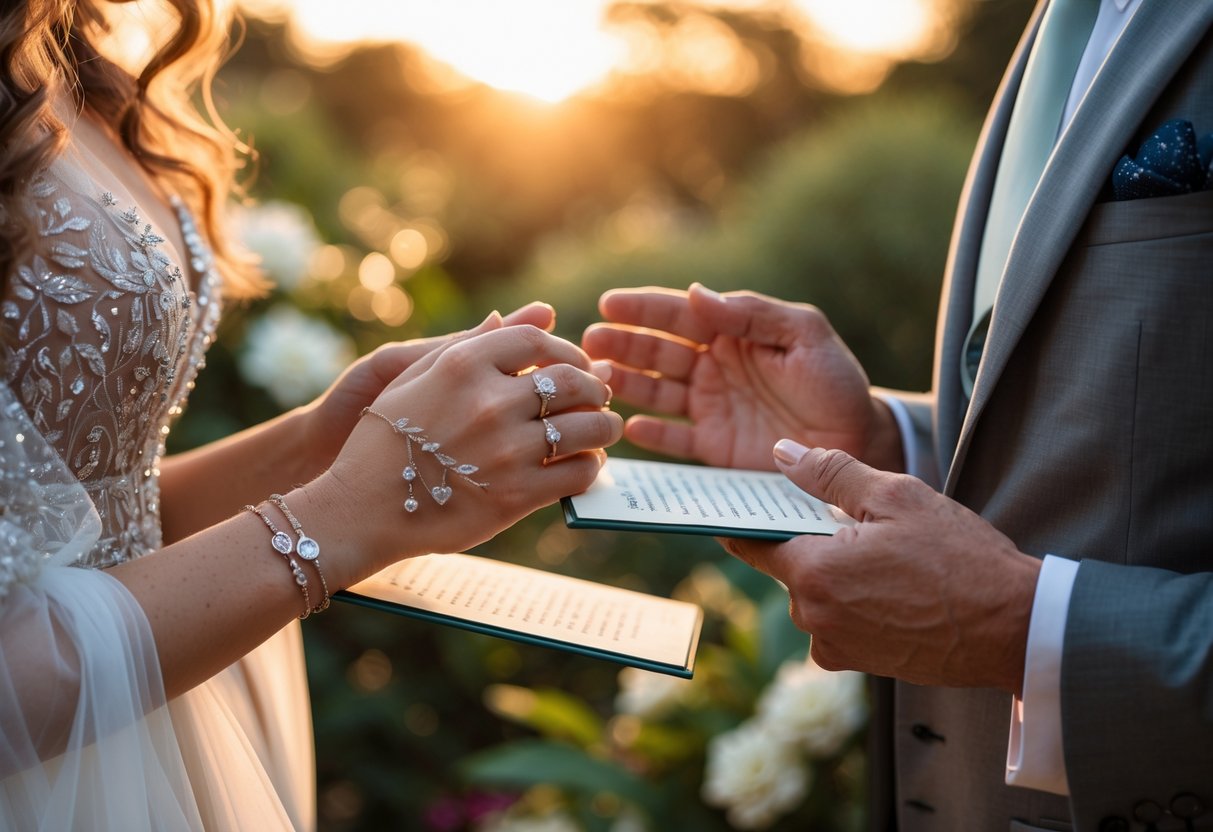
A vow renewal ceremony offers couples the freedom to create a day filled with joy and emotion that reflects their unique journey together. The key lies in crafting vows that speak to their specific experiences and writing promises that capture how their relationship has evolved over time.
Writing personalized vows allows couples to express their love and commitment in ways that feel authentic to their relationship. Custom vows move beyond traditional language to include personal stories and shared memories.
Couples should consider incorporating specific moments that defined their marriage. These might include challenges they overcame together or adventures they shared. Inside jokes and private moments between partners add intimacy to the ceremony.
Elements to include in custom vows:
The tone can be serious, playful, or a mix of both. Some couples choose to be humorous while others prefer heartfelt sentiment. The length should feel comfortable for both partners to read aloud.
A vow renewal ceremony provides the perfect opportunity to acknowledge significant moments from the couple's marriage. These milestones serve as touchstones that demonstrate how their relationship has grown and deepened.
Major life events deserve recognition in personalized vows. Moving to a new city, buying their first home, or starting a family all represent important chapters. Career changes, health challenges, and personal growth moments also shape a marriage's story.
Common milestones to acknowledge:
Couples can reference how these experiences changed them individually and as a partnership. They might mention how supporting each other through difficult times strengthened their bond.
Modern vow renewals focus on promises that acknowledge how the relationship has evolved since the original wedding day. These promises should reflect the couple's current understanding of marriage and their commitment moving forward.
The promises can address lessons learned from their years together. They might commit to continuing patterns that have served them well or pledge to improve in areas where they've struggled.
Types of promises to consider:
Couples should avoid making unrealistic promises they cannot keep. Instead, they should focus on commitments that feel achievable and meaningful. The promises work best when they acknowledge both partners' personalities and the unique dynamics of their relationship.
Some couples choose to make promises that reference their children or extended family members. Others focus entirely on their partnership as a couple.
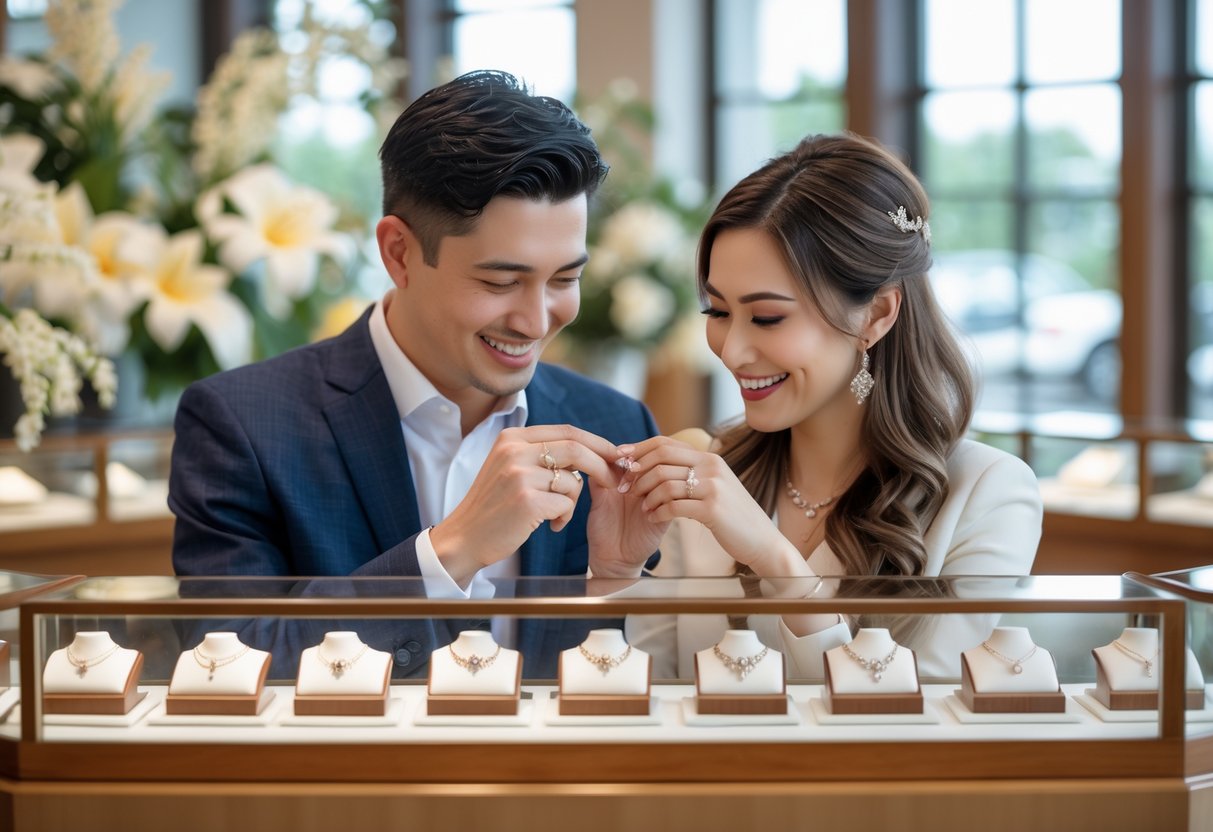
Finding the right jewelry for your vow renewal means choosing pieces that reflect your personal style while honoring your journey together. The options range from upgrading existing rings to exploring unique materials and adding meaningful personal touches.
Your jewelry should tell your unique love story. Some couples prefer classic elegance with traditional diamond solitaires or simple gold bands. Others gravitate toward vintage-inspired designs with intricate details and milgrain accents.
Consider your lifestyle when selecting styles. Active couples often choose lower-profile settings or bezel mountings that protect stones from daily wear. Those who love glamour might opt for upgrading to larger stones or adding accent diamonds.
Modern couples increasingly choose stackable rings that can grow with their relationship. These allow for adding anniversary bands or birthstone rings over time.
Think about how the new pieces will complement your existing jewelry collection. The goal is creating a cohesive look that feels authentically you.
Traditional gold and diamonds remain popular, but many couples explore unique alternatives for their vow renewal. Rose gold offers warmth and romance, while platinum provides durability and hypoallergenic properties.
Colored gemstones add personal meaning to vow renewal jewelry. Sapphires represent loyalty and wisdom. Emeralds symbolize rebirth and new beginnings. Many couples choose their birthstones or anniversary stones.
Lab-created diamonds and moissanite provide ethical alternatives with exceptional brilliance. These options often allow for larger stones within budget constraints.
Consider mixing metals for contemporary appeal. Two-tone designs can bridge different eras of your relationship while creating visual interest.
Personalization transforms ordinary jewelry into meaningful heirlooms. Custom wedding gifts for her often include engraved messages, dates, or coordinates of special places.
Inside band engravings remain hidden but deeply personal. Popular choices include wedding dates, vow renewal dates, or short phrases like "Still Do" or "Forever."
Dangle name pendants offer another way to incorporate names, children's initials, or meaningful words into vow renewal jewelry.
Custom settings allow incorporating family heirlooms or stones from original wedding rings. This creates new pieces while honoring the past. Some couples choose to have their original wedding bands reworked or melted down to create entirely new designs.
Fingerprint engravings, handwriting reproductions, or sound wave patterns of spoken vows add ultra-personal touches to rings or pendants.
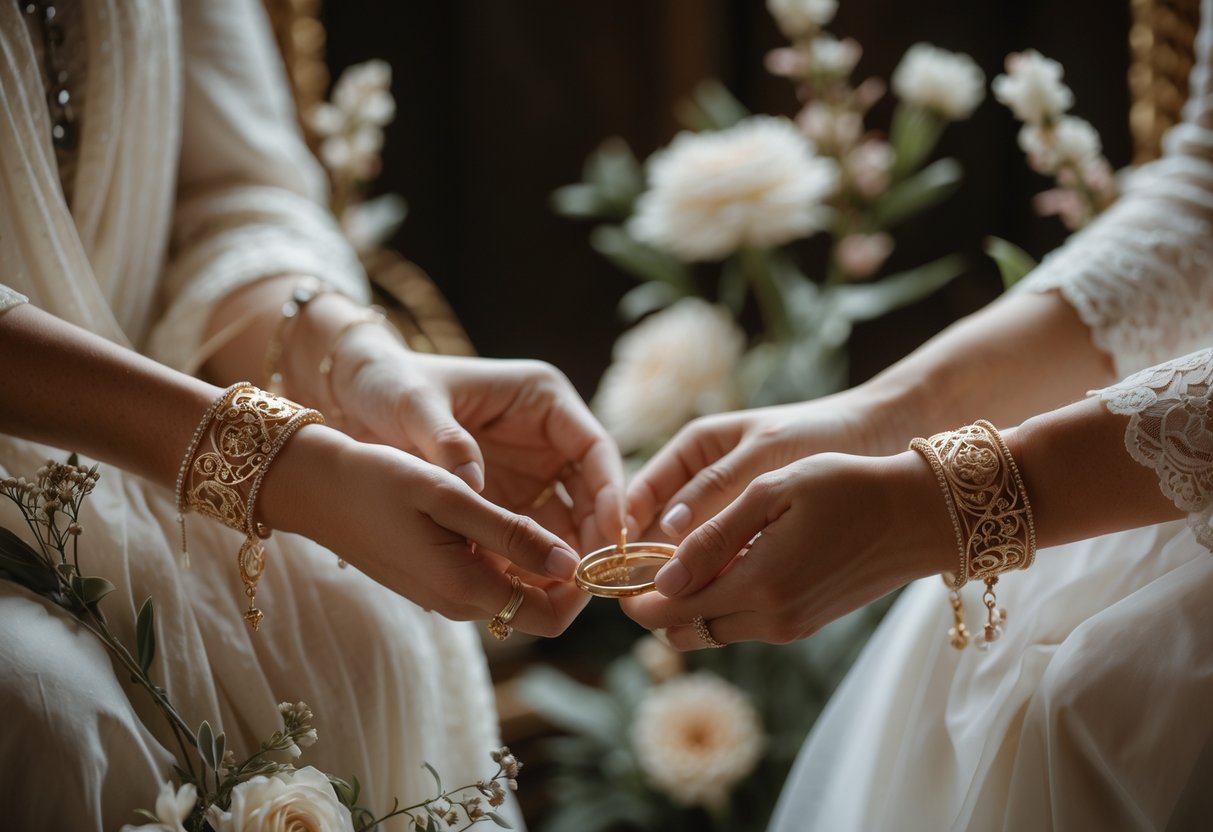
Unity ceremonies create lasting memories through symbolic acts that represent two lives joining together. Couples can enhance these meaningful moments by incorporating special jewelry pieces that commemorate their commitment and serve as permanent reminders of their wedding day promises.
Many couples choose to incorporate jewelry beyond traditional wedding bands into their unity ceremony rituals. Custom pendants or matching bracelets can be exchanged during sand blending ceremonies. Each piece represents the individual lives coming together.
Popular jewelry integration options include:
Handfasting ceremonies work especially well with jewelry elements. Couples can bind their hands with ribbons that hold small charms or pendants. These pieces become keepsakes after the ceremony ends.
Some couples design matching necklaces for unity sand ceremonies. Small glass vials contain colored sand from the ritual. The pendants serve as daily reminders of their wedding promises.
The unity candle ceremony remains one of the most popular wedding rituals. Couples light individual candles before joining flames to create one larger light. Jewelry pieces can enhance this traditional moment through thoughtful additions.
Candle ceremony jewelry enhancements:
Many couples choose flame-themed jewelry for vow renewal ceremonies. The symbolism connects back to their original unity candle moment. Small flame pendants or fire opal rings work particularly well for these occasions.
Couples can also commission jewelry pieces that incorporate actual wax from their unity candle. Skilled jewelers can embed small amounts of colored wax into resin pendants or cufflinks.
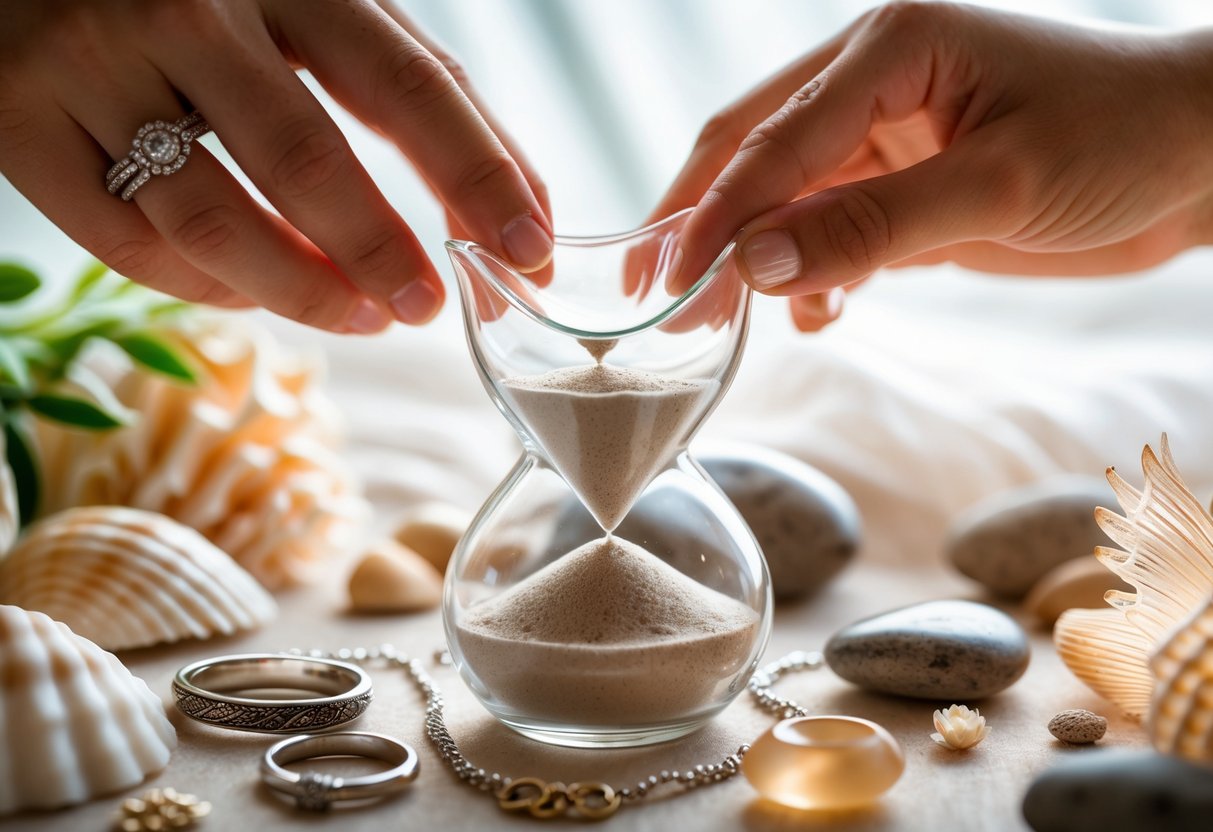
Sand ceremonies create lasting visual memories through colored layers that represent unity and connection. These meaningful rituals inspire jewelry designs that capture the same symbolic colors and layered beauty.
A sand ceremony is a symbolic act where individuals pour layers of colored sand into a central vessel. Each person uses their own unique color to represent their individuality.
The distinct layers show that each person keeps their uniqueness while becoming part of something bigger. Once poured, the sands cannot be separated, symbolizing the strength and permanence of the bond.
This unity ceremony works perfectly for weddings, vow renewals, and naming ceremonies. The blended colors create a one-of-a-kind pattern that no one else will ever have.
The final vessel becomes a treasured keepsake displayed in the home. It serves as a daily reminder of the special moment and the promises made during the ceremony.
Couples often choose jewelry that matches their sand ceremony colors to extend the symbolism beyond the event. Custom rings can feature gemstones in the same hues used during their unity ritual.
Popular Color Combinations:
Layered jewelry designs mirror the sand ceremony's visual effect. Stackable rings in different metals create the same graduated look as the sand layers.
Pendant necklaces can hold tiny amounts of the actual ceremonial sand in glass vials. This creates a wearable keepsake that connects directly to the original ceremony.
Some jewelers create custom pieces with colored resins that match the sand ceremony vessel. These designs capture the swirled, blended appearance of the mixed sands in permanent form.
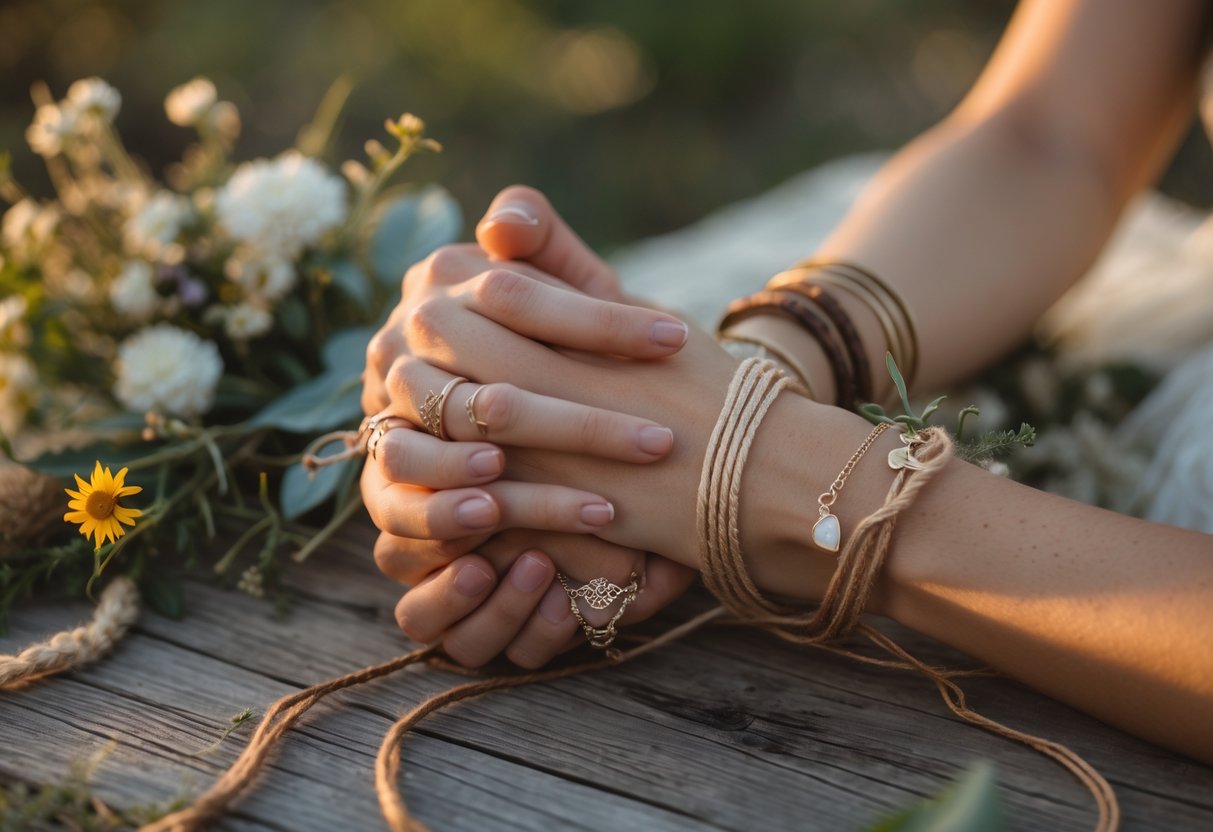
Handfasting ceremonies offer couples an ancient Celtic tradition that incorporates meaningful jewelry elements. Modern couples use specific jewelry pieces and binding materials to create personalized ceremonies that reflect their values.
Handfasting originated thousands of years ago in Celtic and Pagan cultures as a legitimate marriage practice. During medieval times, couples used cords, ribbons, or cloth to bind their hands together in front of family and friends.
The ceremony worked especially well in rural areas where churches were not available. Irish and Scottish communities recognized handfasting as an irregular marriage that did not require clergy.
Today's couples choose handfasting for various reasons. Some want to honor their Celtic heritage. Others prefer the spiritual elements that align with nature-based beliefs.
Many couples customize handfasting ceremonies to reflect their unique love story and values. The ritual works well for original weddings or personalized vow renewal ceremonies.
The binding cords serve as the primary jewelry element in handfasting rituals. Couples select specific colors, materials, and patterns for their handfasting cords based on personal meaning.
Popular cord materials include:
Color choices carry symbolic weight. Green represents growth and renewal. Gold symbolizes prosperity and joy. Red indicates passion and love.
Some couples incorporate additional jewelry pieces during the ceremony. Rings can be blessed before the hand binding. Bracelets or bangles may remain on wrists during the cord wrapping.
The cords themselves become keepsake jewelry that couples preserve after the ceremony. Many display them in shadow boxes or frame them as wedding art.
Modern couples increasingly seek jewelry that aligns with their personal values through responsibly sourced materials and ethical production practices. Sustainable jewelry considers the entire supply chain, from mining to crafting each piece.
Recycled metals offer the most environmentally friendly option for wedding jewelry. These materials reduce the need for new mining operations. Gold and platinum can be recycled repeatedly without losing quality.
Fair trade certified metals ensure miners receive fair wages and work in safe conditions. These certifications also guarantee that mining operations follow environmental protection standards.
Many jewelers now offer transparency reports that detail where materials come from. Couples can request documentation showing the origin of their metals and gems.
Conflict-free sourcing prevents jewelry purchases from funding armed conflicts. The Kimberley Process certification helps identify diamonds that meet these standards.
Choosing certified pieces supports ethical practices while aligning purchases with sustainable values. These materials often cost similar amounts to traditional options.
Lab-grown diamonds possess identical chemical and physical properties to mined diamonds. They require significantly less environmental impact and cost 30-40% less than mined stones.
Recycled gemstones from vintage jewelry or estate pieces offer unique character. These stones carry history while reducing demand for new mining operations.
Alternative gemstones like sapphires, emeralds, or birthstones provide colorful options with lower environmental impact. Many couples choose stones with personal meaning over traditional diamonds.
Quality remains consistent across lab-grown and recycled options. Professional certification ensures these gemstones meet the same standards as newly mined stones.
Cost savings from these choices allow couples to invest in higher quality settings or larger stones. The money saved can go toward other wedding expenses or future goals.
Custom engravings and meaningful symbols transform ceremony jewelry into powerful representations of personal beliefs and heritage. Family traditions and cultural elements create deeper connections that honor both individual values and shared histories.
Engravings allow couples to embed personal meaning into jewelry that reflects their core values. Religious symbols, nature motifs, or infinity signs can represent spiritual beliefs, environmental consciousness, or eternal commitment.
Coordinates of meaningful locations create subtle yet powerful reminders of shared experiences. Wedding venues, first meeting places, or childhood homes become permanent fixtures on rings or pendants.
Personal mantras or value-based phrases add depth beyond traditional dates or names. Phrases like "kindness always" or "strength through unity" reinforce daily intentions.
Popular Symbolic Motifs:
Custom symbols can represent shared hobbies, professional values, or charitable causes. Medical professionals might choose caduceus symbols, while environmentally conscious couples select leaf patterns or recycled metal stamps.
Heritage elements transform jewelry into bridges between generations and traditions. Incorporating grandmother's ring stones or family crest elements creates tangible connections to ancestry while honoring personal values.
Cultural patterns from ethnic backgrounds add meaningful depth to ceremony jewelry. Celtic knotwork, Indian mehndi designs, or African Adinkra symbols celebrate heritage while reflecting contemporary values.
Family birthstones create inclusive pieces that honor blended families or future children. Mother's Day jewelry often incorporates multiple stones representing each family member's unique contribution.
Religious or spiritual symbols from family traditions can be subtly integrated into modern designs. Stars of David, crosses, om symbols, or hamsa hands connect couples to ancestral faiths while allowing personal interpretation.
Language elements add intimate cultural touches through foreign phrases, family mottos, or ancestral scripts. Sanskrit blessings, Hebrew prayers, or Gaelic expressions create personal meaning that honors both past and present values.
Your ceremony jewelry becomes a lasting symbol that continues to hold meaning long after the event ends. These pieces serve as daily reminders of your values and can play meaningful roles in future celebrations of your relationship.
Ceremony jewelry transforms from special occasion pieces into powerful daily talismans. Many couples choose designs that work seamlessly with their everyday wardrobe. Simple bands, delicate pendants, or elegant earrings can be worn regularly without feeling overdressed.
The weight and feel of these pieces create physical reminders of your vows throughout busy days. When stress builds at work or challenges arise, touching your ring or necklace reconnects you to the promises made during your ceremony.
Practical considerations for daily wear:
Some couples engrave meaningful dates, coordinates, or short phrases inside bands. These hidden messages remain private between partners while providing constant comfort and connection.
Anniversary celebrations provide perfect opportunities to incorporate original ceremony jewelry into new traditions. Many couples plan annual rituals where they exchange or bless their original pieces again.
Vow renewal ceremonies gain deeper meaning when original jewelry plays a central role. Couples might add new stones to existing settings, representing years of growth together. Others create matching pieces that complement their original choices.
Future milestones deserve recognition with thoughtful presents that honor your journey. Milestone birthdays and significant anniversaries become opportunities to add complementary pieces to your collection.
Anniversary jewelry traditions:
These evolving pieces tell the complete story of your relationship, from ceremony day through decades of shared experiences.
Couples planning meaningful ceremonies often have specific questions about jewelry selection, customization, and preservation. These common concerns range from personalization techniques and cultural significance to long-term care and inscription methods.
Engraving personal messages, dates, or coordinates creates deeply personal pieces. Couples can include fingerprints, sound waves from voice recordings, or handwriting samples etched into metal surfaces.
Birthstones represent family members or significant dates. Multiple stones can commemorate children's birth months or anniversary milestones throughout the relationship.
Custom metal mixing allows unique color combinations. Rose gold bands with white gold accents or platinum with yellow gold details create distinctive looks.
Textured finishes add visual interest. Hammered surfaces, brushed metal, or rope patterns provide alternatives to traditional polished surfaces.
Hidden elements surprise the wearer. Secret diamonds placed inside bands or personal symbols carved on inner surfaces remain private yet meaningful.
Celtic knots represent eternal bonds in Irish traditions. These intricate patterns symbolize unending love and commitment between partners.
Hindu ceremonies often feature gold jewelry blessed during religious rituals. The metal itself carries spiritual significance beyond its monetary value.
Anniversary stones mark relationship milestones. Diamonds for 60 years, rubies for 40 years, and sapphires for 45 years follow traditional guidelines.
Family heirloom integration honors previous generations. Incorporating grandmother's diamonds or grandfather's gold creates generational connections.
Religious symbols like crosses, Stars of David, or crescents reflect faith traditions. These elements can be subtly integrated into band designs or pendant styles.
Professional achievements deserve recognition too. Medical professionals might choose heartbeat patterns while teachers could select book-inspired designs.
Nature lovers choose leaf patterns, tree bark textures, or mountain silhouettes. These designs connect wearers to outdoor passions and environmental values.
Minimalists prefer clean lines and simple shapes. Single stones, thin bands, and geometric patterns align with their aesthetic preferences.
Artists appreciate asymmetrical designs and mixed materials. Combining metals, stones, and unusual textures appeals to creative personalities.
Vintage enthusiasts select antique-inspired pieces. Art deco patterns, milgrain details, and old-cut diamonds satisfy historical interests.
Bold personalities choose statement pieces with large stones or dramatic settings. These designs reflect confident, outgoing natures.
Tech professionals might select modern materials like titanium or carbon fiber. These unconventional choices reflect innovative thinking and industry connections.
Lifestyle impacts durability needs. Active individuals require sturdy settings and scratch-resistant metals for daily wear protection.
Budget determines available options. Setting realistic expectations helps narrow choices and prevents financial strain during planning.
Skin sensitivity affects metal selection. Nickel allergies require hypoallergenic options like platinum, palladium, or high-karat gold alloys.
Professional requirements may limit designs. Healthcare workers, mechanics, or chefs need practical considerations for daily wear compatibility.
Future resizing possibilities matter for weight fluctuations. Some intricate designs cannot be altered without compromising structural integrity.
Personal style evolution should be considered. Classic designs typically age better than trendy options that may seem dated later.
Matching partner preferences ensures visual harmony. Coordinating metals, stone types, or design elements creates cohesive sets.
Regular professional cleaning maintains appearance and identifies potential issues. Annual inspections catch loose stones or worn prongs before problems worsen.
Proper storage prevents scratches and tangling. Individual soft pouches or lined compartments protect pieces from contact damage.
Insurance coverage protects against loss, theft, or damage. Appraisals should be updated every few years to reflect current values.
Activity-specific removal prevents unnecessary wear. Swimming, gardening, or heavy lifting can damage delicate settings or stones.
Professional maintenance addresses wear patterns. Prong retipping, rhodium plating, and polish restoration keep pieces looking new.
Documentation preserves provenance and specifications. Certificates, receipts, and photographs help with insurance claims and future repairs.
Climate control prevents metal expansion and contraction. Extreme temperature changes can loosen settings or crack stones.
Length limitations require careful word selection. Ring bands typically accommodate 15-25 characters including spaces, while pendants allow more text.
Font choices affect readability and style. Script fonts appear elegant but may be harder to read than block letters over time.
Language selection adds personal meaning. Native languages, Latin phrases, or ancient symbols create unique personal connections.
Date formats vary by preference. Roman numerals, spelled-out dates, or coordinate numbers offer different aesthetic appeals.
Personal phrases carry deep significance. Inside jokes, song lyrics, or private nicknames create intimate connections between partners.
Symbol integration enhances text meaning. Hearts, infinity signs, or religious symbols can replace words while maintaining message clarity.
Depth considerations affect durability. Deeper engravings last longer but may weaken thin bands or delicate pieces.
Placement planning ensures visibility and comfort. Inner band inscriptions remain private while outer engravings display publicly.