
Your Cart is Empty
Celebrant-led ceremonies create unique, hand-crafted celebrations that tell each couple's love story in their own words. These meaningful ceremonies often include symbolic rituals and spiritual elements that deserve equally thoughtful gifts to mark the occasion.
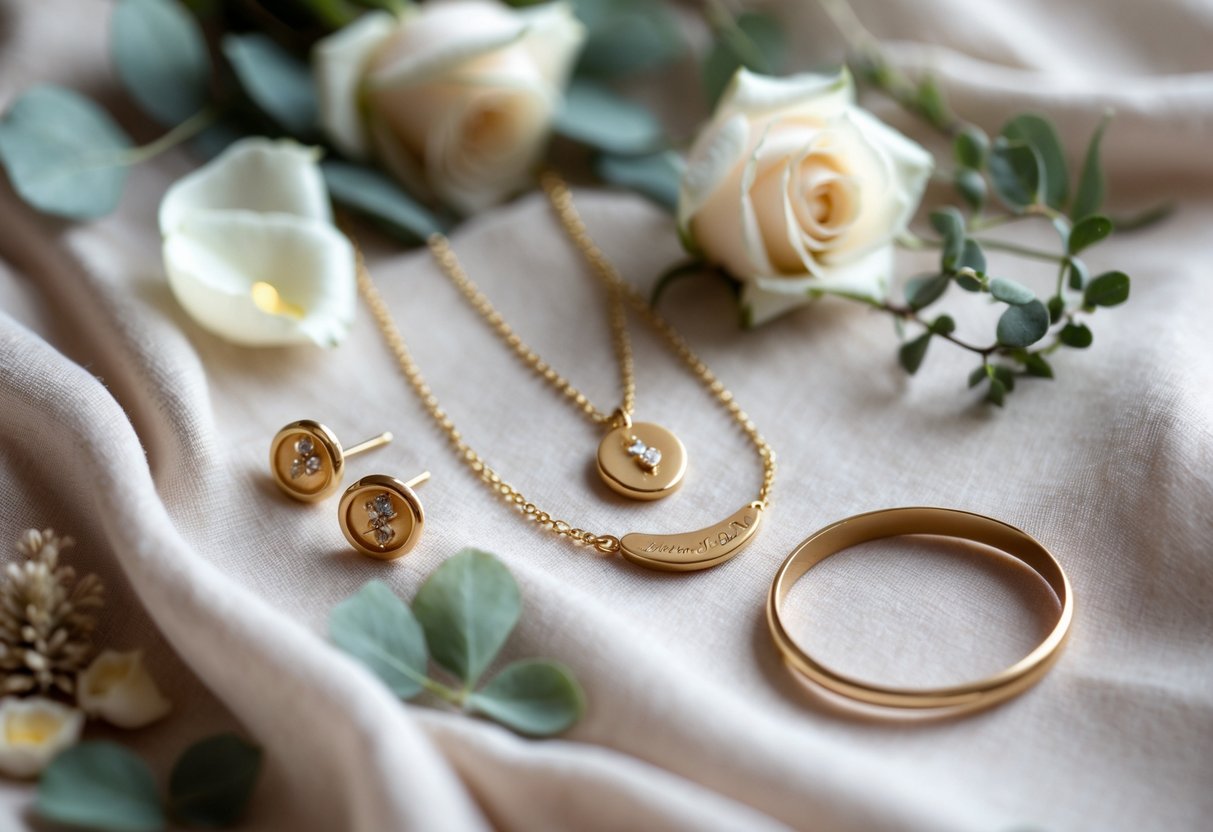
Jewelry serves as the perfect complement to soulful ceremonies, offering lasting symbols that couples can treasure long after their wedding day ends. Unlike traditional religious ceremonies with standard practices, celebrant-led weddings allow couples to incorporate personalized ceremonies that reflect their values and beliefs. The jewelry chosen for these occasions should match this personal approach.
The right jewelry pieces can enhance ritual moments, symbolize commitments, and create lasting memories. From rings used in handfasting ceremonies to pendants that represent spiritual beliefs, these gifts become part of the ceremony itself. Couples planning celebrant-led weddings will discover how to select jewelry that honors their unique celebration and creates meaningful connections to their special day.
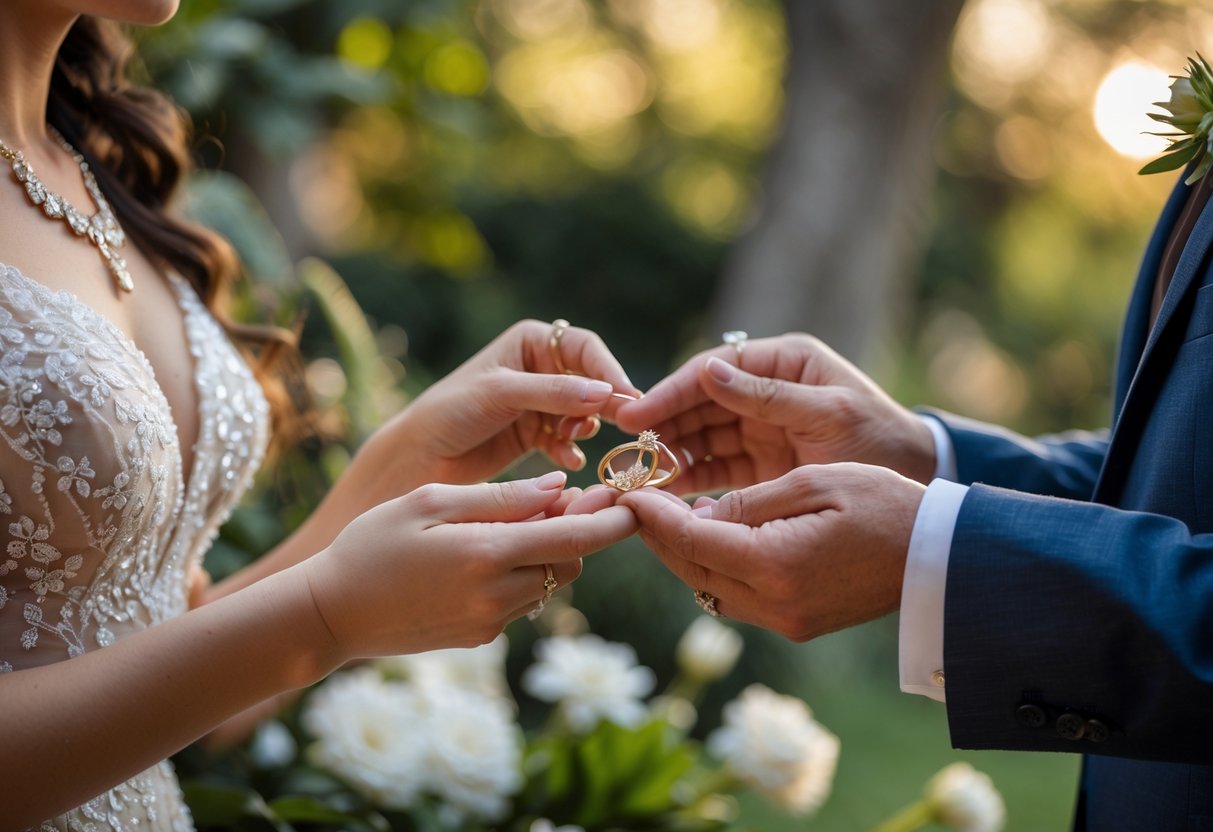
Celebrant-led ceremonies break away from traditional wedding restrictions, offering couples complete creative freedom over their special day. These personalised ceremonies focus on the couple's unique story while allowing celebrants to craft meaningful experiences that reflect individual values and relationships.
Traditional weddings follow strict formats dictated by religious institutions or civil authorities. These ceremonies often include predetermined vows, specific readings, and limited flexibility in location or content.
Celebrant-led ceremonies eliminate these restrictions entirely. Couples can choose any venue, from beaches to woodland settings, without needing special licenses for the location.
The content becomes completely customizable. Couples can write their own wedding vows with a celebrant, include spiritual elements from multiple traditions, or incorporate unique rituals that hold personal meaning.
Key differences include:
Traditional ceremonies maintain formal structures, while celebrant-led weddings adapt to each couple's vision.
Personalised ceremonies create deeper emotional connections for couples and guests. The celebrant crafts each script around the couple's relationship story, making every moment meaningful and authentic.
Celebrants offer more flexibility than traditional officiants. Couples can include symbolic acts like handfasting, candle lighting, or cultural rituals that reflect their heritage.
The ceremony becomes a true reflection of the relationship. Personal anecdotes, shared values, and future hopes weave throughout the service, creating lasting memories.
Main benefits include:
These ceremonies often feel more intimate and genuine than traditional formats.
Celebrants serve as ceremony architects, working closely with couples to design their perfect wedding experience. They invest time in understanding each relationship's unique dynamics and values.
The celebrant meets with couples multiple times before the wedding. They gather information about the relationship history, shared interests, and ceremony preferences through detailed questionnaires and conversations.
On the wedding day, celebrants deliver the personalised script they've created. Their role extends beyond simple officiation to include storytelling, emotional guidance, and ceremony coordination.
Celebrant responsibilities:
Choosing the perfect celebrant requires finding someone whose style matches the couple's vision and personality.
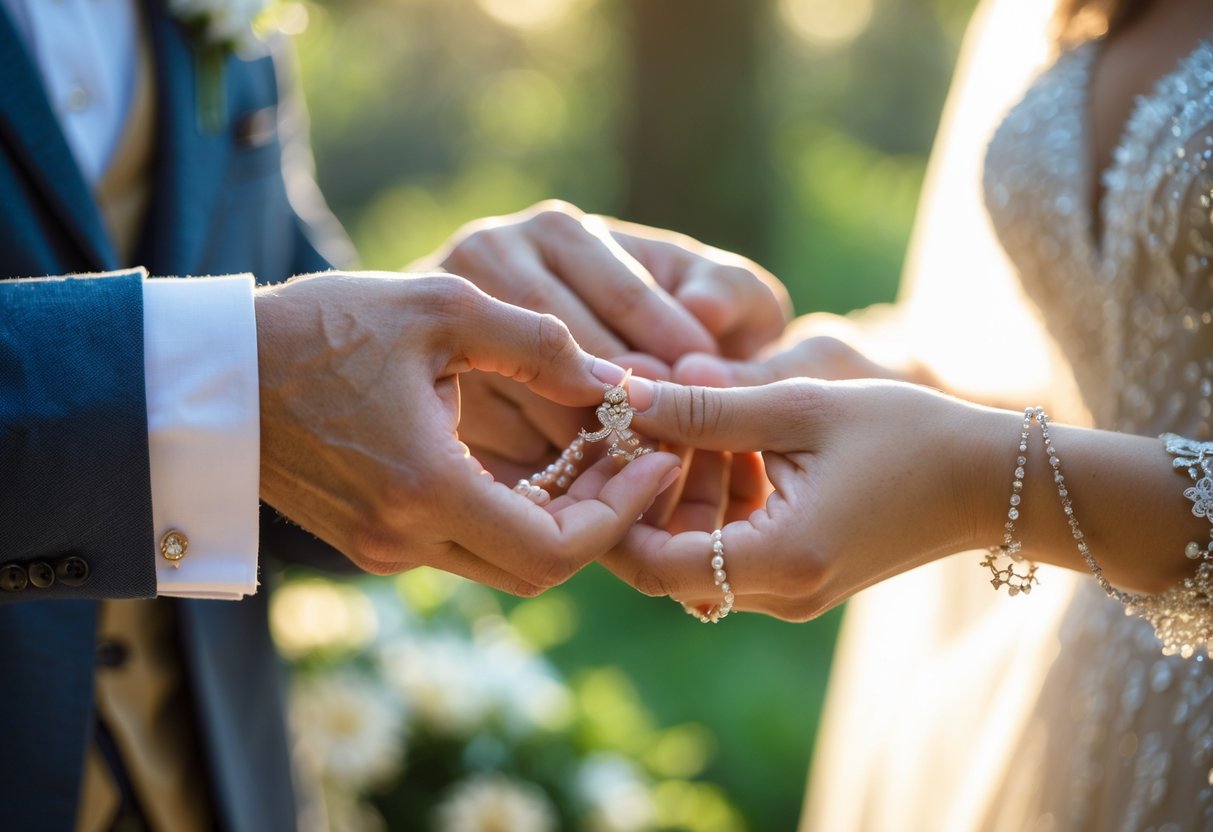
Celebrant-led ceremonies create space for couples to weave deep symbolic meaning into their wedding day through personalized rituals and traditions. These meaningful elements transform a simple exchange of vows into a profound celebration of unity and shared values.
Symbolic rituals within celebrant ceremonies provide couples with powerful ways to express their commitment beyond words. These ceremonies create lasting memories through meaningful actions.
Traditional symbols carry deep significance:
The physical act of performing rituals engages multiple senses. Couples remember the feeling of lighting candles together or exchanging rings. These moments become anchored in their memory.
Symbolic actions also help guests understand the couple's values. When family members participate in ring warming ceremonies, everyone becomes part of the union. This creates deeper connection between the couple and their community.
Soulful celebrant ceremonies allow couples to blend different spiritual traditions and personal beliefs into one cohesive ceremony. This flexibility makes each wedding unique.
Common personalization approaches include:
Couples often choose symbols that reflect their journey together. Some plant trees to represent growing love. Others mix sand from meaningful places to show unity.
The celebrant helps translate personal values into ceremony elements. Environmental couples might choose eco-friendly decorations. Travel lovers could include maps or compasses as symbolic elements.
This personalized approach ensures the ceremony truly reflects the couple's relationship rather than following generic traditions.
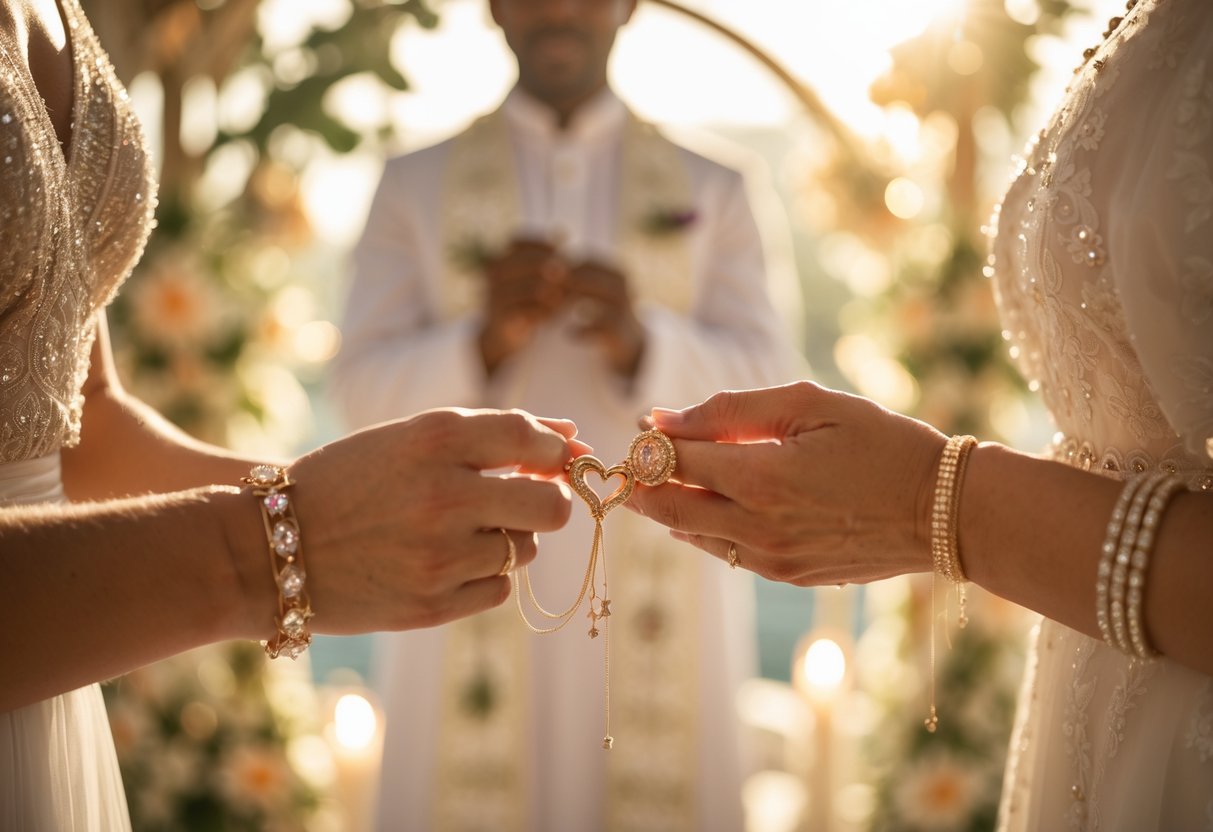
Jewelry holds deep meaning in celebrant-led weddings, serving as both personal symbols and lasting reminders of commitment. These ceremonies allow couples to incorporate meaningful pieces that reflect their unique bond and values.
Jewelry has long been an integral part of wedding ceremonies across cultures, representing eternal love and commitment. In celebrant-led weddings, couples can choose pieces that truly speak to their relationship rather than following traditional requirements.
The circular shape of rings symbolizes infinity and unending love. Many couples select matching bands or complementary designs that represent their unity while honoring their individual personalities.
Common symbolic meanings include:
Celebrant-led ceremonies allow couples to explain the personal significance of their chosen pieces. They can share stories about family heirlooms or newly purchased items that hold special meaning for their relationship.
Unity ceremonies and gift-giving create memorable moments in modern weddings. Jewelry exchanges can replace or supplement traditional ring ceremonies with more personalized touches.
Couples often exchange meaningful pieces beyond wedding bands. These might include:
| Gift Type | Timing | Meaning |
|---|---|---|
| Promise necklaces | During vows | Future commitment |
| Matching watches | Ring exchange | Shared time together |
| Birthstone jewelry | Unity ceremony | Personal connection |
Some couples choose to exchange wedding gifts for her and him during private moments before the ceremony. This creates intimate connection before sharing vows publicly.
Celebrant-led weddings offer flexibility in when and how jewelry is presented. Couples can incorporate multiple gift exchanges throughout their ceremony timeline.
Personalized jewelry adds deeper significance to celebrant-led ceremonies. Couples can select pieces that reflect their shared interests, values, or important memories together.
Popular personalization options:
Many couples research bestselling options to find inspiration for their personalized pieces. They often combine popular styles with custom elements that make each piece unique.
The key is selecting jewelry that tells their specific love story. Whether choosing pieces that represent shared hobbies, travel memories, or future dreams, personalized jewelry becomes a lasting symbol of their commitment.
Couples should consider how their chosen pieces will age and whether they align with their long-term style preferences. The most meaningful jewelry transcends trends and remains special for decades.
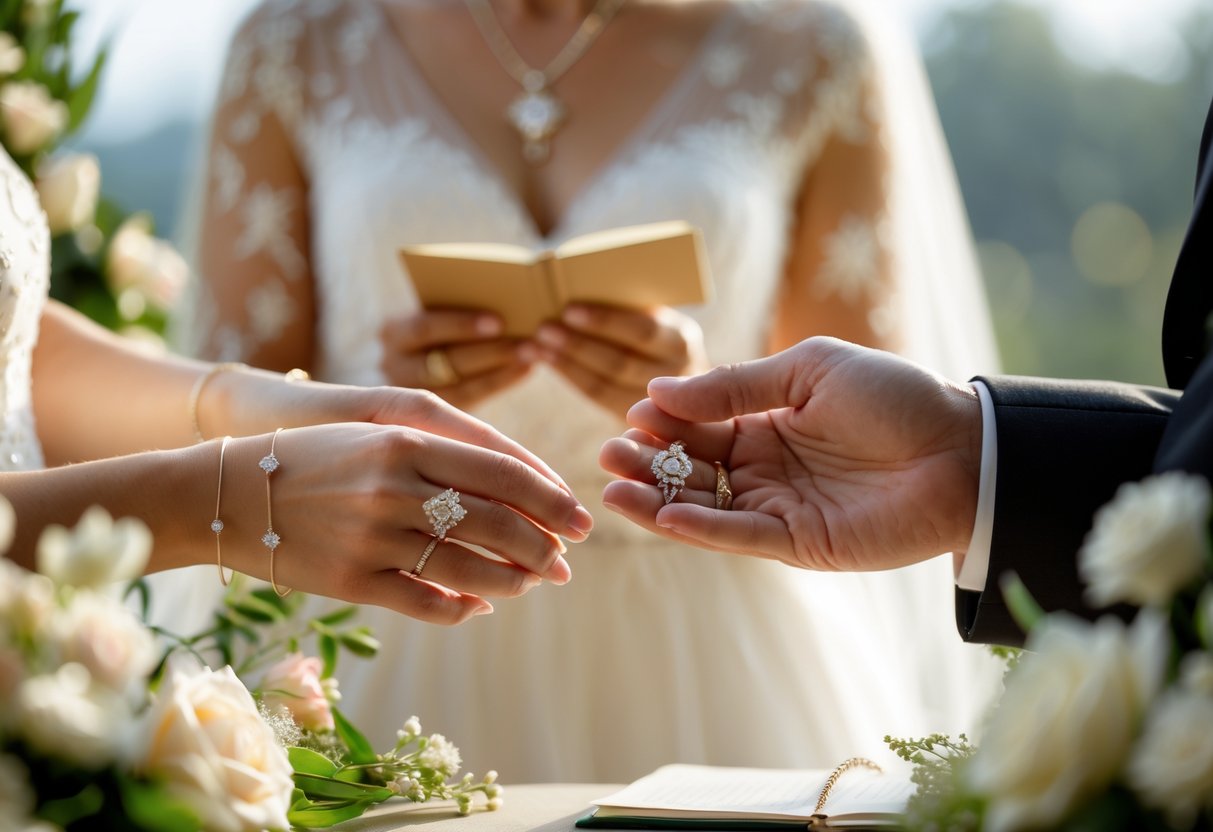
Personalized jewelry pieces create lasting memories for celebrant-led weddings through custom engravings, heartfelt messages, and symbolic designs that unite families. These meaningful accessories serve as daily reminders of wedding vows and family bonds.
Engraved rings transform simple bands into deeply personal keepsakes. Couples often choose wedding dates, coordinates of meaningful locations, or short phrases that capture their relationship.
Popular engraving options include:
The metal choice affects engraving visibility. White gold and platinum show engravings clearly against darker backgrounds. Rose gold creates warm contrast for text.
Font selection matters for readability. Script fonts work well for romantic phrases. Block letters suit dates and coordinates better.
Engraving placement varies by preference. Inside band engravings stay private and personal. Outside engravings make statements visible to others.
Professional engraving ensures clean, lasting results. Hand engraving creates unique character marks. Laser engraving produces precise, uniform text.
Lockets hold special meaning beyond their vintage charm. Modern couples use them to carry wedding photos, handwritten notes, or small mementos from their ceremony.
Custom message ideas for lockets:
Photo lockets work well for types of jewelry that express love and commitment. Couples often include engagement photos or ceremony snapshots inside.
Two-photo lockets tell complete stories. One side shows the couple together. The other displays family members or deceased loved ones.
Chain length affects locket placement. Shorter 16-inch chains keep lockets near the heart. Longer 20-inch chains allow lockets to rest lower.
Gold and silver lockets suit different skin tones. Yellow gold complements warm undertones. White metals work with cool skin colors.
Heart-shaped lockets remain classic choices. Round lockets offer more photo space. Oval shapes provide elegant alternatives.
Unity bracelets connect multiple family members through matching or complementary designs. Wedding parties often wear coordinated pieces during ceremonies.
Bracelet styles for family unity:
Charm bracelets allow personalization for each family member. Mothers might add children's birthstones. Daughters could include meaningful pendants representing their roles.
Birthstone bracelets create colorful family representations. Each stone represents different family members' birth months. Clear quartz can substitute for missing months.
Metal coordination guidelines:
Adjustable bracelets accommodate different wrist sizes. Memory wire maintains shape over time. Traditional clasps provide secure closure options.
Stacking multiple thin bracelets creates layered effects. Different textures add visual interest. Smooth bands paired with textured pieces work well together.
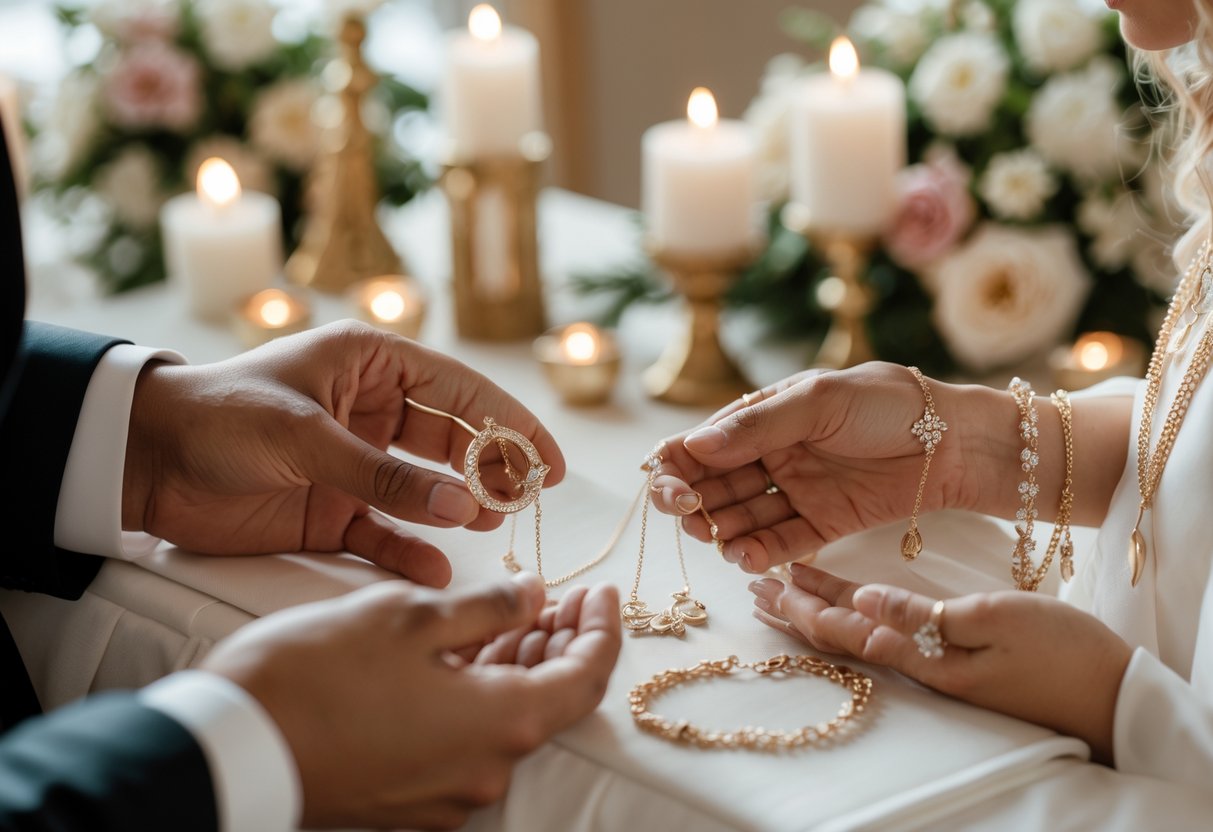
Celebrant-led weddings often incorporate meaningful rituals where jewelry serves as both ceremonial tool and lasting keepsake. These symbolic acts transform simple pieces into powerful reminders of vows exchanged and promises made.
Handfasting ceremonies create powerful bonds through the binding of hands with special cords, ribbons, or chains. Many couples choose to incorporate meaningful jewelry pieces during these sacred ceremonies to enhance the symbolism.
Traditional cord materials include:
Couples often attach small charms to their handfasting cords before the ceremony. These charms might represent shared interests, birth stones, or family symbols. The jewelry remains permanently woven into the cord after the ritual.
Some celebrants encourage couples to use actual jewelry chains instead of traditional cords. Gold or silver chains become part of the binding process. After the ceremony, these chains can be worn as necklaces or bracelets.
The bound cords and attached jewelry pieces become treasured keepsakes. Many couples frame their handfasting materials or display them in shadow boxes at home.
Sand ceremonies gain deeper meaning when couples incorporate gemstones, crystals, or small jewelry pieces into their colored sand layers. These additions create sparkle and texture while adding personal significance to the ritual.
Popular jewelry additions for sand ceremonies:
Couples can layer their ceremonial jewelry pieces between sand colors to create hidden surprises within their unity vessel. Wedding rings briefly placed in the sand add extra symbolism before being worn.
Some couples choose matching pendant necklaces filled with sand from their ceremony. These miniature versions of the main vessel allow both partners to carry a piece of their symbolic ritual with them daily.
The final sand ceremony vessel becomes a permanent display piece. When light hits the embedded gems and jewelry pieces, they create beautiful reflections that remind couples of their special day.
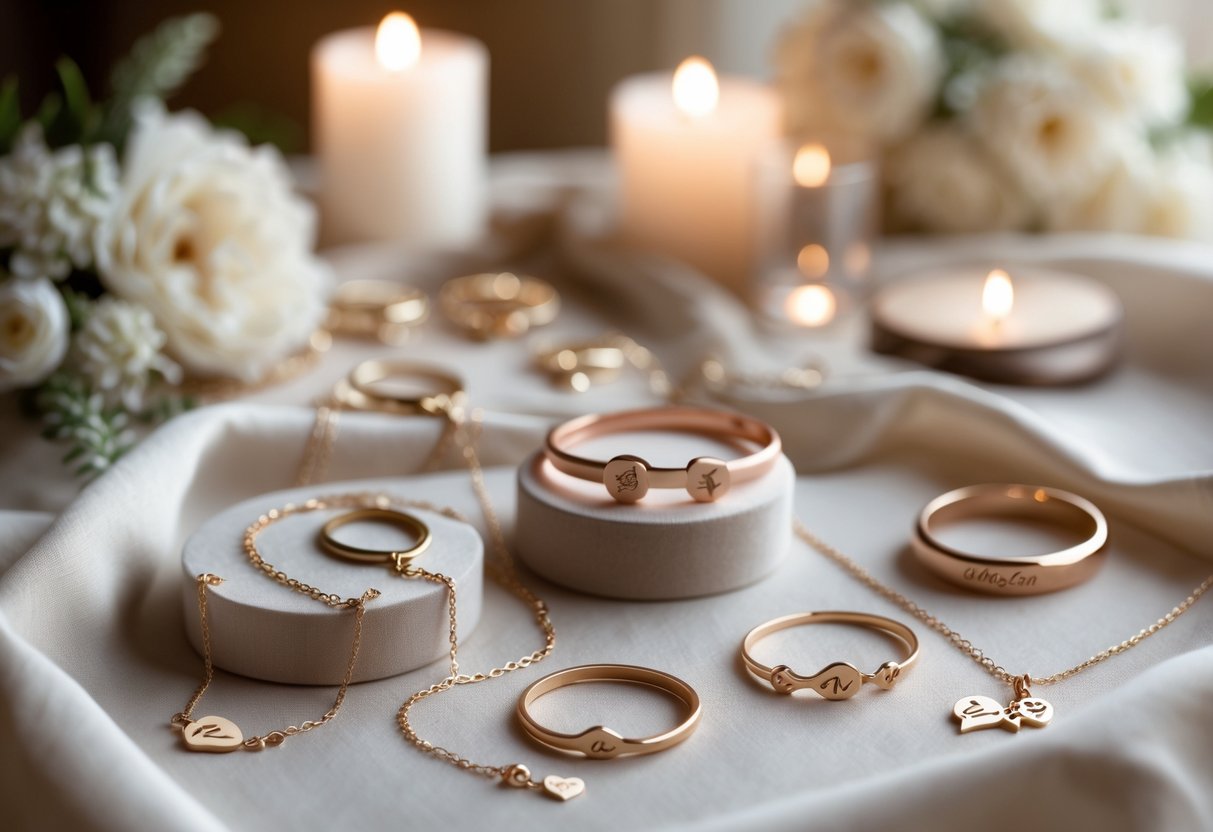
Each ceremony type calls for specific jewelry considerations that honor the unique meaning and participants involved. Custom pieces can reflect family bonds and milestone celebrations through thoughtful design choices.
Vow renewals offer couples the chance to celebrate their enduring love with fresh jewelry pieces. Many choose to upgrade their original wedding rings or add meaningful elements like birthstones representing children born during their marriage.
Anniversary bands work well for these celebrations. Couples often select designs that incorporate:
Pendant necklaces featuring family initials or coordinates of meaningful locations add personal touches. Some couples commission pieces that blend metals from their original rings with new elements.
Eternity bands symbolize continuous love perfectly for these occasions. The circular design represents the unbroken bond couples have maintained through years of marriage.
Blended family ceremonies require jewelry that acknowledges all family members and their unique relationships. Custom pieces can honor both biological and chosen family connections through inclusive design.
Family tree pendants work well for these celebrations. These pieces can incorporate birthstones representing all children and family members involved in the new union.
Matching jewelry sets help create unity among family members. Consider pieces like:
Charm bracelets allow ongoing customization as families grow and change. Each charm can represent different family members or important milestones in their blended journey.
Some families choose infinity symbols or interlocking designs that visually represent how separate families become one unified unit through marriage.
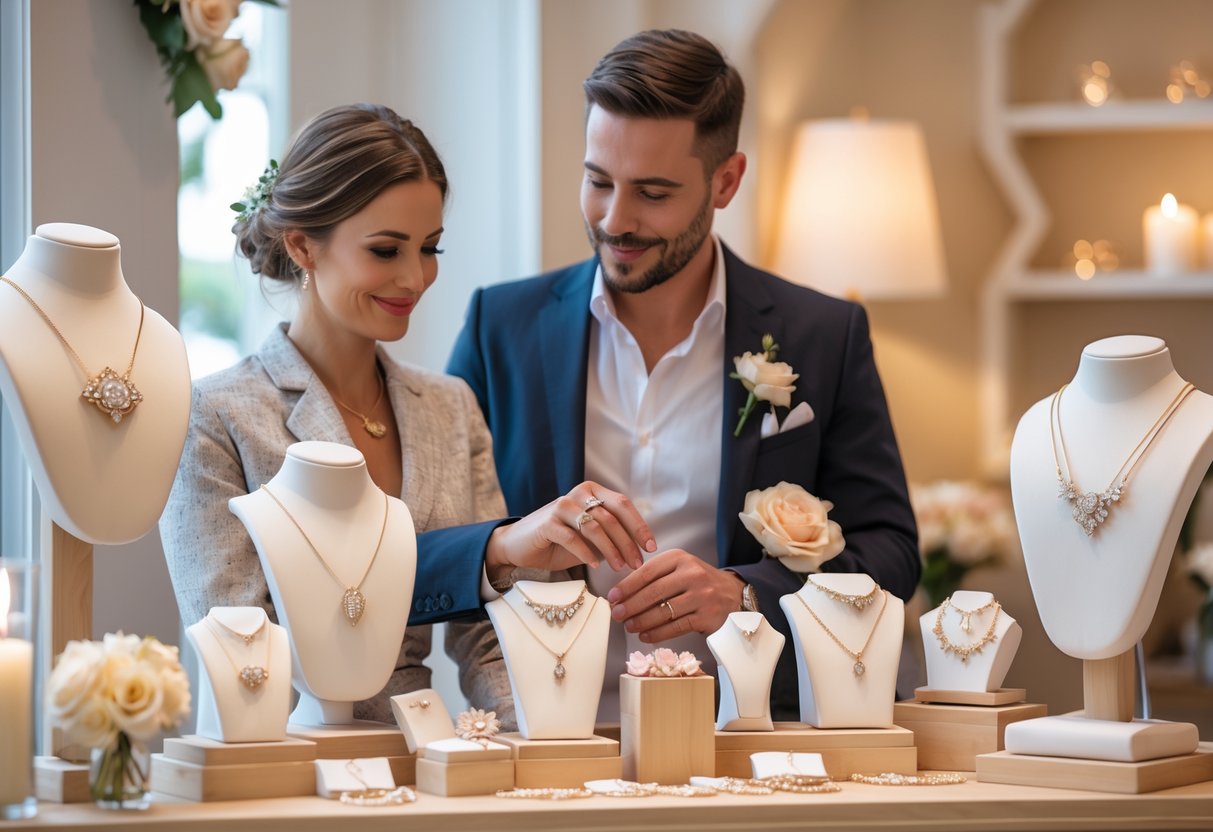
Celebrants offer valuable insight into choosing jewelry that aligns with ceremony values and couple preferences. They can also help coordinate gift exchanges with family members to create memorable moments during the celebration.
Celebrants understand the personal nature of meaningful ceremonies. They can guide couples toward jewelry choices that reflect their unique story and values.
Most celebrants recommend discussing jewelry plans during initial ceremony planning meetings. They know which pieces work well during different parts of the ceremony.
Key areas celebrants help with:
Celebrants often suggest practical considerations too. They know which jewelry styles photograph well and won't interfere with ring exchanges or other ceremony elements.
Many couples find their celebrant's outside perspective helpful. Since celebrants craft ceremonies around individual values, they can suggest jewelry that matches those same principles.
The celebrant can also help determine if jewelry gifts should be private moments or part of the public ceremony.
Celebrants often facilitate family participation in gift selection and presentation. They understand how to include parents and close friends in meaningful ways.
Some celebrants suggest having mothers or grandmothers present jewelry gifts during the ceremony. This creates emotional moments and honors family relationships.
Common family involvement approaches:
Celebrants help coordinate these personal touches without making the ceremony feel scripted. They know how to balance spontaneous emotion with planned elements.
Many celebrants recommend involving the wedding party in jewelry selection too. Bridesmaids and groomsmen often appreciate guidance on appropriate gift timing and styles.
The celebrant can also suggest ways for distant family members to participate through written notes that accompany jewelry gifts.
Couples seeking meaningful wedding jewelry often turn to gemstones with specific energetic properties and ethically sourced materials. These choices reflect personal values while honoring the sacred nature of their union.
Different gemstones carry unique spiritual meanings that couples can incorporate into their wedding jewelry. Rose quartz represents unconditional love and emotional healing. Amethyst promotes spiritual connection and inner peace.
Moonstone enhances intuition and feminine energy. It helps balance emotions during major life transitions like marriage. Many couples choose moonstone for its connection to new beginnings.
Clear quartz amplifies positive intentions and other gemstone energies. Couples often select it as a foundation stone in their wedding pieces. It represents clarity and unity in relationships.
Popular Wedding Gemstones:
Lapis lazuli encourages honest communication between partners. Garnet symbolizes commitment and passion. These stones work well in engagement rings or ceremony pieces.
Sustainable jewelry choices align with couples' environmental and social values. Recycled metals reduce mining impact while maintaining quality and beauty. Many jewelers now offer pieces made from reclaimed gold and silver.
Lab-grown diamonds provide ethical alternatives to mined stones. They share identical physical properties with natural diamonds. The production process uses less water and creates fewer carbon emissions.
Vintage and antique jewelry offers unique character while reducing environmental impact. Estate pieces often feature craftsmanship and designs unavailable in modern jewelry. They carry history and stories that add meaning to ceremonies.
Sustainable Jewelry Options:
Certified fair-trade jewelry ensures miners receive fair wages and work in safe conditions. Several organizations verify ethical sourcing practices. These certifications help couples make informed purchasing decisions.
Local artisans often create handmade jewelry using sustainable practices. Their pieces support small businesses while reducing transportation emissions. Custom work allows couples to incorporate personal spiritual symbols.
Real couples share deeply personal jewelry exchanges that transform their celebrant-led ceremonies into unforgettable moments. These meaningful gifts often incorporate family heirlooms, cultural symbols, and personalized elements that reflect each couple's unique love story.
Sarah and Michael chose antique pocket watch chains from his grandfather's collection as their wedding bands. Their celebrant wove the story of time and legacy into their vows.
Emma surprised her bride with matching infinity bracelets engraved with coordinates from their first date. The celebrant incorporated the symbolism of endless love during their ring exchange.
Family Heirloom Transformations:
David and Lisa exchanged Celtic knot pendants representing their Irish heritage. Their celebrant-led wedding ceremony included traditional handfasting with the same knotwork pattern.
Maria presented her partner with a custom locket containing soil from both their childhood homes. This meaningful gift became a central element of their unity ceremony.
Jake surprised his bride with a charm bracelet featuring miniature representations of their travel adventures together. Each charm told part of their relationship story during the ceremony.
The couple exchanged matching constellation necklaces showing the night sky from their engagement date. Their celebrant explained the cosmic significance of their chosen stars.
Popular Ceremony Gift Moments:
Rachel and Tom incorporated a "jewelry blessing" where guests touched their wedding bands before the exchange. This personalized ceremony element created deep emotional connection.
One couple surprised each other with matching tattoo-style rings instead of traditional bands. Their celebrant adapted the ring ceremony to honor this unconventional choice.
Anna's mother presented her with the same earrings worn by three generations of brides in their family. The gift exchange became an integral part of their ceremony traditions.
Couples can transform their wedding jewelry into meaningful symbols by blending heritage pieces with contemporary designs and creating personalized keepsakes that reflect their unique love story.
Many couples choose to honor their ancestry while embracing modern style through thoughtful jewelry selections. Family heirlooms can be redesigned or incorporated into new pieces.
A grandmother's vintage ring can become part of a modern setting. Traditional cultural symbols can be engraved on contemporary bands. Celtic knots, Hindu patterns, or African motifs work beautifully on sleek metal designs.
Popular Blending Options:
Some couples create new traditions by mixing metals that represent different cultures. Gold and silver combinations can symbolize the joining of two families with different backgrounds.
Celebrant-led ceremonies allow couples to explain the meaning behind their jewelry choices during the exchange.
Custom engravings make wedding jewelry deeply personal. Couples can include coordinates of where they met, wedding dates, or meaningful phrases in different languages.
Personalization Ideas:
Jewelry boxes or pouches can be personalized with the couple's names and wedding date. These containers become keepsakes that protect the jewelry for years to come.
Photo lockets allow couples to carry images of loved ones who cannot attend. Small compass pendants can point toward each other's birthplaces or the location where they first met.
Personalized ceremonies often include explanations of these special jewelry elements, helping guests understand their significance during the celebration.
Couples planning celebrant-led weddings often wonder about jewelry choices that honor their unique values and ceremony style. Understanding personalization options, ritual incorporation, and meaningful selection criteria helps create memorable gifts for these special celebrations.
Custom engraved rings featuring personal mantras or wedding dates make meaningful gifts for couples. Many choose infinity symbols or tree of life pendants to represent their eternal bond.
Birthstone jewelry incorporating both partners' stones creates a personal connection. Couples often select matching bracelets with coordinates of where they met or got engaged.
Lockets containing small photos or handwritten notes offer intimate keepsakes. Some prefer compass necklaces symbolizing their journey together through life's adventures.
Consider the couple's shared values and beliefs when selecting pieces. Nature-loving pairs might appreciate jewelry featuring leaf motifs or natural gemstones.
Think about their lifestyle and daily wear preferences. Active couples benefit from durable metals like titanium or stainless steel rather than delicate options.
Reflect their relationship story through symbolic elements. Couples who met while traveling might value world map jewelry or pieces from meaningful locations.
Metal allergies require careful attention to hypoallergenic options like platinum or surgical steel. Many people cannot wear nickel-containing jewelry without skin reactions.
Budget constraints influence material choices between precious metals and quality alternatives. Sterling silver offers elegance at lower costs than gold or platinum.
Ceremony location affects practical considerations. Outdoor weddings may require more secure clasps and weather-resistant materials than indoor venues.
The couple's age and style preferences guide design complexity. Minimalist couples prefer clean lines while others enjoy ornate vintage-inspired pieces.
Engraving initials, wedding dates, or meaningful coordinates personalizes any jewelry piece. Some couples choose their wedding ceremony vows excerpts for inscription.
Birthstone incorporation creates unique color combinations representing family members or special dates. Anniversary stones can commemorate relationship milestones.
Custom charm bracelets allow adding meaningful symbols over time. Popular charms include hearts, infinity signs, or representations of shared hobbies.
Photo jewelry like lockets or photo-engraved pendants preserves precious memories. Some couples commission custom portraits etched into metal surfaces.
Stackable rings allow couples to add bands over time, building their collection meaningfully. Mixed metals create modern looks combining rose gold, silver, and yellow gold.
Raw gemstones in natural settings appeal to couples seeking organic aesthetics. Unpolished diamonds and rough-cut stones offer unique character.
Sustainable jewelry made from recycled metals attracts environmentally conscious couples. Lab-grown diamonds provide ethical alternatives to mined stones.
Vintage and antique pieces bring history and character to ceremonies. Estate jewelry often features unique craftsmanship unavailable in modern pieces.
Ring warming ceremonies allow guests to hold and bless the wedding bands before exchange. This creates community involvement in the couple's commitment.
Unity rituals can include combining family jewelry pieces into new designs. Some couples melt inherited gold to create their wedding rings.
Handfasting ceremonies often feature decorative cords or ribbons alongside meaningful bracelets. The jewelry remains as lasting symbols after cord removal.
Sand ceremony variations include placing small gems or crystals into the mixed sand. These additions create sparkling reminders of the unified commitment.