
Your Cart is Empty
Every family has treasures that carry stories far beyond their material worth. A grandmother's wedding ring, a father's vintage watch, or a delicate locket can hold generations of memories and meaning. Jewelry becomes part of family history when pieces are passed down through generations, marking important life moments and serving as tangible connections to ancestors and their stories.
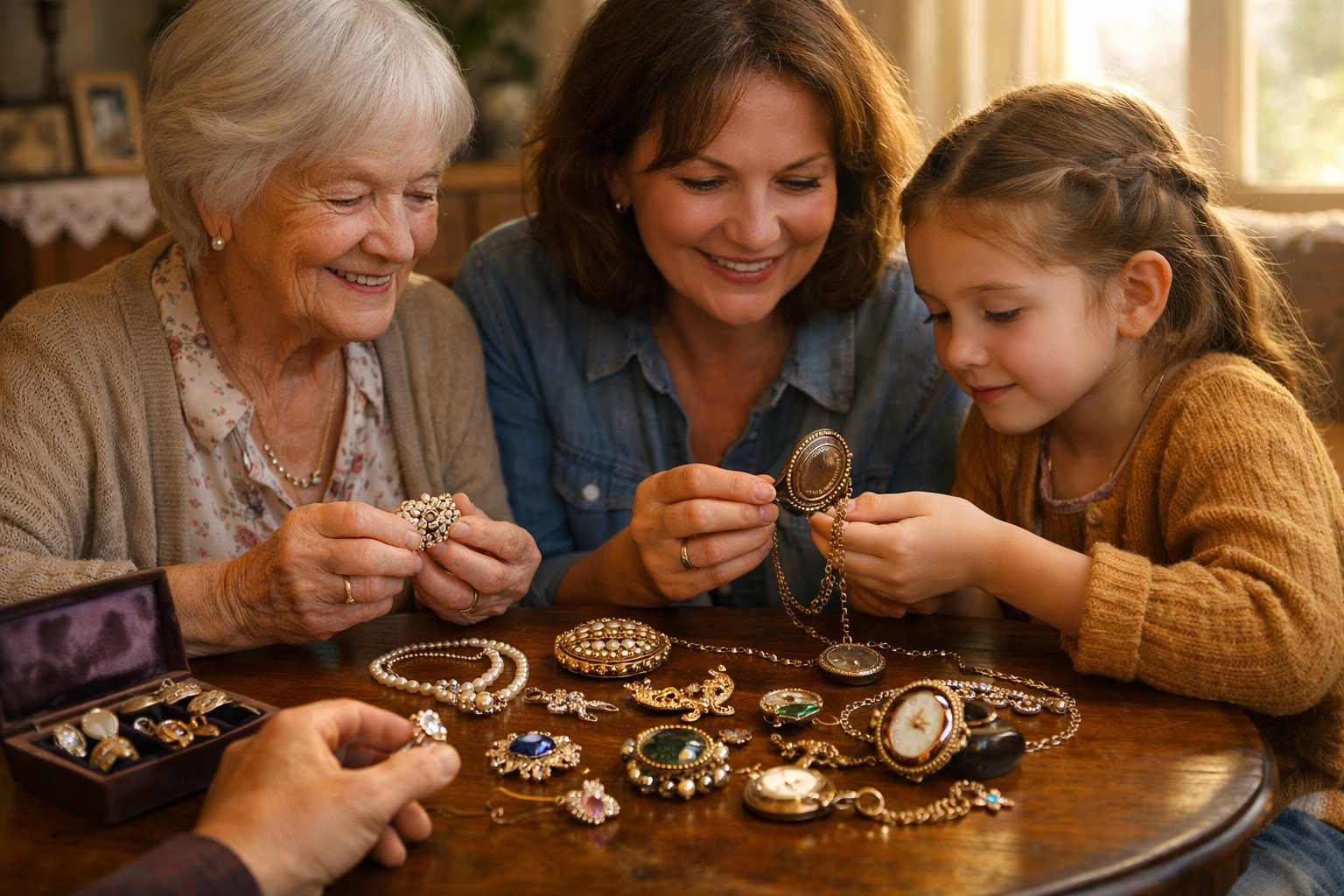
These precious items do more than sparkle. They represent marriages, births, achievements, and the love shared between family members across decades. When someone wears a piece that belonged to their great-grandmother, they carry a physical reminder of where they came from. The small scratches and worn engravings tell their own stories about the lives these pieces have witnessed.
Whether through inheritance traditions or careful restoration, families keep these meaningful objects alive for future generations. Some choose to preserve pieces exactly as they were, while others update them to fit modern styles. Both approaches honor the past while creating new chapters in the ongoing story of family jewelry. You can start your own tradition with personalized jewelry from Zazzle or find jewelry storage options on Amazon to protect these treasures.
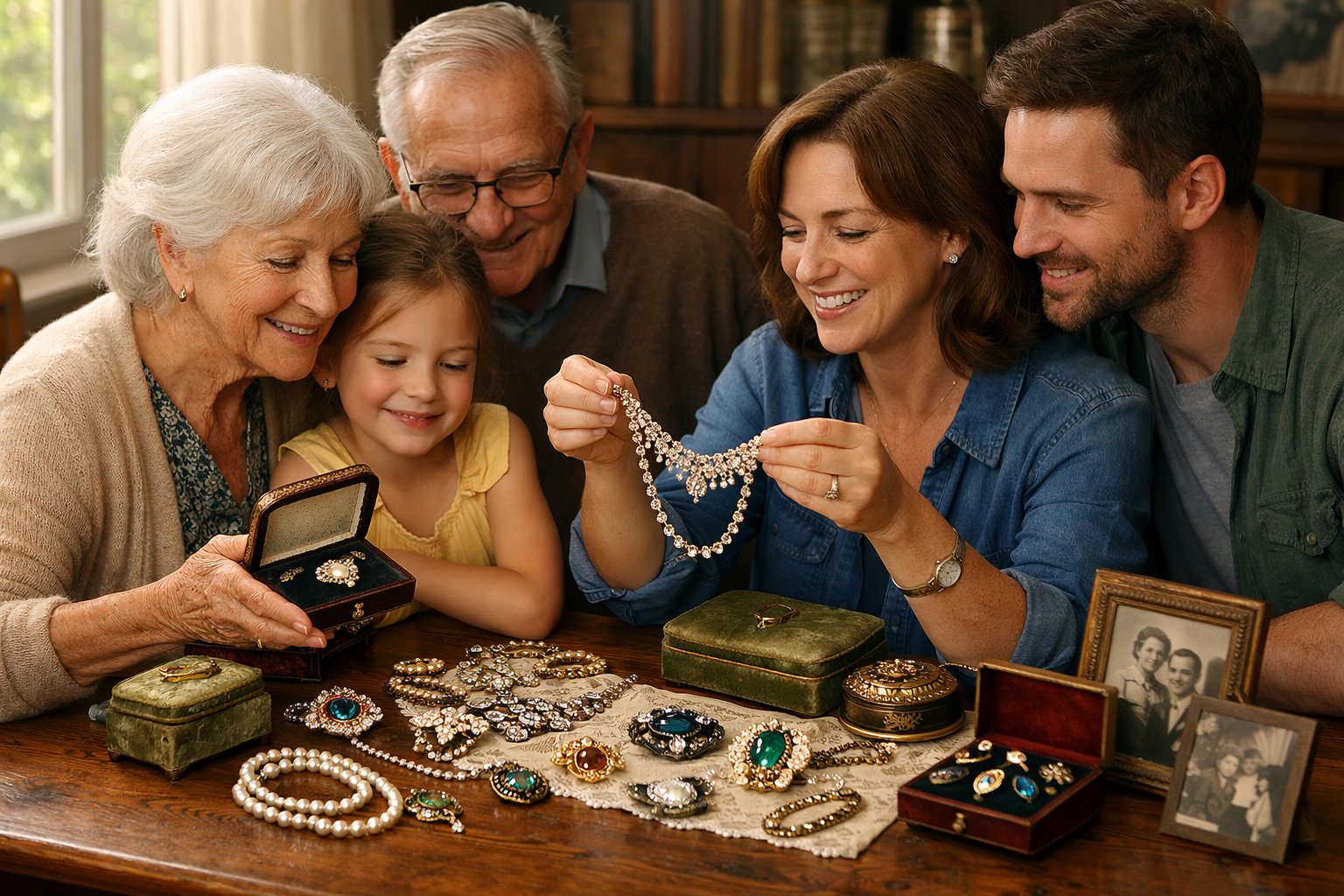
Jewelry pieces transform into tangible records of family lineage, preserving memories and connections across multiple generations. These items hold sentimental value that extends far beyond their monetary worth.
Family heirlooms create physical links between relatives separated by time and distance. A grandmother's wedding ring or a father's pocket watch serves as a bridge that allows younger family members to feel connected to ancestors they may have never met.
These pieces often pass down during significant life events. Graduations, weddings, and milestone birthdays frequently mark the moments when jewelry transfers between family members. The act of receiving an heirloom reinforces family bonds and creates new memories while honoring old ones.
Many families find that wearing inherited jewelry strengthens their sense of identity and belonging. A gold locket or vintage brooch becomes more than decoration. It represents continuity and reminds the wearer of their place within a larger family story that spans decades or even centuries.
Each family heirloom carries specific stories that give it meaning. A simple silver bracelet can hold more significance than an elaborate necklace when tied to cherished memories of the person who wore it.
Families benefit from documenting the history behind each piece. Recording who owned the jewelry, when it was given, and why it matters helps preserve these narratives for future generations. Without these details, descendants may lose the context that makes the item special.
Key elements to record include:
Physical characteristics of personalized jewelry like engravings, birthstones, or custom designs add layers to family history. These details reveal preferences, values, and the circumstances of different eras.
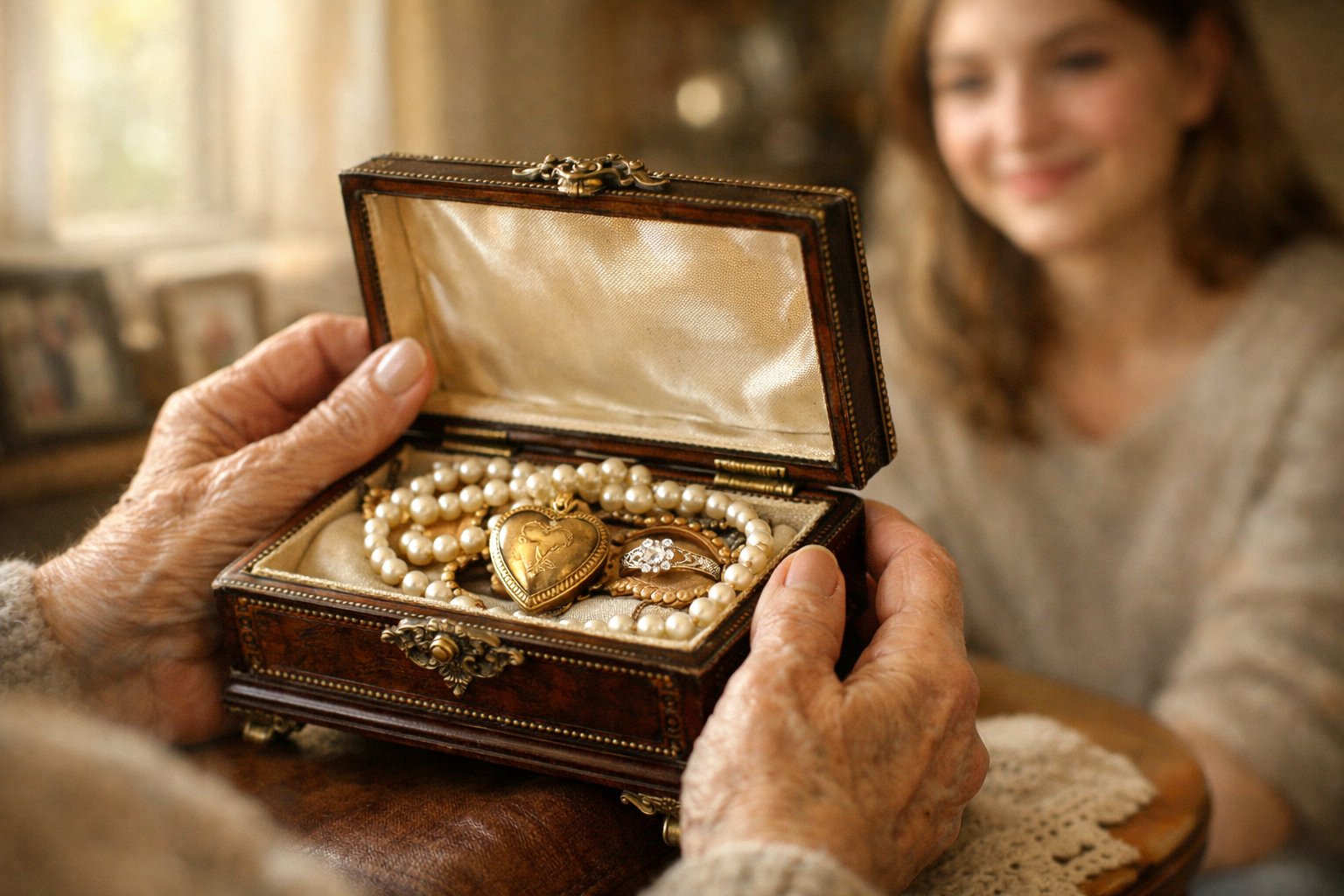
Heirloom jewelry carries emotional weight that goes far beyond its material worth. These pieces connect family members across generations through shared memories and symbolic meanings that strengthen family bonds.
Heirloom jewelry serves as a physical reminder of loved ones who have passed or family members separated by distance. A grandmother's ring or a parent's necklace can trigger specific memories of important moments shared together. These pieces often appear at family gatherings where stories get retold and new memories form around the same cherished items.
Jewelry becomes more valuable when it connects to real people and events rather than just being an expensive object. A worn bracelet might remind someone of holiday dinners or weekend visits. A simple pendant could bring back memories of gentle conversations or important advice given years ago.
The scratches and signs of wear on these pieces tell their own stories. Each mark represents a moment in time when someone wore the jewelry during their daily life. This makes heirloom pieces irreplaceable compared to new items bought in stores.
Each piece of heirloom jewelry carries symbolic meaning tied to family traditions and values. Wedding rings represent commitment and love that started a family line. Birthstone jewelry can mark the addition of new family members. Pieces given during specific celebrations become symbols of those milestone moments.
The act of passing jewelry down reinforces family identity and belonging. When someone receives an heirloom, they become a keeper of family history. They inherit not just an object but the responsibility to maintain its story and eventually pass it forward.
Different families attach their own meanings to specific pieces based on who wore them and when. A brooch might symbolize strength because it belonged to a resilient ancestor. A watch could represent dedication to family because its original owner rarely took it off. These personal associations make each heirloom unique to that specific family line.
Families can display their heirlooms using jewelry storage boxes that protect the pieces while keeping them visible for younger generations to appreciate and learn about their heritage.
Jewelry serves as a physical reminder of life's most important celebrations, from the exchange of rings at weddings to the gifts given when a baby arrives. These pieces hold value far beyond their materials because they mark specific moments that shape family stories.
The tradition of engagement rings and wedding rings remains one of the most recognizable ways families mark commitment. A wedding ring worn daily becomes a symbol of partnership that often lasts decades. Many couples choose matching bands that reflect their personal style while honoring tradition.
Anniversary gifts provide opportunities to add new pieces to a family's collection. A necklace for a tenth anniversary or a bracelet for a twenty-fifth becomes part of the couple's shared history. Some families pass down their original wedding bands to children or grandchildren who are getting married.
Wedding gifts for her often include jewelry that brides wear on their special day and keep forever. These pieces capture the emotions and memories of the wedding celebration in a form that lasts.
The arrival of a new baby often brings personalized jewelry gifts engraved with birth dates or initials. Lockets containing tiny photos of newborns become treasured keepsakes that mothers wear close to their hearts. Some families start charm bracelets for daughters, adding new charms for each birthday or achievement.
Graduations mark the transition from one life stage to another. A watch or pair of earrings given at high school or college graduation serves as a reminder of hard work and accomplishment. Graduation gift ideas for her help families celebrate these academic milestones with lasting mementos.
First-time mothers often receive special jewelry pieces that acknowledge their new role. Pregnancy gifts might include pendants with birthstones or bracelets engraved with baby names. These pieces document the growth of a family through each generation.
Certain pieces of jewelry hold special meaning for families because they mark important moments or represent lasting connections. Engagement rings, bracelets with engravings, and birthstone pieces often carry the most emotional weight across generations.
Wedding bands and engagement rings rank among the most common heirloom pieces families preserve. An heirloom ring often passes from grandmother to granddaughter or mother to child during weddings or engagements.
These rings tell specific stories about relationships and commitments. A gold band worn thin from decades of marriage carries visible proof of a long partnership. Diamond engagement rings from the 1920s or 1940s showcase the design trends of their era.
Common types of heirloom rings include:
Some families resize rings to fit new wearers. Others keep them as-is and wear them on different fingers or attach them to necklaces available on Amazon.
Men's rings also become family treasures. Military rings, fraternity rings, and carved gold bands all qualify as meaningful heirloom rings worth preserving.
Bracelets and lockets serve as time capsules that preserve family memories through photographs and inscriptions. A charm bracelet grows over time as each generation adds new charms representing births, travels, or accomplishments.
Lockets remain popular because they hold small photographs of loved ones. Victorian-era lockets sometimes contained locks of hair from children or deceased family members. Modern lockets still serve the same purpose with updated photographs.
Gold and silver bracelets often feature engravings on the inside or outside. These inscriptions might include:
Pearl bracelets passed down from the 1950s represent a specific fashion era. Tennis bracelets from the 1980s carry their own historical significance. Each style tells something about when it was worn and who wore it.
Birthstone jewelry creates a physical connection between family members born in the same month. A mother's ring featuring the birthstones of all her children becomes a family item that can pass down through generations.
Custom pieces designed specifically for one person often become the most treasured heirlooms. A pendant shaped like a family home or a bracelet engraved with coordinates of a childhood address holds unique meaning that no store-bought piece can match.
Popular custom jewelry types:
Personalized jewelry on Zazzle offers modern families ways to create new heirlooms. These pieces gain sentimental value as they mark specific moments like graduations or the birth of a first child.
Families sometimes combine stones from multiple old pieces into one new design. A jeweler might take diamonds from a grandmother's ring and sapphires from an aunt's brooch to create something entirely fresh while preserving the materials and their histories.
Families can start meaningful traditions by designing pieces that reflect their unique identity and values. Working with jewelers to include specific symbols or birthstones creates pieces meant to be passed down through generations.
Custom jewelry offers families a way to create pieces that tell their specific story from the start. Unlike mass-produced items, these pieces can include elements that matter most to a family.
Working with a designer allows families to choose metals, gemstones, and designs that reflect their heritage. A grandmother might commission a necklace that includes the birthstones of all her grandchildren. Parents could create matching bracelets for siblings that incorporate their birth dates or initials.
Personalized jewelry can include engravings of meaningful dates, coordinates of important locations, or phrases that hold special meaning. These details transform a beautiful piece into something deeply personal.
The durability of the materials matters when planning jewelry as heirlooms. Gold, platinum, and quality gemstones maintain their beauty through decades of wear. Choosing high-quality materials ensures the piece remains intact for future generations.
Family traditions become tangible when translated into jewelry design. Families can work with jewelers to incorporate symbols that represent their heritage, values, or shared experiences.
Cultural symbols offer powerful ways to connect generations. A family might include a Celtic knot, a religious symbol, or a design element from their country of origin. These visual markers help younger family members understand where they come from.
Personal stories can also inspire designs. A piece might feature a small charm representing a family business, a hobby passed through generations, or a place that holds significance. One family might create jewelry for their grandmother that includes symbols of her life achievements.
Some families choose to add new elements with each generation. A bracelet might start with one charm and gain additional ones as new members join the family. Custom family jewelry designs can evolve while maintaining their original spirit and purpose.
Written records transform jewelry from beautiful objects into documented family history, while sharing stories ensures future generations understand the meaning behind each piece. These practices preserve both the physical heirlooms and the memories they represent.
A jewelry journal creates a permanent record of each piece's background and importance. Family members should write down who owned the jewelry, when they received it, and why it matters to the family. Keeping a record of each piece's story helps future generations connect with ancestors they may never meet.
The journal should include specific details that bring the story to life. Write about the occasions when someone wore the piece, like a grandmother's wedding or a father's retirement party. Note any repairs or modifications made over time. Include photographs of family members wearing the jewelry when possible.
Digital documentation offers another option for preserving these histories. Families can create spreadsheets or use jewelry inventory apps available on Amazon to track their heirlooms. Some people scan old photographs and store them with written descriptions in cloud storage. This backup protects the information if physical journals get lost or damaged.
Key Information to Document:
Sharing stories when passing down jewelry through generations gives context that photographs and written records cannot fully capture. Family members should have conversations about the jewelry while the current owner can still share firsthand memories. These discussions make family heirlooms more meaningful to recipients.
Parents and grandparents can tell stories during family gatherings or special occasions. They might explain how a ring survived a difficult time in the family's past or describe the personality of the ancestor who first owned a brooch. Recording these conversations on video or audio preserves the storyteller's voice and emotions.
Some families create memory books that combine photos, stories, and small sketches of jewelry pieces. These books serve as guides for younger family members learning about their heritage. Custom journals from sites like Zazzle allow families to design personalized pages for each piece. The physical act of presenting jewelry with its story makes the transfer more memorable than simply placing it in someone's hands.
Proper storage prevents scratches and tarnishing, while professional restoration can repair damage and maintain the structural integrity of vintage pieces.
Heirloom jewelry requires specific storage conditions to prevent damage over time. Fine jewelry should be kept in a cool, dry location away from direct sunlight and heat sources. Each piece needs individual storage in soft pouches or lined compartments to avoid scratching.
Anti-tarnish strips help protect metals from oxidation. Climate-controlled environments work best for valuable gemstone pieces, as extreme temperature changes can cause damage to both stones and settings.
Daily care practices include:
Heirloom rings need extra attention since they're worn frequently. Regular inspection helps identify loose stones or worn prongs before they become serious problems. Storage boxes with separate compartments work well for organizing multiple pieces while keeping them protected from moisture and dust.
Professional jewelers can address issues that home care cannot fix. Jewelry restoration involves repairing and reviving damaged pieces while maintaining their original character and craftsmanship.
Common restoration needs include loose or missing gemstones, bent prongs, tarnished metal, and faulty clasps. A qualified jeweler begins with a comprehensive assessment to identify all damage and create a repair plan. The restoration process typically includes deep cleaning, structural repairs, and careful replacement of missing elements using materials that match the original piece.
Choosing an experienced jeweler matters significantly. Look for professionals with proven expertise in antique and vintage jewelry restoration. They should provide transparent explanations of the work needed and estimated costs. Quality restoration preserves both the aesthetic beauty and historical authenticity of heirloom jewelry for future generations to enjoy.
Quality materials and skilled craftsmanship determine whether jewelry survives one generation or many. The choice of metals, gemstones, and construction methods directly impacts a piece's ability to withstand daily wear and retain its beauty over decades.
Precious metals form the foundation of heirloom jewelry because they resist tarnish and wear. Gold, platinum, and sterling silver maintain their structural integrity through years of use. Platinum stands as the most durable option, while 14-karat and 18-karat gold offer excellent strength mixed with lasting shine.
High-quality gemstones add both beauty and durability to fine jewelry. Diamonds, sapphires, and rubies rank highest on the Mohs hardness scale, making them resistant to scratches and chips. These stones can pass through multiple generations without losing their brilliance.
Emeralds and opals require more careful handling but still serve as cherished heirloom pieces when properly set and maintained. The quality of the stone's cut, clarity, and color affects its longevity and value over time.
Traditional metalworking methods create jewelry that lasts centuries. Hand-forging, engraving, and granulation produce stronger bonds than many modern mass-production techniques. Intricate metalwork and unique settings mark pieces designed to endure.
Prong settings, bezel settings, and channel settings each offer different levels of stone security. Bezel settings provide the most protection by surrounding the gemstone with metal, while prong settings allow more light to enter the stone.
The artistry passed down through generations combines technical skill with aesthetic vision. Master jewelers learn techniques that take years to perfect, from stone setting to polishing. Quality craftsmanship shows in smooth finishes, secure closures, and balanced designs that wear comfortably.
Historical context matters when selecting pieces meant to become family treasures. Understanding the materials and techniques used in different eras helps identify jewelry built to last. A jewelry making kit or custom jewelry gift made with proper materials can become tomorrow's heirloom.
Family gatherings provide natural opportunities to showcase treasured pieces and share their histories with younger generations. These moments strengthen bonds through tangible connections to the past.
Many families incorporate jewelry into their regular traditions. During holiday dinners, a grandmother might wear her mother's pearl necklace and explain how it was purchased in 1952 to celebrate a milestone anniversary. Birthday celebrations offer perfect timing for revealing special birthstone pieces that connect to family members.
Some families create specific rituals around their heirloom pieces. A mother might let her daughter wear a special bracelet for Thanksgiving dinner each year before officially gifting it. Others display jewelry collections during reunions so relatives can photograph pieces and document their stories.
Common family rituals include:
These practices help younger family members develop appreciation for jewelry as symbols of family unity. The repeated exposure builds familiarity and emotional connections.
Milestone events provide meaningful moments for transferring heirloom jewelry. Graduation ceremonies, engagements, and significant birthdays work well for these transfers. The timing adds weight to both the occasion and the gift itself.
Some families present jewelry during private moments at gatherings. A parent might take a child aside during a wedding reception to gift them a ring. Others make the presentation public, allowing everyone to share in the moment and hear the piece's history.
Effective presentation approaches:
The setting matters as much as the timing. Family gatherings ensure multiple generations witness the transfer, which reinforces how heirloom jewelry preserves family traditions. This public acknowledgment helps prevent future disputes about ownership and intent.
Old jewelry pieces can be updated to match current styles while keeping their family meaning. Professional jewelers work with inherited pieces to create designs that people actually want to wear every day.
Many families own jewelry that sits unused because the original design feels outdated or impractical. Transforming heirloom jewelry starts with deciding which elements to keep and which to change. A grandmother's ring with an old-fashioned setting can become a modern pendant. Multiple inherited pieces can merge into one new design, like combining diamonds from several rings into a single band.
Common redesign options include:
The best pieces for redesign contain quality materials. Gold, sterling silver, diamonds, sapphires, rubies, and emeralds work well for transformation. Softer stones like opals and pearls need extra care but can still be incorporated. Costume jewelry or plated metals offer limited options. Professional jewelers assess the quality of metals and gemstones before suggesting redesign plans, and many offer custom jewelry design consultations.
The challenge with redesigning inherited pieces lies in honoring the past while creating something wearable today. People need to identify which part of the original piece holds the most meaning. Is it the gemstone, an engraving, the overall shape, or just the memory of who wore it?
Minimal changes often work best. A simple resize or polish can make an old ring wearable without losing its character. For pieces that need more work, jewelers can preserve specific details like hand-engraving or filigree patterns in the new design.
Style considerations matter:
The goal is making jewelry as heirlooms that the next generation will actually use. A piece stored in a drawer serves no purpose, but transformed heirlooms become part of daily life while maintaining family connections.
Jewelry carries memories and connections across generations through specific traditions, care methods, and cultural practices. These pieces hold both emotional significance and tangible value when properly selected and maintained.
Jewelry creates physical connections between family members separated by time. A grandmother's wedding ring worn by a granddaughter links two people who may never have met. The act of wearing the same piece creates a shared experience across decades.
Many families use jewelry as a way of keeping love alive through generations. A locket containing old photographs or a watch engraved with initials serves as a daily reminder of family heritage. These items become conversation starters that help younger generations learn about their ancestors.
Some families create new traditions around their heirloom pieces. They might pass down a specific ring to each firstborn child or give a bracelet to daughters on their eighteenth birthday. These rituals give structure to family history and create anticipation for future generations.
Quality matters when selecting pieces meant to last generations. Gold, platinum, and sterling silver withstand time better than plated metals. Diamonds and other hard gemstones resist scratches and damage more effectively than softer stones like opals or pearls.
Classic designs tend to remain meaningful longer than trendy styles. A simple solitaire ring or plain gold band fits multiple generations better than pieces tied to specific fashion eras. The jewelry should also be versatile enough to suit different personal styles.
Size and wearability affect whether future generations will actually use the piece. Rings can be resized, but extremely small or large pieces may require significant alterations. Necklaces with adjustable lengths or brooches that can be worn multiple ways offer more flexibility. Check out customizable jewelry options that can adapt to different preferences.
Different cultures attach specific meanings to inherited jewelry. In many Asian families, jade pieces represent protection and good fortune passed from mother to daughter. European traditions often center on engagement rings and wedding bands as symbols of lasting marriage.
Some cultures designate certain pieces for specific life events. A Jewish family might pass down Shabbat candlesticks or a Kiddush cup adorned with precious metals. Hindu families often inherit nose rings or bangles worn during religious ceremonies.
The timing of jewelry transfer carries cultural weight too. Some families give pieces when a child marries, while others wait until the original owner passes away. These traditions surrounding the inheritance of family jewelry vary widely between communities.
Stories attached to jewelry pieces maintain their emotional significance. When families record who owned each piece, when it was given, and why it matters, future generations gain context. Without these details, we lose a part of our family history and connection to ancestors.
Physical wear actually adds to a piece's character. Softened engravings and gentle scratches show that someone loved the jewelry enough to wear it daily. This visible history makes the piece more authentic and meaningful.
Material value remains relatively stable for quality pieces. Gold and platinum prices fluctuate but maintain worth over decades. Well-cut diamonds and precious gemstones typically hold or increase in value. However, the emotional value almost always exceeds the monetary worth for family members.
Proper storage protects jewelry from damage and tarnish. Soft pouches keep pieces separated so they don't scratch each other. Cool, dry locations prevent moisture damage that can weaken metals and harm certain gemstones.
Regular professional inspections catch problems early. Jewelers check for loose stones, worn prongs, and weakened clasps before they lead to loss or damage. Annual cleanings remove buildup that can dull surfaces and hide potential issues. Consider using a jewelry cleaning kit for maintenance between professional services.
Some pieces need specialized care based on their materials. Pearls require different handling than diamonds. Antique settings may be more fragile than modern construction. Experts recommend avoiding moisture and having pieces inspected regularly by professionals familiar with vintage jewelry.
Many families follow the maternal line for jewelry inheritance. Mothers pass pieces to daughters, who continue the tradition with their own children. This creates a clear chain of ownership and prevents disputes between family members.
Some families divide jewelry collections among multiple heirs. Each child might receive pieces with special meaning to their relationship with the deceased. Others rotate ownership, allowing different family members to wear items for set periods.
Written documentation prevents conflicts over inheritance jewelry. Wills can specify who receives which pieces. Some families create jewelry inventories with photographs and descriptions alongside the intended recipient's name. These records provide clarity and honor the original owner's wishes.