
Your Cart is Empty
You stand at a decision point between two different kinds of purchases. One is a necklace engraved with a date or a few words that matter. The other is new running shoes, a gym membership renewal, or equipment that helps you move better. Both cost money. Both connect to growth. But one lives closer to your heart while the other serves your body.
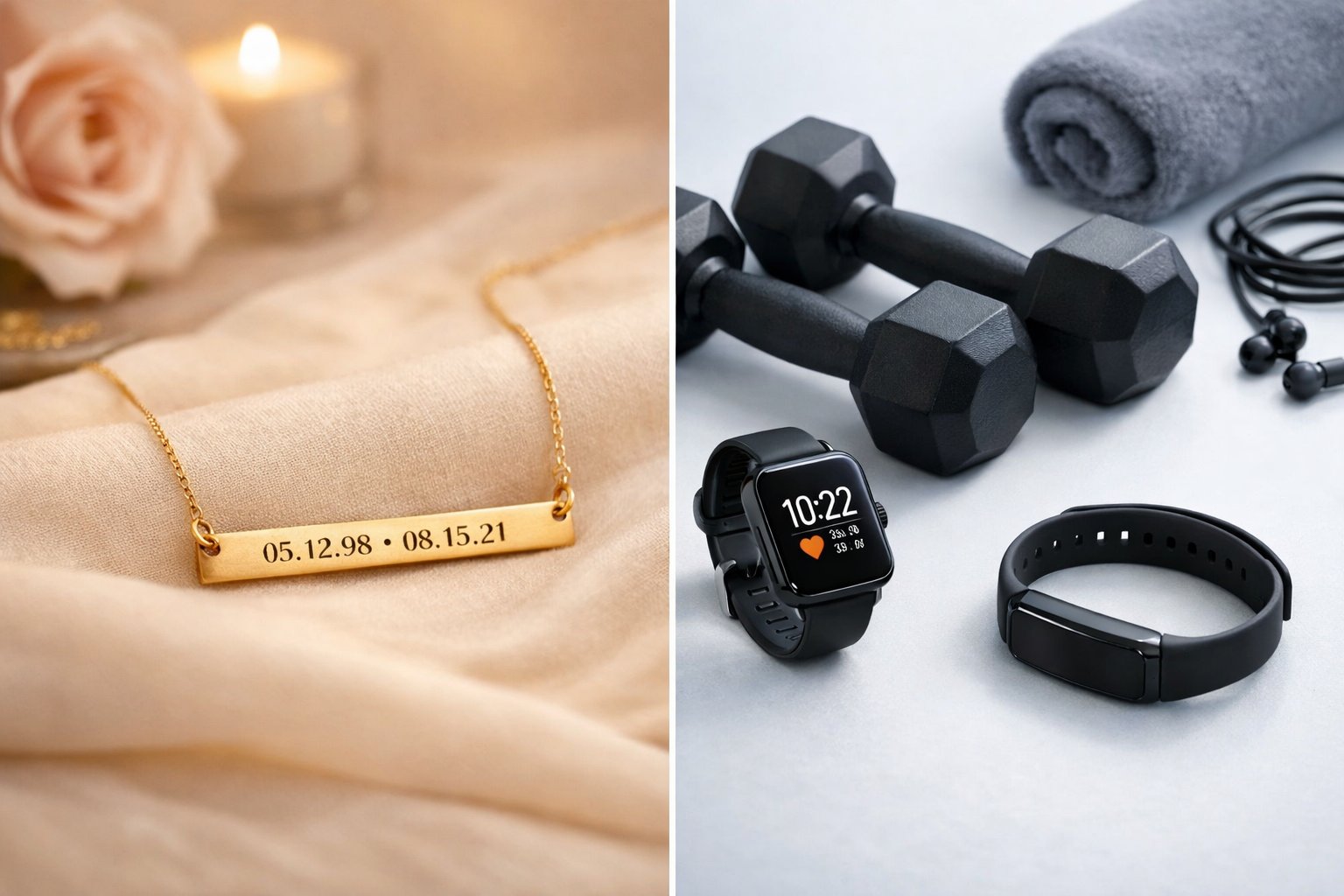
A milestone necklace carries emotional weight because it marks a moment that changed you, while a fitness upgrade delivers practical benefit but rarely stirs the same feeling when you touch it. The difference isn't about which choice is better. It's about recognizing what you need right now. Sometimes personalized jewelry connects emotionally in ways that tools and gear simply cannot. Other times, investing in what moves you forward matters more than marking where you've been.
This isn't about choosing sentiment over progress. It's about understanding why one purchase might sit with you differently than another. When you know what you're really looking for, the decision becomes clearer.
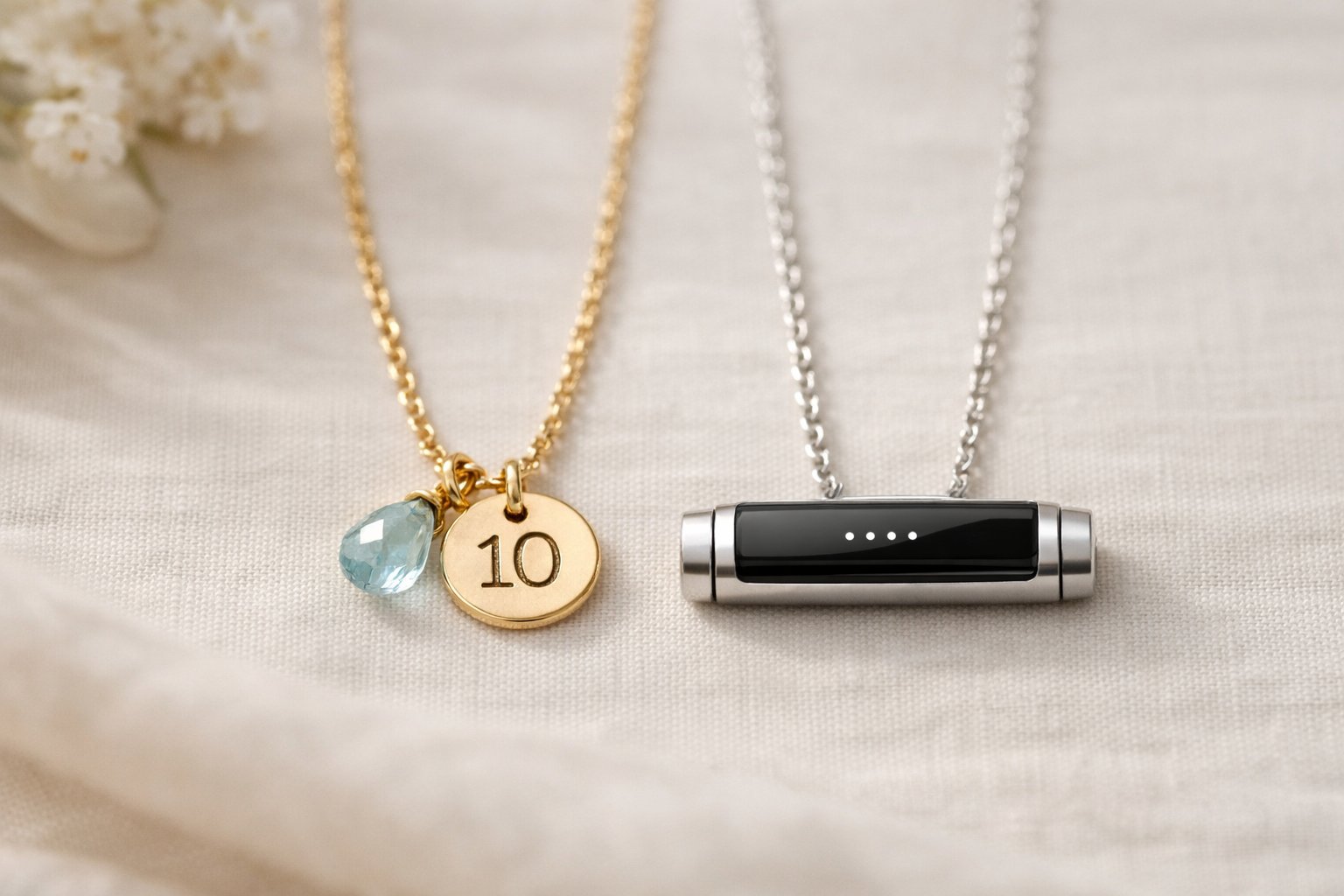
A milestone necklace marks a specific moment someone wants to remember—a date engraved in metal, a symbol chosen with care, or a design that captures what changed inside them. These pieces work differently than a minimalist pendant because they point to something concrete rather than something open to interpretation.
When someone engraves a date into jewelry, they're anchoring an emotional experience to a fixed point in time. The engraving might mark a graduation, a recovery milestone, or the day everything shifted. That specificity gives the piece weight because it doesn't just represent growth—it represents when growth began.
The brain remembers emotionally significant events more clearly when they're tied to concrete details like dates or locations. A fitness jewelry piece with an engraved milestone date functions as a daily reminder of who someone became on that day. Every time they touch it, they're not just remembering what happened—they're reinforcing the identity shift that came with it.
If someone wants to honor a meaningful transition with something they'll actually wear, a simple bar necklace with a custom date gives them that touchpoint without drama.
Wearing the same piece every day creates a pattern the body learns to recognize. Before a difficult conversation, someone might touch their necklace. Before starting a new routine, they might glance down at it. These small gestures become part of how they prepare themselves emotionally.
Necklaces carry emotional significance because they rest against the chest where heartbeat and breath remind someone they're present. When that necklace also carries a date or symbol tied to personal transformation, it becomes part of their daily ritual—not just decoration.
Unlike a minimalist pendant that stays neutral, an engraved piece invites someone to remember a specific version of themselves. That can feel grounding during uncertain phases or motivating when old patterns try to resurface.
A milestone necklace tells a story that only the wearer fully understands. The date might mean nothing to anyone else, but to them it represents the day they chose differently. It's not about showing off—it's about carrying proof that change is real.
Some people wear milestone jewelry as a bridge between who they were and who they're becoming. Others wear it to honor someone who supported them during that transition. The meaning isn't built into the metal—it's built into the memory attached to it.
For someone celebrating an achievement that felt hard-won, a personalized disc necklace lets them choose exactly what words or numbers matter most. That specificity makes it feel less like a gift and more like a quiet promise they made to themselves.
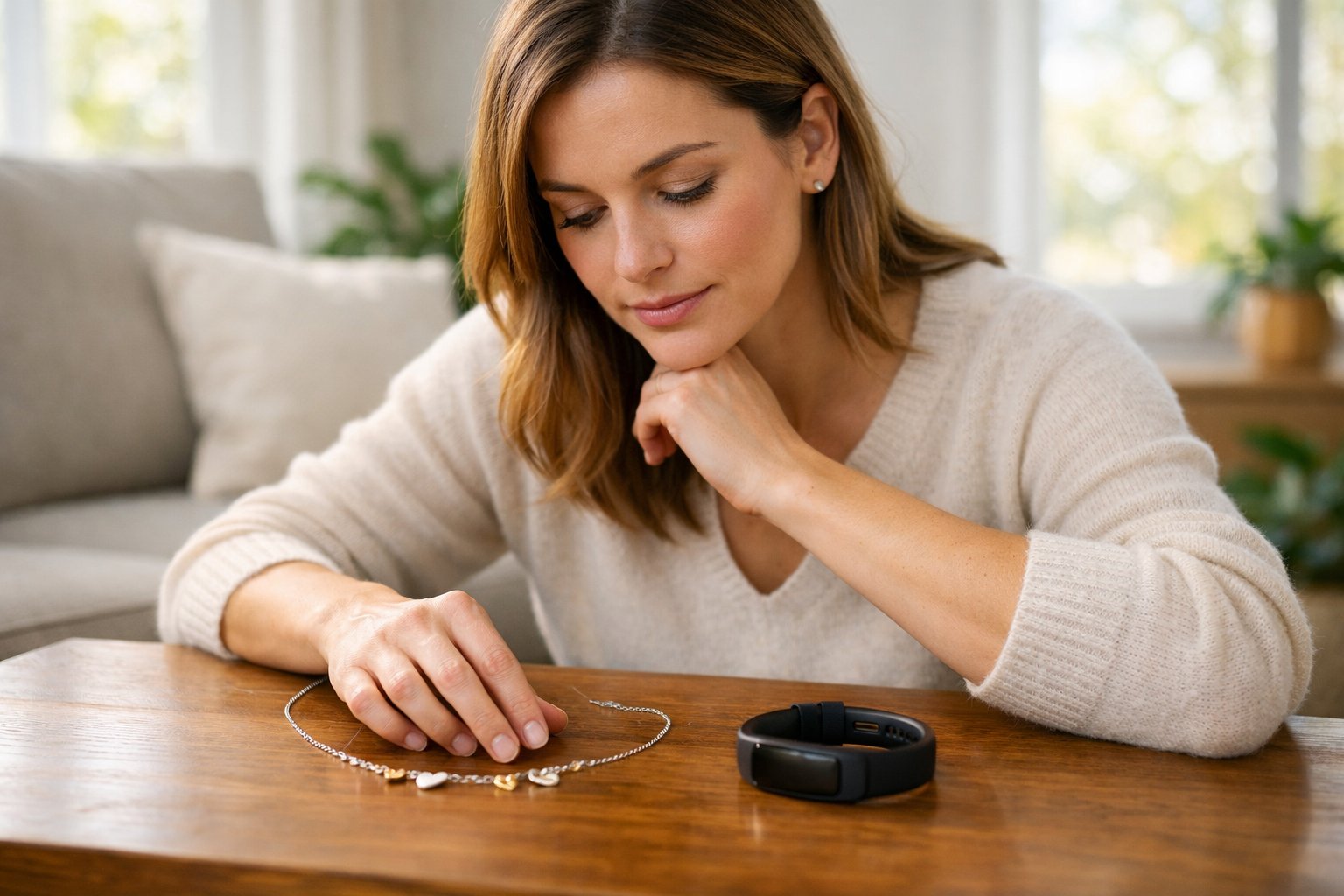
A fitness upgrade can mean different things depending on whether someone values tangible results or internal shifts. The distinction between physical milestones and emotional growth often determines how lasting the change feels.
A fitness upgrade isn't always about new equipment or a faster mile time. It can be a shift in how someone approaches movement, rest, or self-talk during hard workouts.
Some people define it through visible progress like stronger lifts or weight loss. Others measure it by how they feel before, during, and after exercise.
The upgrade might be as simple as swapping judgment for curiosity when a workout doesn't go as planned. It could also mean recognizing when rest serves progress better than another training session.
Physical upgrades are easier to track. Emotional ones require more attention and honesty. Both matter, but only one tends to show up in photos or on a fitness tracker.
When someone commits to setting and achieving fitness milestones, the upgrades they prioritize reveal what they value most about the process.
Physical progress follows a predictable pattern. Lift heavier, run longer, recover faster. The body adapts when given consistent stimulus and rest.
Emotional fitness works differently. It's about managing thoughts and reactions, especially when motivation fades or results stall. Someone might hit a new personal record but still feel inadequate. Or they might miss a workout and spiral into shame instead of adjusting the plan.
The emotional upgrade happens when disappointment doesn't derail the entire week. It's choosing to show up imperfectly rather than waiting for ideal conditions.
A personalized journal can help track both types of progress without forcing one to overshadow the other. Physical metrics go on one page, emotional shifts on another.
If someone wants to honor both the effort and the feeling behind it, a small keepsake works without adding pressure. You can personalize it here.
Habits form when behavior becomes easier than resistance. That happens through repetition, not willpower.
The first few weeks of any fitness change feel forced. Someone has to decide over and over to keep going. Eventually, the decision fades and the action just happens.
But ongoing change requires more than autopilot. It needs flexibility when life shifts, injury happens, or interest fades. The habit has to adapt or it breaks.
People who stay motivated during their fitness journey often build in small checkpoints rather than waiting for major transformations. They notice when something stops working and adjust before frustration builds.
A custom fitness tracker can support this by making patterns visible without judgment. The data shows what's happening, not what should be happening.
Change doesn't need to feel dramatic to count. Small shifts compound over time, especially when someone pays attention to how they feel throughout the process instead of only at the finish line.
A minimalist pendant offers no specific reminder of what was achieved or when. It anchors someone in the present through weight, texture, and repetition rather than through dates or symbols of accomplishment.
A minimalist pendant works through physical presence rather than visual declaration. The smooth texture of a polished metal bar or a simple disc becomes a tactile anchor someone touches before a workout or during moments of doubt. This kind of jewelry supports consistency without requiring explanation.
The lack of engraving means nothing can become outdated. Someone who starts with yoga and shifts to strength training still wears the same piece. The meaning adapts because it was never fixed to one achievement or goal.
Simple designs that support this approach:
These pieces function as subtle, timeless designs that complement daily routines without drawing attention.
Milestone markers can create pressure to maintain a specific identity. A pendant engraved with "First 10K" might feel hollow after someone runs their fifth race or stops running entirely. A blank pendant carries no such weight.
This approach benefits anyone recovering from achievement-based exhaustion or disordered patterns around exercise. The jewelry celebrates process instead of results. It doesn't demand proof of progress or create shame during rest periods.
Someone might wear a simple pendant design that holds meaning without broadcasting it. The lack of text removes comparison and external validation from the equation. The piece remains relevant whether someone exercises daily or takes a month off.
A minimalist pendant becomes part of a routine through repetition. Putting it on before lacing up shoes or touching it before starting a workout builds association over time. The nervous system begins to recognize the cue.
This works especially well for people who prefer low-stimulus reminders. The pendant doesn't require reading or interpretation. It just sits against the skin as a quiet signal that this moment matters.
If someone wants something personal without making it explicit, a customizable piece like this keeps it meaningful yet understated. You can personalize it here.
The choice between a milestone necklace and a fitness tracker often comes down to whether someone values memory over metrics. One carries stories, the other carries goals.
A milestone necklace becomes a physical marker of a specific moment in time. It doesn't track heart rate or count steps. It holds something harder to measure.
When someone wears a piece tied to a memory, they're carrying a reminder of who they were at that moment. The weight of it against their chest can bring back entire scenes. A birthday. A loss. A promise made.
Fitness trackers document progress differently. They store data points and charts. But they rarely trigger the same kind of recall. The emotional connection to a run logged three months ago doesn't compare to touching something that was there the day everything changed.
Jewelry designed around memory works because:
Fitness devices solve problems. They answer questions about sleep quality, calories burned, and whether someone moved enough that day. The value is clear and measurable.
A necklace marking a milestone doesn't improve health metrics. It won't buzz to remind someone to stand up or hydrate. Its function is entirely different.
Some people need the accountability a tracker provides. Others need the comfort of carrying something that matters. For those drawn to sentiment, a personalized milestone necklace can mark graduations, sobriety dates, or the year they survived something hard.
If you want something that feels personal without making the moment overly sentimental, a customizable design keeps it meaningful yet light. You can personalize it here.
The choice isn't about which product is better. It's about what someone needs to feel anchored.
There are times when practicality stops mattering. A fitness upgrade might offer better sensors and longer battery life, but it won't hold the same weight as something chosen for emotional wellbeing.
People don't typically pass down fitness trackers. But they do pass down jewelry that carries meaning. A necklace given after a hard year or to mark a turning point becomes part of someone's story.
The item itself might be simple. A single charm. A stamped date. But what it represents can't be replaced by something more advanced or feature-rich.
Signs emotional value matters more:
When someone chooses based on emotion rather than function, they're prioritizing how design creates meaning over time. That decision isn't about rejecting practicality. It's about knowing what they actually need to carry with them.
Physical objects carry emotional weight in ways that abstract achievements often don't. When someone wears a milestone necklace or upgrades their fitness gear, they're not just making a practical choice—they're selecting what they want to anchor to their body and their daily awareness.
A milestone necklace functions as what psychologists call an identity marker. It tells the wearer—and sometimes others—who they've become or who they're becoming. When someone touches a pendant engraved with a marathon date or a sobriety milestone, they're reminding themselves of a version of their identity that required effort to build.
This matters because identity-based behavior change drives long-term adherence more reliably than goal-focused thinking alone. The necklace becomes shorthand for "I am someone who finishes what they start" rather than "I want to lose weight."
Fitness upgrades work differently. A new pair of running shoes or a better water bottle supports the identity but doesn't symbolize it. They're tools that make the practice easier, but they don't carry the same narrative weight.
For someone building a fragile new habit, the necklace can feel like proof when motivation wavers. If you want something that holds both personal meaning and daily wearability, a custom engraved piece bridges that gap quietly. You can personalize it here.
Physical symbols also work as memory anchors. A necklace worn daily acts as a tactile cue—the weight against the skin, the coolness of metal, the automatic gesture of touching it before a workout. These small sensory inputs prime the nervous system for action without requiring conscious thought.
Research on jewelry's emotional connection to memory shows that objects tied to specific moments help people recall not just what happened, but how they felt. An engraved date doesn't just mark time—it brings back the fatigue, the pride, the quiet resilience of that period.
Fitness gear doesn't usually carry this depth. New leggings might feel good, but they don't evoke a specific turning point. They support the activity itself rather than the emotional transformation underneath it.
This difference matters most during plateaus or setbacks. The necklace reminds someone of who they were on their worst day and chose to keep going anyway. That's not practical—it's profoundly emotional, and for many people, that emotional anchor protects their emotional wellbeing when logic alone isn't enough.
The jewelry someone wears during a fitness journey doesn't just mark progress—it shapes how they feel about themselves when motivation fades or when old patterns resurface. A piece tied to meaning influences emotional wellbeing differently than one chosen for function alone.
Jewelry connected to personal transformation acts as a quiet anchor when motivation wavers. A necklace engraved with a date that marks the start of a commitment—like the day someone decided to prioritize their health—becomes a touchstone during difficult mornings. It reminds them why they began, not just what they accomplished.
This differs from wearing something purely practical. A fitness tracker measures steps and calories, but it doesn't carry the weight of intention. When someone reaches for a piece that represents emotional fitness, they're connecting to a version of themselves they're actively becoming.
For gifts that honor this kind of commitment, pieces from pregnancy gifts for first time moms offer similar emotional grounding—marking transitions that require sustained effort and self-recognition.
Plateaus test identity more than effort. When progress stalls, practical tools feel accusatory—they highlight what isn't happening. Symbolic jewelry, by contrast, holds space for the struggle without demanding immediate results.
Someone wearing a milestone necklace during a setback isn't pretending the difficulty doesn't exist. They're acknowledging that their journey includes hard phases. The piece becomes proof that they've faced challenges before and continued anyway.
This matters for emotional wellbeing because it separates self-worth from performance. A custom engraved bar necklace can remind someone of their starting point without pressuring them to maintain a specific pace. If you want something that feels personal without making the moment overly sentimental, a customizable design like this one keeps it meaningful yet light. You can personalize it here.
Some people avoid milestone markers because they fear the pressure of living up to them. They worry that wearing a symbol of achievement means they must maintain that same intensity forever.
A piece chosen carefully doesn't demand ongoing perfection. It celebrates who someone became at a specific moment without defining who they must remain. This is especially true for gifts that honor relationships built through shared effort, like those found in jewelry for mom collections.
For partners supporting each other through change, pieces from to my wife selections can honor emotional growth without tying it to specific metrics. A simple disc pendant allows meaning to evolve without engraving expectations into metal. This personalized option offers flexibility for those who want symbolism without rigid narrative.
The difference lies in whether the jewelry serves as evidence of worth or a reminder of capacity—one creates anxiety, the other sustains it through uncertainty.
Milestones gain weight when they're witnessed by others. They become part of a shared story that strengthens bonds and marks someone's place within a group or family.
When someone wears a piece that marks an accomplishment, it invites conversation. A necklace engraved with a date or symbol becomes a quiet announcement of something meaningful. Others notice. They ask. The story gets told again.
This kind of social connection strengthens emotional wellbeing. It reduces isolation. It creates opportunities for recognition that feel genuine rather than performative.
Fitness upgrades don't carry the same social signal. A new pair of running shoes might spark a brief comment, but they don't hold a story someone can share repeatedly. They serve a purpose and wear out.
Jewelry doesn't wear out the same way. A custom-engraved pendant acknowledges someone who finished something hard or reached a goal they set years ago. It works especially well for moments that might otherwise go unnoticed by the broader world. If someone wants something that feels personal without making the moment overly sentimental, a customizable necklace design keeps it meaningful yet light. You can personalize it here.
Some families pass down jewelry as a way of marking continuity. A grandmother's bracelet becomes a granddaughter's 18th birthday gift. A mother gives her daughter a necklace when she graduates or marries.
These pieces carry emotional weight because they link generations. They represent values and memories from people who shaped the family's identity. When someone wears one, they're reminded of where they came from.
Cultural traditions often involve specific jewelry given at certain life stages. Bar mitzvahs, quinceañeras, weddings, and christenings all have their own markers. These aren't just personal choices. They're part of a larger ritual that connects the individual to their community.
A personalized family tree necklace works for mothers who want to mark the addition of each child or grandchild. It becomes something they wear daily that holds everyone close. Gifts to my daughter or grandmother often carry this kind of generational meaning.
Fitness gear doesn't enter this territory. No one passes down their old treadmill as an heirloom. Equipment serves the person who uses it and stops there.
Engraving a name or date doesn't just add decoration. It anchors a gift to a specific moment in time and transforms it into something irreplaceable.
When someone receives jewelry engraved with their initials, a milestone date, or a phrase that matters only to them, the object stops being generic. Personalized jewelry carries deep emotional significance because it was created with intention. A minimalist pendant with a single engraved letter becomes a daily reminder of identity or connection. It's not about the metal or the design alone.
The wearer doesn't just see a necklace. They see proof that someone thought about them specifically. That kind of recognition affects how they move through their day. If you want something that feels personal without making the moment overly sentimental, a customizable design like this keeps it meaningful yet light. You can personalize it here.
A fitness tracker gets replaced. A personalized necklace gets passed down. Emotional value isn't automatic, but when tied to a milestone like a graduation or anniversary, the piece becomes part of someone's story. It doesn't lose relevance when trends change.
Years later, the engraving still means something. The person who wore it might share it with their own child or keep it tucked away during hard seasons as a reminder of who they were at that moment. Custom jewelry becomes an open palette for honoring what matters most. A simple wedding gift with a date engraved can carry weight for decades. Practical gifts solve problems. Personalized ones hold memory.
Wearable pendants now carry sensors that respond to the body's emotional signals, and some designs prioritize how a piece feels rather than what it counts.
The Nuna Smart Pendant tracks emotional wellbeing through body signals, voice tone, and surroundings. It reads heart rate variability, breathing patterns, and micro-movements without direct contact. The device analyzes vocal pitch and energy to spot mood shifts.
It also senses environmental noise to understand how a crowded café or quiet park affects someone's state of mind. The data feeds into an app that offers meditation prompts and breathing exercises. Raw audio never leaves the device, keeping emotional data private.
Unlike fitness trackers that focus on steps or calories, these pendants interpret stress and calm. They respond to internal rhythms rather than external goals. The minimalist pendant design hides advanced technology behind a piece that looks like jewelry. It costs $299 without a subscription, making it more accessible than many smartwatches.
For someone who wants to track emotion without announcing it, a custom milestone necklace offers a quieter alternative. It doesn't measure anything, but it anchors a feeling to a specific moment. You can personalize it here.
Smart jewelry integrates technology into everyday accessories without looking utilitarian. These pieces track wellness while fitting into personal style. A pendant can monitor stress and still feel like something someone would choose to wear every day.
The shift matters because wearables used to signal function over form. Now they adapt to emotional needs instead of just counting activity. Someone might wear a tech pendant during a difficult season and retire it later, unlike a fitness tracker that demands constant engagement.
A handmade date necklace captures a milestone without requiring updates or charging. It holds meaning through design rather than data. If someone wants a piece that feels personal without making the moment overly sentimental, a customizable design keeps it meaningful yet light.
Both tech pendants and milestone necklaces occupy the same space on the body. One responds to the wearer's emotional state. The other reflects a memory the wearer chooses to carry.
The choice between something sentimental and something functional often comes down to understanding what the person really needs right now and what kind of support will resonate most deeply with them.
Before choosing a gift or reward, it helps to pause and consider what the recipient values most in their daily life. Some people find comfort in objects that remind them of progress or connection. Others feel more supported by tools that make their routines easier or more effective.
A milestone necklace works well for someone who wants a quiet reminder of how far they've come. It sits close to the skin and doesn't demand attention, but it's there when needed. A fitness tracker or wireless earbuds serves a different purpose—it makes the next workout more efficient or enjoyable.
Neither choice is better. The decision depends on whether the person is seeking acknowledgment or assistance. Someone recovering from a setback might need the first. Someone building momentum might need the second.
If you want something that feels personal without making the moment overly sentimental, a customizable charm necklace keeps it meaningful yet light. It honors the moment without creating pressure to perform or explain. You can personalize it here.
The best gifts often combine both emotional fitness and practical support. A necklace paired with a new yoga mat acknowledges the feeling and the practice. A journal alongside a set of resistance bands does the same.
When someone is struggling, the emotional piece usually comes first. Recognition and validation matter more than equipment in those moments. When someone is thriving, practical upgrades help them keep going without burning out.
Consider these questions:
If the answers lean toward reflection and memory, something symbolic will likely mean more. If they lean toward action and improvement, a personalized water bottle or training plan might serve them better. The right choice reflects where they are, not where you think they should be.
Choosing between milestone jewelry and fitness upgrades often raises questions about emotional value, personal expression, and how different designs align with individual needs and aspirations.
A fitness tracker worn as jewelry removes the technical appearance that can make wellness feel like work. When health monitoring sits inside a necklace or ring, it becomes part of someone's personal style rather than an obvious gadget.
This shift matters for people who want to track their habits without advertising that they're tracking. Fitness tracker necklaces that blend into jewelry collections offer step counting and heart rate monitoring while looking like everyday accessories.
The design becomes a reflection of taste. Someone might choose a rose gold pendant or a minimalist silver piece based on what feels authentic to them, not what the tech industry decides looks sporty.
This kind of integration works emotionally because it doesn't require choosing between function and beauty. Both exist in the same object, which can feel more whole than wearing separate items for separate purposes.
Sentimental jewelry holds memory in a way that functional items rarely do. A necklace marking a specific achievement or moment becomes a physical reminder that carries emotional weight every time it's worn.
Unlike fitness trackers that measure future progress, milestone jewelry celebrates what already happened. It acknowledges a moment that mattered enough to mark permanently.
This distinction matters for people who want to honor their journey rather than constantly push toward the next goal. Milestone jewelry designed for life's significant moments serves as a gentle acknowledgment rather than a motivational tool.
The emotional benefit comes from looking back with appreciation instead of always looking forward with expectation. That shift can feel grounding for someone who needs to recognize how far they've already come.
Traditional fitness trackers sit on the wrist where they're constantly visible and often interacted with throughout the day. A necklace rests closer to the heart and requires less attention.
This placement creates a different relationship with the device. It feels more like something carried than something monitored, which can reduce the anxiety some people feel about constant tracking.
The intimacy comes from having something functional rest in a personal space. A pendant with health tracking features doesn't demand constant checking the way a wrist display might.
For people who feel overwhelmed by notifications or screen time, this quiet presence offers support without interruption. The comfort lies in knowing the tracking happens without requiring active participation.
A slim design allows someone to maintain privacy around their fitness journey. Not everyone wants their health goals visible to others, and a discreet tracker respects that boundary.
The encouragement comes from personal knowledge rather than external validation. When only the wearer knows they're tracking activity, the motivation stays internal instead of becoming performative.
This matters for people who've felt judged about their health or who want to build habits without commentary from others. A 3D pedometer with clip and lanyard options can be tucked away while still providing accurate step counts.
The sleekness also means it doesn't interfere with clothing choices or professional settings. Someone can attend meetings or events without their wellness journey becoming a conversation topic.
Where someone places their tracker often reveals what they're trying to achieve emotionally. A bracelet makes fitness visible and can serve as a public commitment or conversation starter.
A waistband or pocket tracker keeps the journey private. This choice suits people who don't want their wellness efforts to define how others see them.
The difference isn't just about placement. It's about whether fitness feels like an identity or a personal practice. Someone who values discretion might prefer a simple pedometer with carabiner attachment that stays hidden.
This decision also reflects comfort with external accountability. A visible tracker invites questions and observations, while a hidden one maintains autonomy over who knows about fitness goals.
A clip-on tracker offers flexibility that wrist-worn devices don't provide. It can attach to different clothing items, move between bags, or hook onto accessories depending on the day's activities.
This versatility appeals to people who don't want their fitness routine to dictate their appearance. They can dress however they want and still maintain tracking without compromising style.
The aspirational element comes from imagining a life where wellness integrates seamlessly without requiring specific outfits or visible equipment. A lightweight clip-on pedometer supports this vision by adapting to various situations.
For someone building toward a more active lifestyle, a clip-on suggests that fitness is just one part of a full life rather than the central focus. That balance can feel more sustainable and less overwhelming than making wellness the primary identity.