
Your Cart is Empty
The thin plastic band sits where it was left days ago, still carrying a name, a date, a moment that felt too big to throw away. Some people cut theirs off in the hospital parking lot, but others bring them home and set them down gently, unsure what comes next. Hospital bracelets can be transformed into meaningful keepsakes through display frames, jewelry, ornaments, or creative crafts that preserve the memory of important life moments.
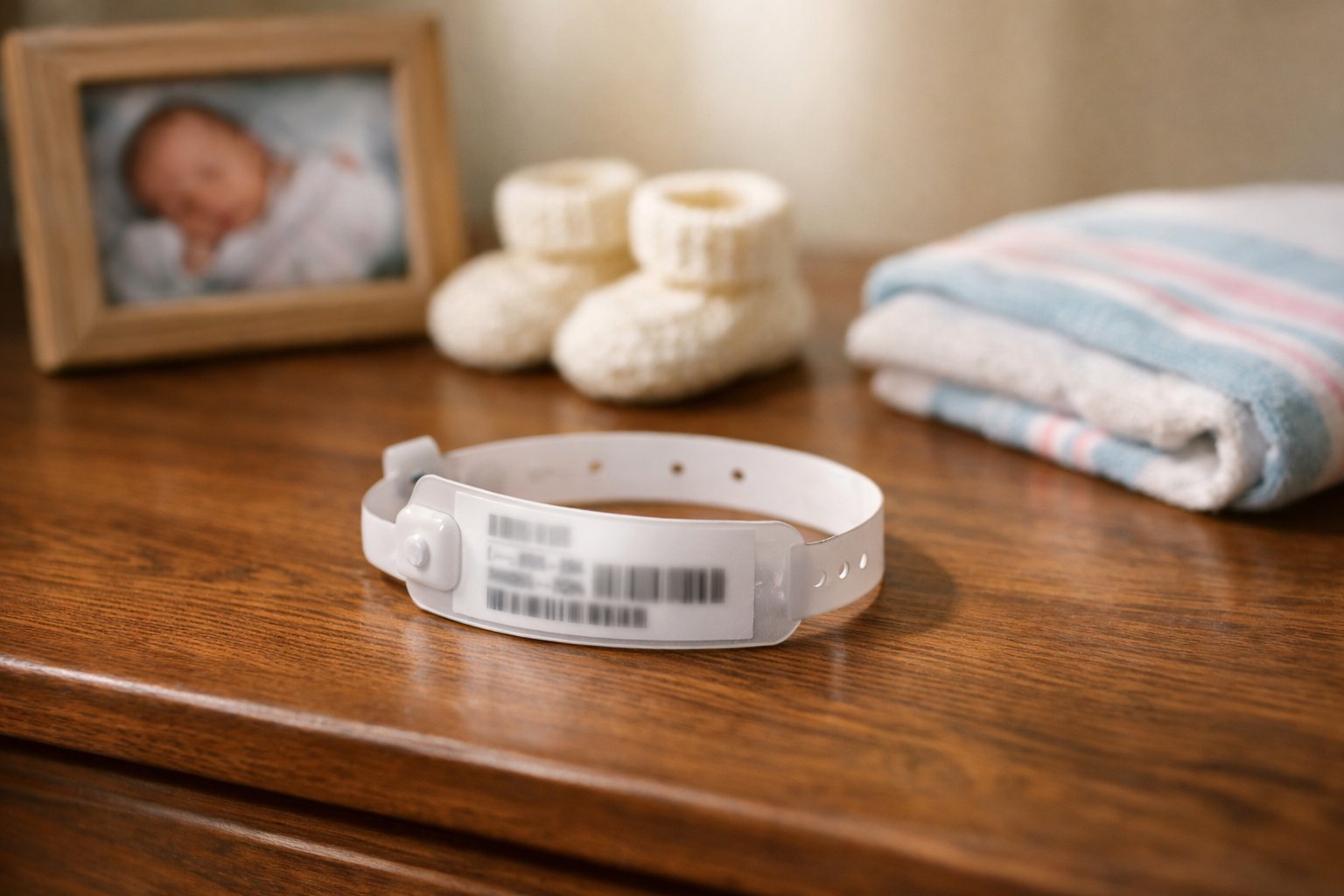
The instinct to hold onto these small items is not unusual. Many people keep hospital bracelets from meaningful stays tucked away in drawers for years, even when the plastic fades and cracks. They represent turning points, births, recoveries, or losses that deserve more than a trash bin. A keepsake display frame can hold the bracelet alongside a photo, or it can become part of a handmade ornament that hangs on a tree each year. For those who want something close, some custom jewelry pieces incorporate the original band or replicate its details in metal or resin.
Turning a hospital bracelet into something lasting does not erase what happened or make grief easier. It simply gives the memory a place to rest. Whether tucked into a shadow box, stitched into fabric art, or arranged as flowers on canvas, these small acts of preservation help people hold onto weeks that changed everything. Some parents create ornaments with baby hospital bracelets and newborn hats, while others design personalized keepsake frames that capture the tenderness of early days.
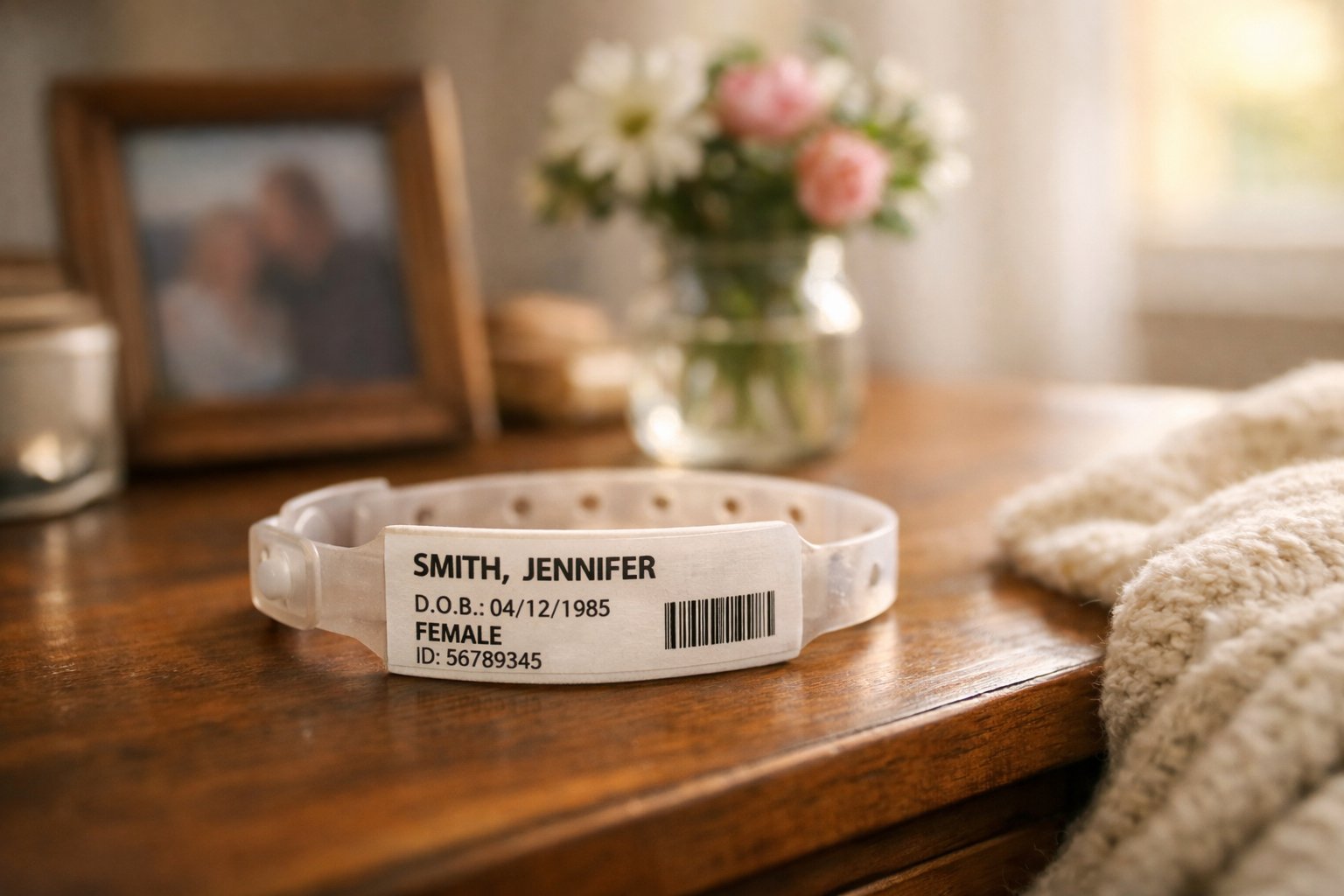
Hospital bracelets carry more weight than their thin plastic suggests. They mark moments people don't plan to remember but can't quite forget.
The bracelet doesn't come off right away for most people. It stays on through the ride home, through the first shower, sometimes through the first week back to normal life. There's no ceremony for removing it. No one explains when it's okay to cut it off.
Some people keep them in drawers for years. The plastic curls over time, and the printed information fades but stays readable. Names, dates, barcodes, and hospital logos remain visible even as the band stiffens and cracks along the edges.
Parents often save the tiny bracelets from their newborns' first hours. Cancer patients sometimes keep bands from treatment cycles. Others hold onto bracelets from surgeries, accidents, or stays they never expected to experience. The band becomes proof that something significant happened, even when the body heals and daily routines resume.
A hospital bracelet looks like nothing special. It's mass-produced plastic with basic information. Yet people describe holding these bracelets years later and feeling pulled back to specific moments.
The bracelet doesn't photograph well. It won't display nicely on a shelf. It has that faint synthetic smell that never quite disappears. But it carries the weight of what happened while wearing it—the fear, the relief, the waiting, the change.
These objects work differently than traditional keepsakes. No one gives them as gifts. They're assigned, clicked shut by an intake nurse who's done the same motion a thousand times that month. That's part of why they matter. They're not manufactured memories. They're artifacts from real moments when life shifted.
Each bracelet tells a different story. New parents often seek creative ways to preserve these tiny bands that once wrapped around impossibly small wrists. A personalized display frame can hold both the bracelet and a photo from those early days.
Some people describe spotting their hospital bracelets months after staying in medical facilities. Others mention keeping multiples from different stays, each one marking another chapter they survived.
For those wanting something that feels personal without making the moment overly sentimental, custom keepsake holders keep it meaningful yet light. You can personalize it here.
One father recently asked about men's bracelet designs that could incorporate his newborn's hospital band. The search for the right container matters because the bracelet itself already holds everything important. What people need is simply a place to keep it safe.
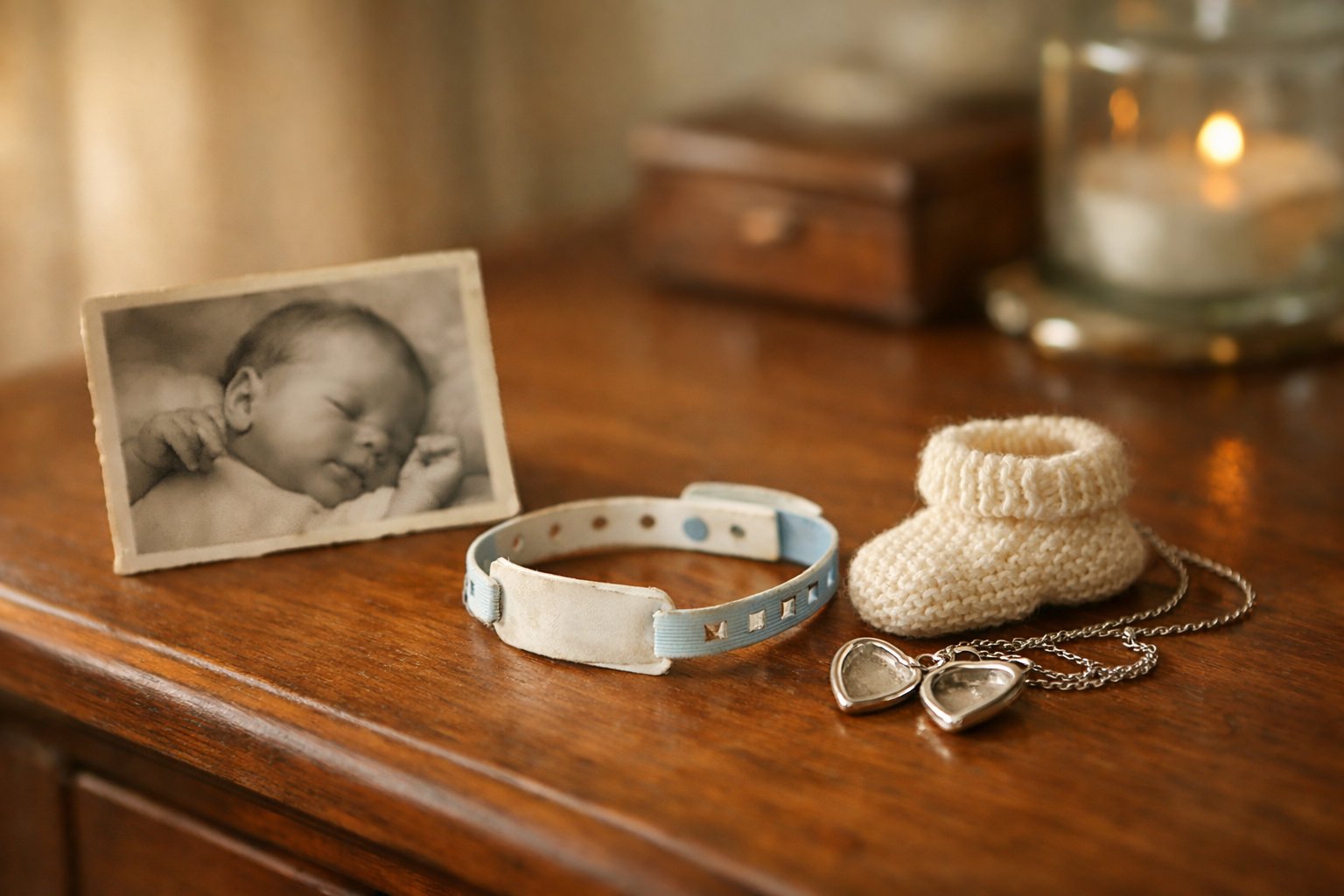
Some objects hold more than memory. They anchor the moment when everything shifted, when life divided into before and after.
A birth. A loss. A diagnosis that rewrites the future. These aren't just events marked on calendars.
They're the weeks that split a person's timeline in two. The hospital bracelet from those days isn't trash—it's proof of survival, of showing up when everything felt impossible. It marks the week someone became a parent, said goodbye, or faced fear they didn't know they had.
What makes these moments different is their weight. A birthday comes every year, but the week a heart stopped or started beating changes everything. The bracelet, the blanket, the card—these aren't decorative. They're witnesses to transformation. People keep them because throwing them away feels like erasing what happened, like pretending it didn't matter.
Custom keepsakes give those objects permanence. They become something wearable, displayable, real.
A keepsake doesn't just preserve a moment. It acknowledges the person who lived through it.
Hospital bracelets fade. Paper tears. But when someone turns that bracelet into jewelry or frames it beside a photo, they're saying: this mattered. They're creating a tangible memory keeper that doesn't require explanation.
The power isn't in the object itself. It's in the decision to keep it visible. A customized engraved bracelet becomes a daily reminder that they survived something hard. A framed ultrasound becomes proof of love before first breath.
These pieces work because they make grief or joy portable. Someone can carry it without carrying the weight of explaining it to everyone who asks.
If something needs to stay close but feel lighter, a small engraved piece keeps it present.
You can personalize yours here.
Not everything from that week needs saving. The receipts, the paperwork, the generic flowers—those can go.
What stays should feel essential. The bracelet. The first photo. The blanket that smelled like them. These are the items that make someone's chest tighten when they see them months later.
What to keep:
What to release:
Heartbeat keepsake jewelry transforms sound waves into wearable art—ultrasounds, EKGs, even a child's laugh become permanent. Some people preserve flowers from funerals or weddings into jewelry that holds texture and color. Others choose hospital bracelet keepsakes that turn plastic into something beautiful.
The right keepsake doesn't announce itself. It just feels impossible to throw away.
A thin plastic band holds more weight than its size suggests. Turning it into something permanent creates a bridge between a single week and the years that follow.
The bracelet itself is fragile. It wasn't designed to last beyond discharge day.
That's why people look for ways to protect it. Some wrap it around wooden discs with carved spaces designed specifically to hold the band. Others thread it through custom engraved plaques that include birth details or treatment dates.
The goal is preservation without losing the original. Shadow boxes work well for this. They keep the bracelet visible but protected from handling and air. Some people add photos from that time period or small mementos like admission papers.
A personalized keepsake holder can be laser engraved with names and dates. These simple wooden pieces create a dedicated space for the bracelet instead of leaving it in a drawer. They acknowledge what the band represents without making it more than it is.
Display frames remain one of the most common choices. These typically include a photo opening and a separate window for the bracelet. Custom frames with crystal details add a formal touch for birth announcements or nursery decor.
Jewelry conversions take a different approach:
Some people get creative with multiple bracelets from extended stays. One idea involves arranging stacked bracelets in a fan pattern to create flower shapes on canvas. Someone else paints stems and leaves around them.
For those who prefer something ready-made, hospital bracelet keepsakes on Etsy offer handmade and custom options. Many sellers create pieces specifically sized for newborn or adult bands.
She might want something that feels personal without making the moment overly sentimental. A customizable design keeps it meaningful yet light.
The bracelet marks a specific point in time. Birth. Surgery. Recovery. Loss.
One woman kept a tiny beaded bracelet in her jewelry box for years before moving it to an archival sleeve with its written story. The physical object triggered memories that might have faded otherwise.
For couples, these keepsakes can become shared symbols of support during difficult times. A husband who kept his wife's treatment bracelets created a timeline of her journey. Each band represented a different stage.
Parents often save newborn bracelets alongside footprints and first photos. The size of the band itself tells part of the story. How small. How fragile. How much has changed.
Some people never display their keepsakes. They stay in boxes or drawers. The act of saving them matters more than showing them. It's a private acknowledgment of what happened and what it meant.
A hospital bracelet can become part of something worn every day. Some people turn these thin strips into jewelry that moves with them through life.
Artisans who specialize in memorial and keepsake jewelry can work with hospital bracelets in several ways. The bracelet itself might be cut and sealed inside a clear resin pendant or charm. Others preserve the paper or plastic band by laminating it and attaching it to a bracelet chain.
Some jewelry makers incorporate the actual material into custom rings or pendants. The bracelet can be rolled tightly and set into metal bezels. It can also be photographed and engraved onto metal surfaces.
The process usually involves sending the bracelet to the maker. They clean and prepare it, then use resin casting or metal setting techniques. Most pieces take two to four weeks to complete.
The design choices for keepsake jewelry depend on how visible someone wants the memory to be. Dangle pendants can hold small scrolled pieces of the bracelet inside lockets or glass vials.
Common design options include:
Some people choose pieces meant for mothers that combine birth dates or names with the bracelet material. Others pick simple metal bands where the bracelet stays hidden inside the setting.
Not everyone wants their keepsake to stand out. Simple designs let people carry the memory without explaining it to everyone who asks.
A thin band with resin and bracelet material looks like any other ring. A small charm on an existing necklace chain blends in. Some choose popular everyday jewelry styles and have the bracelet incorporated into the back or inside.
These quiet pieces work for people who want the comfort without the conversation. The bracelet stays close but private. It becomes part of getting dressed each morning rather than something that demands attention.
A hospital bracelet doesn't need to stay hidden in a drawer or left out in plain sight without intention. There are ways to hold onto it that feel both private and present, turning a small band into something that carries weight without taking up much space at all.
A hospital bracelet display frame offers a dedicated spot where the bracelet sits behind glass alongside a photo. These frames usually include a small window or compartment specifically sized for the band. The bracelet stays visible but protected from dust and handling.
Shadow boxes work well for those who want to include more than just the bracelet. Someone might add a printed photo, a card from that week, or a small flower that was in the room. The depth of a shadow box allows items to sit at different levels, creating a layered look.
Clear ornaments provide a simpler option. Plastic ball ornaments that open let someone tuck the bracelet inside and hang it somewhere meaningful. A ribbon tied at the top adds a gentle finishing touch. These work especially well for those who prefer keepsakes stored rather than constantly on view.
Custom engraved boxes offer another route. If the bracelet feels too personal to display openly, a small wooden keepsake box with a name or date carved into the lid keeps it safe and easy to find. The box itself becomes part of the memory.
Placing the keepsake somewhere intentional makes a difference. A bedroom dresser, a bedside table, or a shelf in a quiet corner all work. The spot doesn't need to be prominent, just somewhere that feels right when someone walks past it.
Grouping small sentimental items together helps avoid clutter. A jar or small display case can hold the bracelet alongside other meaningful objects like a hospital photo or a handwritten note. When items sit together, they tell a fuller story without overwhelming the space.
Some people prefer rotating displays. They might keep the bracelet out for a few months, then tuck it away and bring out something else. This approach lets the keepsake breathe without demanding constant attention.
Lighting matters too. A soft lamp nearby or natural light from a window keeps the display from feeling too staged. The bracelet doesn't need a spotlight, just enough light to see it when it matters.
Not everyone wants the bracelet where guests will see it. A drawer with a lined interior or a box kept in a closet offers privacy while keeping the item accessible. The person who needs to hold it knows exactly where it is.
For those who do want it visible, choosing a spot that feels semi-private helps. A bedroom or personal office keeps it within view without making it the first thing visitors notice. The bracelet becomes part of the everyday landscape without announcing itself.
Some find comfort in wearing the memory differently. Custom jewelry that incorporates the bracelet's date or a small charm referencing that time transforms the keepsake into something wearable. It stays close without being obvious.
The balance shifts over time. What feels right to display one month might feel too raw the next. Giving permission to move things around or put them away when needed makes the keepsake flexible rather than fixed.
The first days with a newborn hold a weight that nothing else quite matches. Baby gifts during this time aren't just objects—they're anchors for feelings that move too fast to hold onto otherwise.
That tiny plastic band with its printed letters becomes something more than identification once everyone comes home. It's proof of the beginning, tangible evidence of the moment everything changed.
Many parents tuck these bracelets into drawers or baby books, but they often get lost among other papers and mementos. Wooden bracelet holders offer a way to display them alongside engraved birth details. These pieces typically measure around six inches and include slots designed specifically for the bracelet's small size.
Some families prefer display frames that combine a photo with a window for the bracelet. The white frames often include space for a 6x4 inch photo, keeping the image and the bracelet together in one view. Others choose engraved wooden discs made from basswood that can hang on a nursery wall or sit on a shelf.
Something with a child's name carved or printed on it carries a different feeling than generic items. It says someone took time to think about this specific child, this specific family.
Customized keepsakes often include birth statistics—weight, length, time of arrival. Some add quotes like "For all the things my hands have held, the best by far is you" alongside an engraved baby hand. These details matter because they capture what parents remember most clearly: the numbers they repeated to everyone who asked in those early days.
Parents also appreciate gifts for first-time mothers that acknowledge the magnitude of what just happened. Jewelry pieces work well because they can be worn daily. Simple bracelets or necklaces with birthstones or initials become quiet reminders during the chaos of newborn life.
The best baby gifts don't demand attention. They sit quietly on dressers or hang on walls, doing their work without fanfare.
Hospital bracelet holders from handmade sellers offer unique designs that mass-produced items can't match. Each one looks slightly different, reflecting the maker's individual approach. Some include hand-painted elements or mixed materials like wood and acrylic.
For daughters specifically, some parents choose meaningful keepsakes that they can pass down years later. These items bridge the gap between infancy and adulthood, carrying intention forward through time. They don't need to be elaborate—sometimes a simple engraved piece does more than something covered in decorative details.
The gifts that last aren't necessarily the most expensive. They're the ones that hold space for what parents felt but couldn't name in the moment.
When someone visits a memorial website or begins building a digital tribute, invisible technologies begin quietly working in the background to remember preferences, protect privacy, and shape how grief unfolds online.
Cookies are small text files that websites store on a visitor's device to remember information between visits. When someone returns to a memorial page they created or a digital keepsake platform, cookies help the site recognize them without requiring repeated logins.
These technologies serve practical purposes in grief spaces. They remember language preferences, save partially completed tribute pages, and keep track of which photos someone has already uploaded. Similar technologies like local storage and session tokens work alongside cookies to maintain continuity.
For families building collaborative memorials, cookies enable multiple people to contribute without losing progress. They also help platforms understand which features matter most, though this raises questions about data collection during vulnerable moments.
Not all cookies are necessary for a memorial site to function. Essential cookies handle basic operations like security and navigation. Optional cookies track behavior, personalize content, or enable third-party features.
Grief tech platforms increasingly offer granular control over which cookies to accept. Someone might allow functional cookies while declining analytics tracking. These choices matter more when the data being collected relates to loss, family dynamics, or private memories.
European privacy regulations require explicit consent before non-essential cookies activate. In practice, this means memorial sites display consent banners asking visitors to choose. Some people find these interruptions jarring when they arrive at a tribute page. Others appreciate the transparency about what information gets remembered and shared.
The tension between convenience and privacy deepens when digital memorial keepsakes involve AI features that learn from user interactions. Optional cookies may power personalized recommendations or conversation simulations, but they also create permanent records of how someone grieves.
Physical keepsakes like hospital bracelets exist independent of surveillance or data collection. Digital versions live in ecosystems where cookies and tracking technologies shape every interaction. A photo uploaded to a memorial site might generate metadata about when it was viewed, who clicked on it, and how long they stayed.
This creates a paradox. The same technologies that enable rich, interactive tributes also commodify grief through targeted advertising and behavioral analysis. Someone researching memorial preservation options may later see ads for funeral services or sympathy gifts.
Some families choose hybrid approaches. They maintain private digital archives with minimal tracking alongside public memorial pages. Others create physical objects embedded with digital elements, like custom photo frames that connect to online galleries without requiring constant cookie consent.
The hospital bracelet on the dresser never asks permission to exist. Digital keepsakes require ongoing decisions about what to allow, what to share, and what invisible technologies to trust with memory itself.
There comes a moment when the bracelet stops being a medical artifact and becomes something else entirely. The decision to keep it or release it isn't about right or wrong, but about what the heart needs to move forward while still honoring what happened.
Some people know immediately. Others keep the bracelet visible for months, waiting for a feeling that never quite arrives.
The timing isn't universal. For one person, it might be when the IV bruise finally fades. For another, it's the first morning they wake up without that week being their first thought.
Rituals help create closure when the mind struggles to accept what the calendar already knows. A person might place the bracelet in a memory box alongside other meaningful items from that time. Others photograph it before cutting it off, preserving the image without the physical weight.
The act of putting it away doesn't erase anything. It acknowledges that the acute phase has passed. The week happened, and now they're learning to live in what comes after.
Simple ceremonial actions help the body understand what the mind already knows needs to happen. Writing down what the week meant, then burning or burying the paper, creates a tangible ending. Some people prefer water, letting a river or ocean carry away a symbolic object while they speak their goodbye out loud.
If the bracelet represents someone who didn't come home, a farewell ritual might feel more necessary. A candle lit on the date they left. Words spoken to an empty chair. These aren't dramatic gestures but quiet acknowledgments that someone mattered and still does.
For those holding custom memorial pieces, the ritual might involve choosing what stays visible and what moves into private space. A necklace worn daily versus a bracelet stored safely away.
The ritual doesn't need witnesses or structure. It just needs intention.
Not everything requires letting go. Some things deserve to be held.
A person might transfer information from the bracelet onto something more permanent. A handmade journal entry. A small engraving. A photograph arranged thoughtfully.
If words feel right, someone can write a letter to themselves about that week. Not to send anywhere, just to capture what they understood then and what they understand now. Some people create a simple display with the bracelet and other meaningful objects, not as a shrine but as an honest reminder.
For those who want something that feels personal without making the moment overly sentimental, custom designs keep it meaningful yet light. You can personalize it here.
The week doesn't need a monument. It needs whatever helps someone carry it forward without being crushed by the weight of it.
A hospital bracelet becomes more than plastic and ink when someone decides it matters enough to keep. These small objects hold the power to connect generations through shared memory and meaning.
Hospital bracelets mark pivotal life moments that grandchildren and great-grandchildren will never witness firsthand. The tiny band from a newborn's first hours tells a story about vulnerability and joy that photos alone cannot capture.
When families preserve and pass down meaningful items, they create touchpoints for younger generations to understand where they came from. A bracelet from a grandfather's surgery or a mother's hospital stay becomes evidence of resilience. It shows that the family survived difficult moments together.
The date printed on that band anchors an abstract concept. Children who never knew their grandmother can hold the bracelet from the day she gave birth to their parent. They can see her maiden name and patient number. These details make her real in ways that stories sometimes cannot.
A custom memory box or keepsake display case gives these bracelets a permanent home where they stay protected but visible.
A hospital bracelet sitting on a dresser invites questions that might otherwise go unasked. Children notice these objects and wonder about their significance. Parents can share age-appropriate versions of birth stories, medical journeys, or the day a sibling arrived.
These conversations build emotional literacy. Kids learn that hospitals are not just scary places but also where important things happen. They discover that their parents were once vulnerable or that their own birth was anticipated with hope.
Family treasures worth passing down work best when the stories travel with them. Without context, a bracelet is just plastic. With context, it becomes a prompt for discussing family values, medical history, or the circumstances that shaped someone's life.
If someone wants something that feels personal without making the moment overly sentimental, a custom hospital bracelet frame keeps it meaningful yet light. You can personalize it here.
➡️ Custom Birth Announcement Keepsake Frame
The bracelet itself will last decades if stored properly. The story behind it will not unless someone writes it down.
Attaching written stories to heirlooms ensures that future family members understand what they are holding. A note card tucked beside the bracelet can include the date, the person's full name, the reason for the hospital visit, and how they felt that day.
Some families record audio or video where an older relative explains the significance of each keepsake. Others create digital archives with scanned images and typed narratives. Both methods protect against the loss that happens when the storyteller passes away before sharing everything.
Physical documentation options:
The most effective approach combines the object with context. A bracelet in a drawer means little to someone who never knew its owner. That same bracelet with a handwritten note explaining the surgery that saved a life becomes a testament to survival and medical progress.
The right keepsake isn't about what looks best or costs most. It's about what feels true to the person holding it and the moment it represents.
Sometimes the first thing that catches the eye is the right choice. When someone picks up a piece and feels their chest tighten or their breath catch, that physical response matters more than any checklist. The body knows what the mind hasn't processed yet.
Choosing keepsake jewelry based on emotional connection often means stepping back from overthinking. If a bracelet charm feels right in the palm, or a small shadow box seems to ask for that hospital band, those instincts are worth following. Not every decision needs justification.
Some people walk into a store knowing exactly what they want. Others browse for weeks before something clicks. Both approaches work because they honor different ways of processing what happened during those hospital days.
A keepsake should fit into daily life without becoming a burden. Someone might love the idea of a custom handwriting bracelet with a date engraved on it, but if they work with their hands all day, a necklace tucked under a shirt might serve them better.
The hospital bracelet itself can be preserved in different ways depending on how someone wants to interact with it. A clear ornament lets them see it during certain seasons. A small locket keeps it private and portable. A framed piece turns it into something others can acknowledge when they're ready to share.
Meaningful keepsake jewelry selection involves thinking about where the item will live and how often it will be touched or seen. Something tucked in a drawer serves a different purpose than something worn every day. Neither choice is better.
Logic helps narrow options, but the final choice belongs to whatever feels most like honoring what happened. Someone might choose a personalized memory charm because it reminds them of their loved one's favorite color, even if it doesn't match their usual style.
The bracelet might end up in a piece that doesn't make sense to anyone else. That's exactly as it should be. If turning it into art or poetry feels more honest than jewelry, that instinct deserves space. If keeping it exactly as it was in a simple box brings more comfort than transforming it, that's valid too.
Some people need time before they know what to do with these artifacts. The bracelet can wait on the dresser until the right answer arrives, whether that takes weeks or years.
Hospital bracelets carry weight far beyond their physical presence, holding stories of vulnerability, transformation, and the quiet strength found in medical journeys. These small bands become vessels for memories that mark turning points in lives forever changed.
The bracelet wraps around a wrist at a moment when everything shifts. It stays there through sleepless nights, difficult decisions, and the raw hours when someone realizes they're not facing something alone.
When a parent receives matching identification bands with their newborn, those hospital bracelets connect families in a way that transcends the plastic or vinyl material. The numbers printed on each band match exactly, creating a physical link between two people whose lives are now forever intertwined.
For those who've sat beside hospital beds, the bracelet becomes proof they were present. It marks the hours spent advocating, comforting, or simply being there when words weren't necessary.
The date printed on a hospital bracelet captures a specific moment in time. For some, it's the day they became a parent or the day they survived something they weren't sure they would.
People place these bracelets in shadow boxes alongside ultrasound photos and first footprints. Others tuck them into journals or press them flat in the pages of baby books. A customized keepsake frame offers a way to display these markers of transformation where they can be seen daily.
Some choose to have the information from their bracelet engraved onto something more permanent. If she wants something that feels personal without making the moment overly sentimental, a customizable design like this bracelet keeps it meaningful yet light. She can personalize it with the exact details that matter most.
The specific time stamp becomes a reference point. Before that date existed one version of life, and after it, everything looked different.
Hospital stays strip away the everyday noise. They bring people face to face with what matters and what doesn't.
The bracelet serves as evidence of resilience during a period when someone felt anything but strong. It reminds them they made it through nights that seemed impossibly long and moments that tested everything they thought they knew about themselves.
For parents, newborn hospital bracelets hold significance because they represent the first identification their child ever wore. That tiny band circled impossibly small wrists during the earliest hours of a new life.
Some people wear their hospital bracelets for days or weeks after discharge. They're not ready to remove the physical connection to an experience still unfolding emotionally.
Each bracelet tells a story without using many words. The patient's name, date of birth, and medical record number create an essential form of identification during treatment, but they also mark someone's presence in a system much larger than themselves.
The narrative shifts depending on who's wearing it. For one person, it's the band they wore through surgery and recovery. For another, it's what they had on when they heard news that changed everything.
Hospital bracelets carry stories of waiting, of relief, of loss, and of beginnings. They hold the weight of diagnoses spoken aloud for the first time and the joy of complications avoided.
When someone creates something to honor that narrative, they're acknowledging the full scope of what happened. A personalized memory book can hold the bracelet alongside other mementos from those transformative days.
The details printed on hospital bracelets seem clinical at first glance. But each element carries meaning for the person who wore it.
The medical record number becomes part of someone's history. It links them to records documenting every test, every medication, every vital sign tracked during their stay. Those numbers represent care received and challenges overcome.
Allergy alerts and condition warnings serve protective purposes during treatment, but afterward they remind the wearer of vulnerabilities they learned to navigate. Someone who wore a band noting specific medical needs knows their body required particular attention, and they advocated for themselves or had others advocate for them.
The barcode that helped reduce medical errors also represents a time when someone needed that level of careful tracking. Every scan of that code meant someone was checking, confirming, and ensuring safety.
Hospital color codes communicate critical information at a glance. The American Hospital Association advocates for three consensus colors: red for allergies, yellow for fall risk, and purple for do-not-resuscitate preferences.
When someone keeps a colored bracelet, they're holding onto a reminder of the specific care they needed. A red band speaks to allergies that required vigilant monitoring. A yellow one marks a period of physical vulnerability when extra precautions protected them from harm.
These colors represent layers of attention from medical teams. Each band color triggered specific protocols designed to keep that person safe during a time when they couldn't always protect themselves.
Additional colors like green for latex allergies or pink for penicillin sensitivity tell even more specific stories. They show how individual someone's medical journey was and how personalized their care needed to be.
The codes don't just mark risks. They mark how thoroughly someone was seen and cared for during one of life's more vulnerable chapters.